


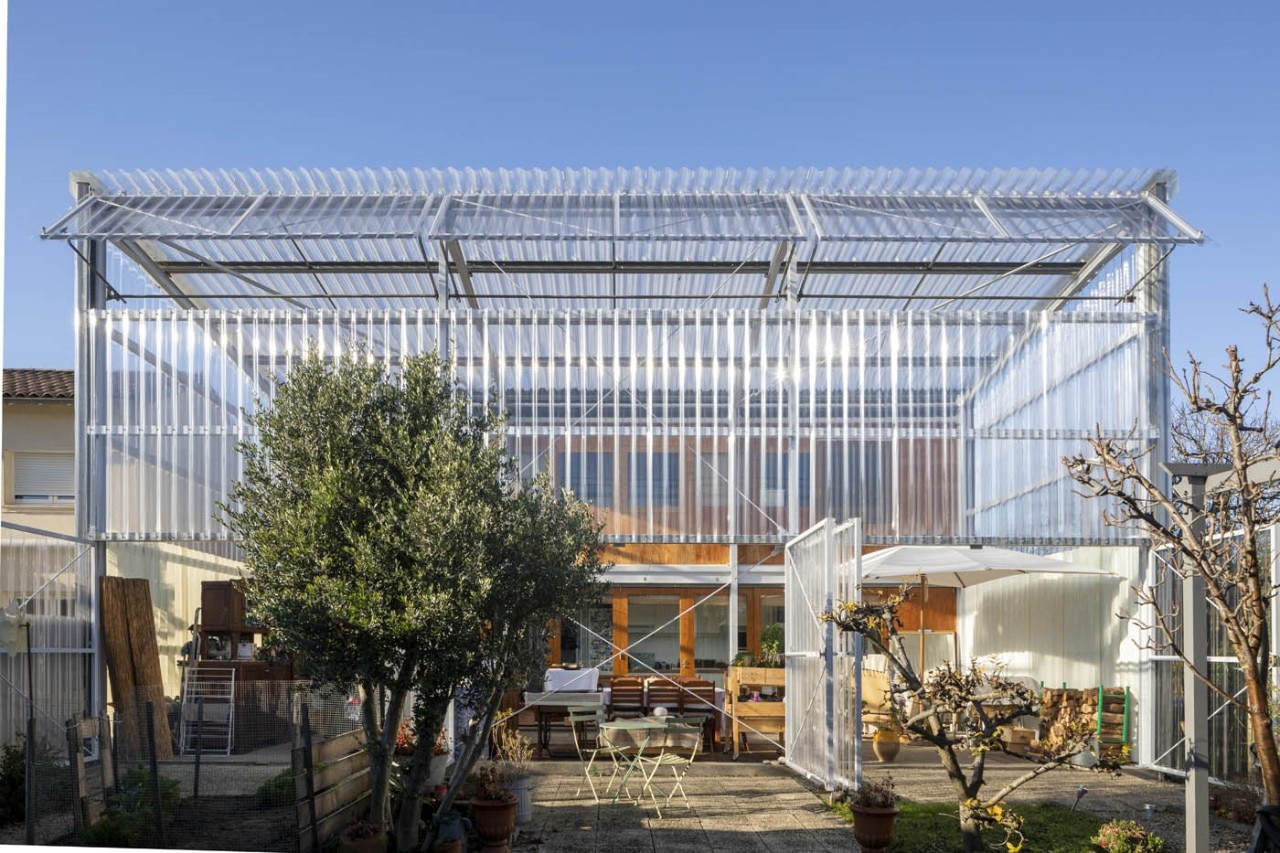

Floirac is a suburb of Bordeaux stretching along the Garonne, and while it has many different qualities, it stands out above all for its density of architectural icons. It was here that, in the early 1990s, one of the most celebrated villas by OMA / Rem Koolhaas was built; and it was here, shortly afterward, that a couple working for the French railways chose to build a new home for themselves and their two children. The budget was tight, but the idea of finding an ingenious, alternative way to deal with it was already clear: they turned to two young architects, Anne Lacaton and Jean-Philippe Vassal.
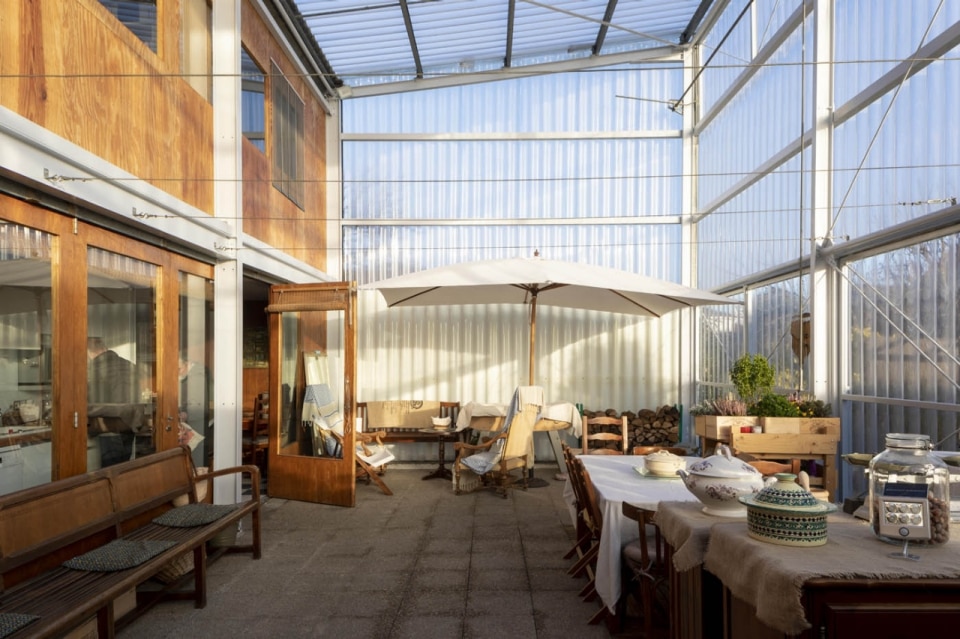
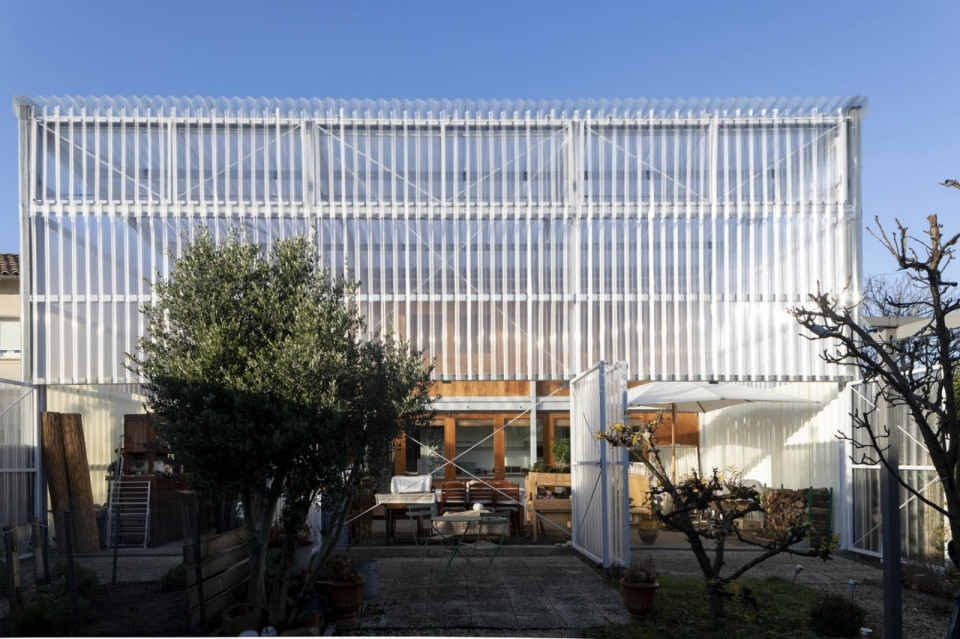
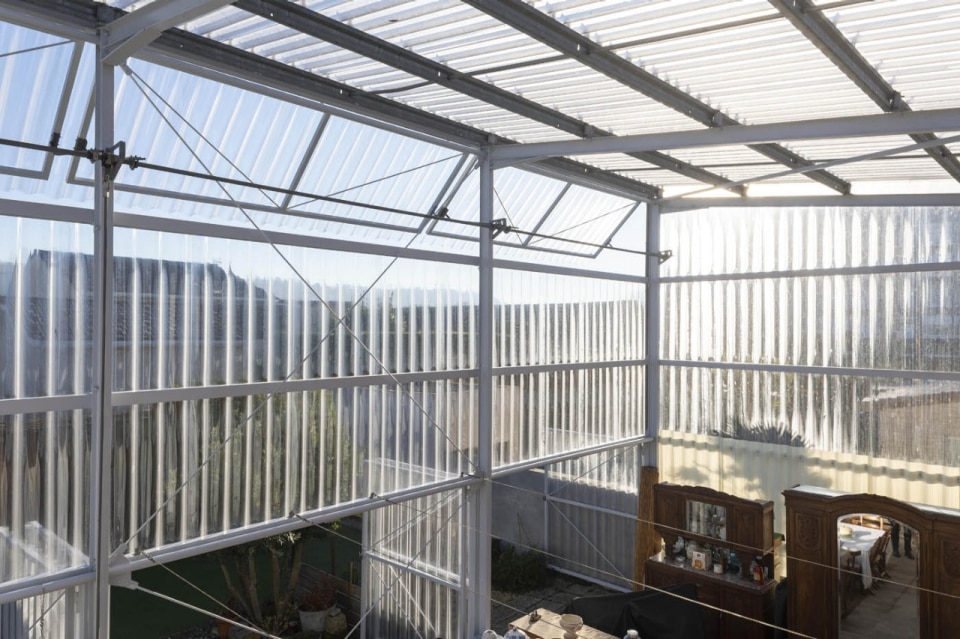
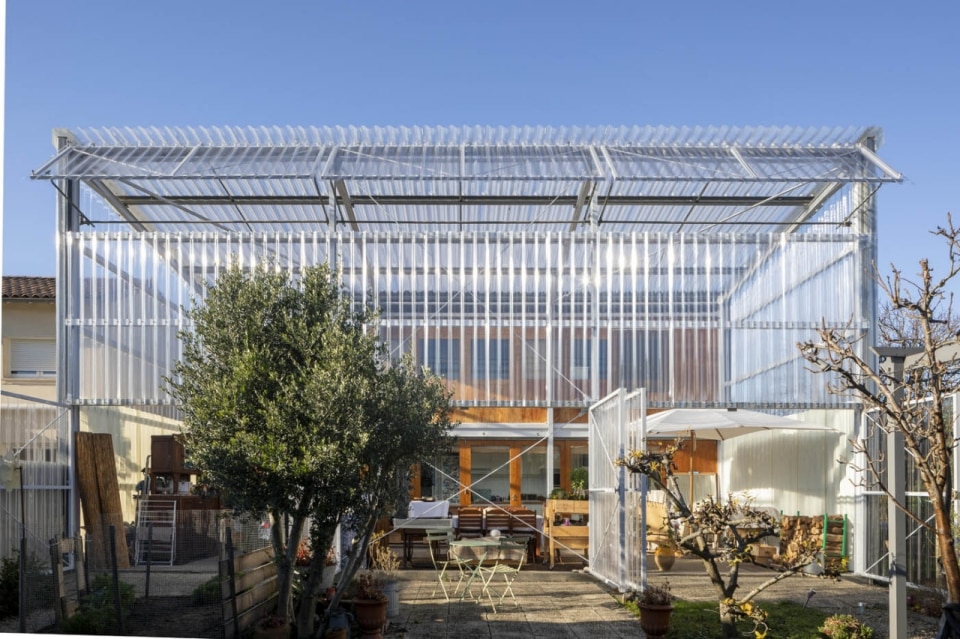
Their proposal was first and foremost a strategy, a construction program that was also a way of life. An economical and intelligent system that not only could improve the indoor climate but also transform the layout, spaces and rhythms of domestic life: a horticultural greenhouse.
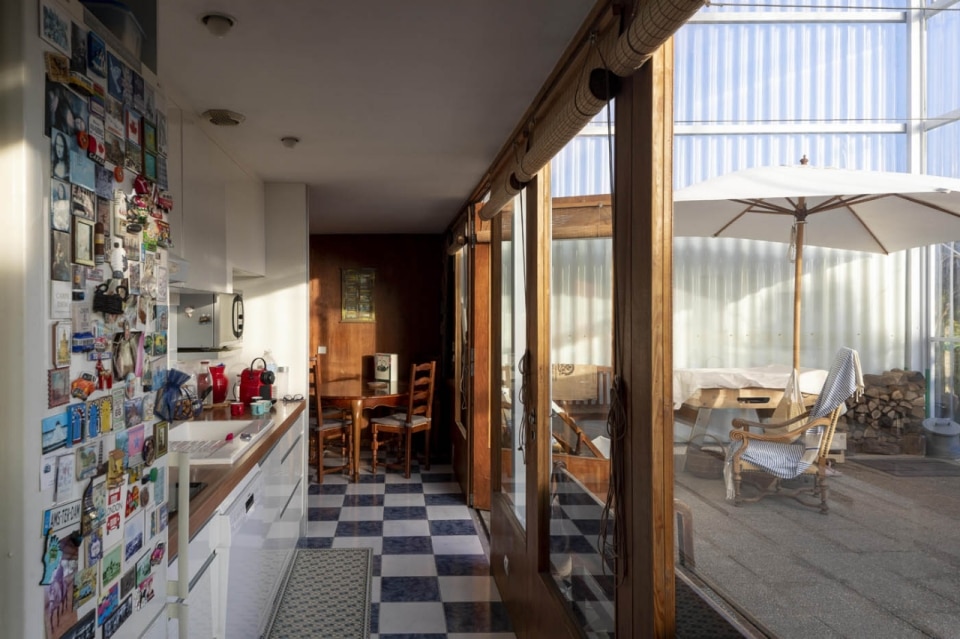
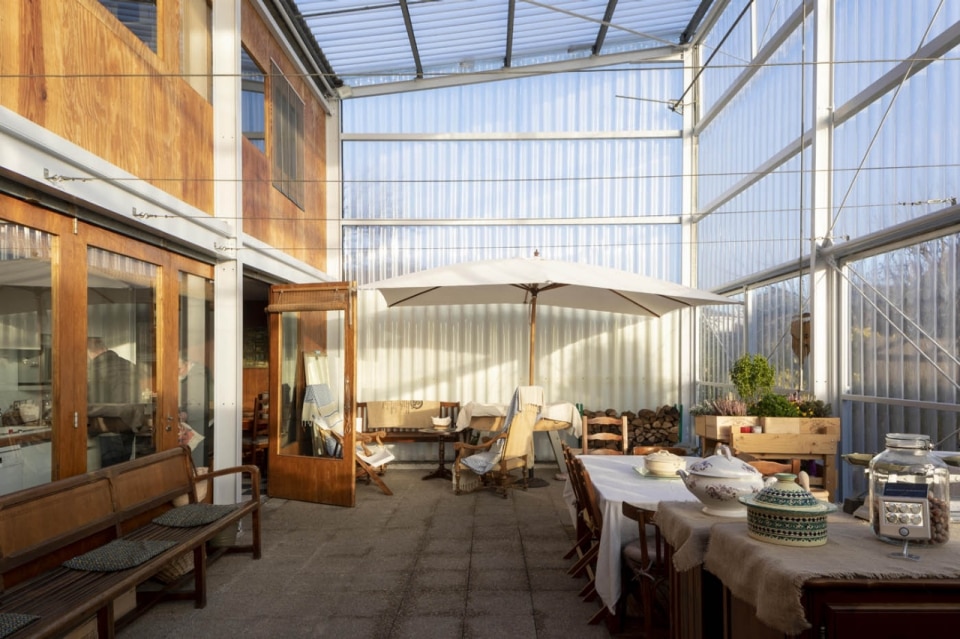
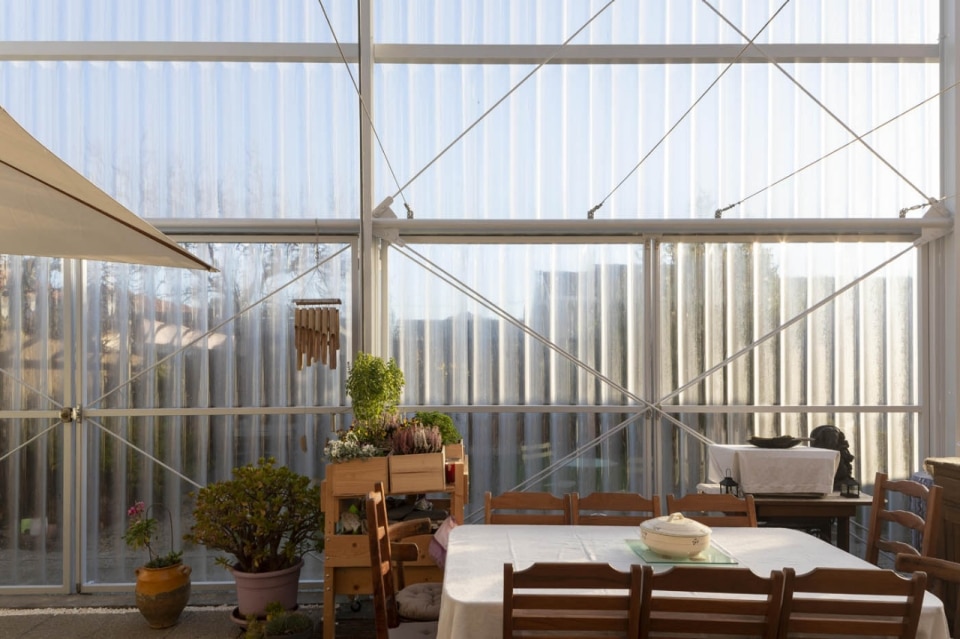
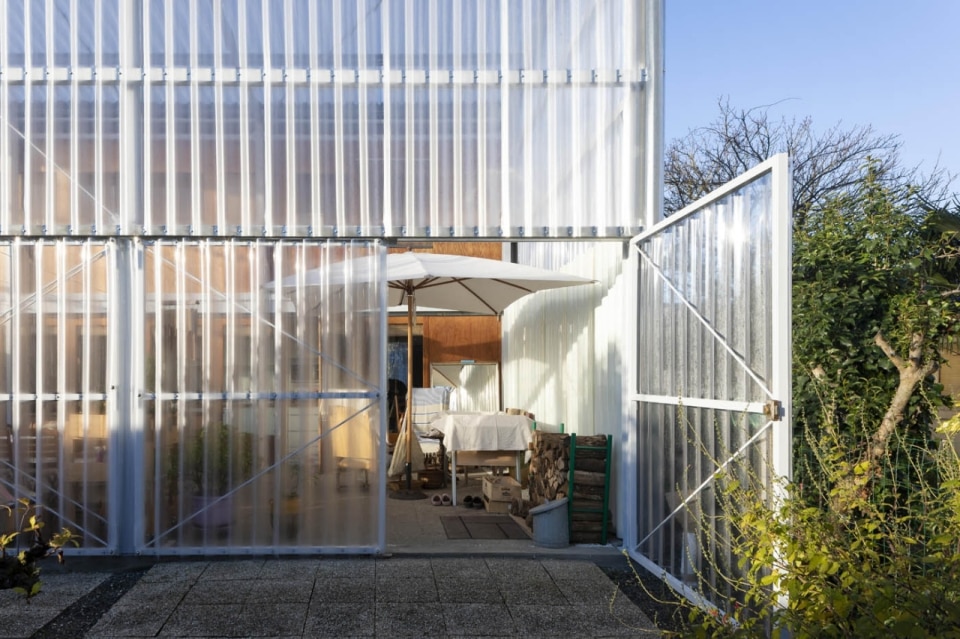
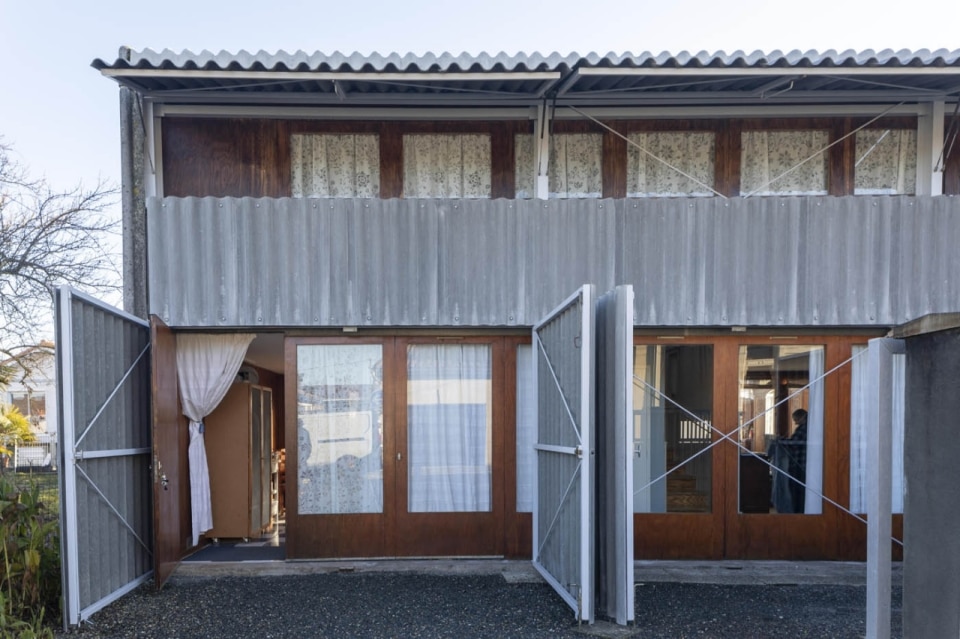
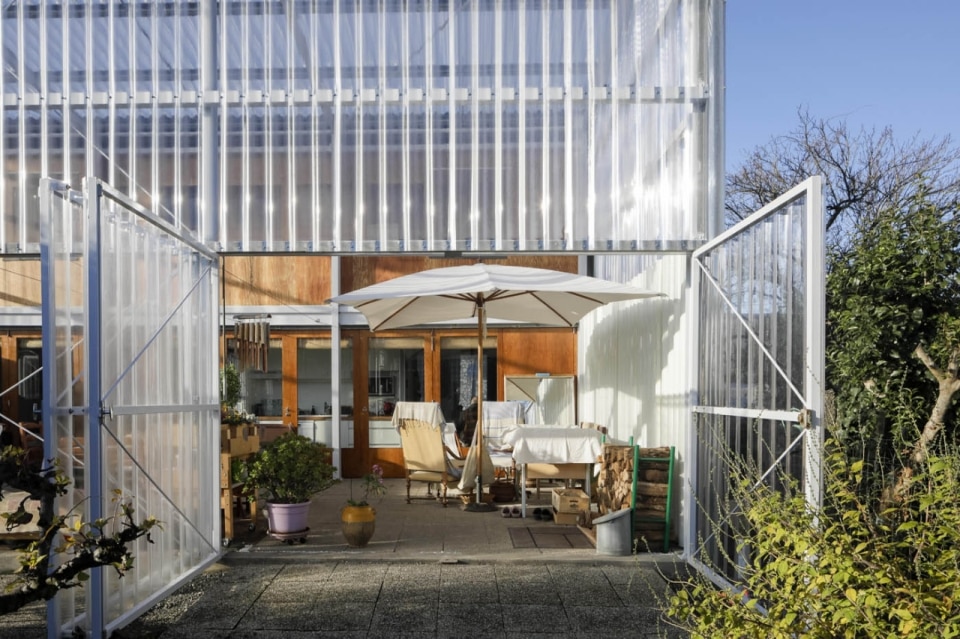
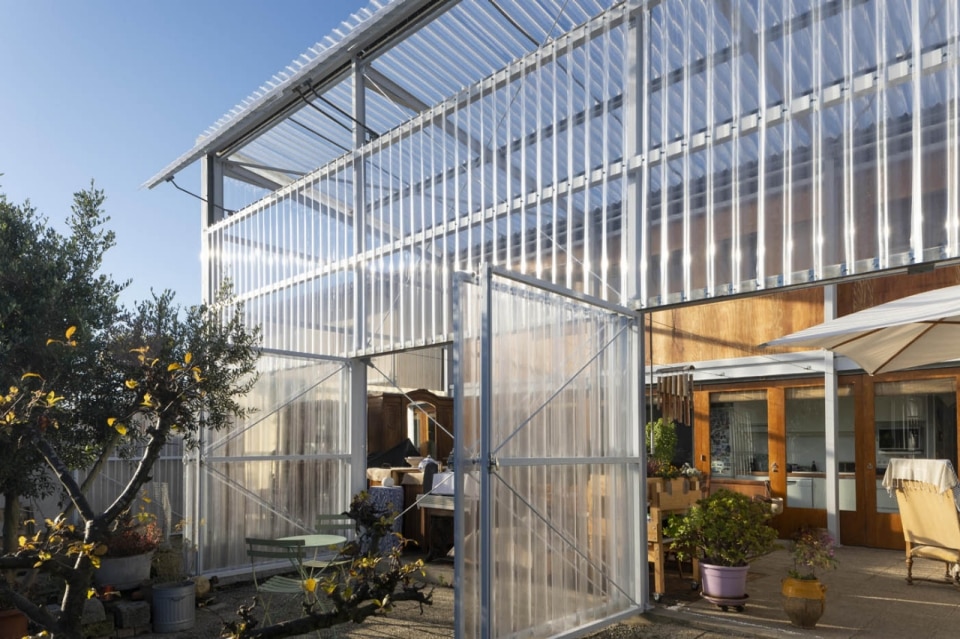
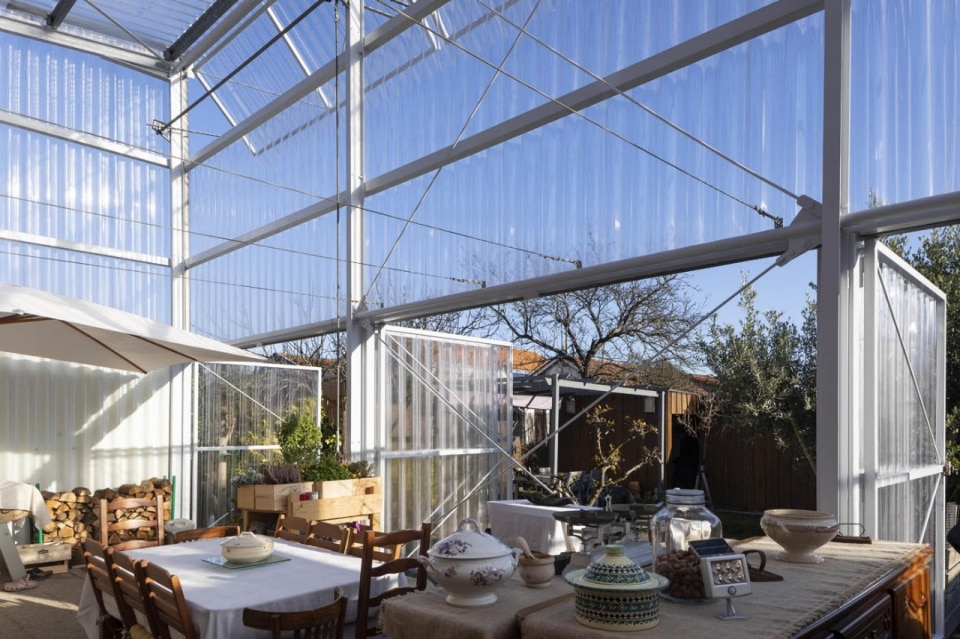
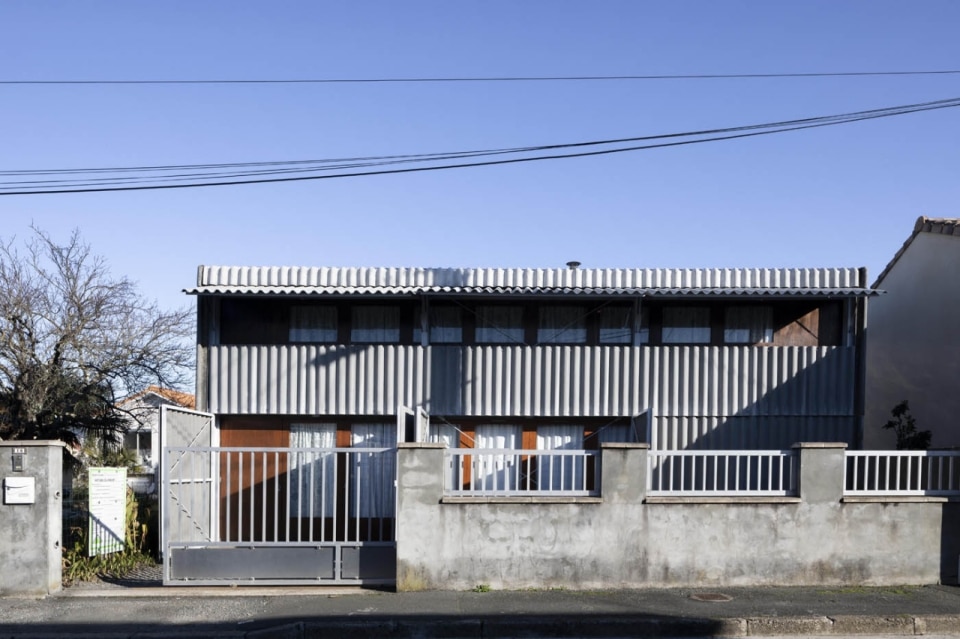
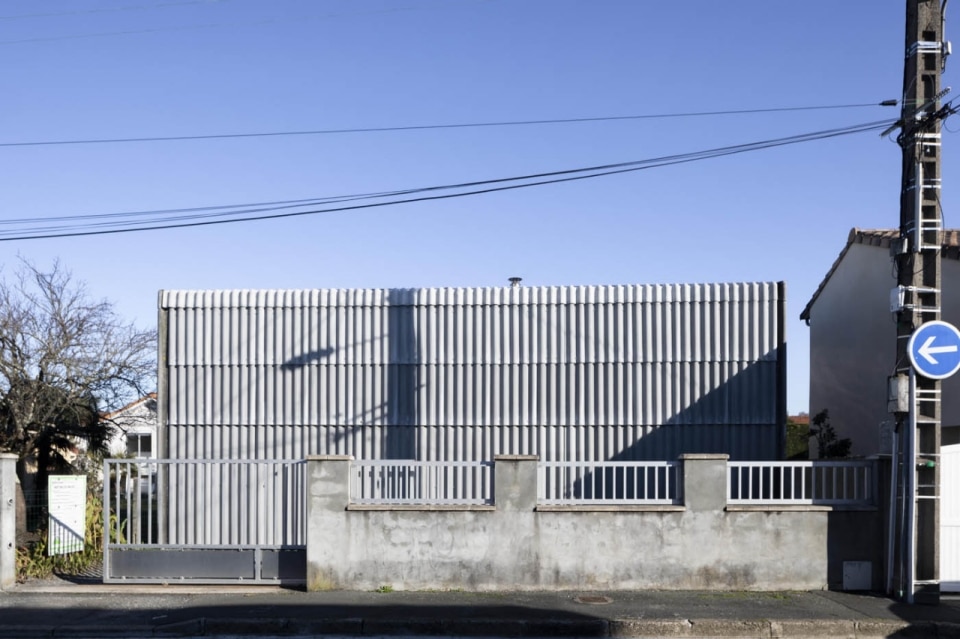
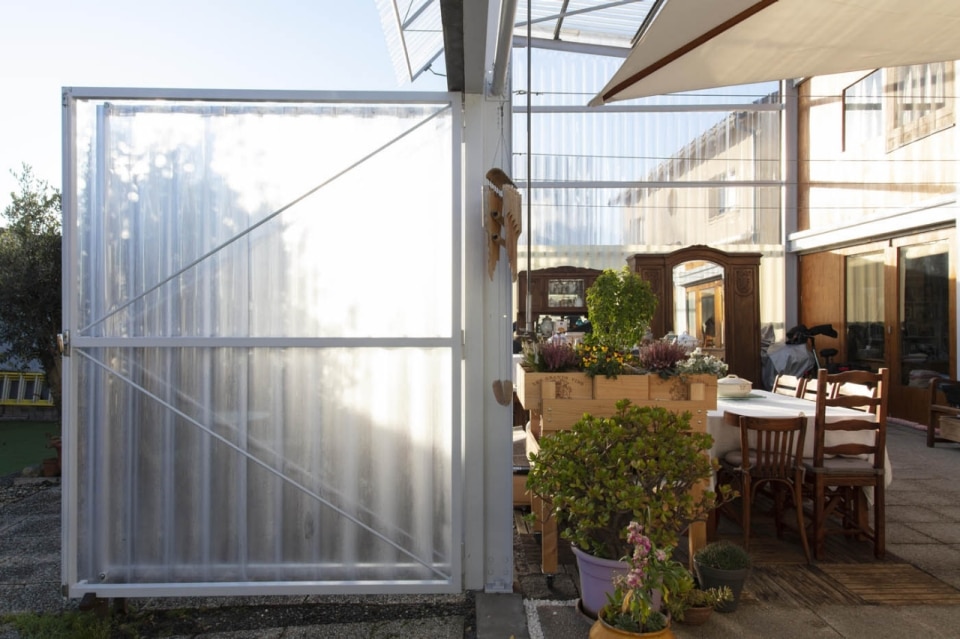
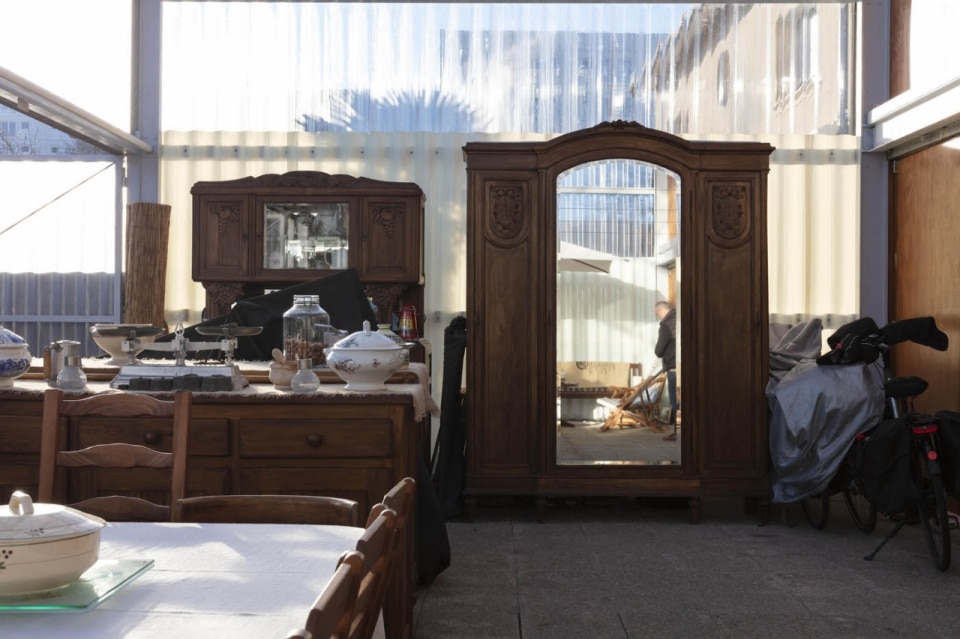
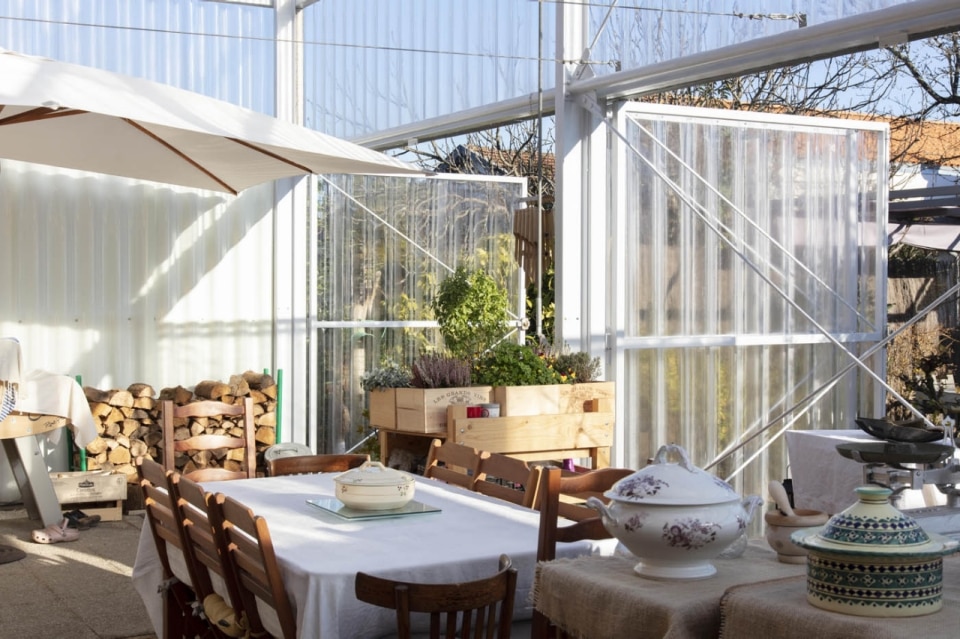
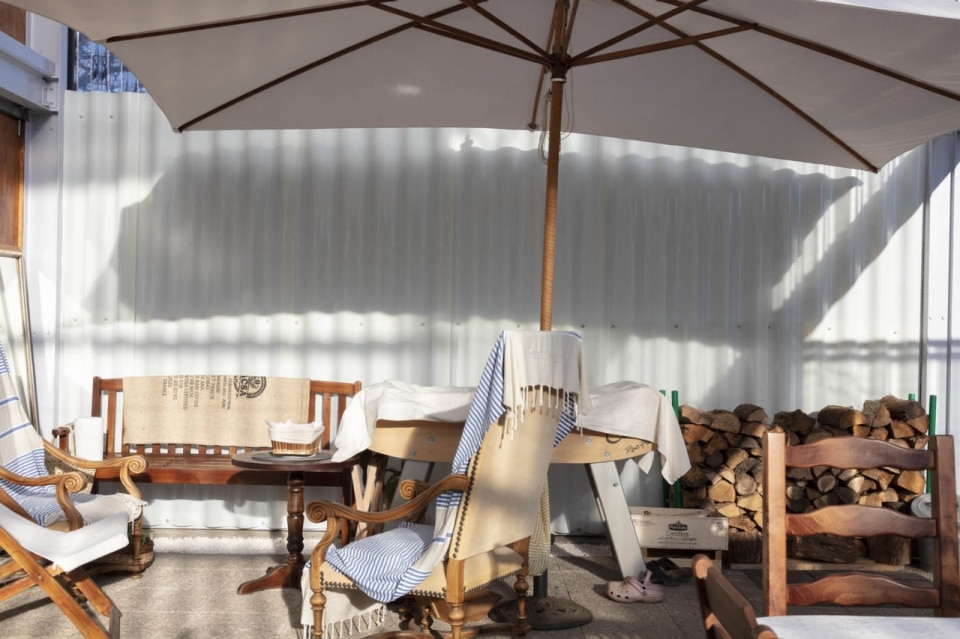
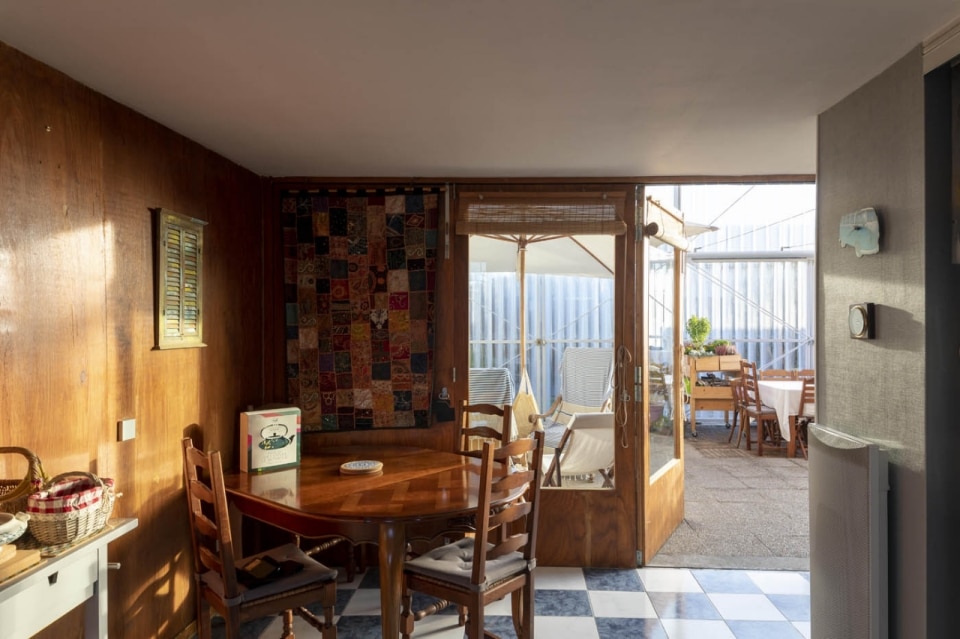
A large one was built, using steel profiles and corrugated panels: transparent polycarbonate facing the garden and fiber cement toward the street. A wooden box, would then be slipped inside: the “real” house.
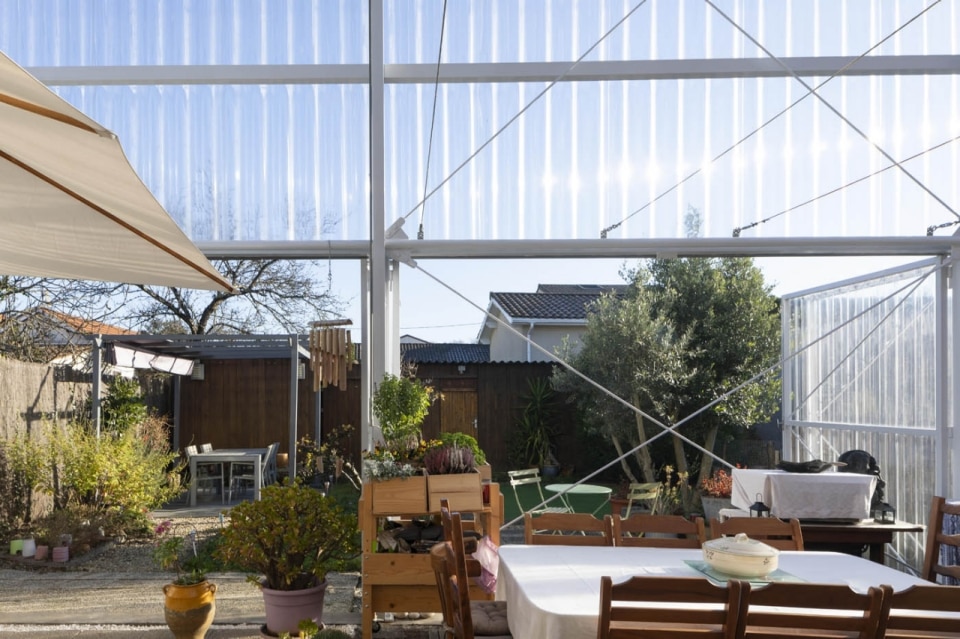
Enclosed by plywood walls, this inner volume measures 120 sqm, with a living space on the ground floor and two bedrooms upstairs, organized around a central service core with kitchen and bathrooms. But it is the hybrid space of the greenhouse that generates the true heart of the project, extending domestic space into an intermediate zone that is at once interior and garden – open in summer, warm in winter – where people and plants can coexist.
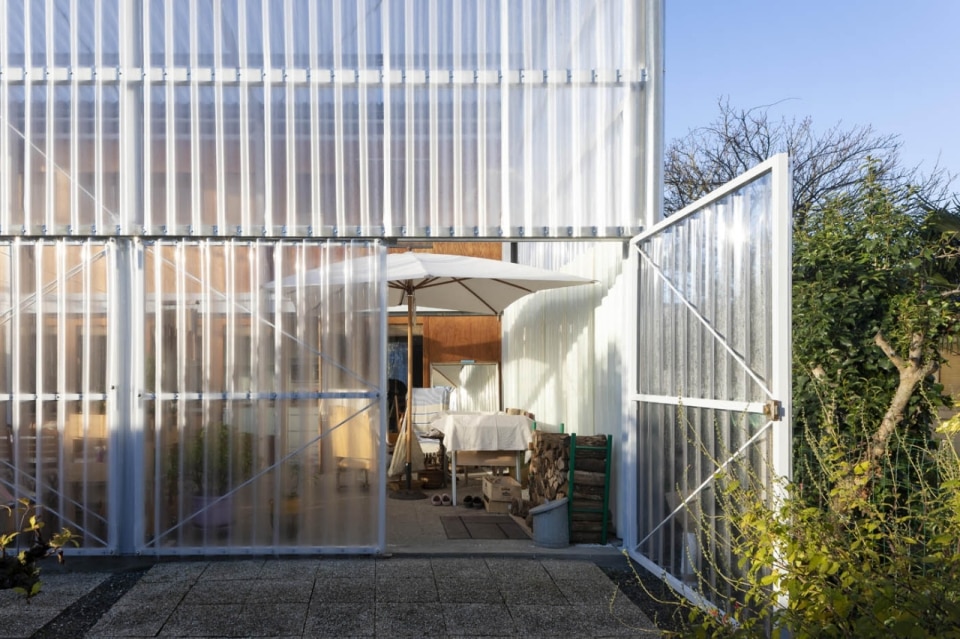
It is a house, and it is also a manifesto. This same principle of a layer with a dual function – climatic performance and domestic transformation – would become the defining feature of Lacaton & Vassal’s practice. Applied at a larger scale in 2017 for the renovation of the Grand Parc social housing complex, also in Bordeaux, the lightweight structures added to the long residential blocks marked a turning point in sustainable architecture and adaptive reuse. The project established both an aesthetic and a method, earning a spot in the central pavilion at the 2018 Venice Architecture Biennale curated by Grafton Architects – in the shape of a 1:1 model – and paving the way to the Pritzker Prize awarded to the architects in 2021.
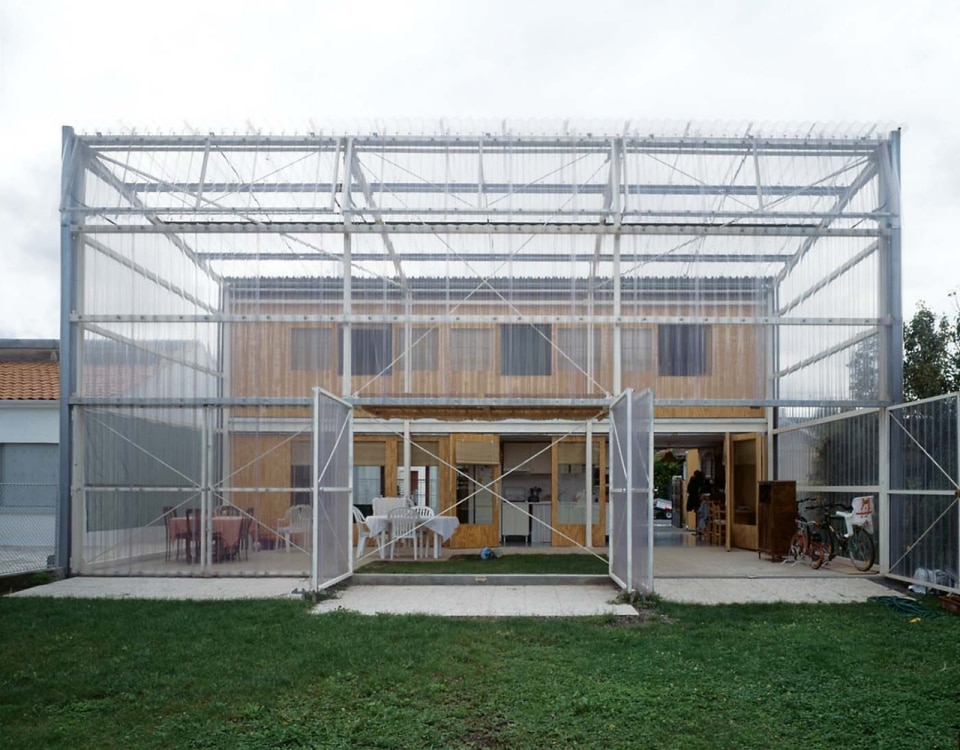
The Paris-based agency Architecture de Collection is now handling the sale of the Latapie House. This is not the usual case of giving a new life to a neatly crystallized fragment of history; rather, it is history itself unfolding in the here and now. It is contemporary architecture that continues to work, to function, and to withstand, day after day, the tests to which critics and users alike continually subject it.