

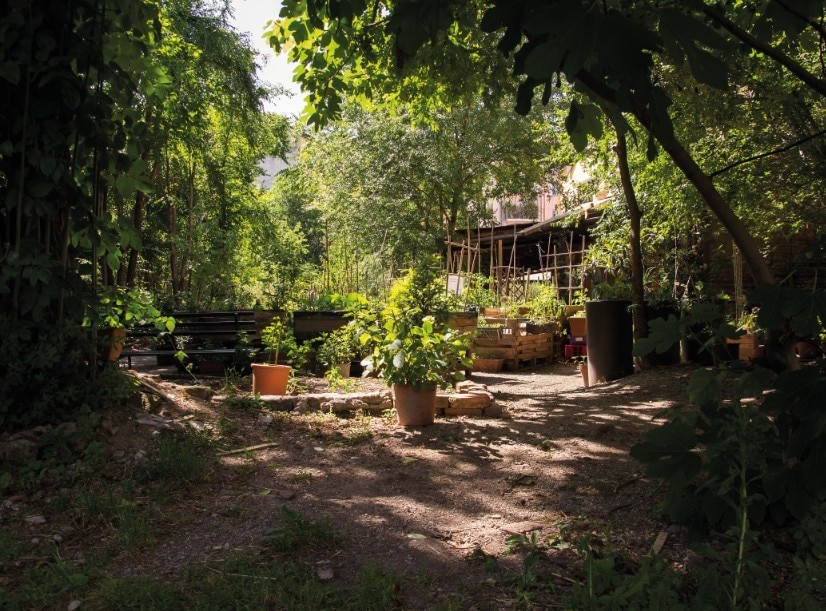

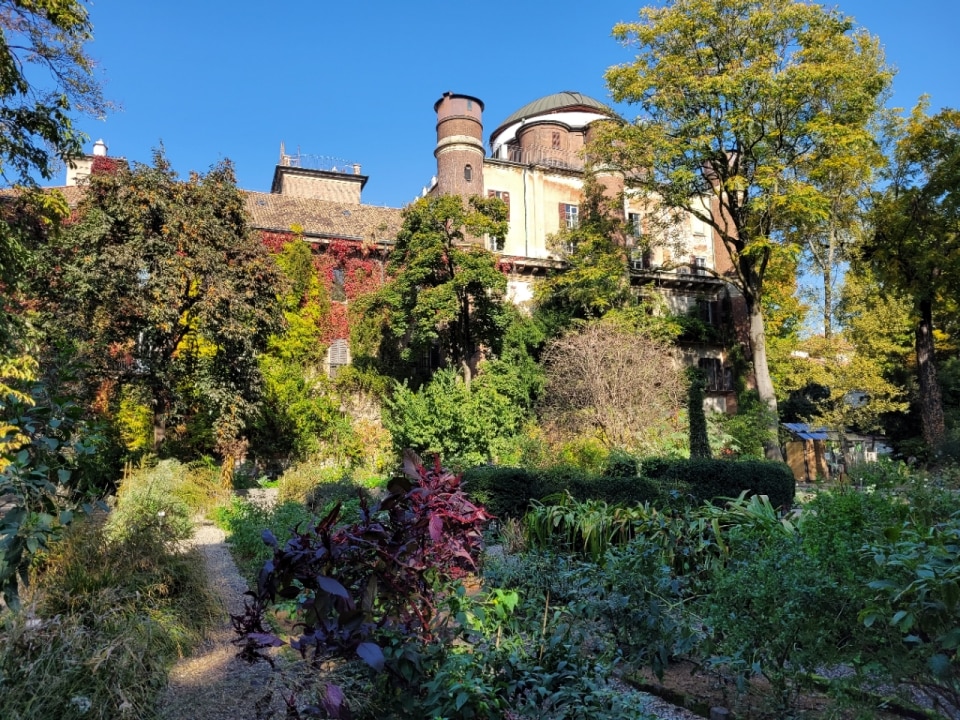


In a city like Milan—where every corner seems to be claimed by construction sites, shop windows, or café terraces—there exists an alternative dimension: silent and unexpected, revealed only to those who know how to look. These are the hidden gardens: patches of green tucked behind noble doorways, shielded by austere walls, or nestled within monumental architecture. They are suspended spaces where the city’s urgency fades and everything seems to slow down. Unlike major European capitals, Milan doesn’t readily flaunt its greenery. It protects it, conceals it, guards it like a secret. And it’s precisely this discretion that defines its charm. Hidden gardens are not just shady corners or places of rest—they are urban episodes that tell stories, reflecting the city’s evolution and its relationship with nature, art, and architecture. Visiting these places means rediscovering a different Milan: cultured, contemplative, intimate. It means stumbling upon scenes from another era, among centuries-old magnolias, 19th-century botanical gardens, rose bushes, and monumental trees that brush against the baroque or neoclassical frames of surrounding buildings. It also means, paradoxically, getting a close look at the very idea of “design” in its broadest sense—because every garden, even the most natural-looking one, is the result of deliberate intention, of a precise vision.
Many of these places reveal clear layers of history: the Brera Botanical Garden, for instance, tells the story of an Enlightenment-era legacy transformed into a public educational space, while the Giardino delle Vergini at the Catholic University preserves memories of an ancient convent now integrated into contemporary academic life. The Giardino Perego, on the other hand, is a successful example of public greenery "hidden in plain sight", offering a breath of fresh air to the dense Brera district. Others, like the Arcadia Garden or the Garden on Via Terraggio, are even more camouflaged—embedded within complex, history-laden urban fabrics, true green rooms that passersby might easily overlook if unaware of their presence. But once discovered, they’re hard to forget. Exploring them means understanding that Milan is much more than what appears in architectural renderings or urban news cycles—a city that has guarded its greenery with a certain jealousy, almost as if to reserve it for those willing to slow down and observe closely. In these gardens, architecture becomes a frame, nature becomes a narrative, and time—for a brief moment—truly seems to stand still.