


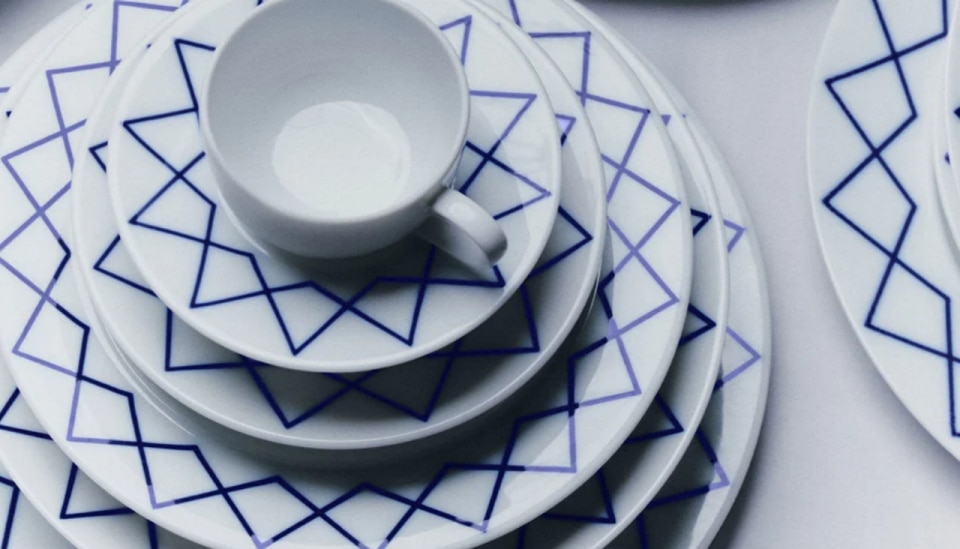
In 1993, La Bella Tavola was Alessi's first tableware collection. For once, no steel: every piece is made in white glazed ceramic. The designer is Ettore Sottsass, by then at the height of his fame, already a collaborator with Alessi and long immersed in ceramic work. "Ah! those unpredictable, breathtaking ceramics that filled our weekends for years," wrote Fernanda Pivano — his Fernanda — in Domus that same year, recalling the seasons Sottsass spent experimenting in the Bitossi kiln.
Setting a beautiful table to eat with family, or with friends, or because you are engaged, or even because you are lovers, [...] seems to me a very elegant way to show awareness, respect and care.
Ettore Sottsass
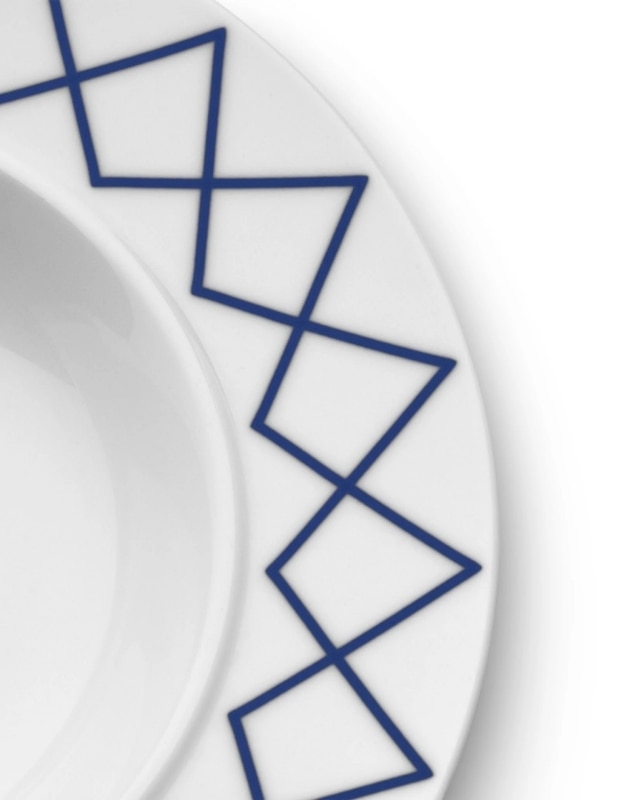
The service he designs for Alessi today is reissued by the company. It consists of bowls, flat plates, serving dishes, saucers and cups and anticipates the shape of the "gourmet" plates that were so fashionable a few years ago. The proportions of wide flaps and thin profiles draw the shape of these dishes from the upright "collars" that frame the food.
With La Bella Tavola, Sottsass wanted to define new archetypes for the contemporary table, proposing an elegant and democratic set that would eschew the distinction of "everyday" and "party day" dishes, indulging in this sense a Scandinavian echo principle. "Setting a beautiful table for eating with family, or friends, or because you are engaged, or even because you are lovers, [...] seems to me to be a very elegant way of showing awareness, respect, and care."
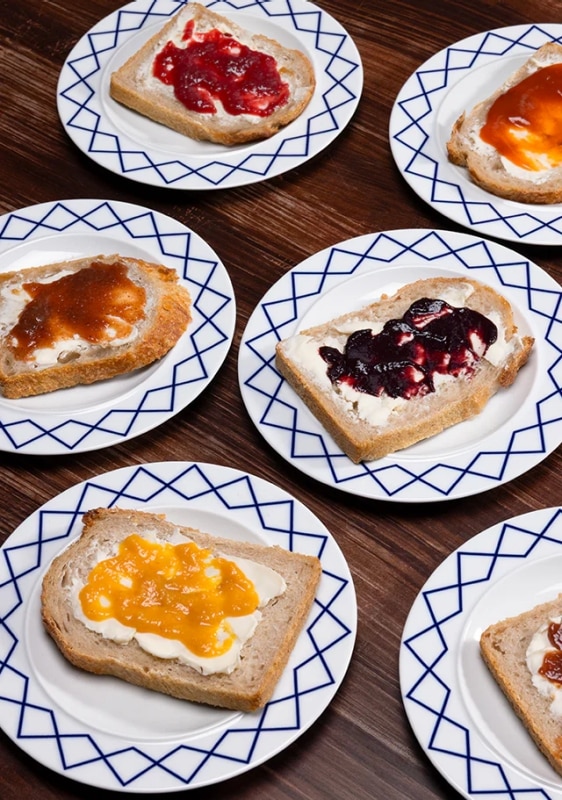
The Beautiful Table-in addition to the all-white one-also has a version decorated with a cobalt blue mark. The "My beautiful China" decoration is a tribute by Sottsass, a great traveler and lover of the Orient, to Chinese decorated porcelain vessels. The feature that characterizes his plates is a schematic interlocking that yields to the rigor of geometry by fading slightly during the second glaze firing: this factory "flaw" appealed to the designer, who wanted to keep it, considering it an essential production element.
As with any self-respecting Sottsass product, the object by itself does only part of the work: the two versions are designed to be combined to make each person the author of his or her own table.