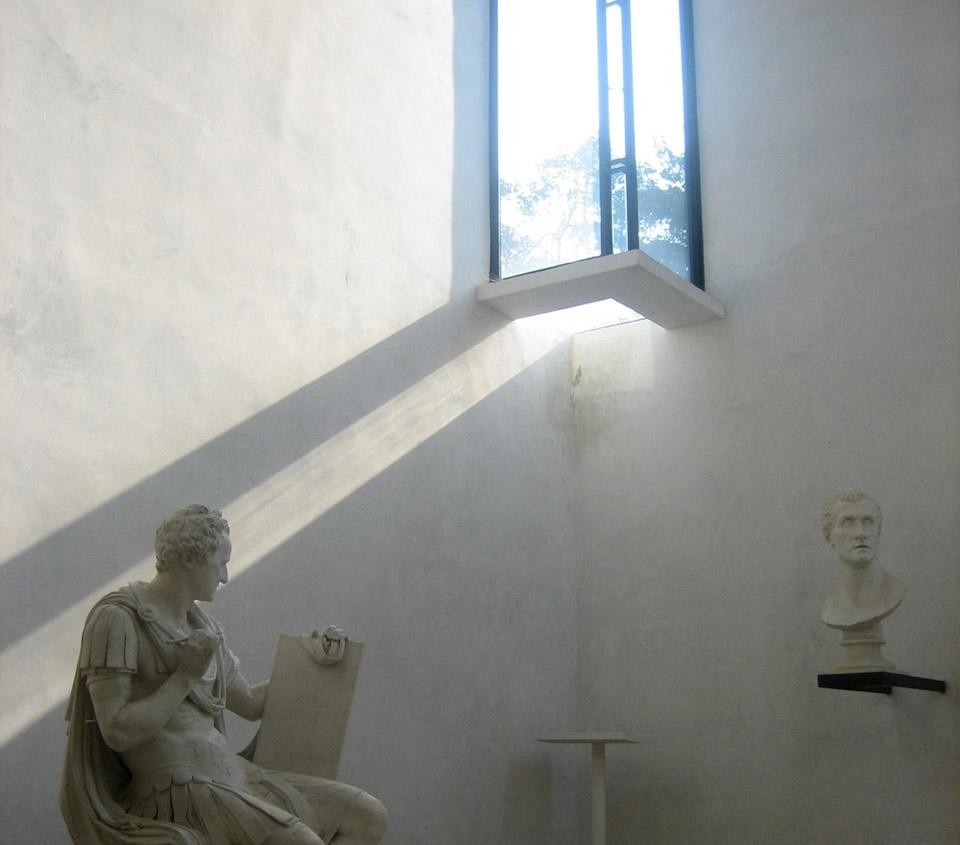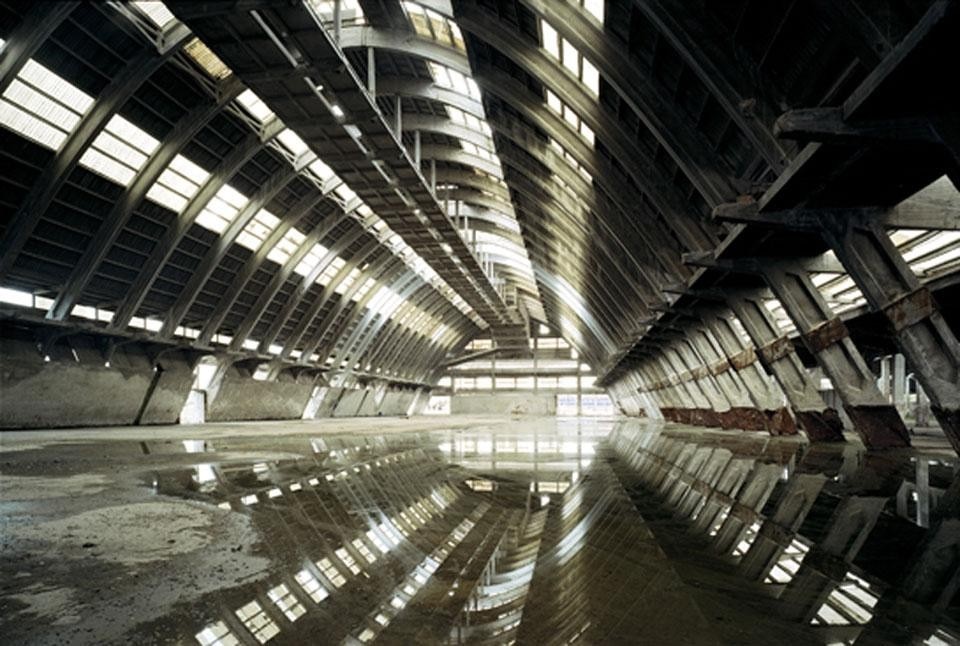
The course introduces the culture of daylight both as an expressive device, and as a technical tool for a sustainable design approach. Artificial light is presented not as an independent topic, but both in its integration with daylight and its increasing capacity as a key component for a positive impact on human well-being. Alongside these studies, the course encompasses a full programme of lectures, seminars and conferences, delivered by a varied body of experts and professionals.
The course philosophy stresses the necessity of analyzing daylight strategies as part of the basic concepts of an architecture project; using the circadian system in both natural and artificial lighting to positively influence our experience, and sharing a new consciousness of the importance of the influence of darkness on the built environment.
Set in the town of Vicenza, a UNESCO World Heritage Site, the course includes guided tours to experience the play of light in architecture, from Renaissance masterpieces by Palladio and Scamozzi, to Carlo Scarpa's works, and provides access to contemporary buildings by Renzo Piano, Massimiliano Fuksas, Tadao Ando, and to the recent Traverso-Vighy daylight experiments.