


Alexei Muratov
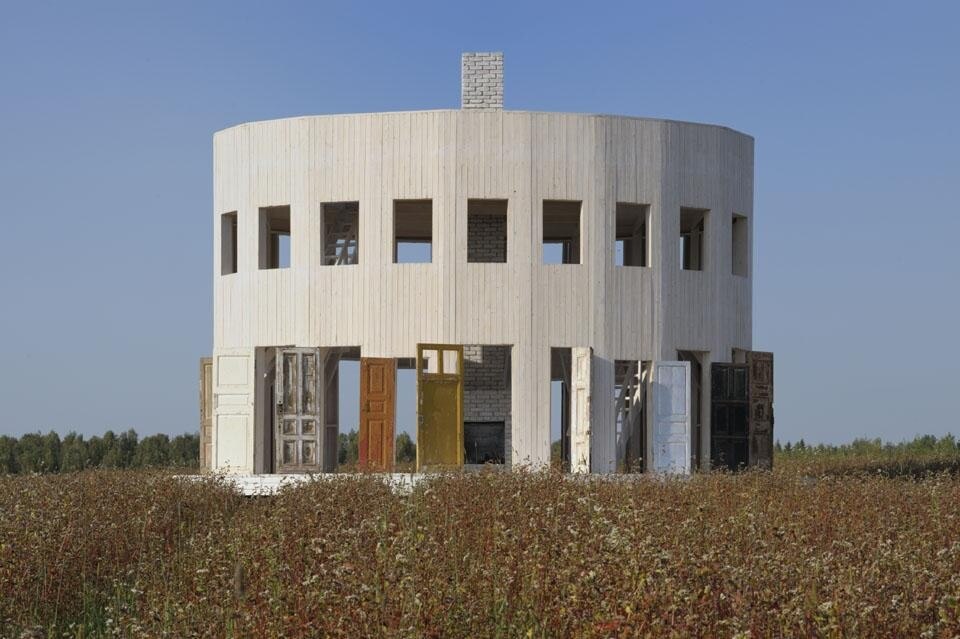
Alexander Brodsky is the most prominent proponent of an architectural and artistic position that has been working for decades on the crossover between architecture and art, transcending the boundaries between these two disciplines on a daily basis. His architectural and artistic manifestations provide a testimonial to the search for a different Russian identity. In his projects—which are dominated by clear simplicity and theatrical power, never kitsch and never outdated—he often combines sharp criticism of the system coupled with subtle irony. Brodsky's characteristic "Humanism of the insignificant" (Alexei Muratov) presents itself with restraint in his architectural vocabulary when he visibly inserts used or old items into his work. A key example for this practise is the Vodka Pavilion, completed for a cultural festival in 2003, which is constructed entirely of the window frames from a demolished factory and was intended to be dedicated exclusively to the ritual of drinking vodka.
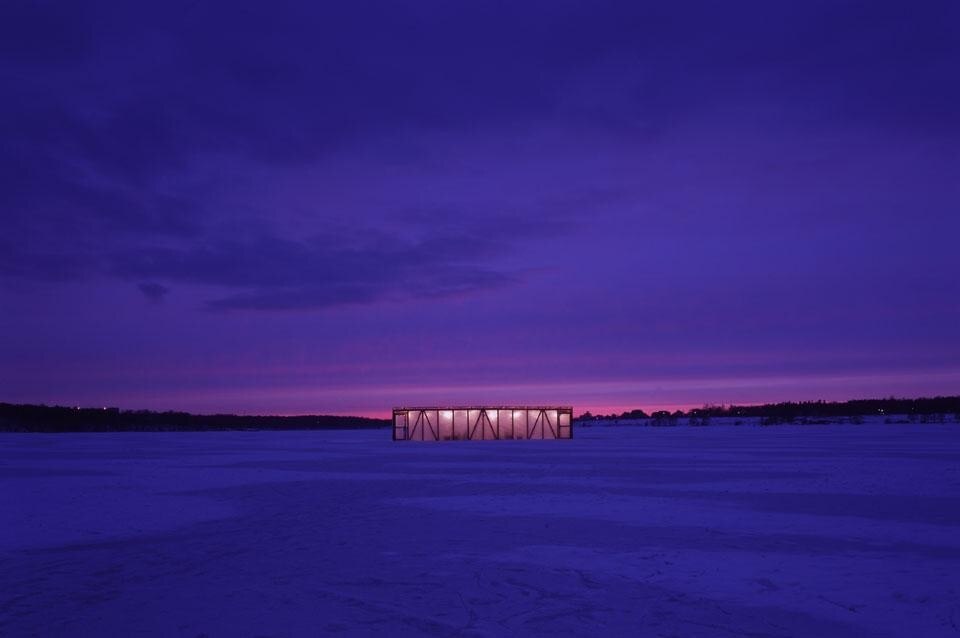
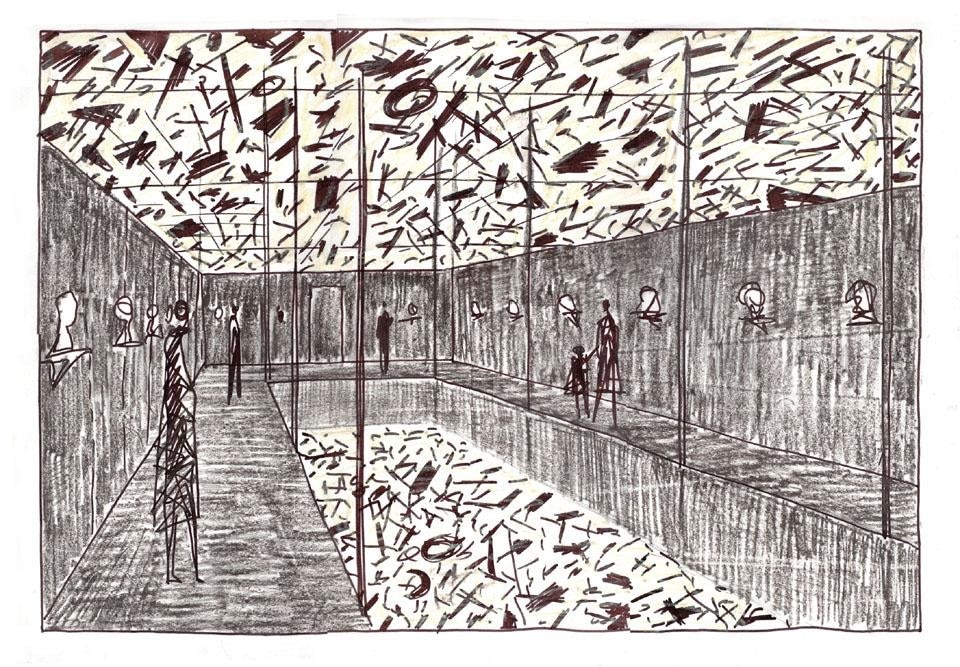
Alexander Brodsky has realised a voluminous installation for the exhibition hall at the Az W destined to fascinate visitors: Day becomes night, and the dimensions of space and time appear to slowly dissolve as one paces an artificially created chamber of wonders. The installation represents a further development of Brodsky's work with Ilya Utkin, which was realised in the USA for the 1990 exhibition 'Between Spring and Summer: Soviet Conceptual Art in the Era of Communism'. The Az W is showing works by Brodsky in his capacity as an artist and as an architect—united for the first time in one exhibition. The installation is embedded in a large number of quotations from earlier works—sketches, plans, drawings and examples of his now famous 'paper architecture' show the scope of his work and the flowing transitions between art and architecture. Photographic interpretations by Yuri Palmin (photographer and long-time companion) illustrate the subtle, restrained approach of his architecture. His style is characterised by a strong relationship to traditional building techniques while using locally sourced raw materials. Brodsky's architectural oeuvre to date is restricted to Russia, and his clients consist of a small circle of wealthy individualists who deliberately choose to avoid the popular Russian style of building.
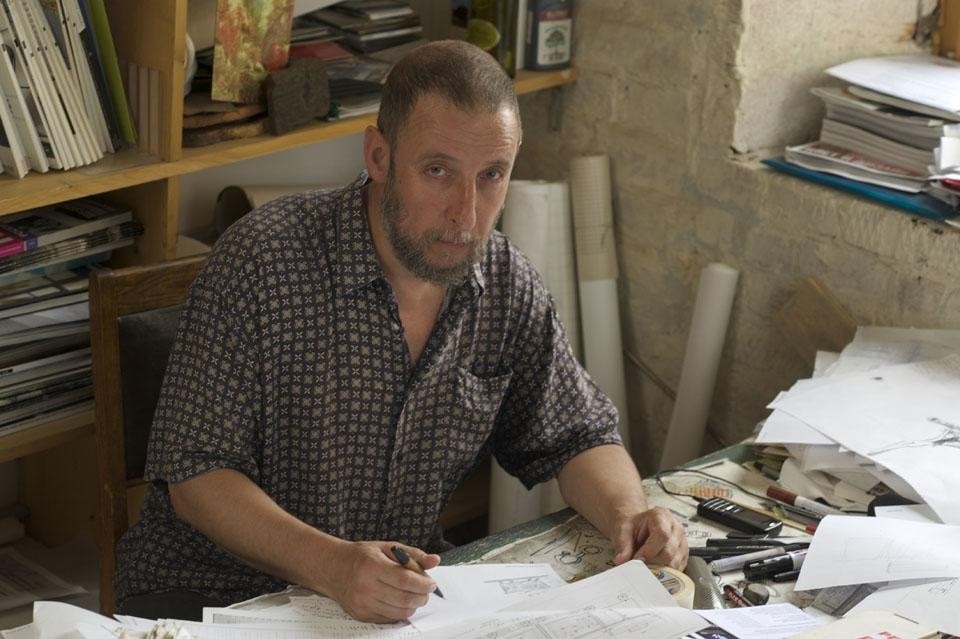
Brodsky concentrated on his artistic activities during the 1990s, and moved to New York in 1996. Brodsky can look back at a considerable number of exhibitions world-wide—both solo shows and, more recently, in collaboration with Ilya Utkin. Probably not least to provide a visionary counter-position to the building boom of the New Russia, in 2000 he founded his unconventional architecture office back in Moscow, and began accepting commissions for restaurants, single-family houses and temporary architecture installations. In 2010 Brodsky was honoured with one of the highest artistic awards in Russia, the Kandinsky Prize.
With their utopian and imaginative designs, these 'paper architects' looked for ways out of the tristesse of the architecture of the Khrushchev era and the period of stagnation under Brezhnev.
Architekturzentrum Wien
June 29.2011–October 03.2011
Mon-Sun 10:00 am - 07:00 pm
Museumsplatz 1, im MQ
A-1070 Wien