

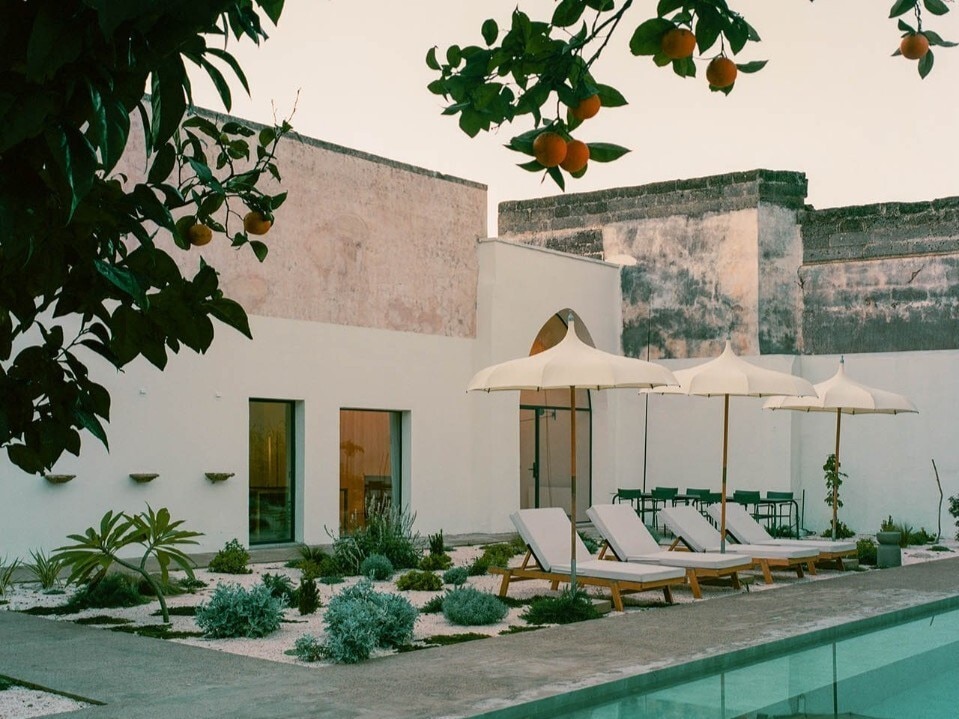

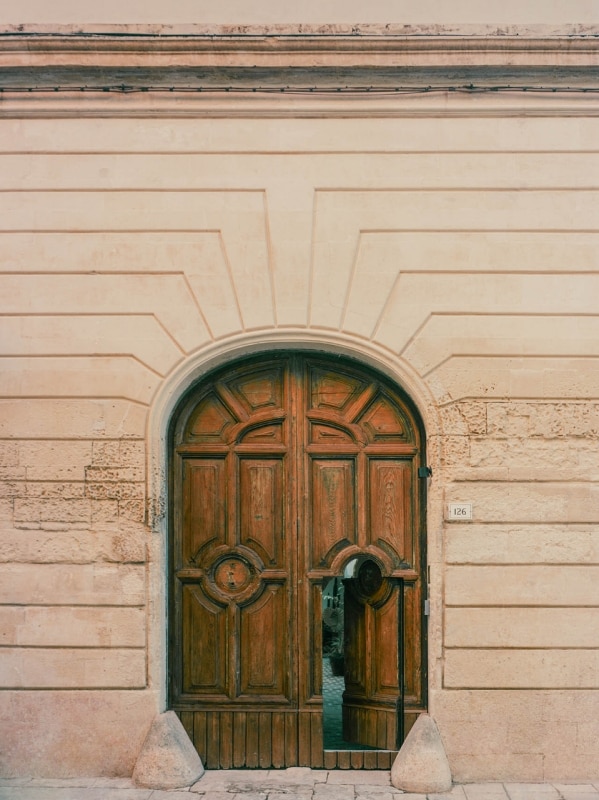
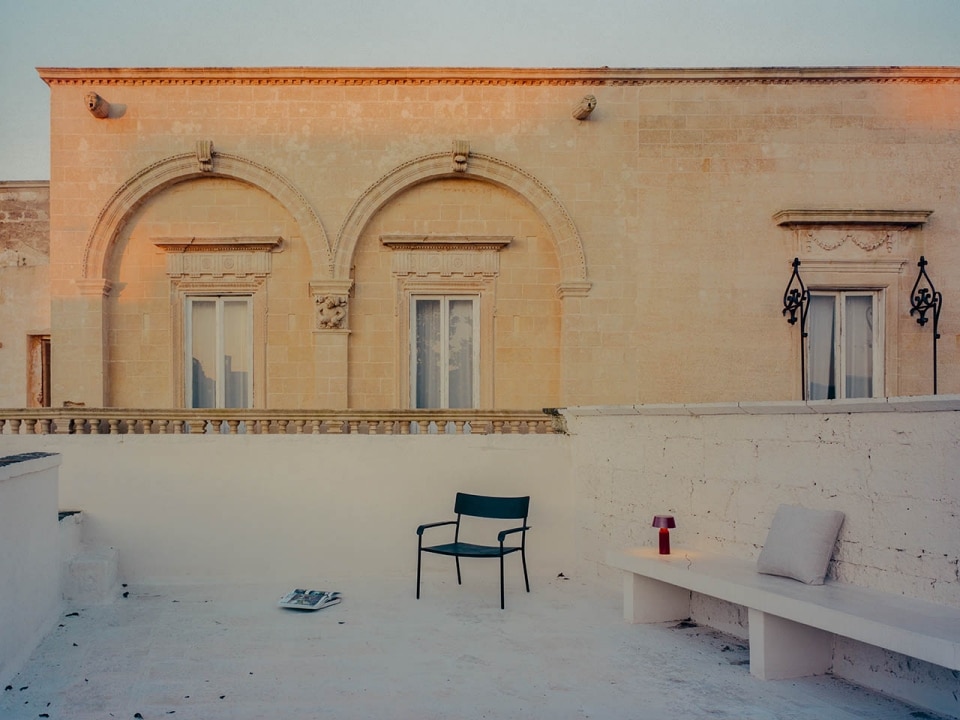
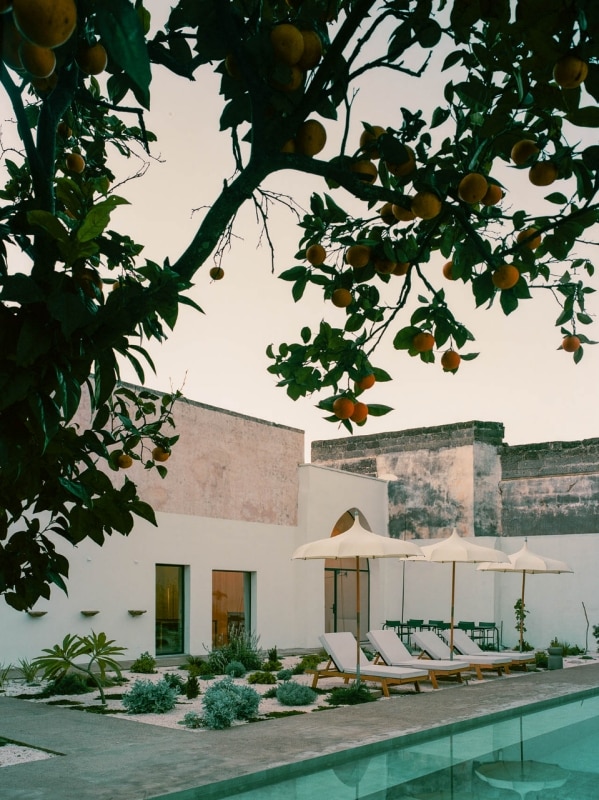
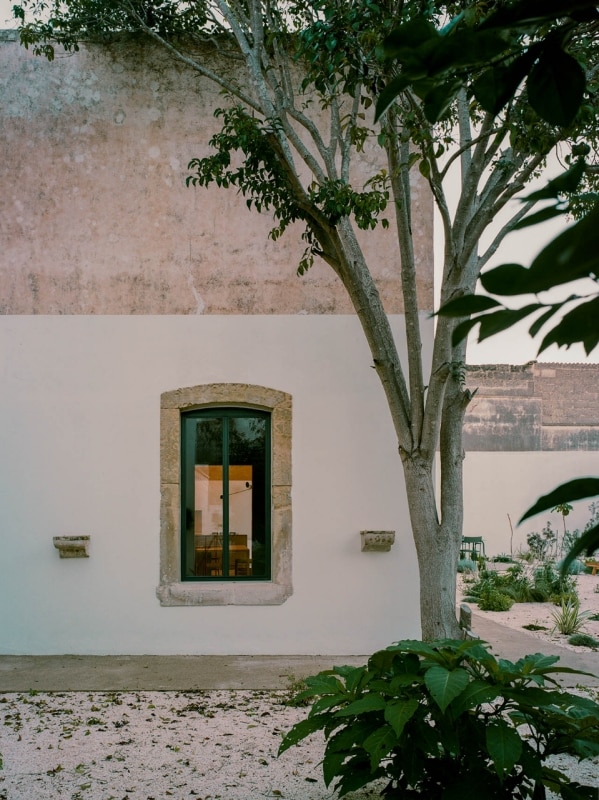
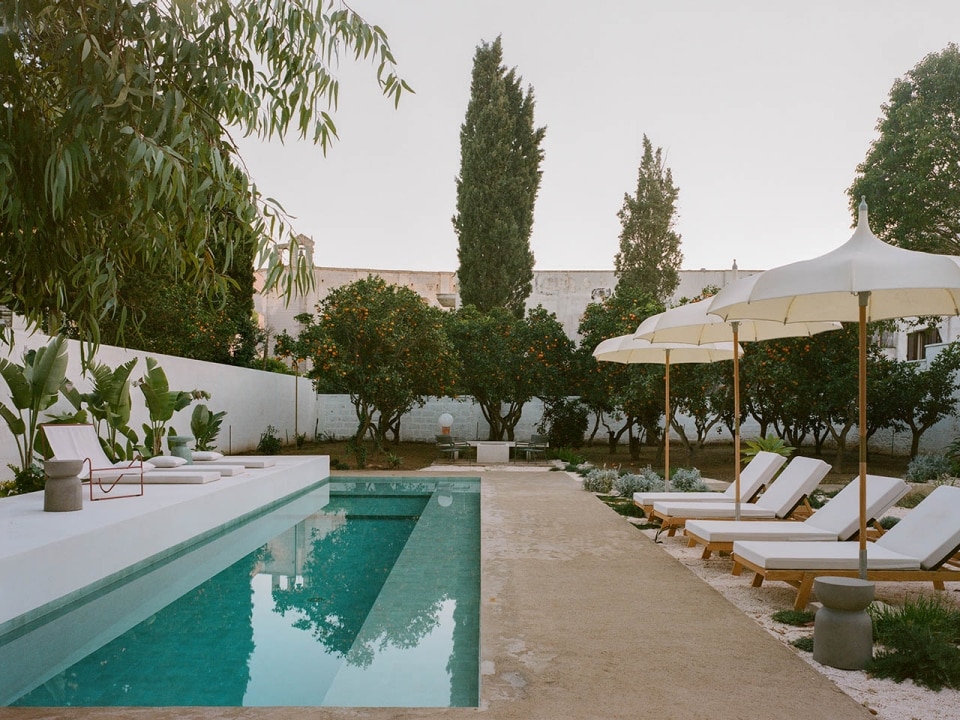
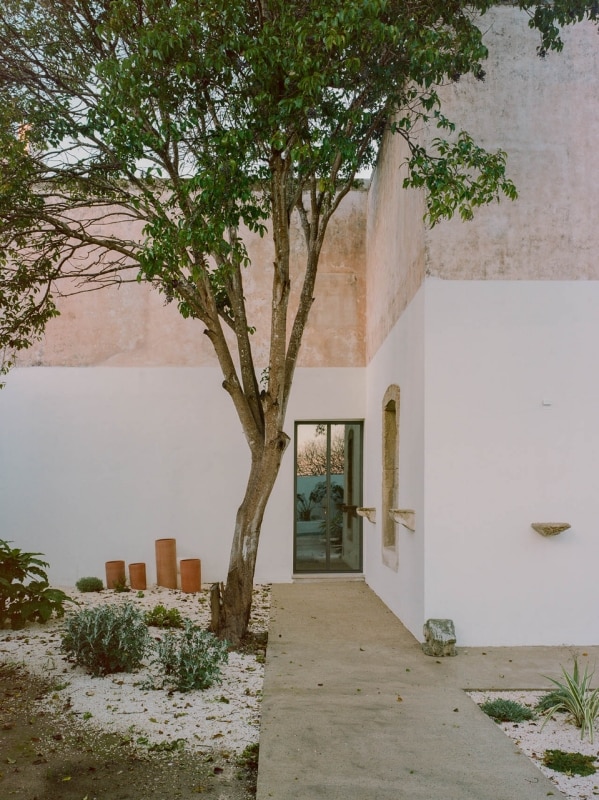
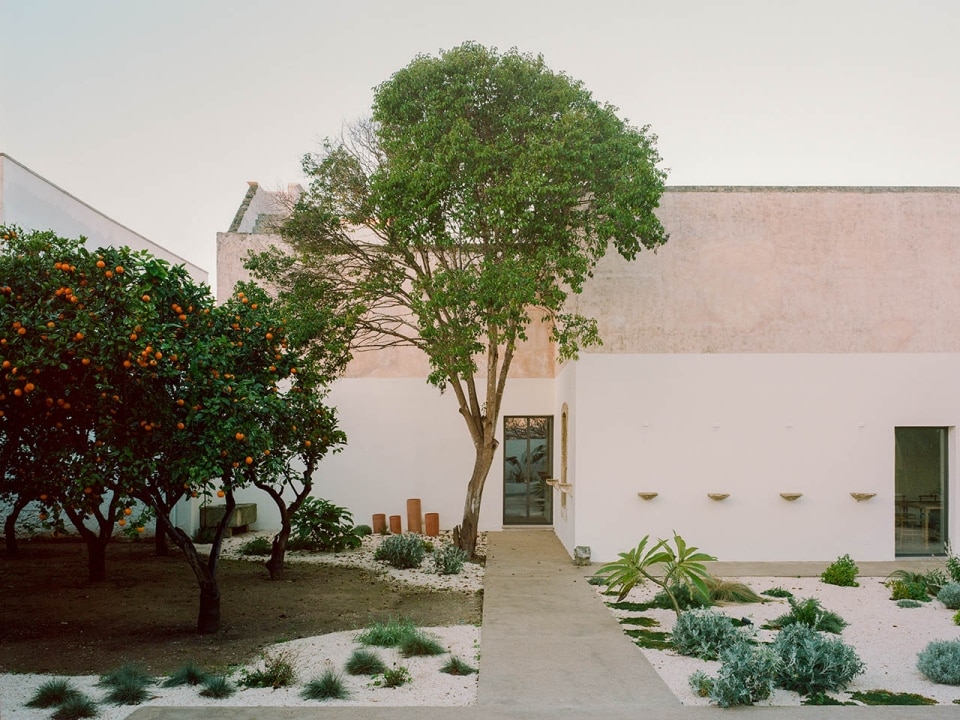
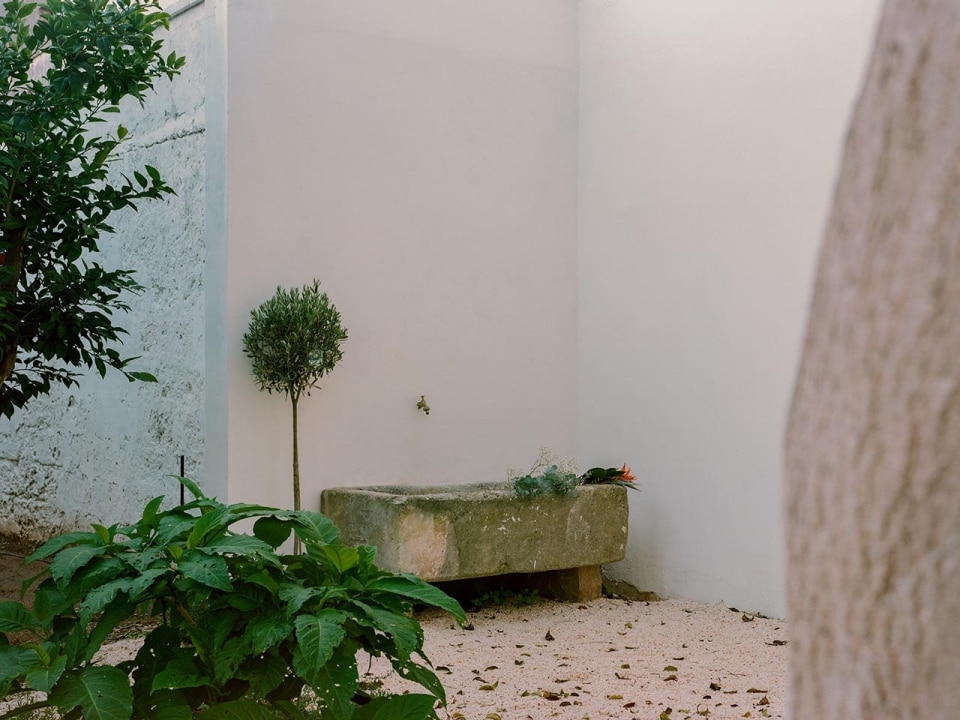
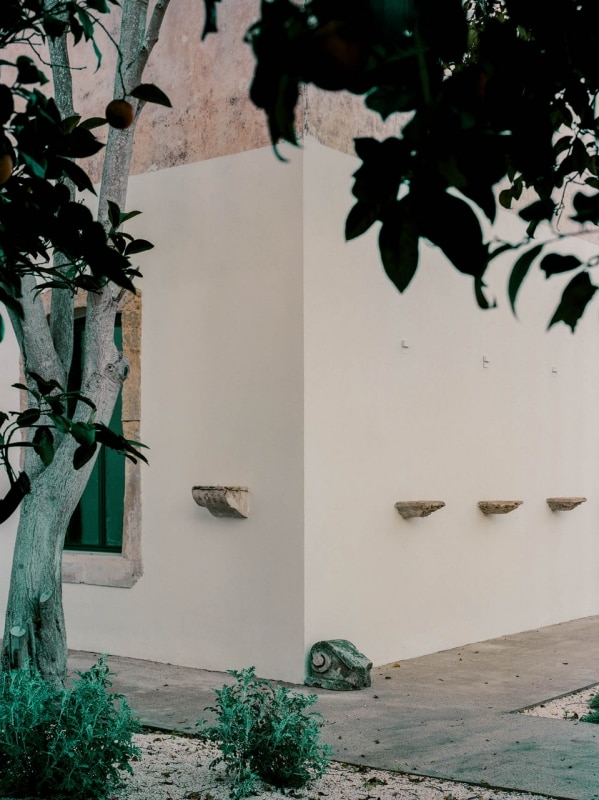
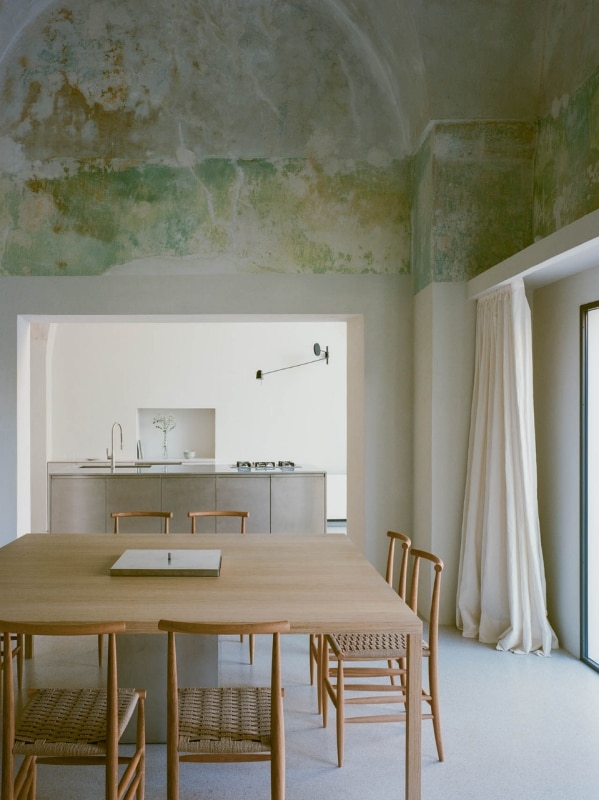
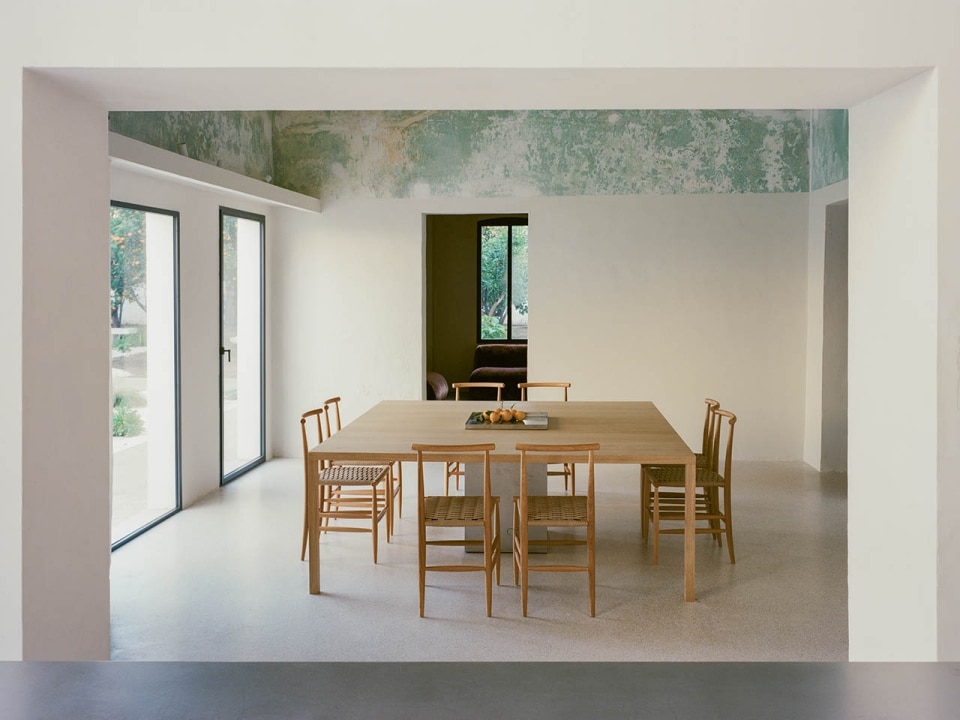
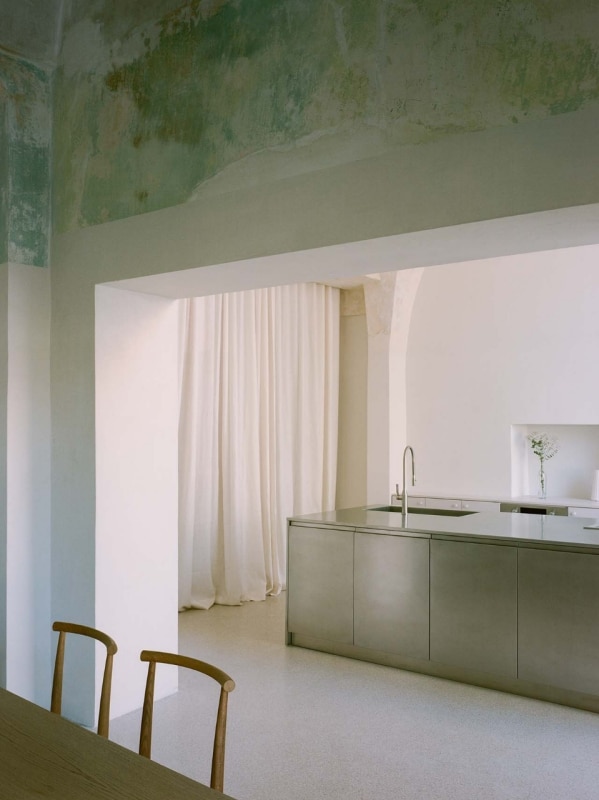
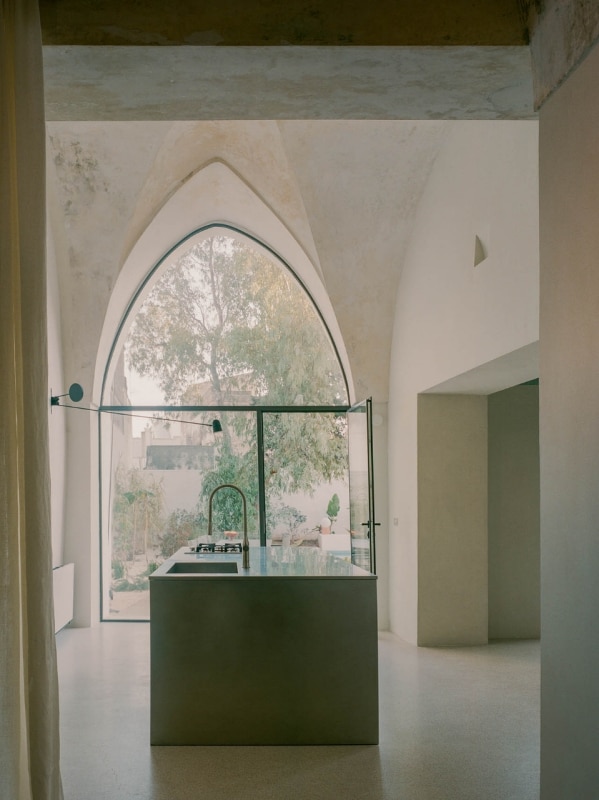
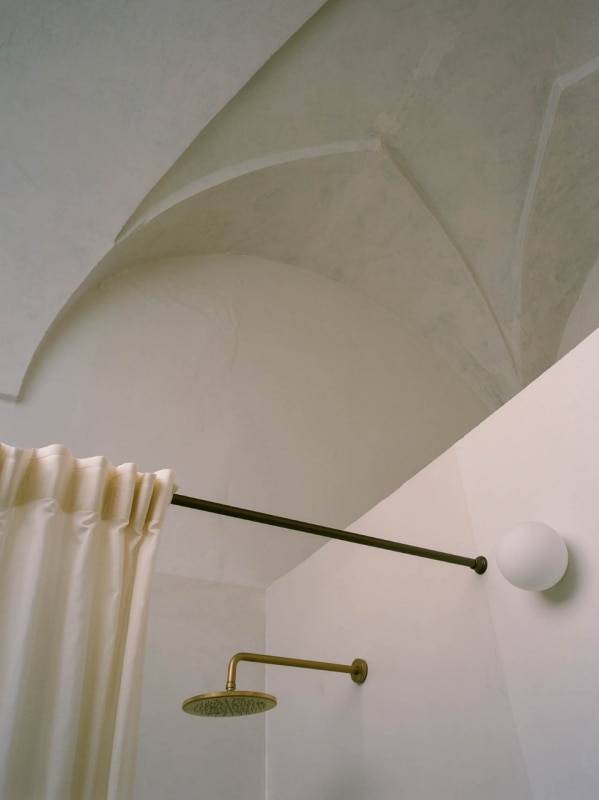
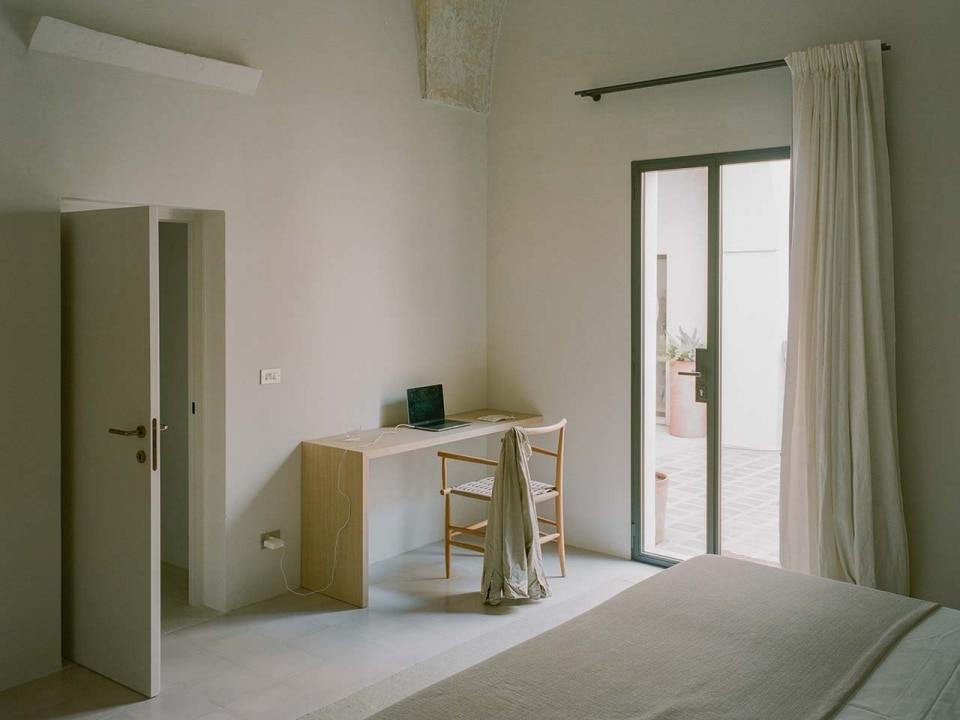
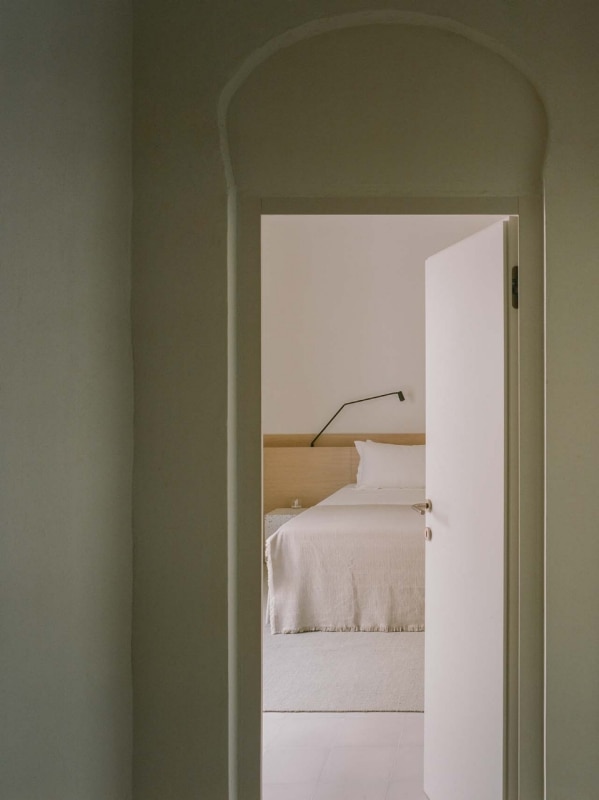
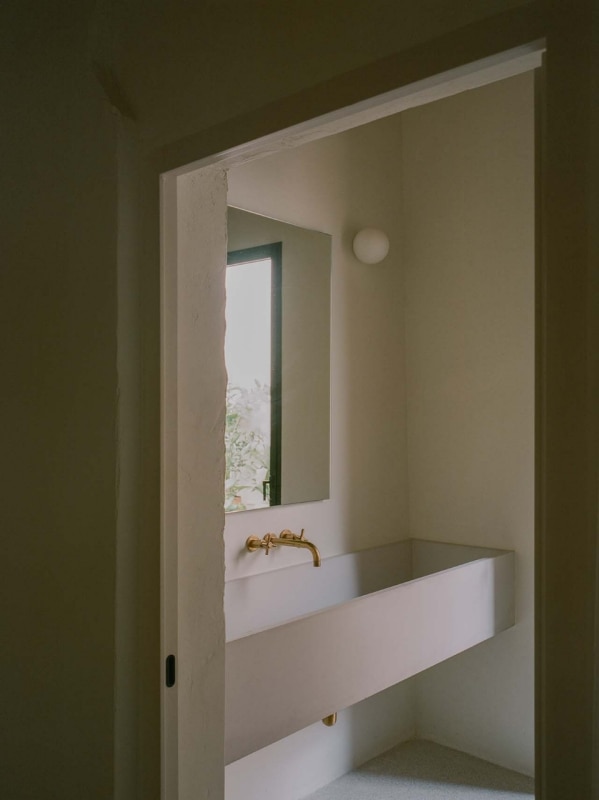
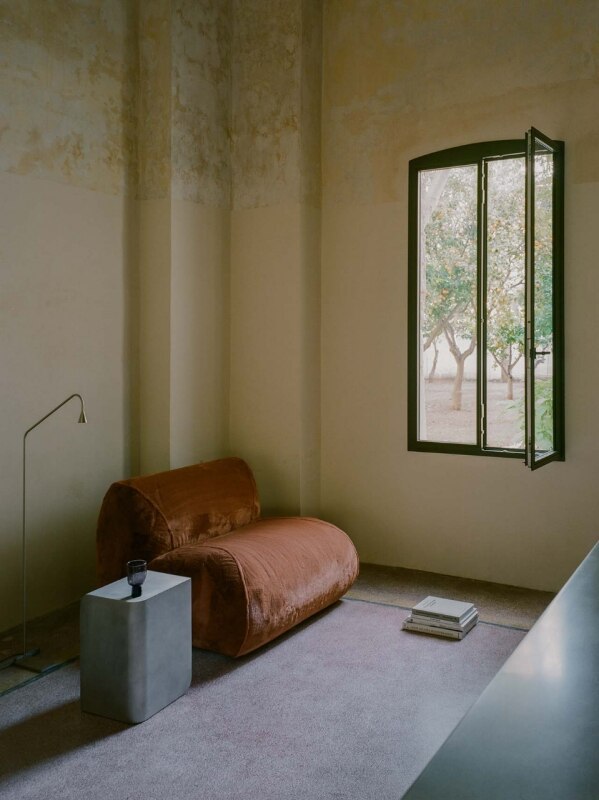
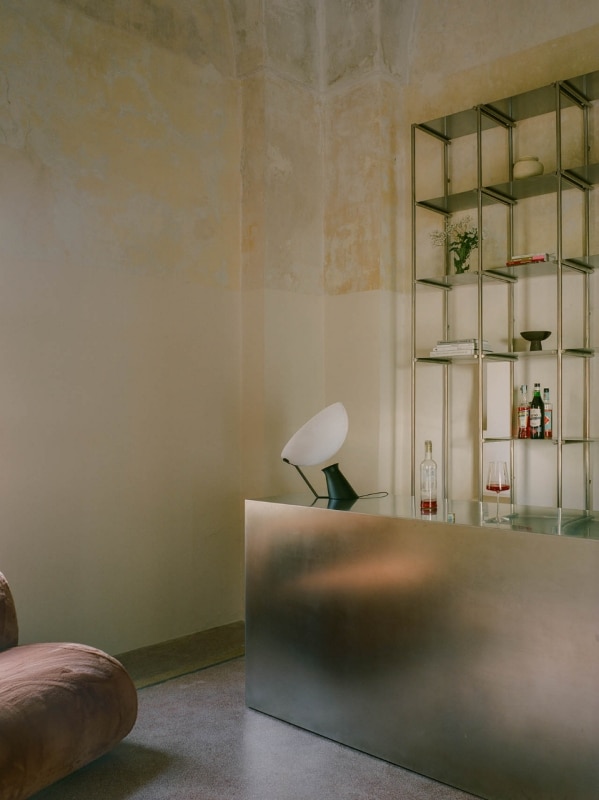
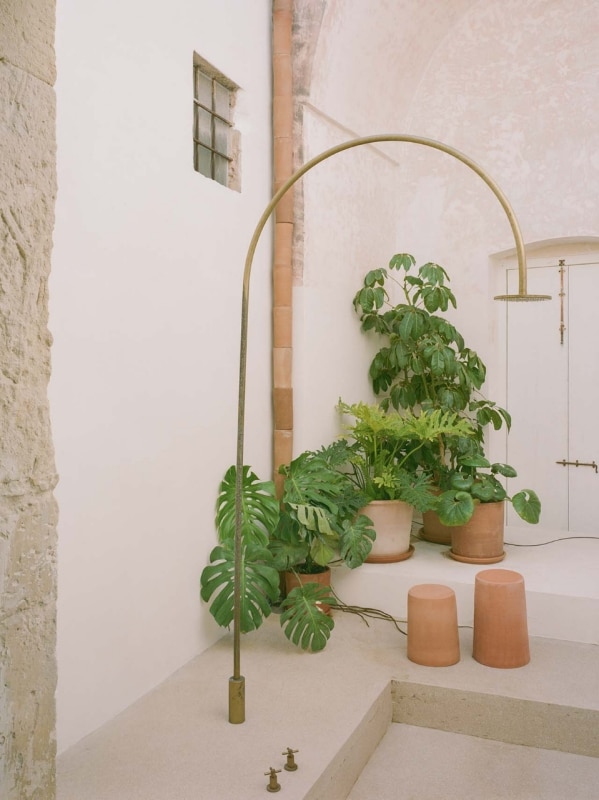
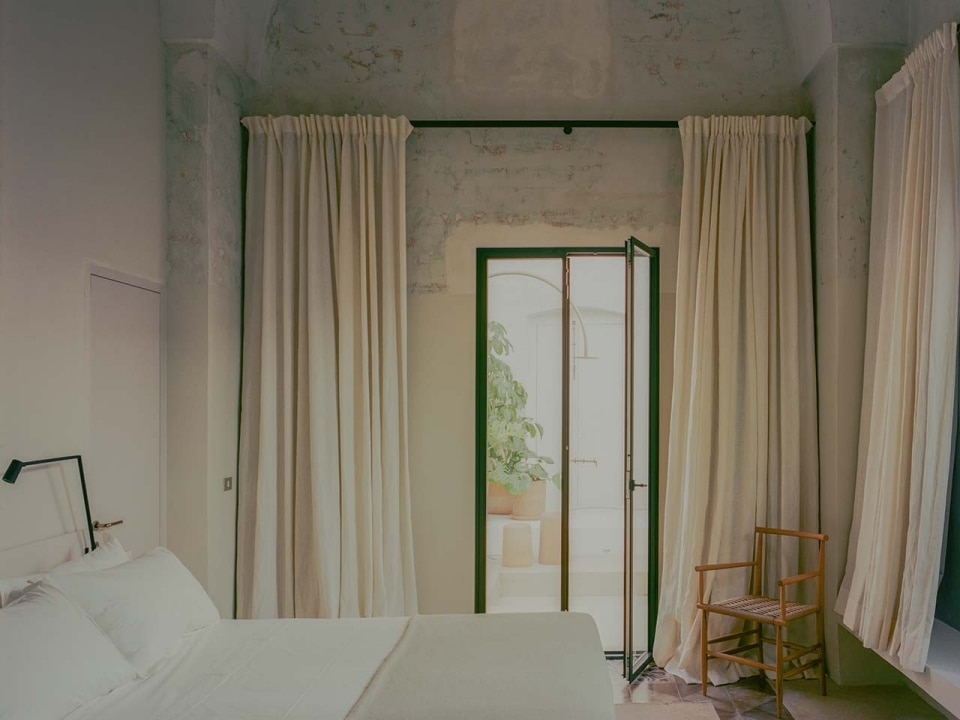
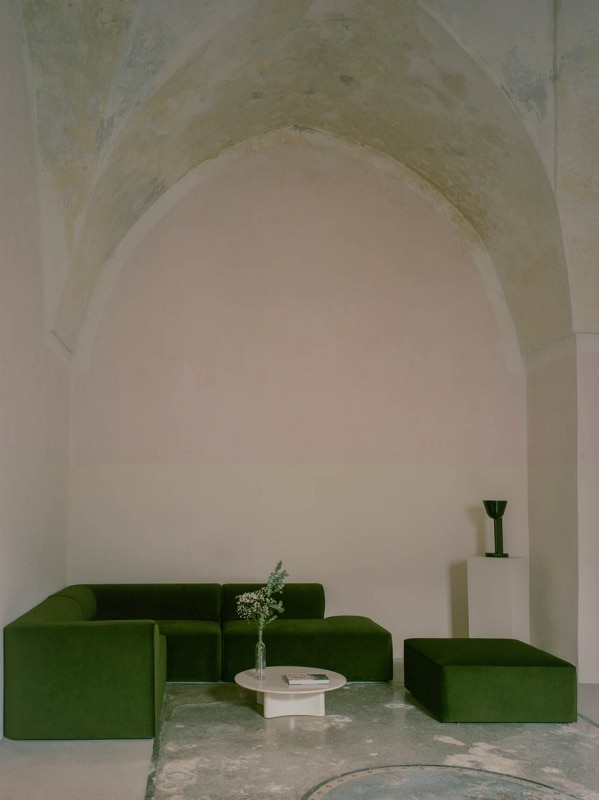
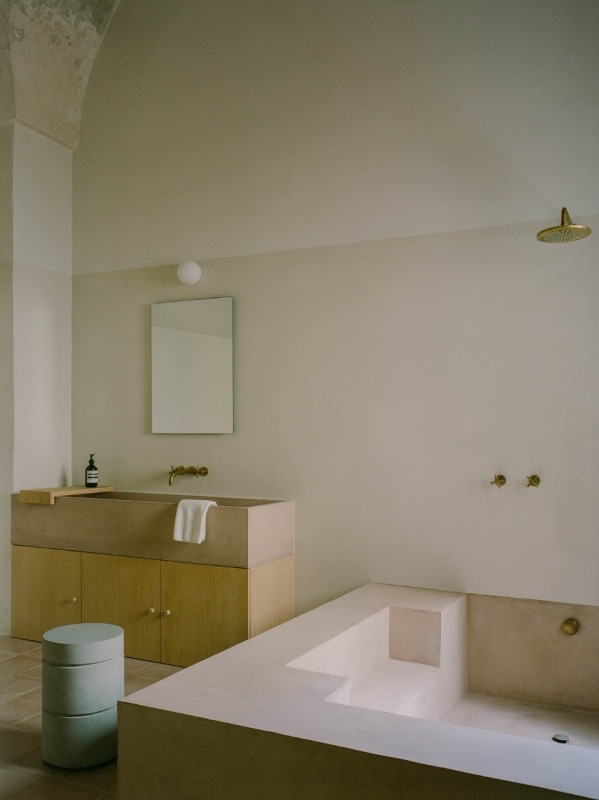
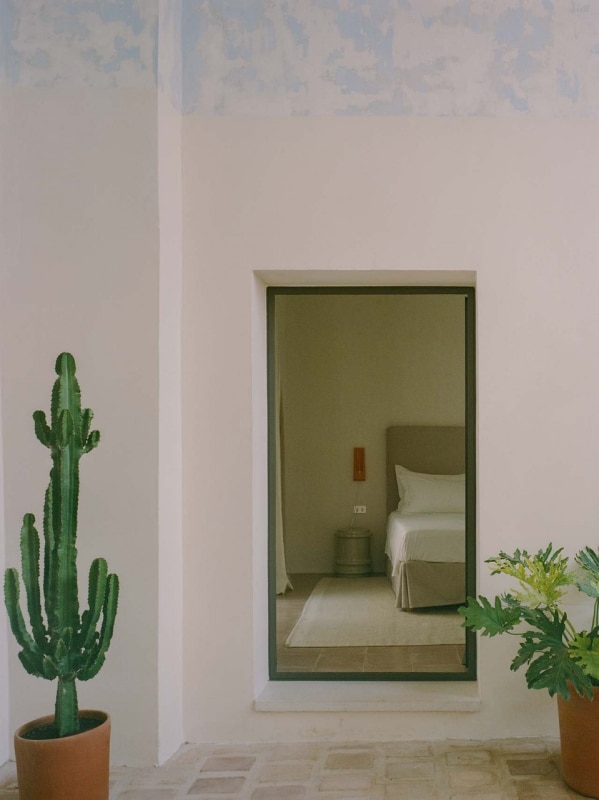
In Lequile, a small village of medieval origin in the suburbs of Lecce, the Valari architectural firm has renovated a building in a state of complete abandonment, Palazzo San Vito, to create an intimate and sheltered accommodation, poised between genius loci and cultured Mediterranean luxury.
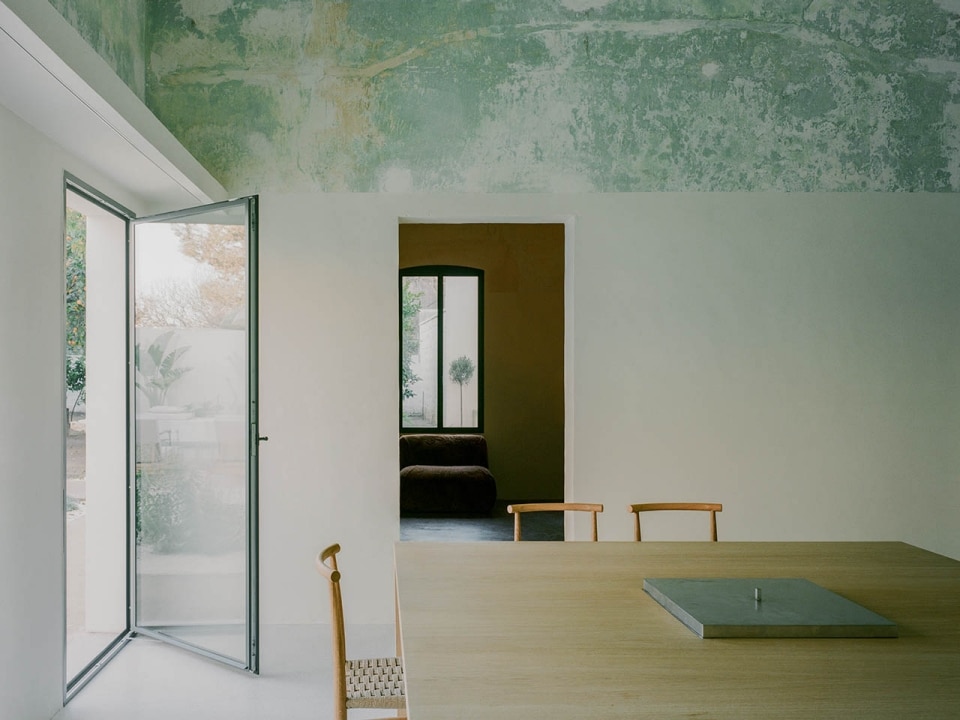
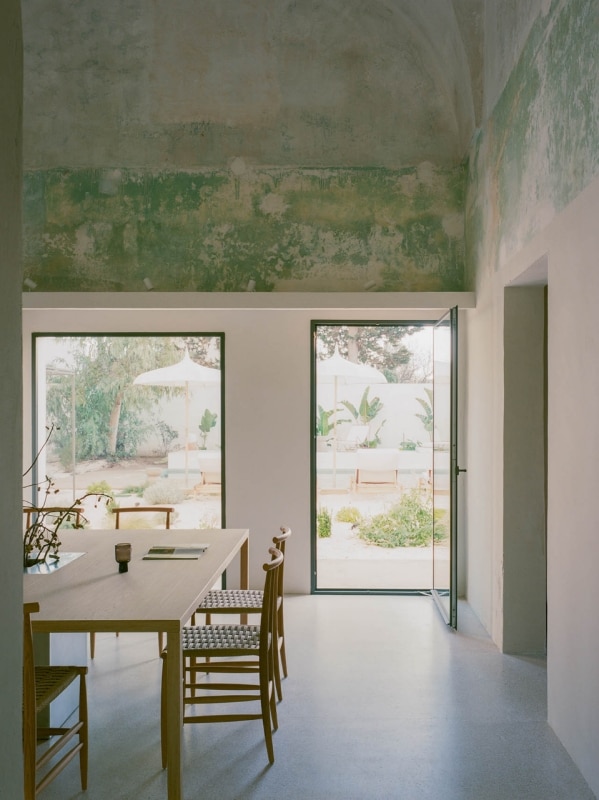
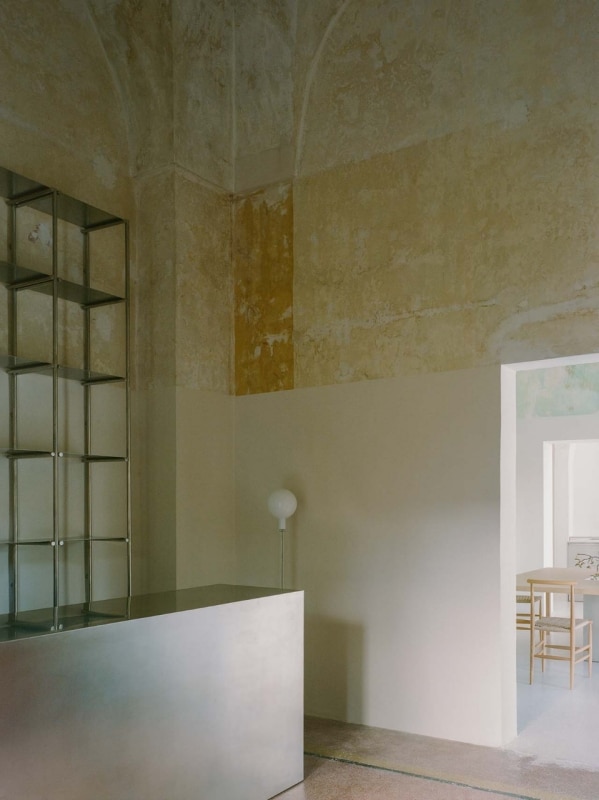
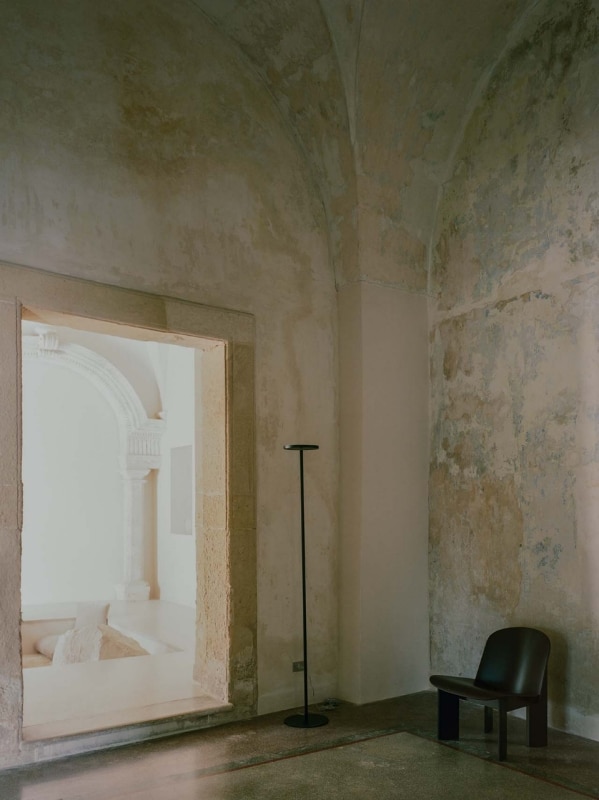
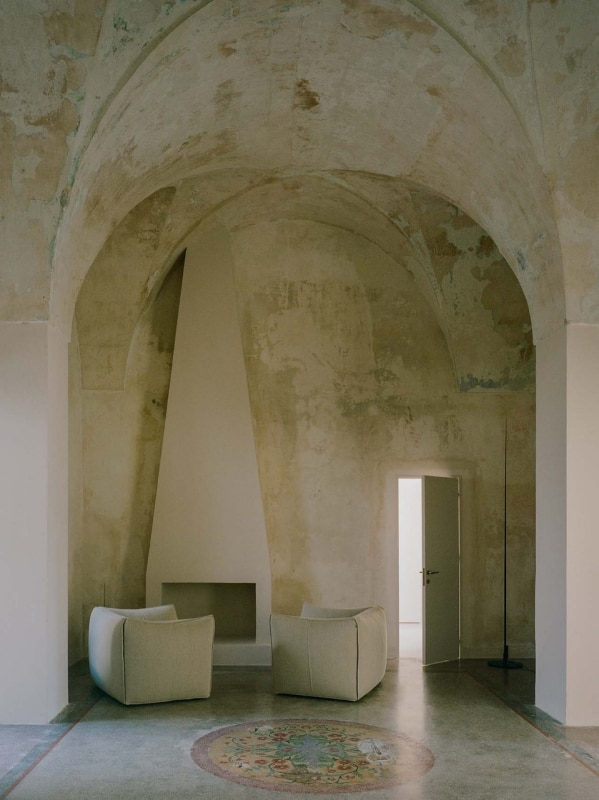
It is an ongoing exercise—balancing territory, tradition, and contemporaneity with the ambition of aligning to the canons of global attractiveness—that has been shaping Salento for decades. What makes the real difference, however, as so often happens, is the ability to execute. In the case of Palazzo San Vito, the atmospheric quality of the whole stands out through its capacity to integrate the most significant historical elements—the Lecce stone, the weathered plaster, the original grit flooring, the mosaic medallions—with an airy, rhythmic minimalism that allows the layers of the various interventions to breathe.
Fluid and labyrinthine, the space unfolds through a sequence of interconnected rooms, often given grandeur by the presence of typical star vaults. Beyond the four guest rooms, expansive common areas are furnished with a mix of custom-designed pieces and catalog items, where the deliberately rarefied decorative density becomes an invitation to cultivate mental otium.
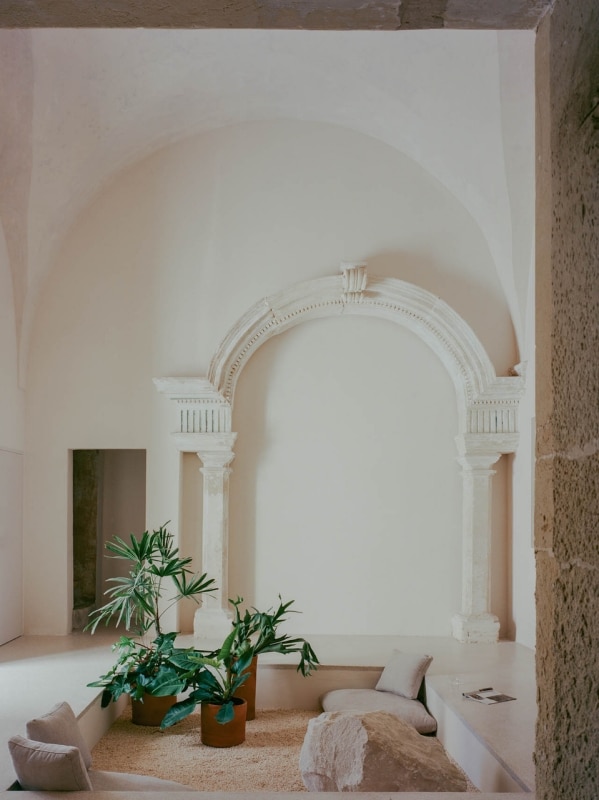
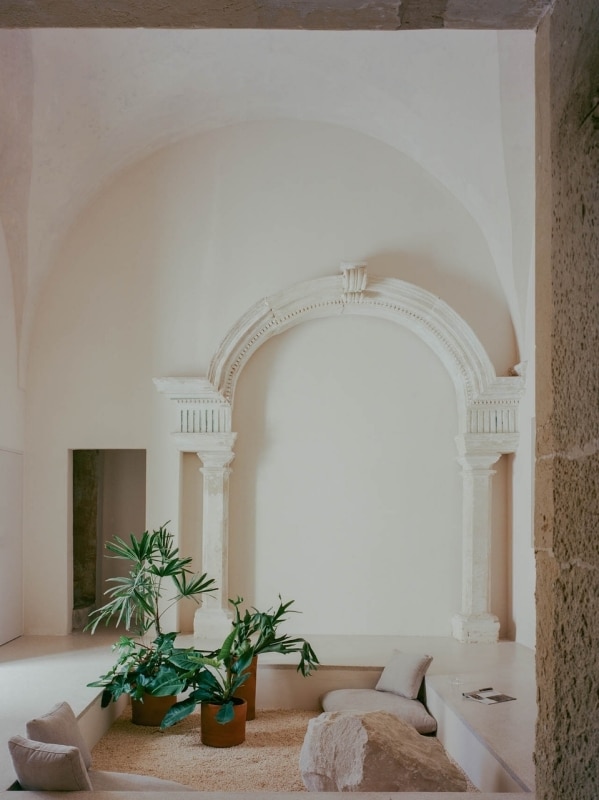
A happily disorienting element, the Garden Room occupies the heart of the building, where an old stone archway is incorporated into the space. Here, the canons of the winter garden are reinterpreted through a hollow in the floor filled with gravel, a stone, and cushions, creating a serene enclave for transcendental rest.