




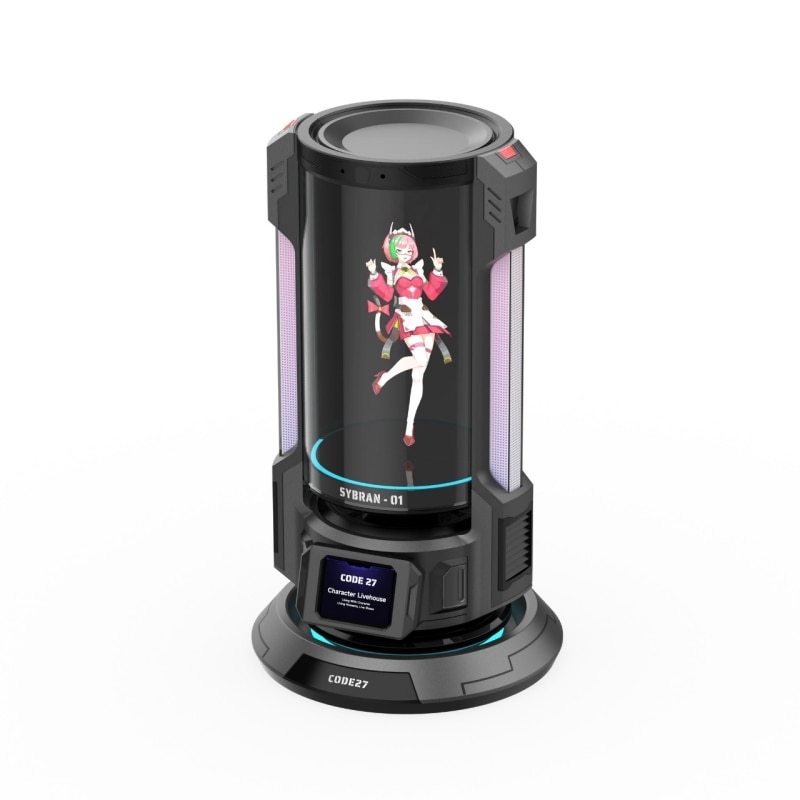
The more time passes, the more we realize that the long months of Covid were a watershed. They were for many things, and also for Berlin’s IFA, “the world’s largest home & consumer tech event,” as the billboards scattered across the German capital announce.
IFA is a trade fair, and we once imagined that fairs after Covid might disappear altogether, absorbed by digital events, or be completely rethought, as happened during the September 2020 Design Week or that summer’s IFA. Experimental editions that weren’t very successful and left virtually no legacy. Yet something has undeniably changed in fairs. What exactly, perhaps, will take time to understand. One thing is certain: the increasingly tense geopolitical context weighs heavily on events originally meant to transcend those borders, which today seem relevant again.
The design of technology remains one of the most underrated areas of the ‘cool’ design world. Yet it is the true design of today, the one we all deal with daily.
Berlin, once the city of the Wall—the most important border of the twentieth century—is changing face. It is no longer Europe’s laboratory with cheap rents but little work, a frontier of creative experimentation, individual freedom, and hedonism. Now it’s the city of Zalando and startups. The capital of techno has become the city of the tech bro, that global, middle-to-upper-class subculture of gentrifiers who move in extractively on places rich in creativity, skewing the energy exchange, driving up costs to unsustainable levels, and then reducing them to intellectual entropy—or worse, as in San Francisco.

IFA itself has become a duller fair in a duller city. Not least because of the near disappearance from Berlin Messe’s halls of some of tech’s liveliest sectors—audio, photography, and smartphones—today replaced largely by appliances and smart home technology, with many German brands playing at home and a strong presence of Chinese companies. It’s still a fair to believe in, but less so than before. Once, companies filled the city with events and rushed to unveil their latest novelties in Berlin. This year many briefed journalists in secret about upcoming products, without showing them on the stands.
Ten years ago, the undisputed king of the fair was the smartphone—the most important technological device since the automobile. Today Samsung, the company that has sold more smartphones than anyone else in history, devotes only a counter to mobile devices in a pavilion entirely dedicated to the AI-powered home, complete with a modular micro-smart-home and a line outside worthy of Berghain.
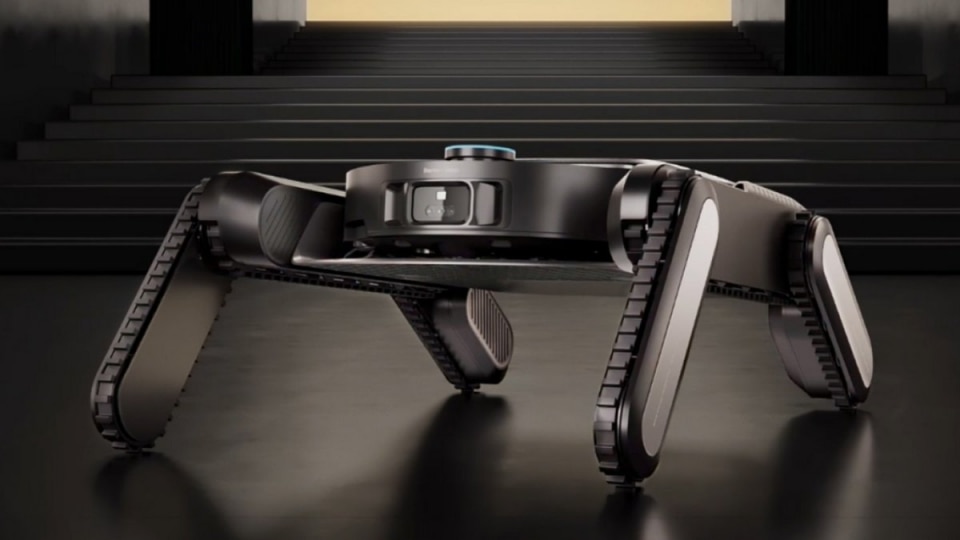
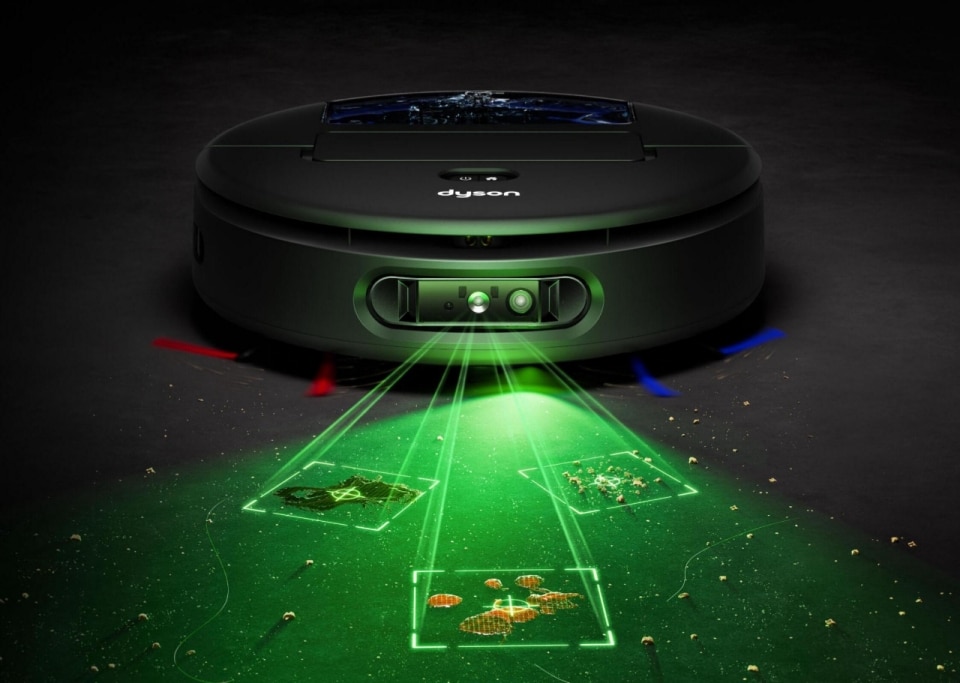
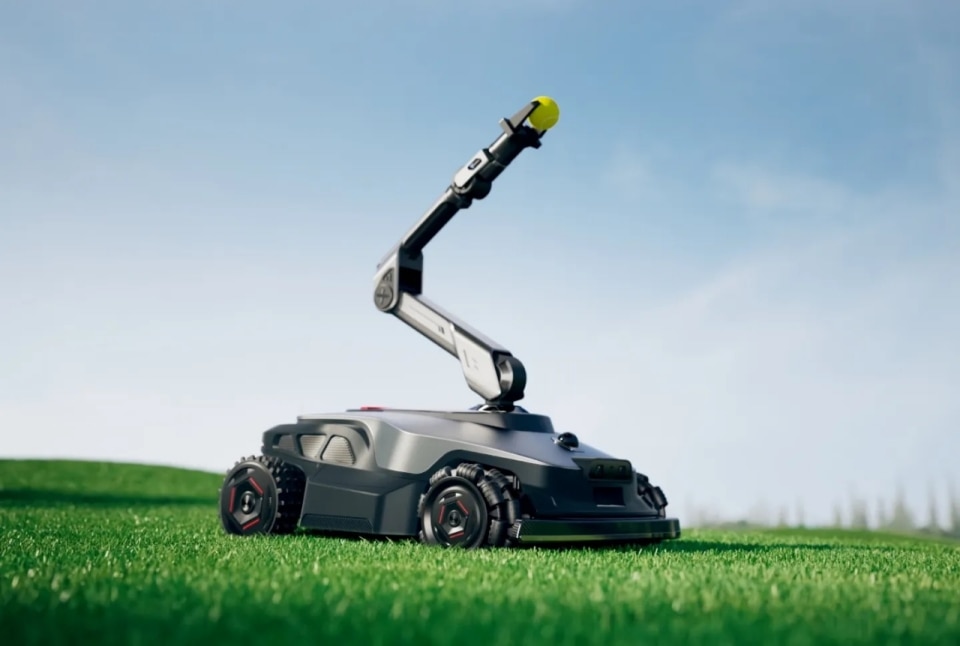
So farewell, smartphone—but what takes its place? If we look at the fastest-growing category, the answer is probably the robot vacuum cleaner. Make of that what you will. What’s certain is that these are the first autonomous robots to enter our homes. They won’t be the last.
Meanwhile, our taste in technology has changed. And so has the way it is designed. The design of technology remains one of the most underrated areas of the “cool” design world. Yet it is the true design of today, the one we all deal with daily, the one that perhaps more than any other brings us pleasure—or disgust.
After Covid, which was supposed to be according to Zuckerberg and other ‘tech bros’ the antechamber of the metaverse, what happened instead is that we rediscovered ‘things’.
How technology design is changing was the subject of a roundtable with designer Sacha Lakic, invited by Roche Bobois and this year at IFA in partnership with TCL. Joining him was Shane Lee, head of the Design Innovation Centre of the Chinese company that ranks second worldwide in TV sales. Lakic noted that once we were almost obsessed with putting technology—especially screens—everywhere. Now we hide them or reduce them to a minimum. We want objects that are intelligent and technological. We are exhausted by technology that flaunts itself. And then there is the whole vast issue of using AI in design.
Another sense of novelty also emerged. It was more a feeling than a fact, but one that struck us as we paced the Messe halls in recent days—from when corridors and pavilions were still an endless construction site of stands, to the weekend opening when the Berlin Messe is invaded by the general public.
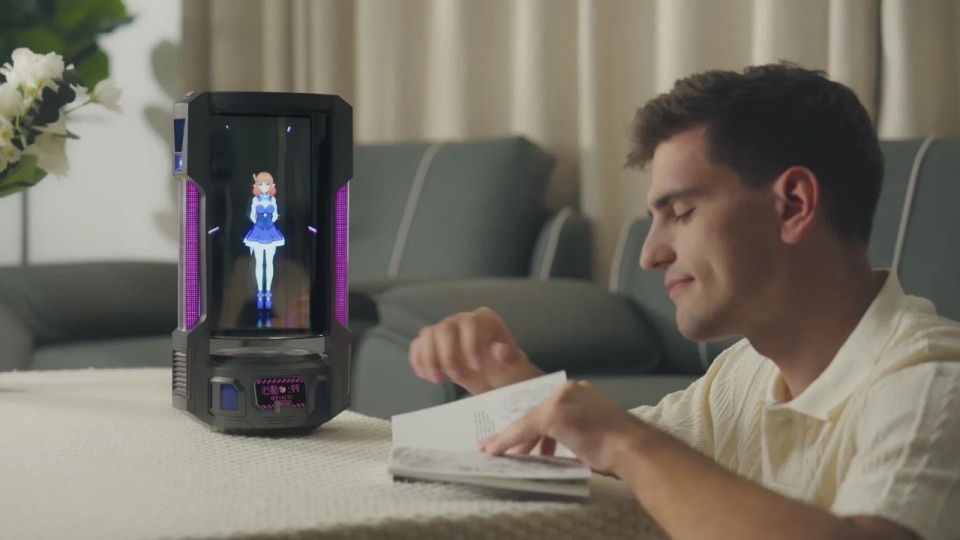
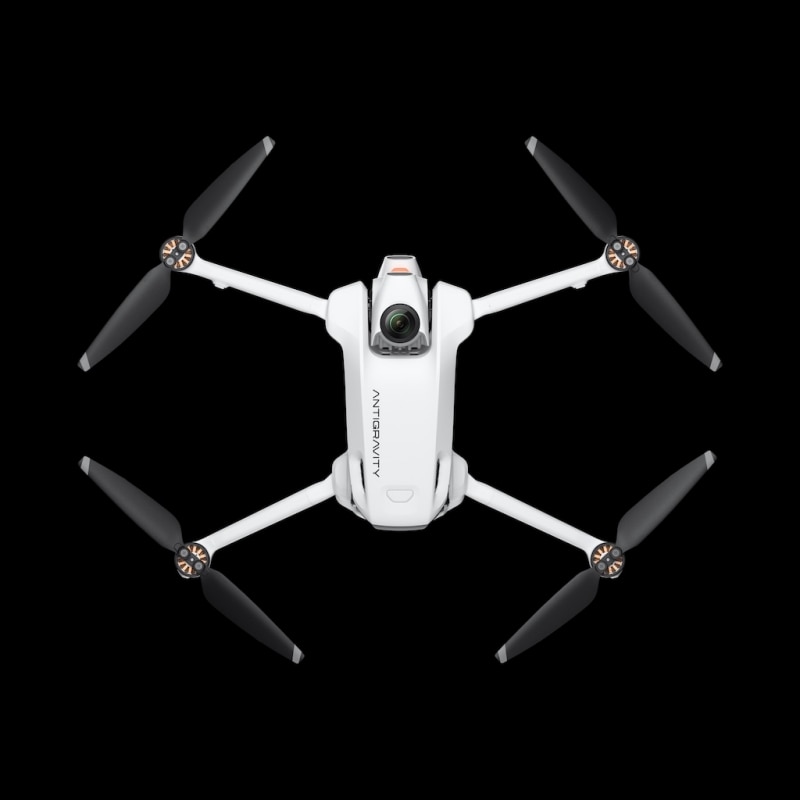
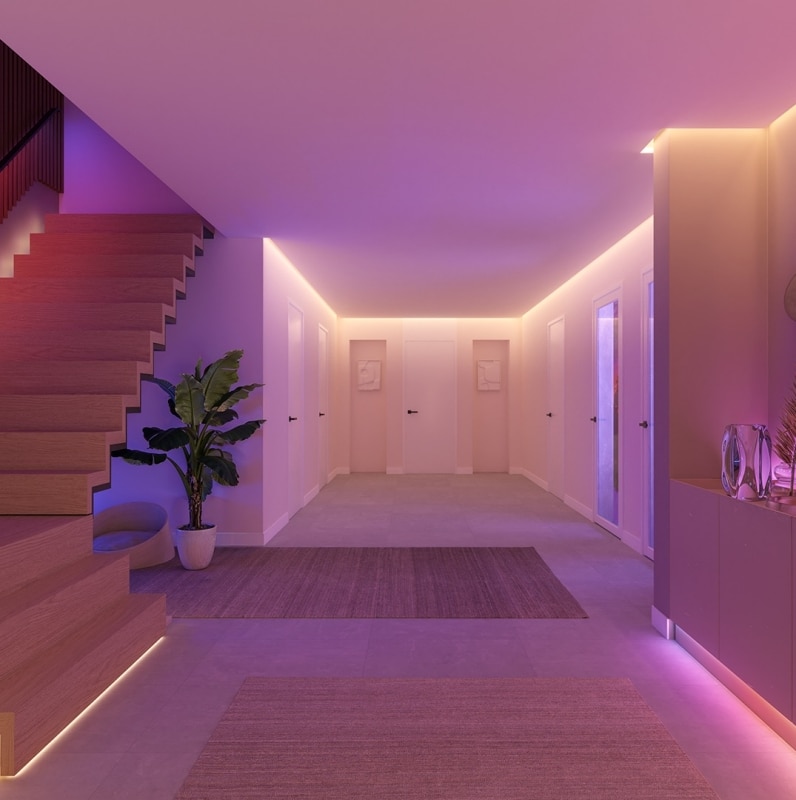
“The world’s largest home & consumer tech event” looked like the preview of a post-smartphone world. Or rather, one in which the smartphone still exists but is taken for granted. So essential that no one talks about it anymore. And around it grows a system of technologies: smart homes, with LG launching the first line of appliances with downloadable apps, and Dreame already building a household ecosystem in just a few years; drones controlled with goggles; and a host of AI-powered gadgets—like Plaud’s voice recorder. Until recently, many of these would have seemed redundant compared to the phone. Today they regain their function, as if the objects the smartphone had made vanish were making a comeback. Because after Covid—supposed to be, according to Zuckerberg and other tech bros, the ante-chamber of the metaverse—it turned out instead that we rediscovered “things.”
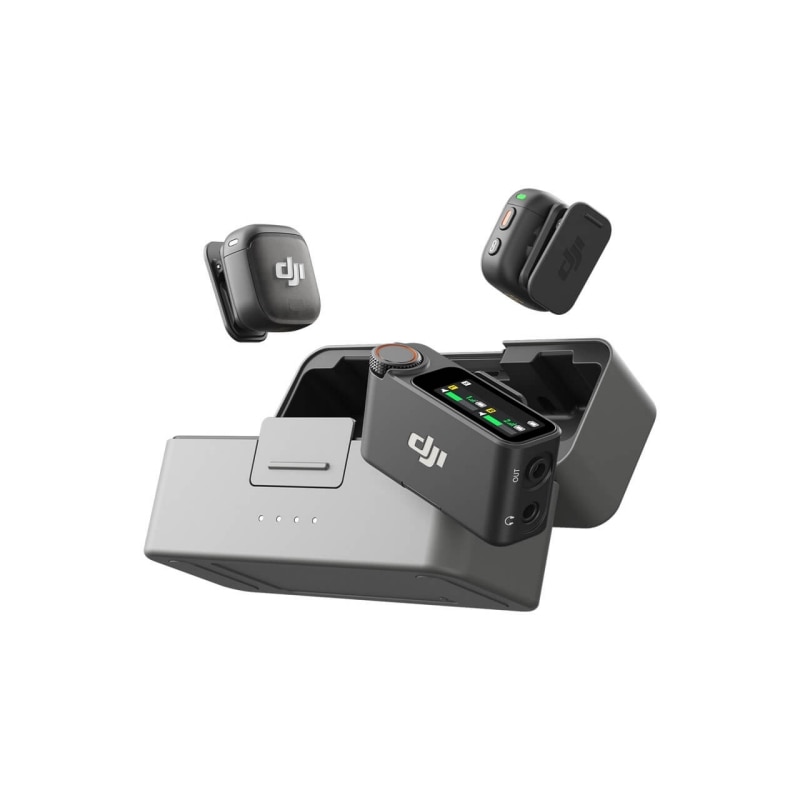
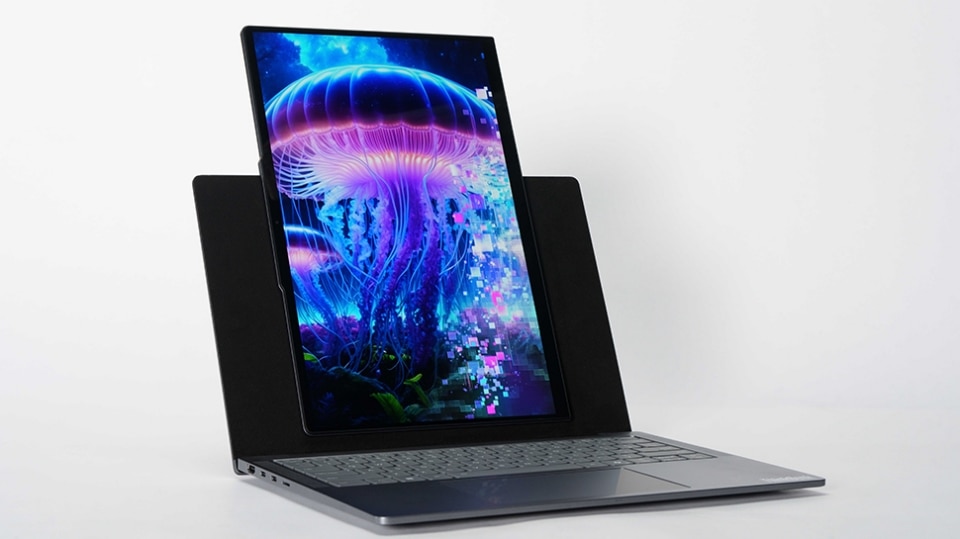
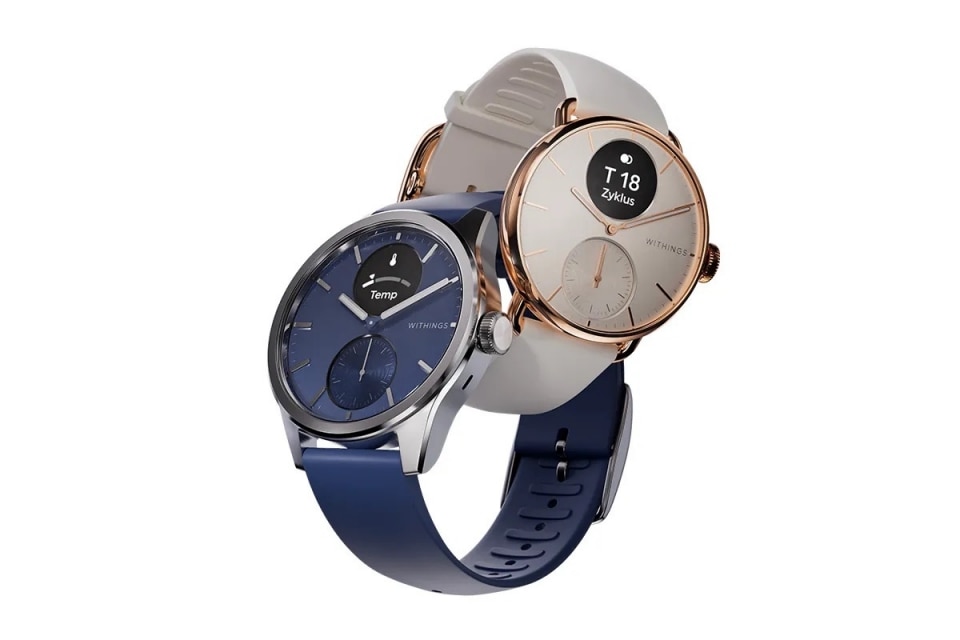
The things of the past, even for digital natives, as we’ve said many times already—but why not, also the things of the future. From IFA 2025, among concepts and products soon to reach the market, we’ve selected both the most accomplished of these “things,” and those that tell us something about the world to come. With the caveat, as mentioned, that the surprises aren’t over: for those, we’ll have to wait until the embargoes lift.