

In the early 1950s Kodak distributed a small laminated card to photo labs across the United States. It showed a white woman, an employee named Shirley, posed against a neutral background. Her face became the fixed reference against which photographic color and exposure were calibrated.
For decades, photographic technology struggled to render darker skin tones accurately.
TECNO Mobile, founded in 2006 and now one of the dominant smartphone brands across much of sub-Saharan Africa and several emerging markets, built much of its design philosophy around solving that problem. At the center of its work lies a bias the technology industry had long treated as invisible: cameras that struggled to see darker skin.
The card was not sinister; it was practical, the way technological standards often are. Only later did it become clear what had been excluded from that practicality.
Film chemistry built around that reference struggled with darker tones. Wood, chocolate and other dark materials often appeared flat or poorly rendered. The first industries to complain were furniture and confectionery companies, whose products were difficult to photograph accurately. The chemistry was eventually revised. Black and brown faces had been making the same complaint for decades.
In the infrastructure of digital identity, visibility becomes access.
The bias did not disappear with the transition to digital photography. It migrated into camera sensors, image-processing algorithms and eventually into the neural networks used to enhance smartphone photos. The datasets used to train those systems reflected the same imbalance: a technological “default user” that looked very much like the one on the original Shirley Card.
It is this inherited problem that TECNO chose to treat as a design brief.
The interface as a design choice
The company’s response did not begin with cameras. It began with the interface.
The standard QWERTY keyboard encodes a particular linguistic history. For speakers of Yoruba, Amharic or Zulu — languages that rely on tonal distinctions or diacritical marks — the layout forces awkward workarounds. TECNO worked with local linguists to create language-specific keyboards, treating the interface as a cultural negotiation rather than a universal standard.
Hardware design followed the same logic. In many of the markets where TECNO operates, electricity and connectivity cannot be assumed to be constant. Devices therefore prioritize dual-SIM capabilities and large batteries capable of lasting through long periods without charging. The POVA 8 series, presented at Mobile World Congress 2026, carries an 8000 mAh battery in a body only 7.42 mm thick. The specification is not presented as excess performance but as a practical requirement.
Rebuilding the camera
The company’s imaging work emerged from this broader philosophy.
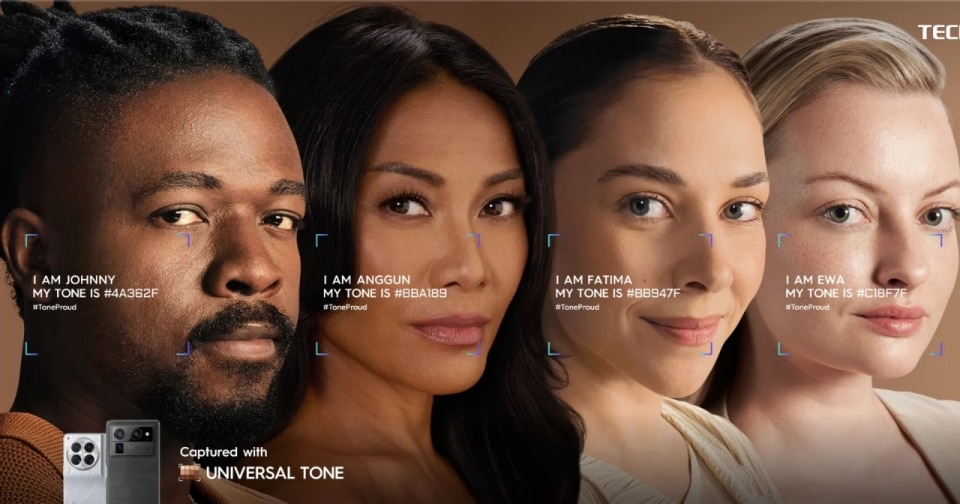
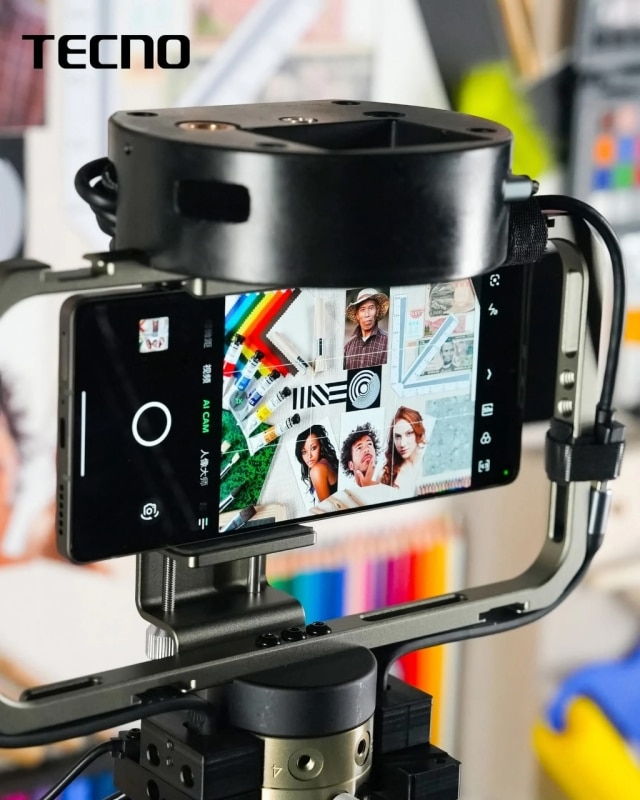
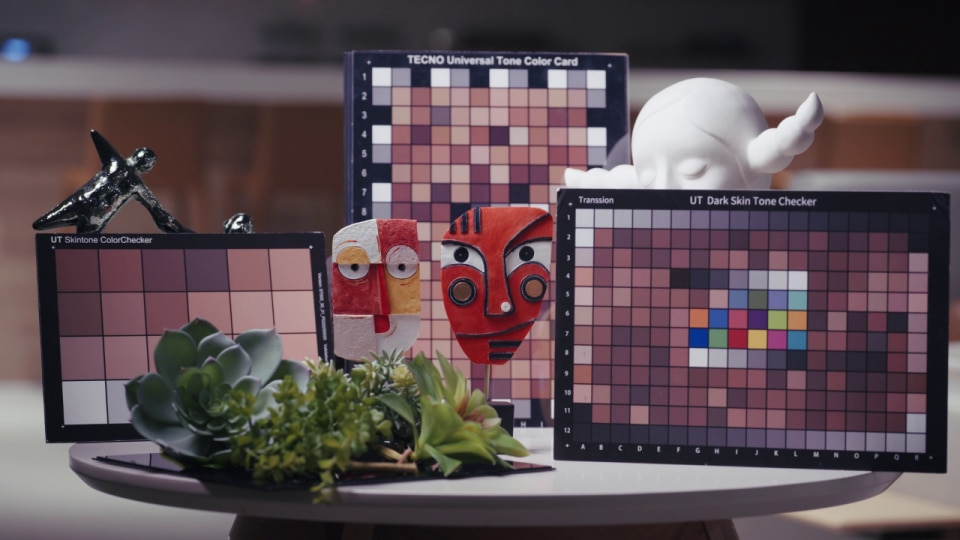
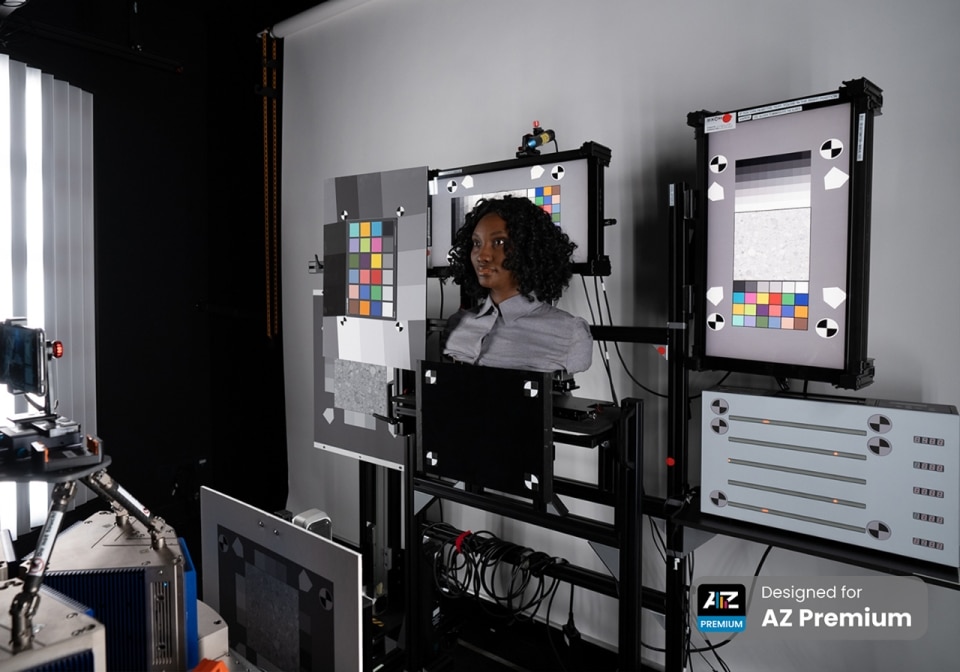
TECNO’s Universal Tone system addresses the long-standing problem of skin-tone representation in photography. While the industry-standard Macbeth ColorChecker uses 24 calibration patches, TECNO developed a grid with 372, allowing the camera to distinguish a much wider chromatic range of human skin.
The system combines low-light restoration, regional tuning based on local aesthetic preferences and computational portrait processing. The calibration process is deliberately slow: teams test hundreds of lighting scenarios in each market to understand how skin tones behave across different climates, color temperatures and environments.
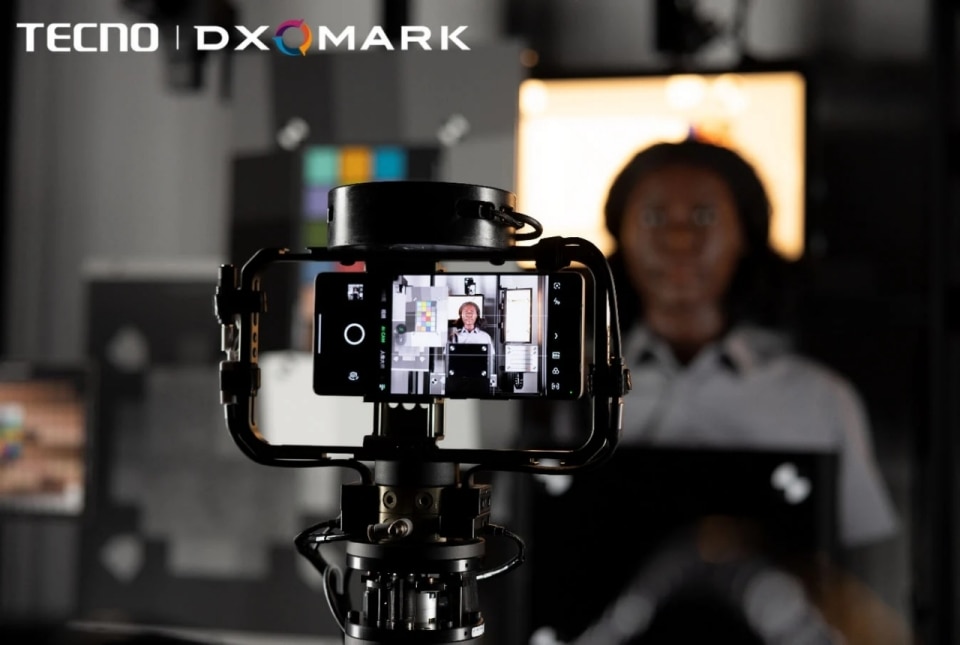
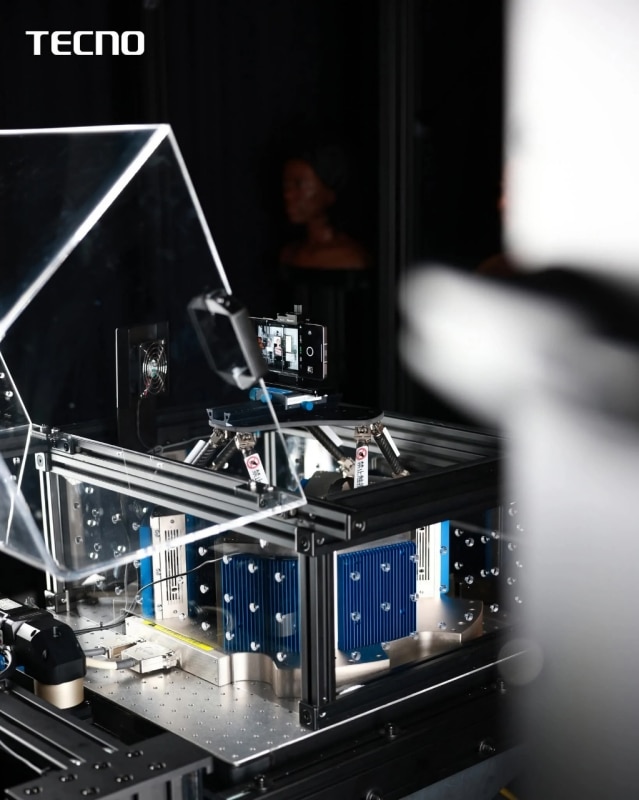
In 2025 TECNO and DxOMark opened a fully automated imaging laboratory in Chongqing to support this research. Robotic testing systems and environmental simulations reproduce the lighting conditions of different regions, allowing engineers to evaluate camera performance across a wide range of skin tones and photographic situations. The results feed directly back into algorithm development.
Seen in this context, the broader industry response appears more incremental. Google introduced Real Tone, developed with Harvard sociologist Ellis Monk, to improve skin-tone rendering in its cameras. Apple followed with Photographic Styles, allowing people to adjust color and contrast. Both improved existing systems. TECNO’s approach instead began with the problem itself.
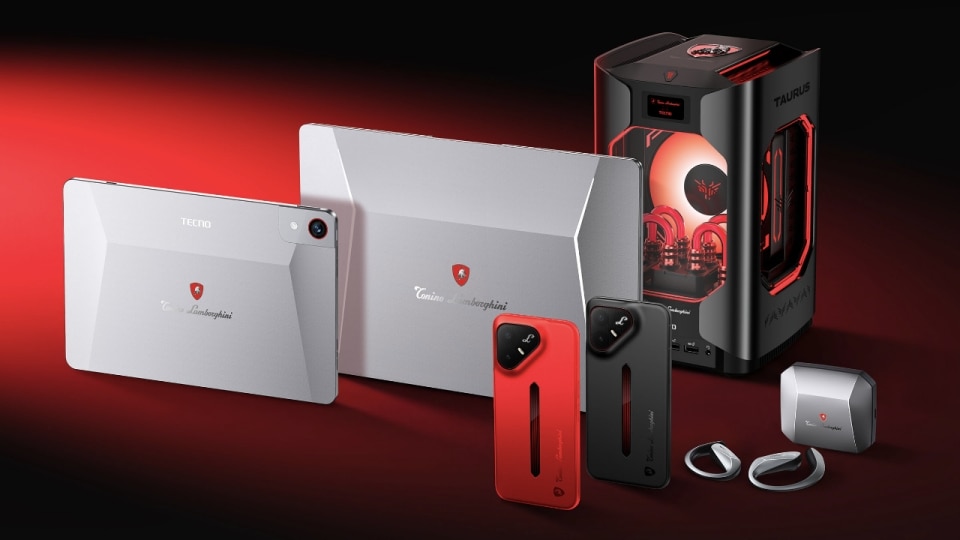
At Mobile World Congress in Barcelona, TECNO announced a collaboration with Tonino Lamborghini: co-branded editions of the POVA Metal smartphone and a range of gaming and AIoT devices.
The brand has been present in Europe for several years, though often quietly. The Lamborghini collaboration signals a more visible step into the international consumer electronics landscape.
When AI doesn’t understand you
The same structural bias appears in artificial intelligence. Large language models are trained on digitized information, and many widely spoken languages remain underrepresented in that data.
Languages such as Swahili, Hausa and Igbo — spoken by hundreds of millions of people — appear only marginally in most training datasets. As a result, AI systems often perform poorly when interacting in them.
The datasets used to train those systems reflected the same imbalance: a technological ‘default user’ that looked very much like the one on the original Shirley Card.
TECNO’s voice assistant, Ella, was developed using locally gathered linguistic data and trained by teams familiar with the dialects of the communities being served. At MWC the company also presented edge-side AI technology developed with ARM that allows many functions to run directly on the device rather than relying on cloud connectivity — a crucial advantage in regions where data costs remain high.
The biometric question
The consequences extend beyond photography. As biometric identification becomes a common method for accessing financial services, the accuracy of smartphone cameras takes on a new significance.
Studies by the MIT Media Lab and the U.S. National Institute of Standards and Technology have shown that facial recognition systems misidentify darker-skinned faces far more frequently than lighter ones. The underlying cause is the same imbalance in training data that shaped earlier photographic technologies.
At the same time, roughly 900 million unbanked adults already own a mobile phone, and more than half of them use smartphones. For many of these people, digital identity verification through a camera will be their primary gateway into the formal financial system.
In that context, the ability of a camera to render skin tones accurately becomes more than an aesthetic question. It becomes a technical condition for participation.
A camera that cannot see you cannot verify who you are.
In the infrastructure of digital identity, visibility becomes access.