

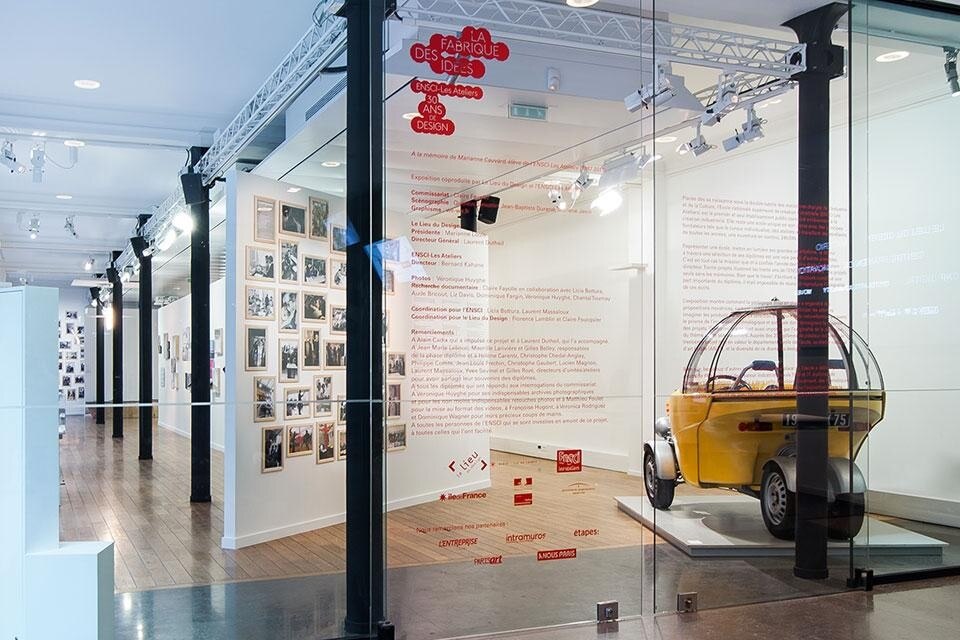
Minister of culture and communication Aurelie Filippetti underlined that "there will be no economic relaunch without a cultural relaunch" and official discourse is now speaking of the Equipe de France in design with the enthusiasm of a Mexican wave in a football stadium.
It is not just a myth, but also an established fact that the school has been the nursery (and/or laboratory) that has produced designers who now form the solid, internationally recognised core of French design work. Les ateliers — as the school is affectionately known — has been the training ground for stars like Matali Crasset and emerging talents such as Benjamin Graindorge, via Tsè-Tsè, the Bouroullec brothers and younger designers like Eloi Chafaï of Normal Studio.
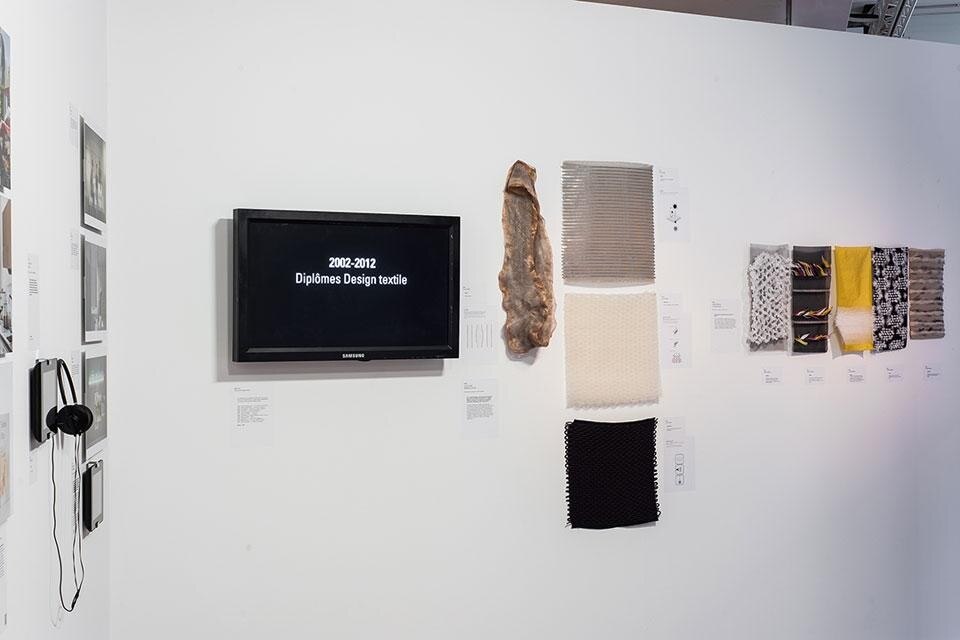
ENSCI is a school that prepares, and has prepared, outstanding professionals — and not just imitators of Starck. The exhibition curator and design historian Claire Fayolle has sought to demonstrate this with a selection that puts the emphasis decisively on the quality of the designs: the exhibition is a wide-ranging review of the work of more than 800 graduates over three decades of activity.
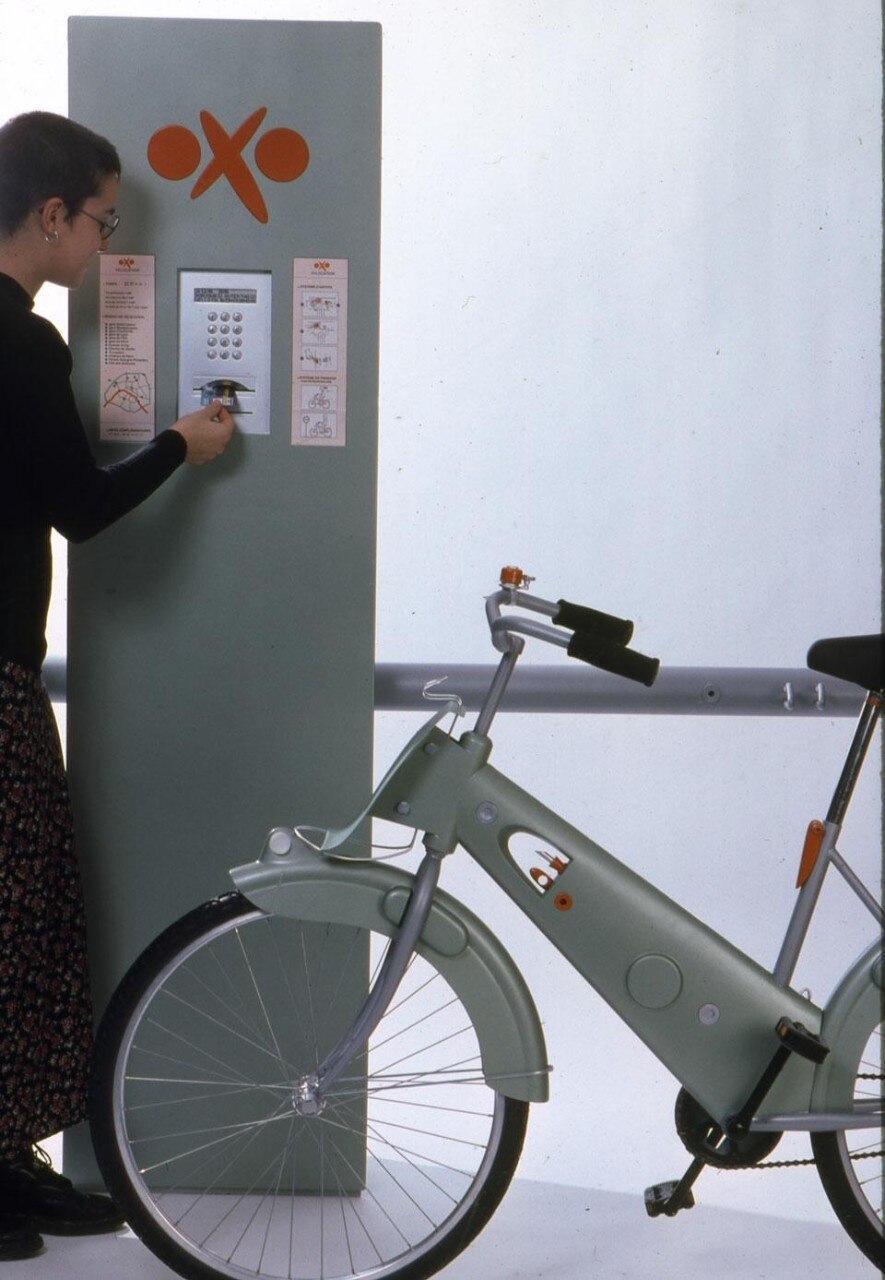
ENSCI, the exhibition seems to suggest, does not just distil technologically advanced research. It is rather in the perfect mix, the result of observing everyday rituals and poetry, that the secret and the success of a good design product are to be sought. The field is industrial design, but the intellectual apparatus at work in different areas of specialisation is similar to the Deleuzian school of philosophy and, in general, rhizomatic learning.
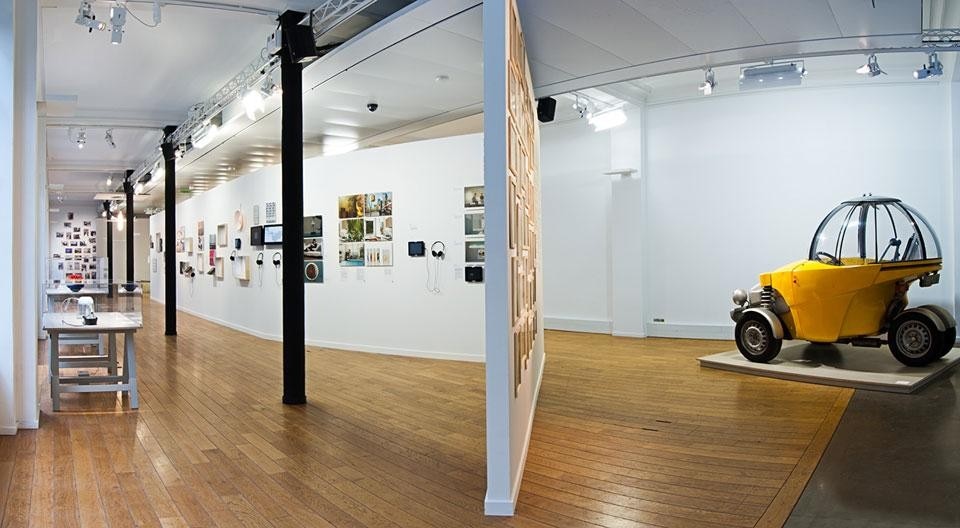
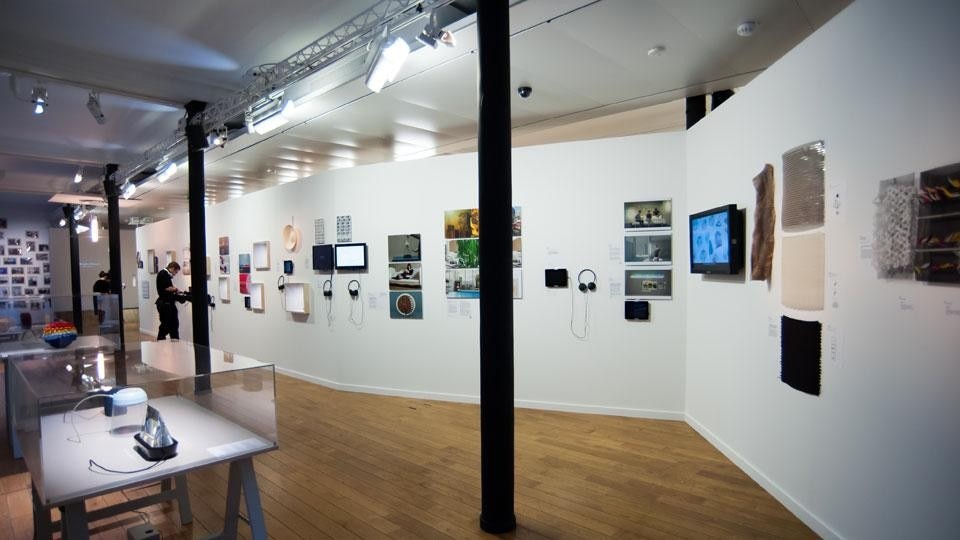
What you immediately realise from the Spartan approach to the display is that some of the projects and prototypes on show go hand in hand with recent changes in everyday Parisian habits and ways of life
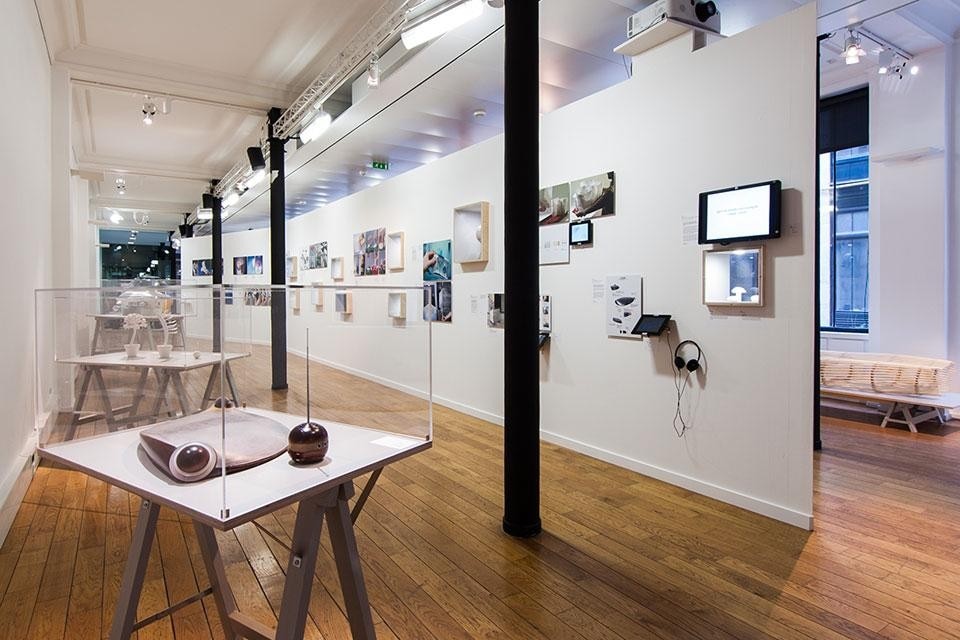
However, ENSCI has a particular strength in international exchange and has been at the forefront of networking for decades. A good demonstration of this is given by Samuel Lacroix's animation, which maps the spread of graduates across design agencies and studios in Europe and around the world. This is the product of a collective effort coordinated by the research directors in the individual departments, but also of the intuition of professionals who have spent decades working behind the scenes. One such is Licia Bottura, who is in charge of international exchange.

 View gallery