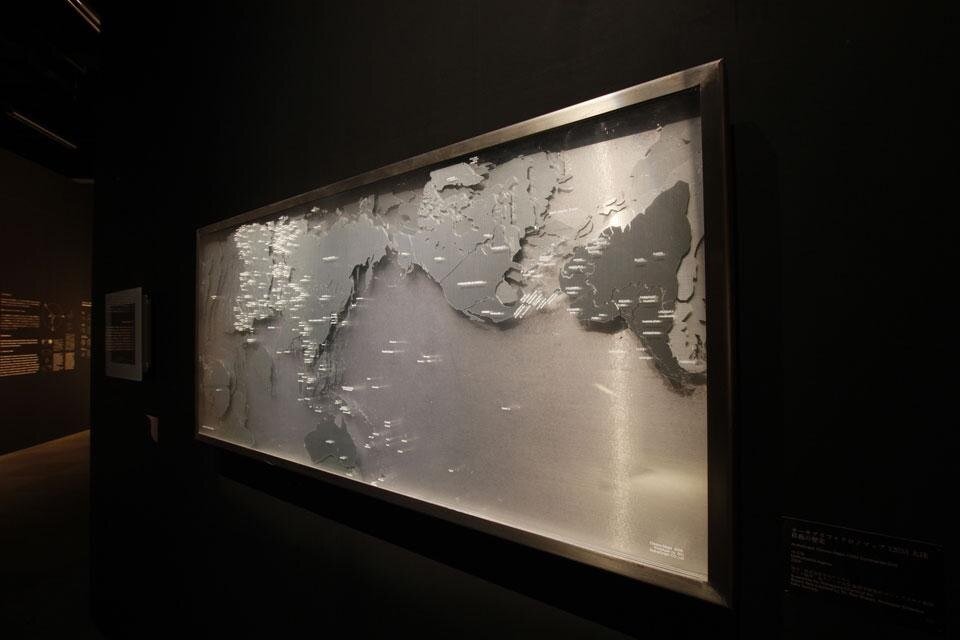
As a nation that has long been quietly obsessed with beauty, this annual appointment with design has become a way of taking stock of the national and international panorama. Alongside the usual selection of installations and products, this year has seen a desire to give over space to projects related to Tohoku, inviting those attending to reflect upon the fragility of existence and the stubborn desire to stay alive.
Tokyo Designers Week
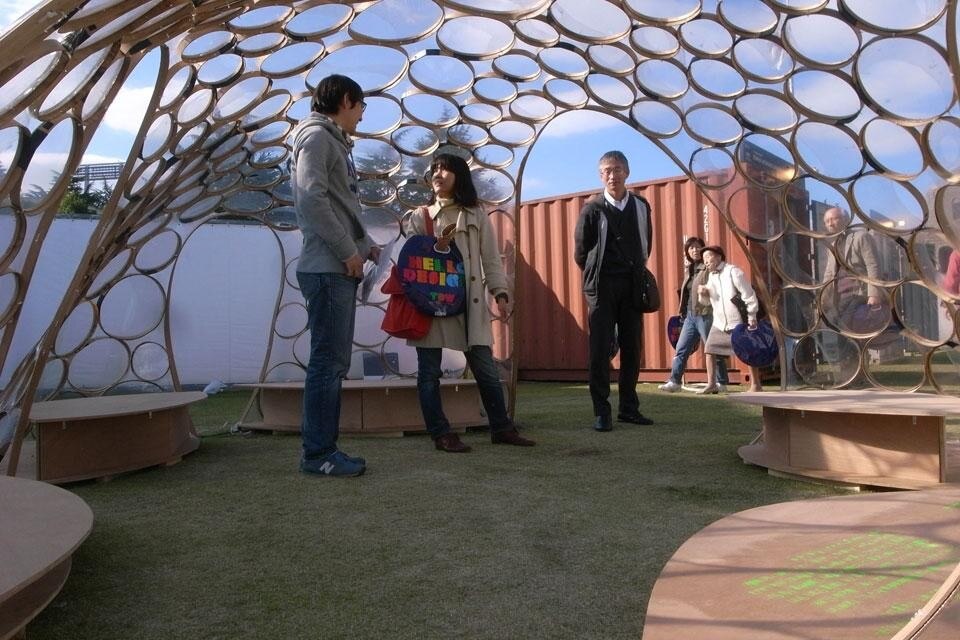
Now in its 27th edition, the Tokyo Designers Week (TDW) each year becomes increasingly intense and widespread, attracting more participants than ever, its activity concentrated in the area of Meiji-Jingu Gaien. The theme chosen by the organisers for this edition was "Hello Design": The overall organisation has been placed in the hands of Sou Fujimoto, who established a number of sub-themes such as "Play" and "House" in order to be able to interest and attract a wider and more varied audience.
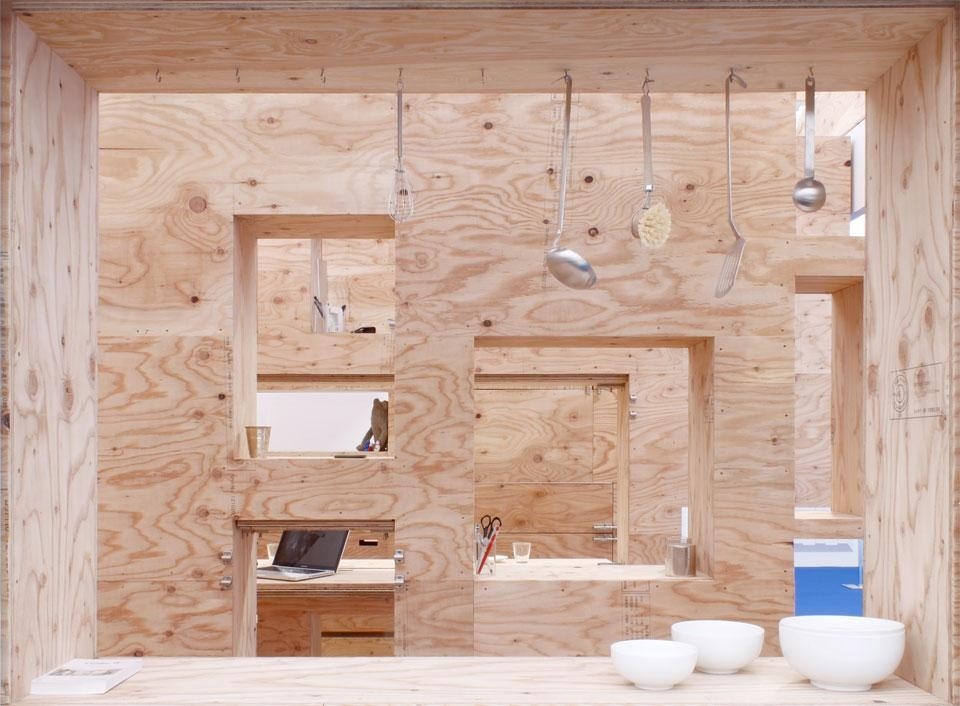
Here, alongside the presentation of actual products, were a number of experimental environments and objects for analogical networking. A competition winner in search of financial backing — the Barcode Room by Studio 01 Hamada & Kenzo — takes a new look at the Japanese tradition of temporary use in domestic space. It consists of three mobile partitions that enable space to be shaped according to needs and respond to the demand for multi-functional use in domestic space in a highly metropolitan society like the Japanese one.
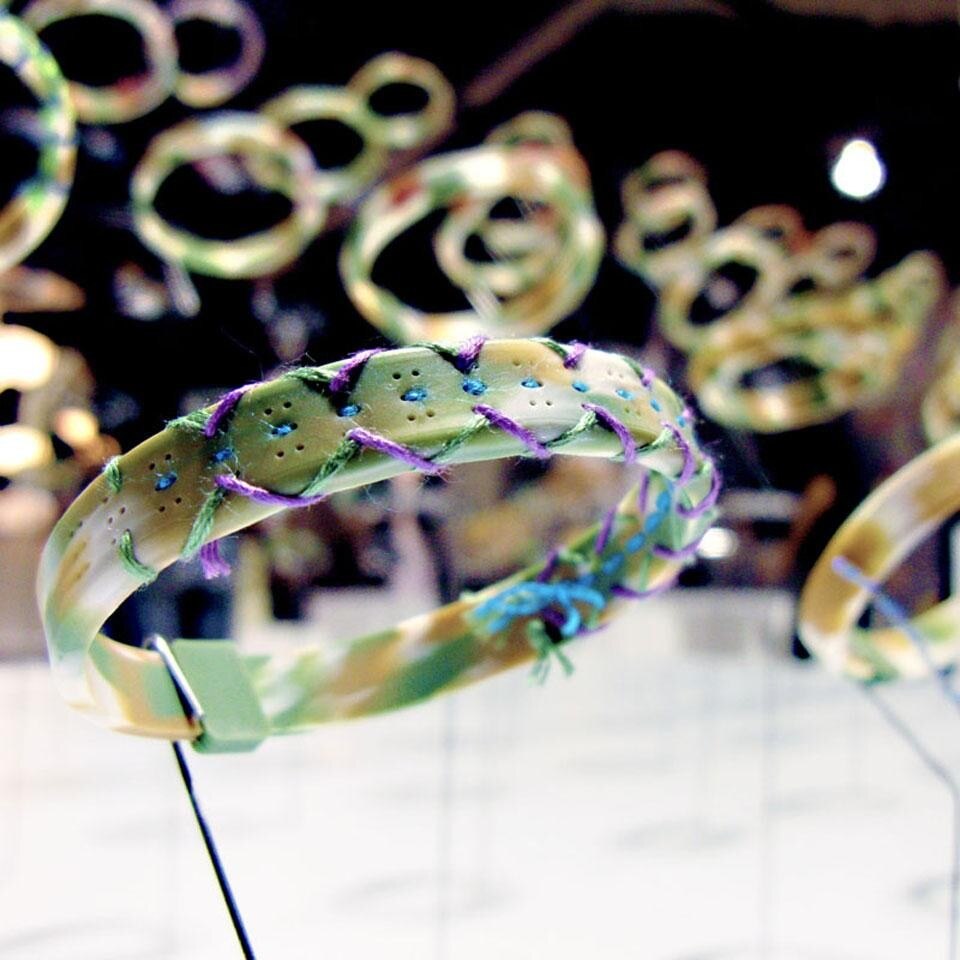
A rather interesting joint event was created by A-Study and 1Pac-Inc who designed the ID-BAND, a bracelet in silicone perforated with small holes that can be personalised. On the last day of the event, the bracelets were distributed to hundreds of people in the creation of a game in which each participant had to find the person wearing the same bracelet. In effect, it was an invitation to discover an analogical way of meeting people in an era dominated by on-line networking.
As well as the usual selection of inventions, this year has seen a desire to give over space to projects for Tohoku with an invitation to reflect upon the fragility of existence and the stubborn desire to stay alive
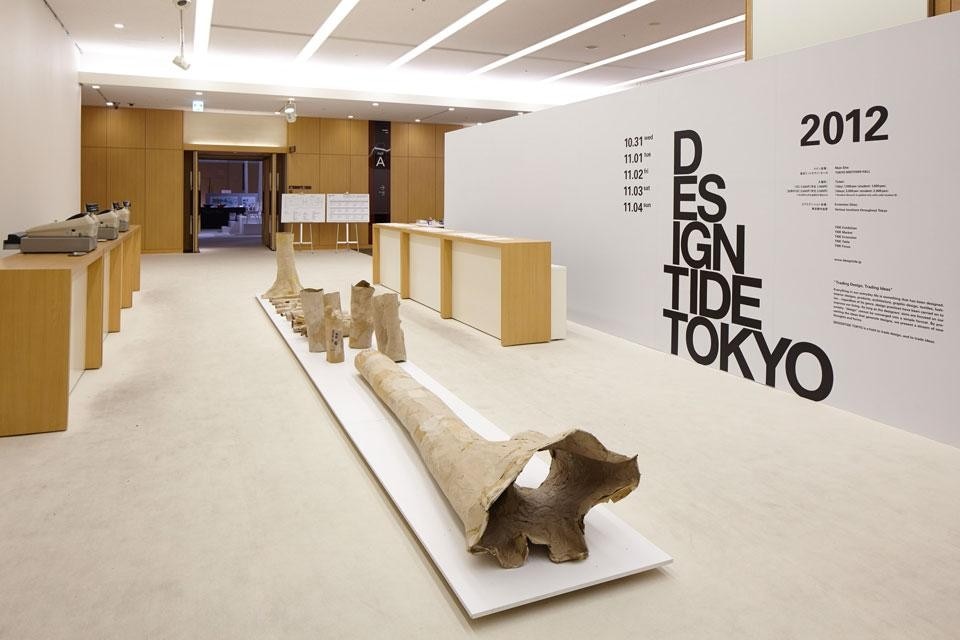
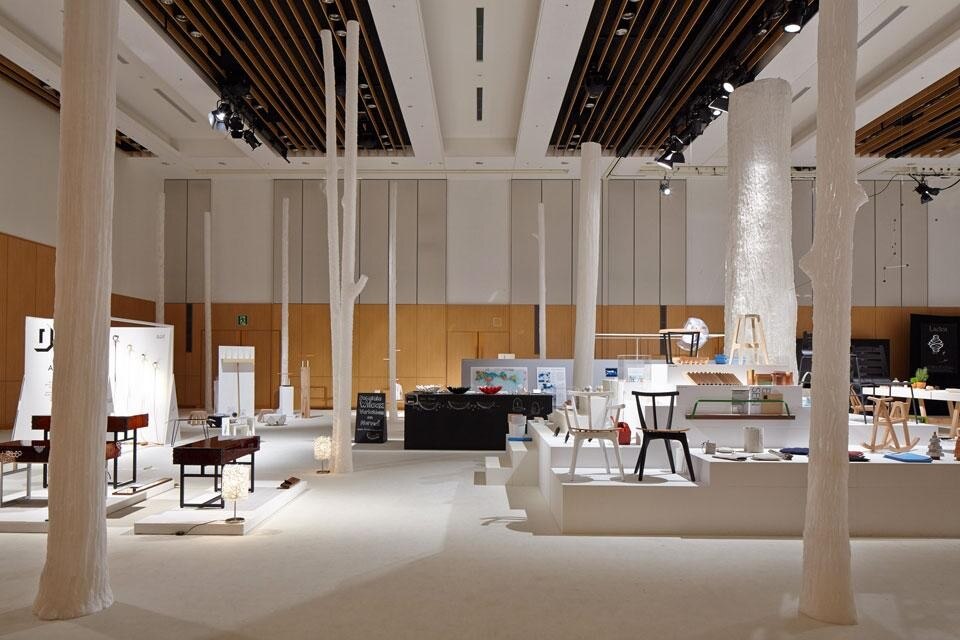
Concentrated in the Midtown spaces, the Tokyo Designtide (TDT) was devoted to the theme of "Trading Design, Trading Ideas". The exhibition space was dotted with tree trunks made from plastic packaging. Makoto Orisaki — author of the installation who calls himself an inter-designer — scanned the trunks of some real trees to recreate them with casts in bubble wrap. Orisaki interprets in this way the idea of the organisers of TDT: anything that is part of the everyday has been designed. The message that TDT wants to put across revolves around the notion that design, architecture, graphics and fashion set out to improve our lives. For the organisers it is fundamental to preserve the variety of the contributions and its non-convergence into a single format. To this end not only products but also ideas are proposed, offering a vision of how the most disparate concepts are able both to compete and collaborate to become both "new objects", and, more importantly, stimulate thought.
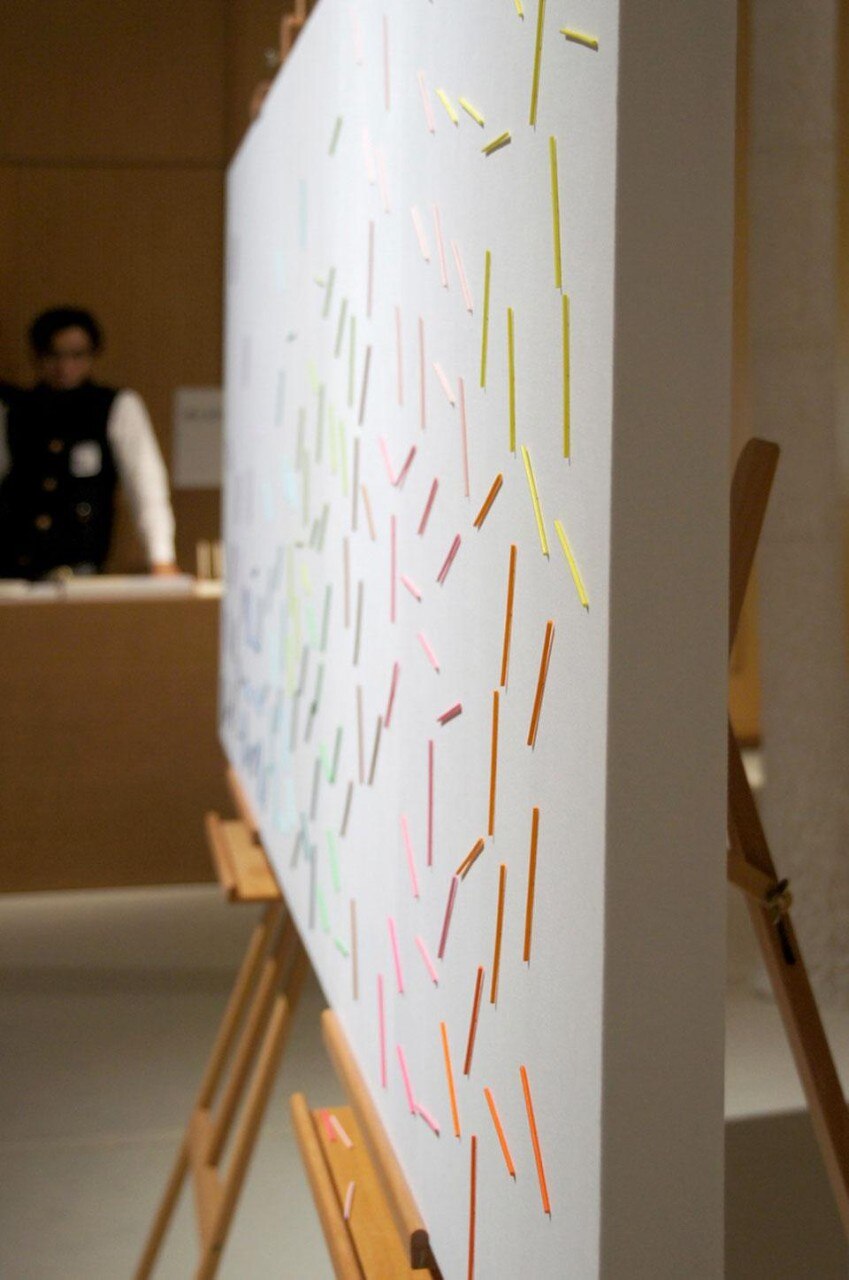
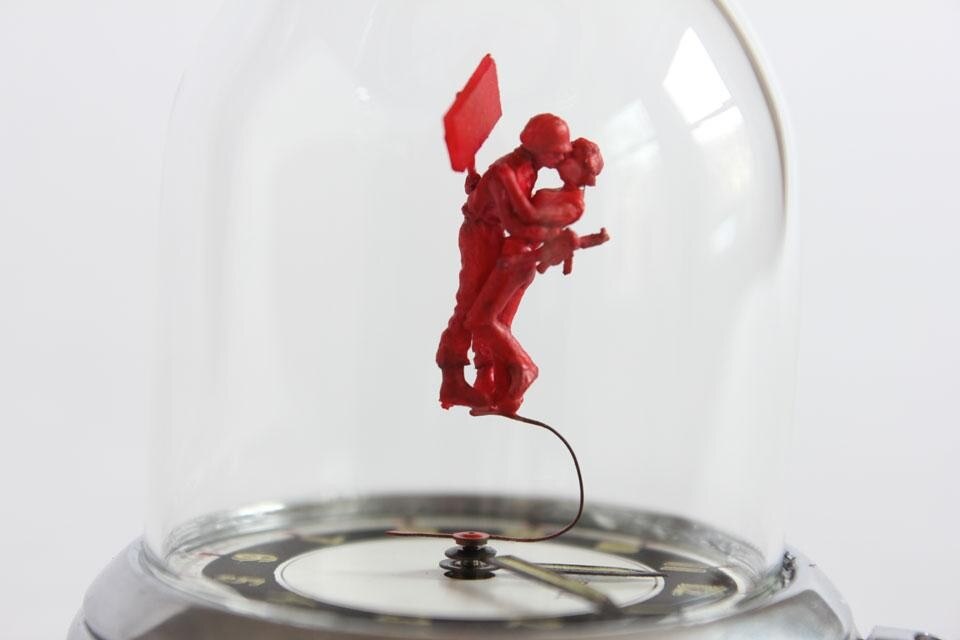
Emmanuelle Morceaux has written another chapter in her research into the use of colour as a generator of space, using it it for drawing time. On a panel, hundreds of clock hands mark out time in both a clockwise and anti-clockwise direction. It is a way of symbolising how different times exist alongside one another and the fact that time can be advanced as well as turned backwards. Time is seen as a concept that is truly relative, but in colour.
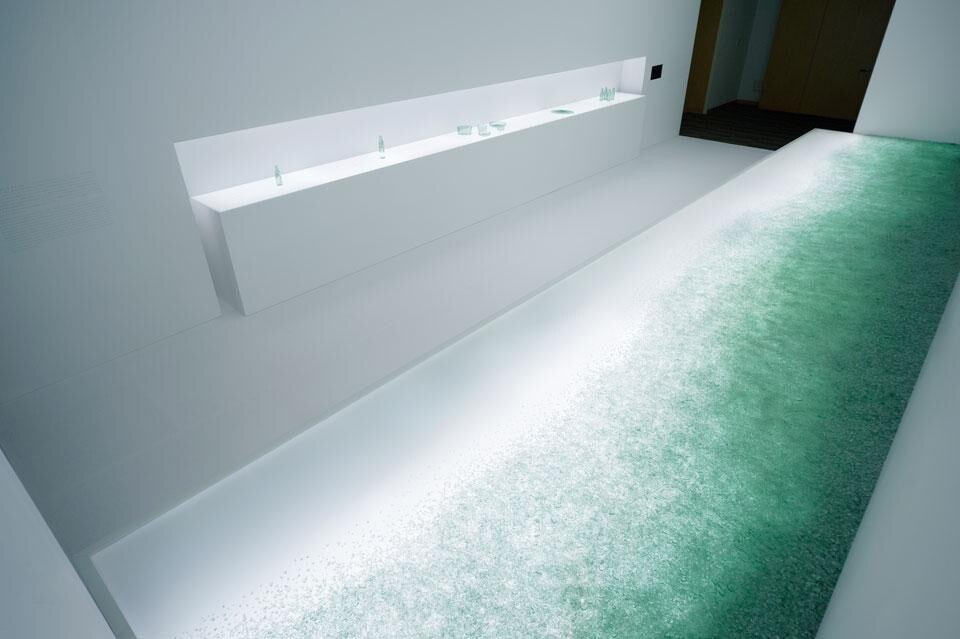
Nendo have elegantly reworked the base of the Coca Cola bottle. The base of the bottles — due to its consistency — has been for decades recycled by the multinational. At a certain point however, it is no longer be reused, so Nendo have up-cycled it to maintain the form — but not the dimensions — of the base of the most famous drink in the world after water, producing dishes, vases and trays.
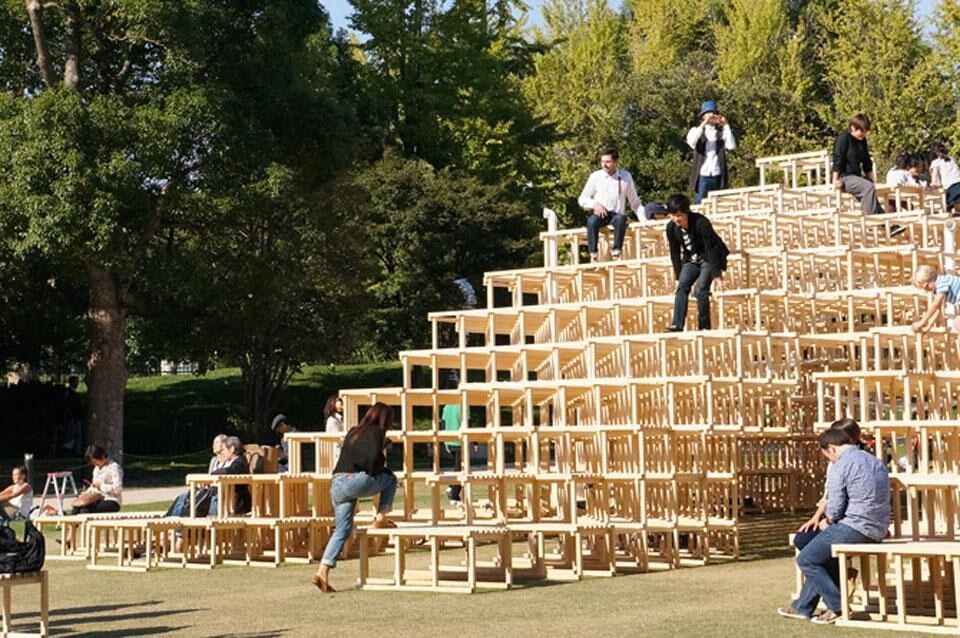
On the lawn of a large park, for the Midtown Design Touch, Tanijiri Makoto of Suppose Design Office has built Mountain Gym, a wooden jungle gym in the form of a mountain. By day the structure can be climbed on by children and adults and in the evening — once it has been illuminated — it becomes an artistic monument.
The week-long festival was also marked by the intervention of visionary fashion designer Issey Miyake, who strongly promoted the foundation of the Tokyo Design Museum. He maintains that it is time that a nation so immersed in design had a permanent museum where people can come together to cultivate and educate new generations in beauty. Salvator-John A. Liotta, Aya Al Kadi Jazaeirly