Civilisation and nature

A kind of easily accessible mini-outback that offers a chance to inv estig ate and above all und erstand the intimate connection that the Australian landscape creates between land, vegetation, people and cultures.

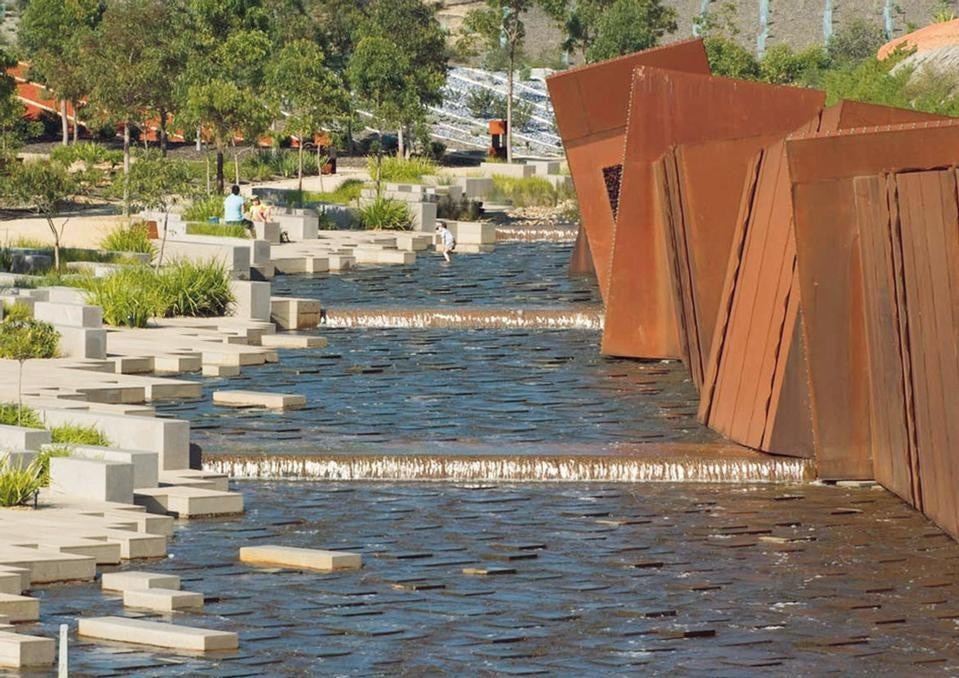
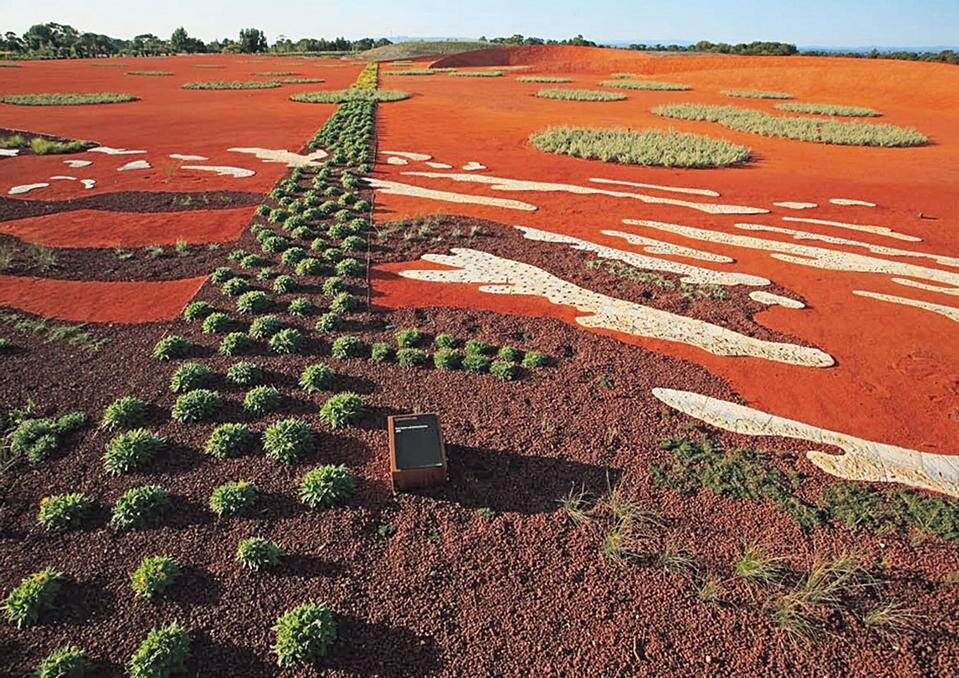
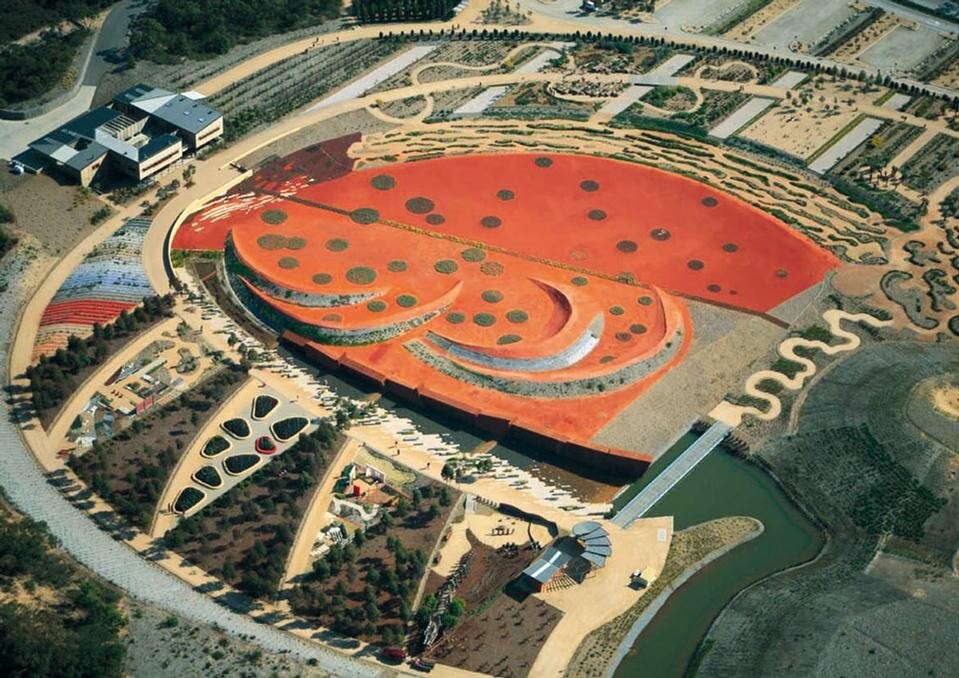
This was the brief that Taylor Cullity Lethlean were given for the design of the Australian Garden in Cranbourne (50 kilometres from Melbourne), the jewel of the affiliated Royal Botanical Gardens. “It is particularly commendable because it celebrates our landscape without slavishly seeking to replicate it.” This was the motivation for which it was nominated as an example of excellence in Landscape Design at the Premier’s Design Awards 2008, an honour given by the State of Victoria to the best design projects realised in the area.
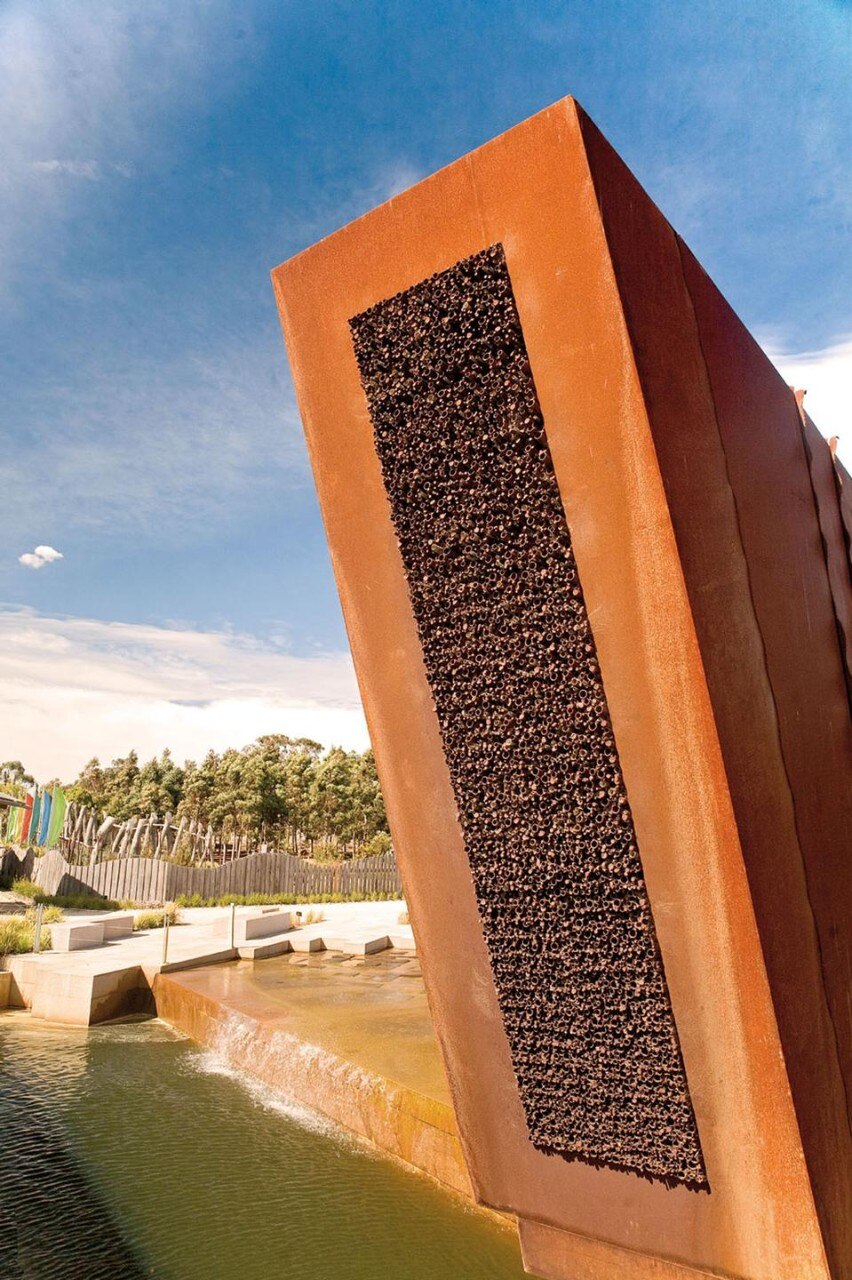
In this case, the architects have skilfully combined a series of naturalistic landscapes – with over 100,000 species of native plants, many of which were being used for the first time in a “landscaped” context – with sculptural and artistic elements that represent the contrasts and differences in scale that are typical of inland Australia. This explains the central role of the Escarpment Wall Garden, a 90-metre-long sculpture in rusted metal created by Greg Clark that recalls the outback’s dramatic changes of scenery. Behind the experience of the Australian Garden lies a message concerning environmental sustainability, both in the explicit aesthetic celebration of aridity and scarcity of water and in its use of a wide and varied range of local and “cheap” materials such as red sand, limestone, tree bark and gravel. Stefano Gulmanelli
Latest on Design

Latest on Domus

China Germany India Mexico, Central America and Caribbean Sri Lanka Korea icon-camera close icon-comments icon-down-sm icon-download icon-facebook icon-heart icon-heart icon-next-sm icon-next icon-pinterest icon-play icon-plus icon-prev-sm icon-prev Search icon-twitter icon-views icon-instagram