


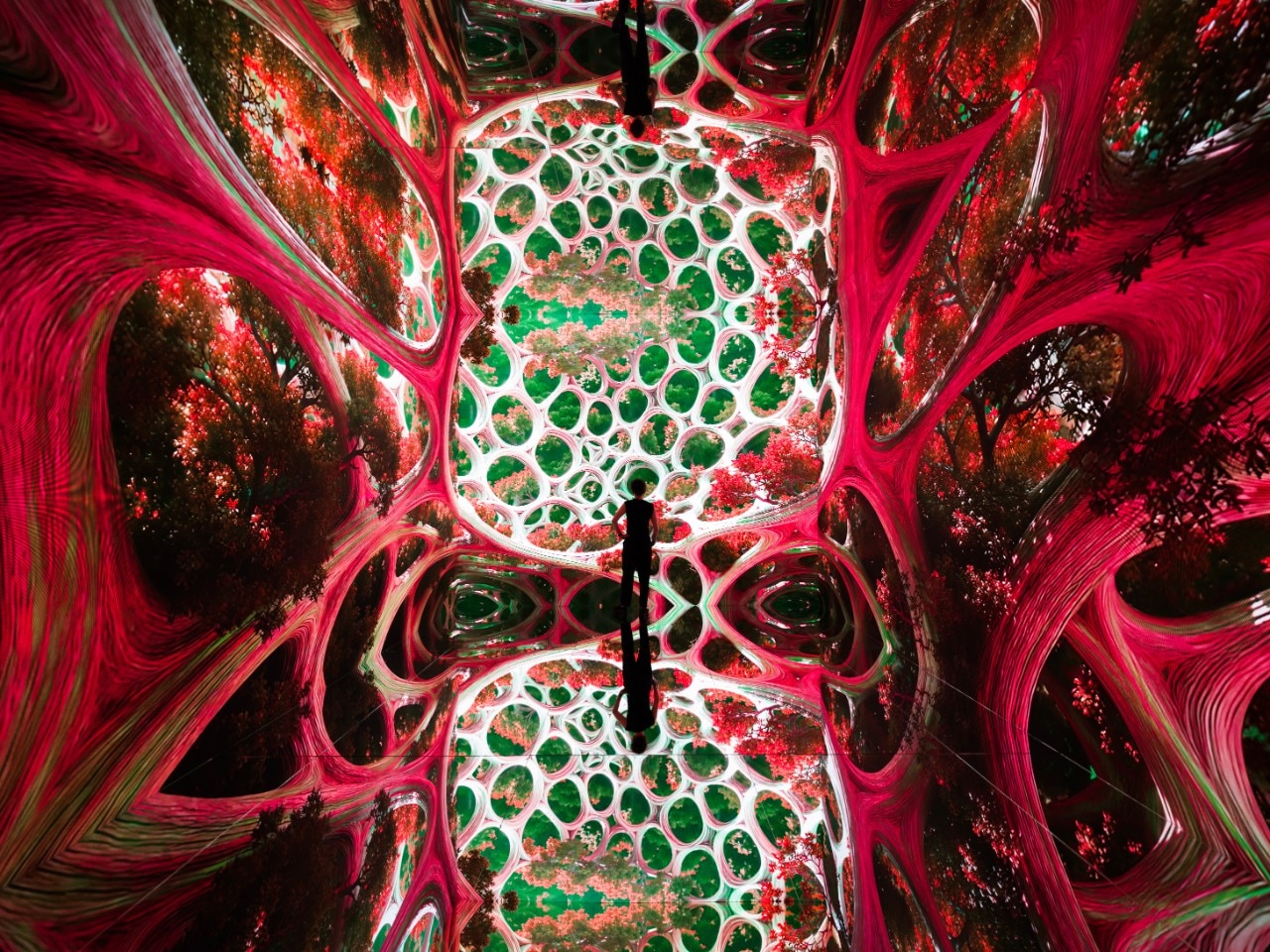

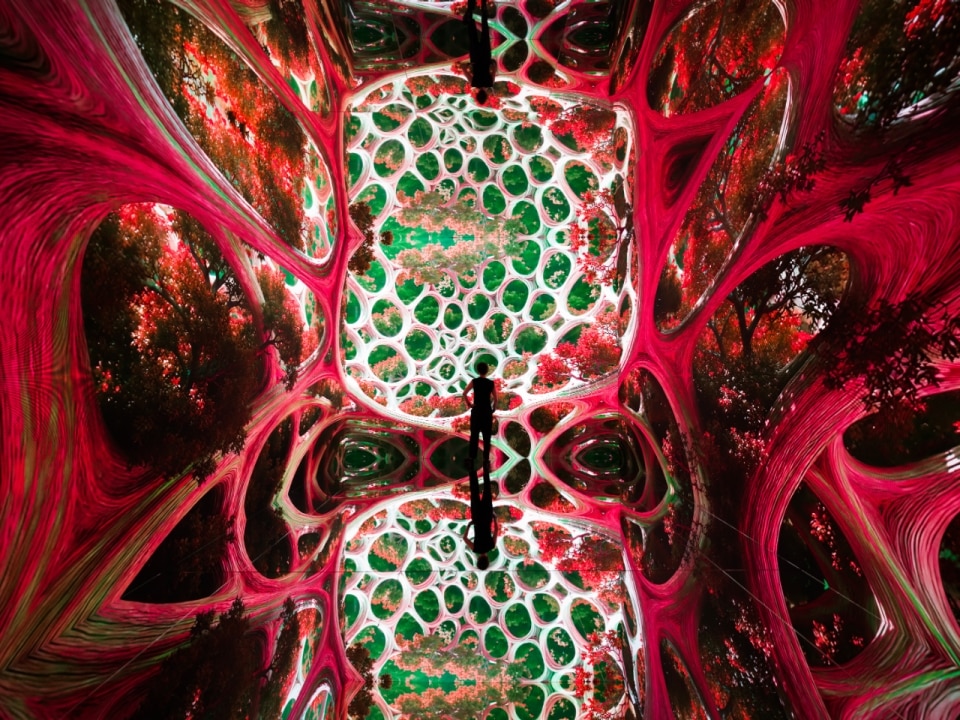
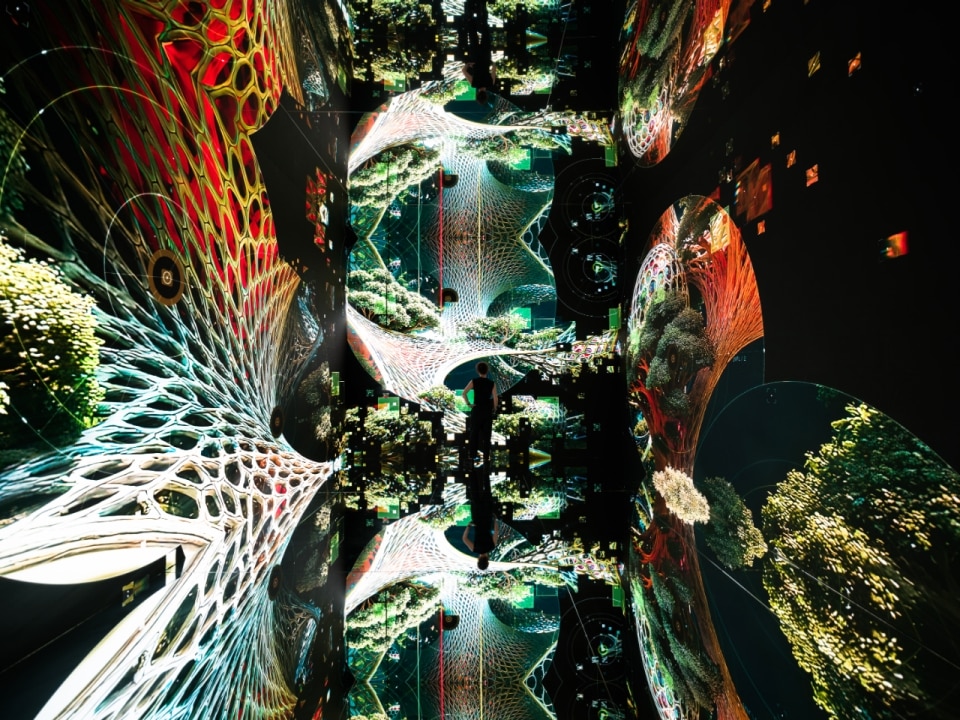
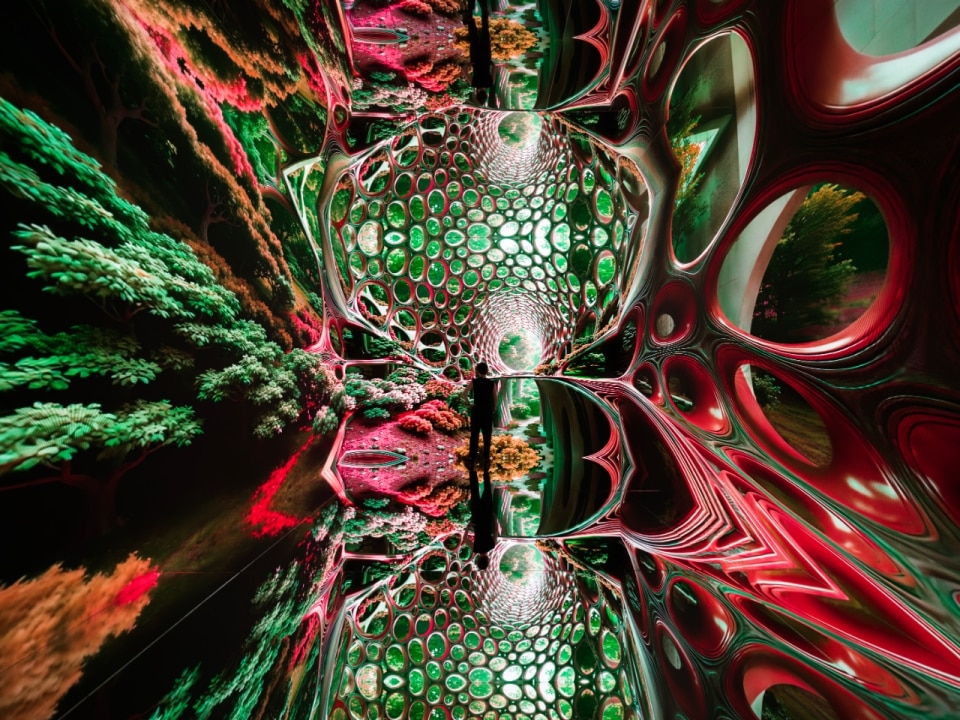
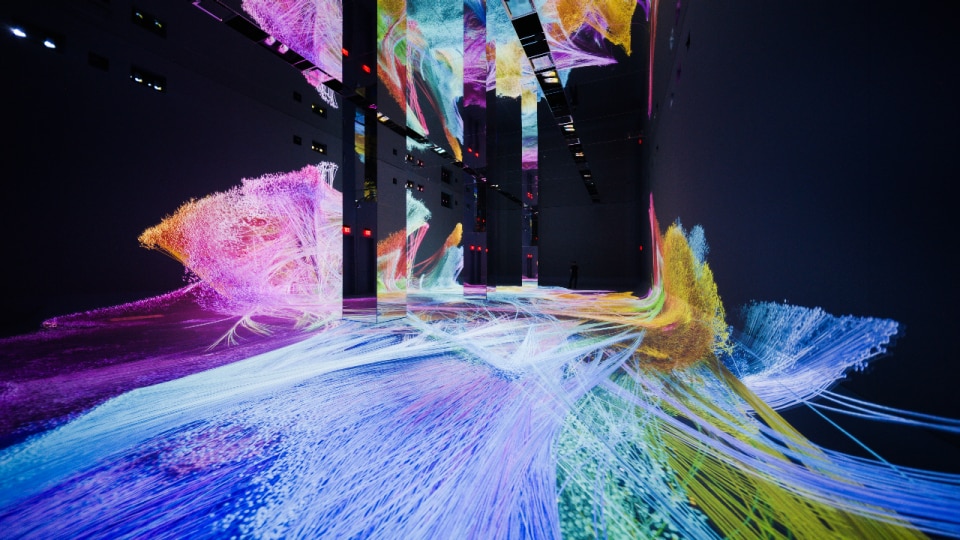
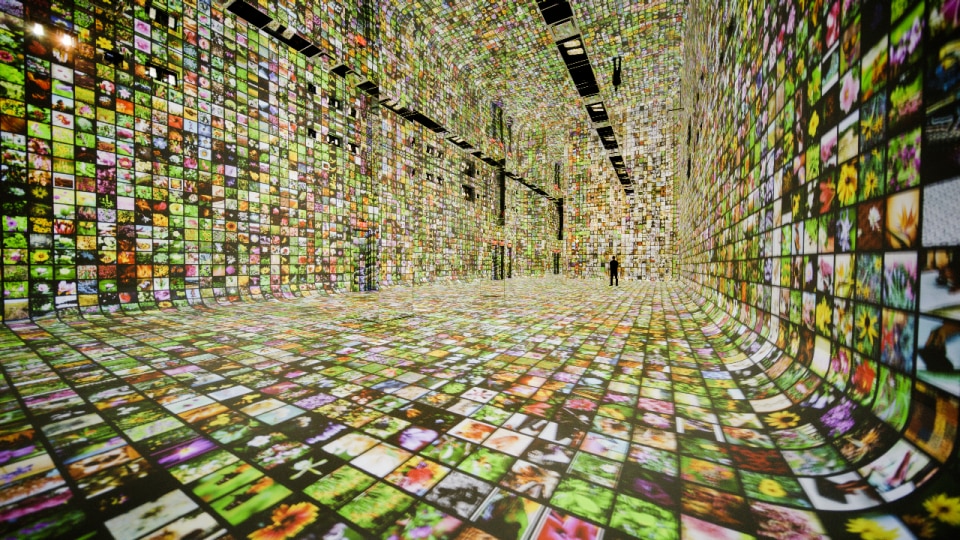
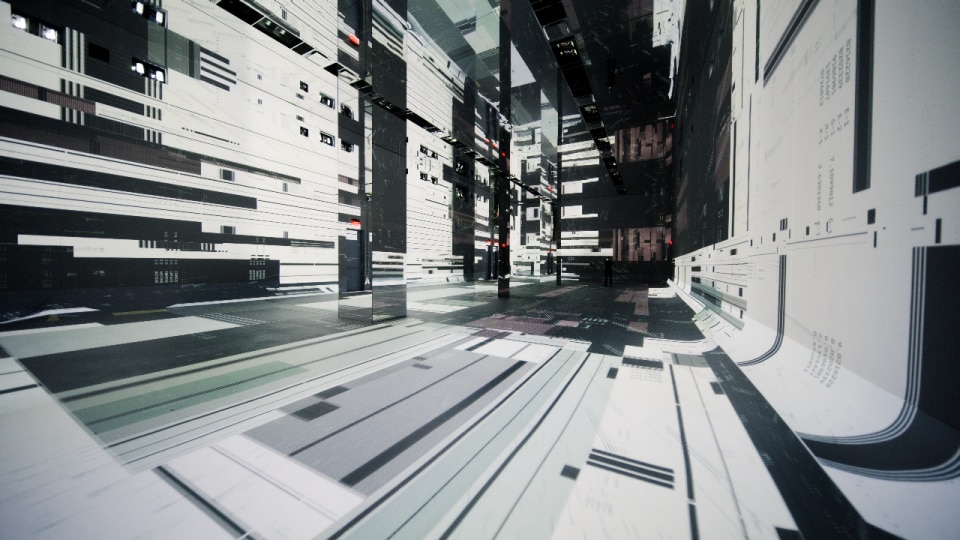
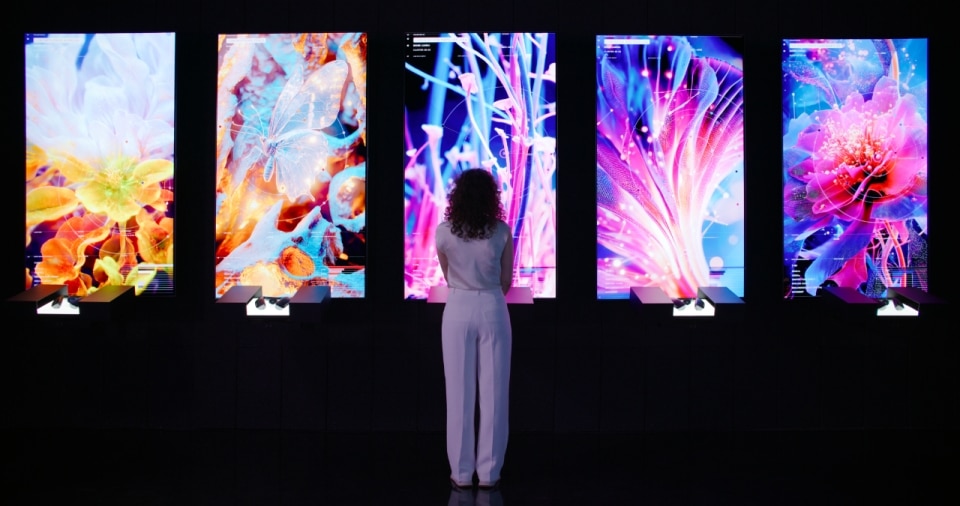
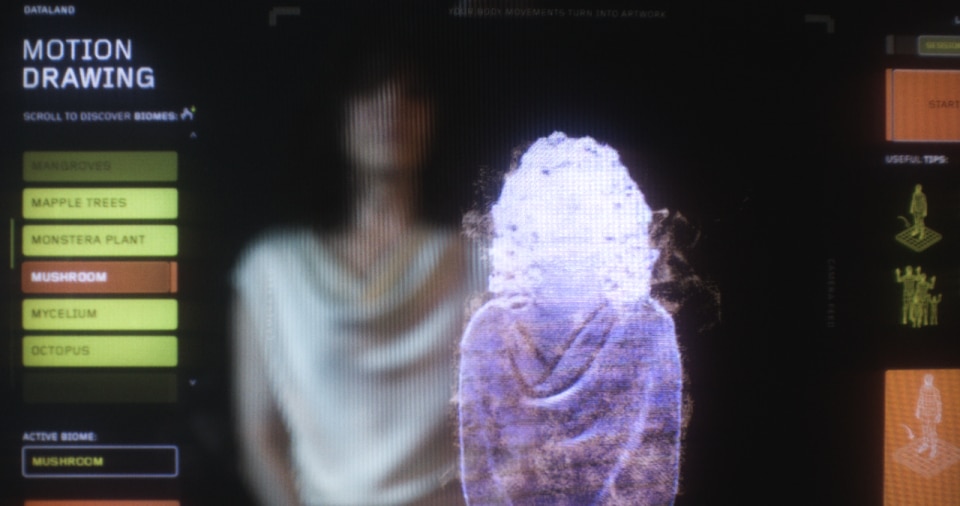
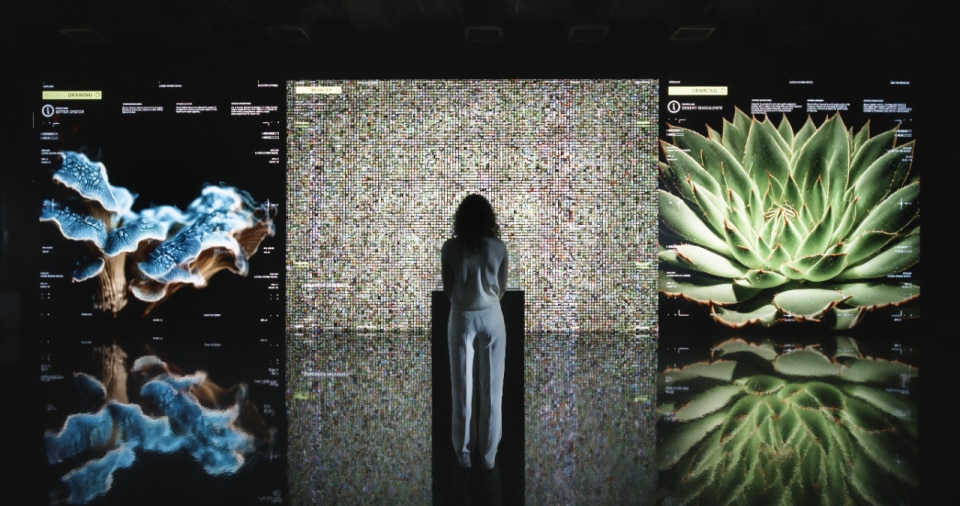
For years, Refik Anadol—the Turkish-American artist widely regarded as one of the leading figures in AI-driven art—has been talking about his long-awaited museum project. Called Dataland, it will be the world’s first museum entirely dedicated to AI art, opening in Los Angeles. Now, the institution finally has an official opening date: June 20, 2026.
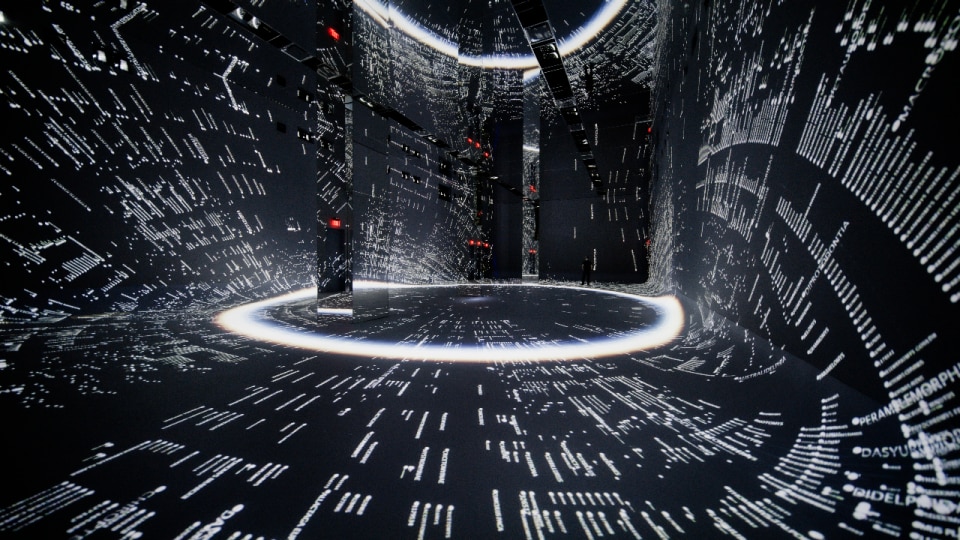
For more than two centuries, museums have been conceived as places to preserve and display art—architectures of memory designed to collect, organize, and transmit cultural heritage through objects considered stable over time. Challenging such a deeply rooted model is no small task, yet that is precisely Anadol’s ambition: to reimagine the museum as an operating system, a responsive organism that learns, reacts, and continuously generates new forms.
A museum as a cognitive organism
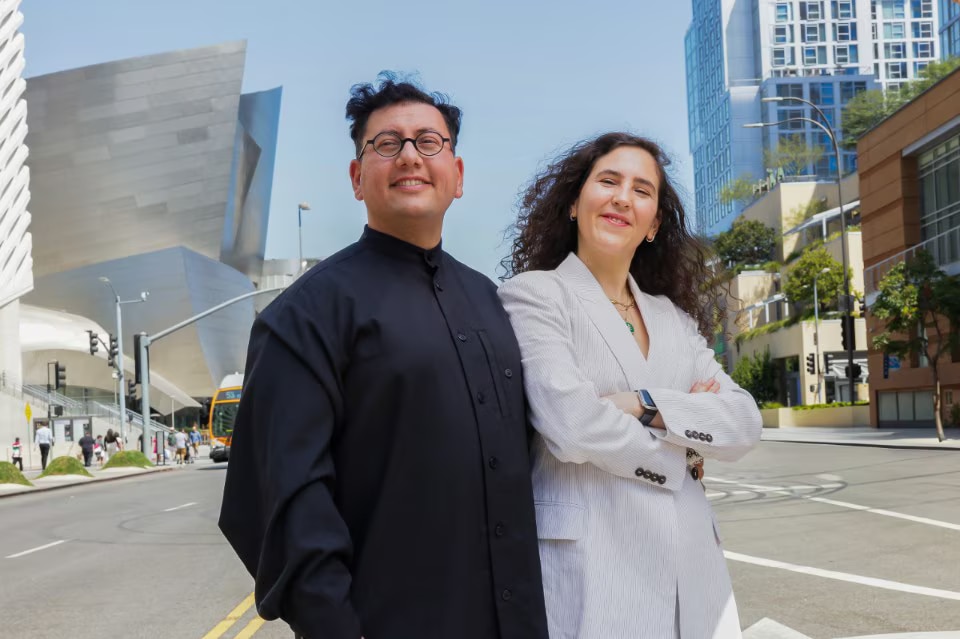
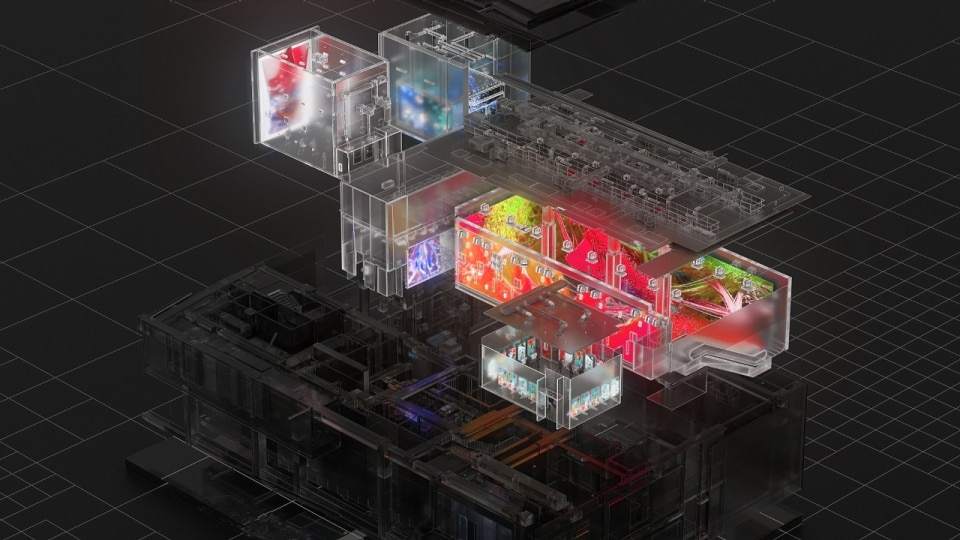
Developed by Anadol and Dataland co-founder Efsun Erkılıç, the project is built around a simple but radical question: can a building learn and adapt in real time like a living organism? The answer takes shape in a complex designed with Gensler and engineered by Arup, where technology is embedded into the architecture itself.
Walls, ceilings, and floors become computational surfaces across five immersive galleries equipped with a total of 1.5 billion pixels, more than 1,500 custom LED panels, 84 ultra-high-brightness Epson projectors, and a three-dimensional audio system powered by L-Acoustics’ L-ISA platform.
For 5 million years, human beings have been emotionally affected by works of art, but that relationship has always moved in a single direction.
Refik Anadol
At the heart of the museum is Connectome, a computing platform developed with Nvidia that functions as a kind of central brain. All data generated within the museum flows into this infrastructure: environmental information gathered from tropical forests around the world, content created by the installations, visitors’ biometric signals, and outputs from the Large Nature Model, the AI model developed by Refik Anadol Studio and trained on more than 500 million images and datasets sourced from institutions including the Smithsonian, Cornell Lab of Ornithology, Getty, iNaturalist, and London’s Natural History Museum.
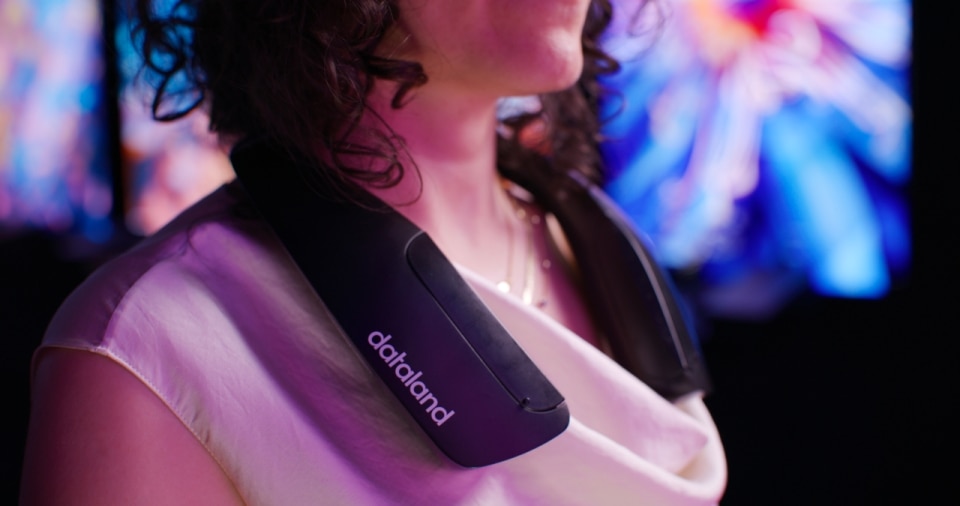
Another key component is Data.Link, a system designed to establish a two-way relationship between artwork and audience. Through wearable devices developed by Empatica, visitors’ physiological signals—including heart rate, body temperature, and skin conductance—are recorded. Once anonymized, this data is translated into inputs that can be interpreted by the Large Nature Model.
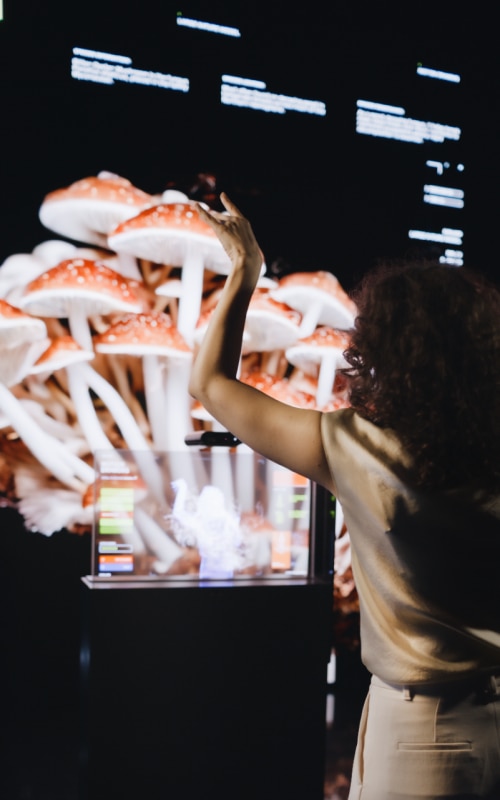
The installation—and, by extension, the museum itself—therefore incorporates visitors and their biometric data, altering the exhibition environment accordingly. In practice, the building responds to the collective emotional states detected within its spaces. The entire structure operates as a real-time algorithm, constantly updating itself through a feedback loop in which reception and production become inseparable.
“For 5 million years, human beings have been emotionally affected by works of art, but that relationship has always moved in a single direction,” Anadol has said. “During the development of Dataland, we asked ourselves: could artworks perceive us in return? We imagined a place where audience and artwork could merge, creating a collective emotional feedback loop. Thanks to extraordinary collaborators and technologies woven directly into the architecture itself, that dream has become reality.”
Participation or surveillance?
The project stems from a valid observation: the traditional museum, as we know it, has limitations. Technology can undoubtedly help create new ways of engaging with art. Yet an important question remains: is this the right direction?
The idea of a shared dataset is undeniably compelling. It evokes notions of interconnectedness, systems thinking, even ecological and quantum perspectives. Yet there is little here that resembles the concept of relational aesthetics as theorized by Nicolas Bourriaud. Interaction is mediated entirely through a technological infrastructure that observes, interprets, and responds in real time. Rather than fostering a shared experience, it can appear as a synchronized but ultimately solitary one, in which the visitor becomes raw material for data extraction in a dystopian form of real-time data mining.
During the development of Dataland, we asked ourselves: could artworks perceive us in return?
Refik Anadol
There is also a broader concern. No matter how secure or anonymized, biometric data remains biometric data. Not everyone may feel comfortable entering a building that reads heart rates, tracks physiological responses, and uses them to shape the experience itself. For some, Dataland may symbolize a new form of participation. For others, it may look increasingly like surveillance—more sophisticated, more seamless, and more normalized.
Perhaps it is still too early to draw conclusions. Dataland remains one of the most ambitious cultural projects of recent years, and its greatest achievement may be the questions it forces institutions to confront. But the debate remains open: if the museum of the future must evolve—and it probably must—should that evolution really lead toward environments that know us ever more intimately? Or do we risk confusing interaction with relationship, and personalization with participation?