


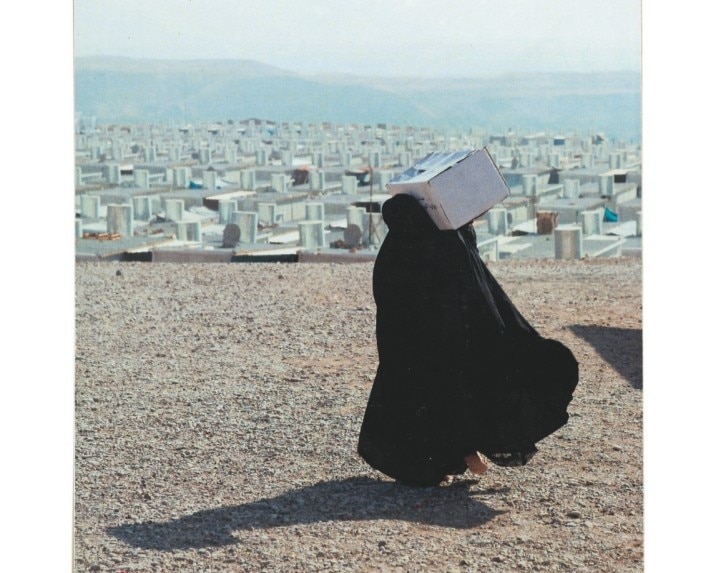

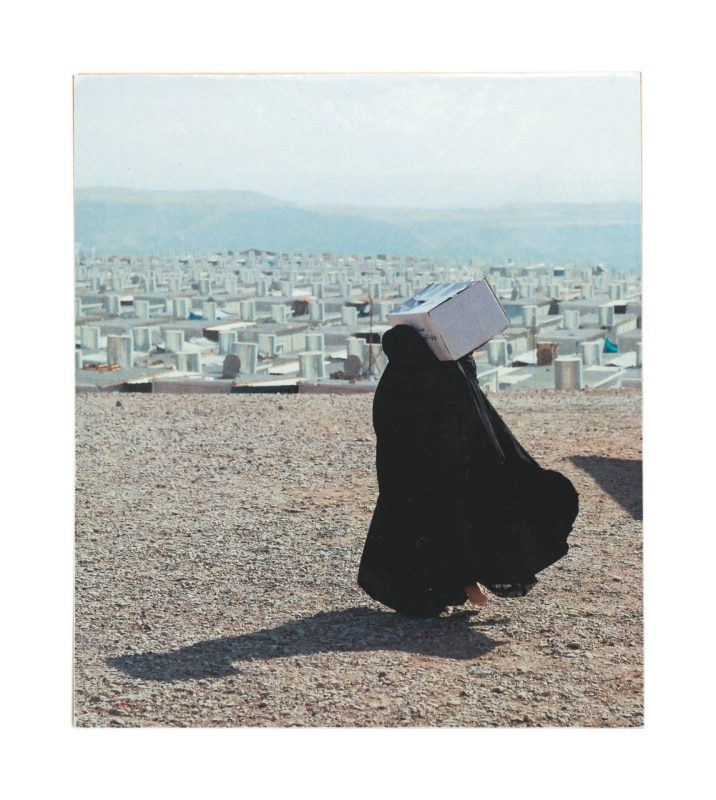
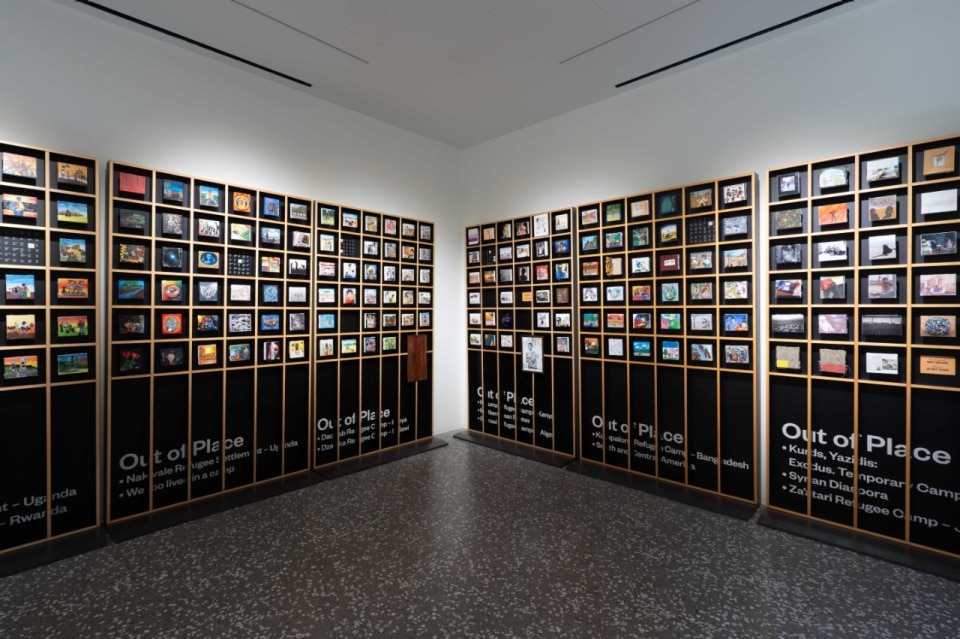
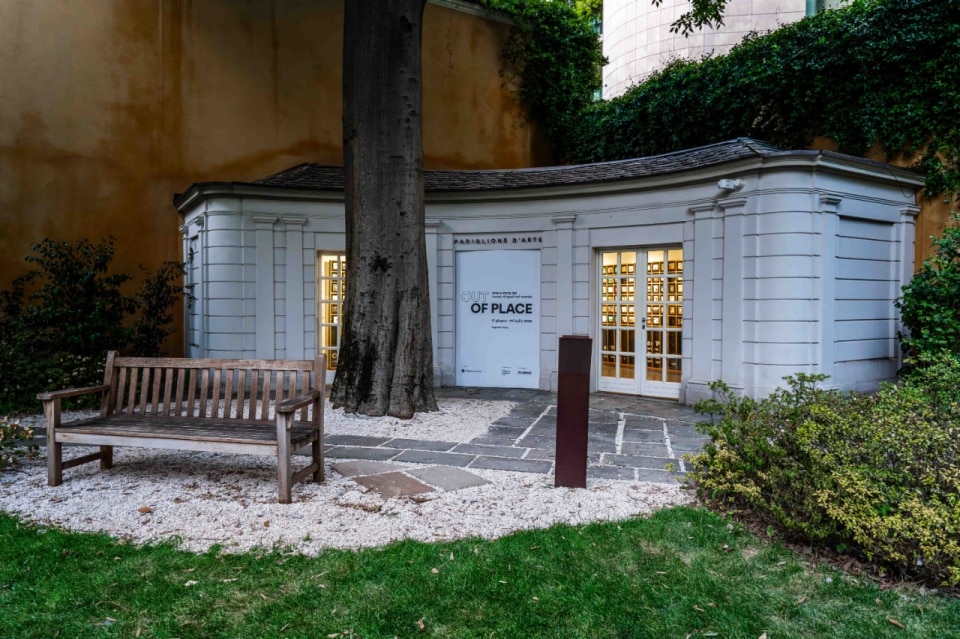
Living in the place where you were born is a much less common condition than one might think. About 304 million people live in a country different from the one they were born in, and the figure reaches one in eight people — more than 700 million — when internal migration is also considered. Around 117 million people have been forced to leave their homes due to wars, persecutions, or violence. Of these, nearly 9 million live inside refugee camps.
Artists Before Refugees
It is from this perspective that “Out of Place. Art and Stories from Refugee Camps in the World” was born, an exhibition project by Fondazione Imago Mundi on display at Fondazione Luigi Rovati in Milan from June 17 to July 19.
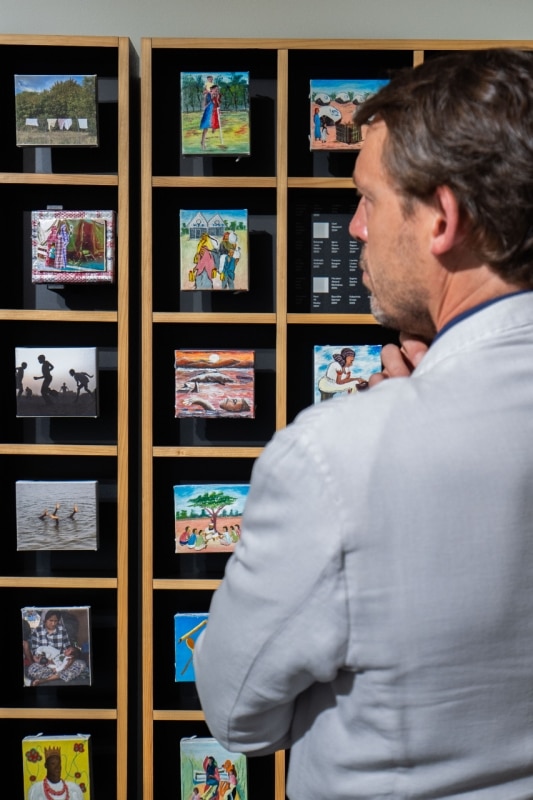
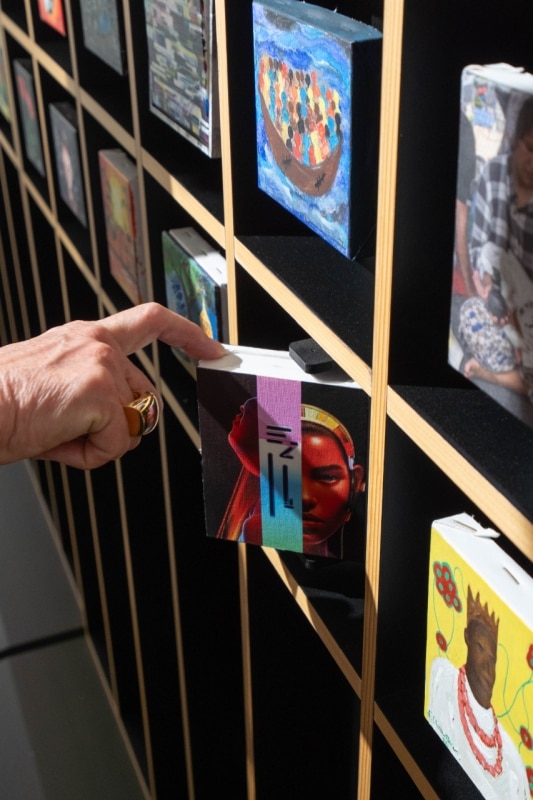
The exhibition, arriving in Milan to coincide with the 75th anniversary of the Geneva Convention Relating to the Status of Refugees, is the result of research conducted between 2022 and 2024 in 18 of the world’s largest refugee camps, from Bangladesh to Kenya, from Uganda to Rwanda, passing through Algeria, Jordan, Mexico, the United States, and Greece.

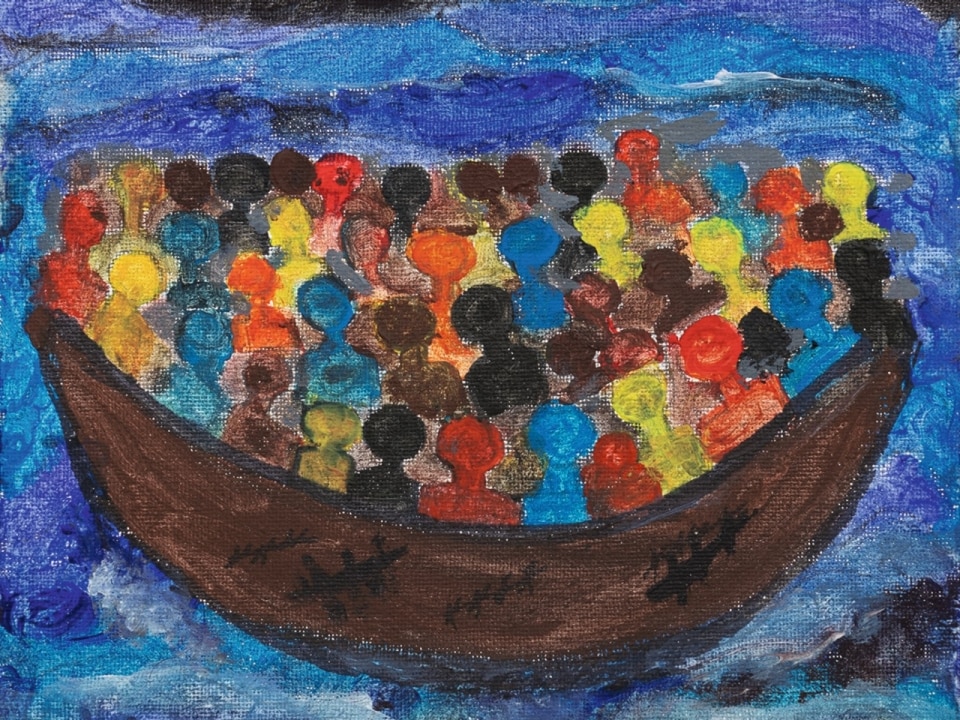
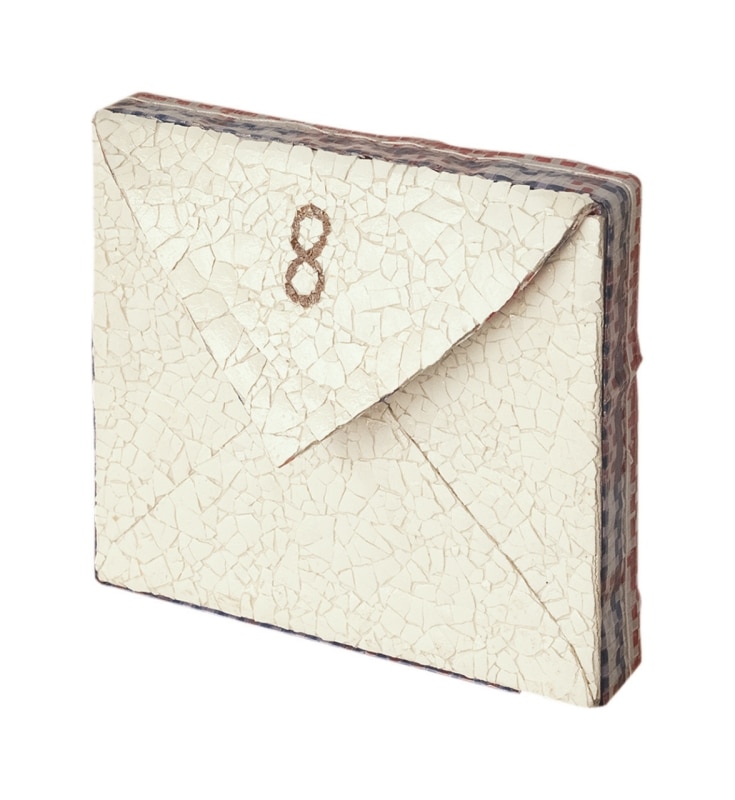
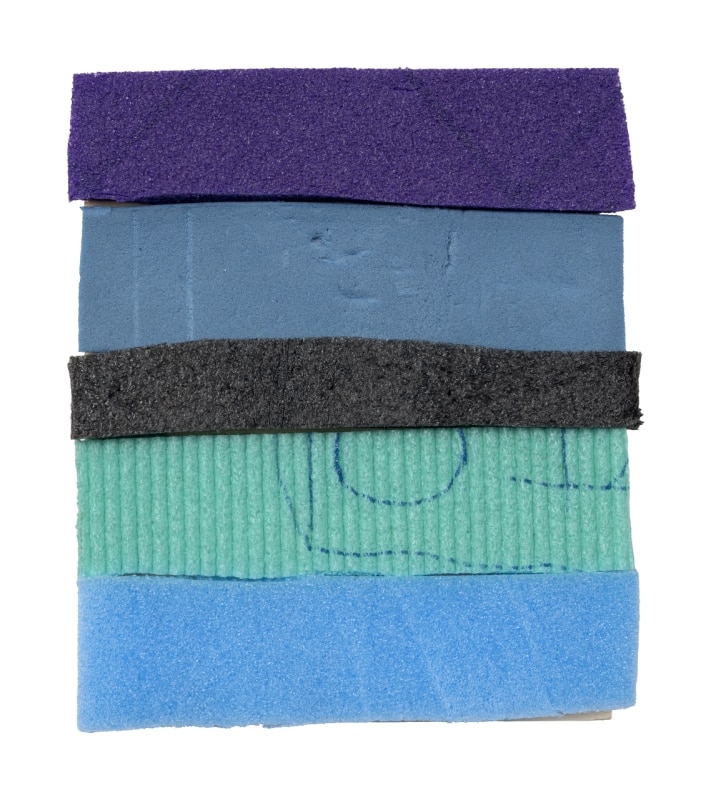
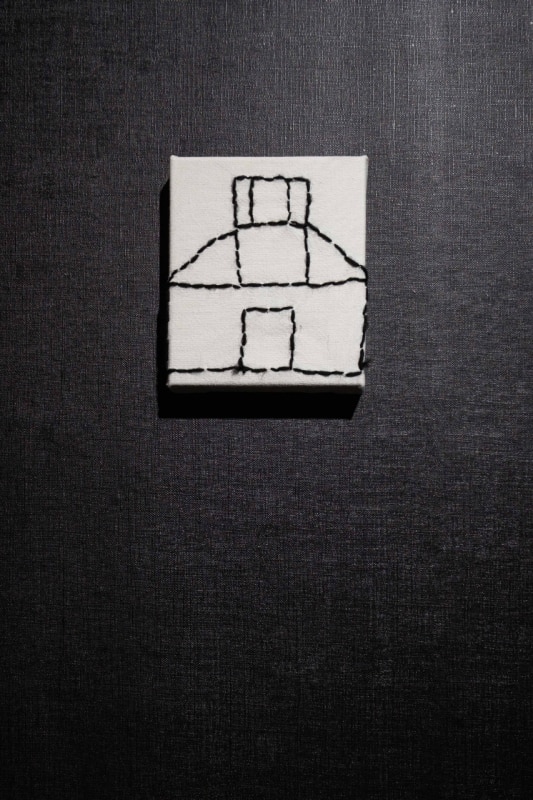
The idea is simple: to present the authors of the 284 exhibited works — all in a 10x12 cm format — as artists, first and foremost, rather than as migrants or refugees. To show that a different narrative is possible and that the very condition of being a refugee can generate new perspectives and a greater complexity of vision regarding the contemporary world.
Seeing the field through the eyes of those who experience it
“In general,” comments Laila Ajjawi, curator of the Jordanian section of the project, “especially in Europe and the West, people talk about refugees as if they were a single entity.”
Born in 1990 in the Irbid refugee camp to a Palestinian family that arrived in Jordan after the 1948 Nakba, Ajjawi explains how the project expanded her own perspective: “I was able to see the camp where I grew up, but also the other camps and the refugee camp as an idea, through the eyes of the other artists.”
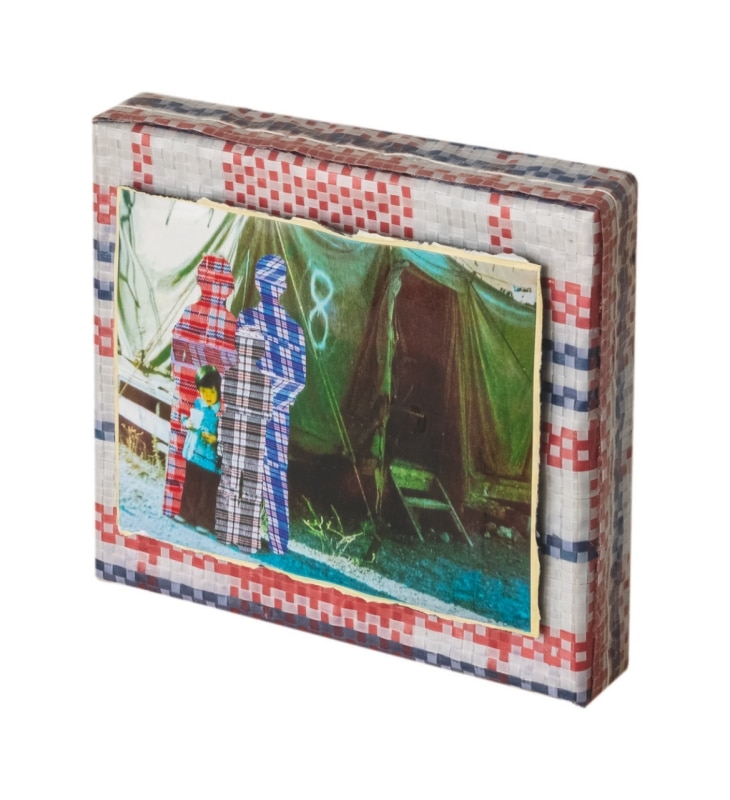
A multifaceted picture thus emerges from the works, restoring the multiple meanings of the refugee camp as one of the symbolic spaces of our time.
A narrative yet to be crafted
The title of the exhibition borrows the expression “Out of Place” from the Palestinian writer Edward Said, who used it to describe the condition of exile and displacement.

The goal of the exhibition is to offer a platform to artists living in refugee camps, who too often remain the object rather than the subject of the narrative concerning them, so they can directly tell their own reality.
From Denmark to Milan
The idea of using art to transform the narrative about refugees is increasingly finding space within cultural institutions as well. One of the most significant examples is FLUGT, the Refugee Museum of Denmark, inaugurated in 2022 in Oksbøl, on the site that housed Denmark’s largest refugee camp during World War II.

Designed to give a voice and a face to refugees worldwide, FLUGT is the first museum institution entirely dedicated to this theme.
Projects like FLUGT and “Out of Place” attempt to build tools to read a reality increasingly marked by wars, economic crises, and forced displacements. Listening to those who have lived or live in refugee camps means broadening our understanding of the present through perspectives that rarely find space in the public narrative.
Opening image: Arafa and the Dirars (Sudan, United Kingdom), Hope (by Arafa), 2023. Acrylic on canvas, 10x12 cm. Work exhibited as part of the exhibition “Out of Place: Art and Stories from Refugee Camps Around the World,” 2026. Courtesy of Out of Place
- Exhibition:
- “Out of Place: Art and Stories from Refugee Camps Around the World”
- Dates:
- June 17 – July 19, 2026
- Location:
- Luigi Rovati Foundation, Milan