


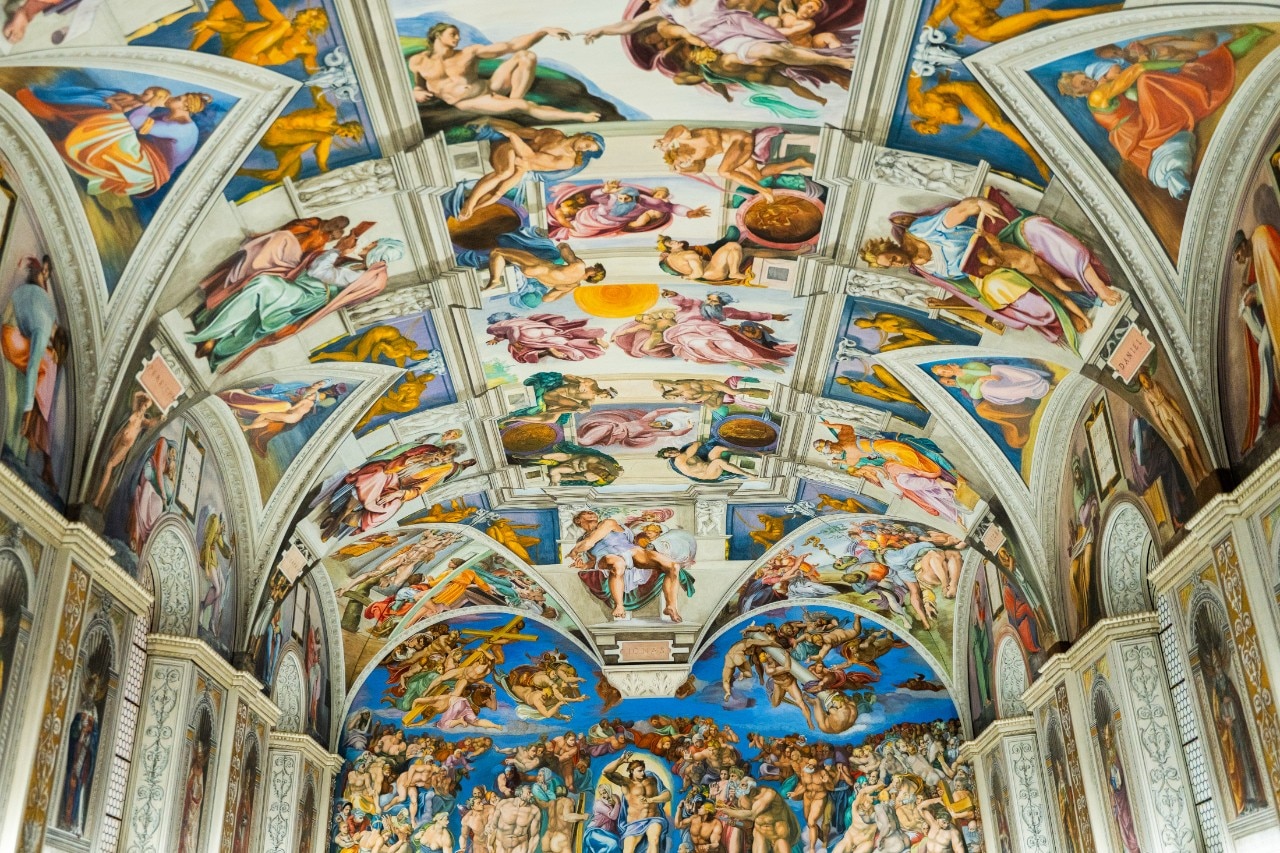

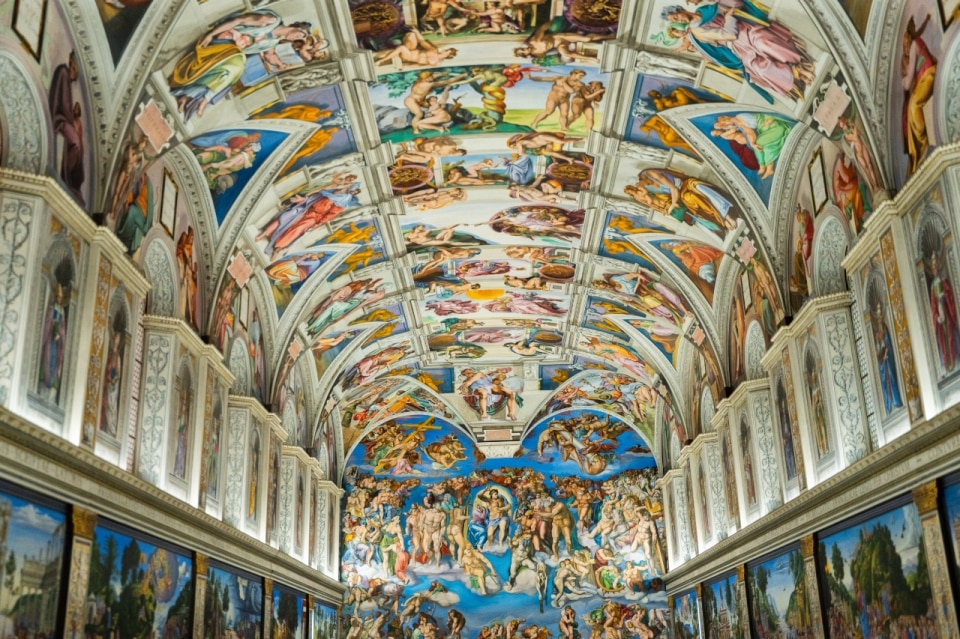
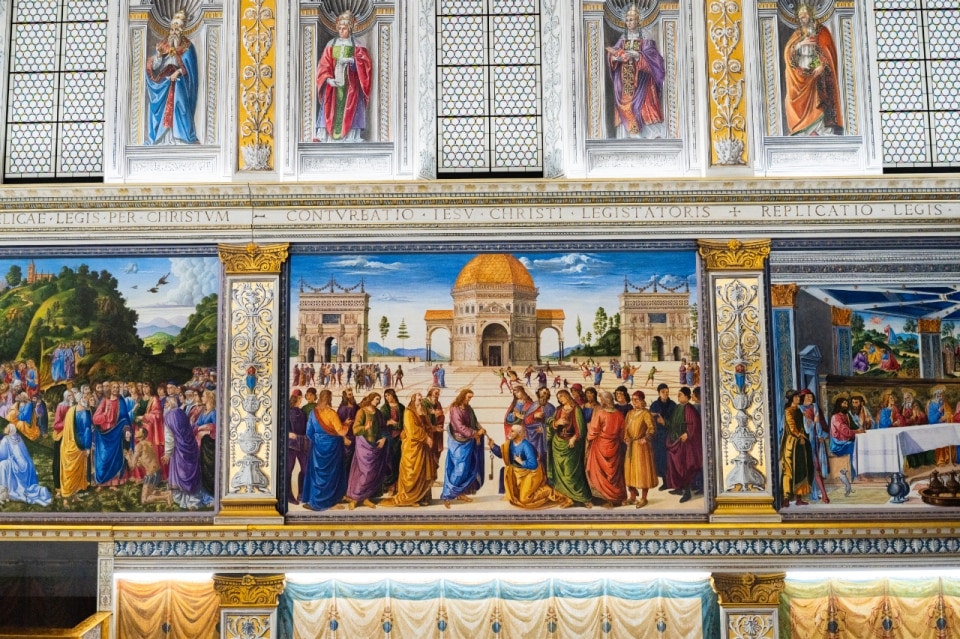
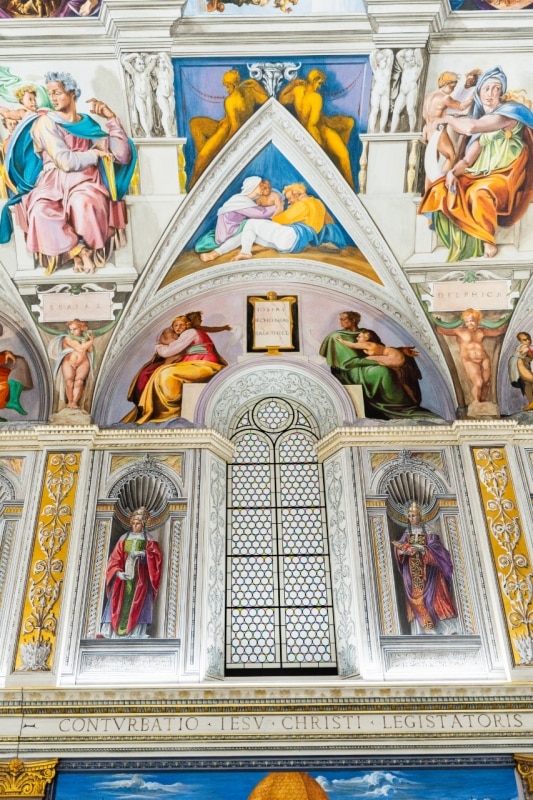
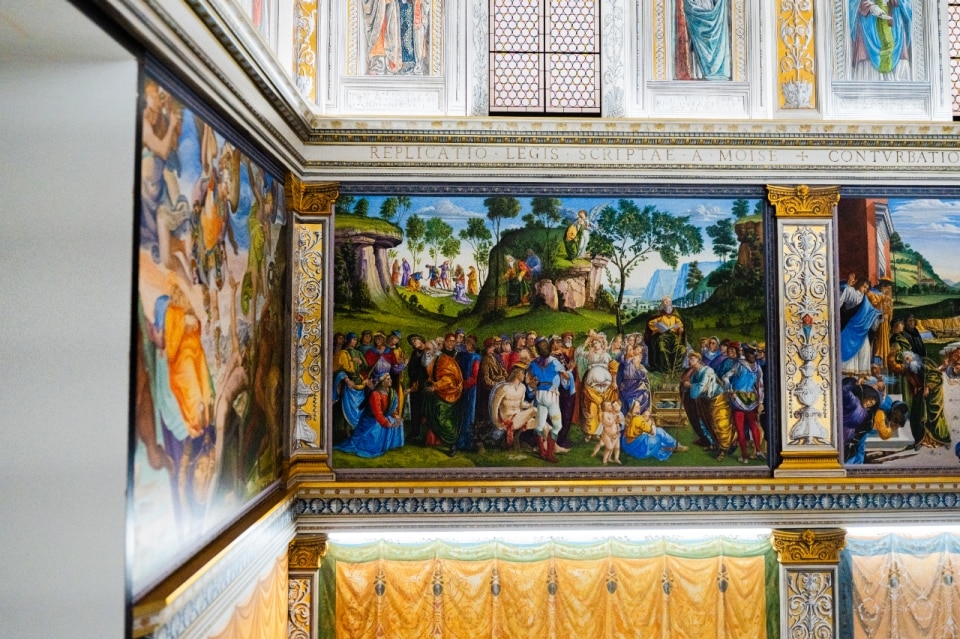
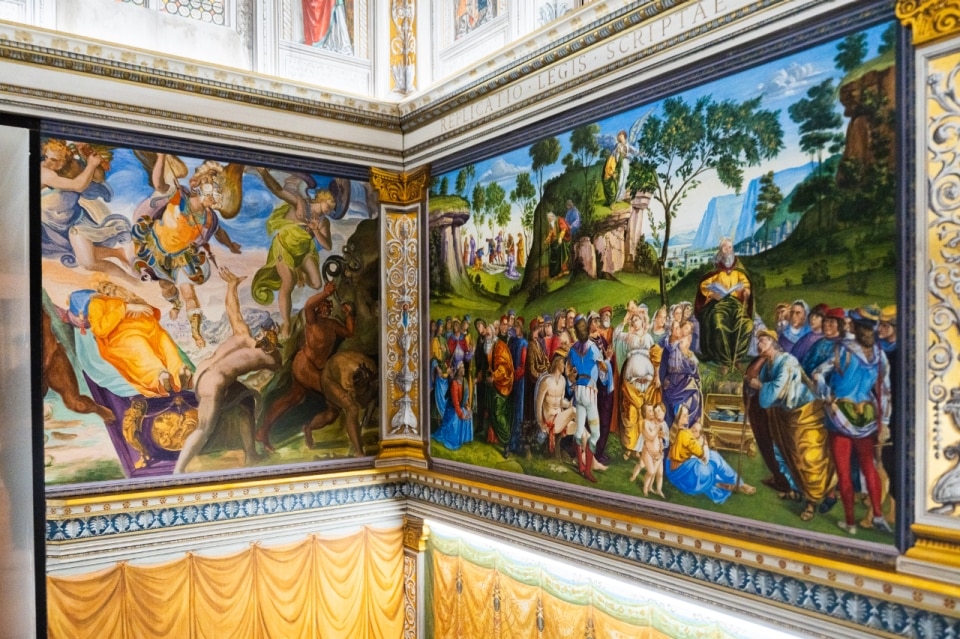
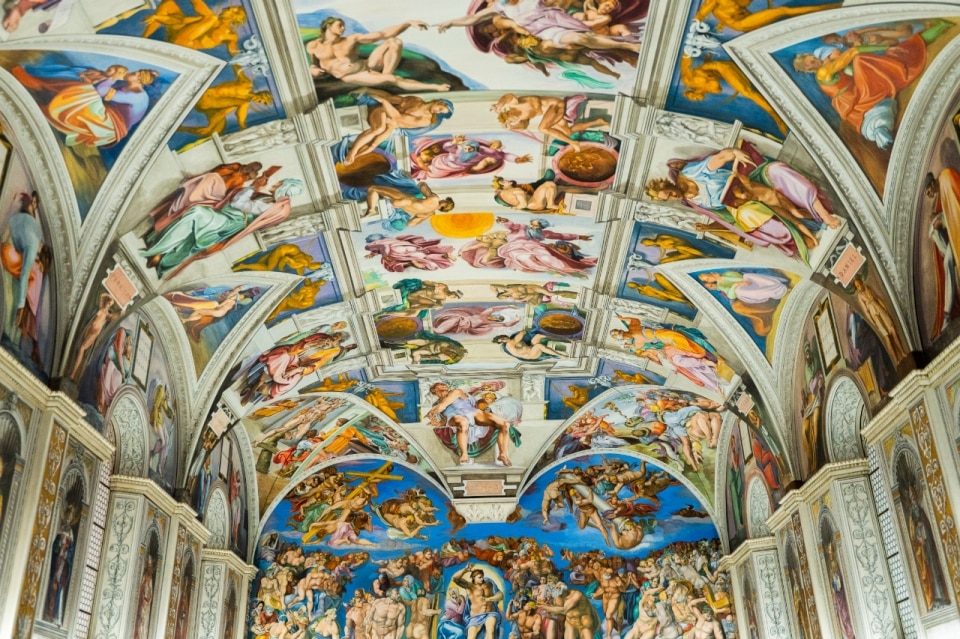
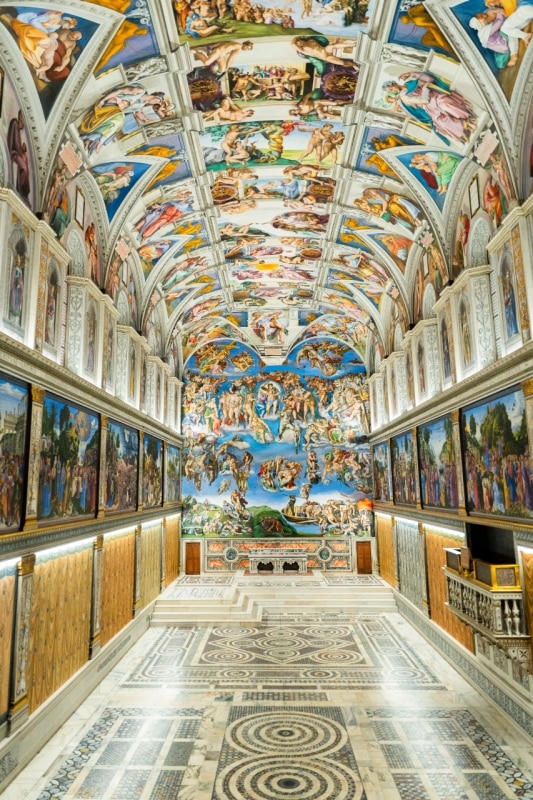
Maurizio Cattelan’s 1:6 scaled replica of Michelangelo Buonarroti’s Sistine Chapel first appeared in Shanghai in 2018, at the Yuz Museum during Shanghai Fashion Week. It was part of an exhibition focusing on reproduction as a creative act—co-conceived with Alessandro Michele, then creative director of Gucci.
Cattelan’s densely pigmented, high-gloss versions of the writhing Renaissance figures lend themselves to a fashion context, their volcanic expressions shining gaudily in acrylic paint that replaces the tonal subtlety of buon fresco. Today, they re-emerge in a different setting: the second edition of the Malta Art Biennale.
A chapel inside a palace
The biennale has a clear Italian lineage. Its first edition in 2024 was led by Italian curator Sofia Baldi Pighi. This year, organisers announced that Maurizio Cattelan would “headline” the show, with his work presented alongside 40 selected artworks, including eight by Maltese artists.
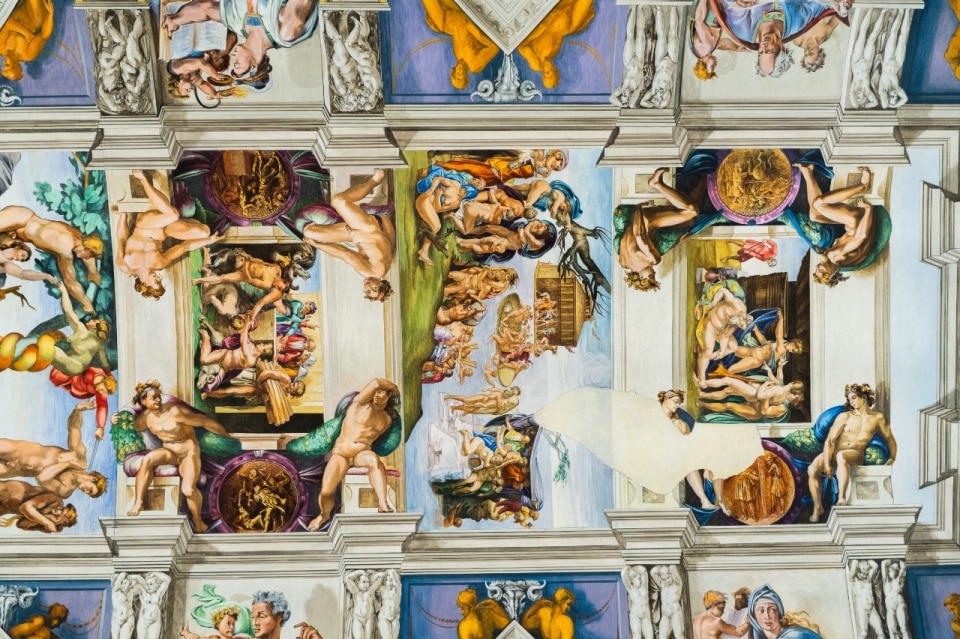
The curator and artistic director of the 2026 edition is Rosa Martínez, who in 2005 became the first female curator of the Venice Art Biennale. In her opening address, Martínez described Cattelan’s work, Untitled, as “a present” to Malta, referencing the island’s strong Catholic tradition and abundance of churches and chapels.
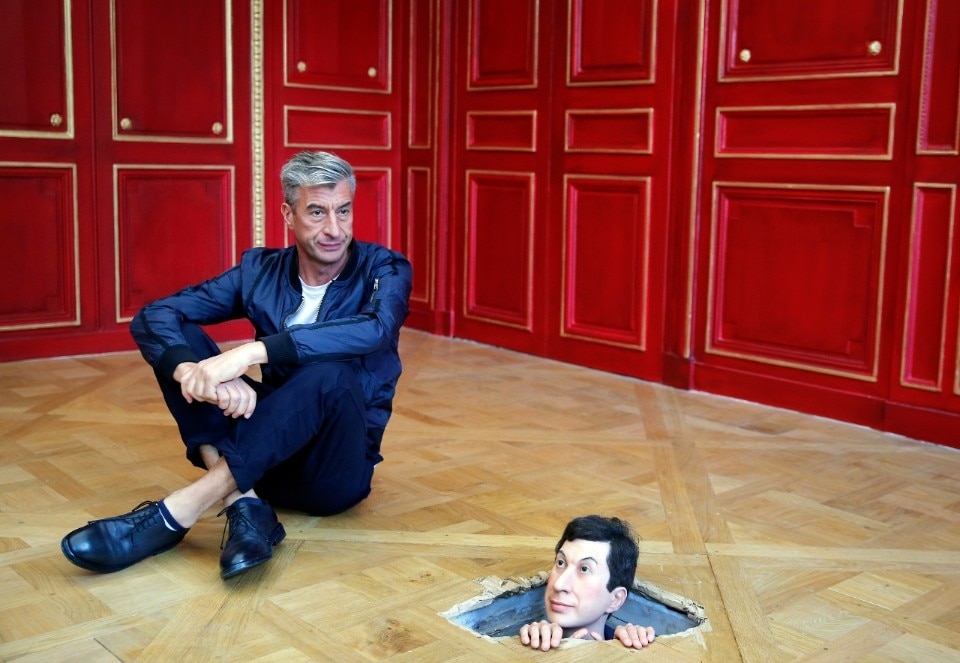
Installed inside Valletta’s Grandmaster’s Palace—the island’s historic seat of power—the work inevitably raises questions of authorship and cultural hierarchy. These are themes Cattelan has long explored, often through ambiguity, provoking a transfer of meaning between artist, work, and audience.
Histories layered on top of each other
The Grandmaster’s Palace, built between 1571 and 1574, was completed just 66 years after work began on the original Sistine Chapel. Conceived as the residence of the Knights of St. John, it stands as an architectural expression of power, its frescoed interiors narrating Malta’s victory during the Great Siege against the Ottoman Empire.
This smaller, contemporary Sistine Chapel seems to deliver its own final judgement—on the art world as much as on history.
Within this context, Cattelan’s replica is installed as a room within a room—a nested structure that reads as both palimpsest and supersession. The insertion of one of Western art’s most canonical narrative cycles into another frescoed environment invites a simple but destabilising question: which story matters more, and who gets to tell it?
Between identity and reproduction
Elsewhere in the biennale, works engage more directly with Maltese identity. Austin Camilleri’s Lumen presents a limestone monolith bathed in sharp yellow light, its fissures echoing the island’s cliffs. At the Finnish pavilion, Anna Pesonen sculpts a concave marble slab designed to capture sound, while Bastion of Refugia transforms defensive architecture into an acoustic receptor.
On Gozo, Nina Gerada’s Me in Place and the Place in Me documents walks around the island, merging body and geology. Therese Debono, co-winner of the biennale’s Best Artistic Work award with Concetta Modica, presents a billboard-like image in Ġgantija addressing urban densification.
These works align with Martínez’s curatorial statement—Clean, Clear, Cut (Tnaddaf, Tgħarraf, Tferraq)—which frames Malta’s limestone as a metaphor for transformation: to purge, to clarify, to break.
A deliberate contradiction
Cattelan’s contribution, however, operates differently. Its retrospective nature resists the idea of rupture, instead returning to canonical traditions of art as storytelling—and to the commission itself as narrative. Pope Julius II’s commissioning of Michelangelo was itself an assertion of authority and prestige.
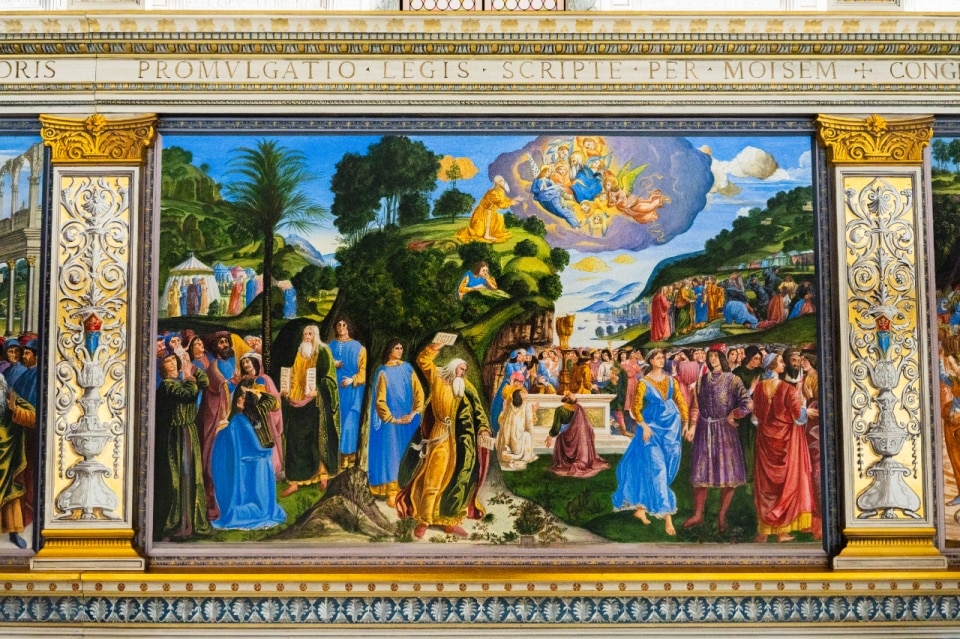
This smaller, contemporary Sistine Chapel seems to deliver its own final judgement—on the art world as much as on history. It raises an unresolved question: is contemporary art an intruder within cultural authority, or its latest apprentice?
What remains unmistakable is Cattelan’s ability to reframe, again and again, the same fundamental questions: what is art for, and what does it reveal about the contexts in which it appears?
- Exhibition:
- MaltaBiennale '26
- Curated by:
- Rosa Martinez
- Where:
- Valletta, Malta
- Dates:
- March 11 to May 29, 2026
All images: © Maurizio Cattelan