

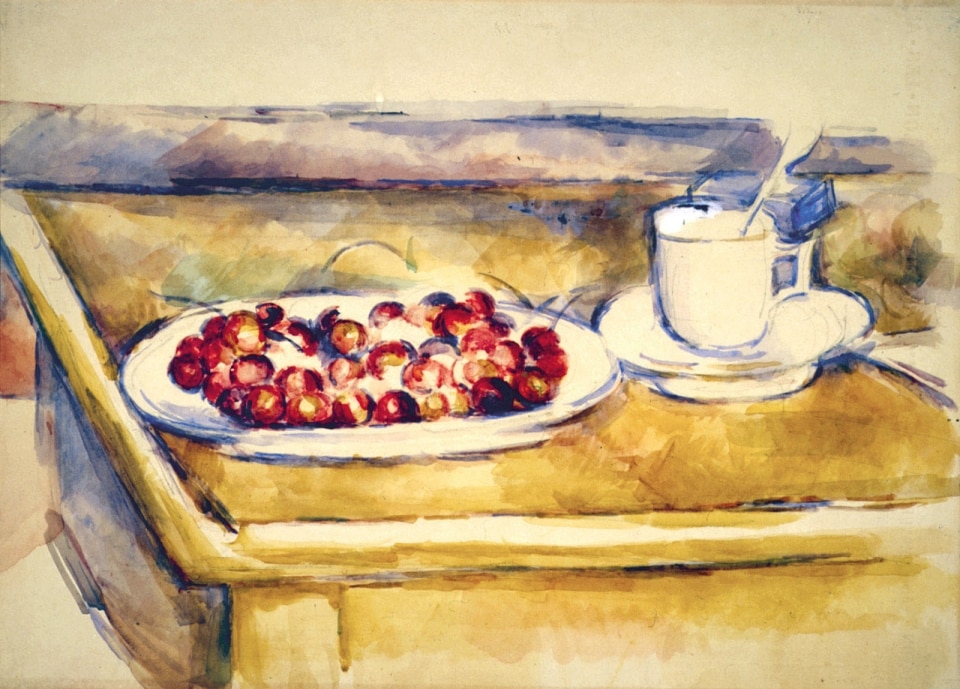
A few days ago, three masterpieces disappeared from the Magnani-Rocca Foundation in Mamiano di Traversetolo, near Parma: a Renoir, a Cézanne, and a Matisse. It is only the latest in a series of thefts that, in recent years, have drawn renewed attention to a vulnerability that is still far from resolved. Works of art continue to vanish from museums, and each time the questions are much the same: How do you steal a masterpiece that is so easily recognizable? How are security checks and alarms bypassed? And what happens next?
Each case has its own story, but in an attempt to trace the pattern, we have lined up ten museum thefts from the new millennium that made headlines around the world.
Mamiano di Traversetolo, 2026: Renoir, Cézanne, Matisse
The theft at the Magnani-Rocca Foundation is the obvious place to start, both because it is the most recent case and because it immediately brought the issue back into focus. On the night of March 22–23, 2026, Renoir’s Les Poissons (1917), Cézanne’s Tasse et plat de cerises (1890), and Matisse’s Odalisque sur la terrasse (1922) disappeared from the Sala dei Francesi on the upper floor of the Villa dei Capolavori. The heist reportedly lasted less than three minutes. A fourth painting was removed from the wall but left behind inside the building. Several newspapers estimated the value of the loot at around €9 million. More striking than the figure, however, was the choice of target: Renoir’s painting was one of the rare works by the artist on permanent public display in Italy.
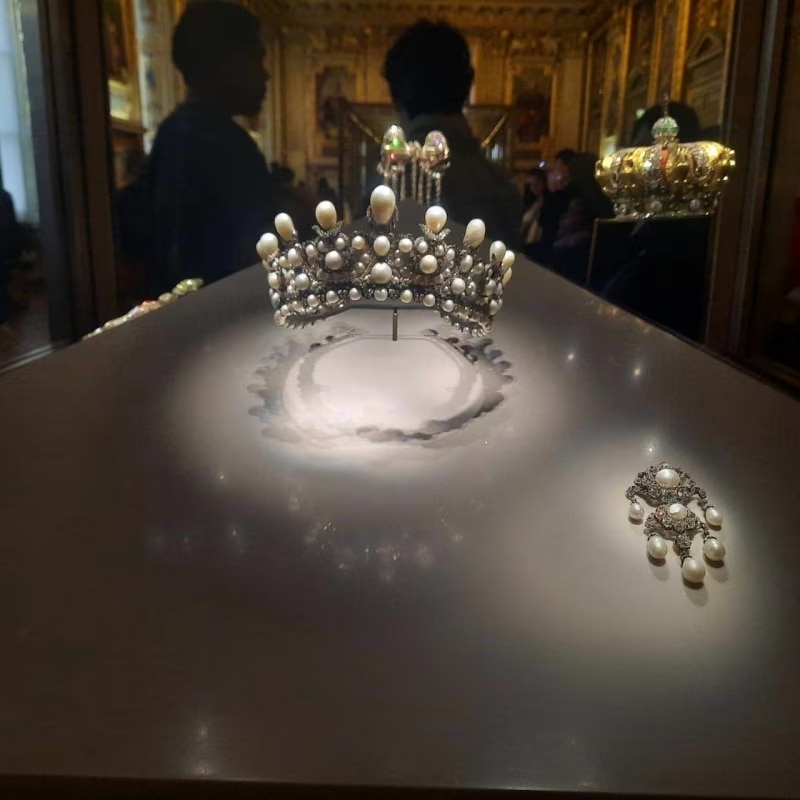
Paris, 2025: the jewels of the Galerie d'Apollon at the Louvre
All this came with the Louvre theft of October 19, 2025, still fresh in memory, when four men disguised as construction workers entered the Galerie d’Apollon using a mechanical ladder mounted on a truck and made off with eight pieces of the French Crown Jewels in less than eight minutes. Prosecutors estimated the value of the loot at €88 million. The case immediately drew international attention, not only because of the scale of the theft, but because it struck the world’s most visited museum in broad daylight, with visitors already inside.
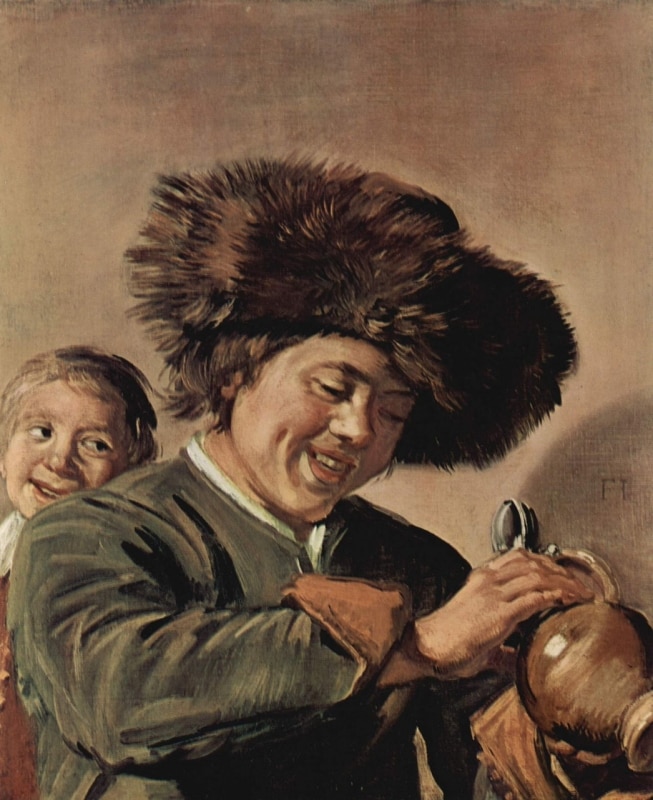
Leerdam, 2020: that Frans Hals (stolen for the third time)
On the night of August 26, 2020, Two Laughing Boys with a Mug of Beer by Frans Hals—a 1626 painting estimated at around €15–16 million—was stolen from the Hofje van Mevrouw van Aerden Museum in the Netherlands. Unlike the Louvre, the museum was closed because of Covid restrictions. What made the case especially memorable was one detail: the painting had already been stolen from the same museum in 1988 and again in 2011. Recovered both times, it disappeared once more in 2020 and has remained missing ever since.
Amsterdam, 2020: the Van Gogh stolen during lockdown
Also in 2020, The Parsonage Garden at Nuenen in Spring (1884) by Vincent van Gogh, on loan from the Groninger Museum, disappeared from the Singer Laren Museum. Here too, the museum was closed because of the pandemic lockdown. The theft became one of the emblematic cases of those years: an empty building, which might have seemed more protected, turned out to be vulnerable instead. The painting was later recovered.
Dresden, 2019: the Green Vault
The theft at Dresden’s Green Vault was one of the most sensational cases of recent years. In November 2019, historical jewels from the Saxon dynastic collections were stolen in a heist estimated at around €113 million. In the years that followed came convictions, partial recoveries, and the return of some pieces to public display. What made the case especially serious was not only the value of the loot, but its historical and symbolic weight: the stolen jewels belonged to one of Europe’s most celebrated dynastic collections.
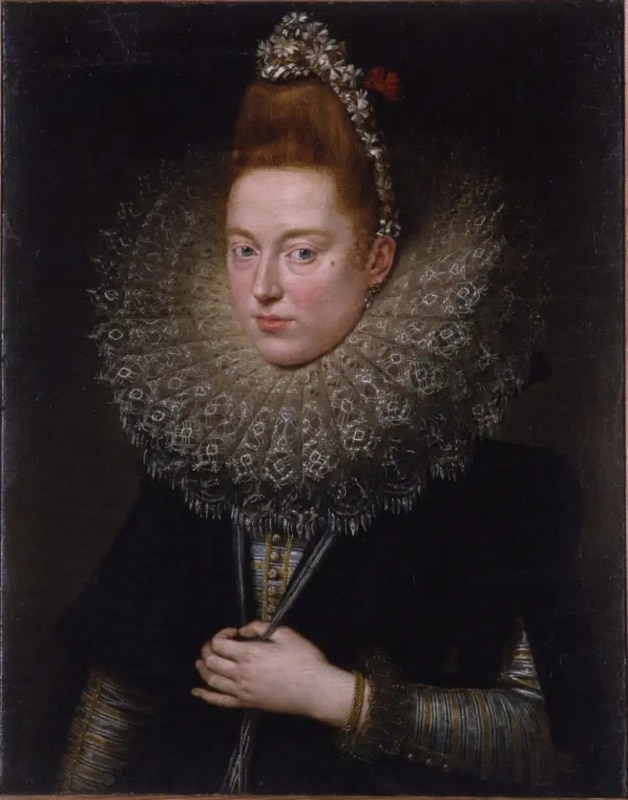
Verona, 2015: 17 paintings from Castelvecchio
In Italy, the best-known precedent for the Magnani-Rocca case remains the theft from Verona’s Castelvecchio Museum. In November 2015, 17 paintings disappeared from the city’s civic museum, including works by Tintoretto, Mantegna, and Rubens, in a heist estimated at around €15 million. The following year the paintings were recovered in Ukraine and returned to Italy, but the theft remains a watershed in the Italian debate over museum security.
Rotterdam, 2012: seven pieces from the Kunsthal
In 2012, seven paintings were stolen, including works by Picasso, Monet, Gauguin, Matisse, and Lucian Freud. The case grew even darker when reports emerged that at least some of the works might have been destroyed.
Paris, 2010: five works from Picasso to Léger
And again, in May 2010, five works attributed to Picasso, Matisse, Braque, Modigliani, and Léger disappeared from Paris’s Musée d’Art Moderne in a heist estimated at around €100 million.
Cairo, 2010: still Van Gogh, but at the Mahmoud Khalil Museum
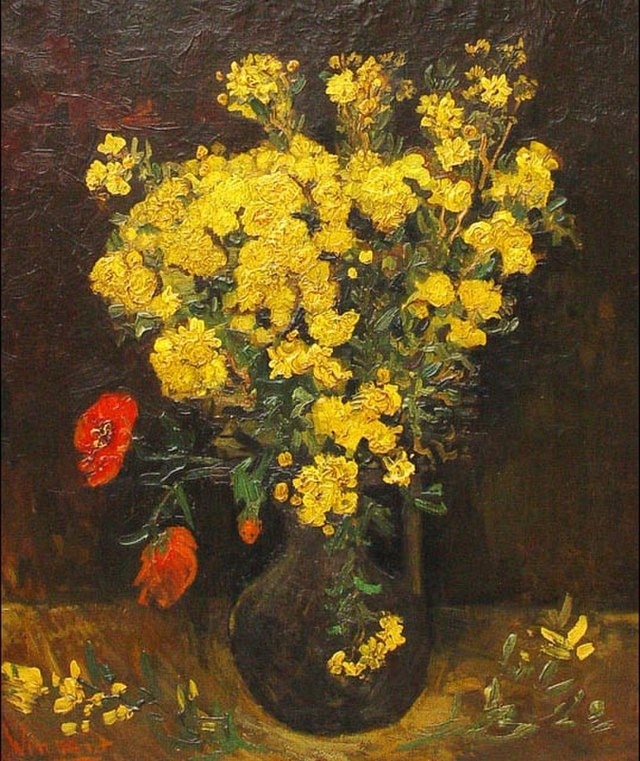
In the same year, Van Gogh’s Poppy Flower (1887), then valued at around $55 million, disappeared from Cairo’s Mahmoud Khalil Museum.
If every art theft opens up two parallel stories—one about the thieves, the other about the museum—then in Cairo the second emerged almost immediately: serious failures in the museum’s security systems, numerous cameras out of order, and disciplinary measures against managers and officials turned the theft into a political and administrative case before it became a cultural one.
Zurich, 2008: four paintings from the Bührle Collection
The theft at Zurich’s Bührle Collection is one of the clearest examples of art theft as a violent, frontal act. In February 2008, armed robbers entered the museum and made off with four paintings by 19th-century masters in a heist estimated at $164 million. Some of the works were recovered almost immediately; others resurfaced only years later. Cézanne’s Boy in a Red Waistcoat (1888–90) reappeared in Serbia in 2012.
Vienna, 2003: Cellini's Saliera
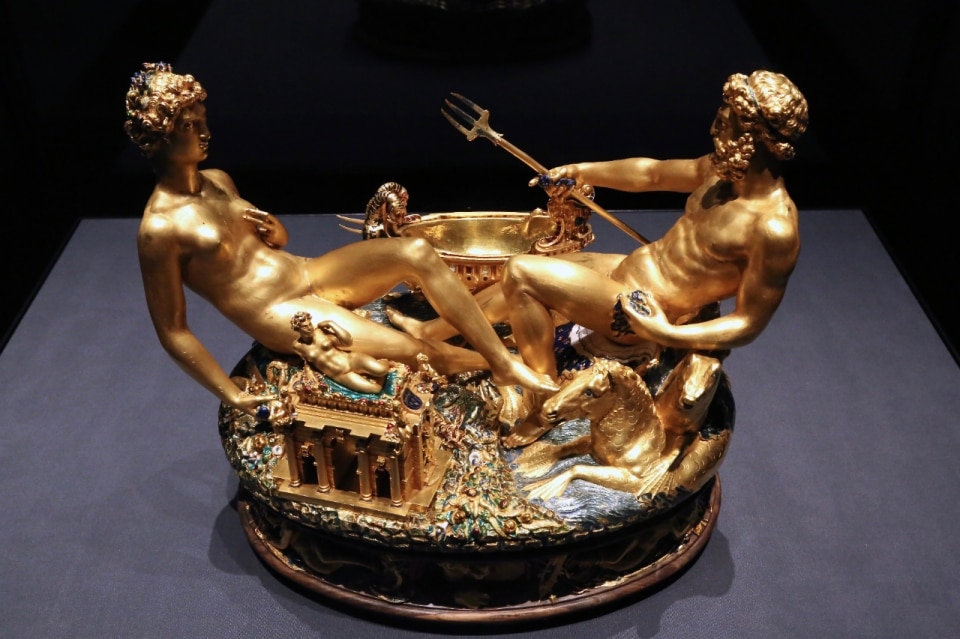
Another major case was the theft of Benvenuto Cellini’s Saliera (1540–43), stolen in 2003 from the Kunsthistorisches Museum in Vienna. A unique masterpiece of Renaissance goldsmithing, it was an ideal target: famous, symbolic, and relatively easy to transport. It returned to public display only years after it was recovered, and remains one of the most emblematic art thefts of the early 2000s.
- Cover:
- Paul Cézanne, Tasse et plat de cerises, ca. 1890. Pencil and watercolor on paper, 38×49 cm. Magnani-Rocca Foundation, Traversetolo.
- Source:
- Wikimedia Commons