

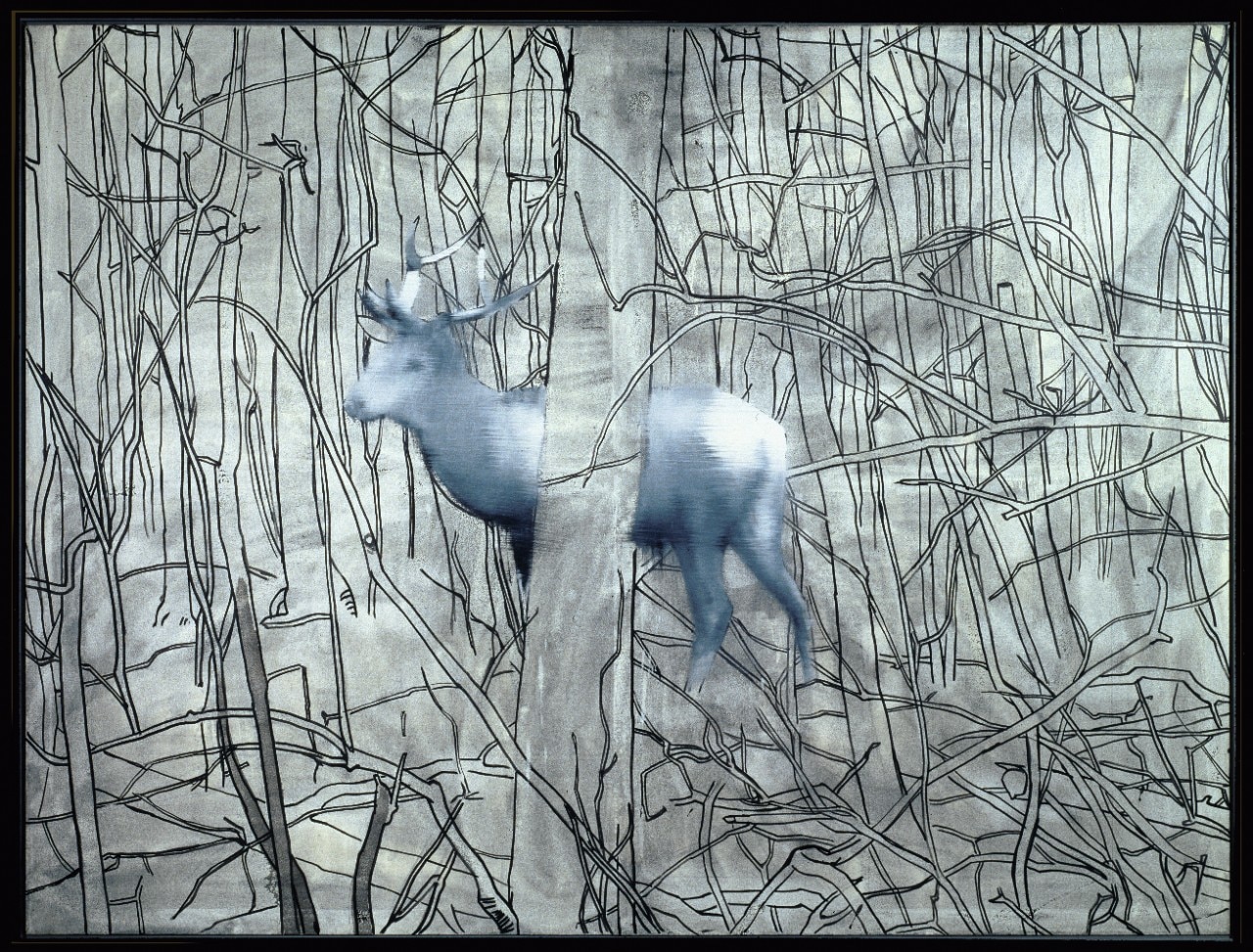

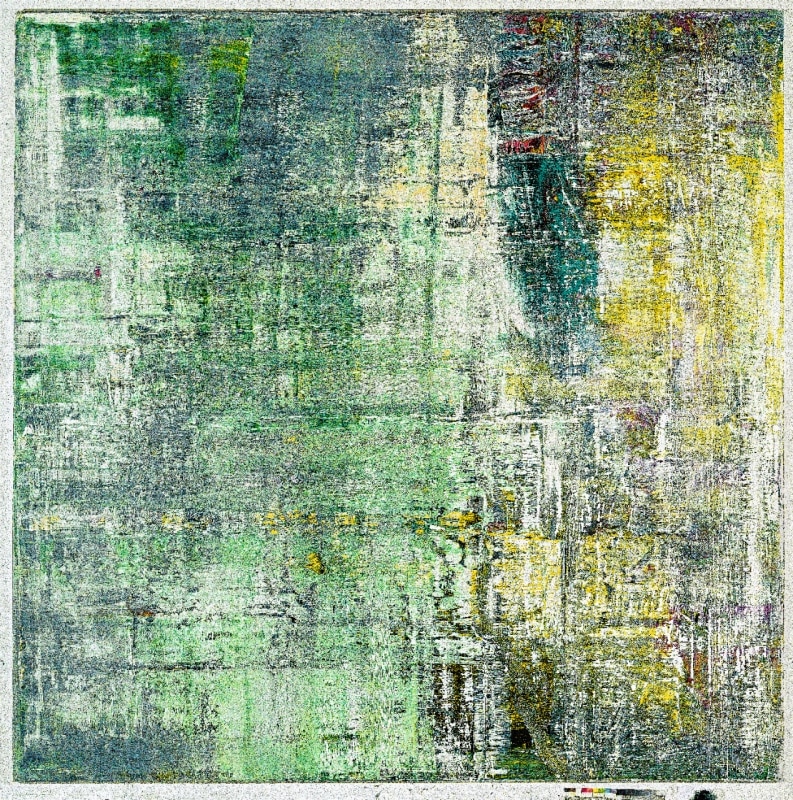
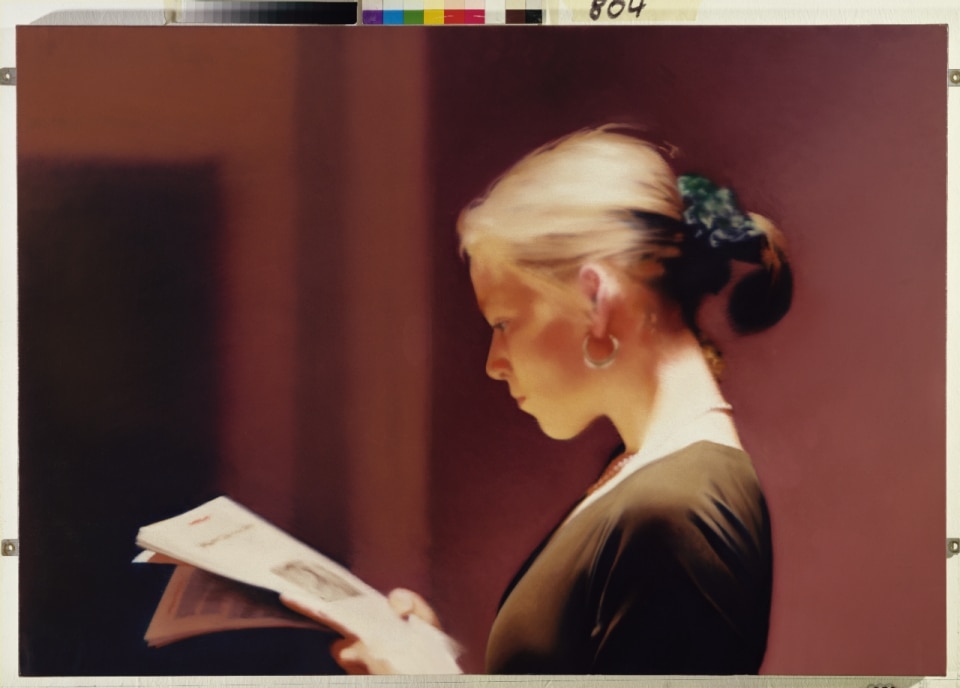
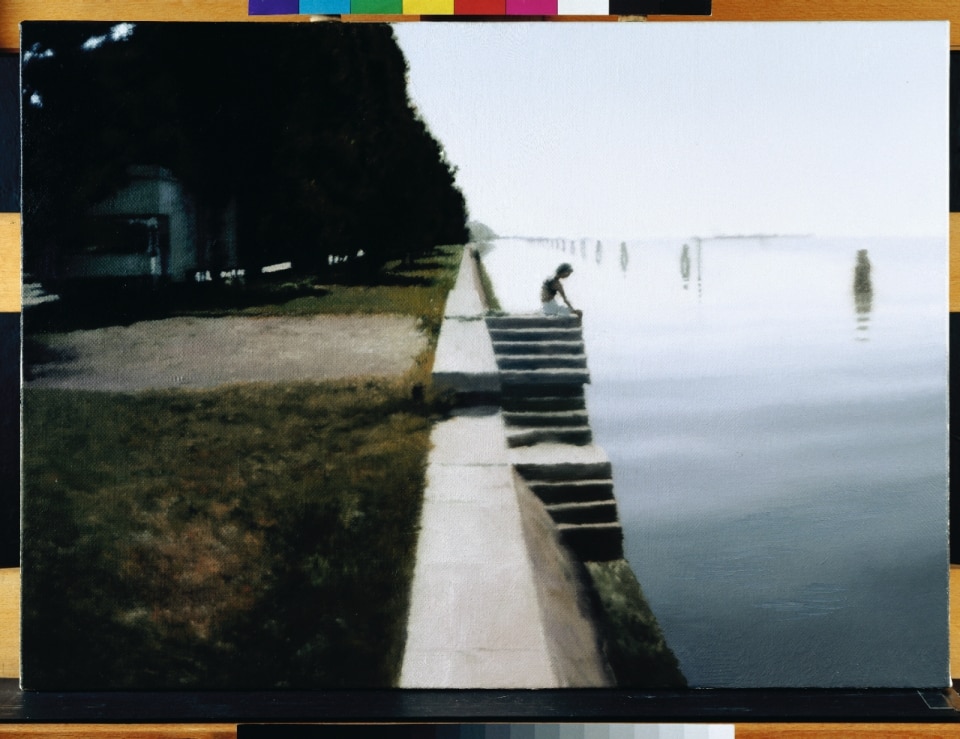
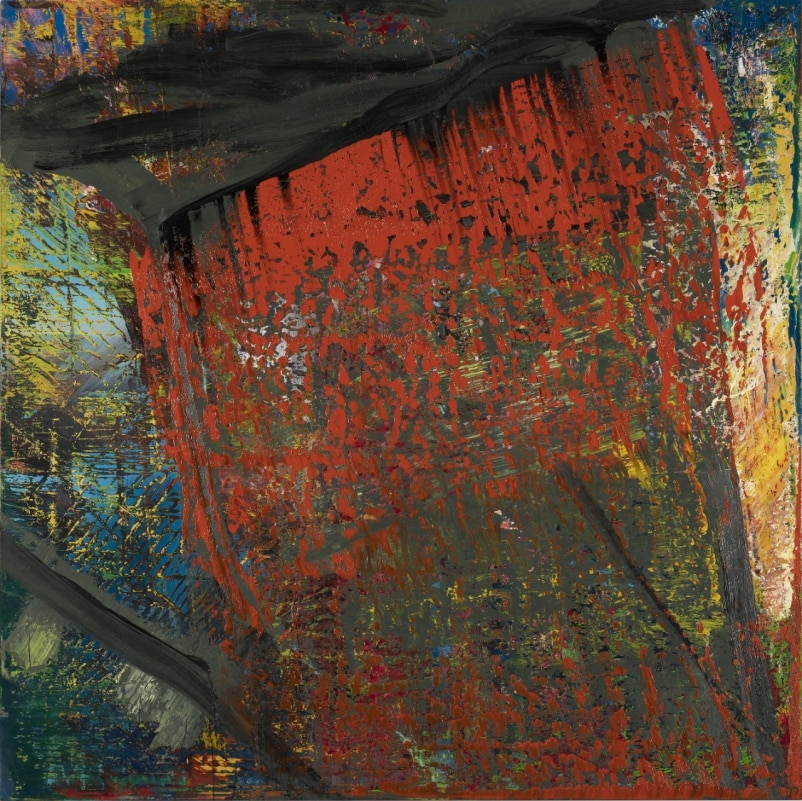
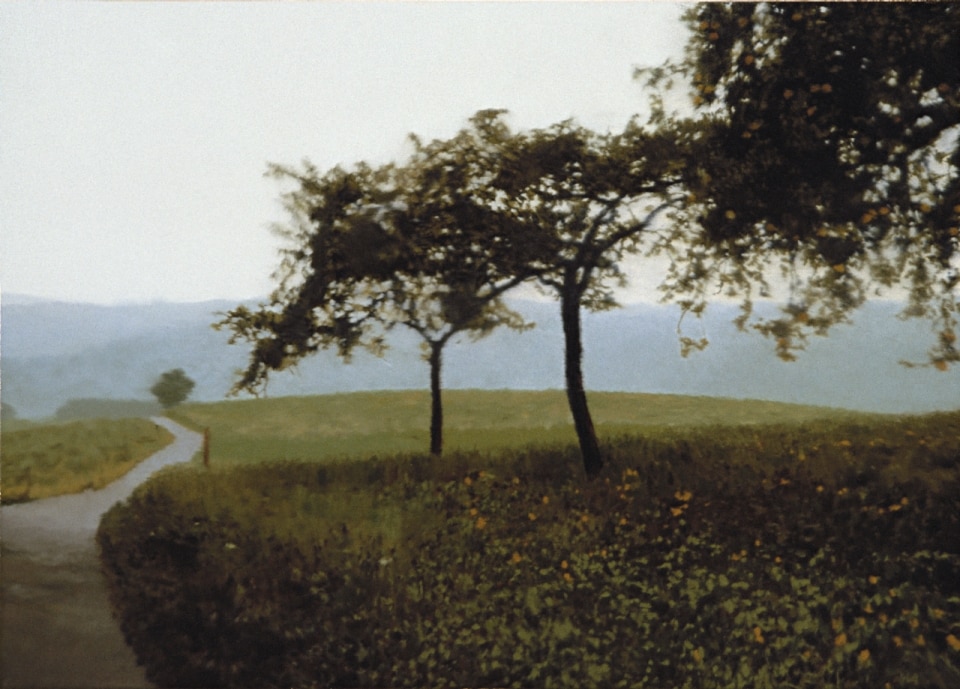
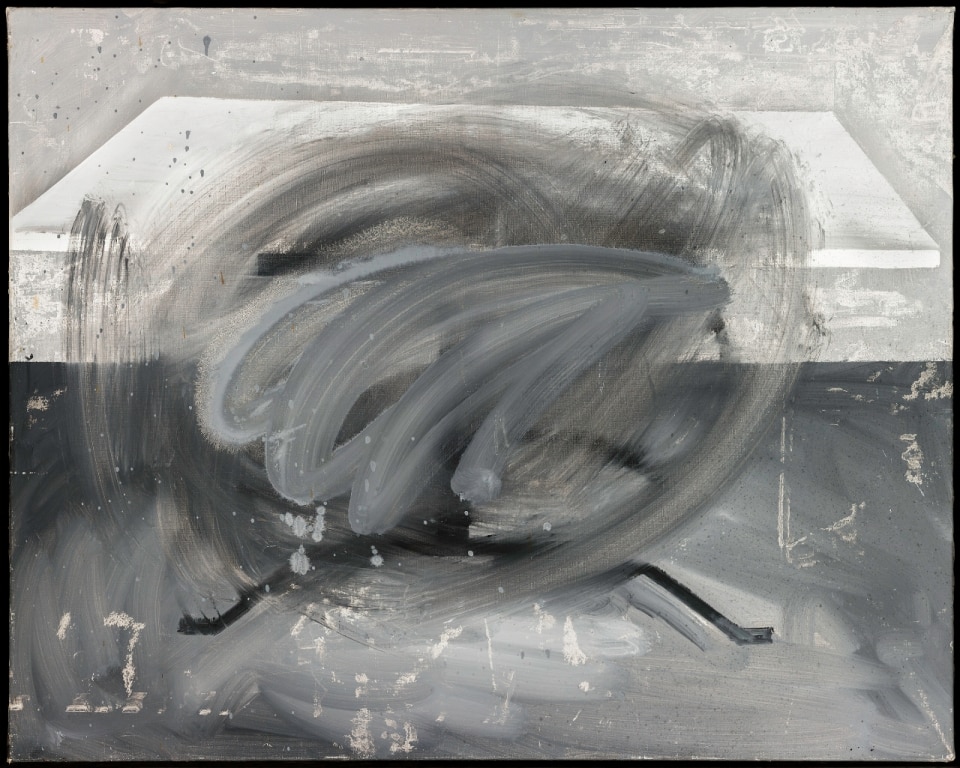
The first painting in the major Gerhard Richter exhibition at the Fondation Louis Vuitton in Paris is Tisch (1962), a canvas where the artist reproduces a table in a modern setting taken from an issue of Domus from the 1950s. The image is altered by a gray smudge that complicates its legibility, creating an unstable, vibrant, enigmatic field. Initially copied meticulously from the magazine, the image was repainted after Richter intervened on the printed page with a solvent to alter the picture. Here begins Richter’s exploration of the meaning of representation.
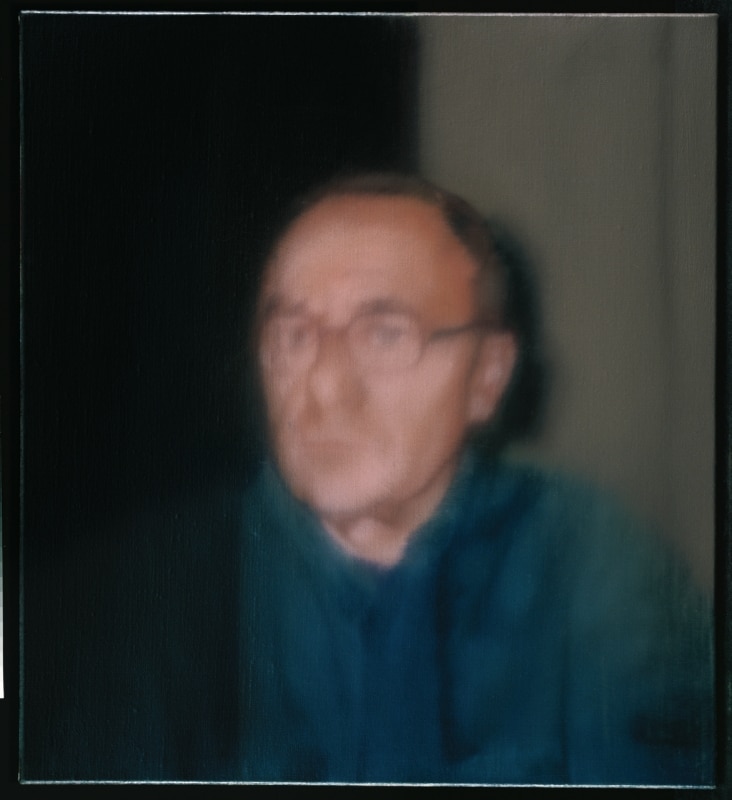
One of the most influential contemporary artists, born in Dresden in 1932, raised under fascism and later in the communist regime, fleeing East Germany to first reach Düsseldorf and then Cologne, Richter has traversed sixty years of painting questioning the very meaning of representation: is it truly possible to convey history and reality objectively? In Tisch, the image dissolves, as if time itself slides across the surface and swallows the form. The painting is no longer a copy, representation, nor creation—it is a fragment of reality in flux, action, life, present time.
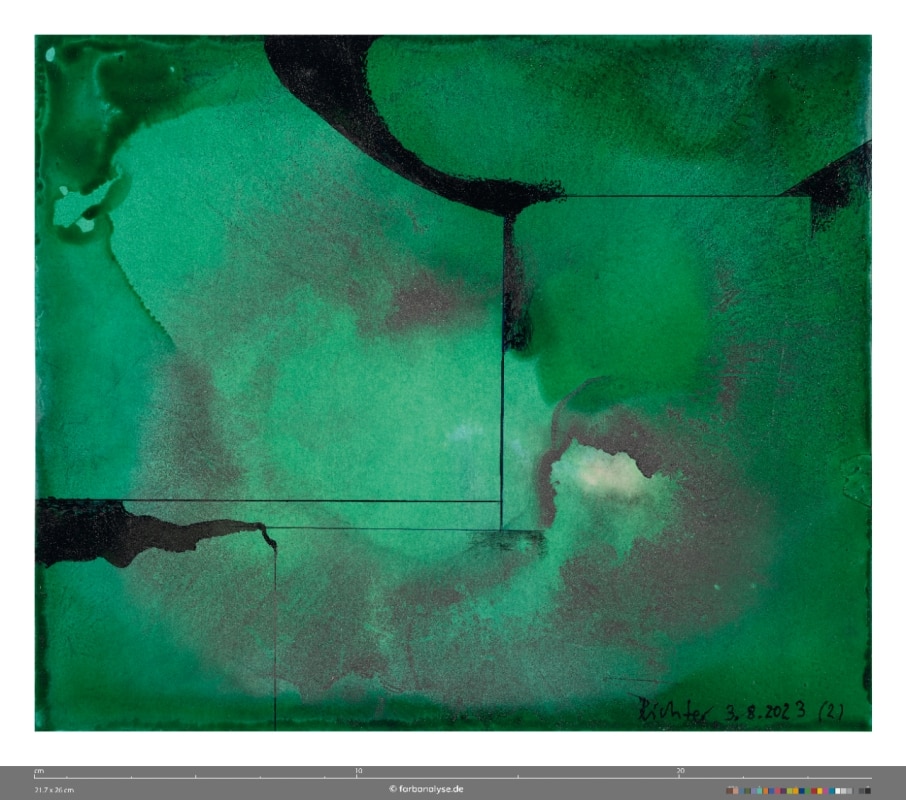
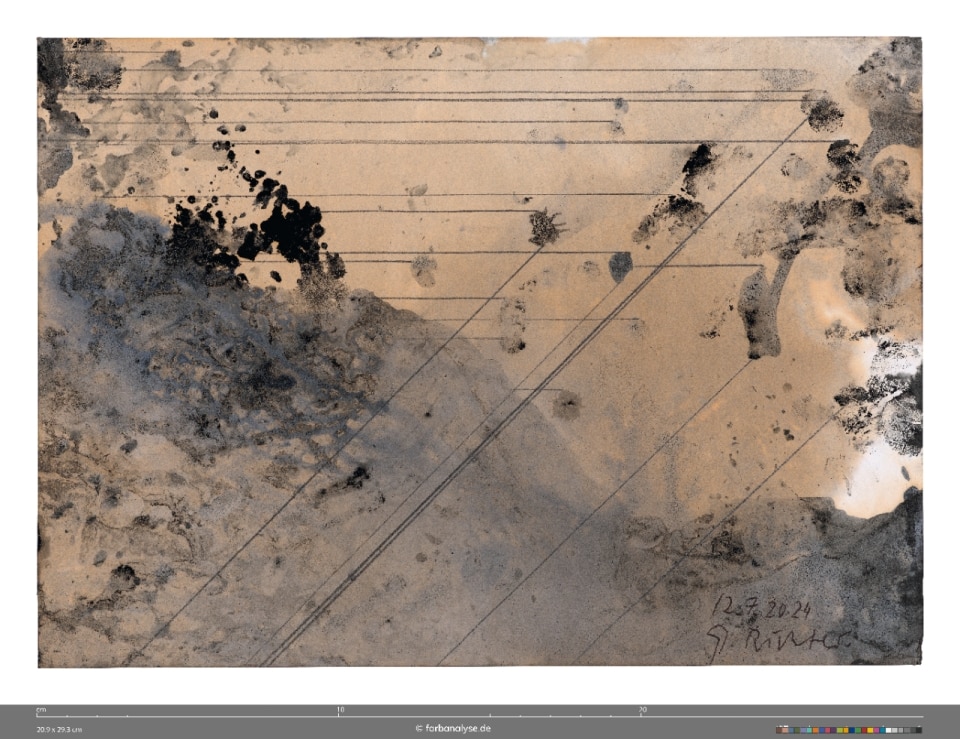
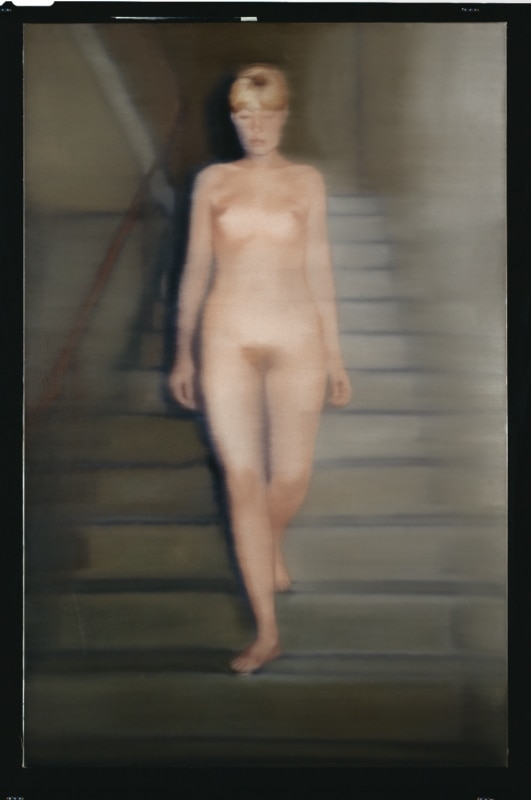
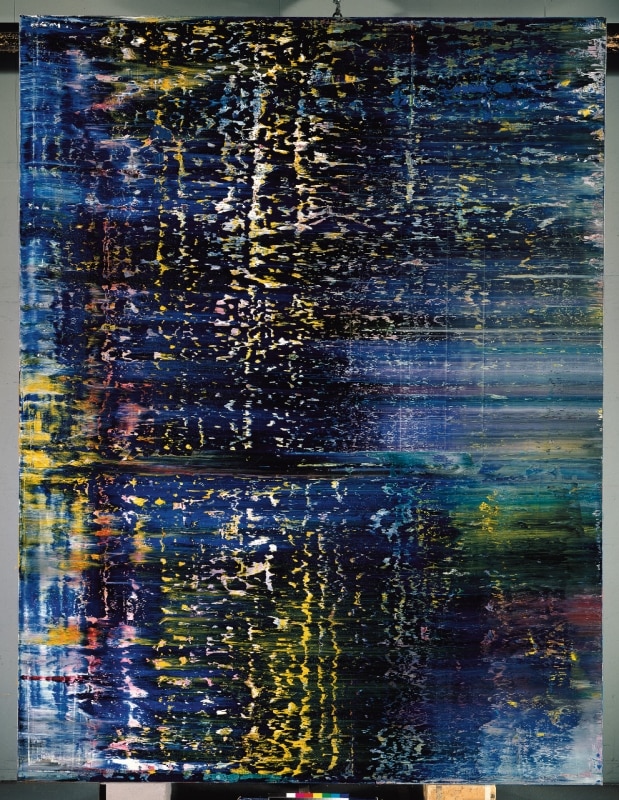
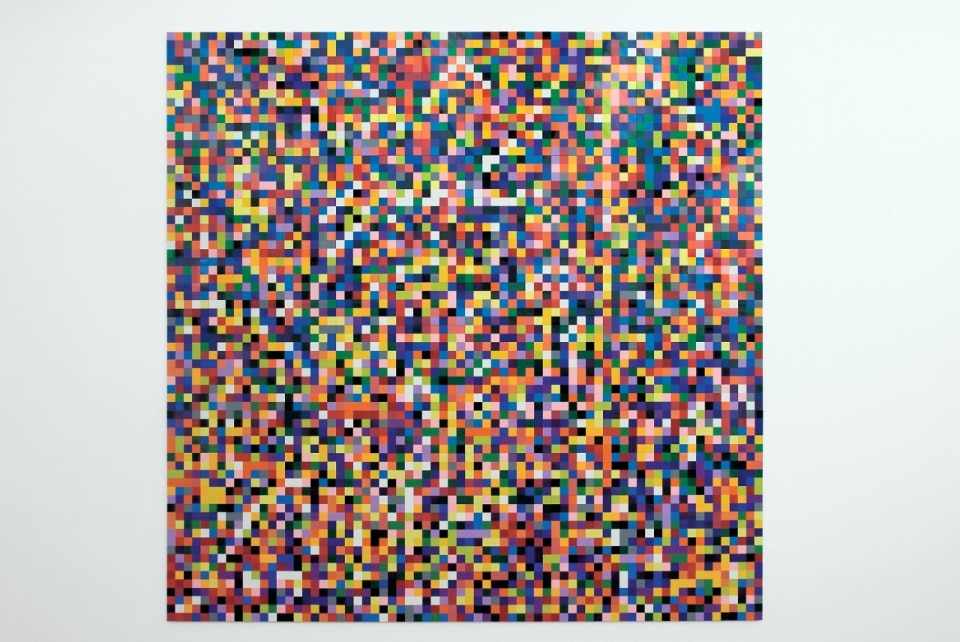
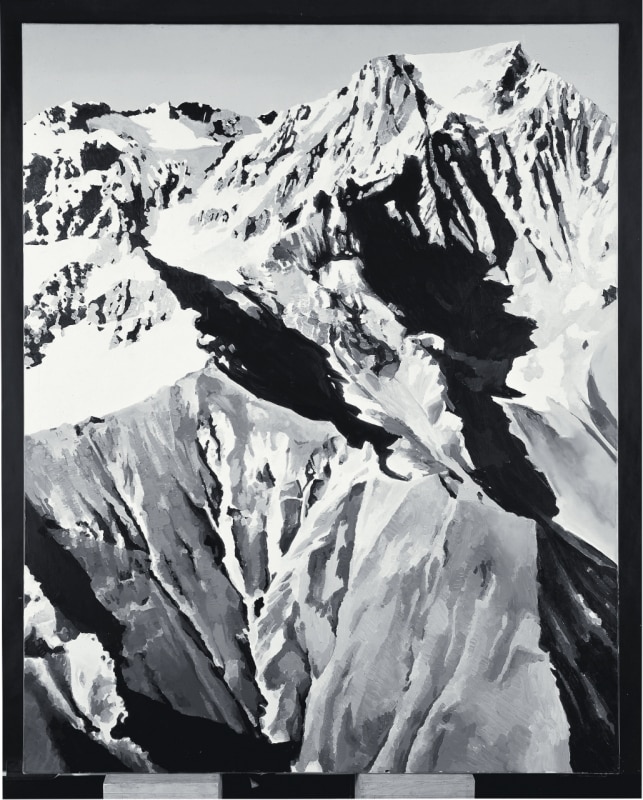
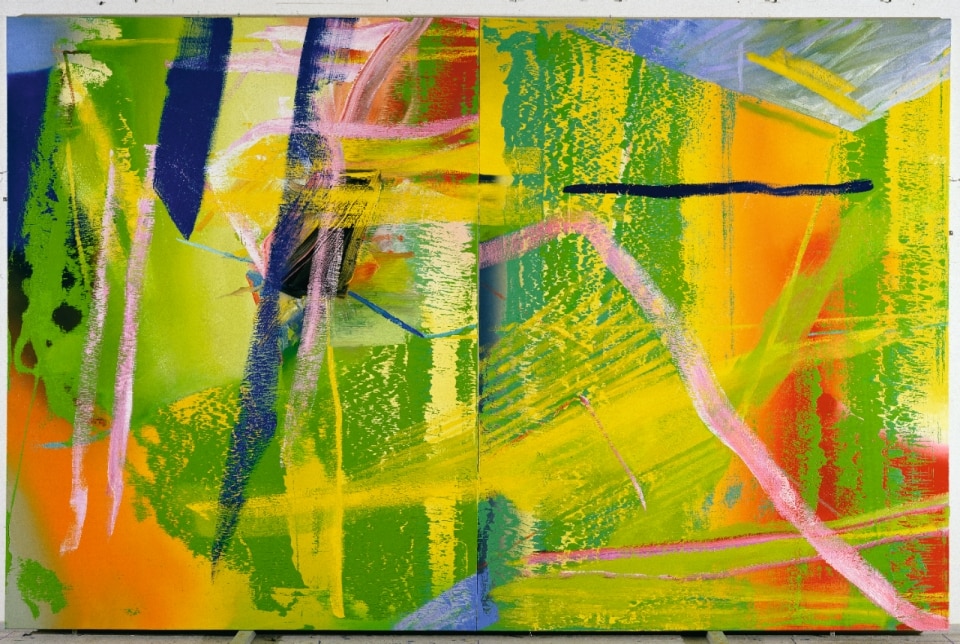
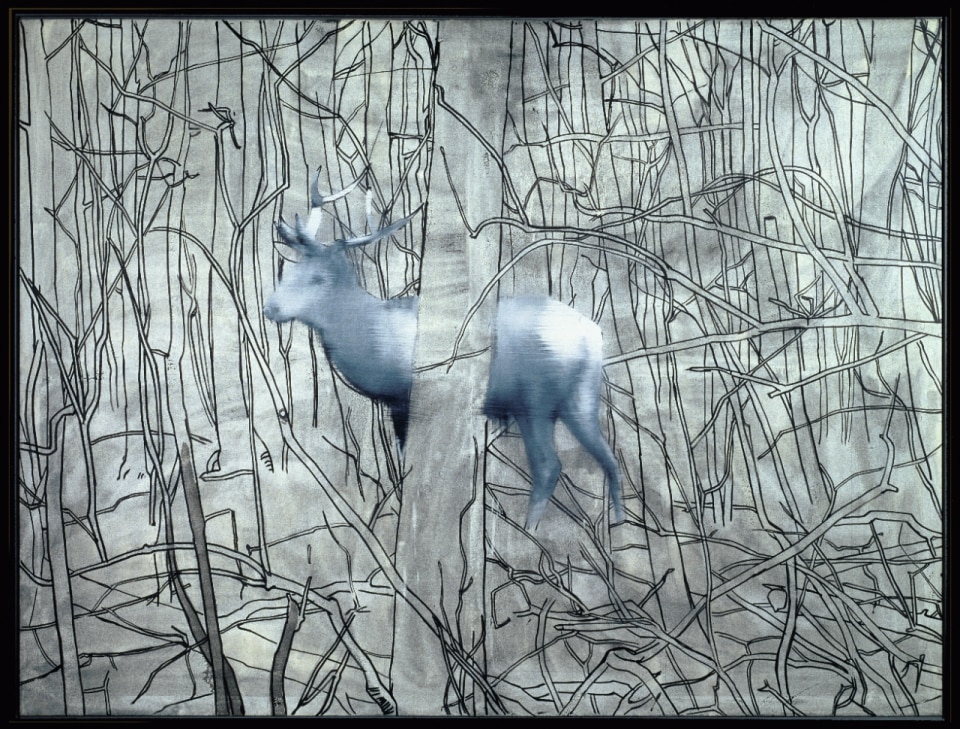
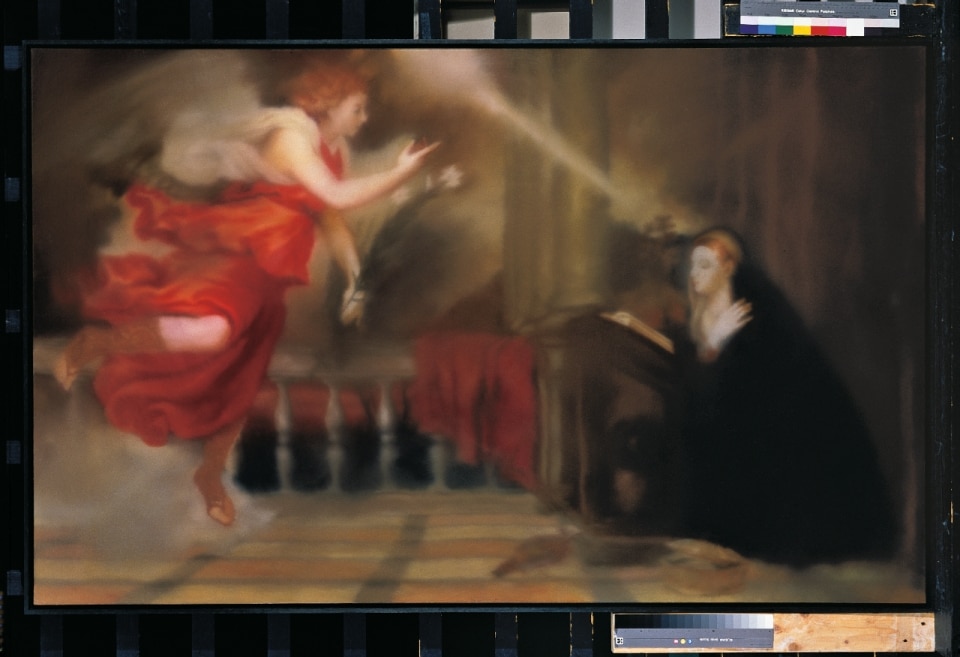
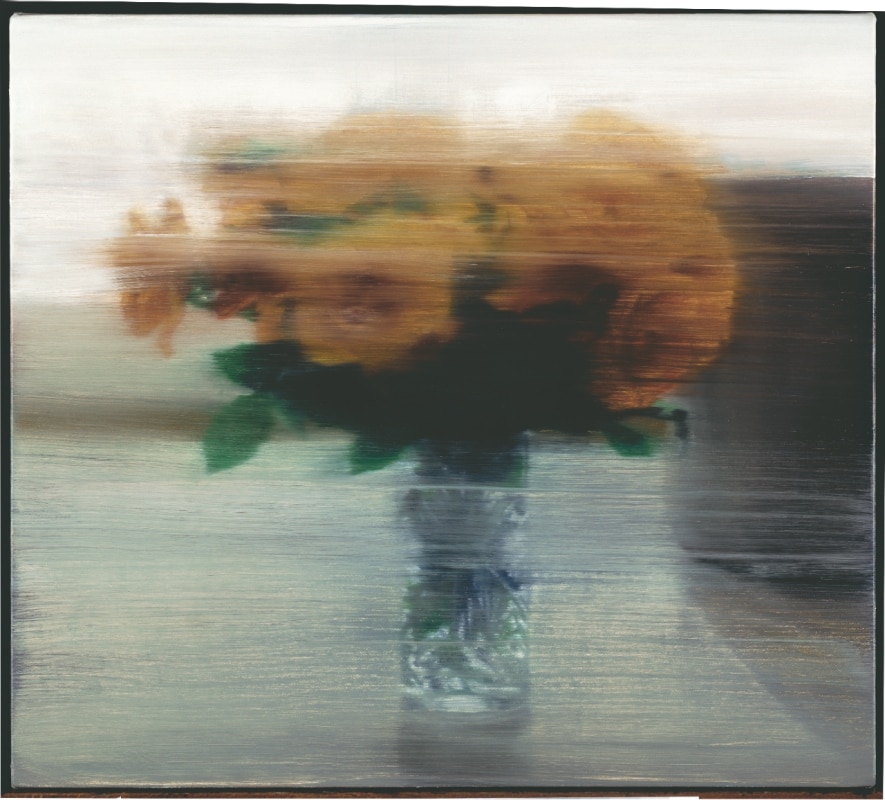
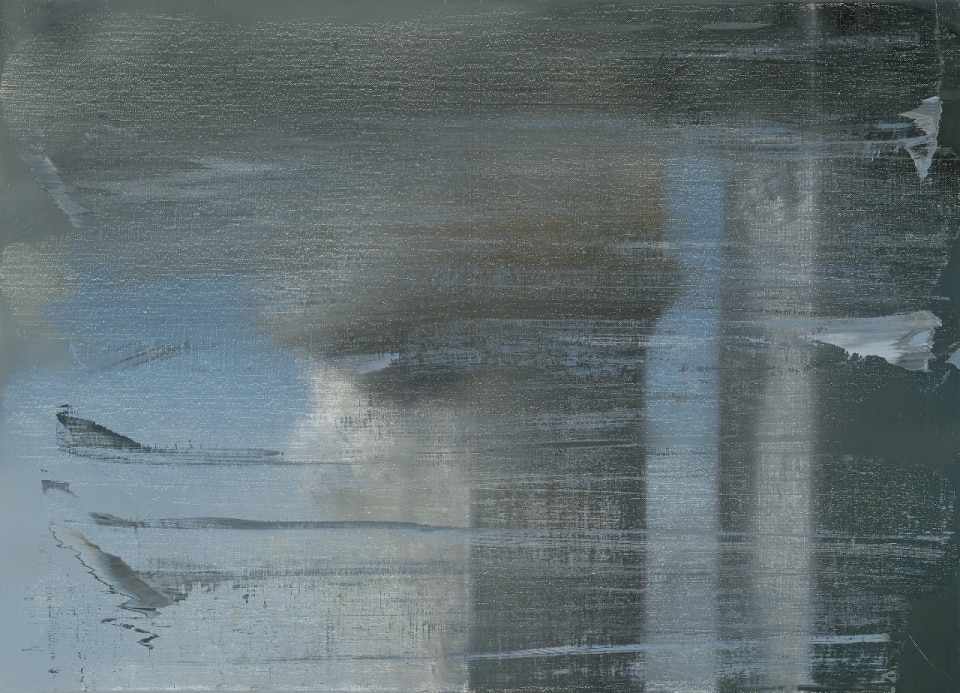
From here, this epic retrospective unfolds across 270 works created between 1962 and 2024, connected by the common thread of image blurring: that out-of-focus effect that Richter achieves through processes, materials, and tools that vary depending on the period and the work. The entire exhibition, spanning luminous, monumental rooms and spaces for meditation, challenges the boundaries of painting through works that are living, active, elusive matter. The power of Richter’s painting lies in the elusive nature of the image: no representation can encompass history.
The narrative develops almost by subtraction: Richter never describes, never represents—instead, he blurs. In his paintings, form and photography dissolve into grays, glazes, and abstract compositions.
The entire exhibition, curated by Dieter Schwarz and Nicholas Serota, distills an entire century: grand historical narratives, political tragedies, private memory, and collective trauma. The narrative develops almost by subtraction: Richter never describes, never represents—instead, he blurs. In paintings that are often meticulous copies of photographs and extensive image repertoires, form and photography dissolve into grays, glazes, and abstract compositions. Yet fragments of history leak through, alive, active, corrosive, in all their power.
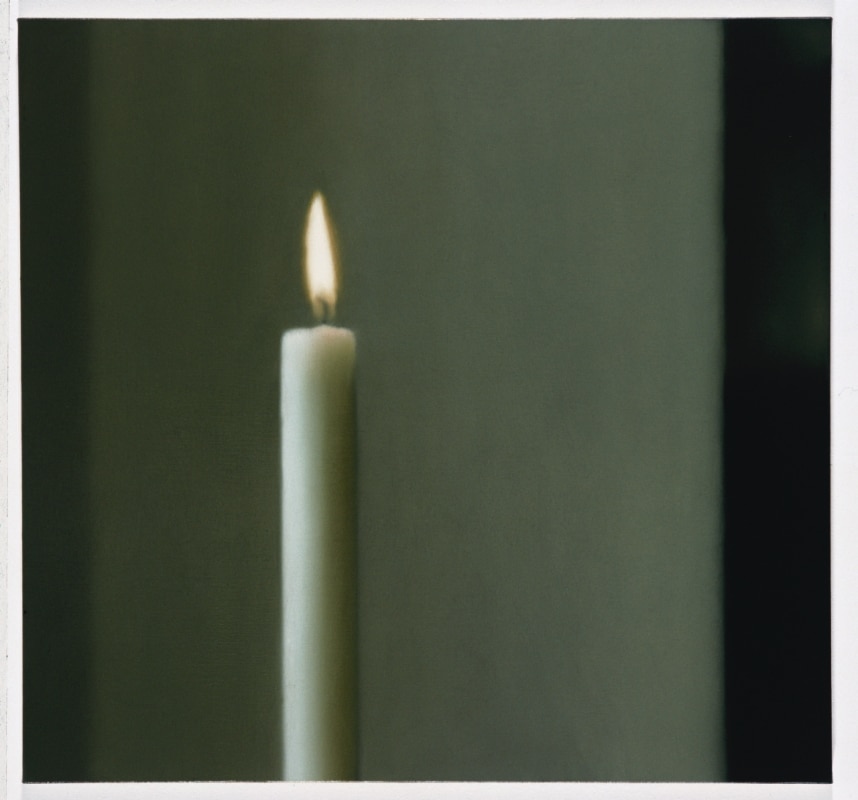
In Paris, alongside absolute icons like Candle (1982), immortalized on the cover of Sonic Youth’s Daydream Nation, an heroic journey unfolds through the decades. Here Gerhard Richter confronts the traditional codes of painting studied at the Dresden Academy: still lifes, portraits, landscapes, historical scenes are deconstructed and interpreted masterfully.
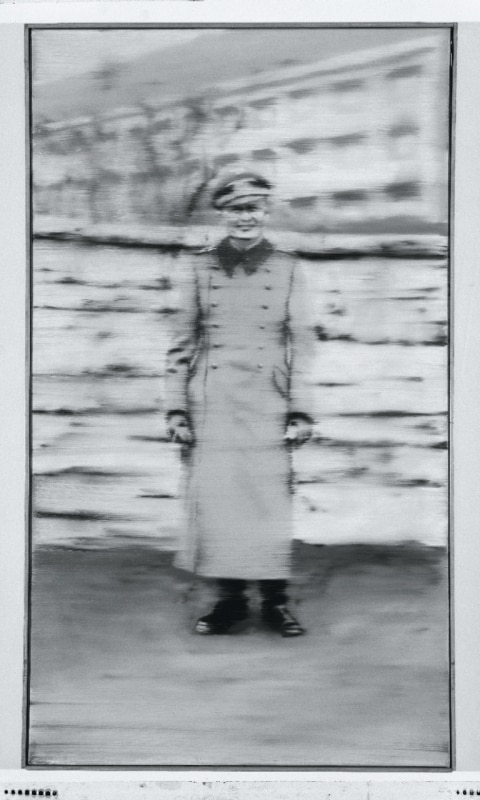
Blurring becomes both language and concept. Uncle Rudi (1965) is a portrait from a family photo, a smiling uncle in a Nazi uniform: private memory and historical weight coexist in the same gesture. Richter copies everything with meticulous accuracy, then allows a veil of paint to flow over the face, erasing all certainty. It is not a technical correction: it is a moral act. An interference, a vibration, that cracks memory and removes it from rhetoric. It forces us to see history not as an orderly sequence, but as an unresolved knot that continues to pulse beneath the surface.
Richter has traversed sixty years of painting while questioning the very meaning of representation: is it truly possible to convey history and reality objectively?
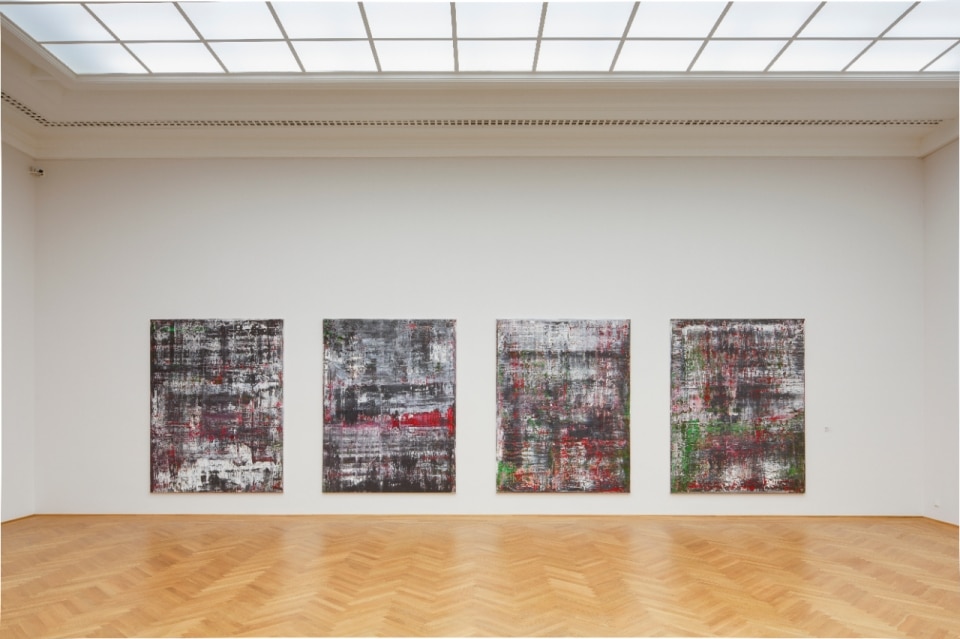
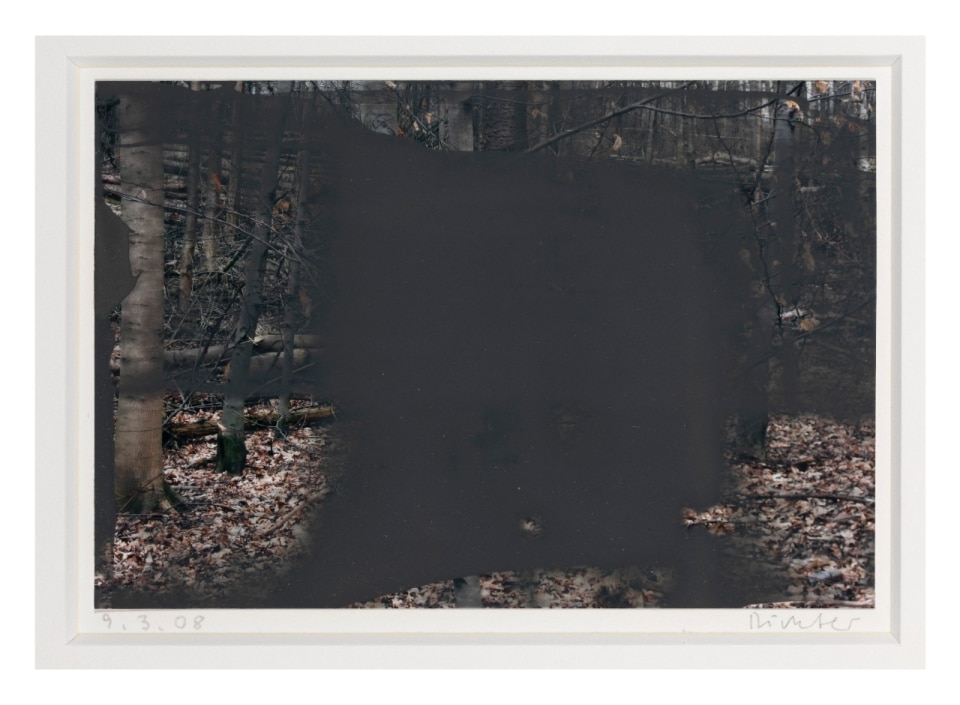
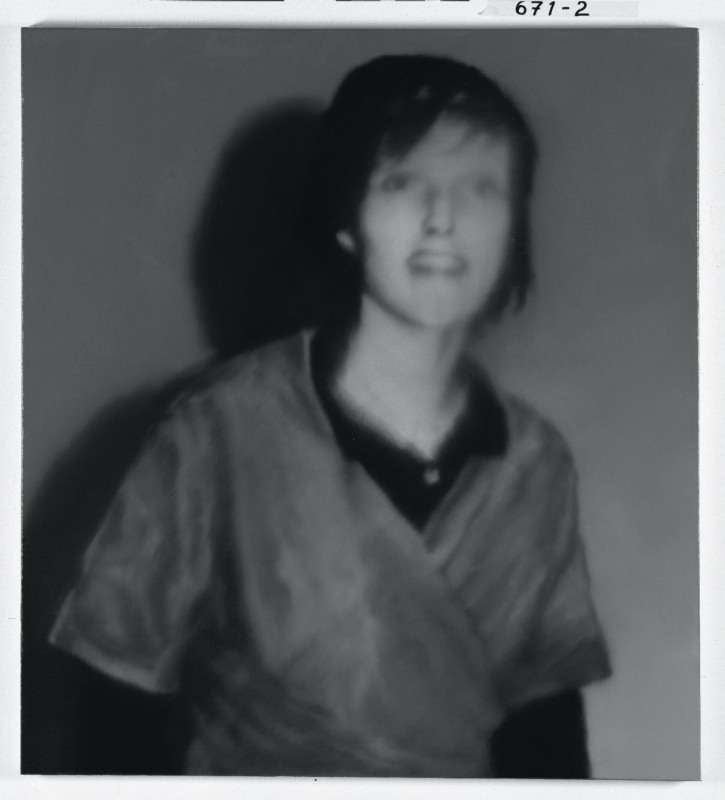
Blurring runs through the entire exhibition. In the 48 portraits for the 1972 Biennale, faces of great men follow one another in black and white, all similar, all distant: an official history that has faded over time. In Betty (1977), photographic clarity meets a soft veil of paint: the daughter turns, the image blurs, memory slips away. With October 18, 1977, reportage becomes uncertainty: RAF photos are transposed and destabilized by the palette knife, bodies oscillating between appearance and disappearance. And so it continues to the four powerful Birkenau canvases (2014), where clandestine photographs of the Nazi extermination camp are covered, absorbed, made invisible—but not erased. Here painting becomes responsibility: not a tool to fix what it sees, but a direct intervention in the world.