



From the vast Nan Goldin retrospective at Hangar Bicocca to the smaller collective shows scattered around the city, this autumn Milan is packed with photography exhibitions. Together, they mark the return of a medium that cultural institutions have often underestimated — perhaps also thanks to a new way of blending photography with digital technology and other visual arts.
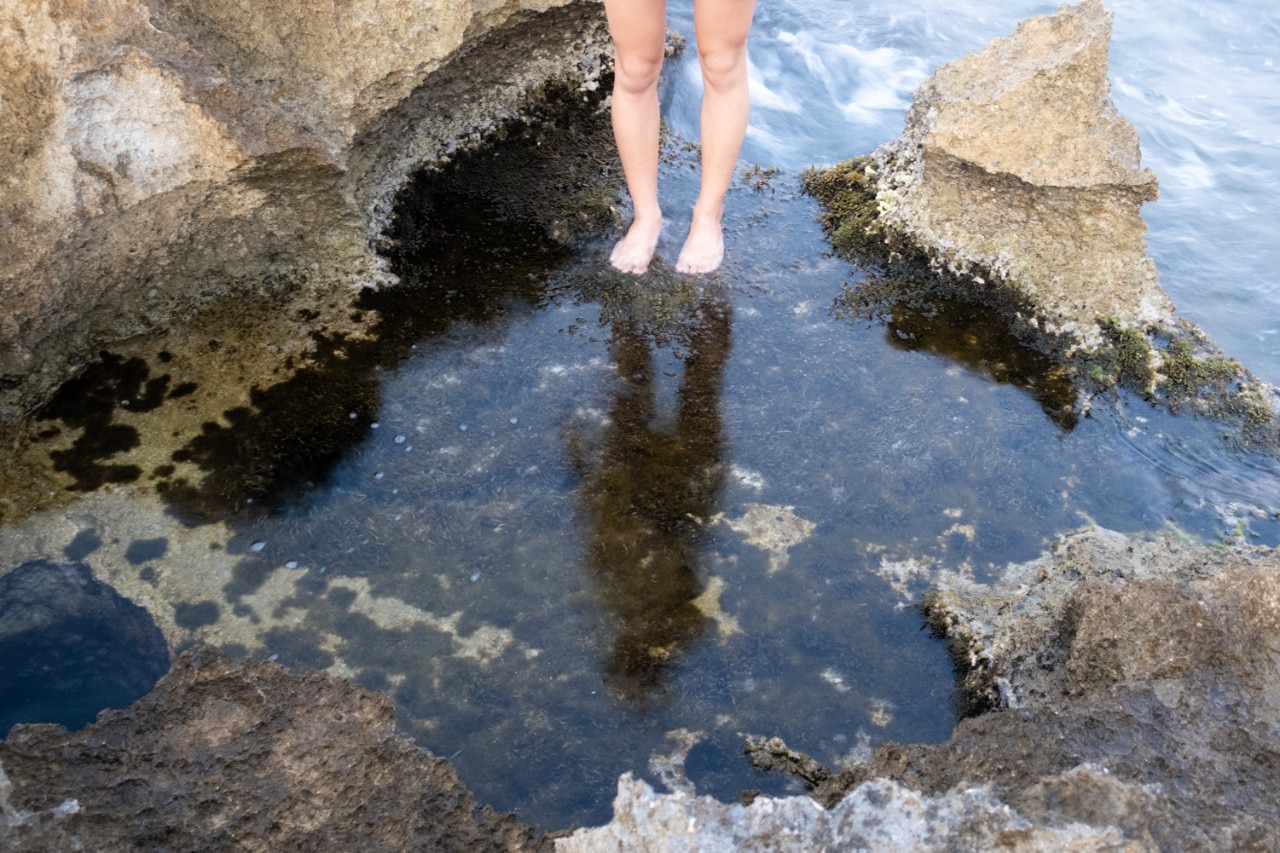
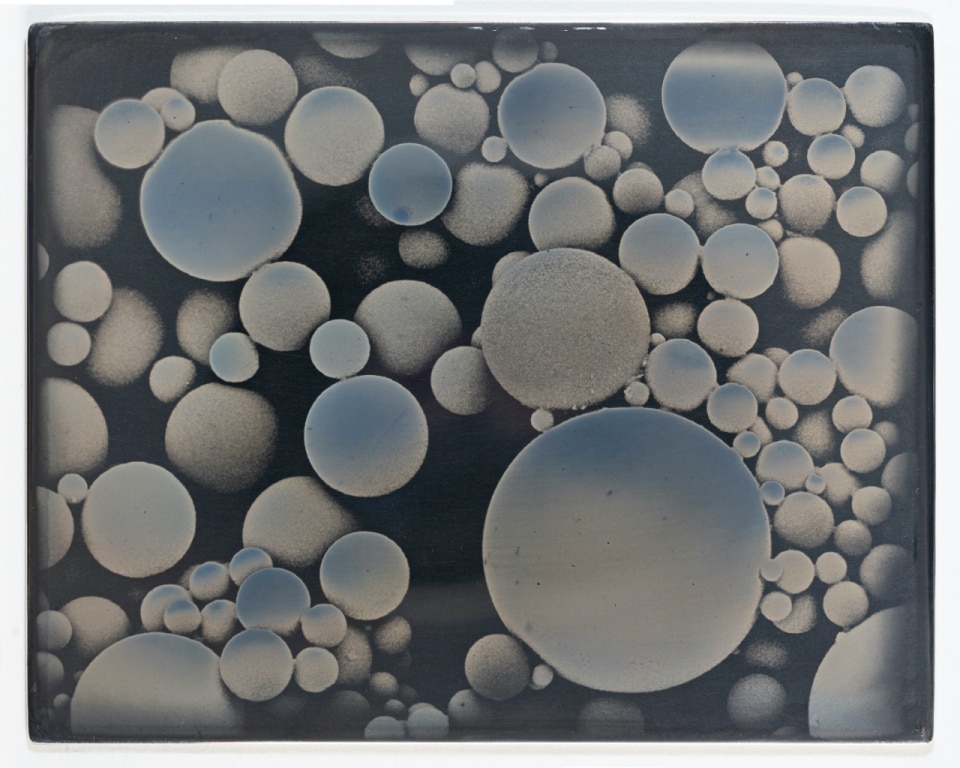
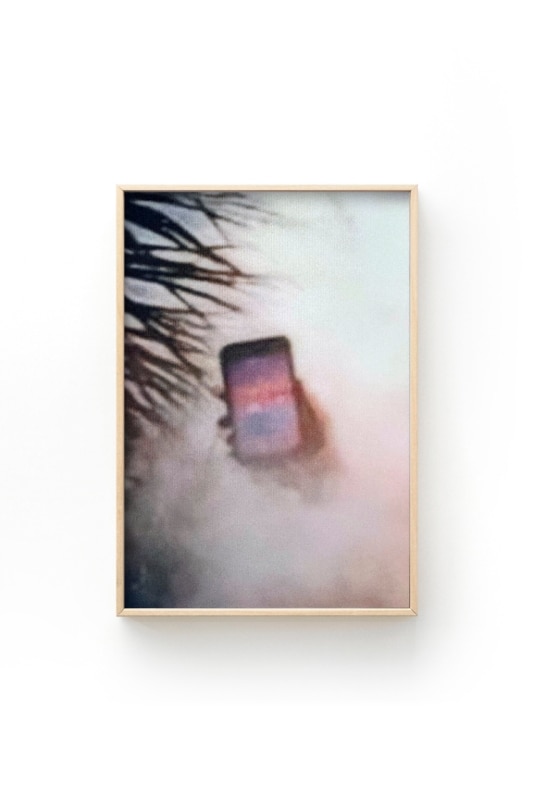
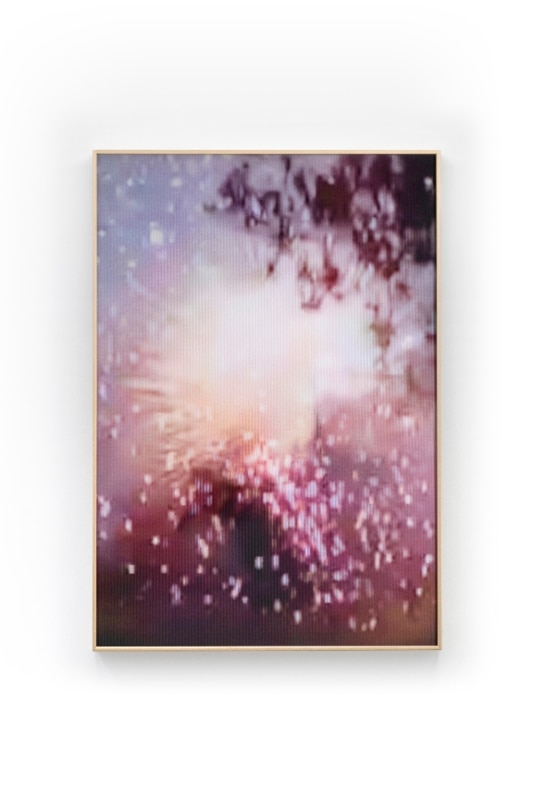
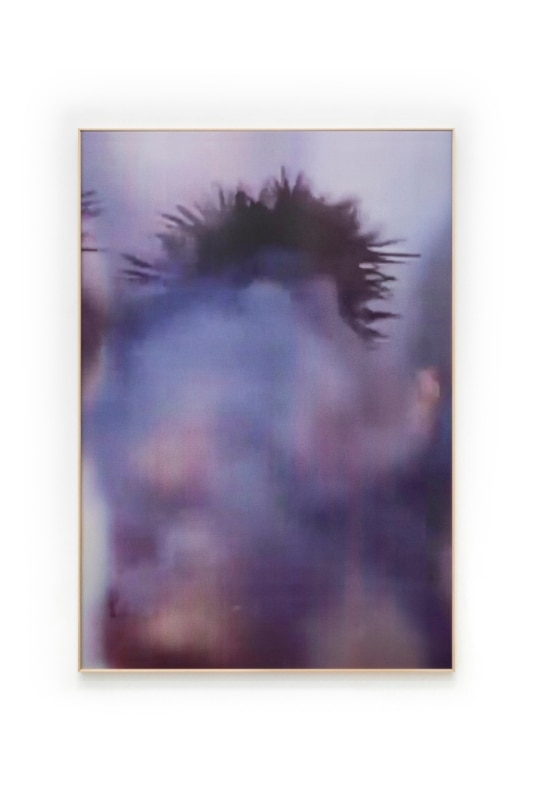
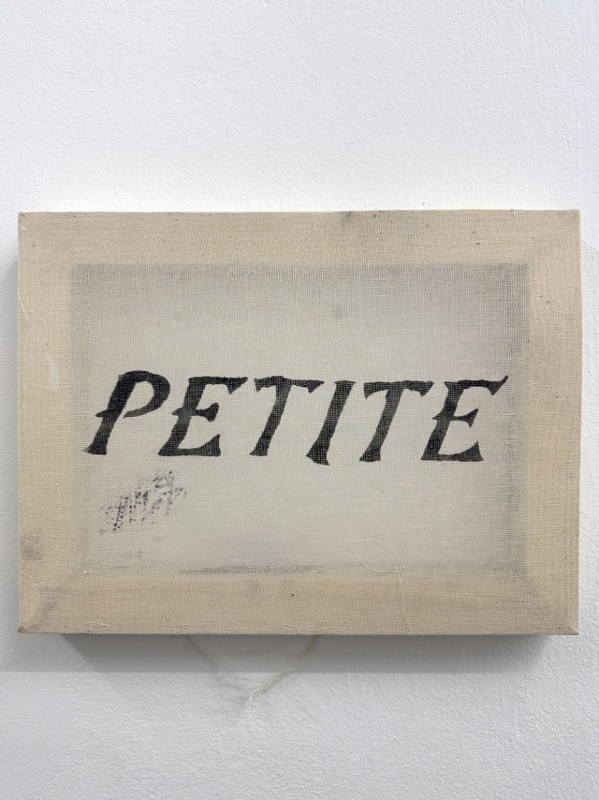
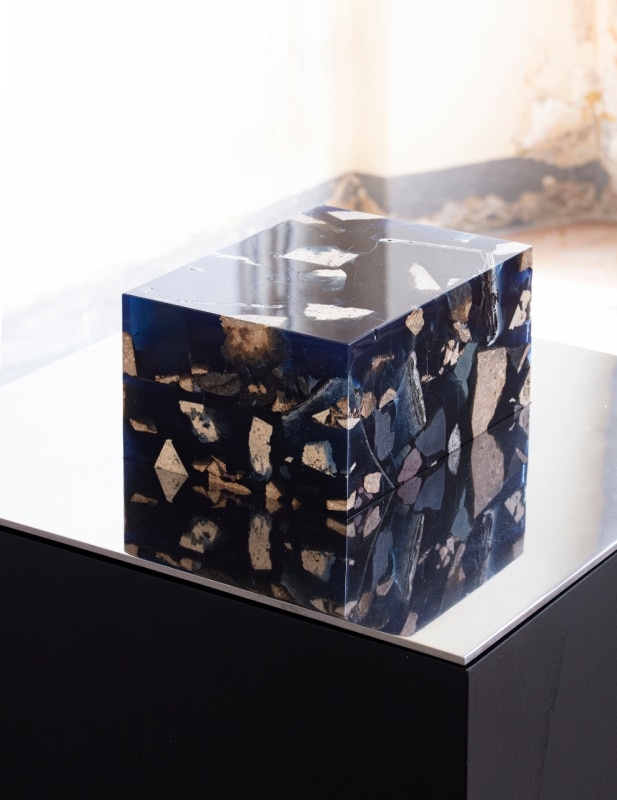
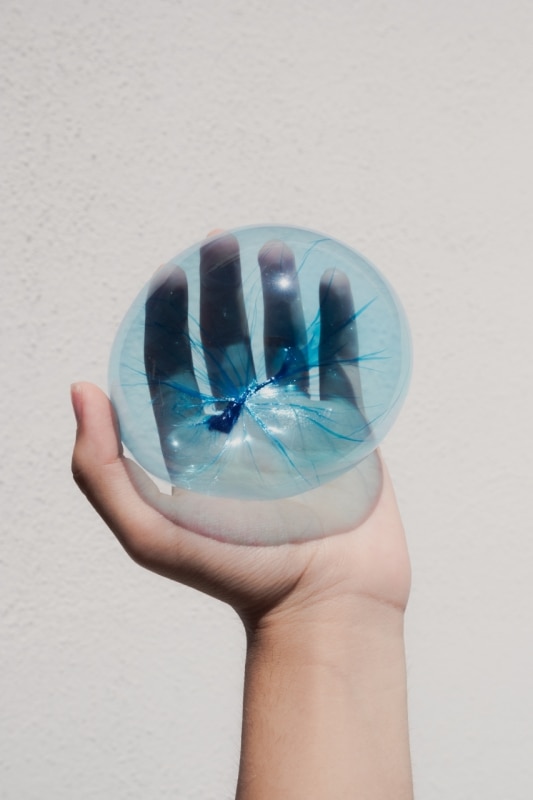
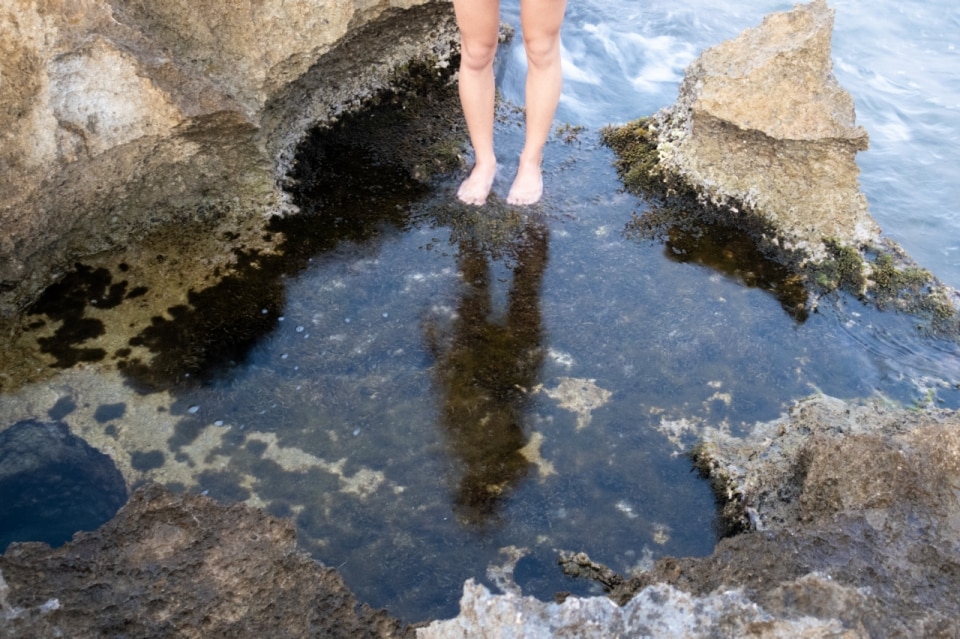
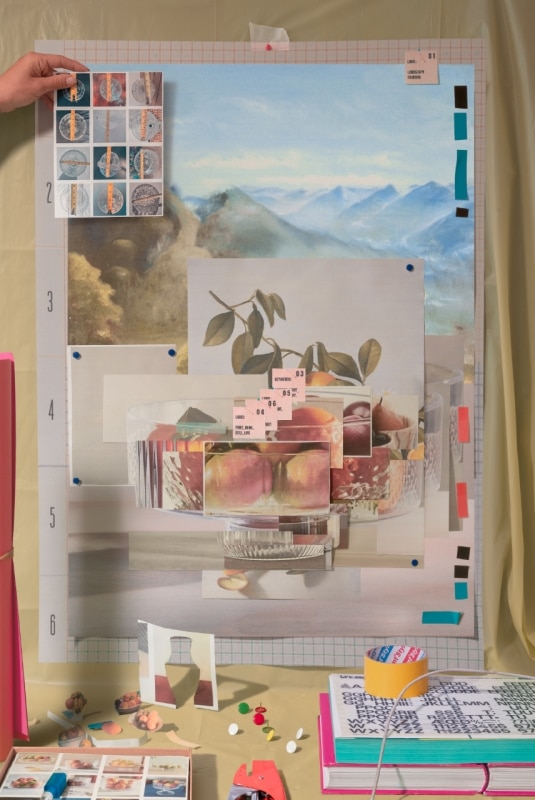
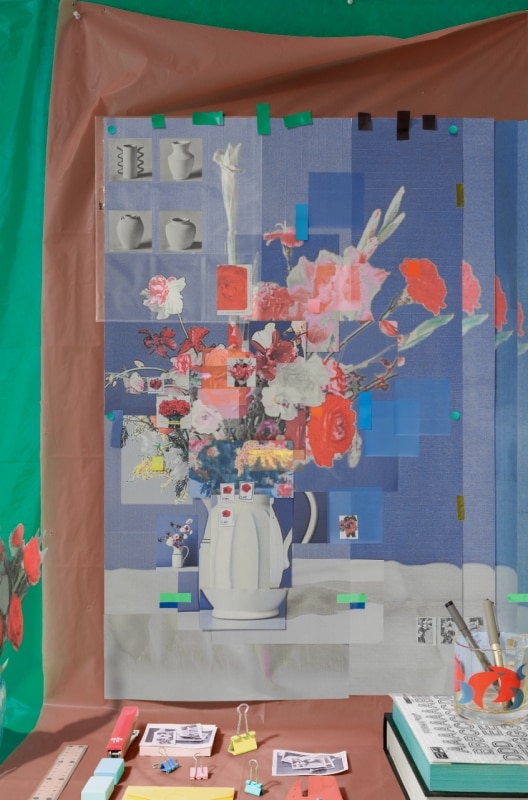
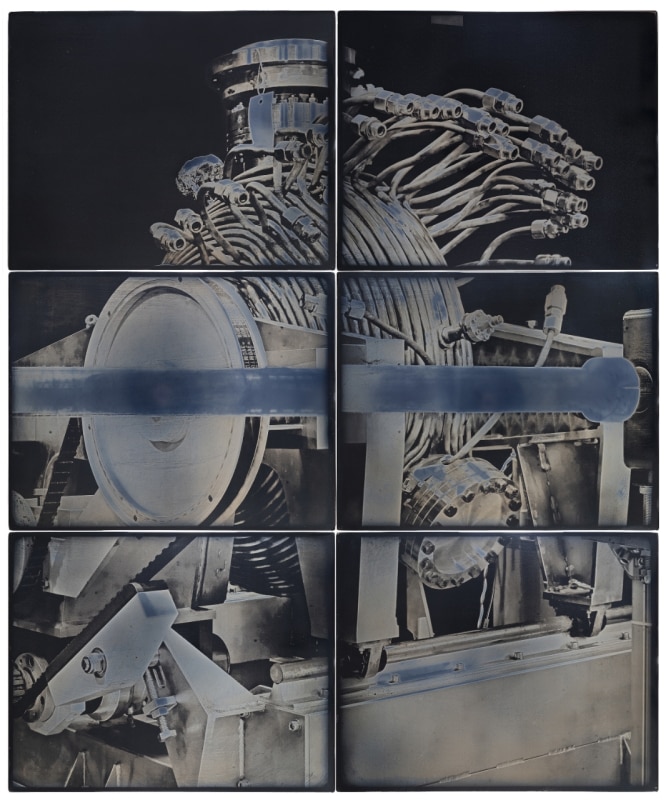
In this landscape, Viasaterna — the Milanese gallery directed by Irene Crocco, whose name pays homage to Dino Buzzati — takes on the challenge of revisiting two great masters of the 20th century while introducing nine new voices of contemporary art who use photography in unconventional ways, merging it with sculpture, painting, illusionism, receipt collecting, and generative AI.
The exhibition, titled “Transizioni. Dal fotografico alle immagini ibride” (Transitions. From the Photographic to Hybrid Images), is curated by Mauro Zanchi in collaboration with Aurelio Andrighetto. It features works by Alessandro Calabrese, Giorgio Di Noto, Teresa Giannico, Camilla Gurgone, Leonardo Magrelli, Grace Martella, Luca Massaro, Alessandro Sambini, and Alberto Sinigaglia.
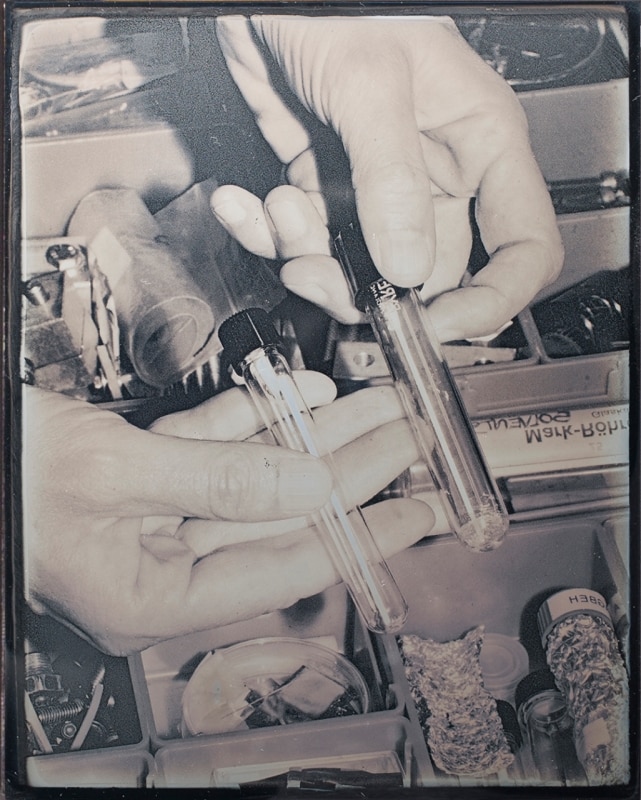
Hosted at Viasaterna’s space on Via Leopardi 32, the collective show reflects on the new image paradigms that permeate our daily lives. From deepfakes to simulated realities, a new form of authorship — and therefore of beauty — has emerged online, one that contemporary art can no longer ignore. What happens when an image is no longer a reflection of the world but its rewriting through a prompt? What shapes do photographic works take when their value and language are defined by algorithms?
Over the past three years, as photography competitions have been rewriting their rules around artificial intelligence and AI-generated images have been awarded international prizes — such as at the Sony World Photography Awards 2023 — the question of what it means to make photographs today has become increasingly pressing.
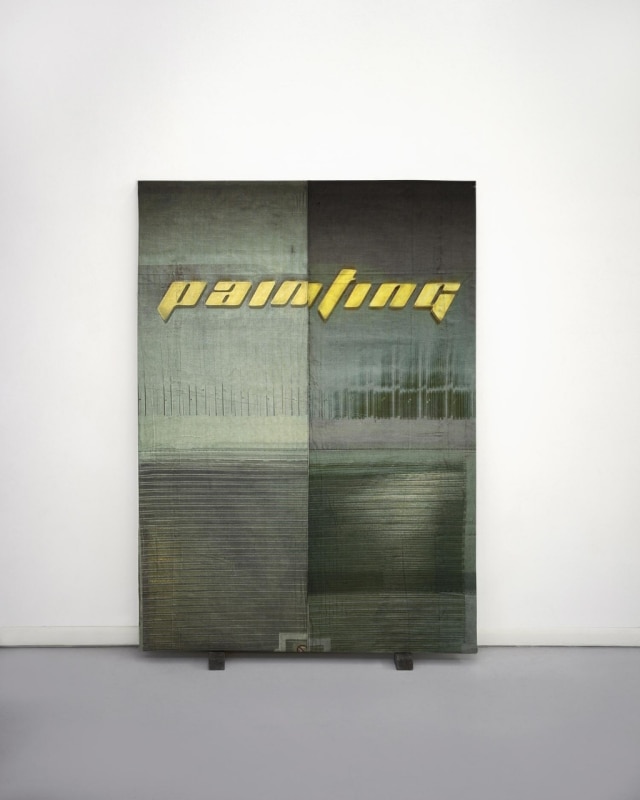
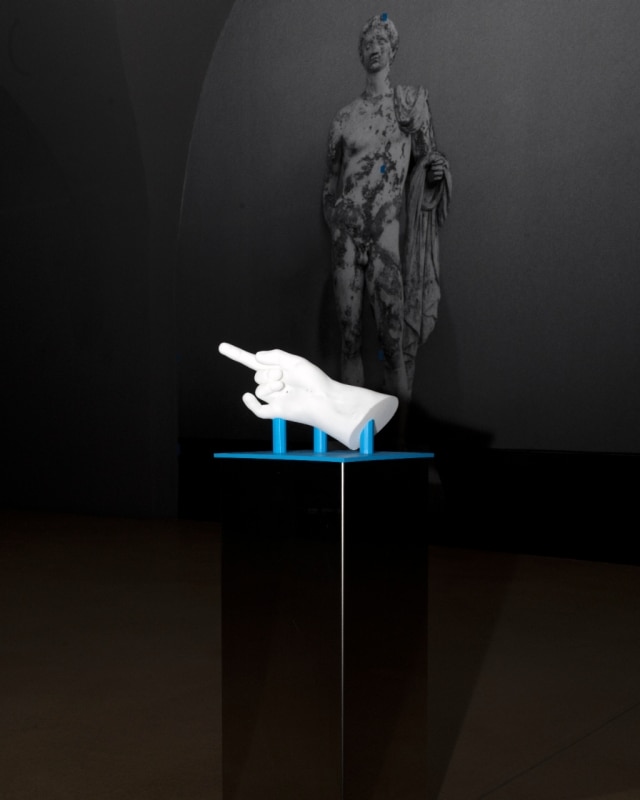
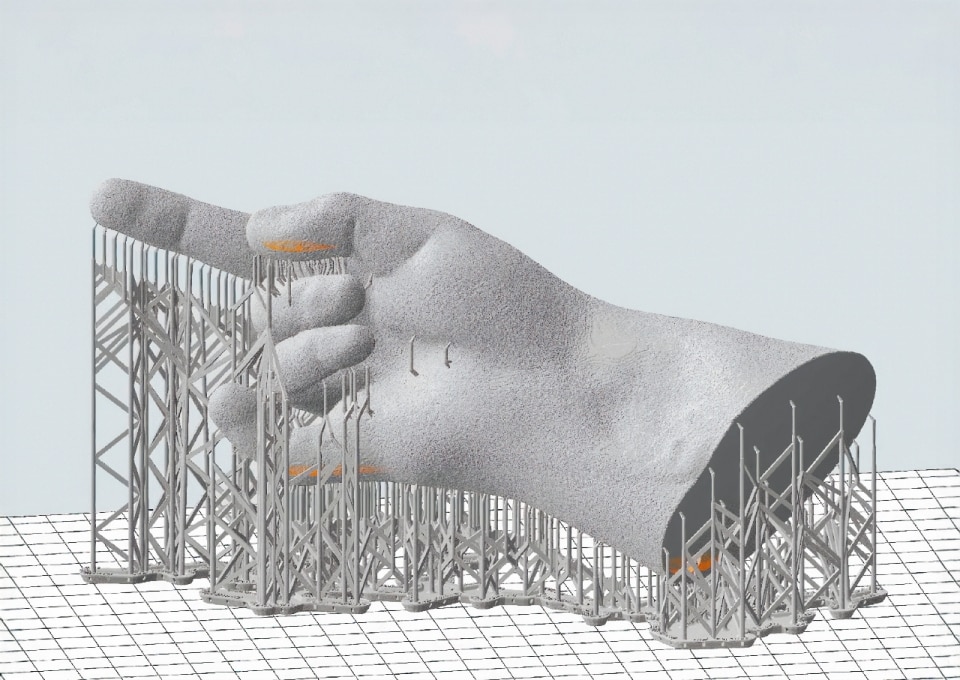
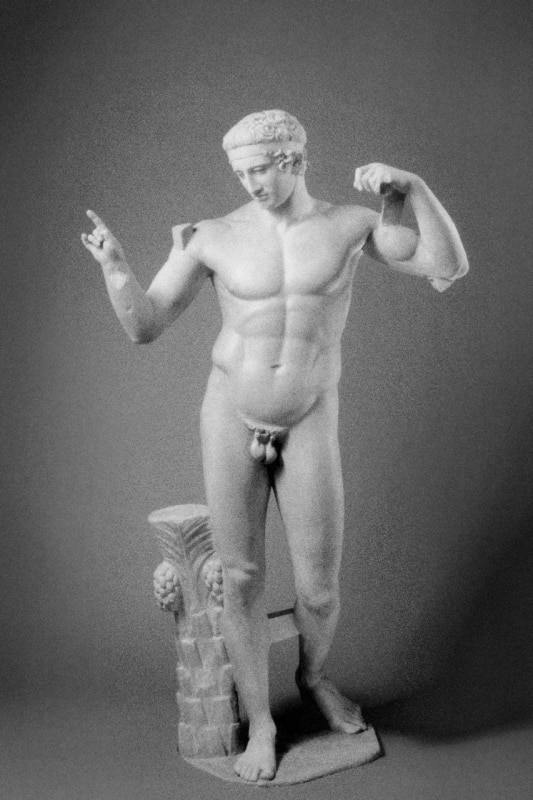
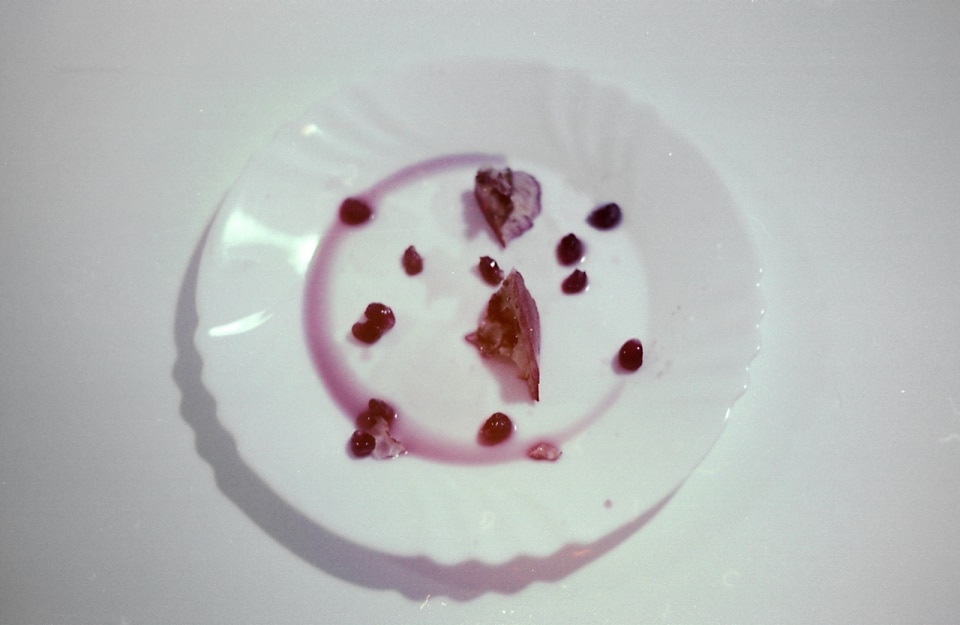
“Transizioni” gathers hybrid images and works that draw from the entire history of art while pushing its boundaries. Among them, Velum by Camilla Gurgone (b. 1997) hides, for ten years, an AI’s existential answers printed on thermal paper; Punch Line by Alessandro Calabrese (b. 1983) subverts the foundations of archaeology by having ancient statues digitally “restored” by artificial intelligence.restore ancient statues.
A special section of the exhibition pays tribute to Constantin Brancusi and Amedeo Modigliani, two masters who anticipated the avant-garde use of photography as a tool for introspection and as an extension of the artist’s thought — beyond its documentary function.
“Far from being exclusive to our digital age, the dialogue between different media has deep roots in the avant-gardes of the 20th century,” explains curator Mauro Zanchi. “Contemporary art has simply inherited and radicalized that lesson.”
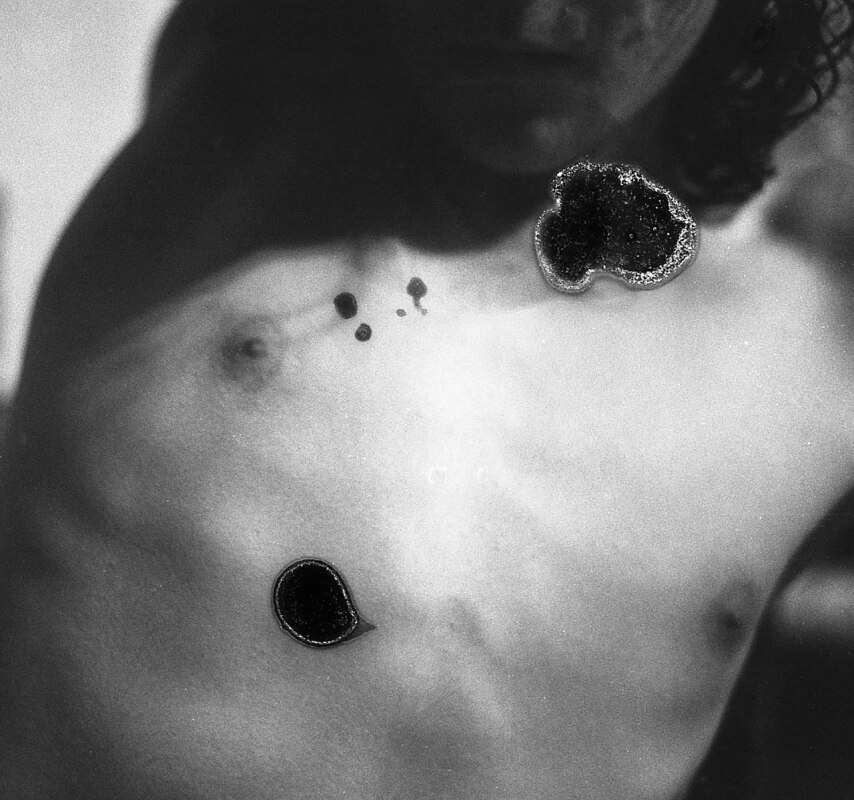
Ultimately, “Transizioni. From the Photographic to Hybrid Images” is both an anthology of old and new photographic practices and a thoughtful reflection on the medium’s ongoing evolution. It reminds us that while photography has undeniably changed with the advent of artificial intelligence, this transformation need not be a threat — it can also be an opportunity for renewal.
- Show:
- Transizioni. Dal fotografico alle immagini ibride
- Edited by:
- Mauro Zanchi with the collaboration of Aurelio Andrighetto
- Where:
- VIASATERNA, G iacomo Leopardi 32, Milan, Italy
- Dates:
- October 7, 202 5 to January 23, 2026