



If artist-designed covers have made history — from Warhol for the Velvet Underground to Jeff Koons for Lady Gaga — there is a parallel, less explored phenomenon: musicians transforming themselves into living quotations of famous works of art.
It happens on covers, in music videos, and on stage. Singers embody iconic figures from art history, creating tableaux vivants in which painting literally comes to life. It’s never just an aesthetic choice: behind each reference lies the desire to appropriate universal symbols and rewrite them, turning the musician into the protagonist of art history and the cover itself into a new artwork.
From Bowie’s iconic lightning bolt to Cabanel reinterpreted by Salmo, we traced how the dialogue between music and the visual arts.
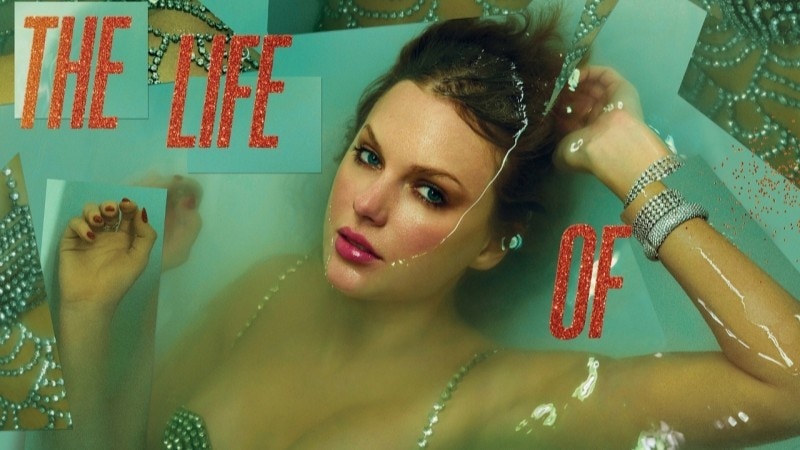
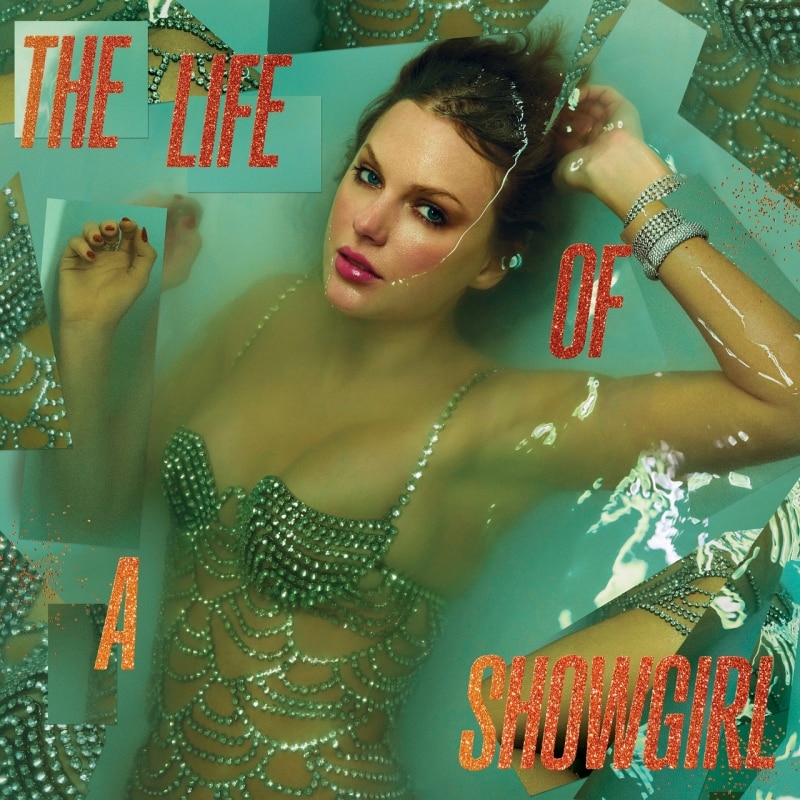
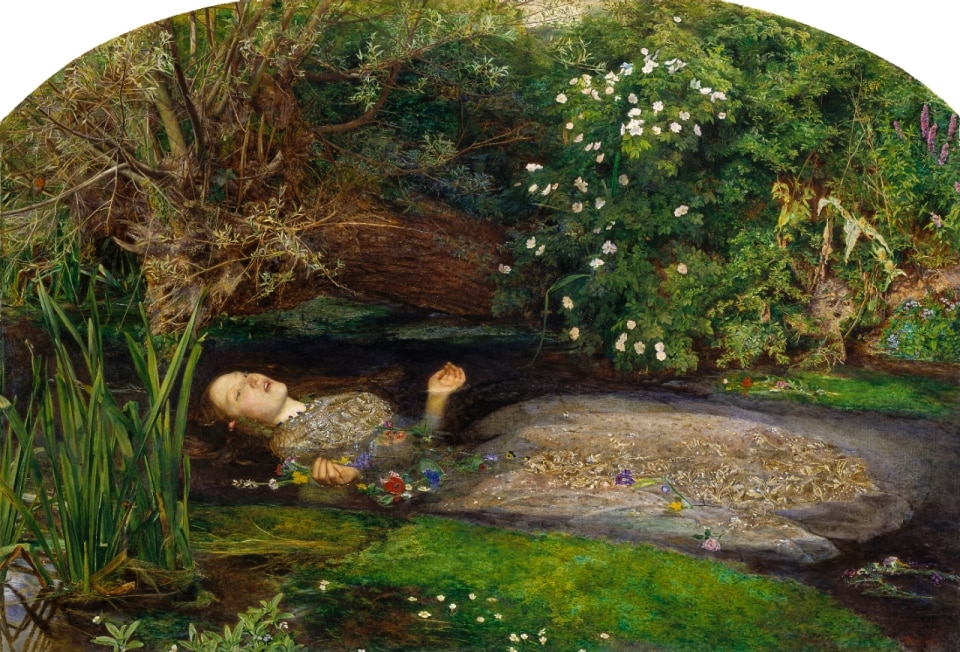
The latest case is Taylor Swift, who for her new album chose to embody Ophelia — the Shakespearean heroine immortalized by John Everett Millais in one of the Pre-Raphaelite masterpieces. But she is only the most recent link in a chain that spans decades of pop culture, oscillating between identity-seeking and self-conscious citation.
From Bowie’s iconic lightning bolt to Cabanel reinterpreted by Salmo, we traced how the dialogue between music and the visual arts has generated some of the most powerful and unforgettable images of our collective imagination.
Taylor Swift as the Pre-Raphaelite Ophelia (2025)
For the cover of her new album The Life of a Showgirl (2025), Taylor Swift embodies Ophelia, the tragic Shakespearean heroine immortalized by John Everett Millais in 1851–52. Between echoes of water nymphs and references to the fate narrated in Hamlet, the pop star inserts herself into a long tradition of visual and literary reinterpretations: an image that fuses theatrical pathos and Pre-Raphaelite symbolism, reimagined through a contemporary pop lens.
The Odd Couple: Salmo and Cabanel (2021)
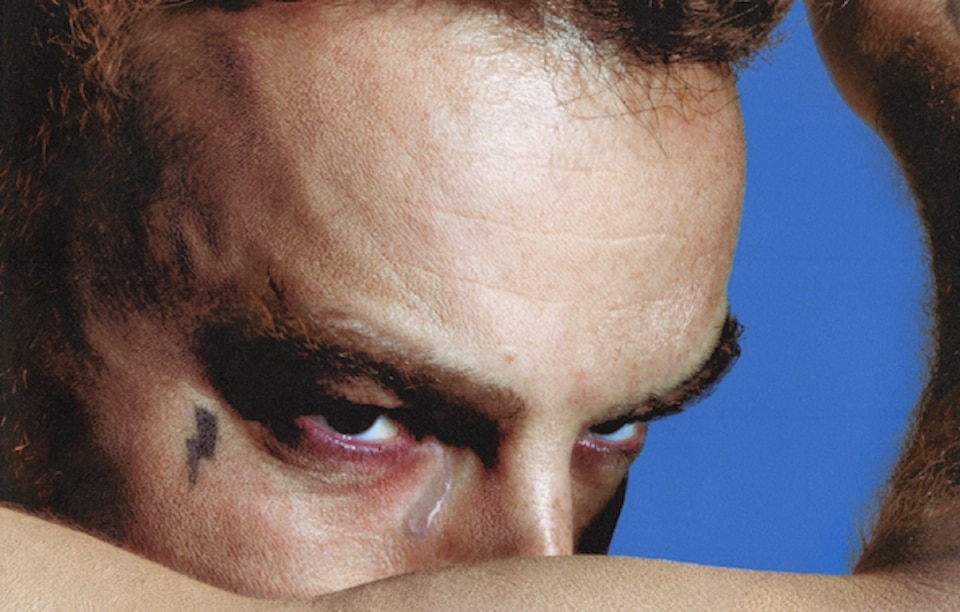
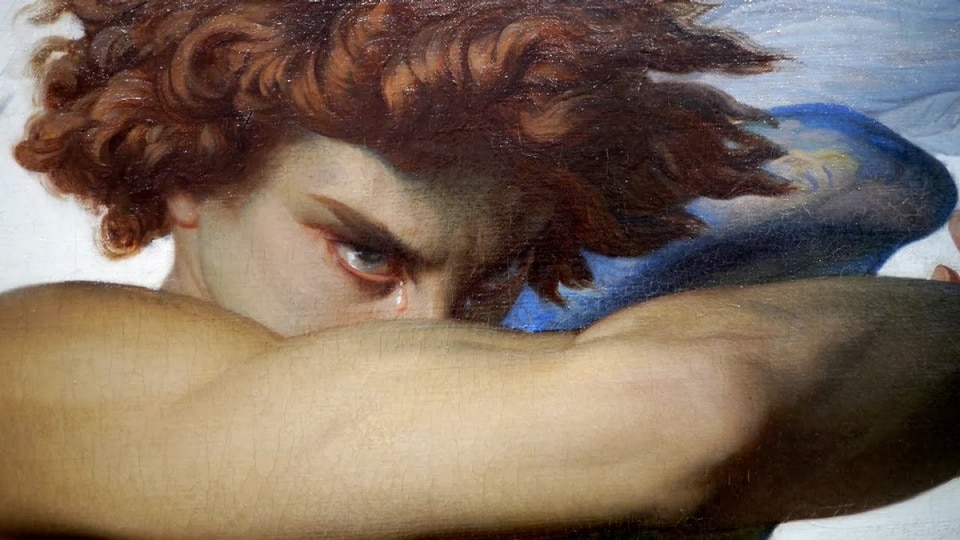
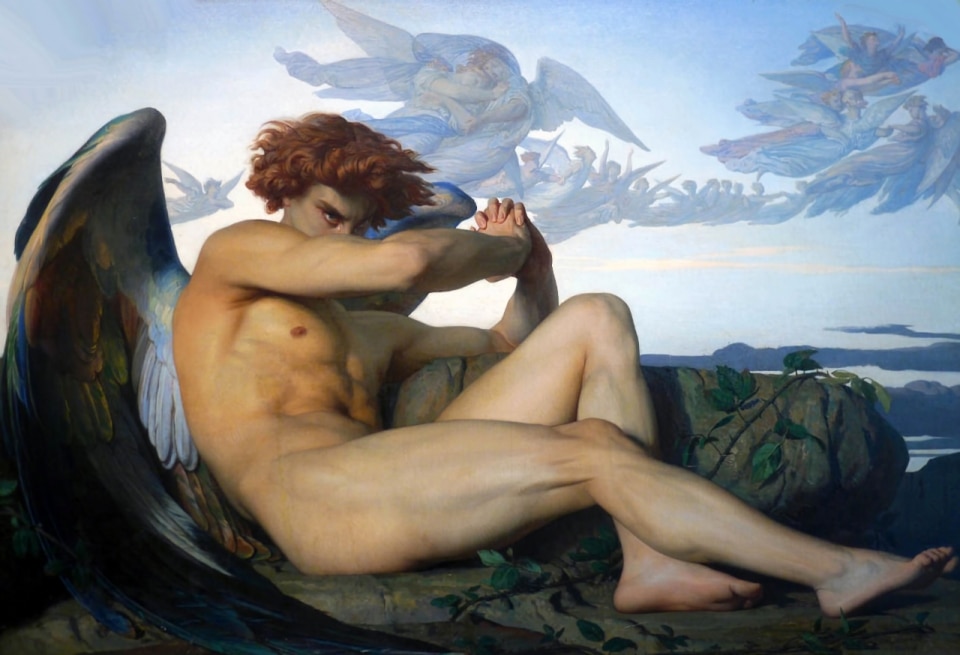
The Italian rapper poses in a recreation of Alexandre Cabanel’s The Fallen Angel (1847) for the release of his album Flop (2021): the angel’s somber gaze and restrained tears become a visual metaphor for his defiant, disillusioned stance.
Beyoncé and Jay-Z at the Louvre (2018)
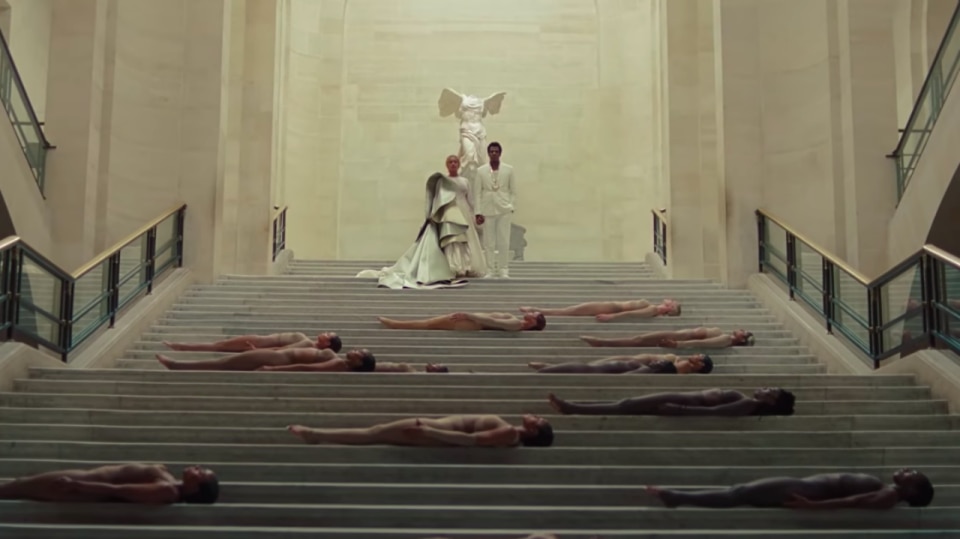
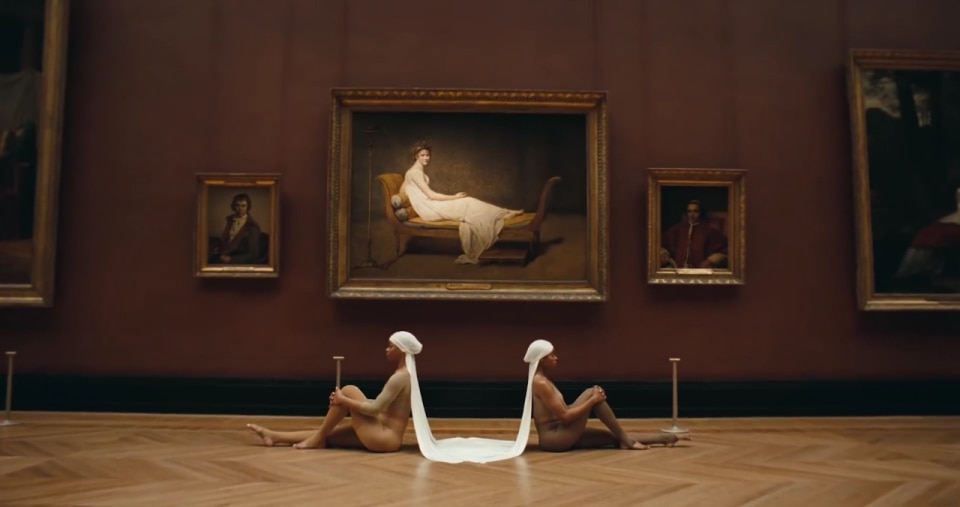
It’s not a cover, but certainly a music video destined to become iconic. In APESHIT, the royal couple of music tour the halls of the Louvre, transforming masterpieces like the Mona Lisa into the backdrop of a contemporary tableau vivant. A striking display of cultural power: Beyoncé and Jay-Z don’t just quote art — they inhabit it.
Kendrick Lamar and Caravaggio (2017)
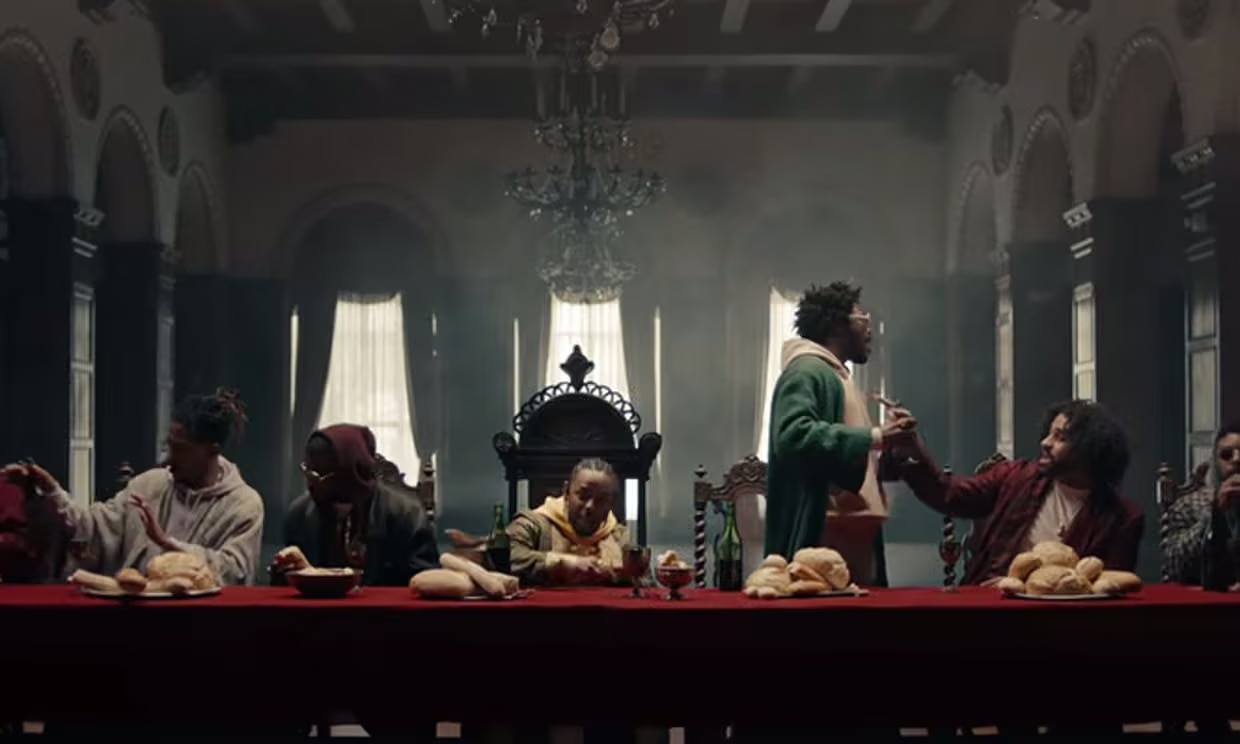
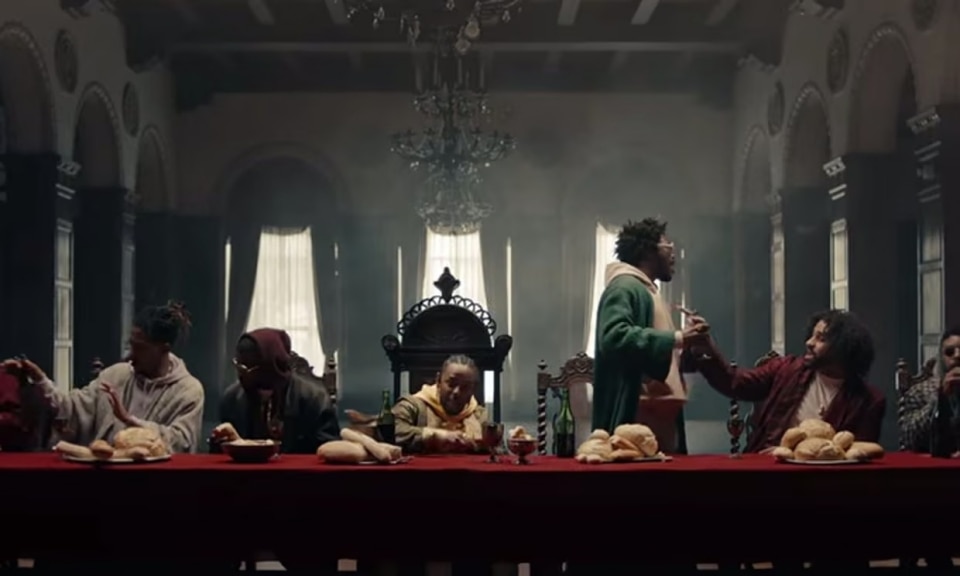
In the video HUMBLE. (2017), directed by Dave Meyers and The Little Homies, Kendrick Lamar is placed at the center of compositions that recall the chiaroscuro and theatricality of Caravaggio. Tableaux vivants turn the track into a visual fresco of power, religion, and rebellion — including a reimagined Last Supper with the rapper seated in papal robes.
Coldplay and the French Revolution (2008)
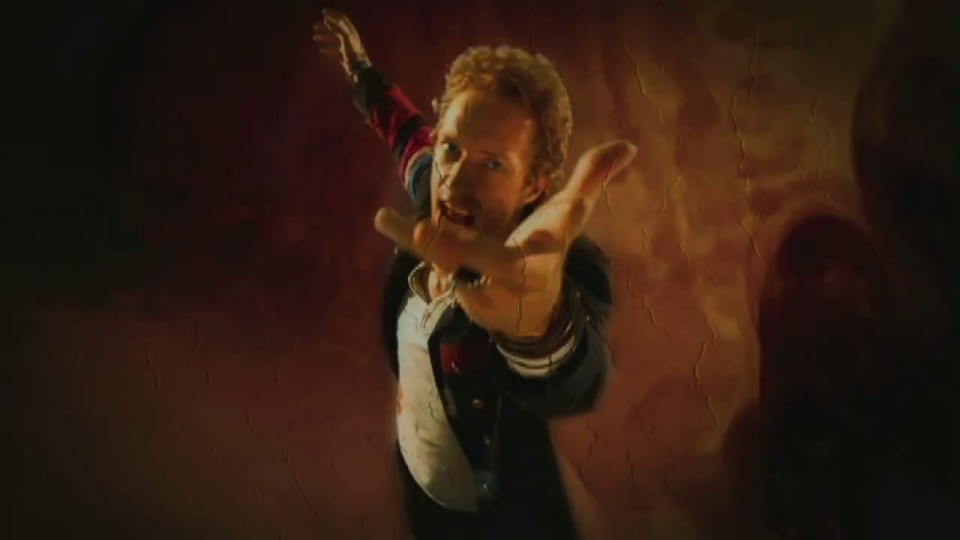
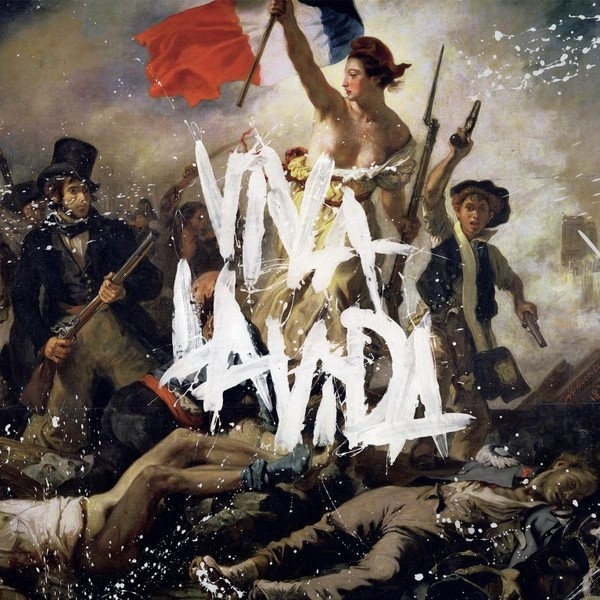
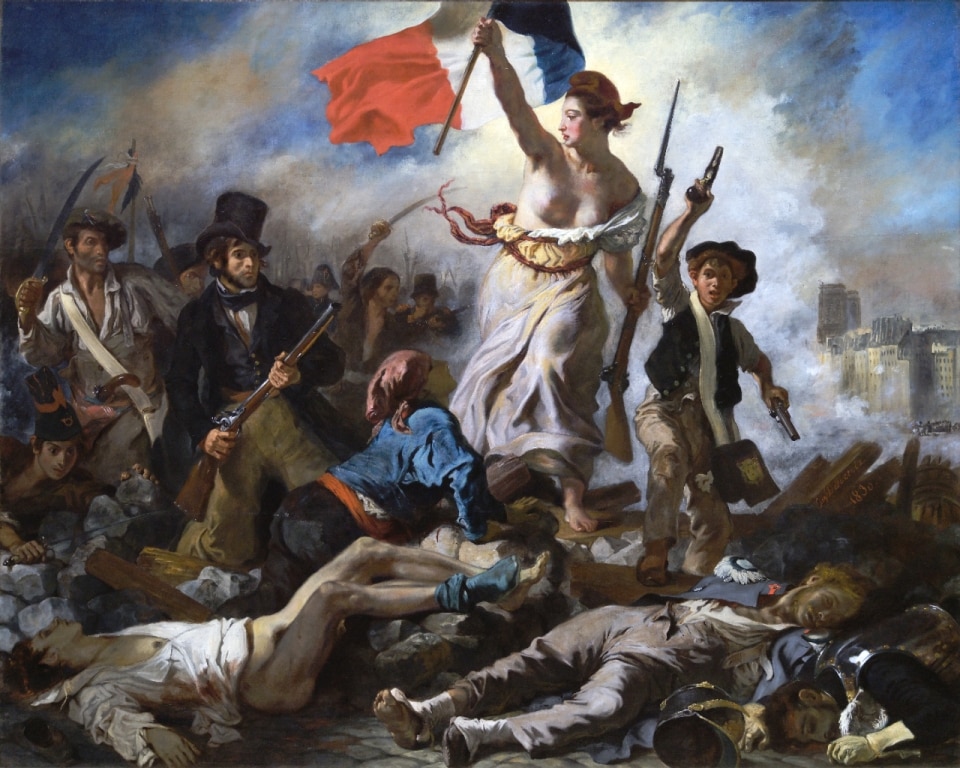
A hymn to life that borrows from the visual power of Delacroix: the cover reworks Liberty Leading the People (1830), transforming a symbol of the French Revolution into a global pop icon — while at the same time condemning it to be forever tied to that tune.
Surrealist Madonna (1994)
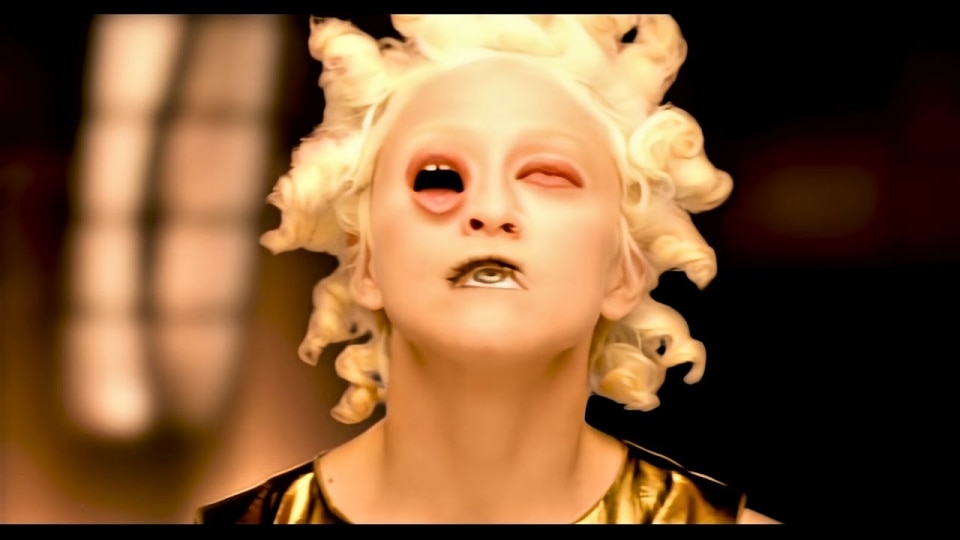
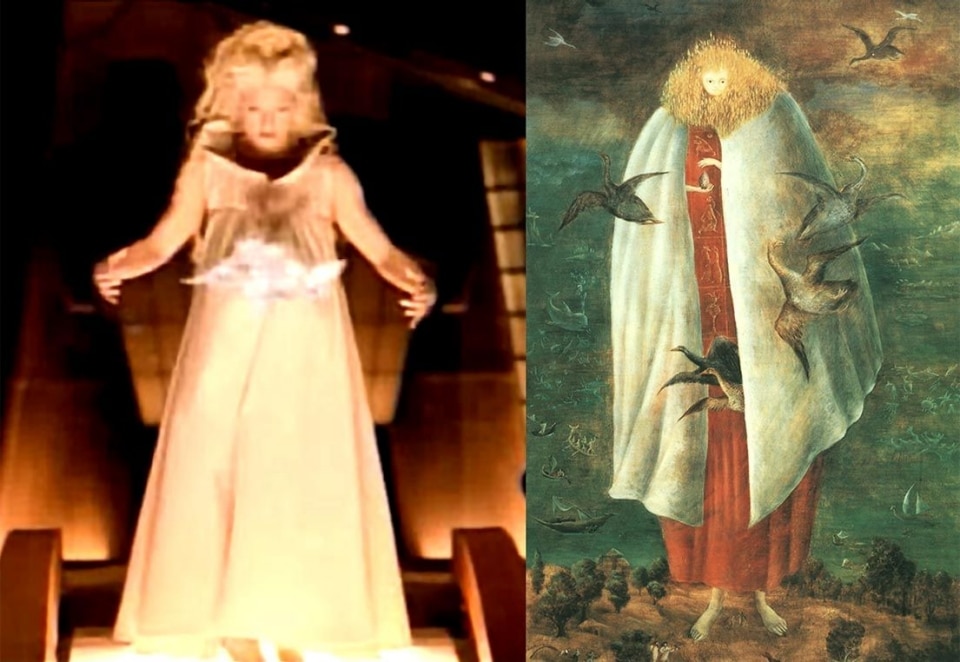
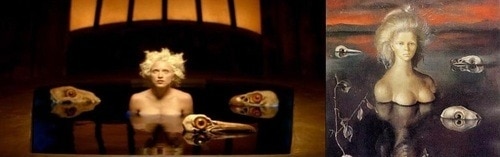
That Madonna is a keen connoisseur and admirer of art is nothing new. With Bedtime Story (1994), she stages a dreamlike journey into surrealism: in the video she moves through scenarios inspired by Leonora Carrington and Leonor Fini, at a time when both artists had yet to gain the recognition they enjoy today. The result? A seamless dissolve between dream, painting, and electronic music.
Blur and British Modernism (1993)
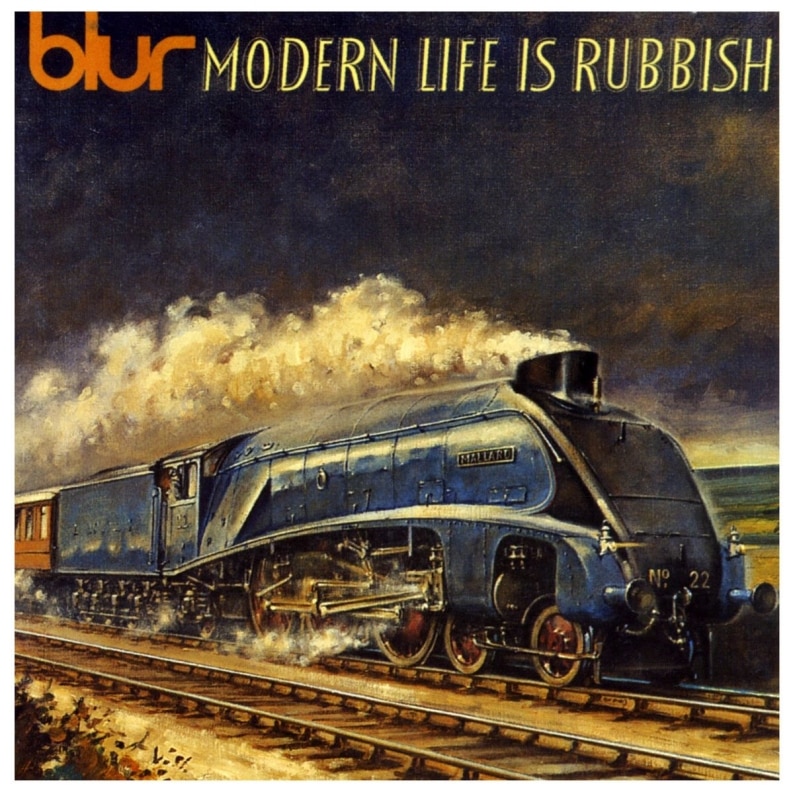
With Modern Life Is Rubbish, Blur not only relaunched Britpop, but did so with a cover that explicitly referenced modern English painting — a visual homage to national tradition and its ties to urban life.
Mina as in a Botero (1991)
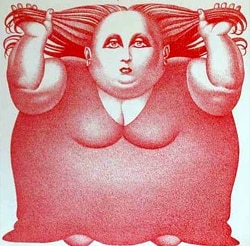
In 1991, Mina appeared on the cover of Caterpillar, reimagined through the exaggerated, rounded forms of Fernando Botero. Just ten years earlier, Grace Jones had entrusted her sculptural image to Jean-Paul Goude, who highlighted the plasticity of her elongated body.
David Bowie's Body Art (1973)
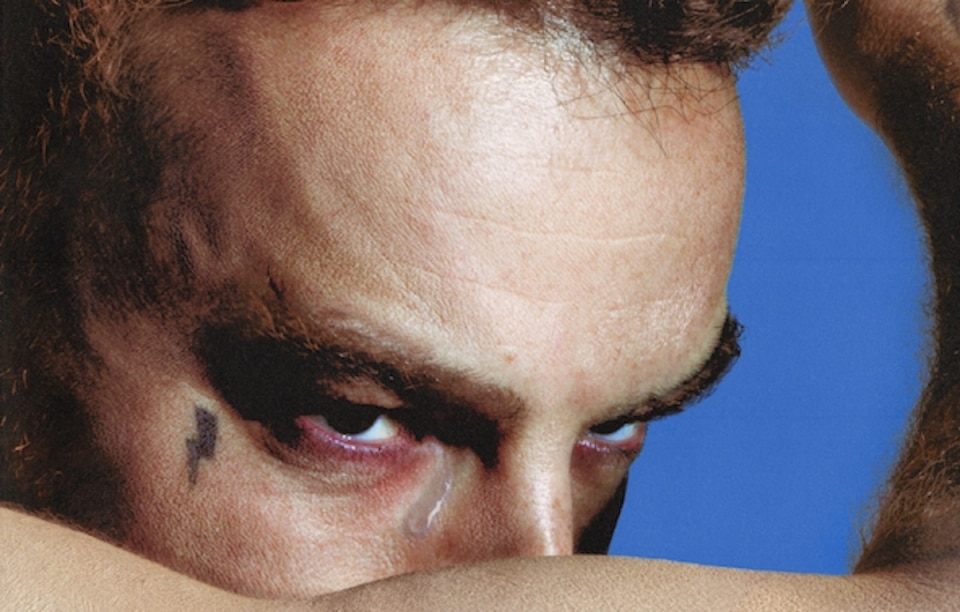
With Aladdin Sane (1973), Bowie lets himself be struck by the lightning bolt that would become his visual trademark. A reference that draws on the language of body art and echoes the performative experiments of artists such as Gilbert & George. The cover consecrates the fusion of body, art, and music, anticipating decades of cross-contamination.