


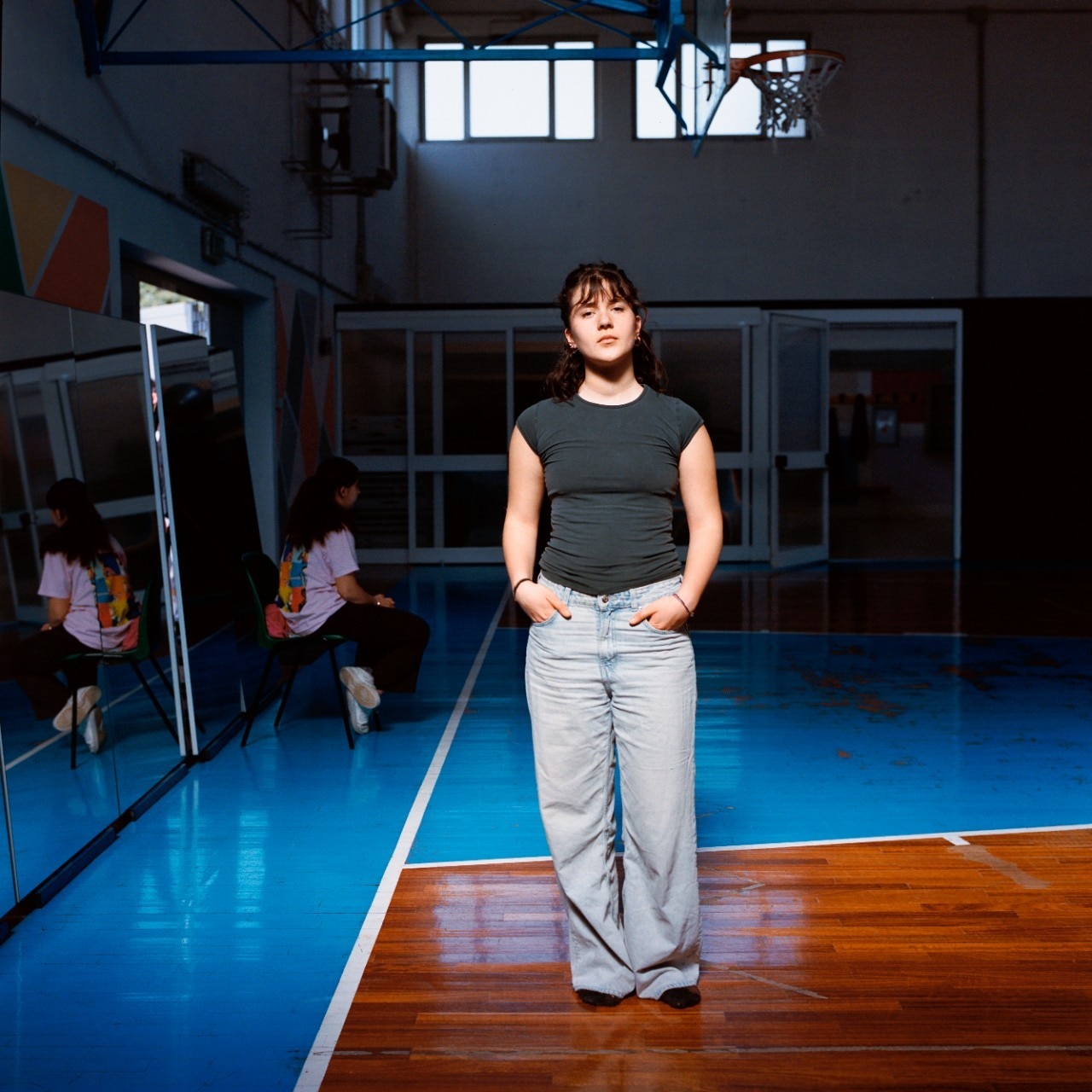

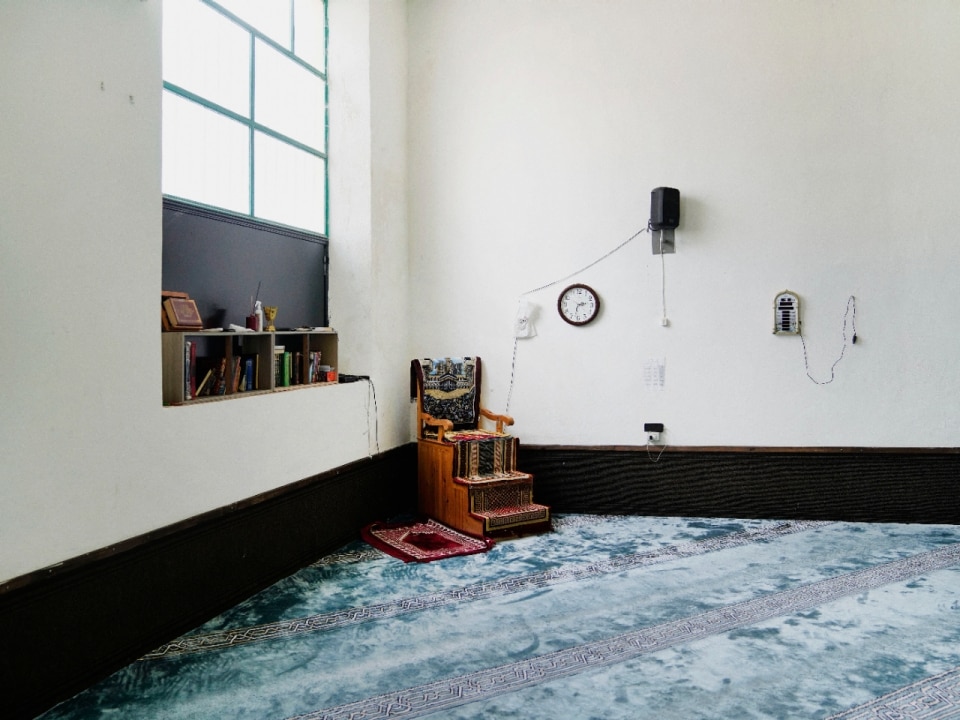
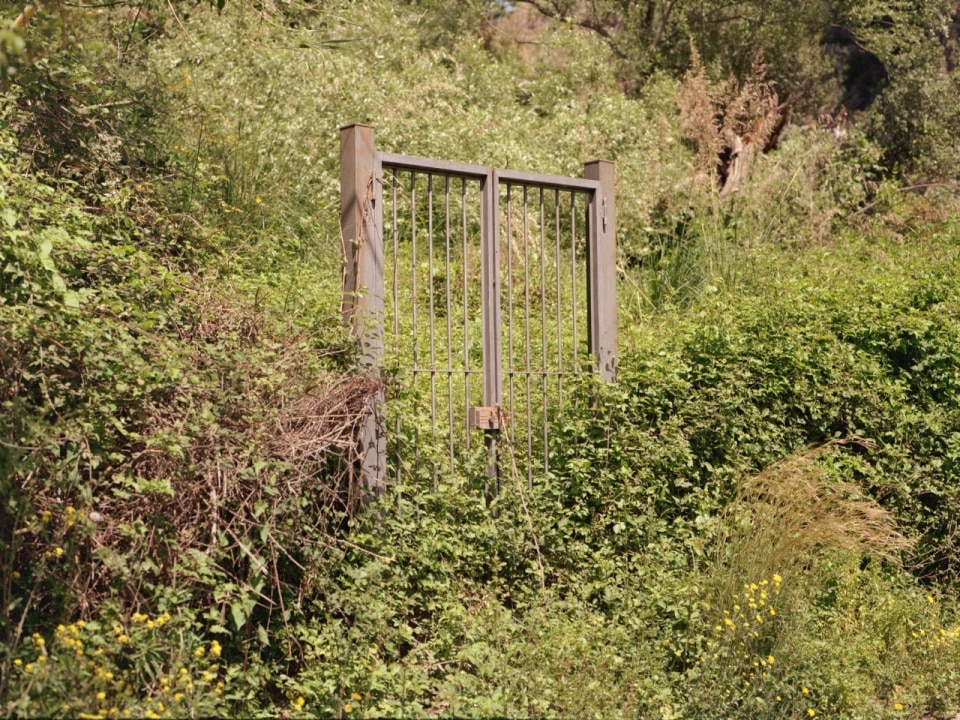


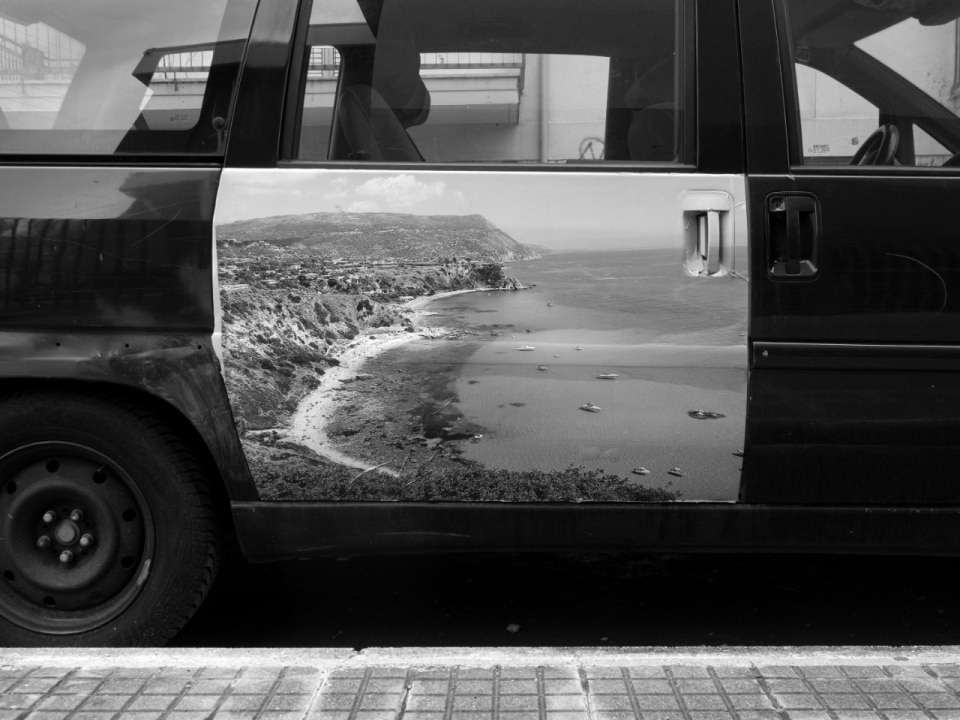


In 1984 Luigi Ghirri conceived Viaggio in Italia, a project that would change contemporary Italian photography forever. Twenty photographers – including Olivo Barbieri, Gabriele Basilico, Guido Guidi, and Mimmo Jodice – were invited to portray the country with a new gaze: no longer exotic journeys, sensationalist reportage, or formalist analysis, but an Italy that was everyday, peripheral, and anti-heroic.
Forty years later, the collective Cesura takes up that legacy with I-Talìa, a photographic project that this time travels through Friuli Venezia Giulia, Calabria, and Sardinia to create a fresco of contemporary Italy.
“A Viaggio in Italia 2.0,” comments Alex Majoli, award-winning photojournalist (World Press Photo Award, Guggenheim Fellowship USA and Canada), Magnum Photos member, and founder of the group. After all, it was from this very vision that Cesura was born years ago.
I believe photography is also a political act. Art, in general, for me is a political act.
Alex Majoli
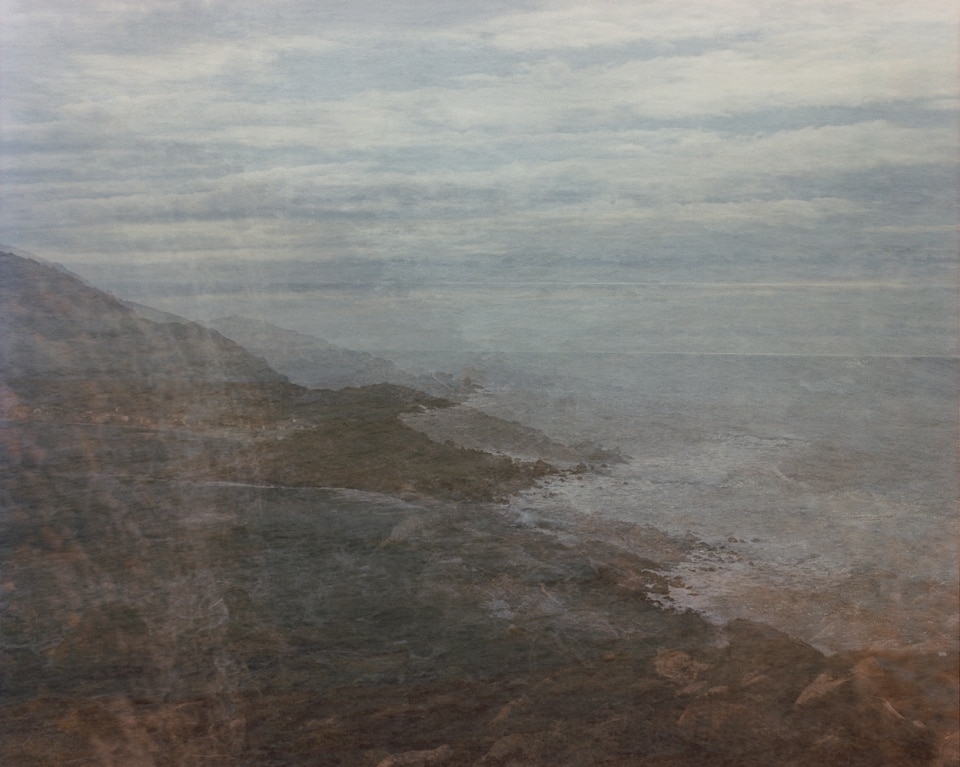
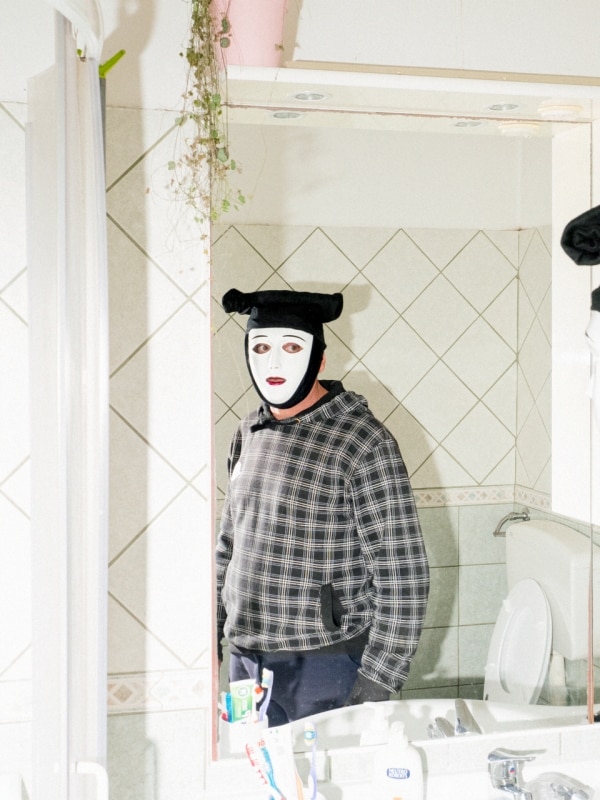
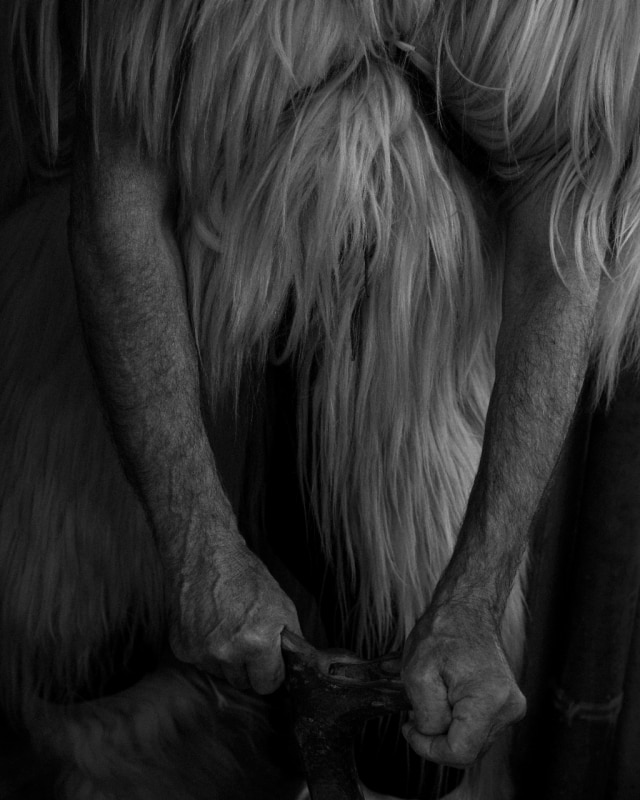
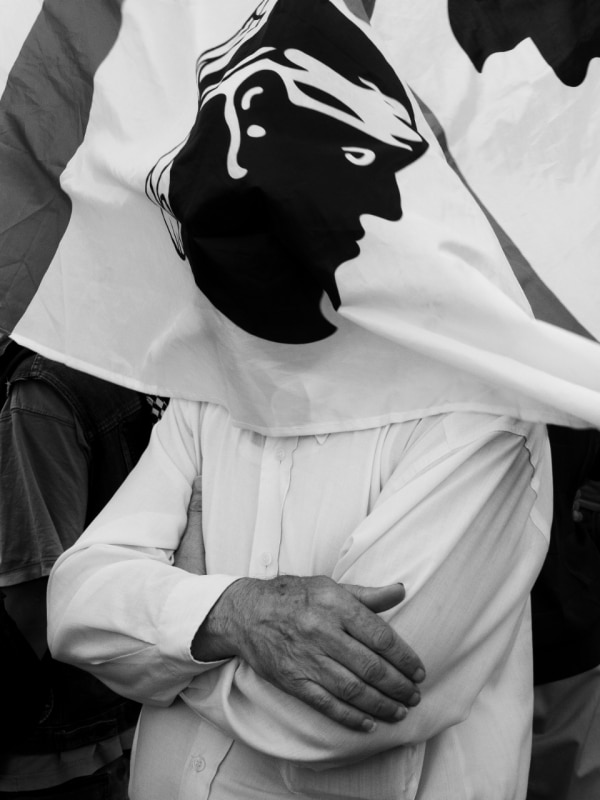
In Sardinia, where the group encountered striking landscapes and resilient communities, comes the video that Domus presents as an exclusive preview: a visual narrative intertwining the photographers’ gaze with the island’s energy.
Cesura, “I-Talìa,” Sardinia, Italy, 2025. Courtesy Cesura
A collective practice
It was 2008 when, in the hills of Piacenza, Majoli — back after years in New York — founded a space for experimentation and transmission: “I was looking for a place to experiment, and some of my assistants were living on this remote hill. Then it all happened very naturally: over time more and more people joined until we became a collective.”
But the return to Italy was not only physical: “There were so many young people who wanted to live the kind of life I was living. I told them: well, why not start from Italy?”
From here the Cesura method took shape, with the Photobuster format: short but intense incursions into the urban fabric, always in dialogue with local communities. “You arrive in a small town, a village, a city, and you produce within the time frame — often very limited — that you have at your disposal. To draw a comparison, I would say it’s like a jam session: you work intensely and then you exhibit, right there, on the spot.”
From the provinces to Italy: the provincial I-Talìa
"Photobuster" has already stopped in and documented Italian and international cities such as Stradella, Riva del Garda, Palermo, Rimini, and Sofia. “The name I-Talìa came later. In fact, we started out in the province of Pavia. Then we began photographing the rest of the country as well. We have continued, and will continue, to do so.”
Conceived between 2023 and 2024, supported by Strategia Fotografia 2024 (Italian Ministry of Culture – Directorate General for Contemporary Creativity) and carried out in collaboration with Munaf, I-Talìa is only the latest chapter of a broader project: a collaborative portrait of the country, constantly in progress and built by many hands — much like in the workshops of the artist-craftsmen of the past.
To draw a comparison, I’d say it’s like a jam session: you work intensely and then you exhibit, right there on the spot.
Alex Majoli
“In the Cesura team there are photographers with a more reportage-documentary DNA, and others with a more abstract vein,” says Majoli. “In Friuli Venezia Giulia we had Alex Zoboli, Chiara Fossati, Marco Durante, Giorgio Dirindin; in Calabria Andrea Nicotra, Alessandro Sala, Camilla Pedretti, Marco Zanella; in Sardinia Pablo Riccomi, Arianna Arcara, Giorgio Salimeni, Maria Elisa Ferraris.”
We began photographing the rest of the country as well. We have continued, and we will continue to do so.
Alex Majoli
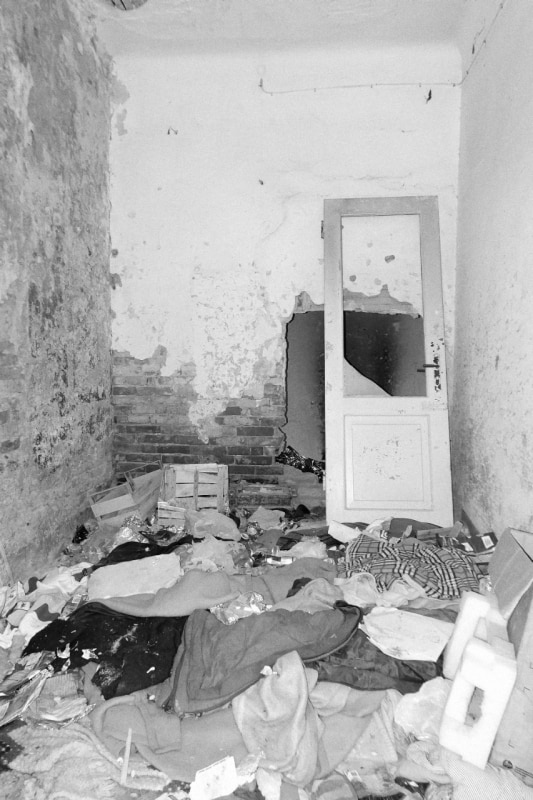
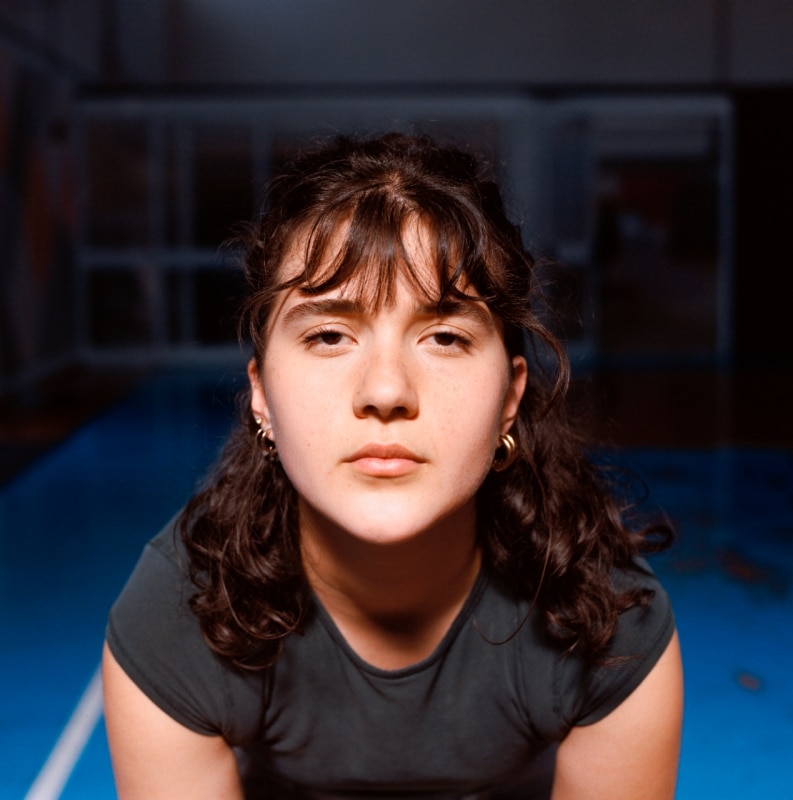
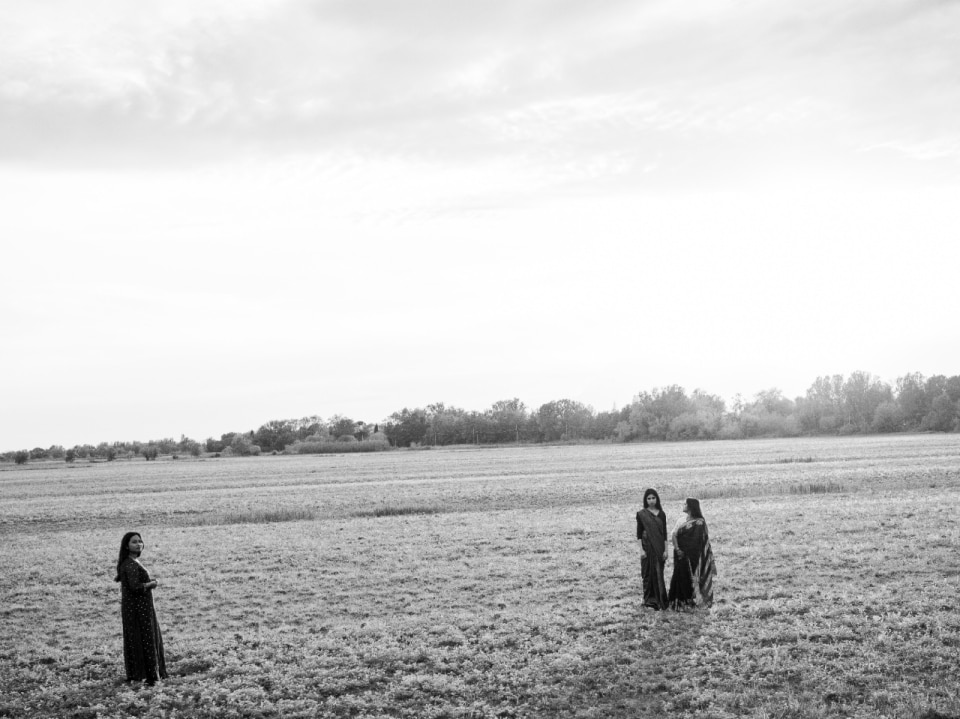
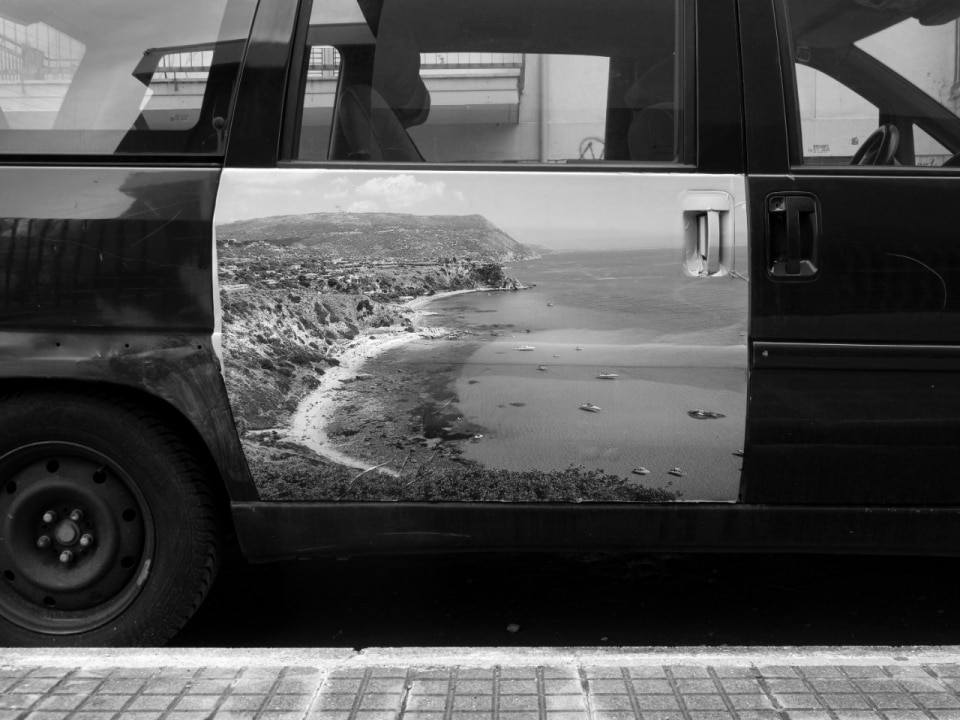
Eighty photographs from the project have entered the collection of Munaf – National Museum of Photography – bringing into the institution the life of the Italian provinces: from medieval festivals such as the Sartiglia of Oristano to the Arbëreshë dances of the Vallje in Calabria; from daily life in the reception centers of Trieste and Cosenza to the activism of A Foras against military servitudes in Sardinia; and from the demonstrations of Kiwis in Italy to adolescents growing up far from the metropolises.
Architecture that measures change
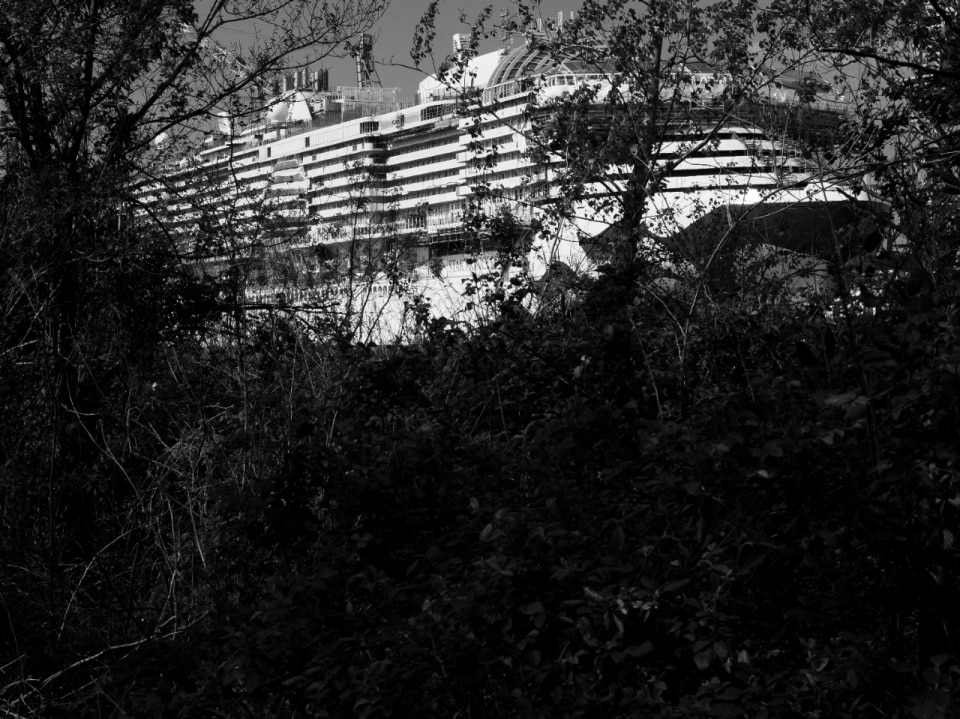
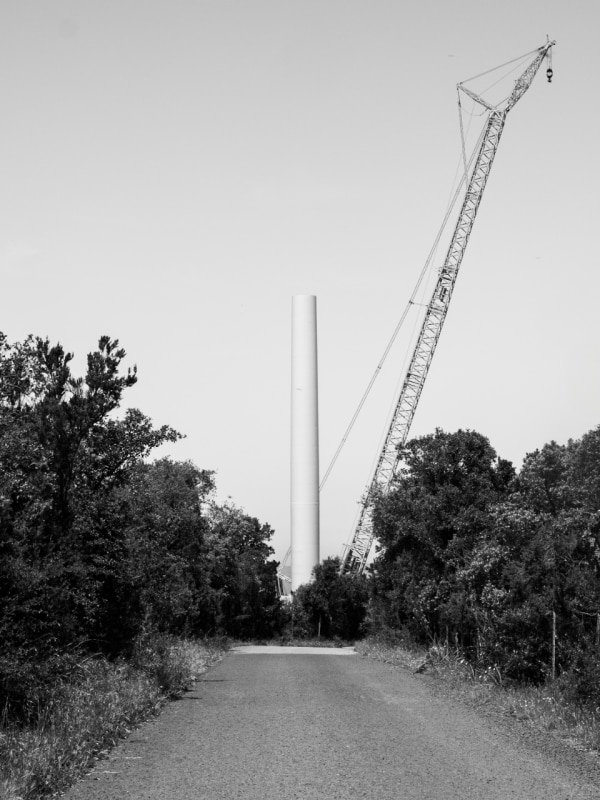
In these stages, a strong architectural reading also emerges: in Calabria, Marco Zanella photographed the abandoned concrete structures of the Sila; in Sardinia, Pablo Riccomi portrayed wind turbines with a gaze that was at once political and architectural; in Monfalcone, the images show enormous ships, their bows seeming to wedge themselves between the buildings inhabited by the very people who work in the shipyards.
“Architecture and landscape have always been documented to bear witness to change,” says Majoli.
“Buildings are constructed and demolished, roads are closed, opened, altered, expanded, as new interests and new needs arise. Photographing them means making them visible to the citizens of today, and above all to those of tomorrow — building an archive. This has always been the mission of the photographer.”
- Exhibition:
- “I-Talìa”
- Curated by:
- Cesura
- Where:
- National Museum of Photography (Munaf), Cinisello Balsamo, Italy
- Dates:
- From September 27, 2025