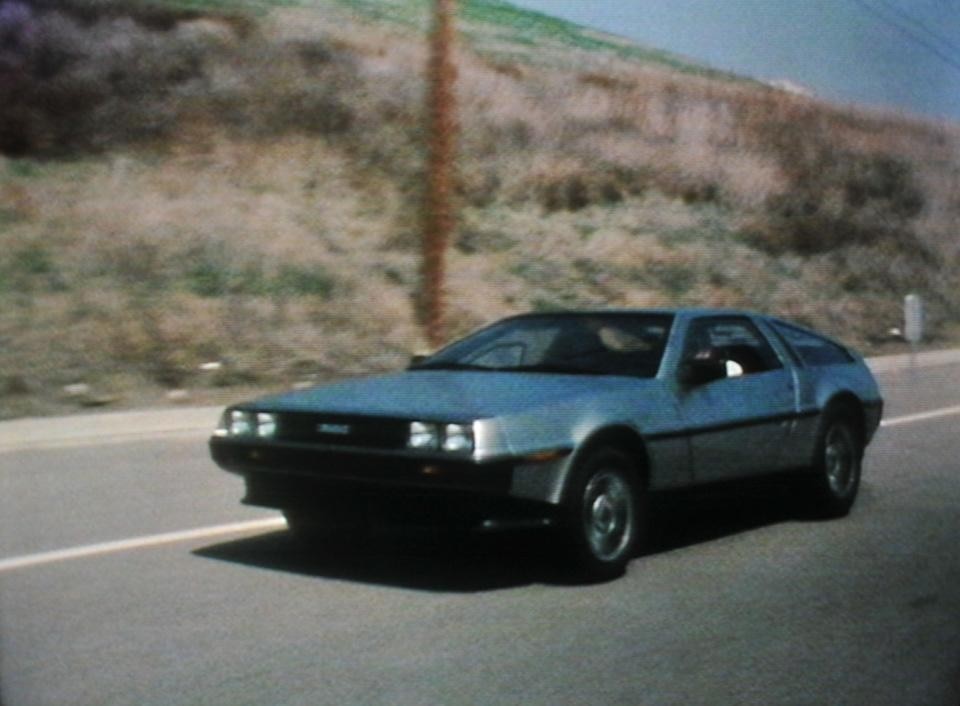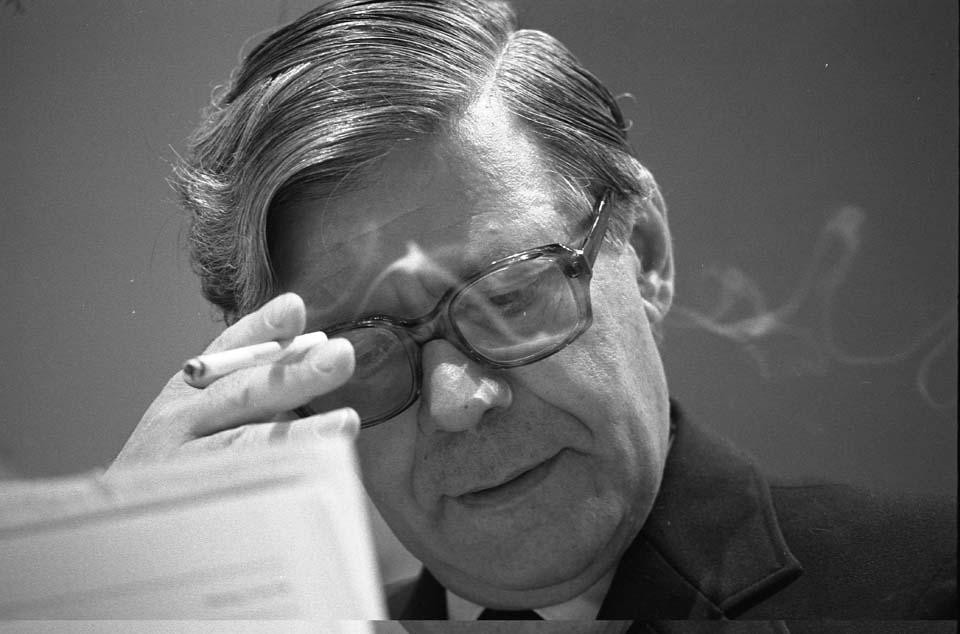
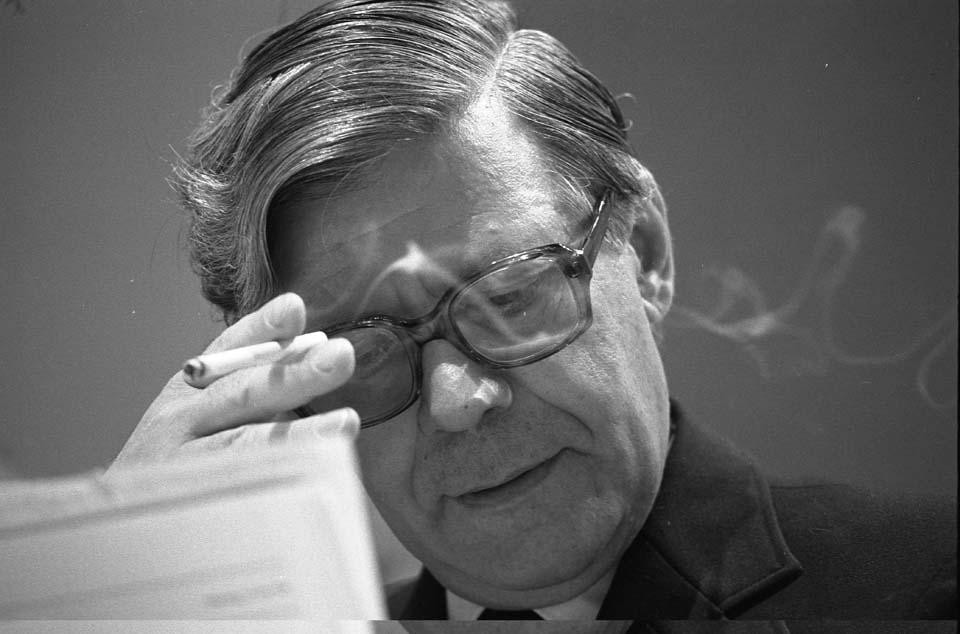
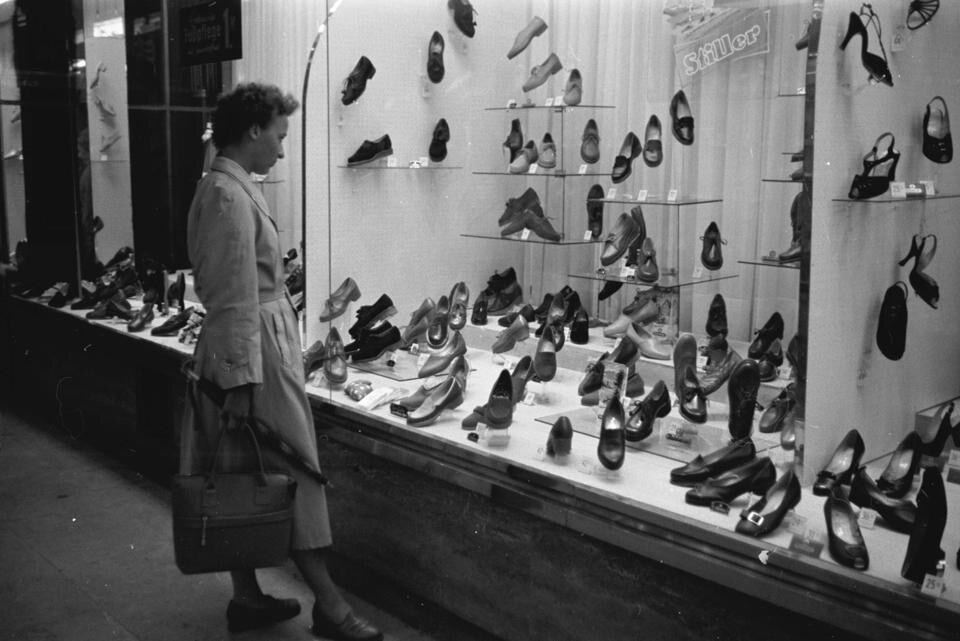
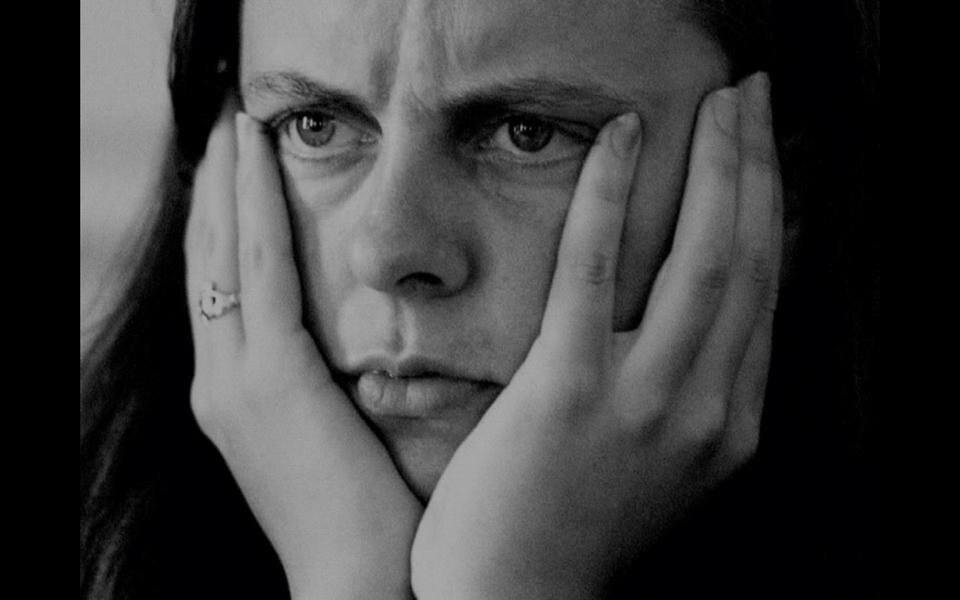
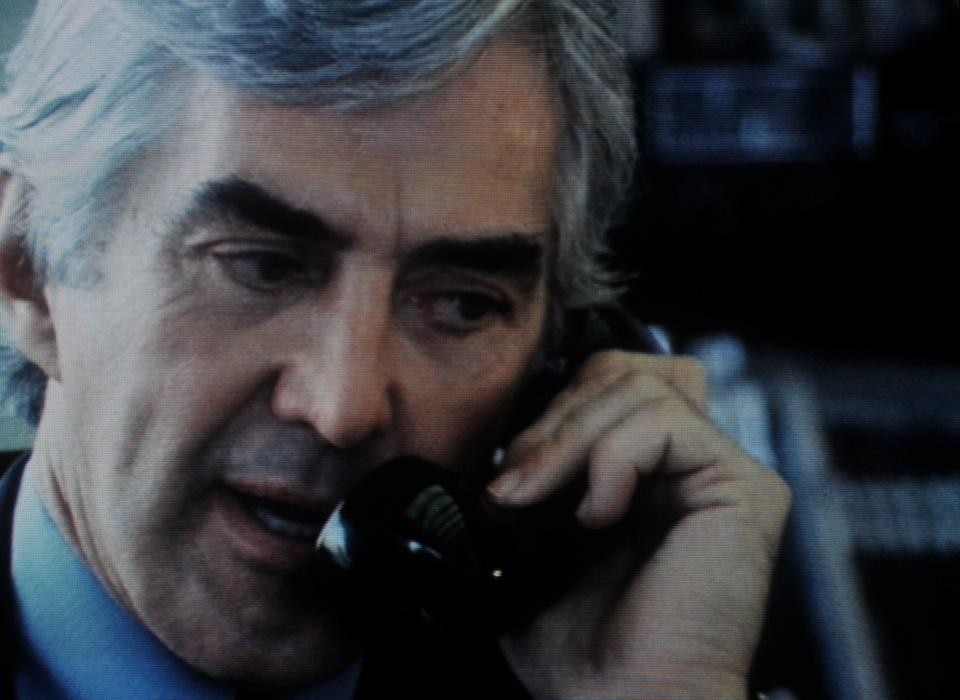
"I think of you as a Westphalia oak tree, dear Johannes," the narrator of Campbell's film begins. The narration in black and white by the Irish artist starts with images of the German countryside. A montage of historic photos, newsreels, stills, ad hoc sequences and selections from commercials reconstruct the life of a personality who was decisive for the events of our era in a way that is "not accurate," scientific and analytical but "approximate," progressively putting his life's story into focus.
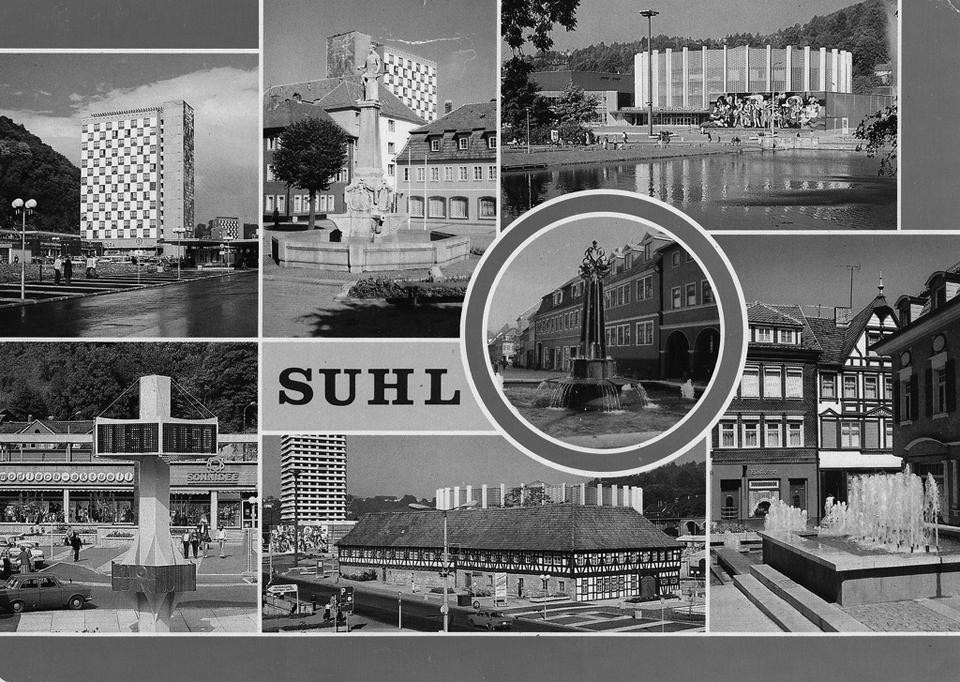
The voice of the narrator guiding us through the images mounted in sequence has a hard-to-decipher quality. In some cases, he addresses Tietmeyer directly and in others he speaks to the public and in still others he describes facts in an impersonal way. The tone of the story has a taste of theatre and perhaps of the radio but it is confidential at the same time. Economic theories, personal anecdotes, Hans' relationship with the press and fragments of the German social, urban and political scene mix and mingle almost to compose a blurry stream of memories and recollections reaching today's dramatic crisis. From academic studies to policies for reunification up to the 1988 attack by the Red Army Faction, the film episodes, while focusing only on Tietmeyer, deliberately seem to avoid producing a logical theory, a sequence of facts and events that can give answers and narrate the truth.
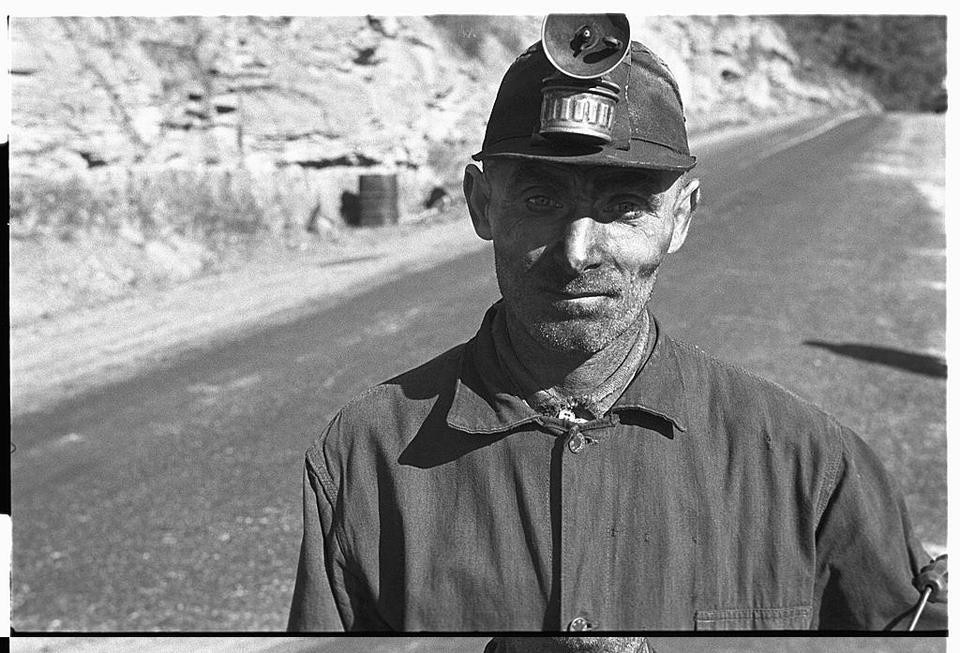
Campbell’s investigation is a collage of history and fiction through which viewers can reconstruct their own version of events, their own truth.

Francesco Garutti