



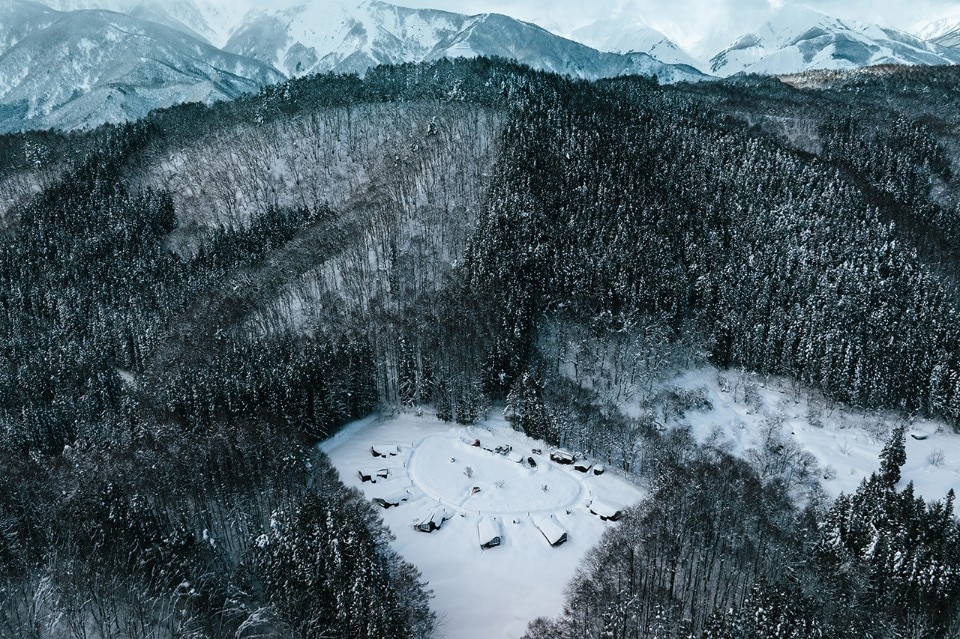
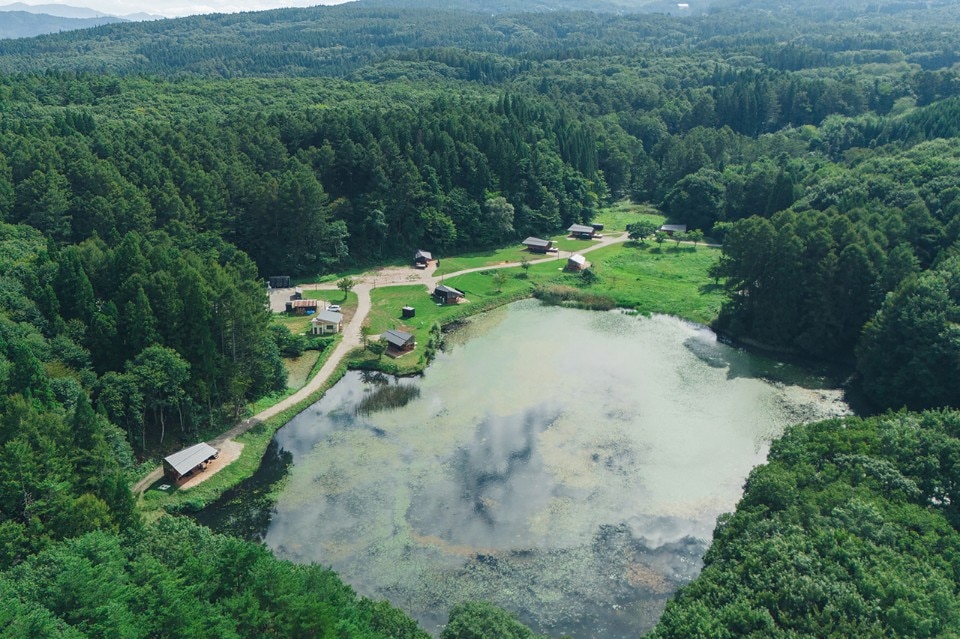
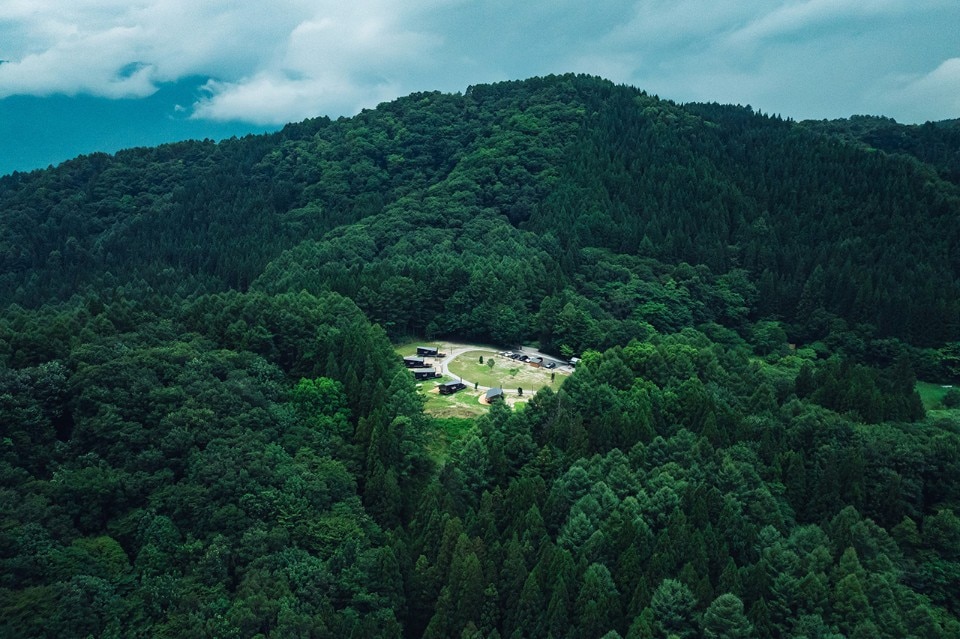
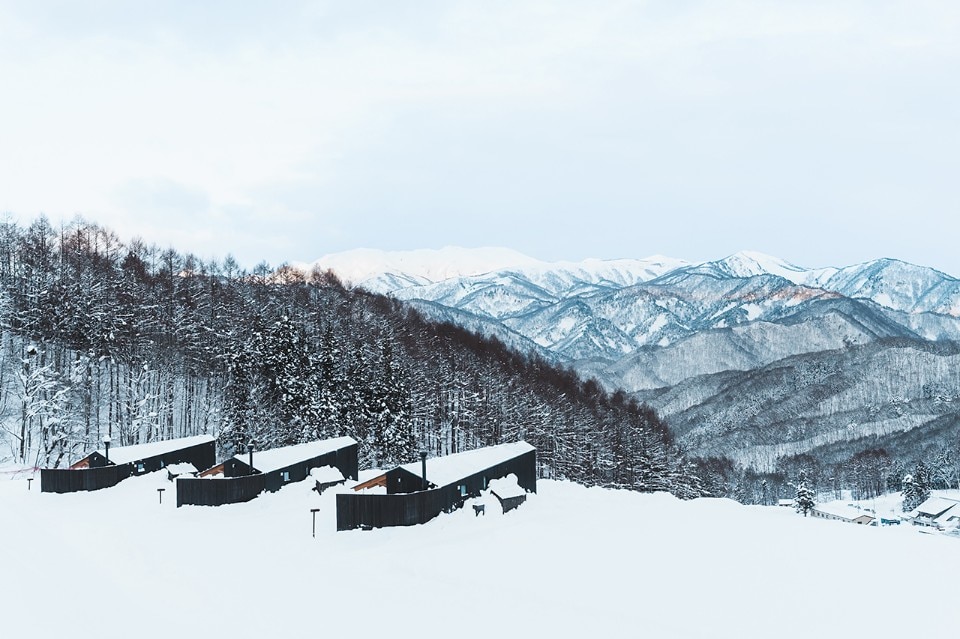
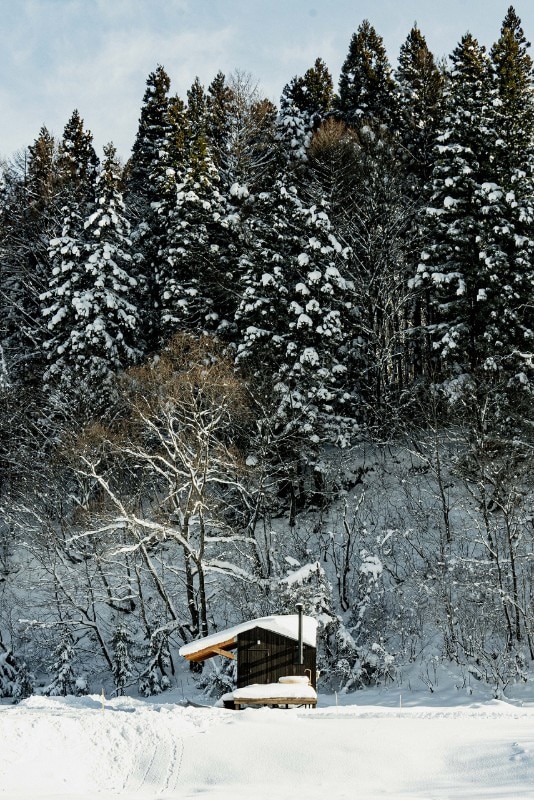
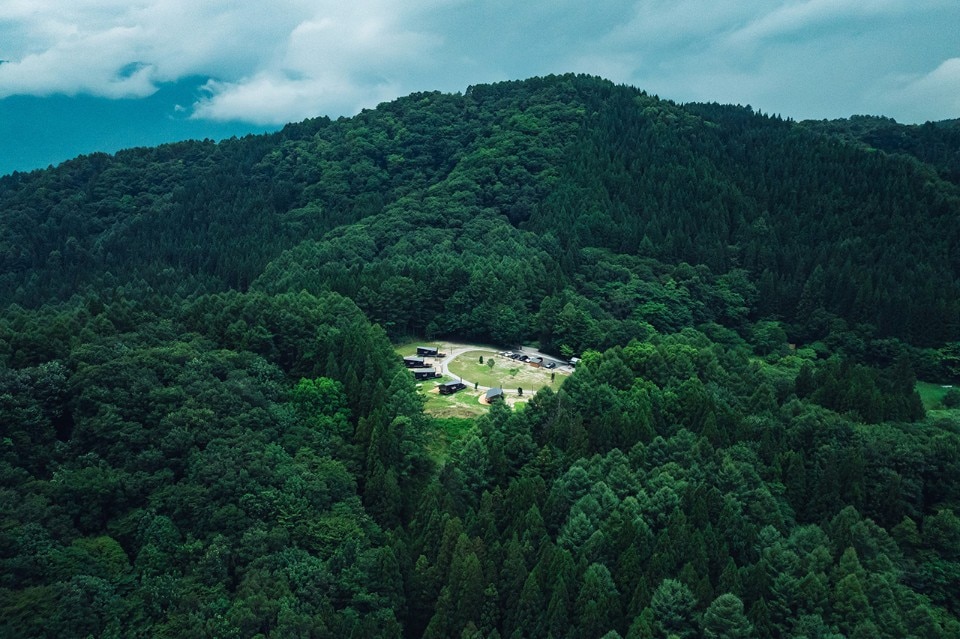
During Japan’s economic boom, from the late 20th to the early 21st century, a large number of new hospitality facilities were built—many even in mountainous regions—often with little regard for the surrounding landscape and natural environment.
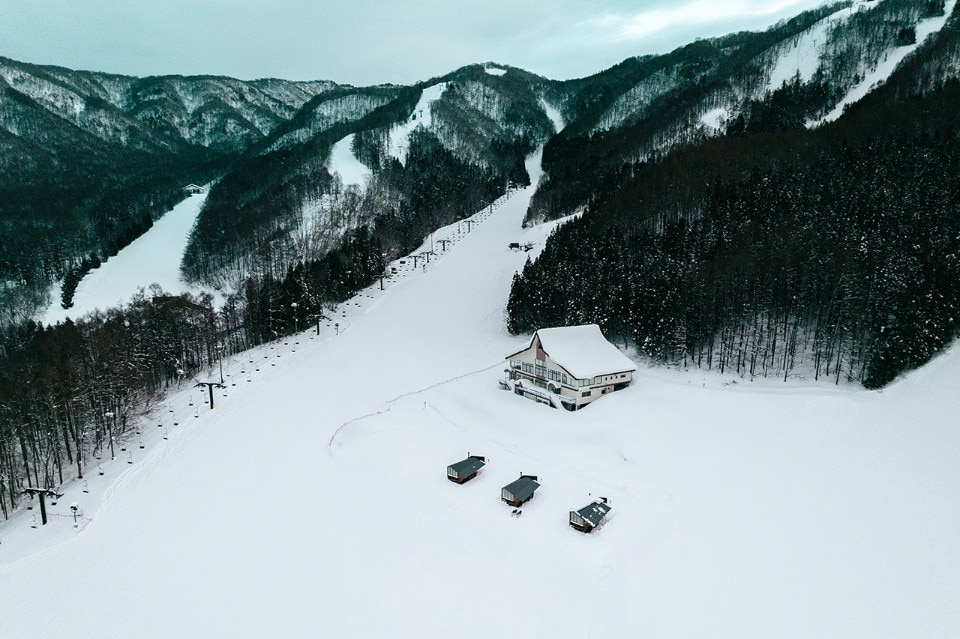
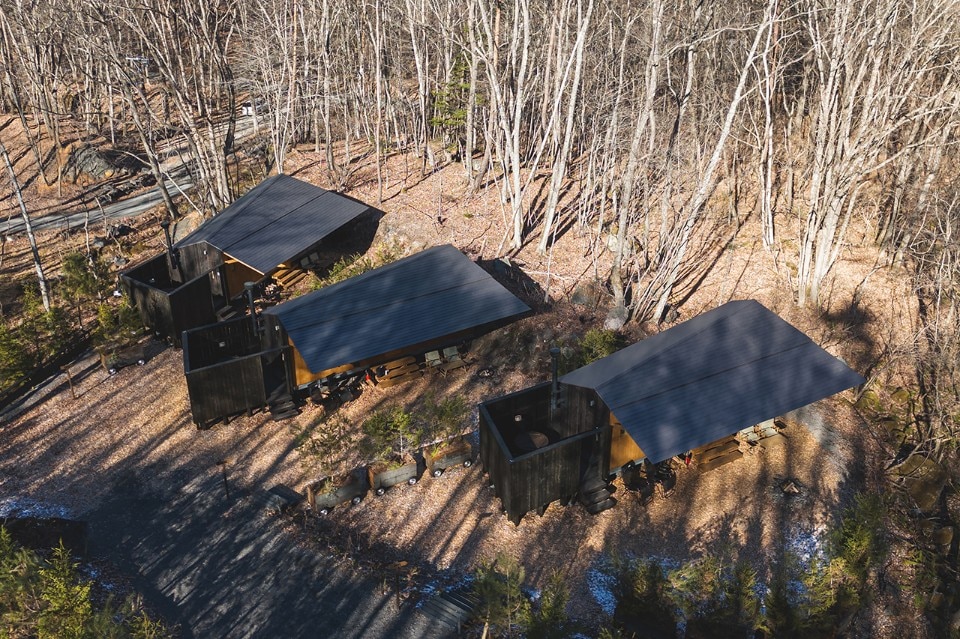
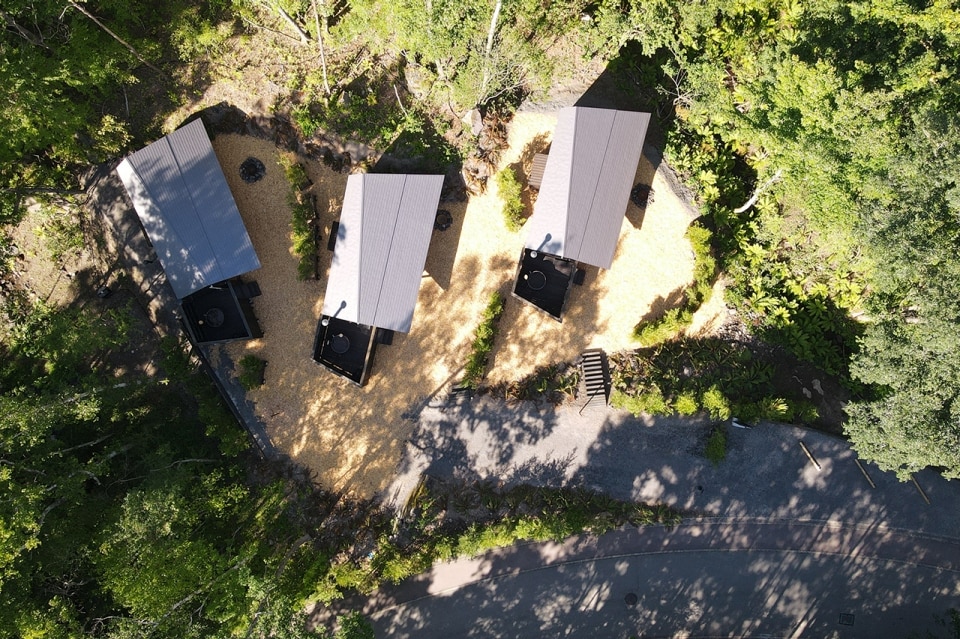
Earthboat was conceived as a response to this trend: a small-scale, flexible, and transportable housing model, designed for light and reversible installation in Japan’s rural areas.
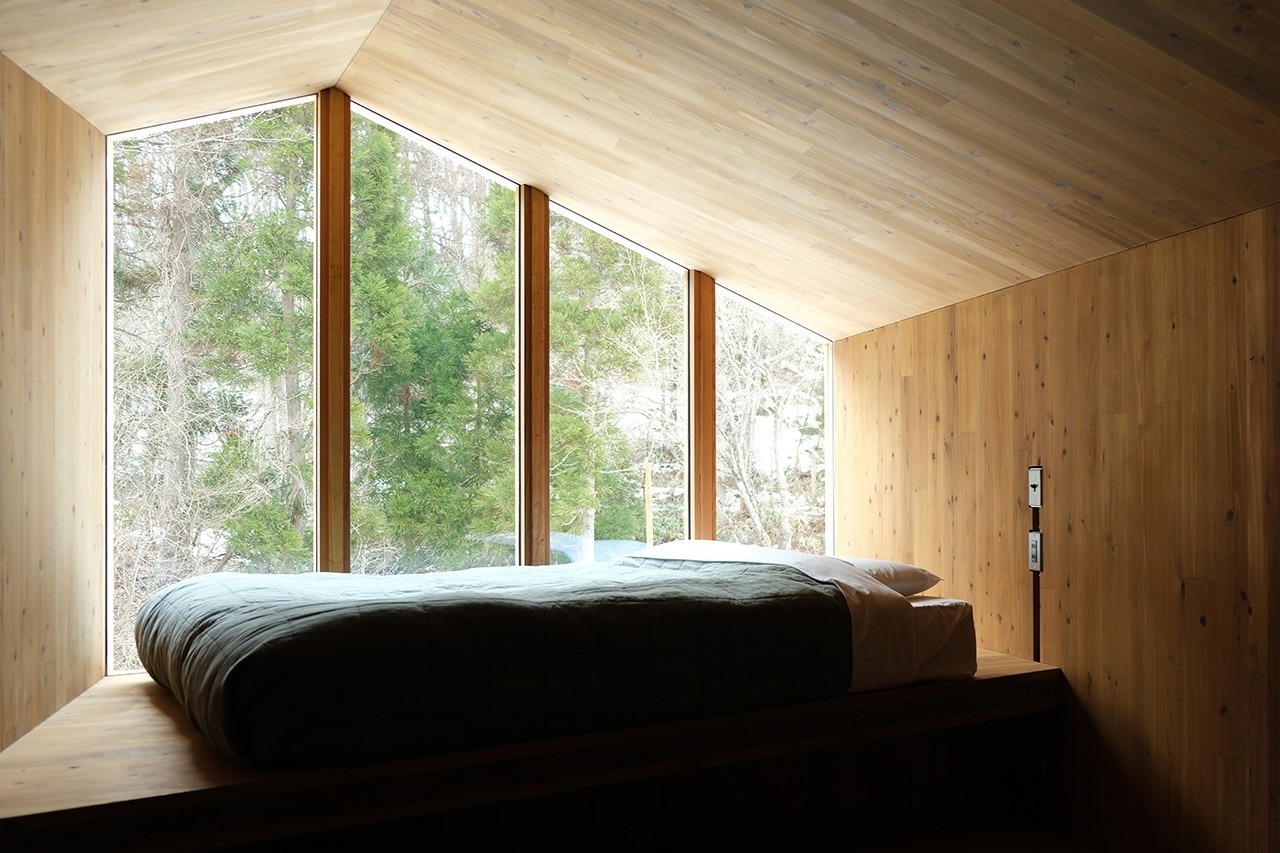
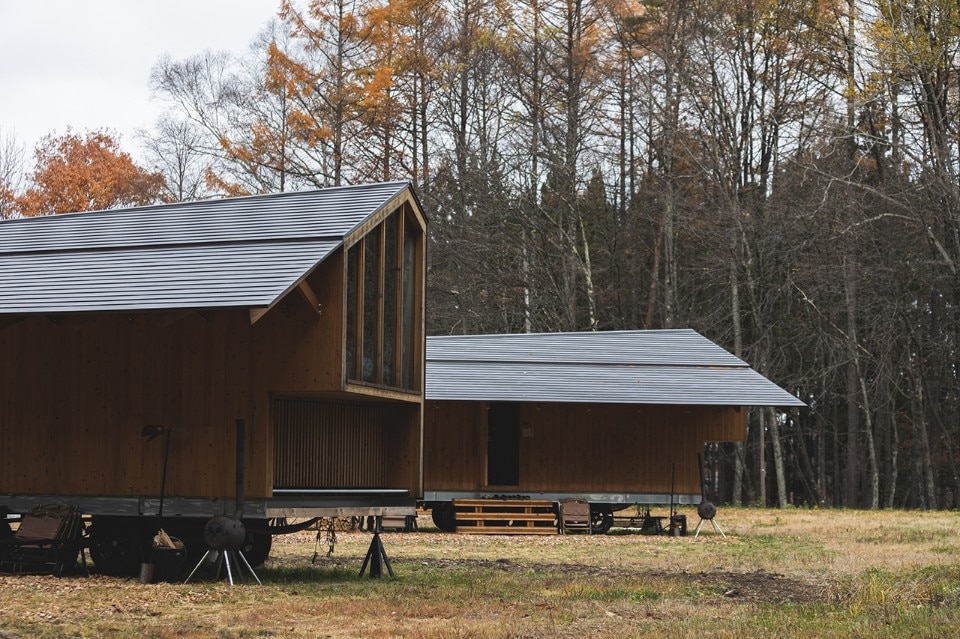
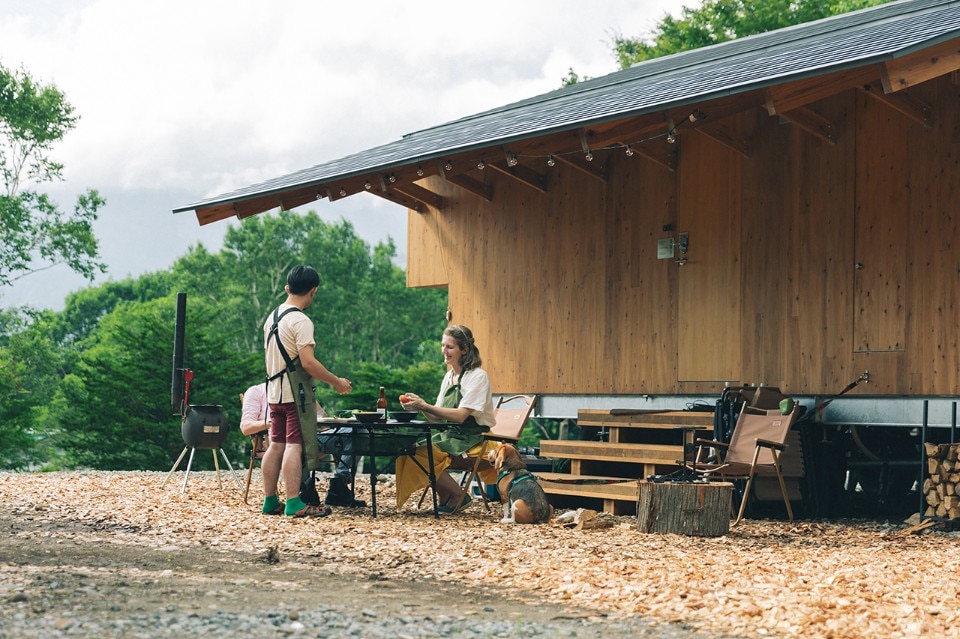
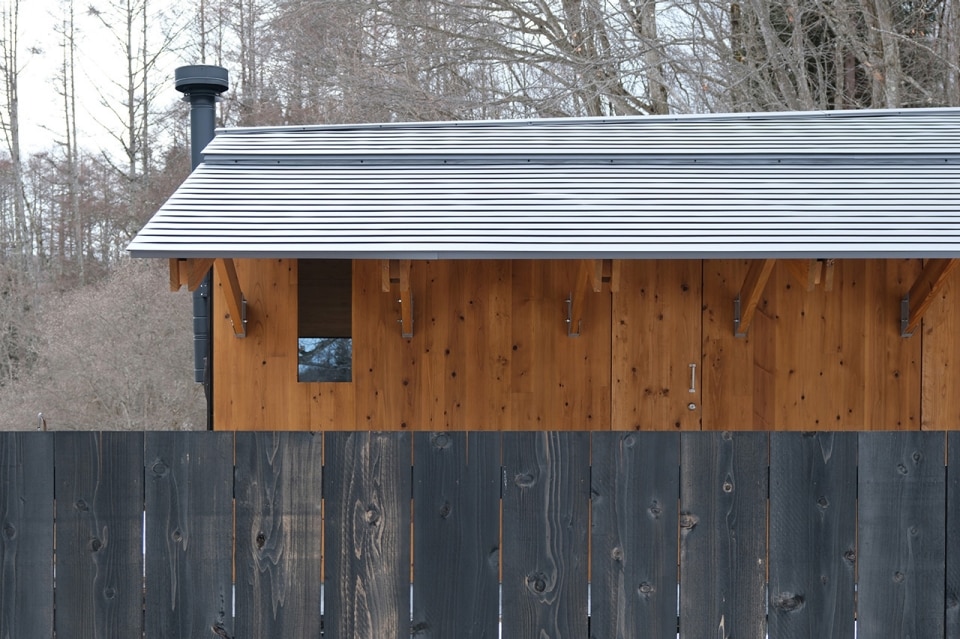
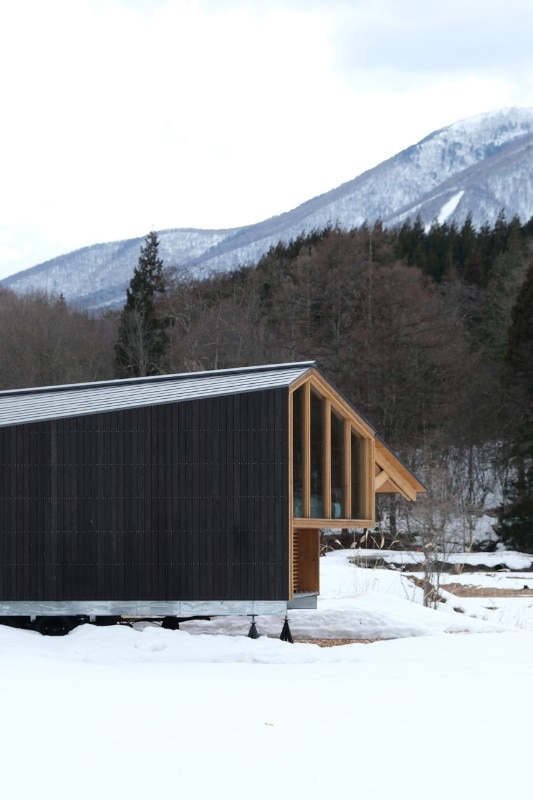
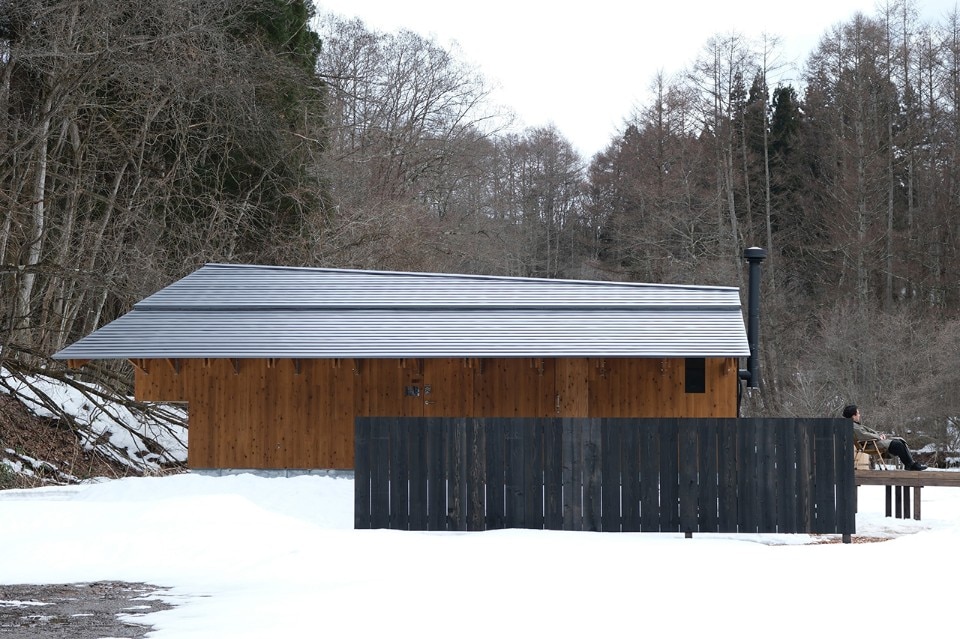
The project takes the form of a mobile cabin made entirely of Japanese cedar, designed to offer a close connection with nature while minimizing its impact on the ground and biological cycles. Prefabricated off-site and transported to location, each unit is assembled dry onto a raised platform, allowing for rapid installation and a significantly reduced ecological footprint.
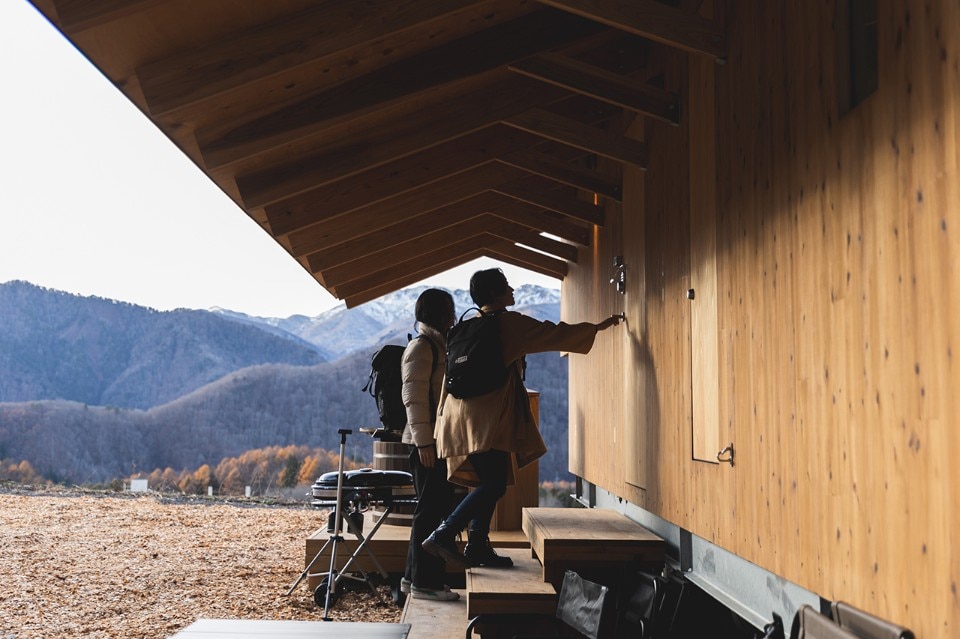
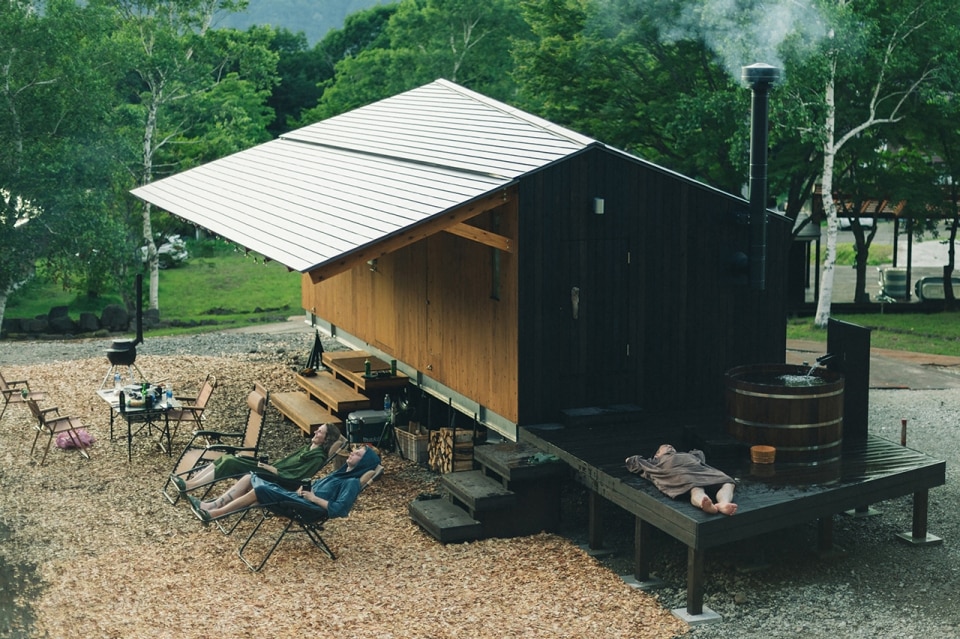
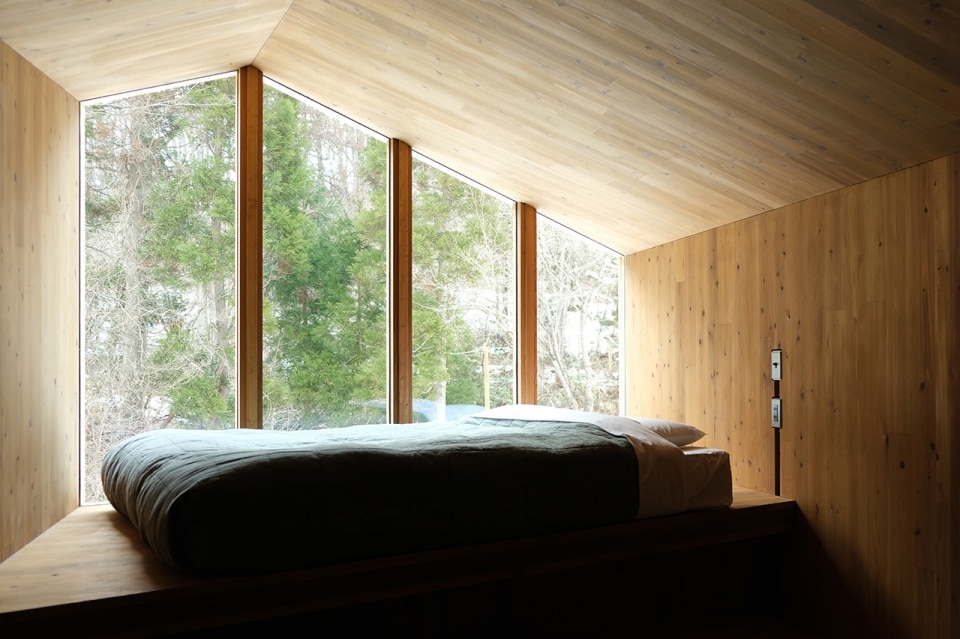
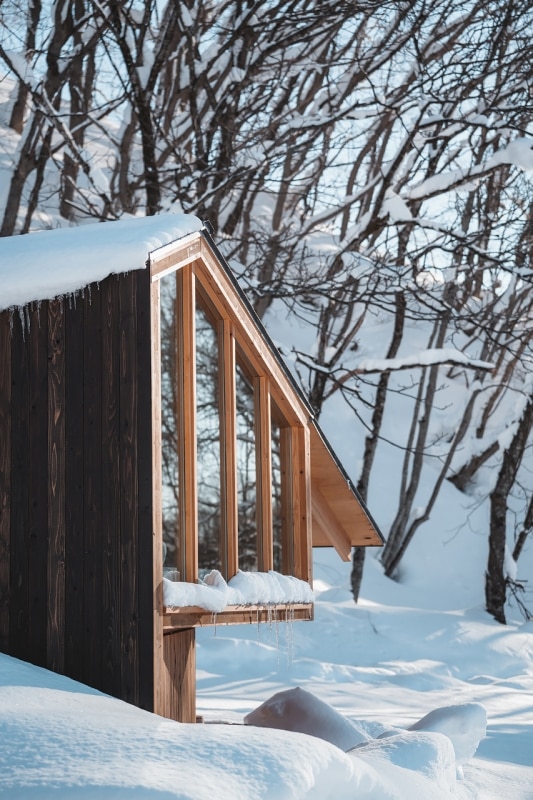
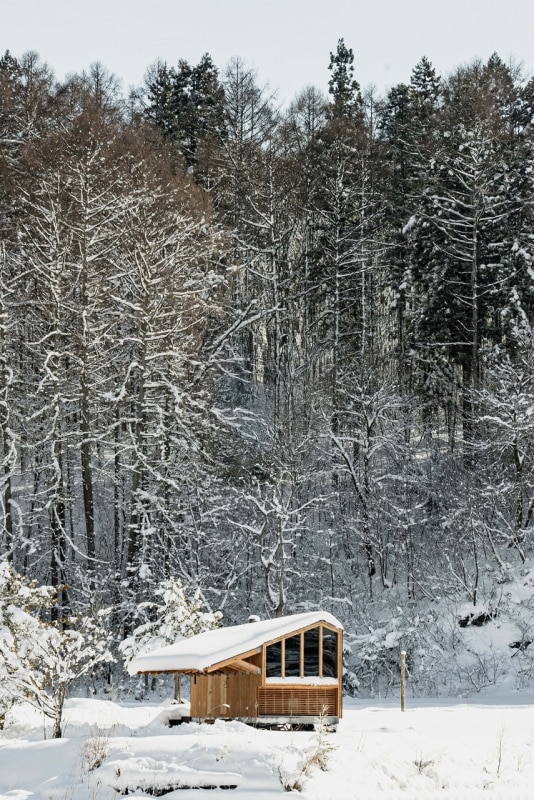
The architecture is essential and archetypal, inspired by the traditional gabled house form but reinterpreted through a play of solids and voids. One side of the asymmetric roof is left open, creating a covered but permeable space that acts as a threshold between the cabin interior and the surrounding landscape.
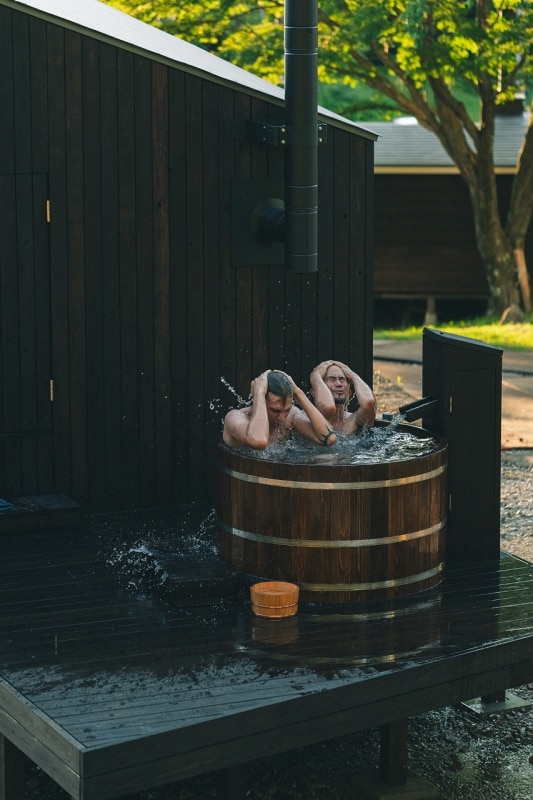
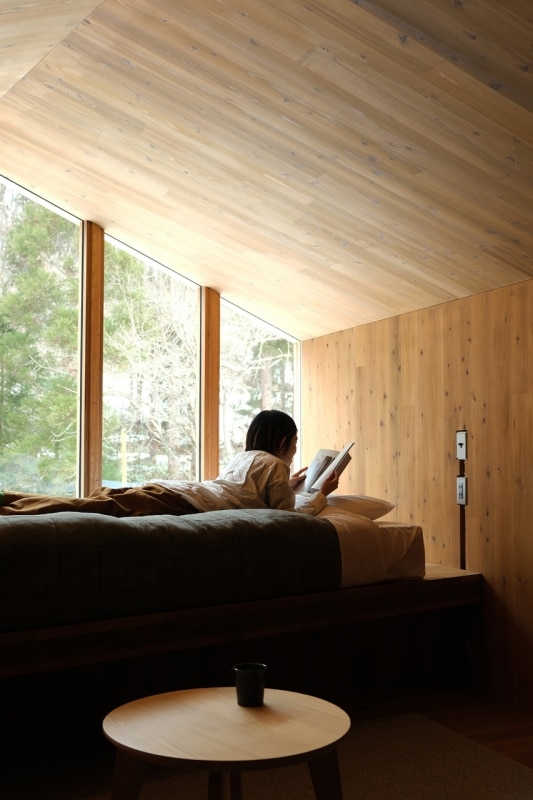
The sleeping area opens directly to the outside thanks to a large glass window, while a minimal set of functions—kitchen, bathroom, compact but efficient—reinforce the cabin’s essential character. A small room houses a sauna, referencing local bathing traditions, while an outdoor soaking tub completes the sensory experience.
The cabin rests on a raised platform, which can be equipped with perimeter wooden panels—open or closed depending on climate and living needs—making Earthboat a flexible architectural device, balancing permanence and reversibility.