results
No results
Please enter a long search term
Lynn’s intricate surfaces in Vienna
Complex and highly flexible spaces, surfaces reinvented in thousands of ways with as many different views. These are some of the ingredients of the architecture of Greg Lynn, a student of Peter Eisenman and leader of a new generation of architects who in the mid nineties revolutionised the use of the computer, transforming it into the principle tool for working with, an inexhaustible source of forms and lines. (“It is always more interesting to begin with an inventory of what machines want to do to us” he maintains, “before we start asking what we desire from the machines”). MAK in Vienna is now dedicating a major exhibition to his theories and buildings (from 10 September and until 16 November).
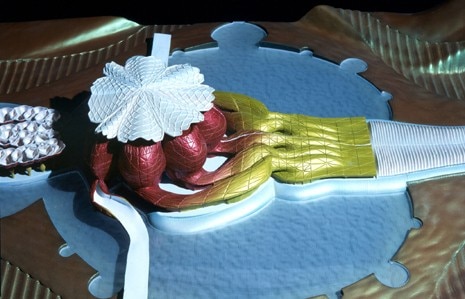
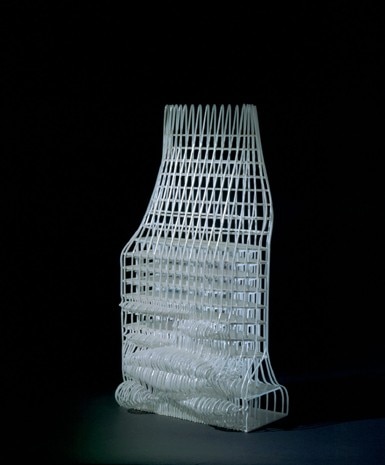
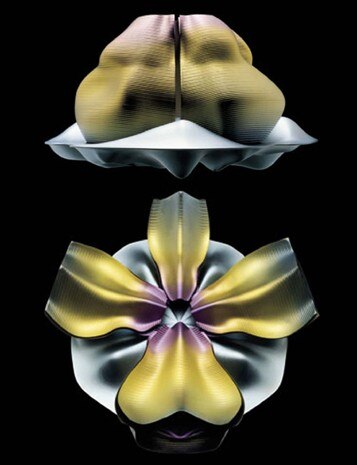
In order to offer a more tangible explanation of how the amorphous, curvilinear and intricate lines are conceived, something of a trademark in his projects, the American architect who since 1994 has lead FORM in Los Angeles, does not hesitate to make reference to the historical collection of the museum: Jugendstil glass and Rococo silverware are placed in direct comparison with architecture and design objects, as well as living organisms with bold and fascinating forms such as jellyfish and butterflies. In the exhibition, these are mixed with the drawings and models of buildings under construction – such as the “Arc of the World” museum in Costa Rica and the “Kleiburg Block” housing near Amsterdam – and virtual architecture such as the BMW factory in Leipzig or the Sangallo Museum of Natural History in Switzerland.