

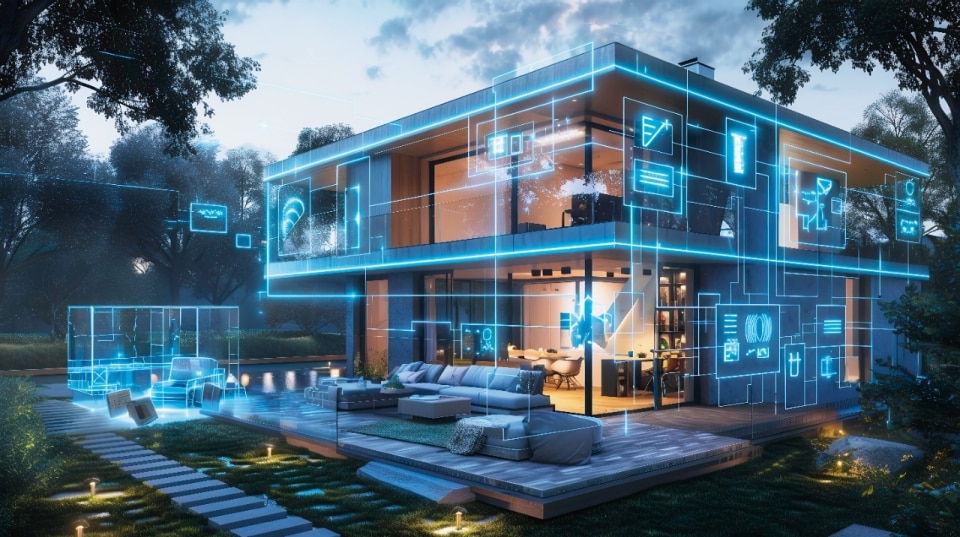
Washing machines and vacuum cleaners presented to excited crowds with a level of ceremony that, until a few years ago, was reserved for the global presentation of the latest model of smartphone. It is clear that something has changed significantly when, over the past year at both the CES in Las Vegas and the IFA in Berlin – the two leading global consumer electronics trade fairs that represent annual platforms for the launch of new and innovative market trends – the focus of attention has been the smart home, connected and intelligent, with its countless forms of products and design philosophies.
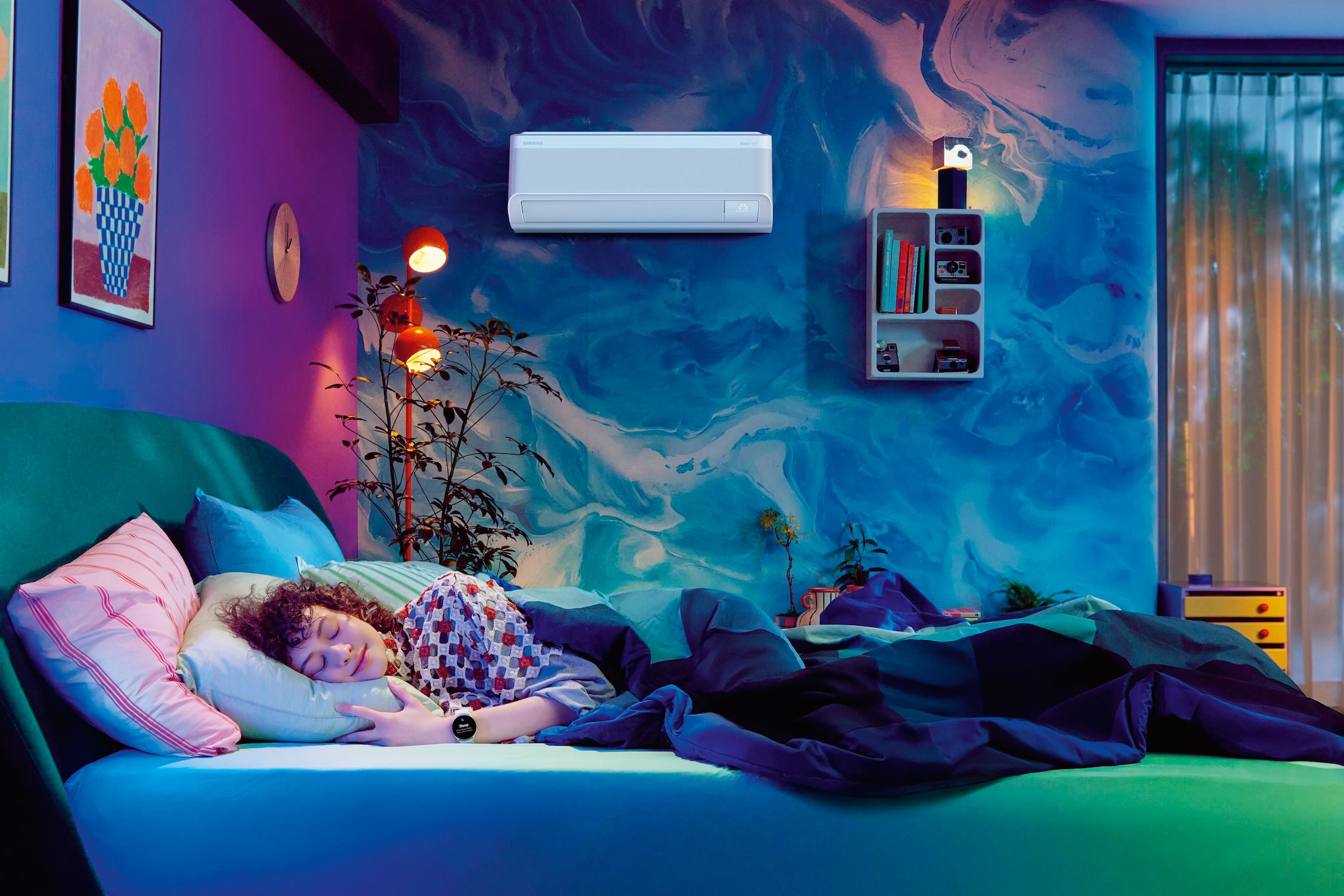



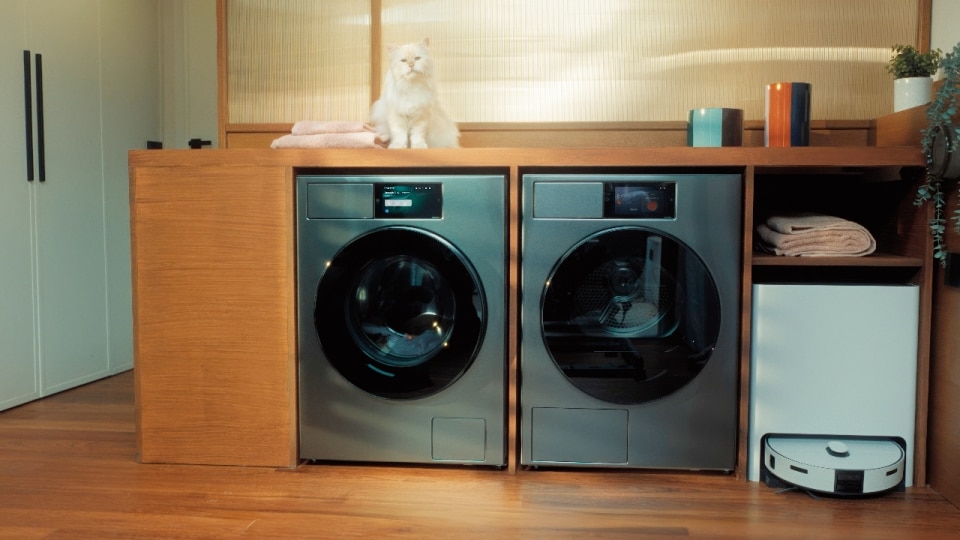
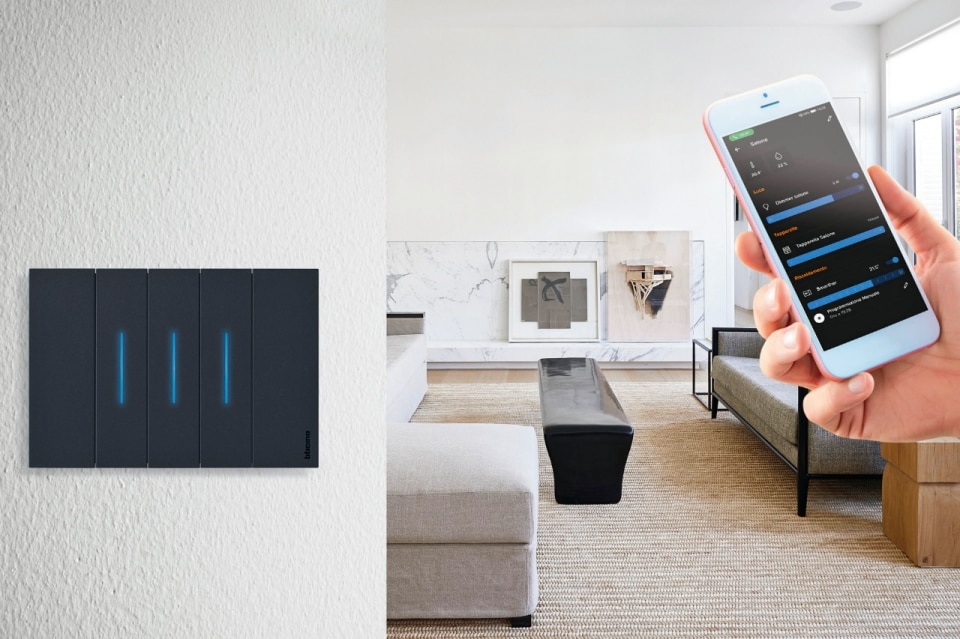
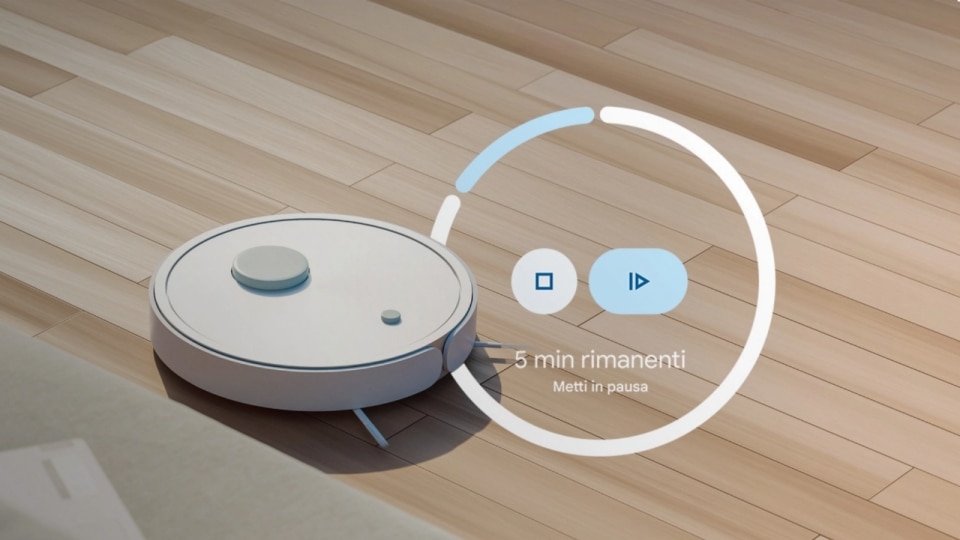
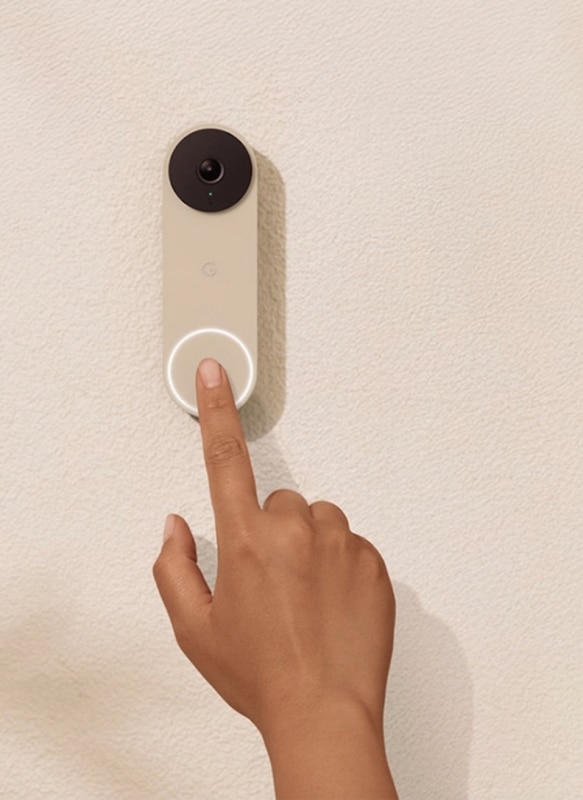
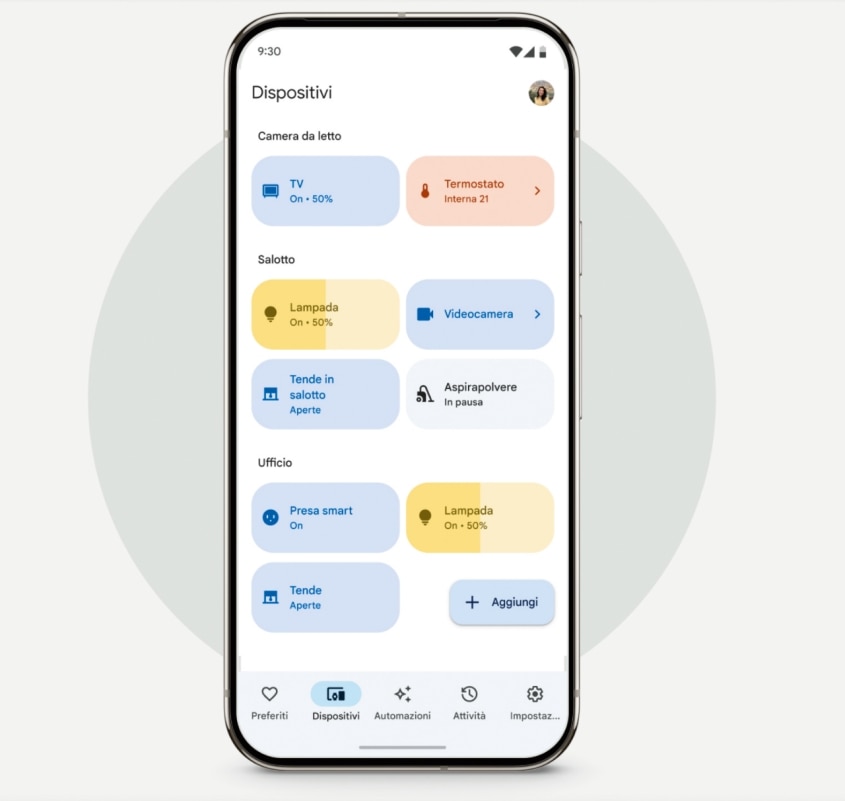
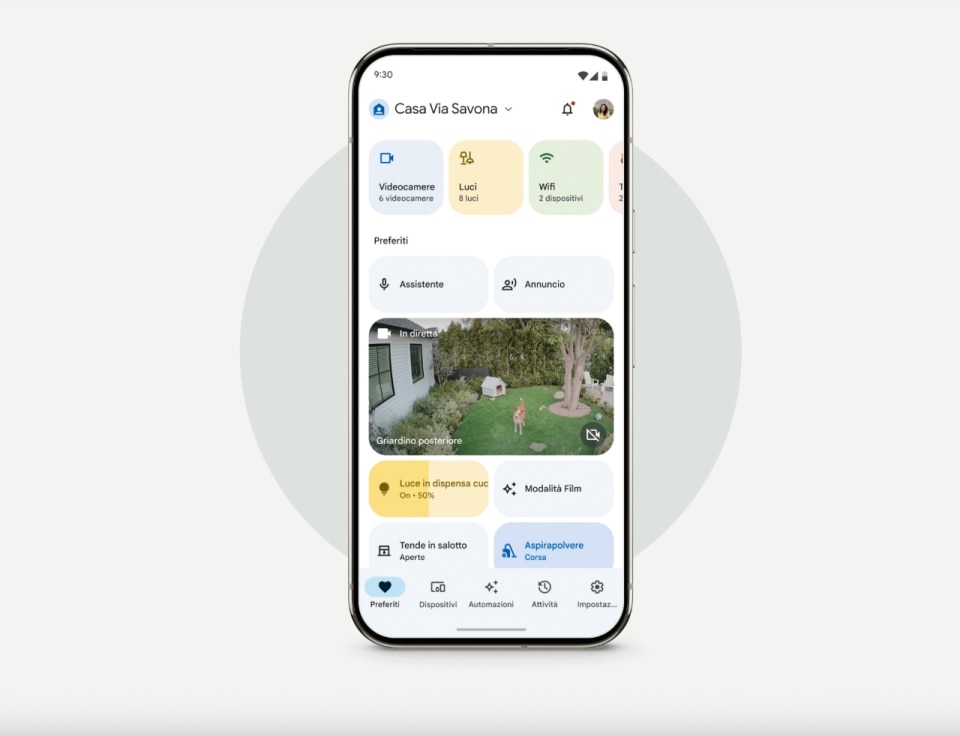
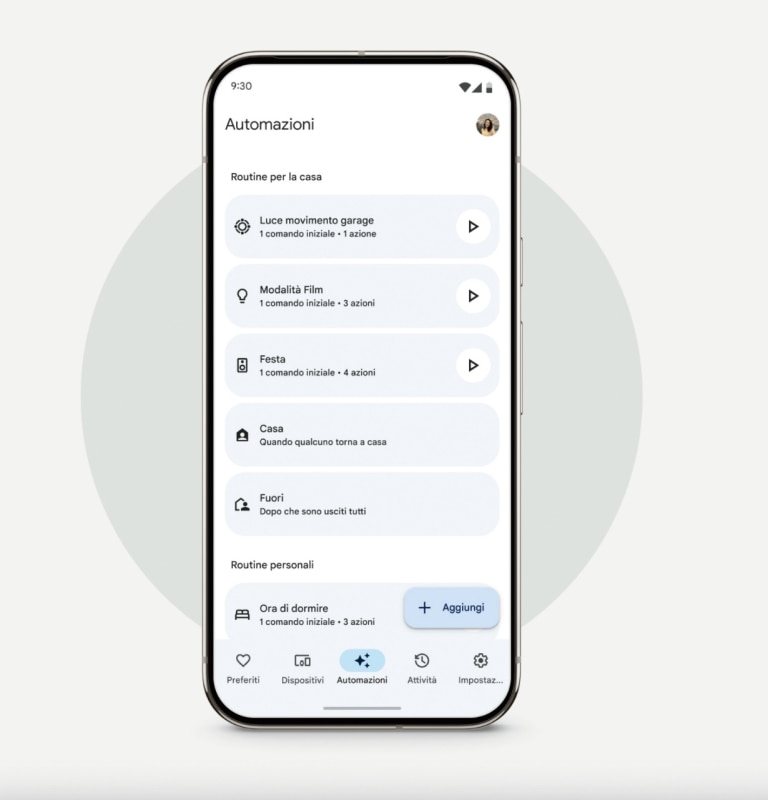
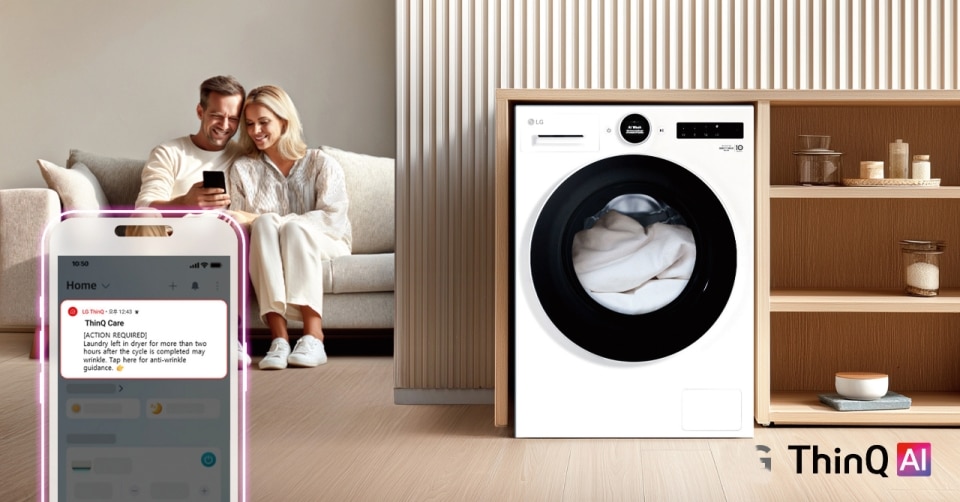
When did floor-cleaning robots become cooler than the latest-generation smartphones? What happens when artificial intelligence stops being a concept for the chosen few and begins telling us when the milk in our fridge is about to go off, puts a new batch of coffee capsules in our Amazon cart and turns on the heating 20 minutes before we get home because it has linked to the Waze app in our car and knows that we will be parking at 8.50?
The answer lies in the technological triple jump that is leading domestic and working environments from end-point automation running on a physical network to smart-home technology (with devices and functions connected wirelessly), and on to the current frontier of the AI home, representing an integrated ecosystem in which domestic networks – lighting, heating and cooling, blinds and curtains, security systems and access control – communicate with each other and with appliances, gathering data on use and daily habits to autonomously and even predictively manage the functions of a building and the comfort of its inhabitants. The result is an increasingly efficient management of the home system, with significant savings in terms of energy (and money).
The fact that most of this scenario is already a reality for many is backed up by numbers. Last year, according to the Internet of Things Observatory at the Politecnico di Milano School of Management, the connected-home-technology sector in Italy reached the EUR-900-million mark, with growth of 11 percent over the previous year (the European average is 6.5 percent). This growth has been driven by the home security sector: video-cameras, sensors for doors and windows, and connected locks, representing 28% of value. This segment is followed by appliances (19%), energy saving devices (boilers, thermostats, thermal valves and connected conditioning units, at 16%), and smart speakers (14%). “The most significant data”, explains Giulio Salvadori, director of the Observatory, “concerns the progressive increase in awareness of the benefits and advantages of having a technologically advanced home. This awareness is growing not only among consumers but also within the installation and maintenance sector, which plays a determining role in guiding this transition. In addition, a growing number of companies are focusing on the exploitation of data and on offering new services with AI solutions that guarantee an increasingly personalised user experience, fostering customer loyalty and creating value through the data gathered”. A further contributing factor is that making an existing home “intelligent” no longer requires invasive structural works or physical wiring.
It is a process that has only just begun. As Salvadori explains, “the coming challenges for the smart home will be the evolution of ecosystems for interoperability between the products and devices made by different companies, with the Matter standard at the forefront among the most significant initiatives and the implementation of the Data Act, with which the European Commission proposes to regulate and harmonise fair access to data, including those produced by connected domestic devices”. All of this is taking place, again on an EU level, against the backdrop of the Green Homes Directive that Member States are required to implement by the end of 2026. In order to align Italy with the indicated targets, it will be necessary to increase energy savings to at least 40 thousand GWh per year for the next ten years. “It is for this reason”, concludes the professor of the Politecnico, “that in addition to the increase in renewable energy sources, it is extremely clear that smart homes will be playing a fundamental role in the near future”.
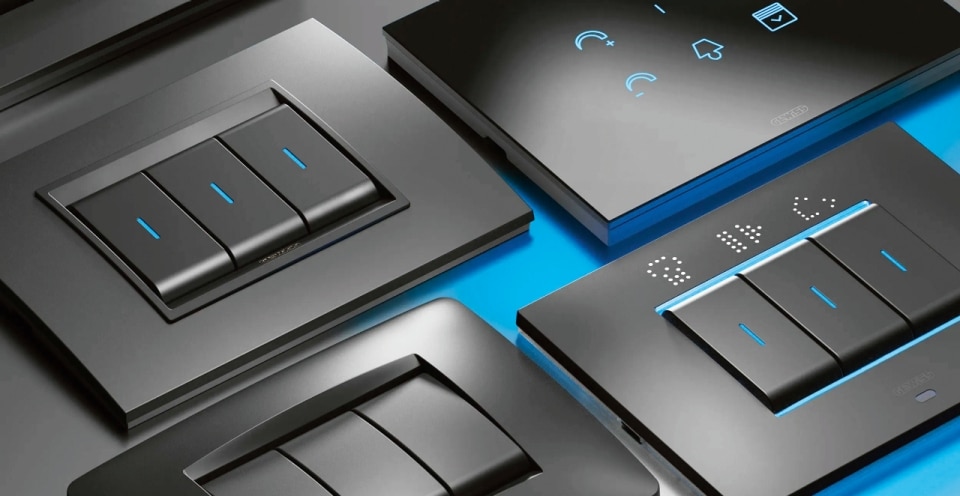
It is within this wider context, related to both trends and obligations for energy transition, that we need to view the many product innovations that are whetting the appetites of consumers. These proposals are emerging from a hybrid market, in which structural systems companies (lighting, air conditioning, surveillance) and consumer appliance and electronic manufacturers are finding themselves sharing the market with proposals from technology giants offering products already set up to dialogue with a digital home management hub via increasingly fluid and open interoperability protocols. At the beginning of October, Google announced the integration of its Gemini artificial intelligence technology into the ecosystem of products and services for smart-home management. Apple also appears to have decided to make decisive moves in this market, with a presentation expected for spring 2026 of its own smart-home hub, the heart of a connected home, running on Siri intelligence.
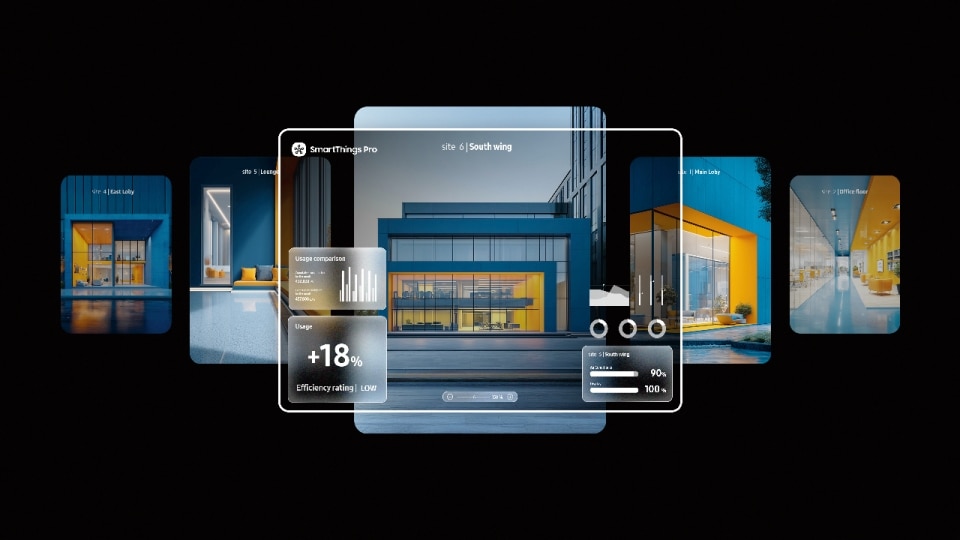
The most advanced paths are those taken by multi-sector companies developing pre-integrated solutions, ranging from dialogue and management platforms to individual appliances. At the IFA in Berlin, Samsung presented its Smart Modular Home, a residential model based entirely on AI and capable of combining intelligent appliances from the Bespoke AI range with high-efficiency heating, ventilation and air-conditioning systems and fluid connectivity via the centralised SmartThings control system. “Samsung’s AI Home moves beyond smart devices to homes that truly understand you, adapt to your needs and care for what matters most”, stated Cheolgi Kim, the Executive Vice President and Head of Digital Appliances Business for Samsung during the presentation. “This is the beginning of a new era, where technology supports your life in the background so that you can live it more fully”. An example? The system offers the Home Appliances Remote Management function, which allows support centres to constantly monitor the conditions of connected appliances, conduct diagnosis on any problems and intervene with remote assistance.
However, when single smart homes become masses of connected smart homes, creating smart districts and, in the end, the much-promised smart cities, things may truly change.
Efficiency in line with sustainability. The majority of smart appliances are already capable of automatically activating energy saving modes: air-conditioning units switch to standby when they detect an empty room, fridges reduce compressor power at times when the door is opened less often and cold is therefore maintained more easily, washing machines and dishwashers adapt water temperature and consumption according to the presence of dirt or run when contractual electricity costs are lower. Viewed individually, these are all small aspects. However, when single smart homes become masses of connected smart homes, creating smart districts and, in the end, the much-promised smart cities, things may truly change.
Opening image: an abstract view of all the possible points of connection in a smart home. Via Adobe Stock