


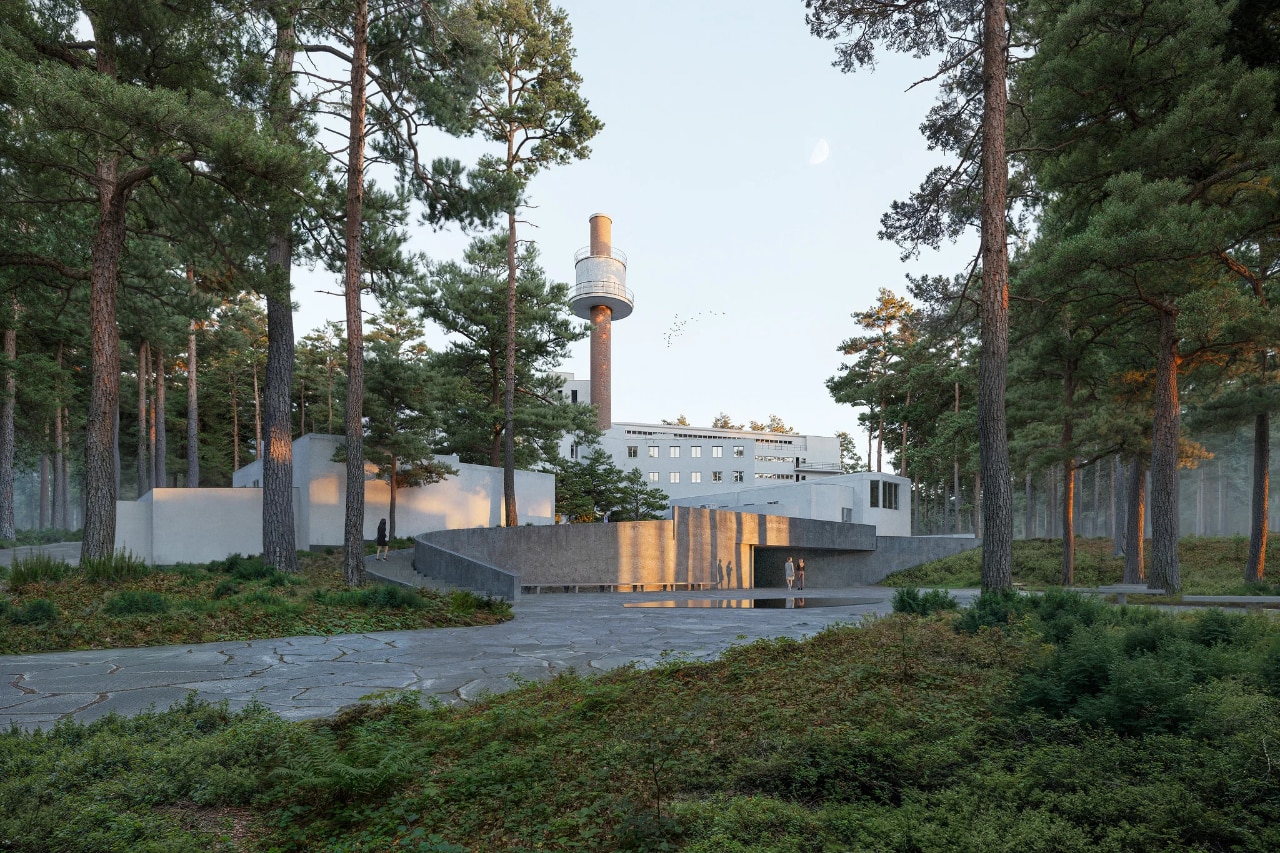

Snøhetta breathes new life into Aino and Alvar Aalto’s iconic Paimio sanatorium. The expression recalls the complex's original purpose as a treatment center for tuberculosis patients and foreshadows its future transformation into a facility dedicated to hospitality and wellness, in line with the master plan recently unveiled by the Norwegian studio.
An adaptive reuse that accompanies the complex into a new phase of its long life without, however, betraying its humanistic soul, founded on an architectural vision capable of influencing both the psychological and physical rehabilitation of the human being: from the treatment of the “mal sottile” to the remedy for contemporary ailments, through new “therapeutic,” tools of personal regeneration, social interaction and cultural nourishment.
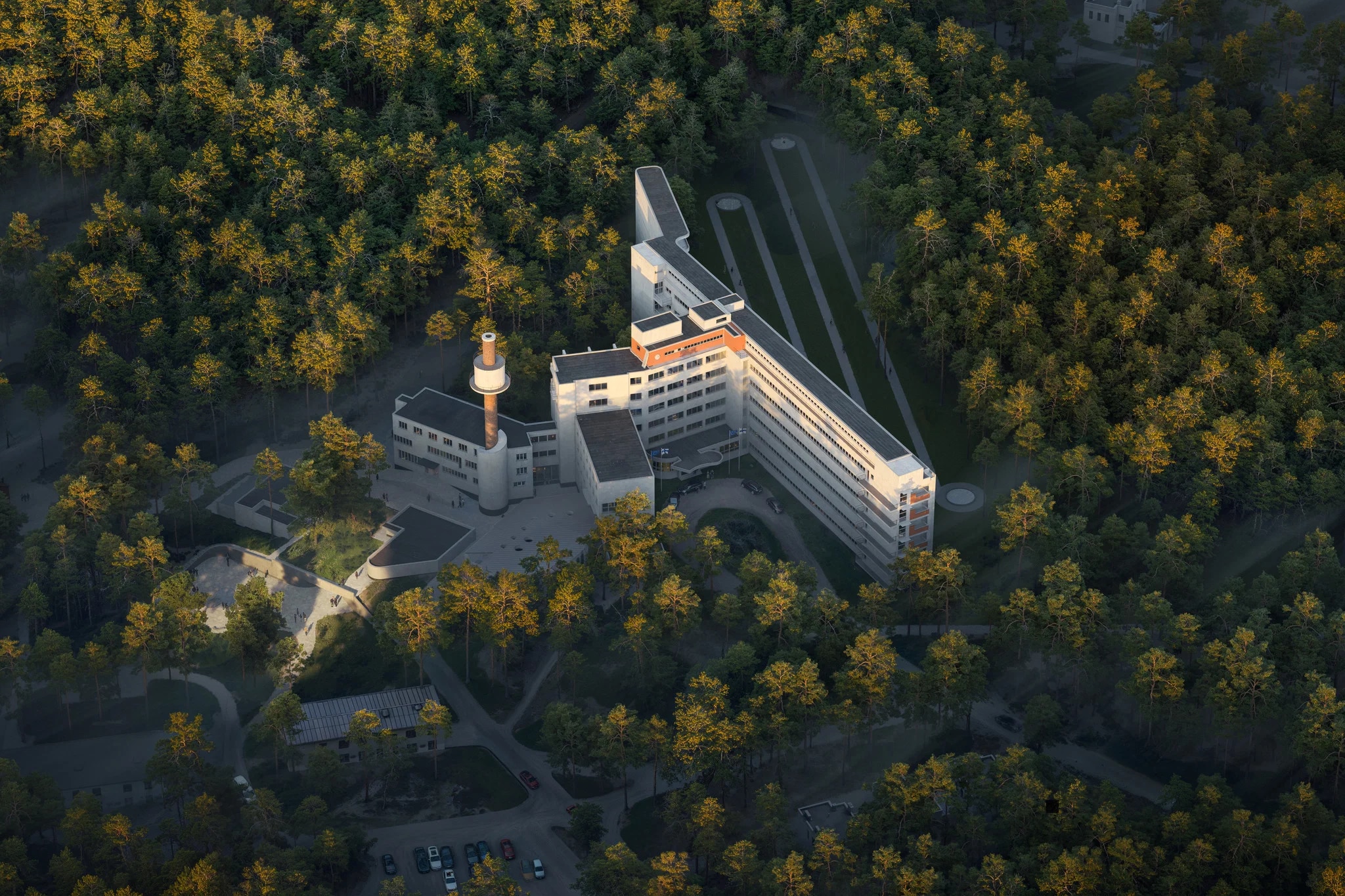
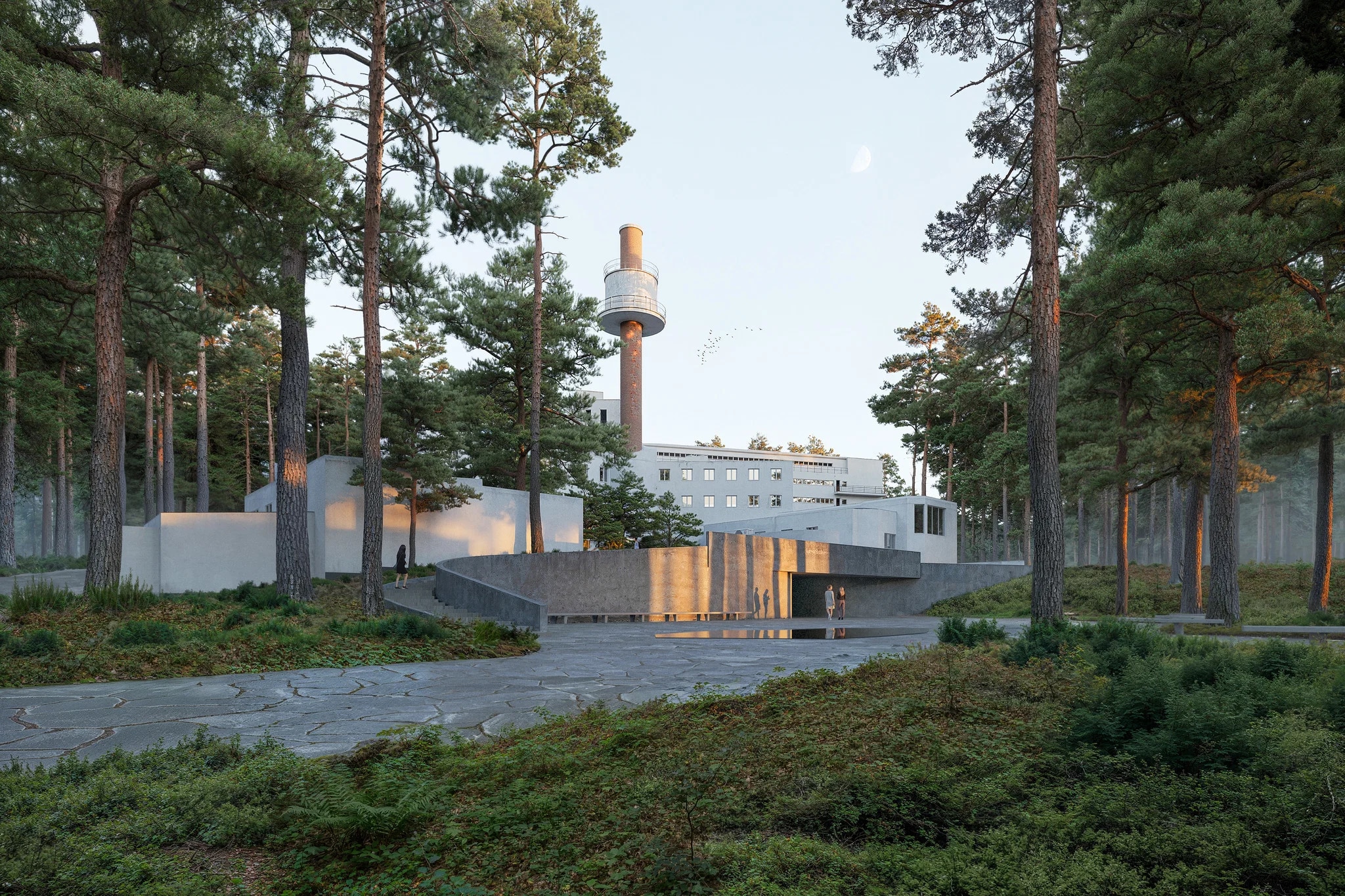
Situated in a pine forest not far from Turku and completed in 1933, the sanatorium is one of the most important examples of modern healthcare architecture. Here, the stylistic features of International Modernism — a punctiform structure, functional clarity, lack of ornamentation, and rigorous geometries — were softened by an approach far removed from mere functionalism, based on the belief that sensory and perceptual aspects were an integral part of the treatment programme: naturally ventilated buildings, oriented to maximise sun exposure and immersed in the woodland landscape, with interiors featuring a use of colour (for therapeutic rather than decorative purposes) that was surprisingly innovative for the time.
It is within this conceptual framework that Snøhetta’s project is situated, drawing on the complex’s extraordinarily well-preserved heritage and imbuing it with new meanings. Developed in close collaboration with the Paimio Foundation and the architectural practices ALA Architects and Mustonen Architects, the masterplan envisages an ecosystem comprising a hotel, a spa, cultural spaces and community facilities.
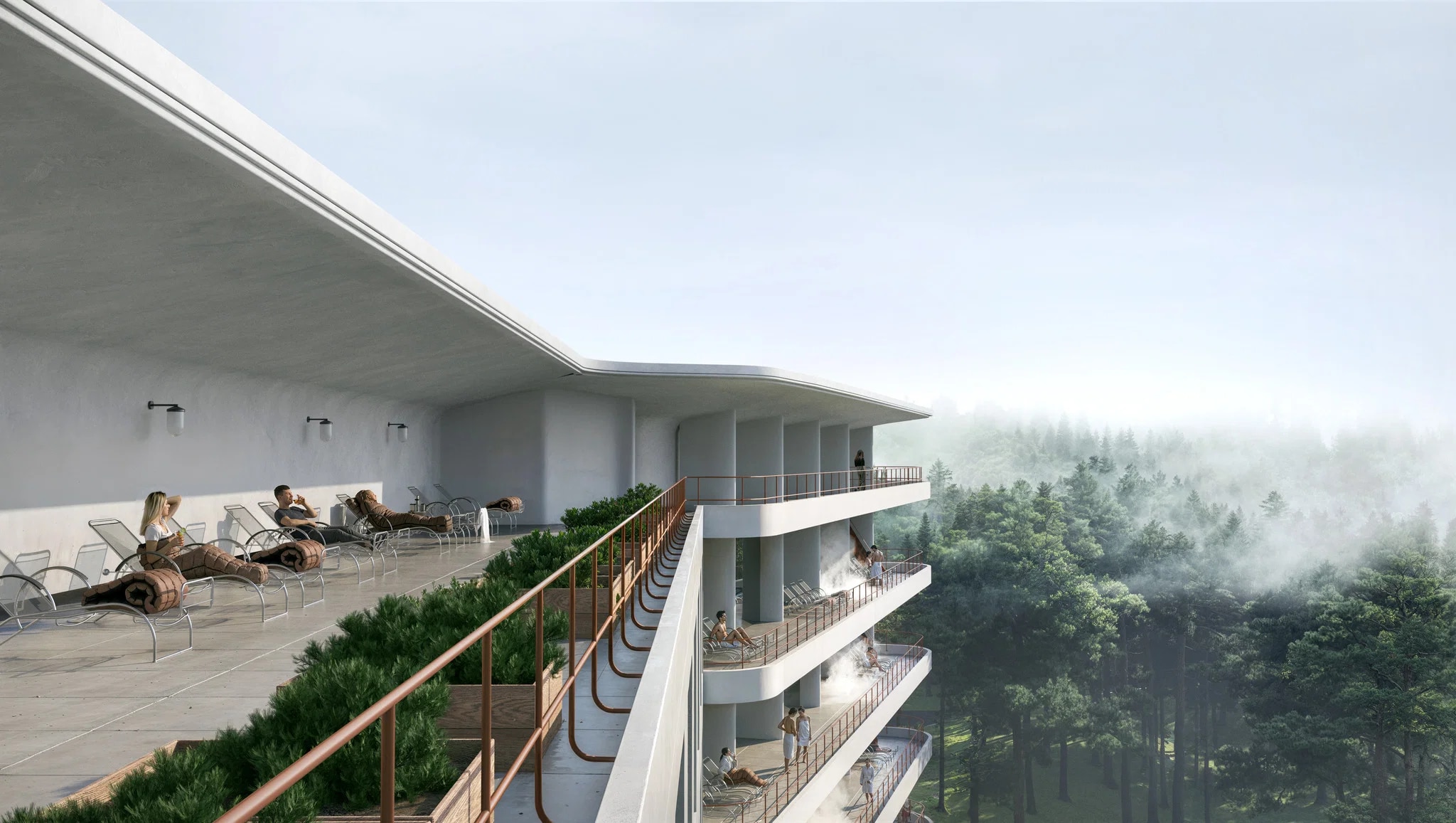
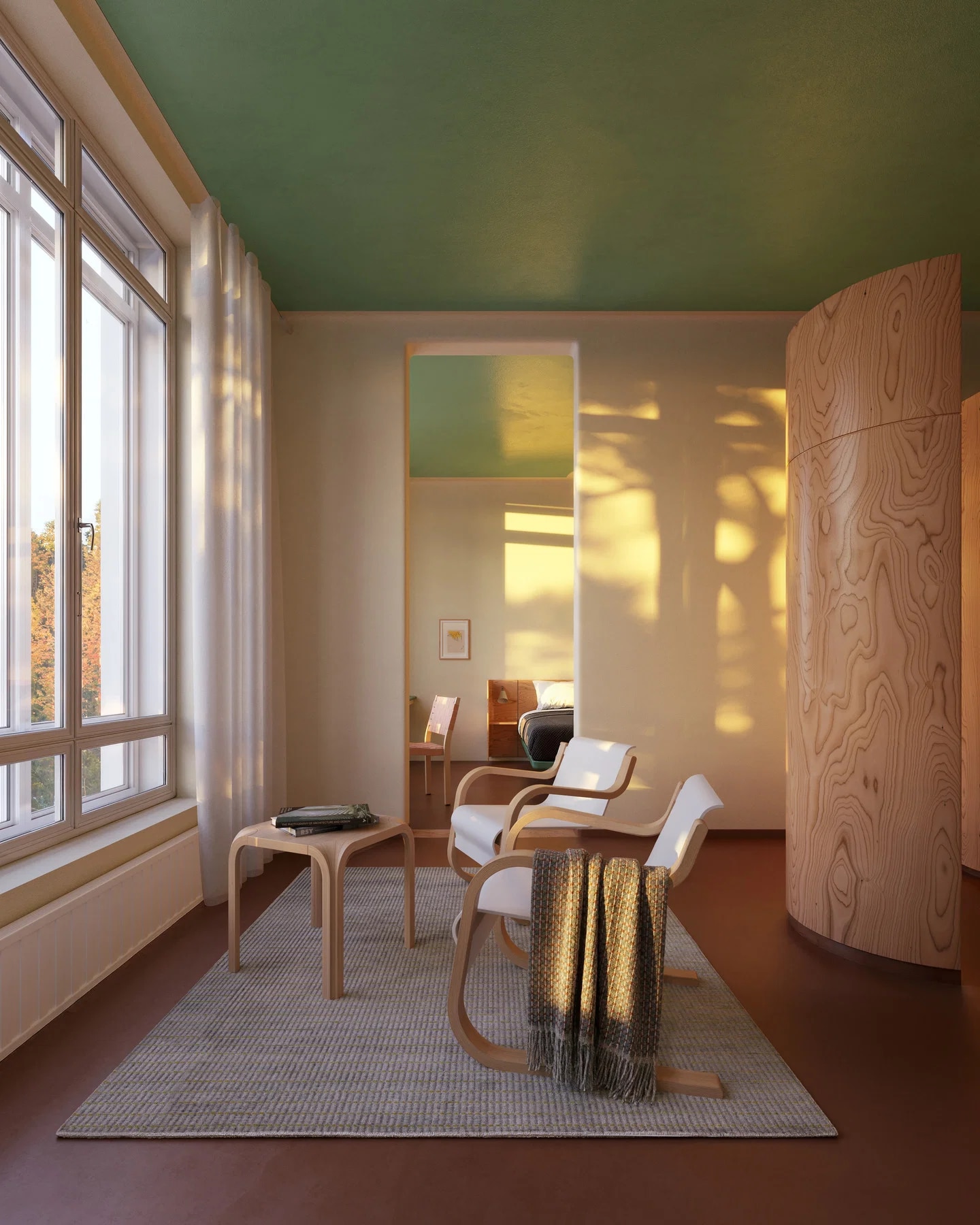
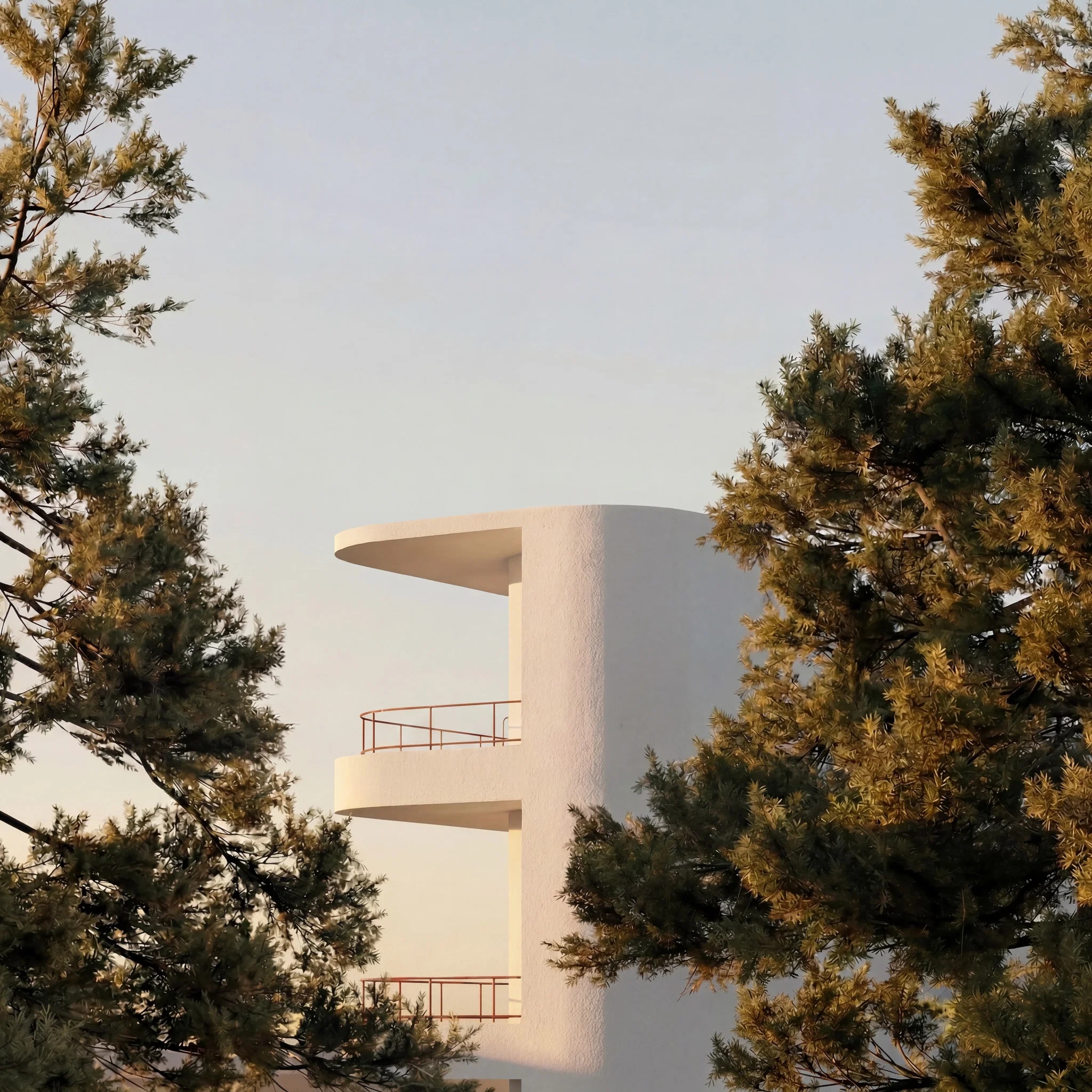
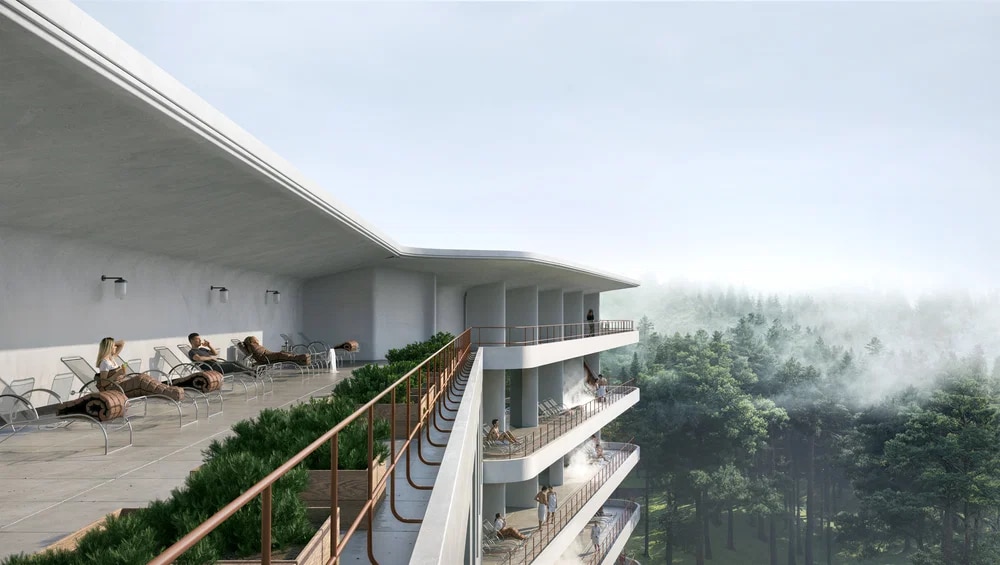
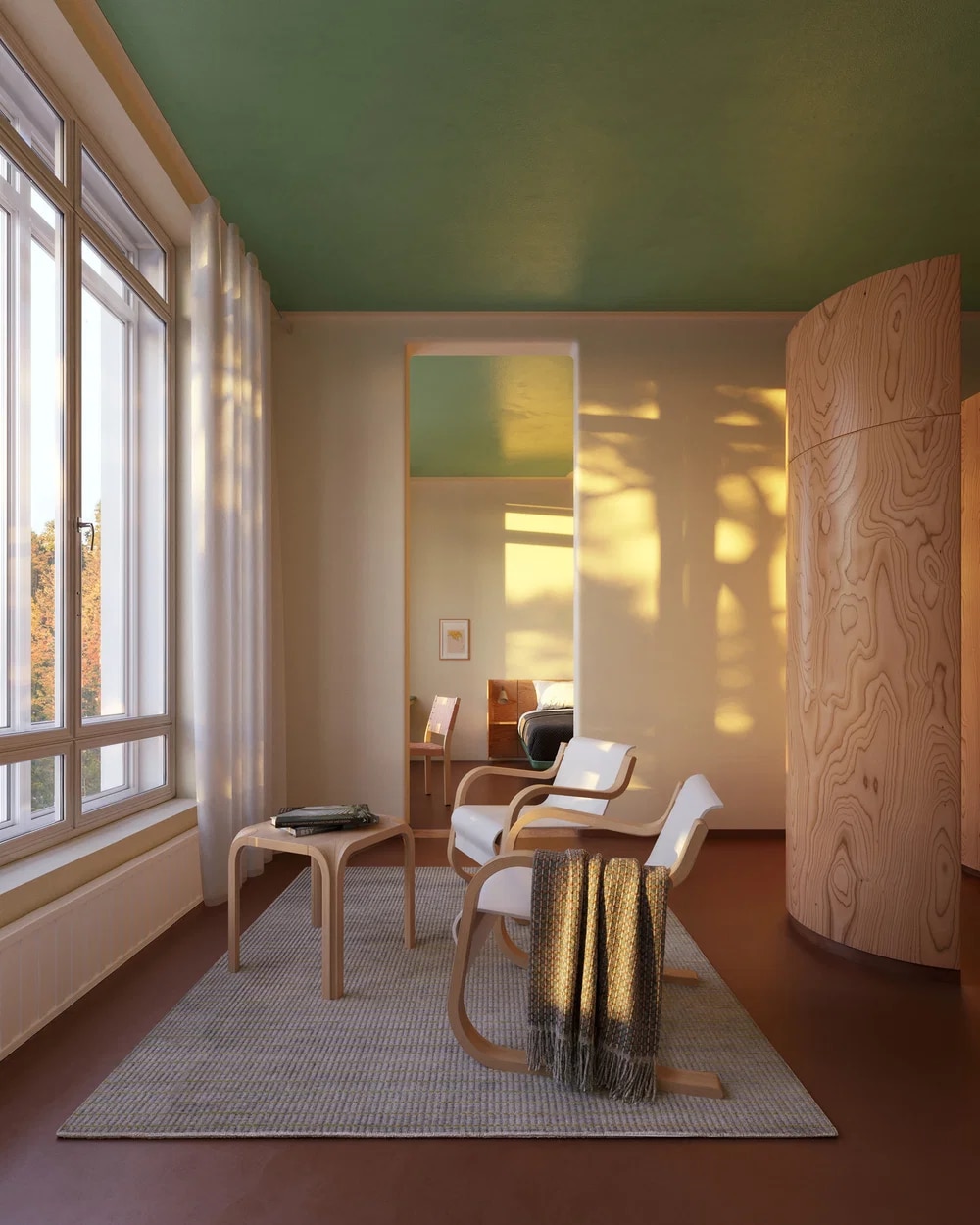
In the wing originally designated for patients, the project will convert the wards into hotel rooms with minimal interventions, keeping the historical layout legible while adapting it to the needs of contemporary hospitality, all while ensuring that any new elements remain deliberately recognizable. The traditional balconies used for “sunbathing,” which had long been enclosed with glass panels, will be reopened and made accessible from the rooms once again, restoring the direct relationship between the interior and the forest landscape.
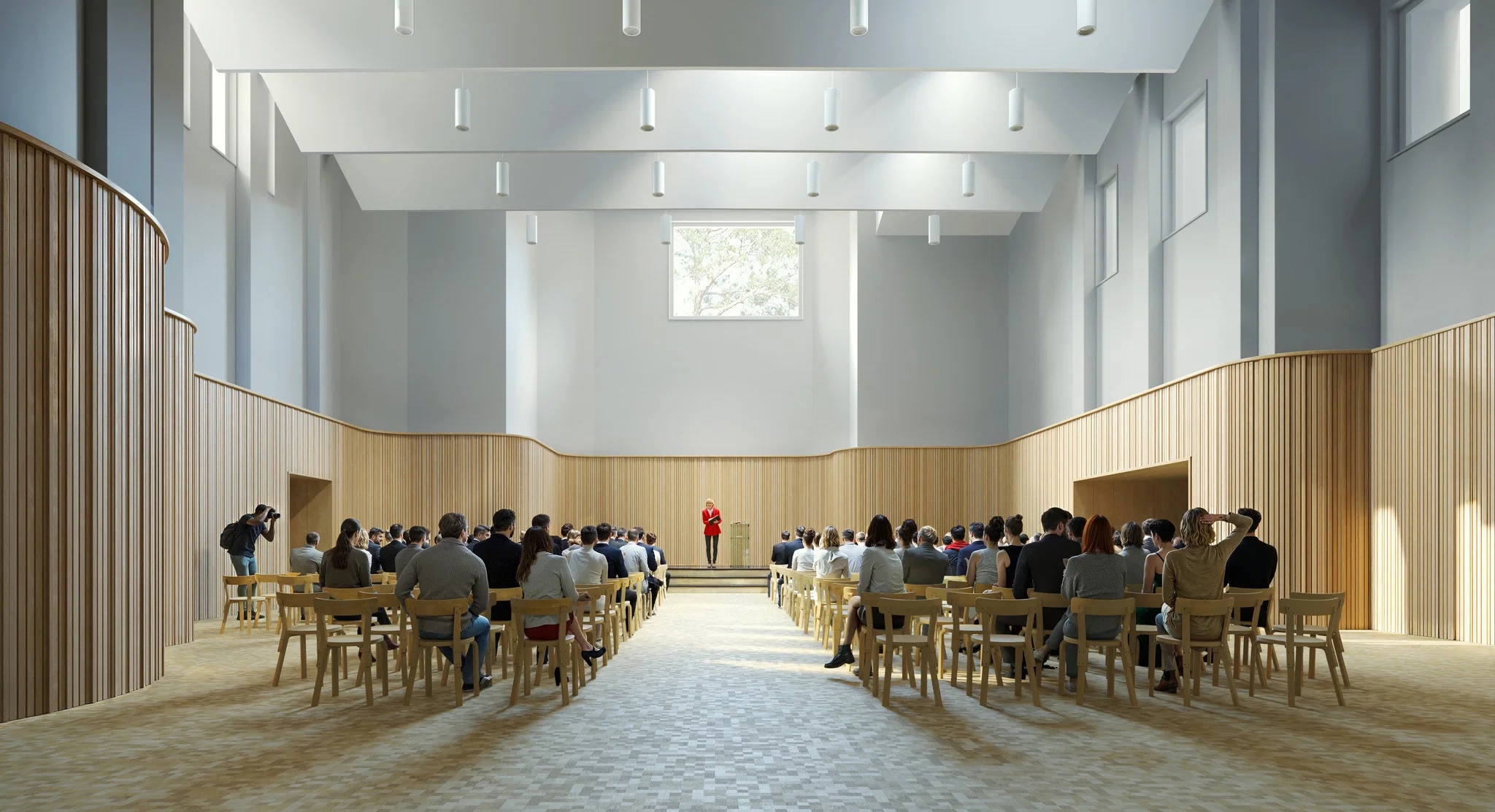
In the block formerly dedicated to medical facilities, the former surgical wing will be transformed into a flexible auditorium, independent from the rest of the complex and designed to host cultural events open to the city.
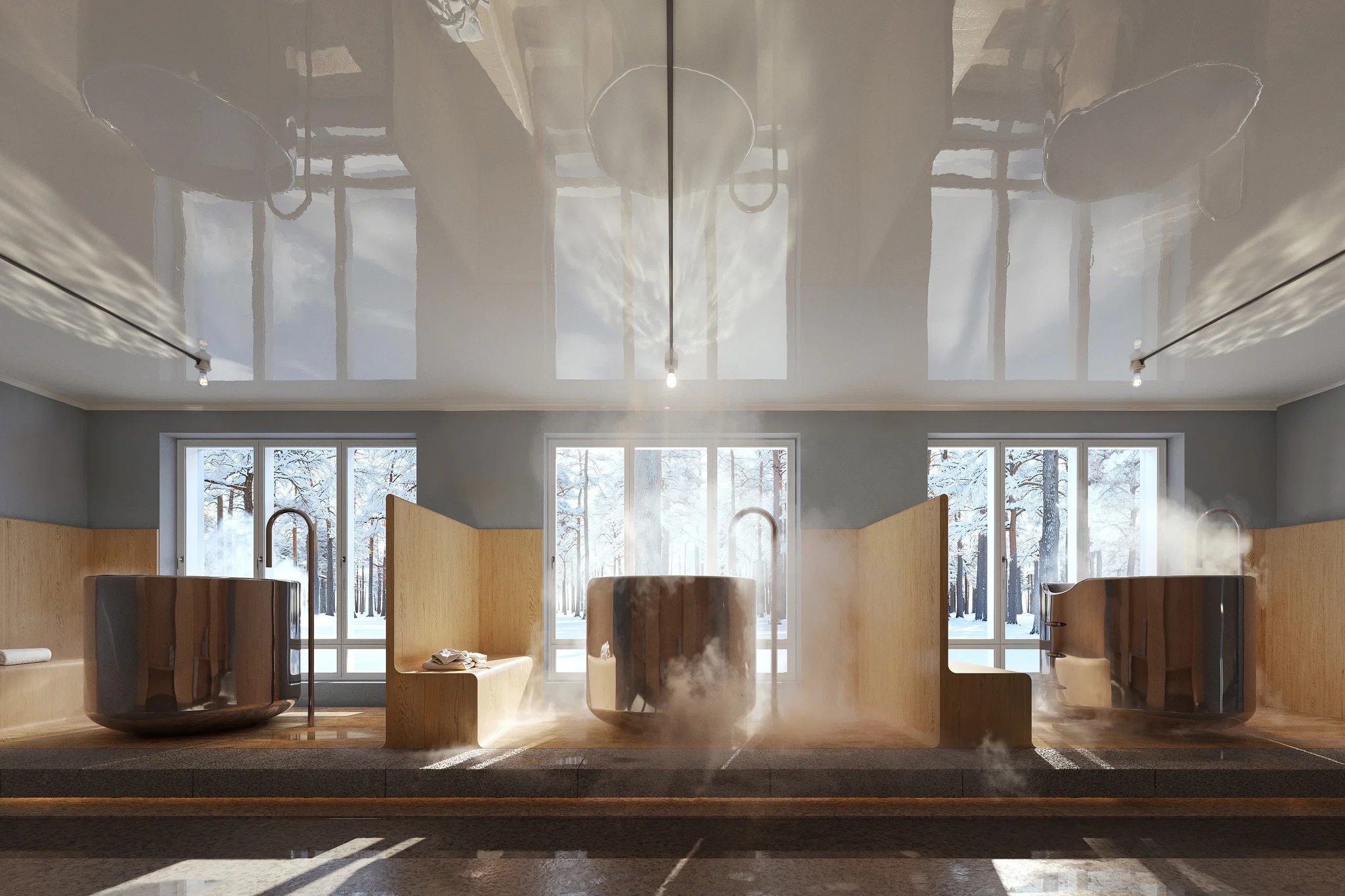
A spa, situated on lower levels and with direct access to the outdoors, will extend the wellness experience into the surrounding forest, whilst a new tree-lined square will redefine the entrance threshold, bringing the built environment even closer to nature.