




The MIT Museum has announced the transfer of the design archive of Ieoh Ming Pei, a collection set to become the world’s most comprehensive collection dedicated to the work of the Chinese-American architect, as well as an active platform for research, teaching, and public engagement. This donation, made possible by the firm Pei Cobb Freed & Partners —founded in 1955 with Henry N. Cobb and Eason H. Leonard — also marks the symbolic return of the Pritzker Prize to his alma mater, the Massachusetts Institute of Technology, where he graduated in 1940.
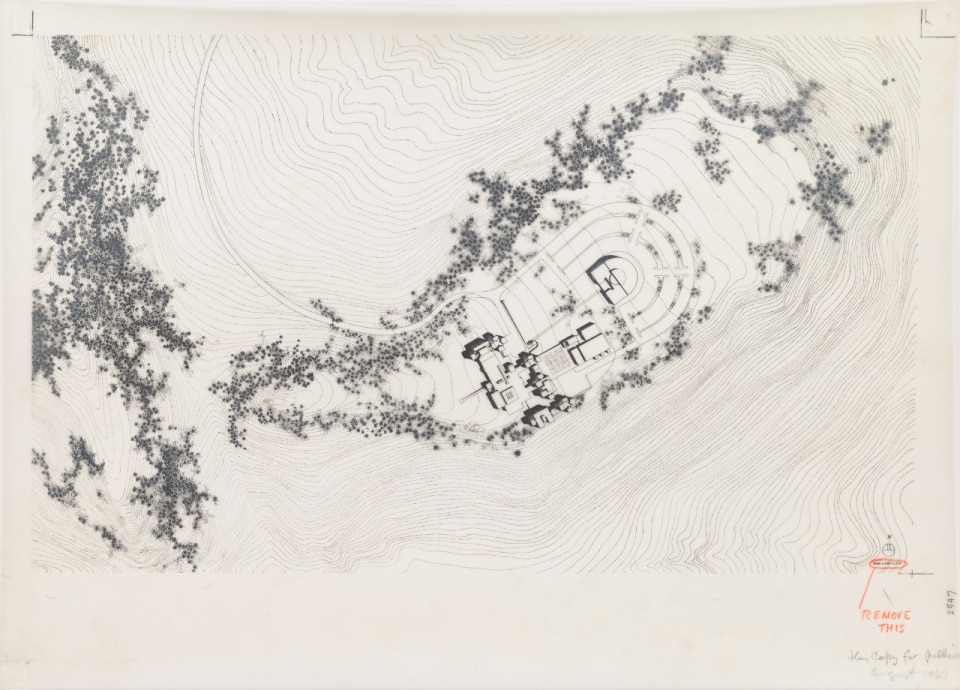
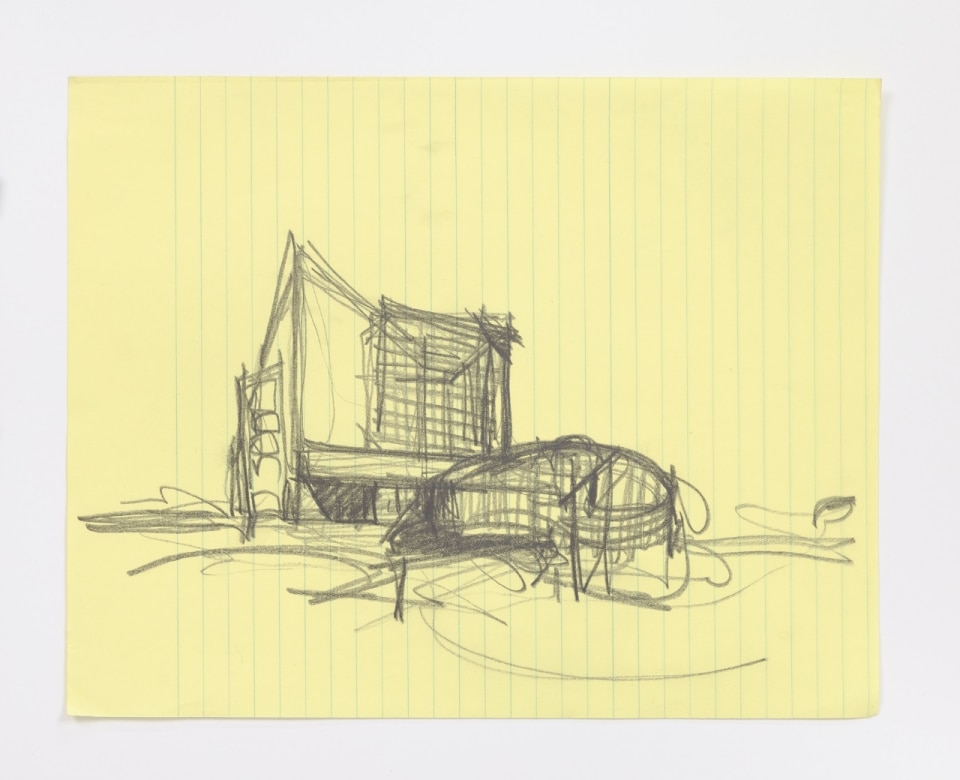
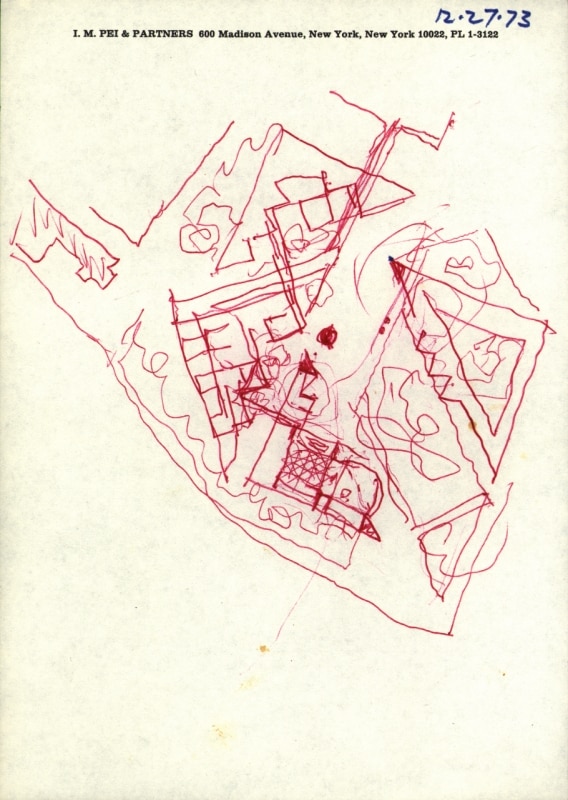
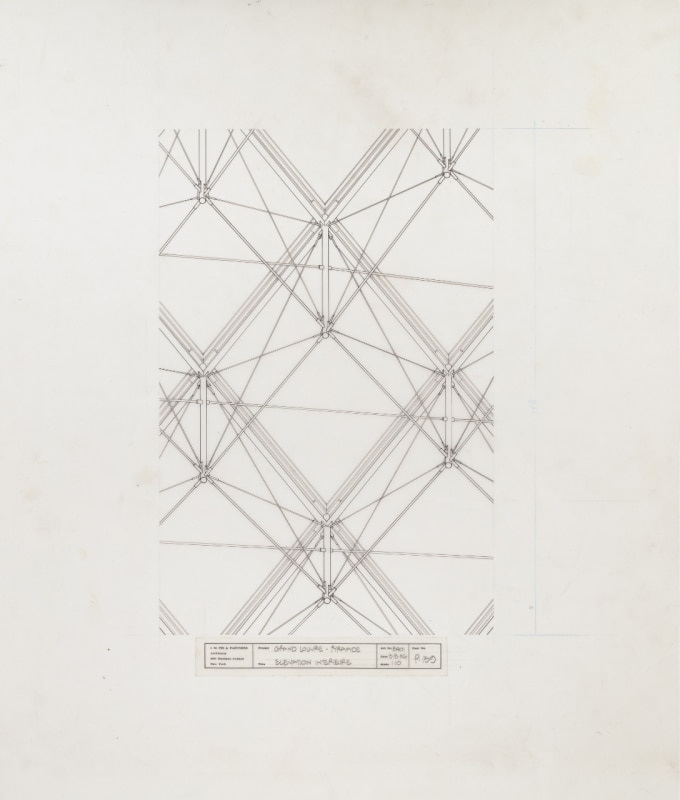
The donation includes approximately 1,500 rolls of drawings, 50 architectural models, and over 300 linear meters of documents: an extensive body of material spanning Pei’s entire career and more than sixty projects. Once cataloguing is complete, expected by fall 2028, the museum will launch a comprehensive program of research, teaching, and public access aimed at making a largely unseen body of work available.
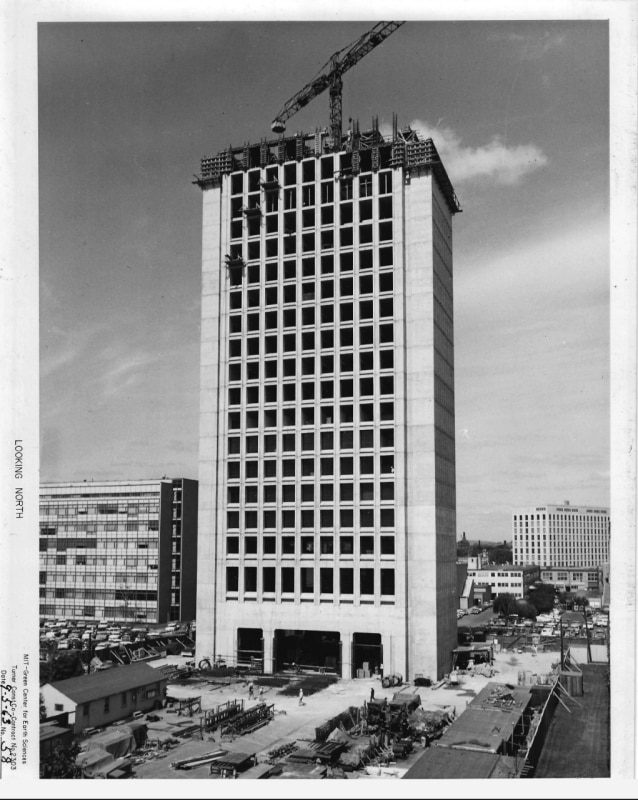
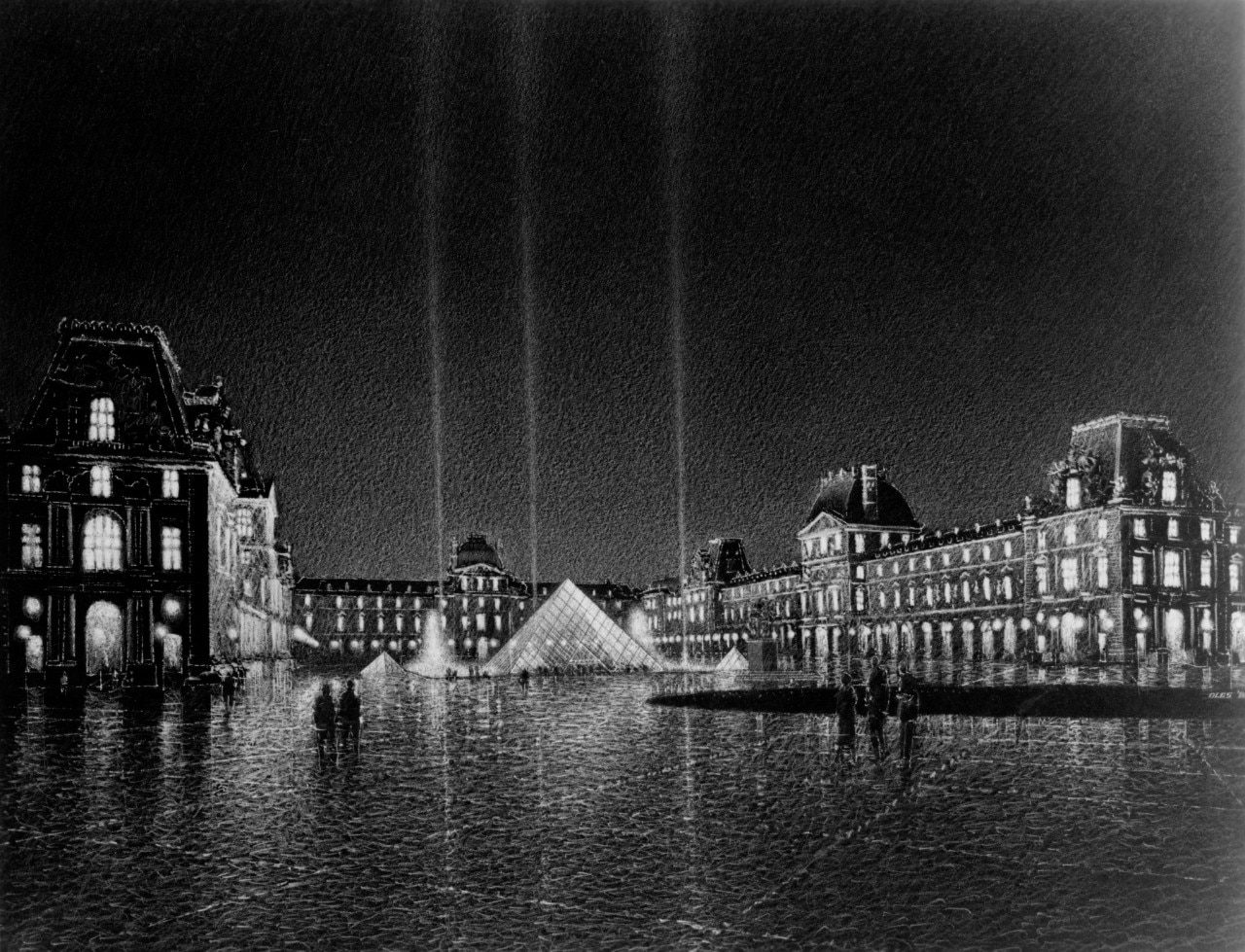
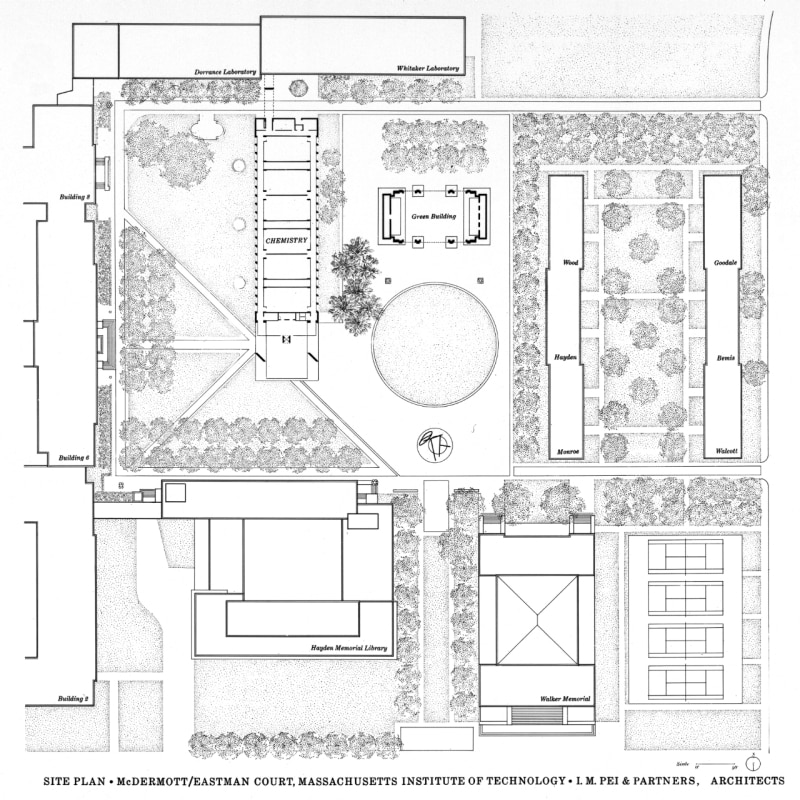
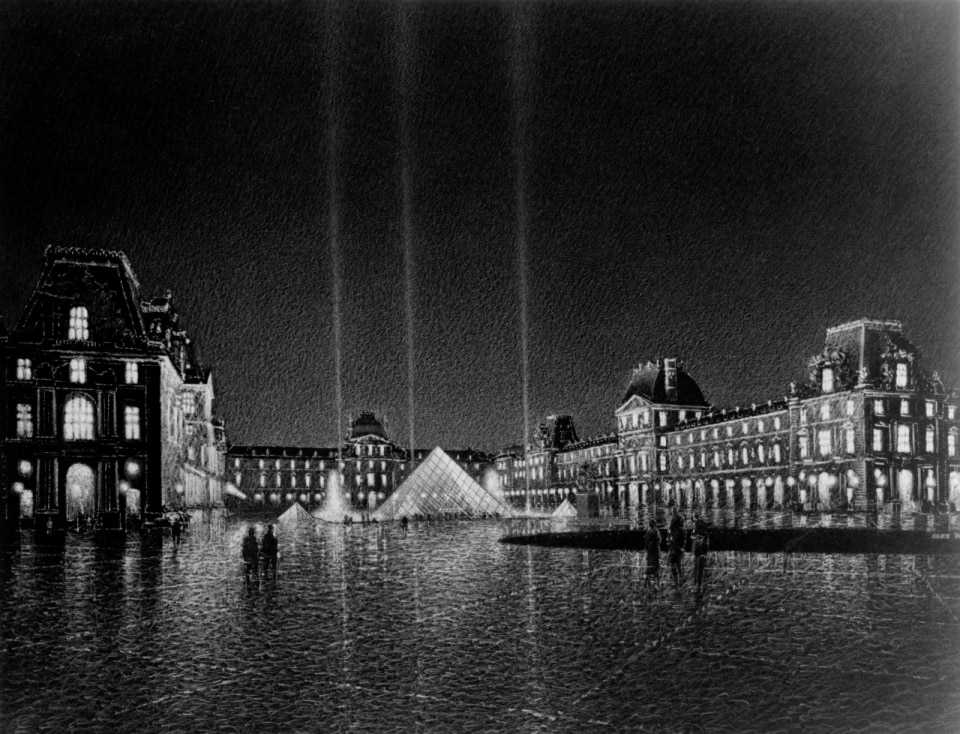
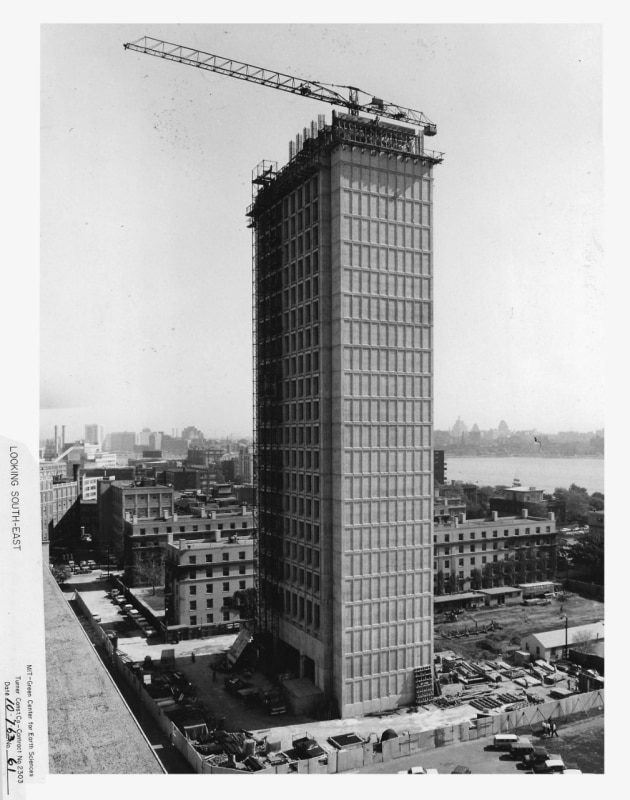
The collection includes drawings and documents that have never been exhibited before, relating to some of his best-known projects: the Musée du Louvre in Paris, the John F. Kennedy Presidential Library and Museum in Boston, the Rock and Roll Hall of Fame in Cleveland, as well as four key buildings on the MIT campus itself—the Green Building for Earth Sciences, the Dreyfus and Landau Buildings, and the Wiesner Building, the original home of the MIT Media Lab.
This initiative will strengthen an already significant architectural collection—ranging from 16th-century works to those by MIT faculty and alumni—further expanding the narrative of the discipline’s evolution in the United States, from its academic origins to contemporary practice.
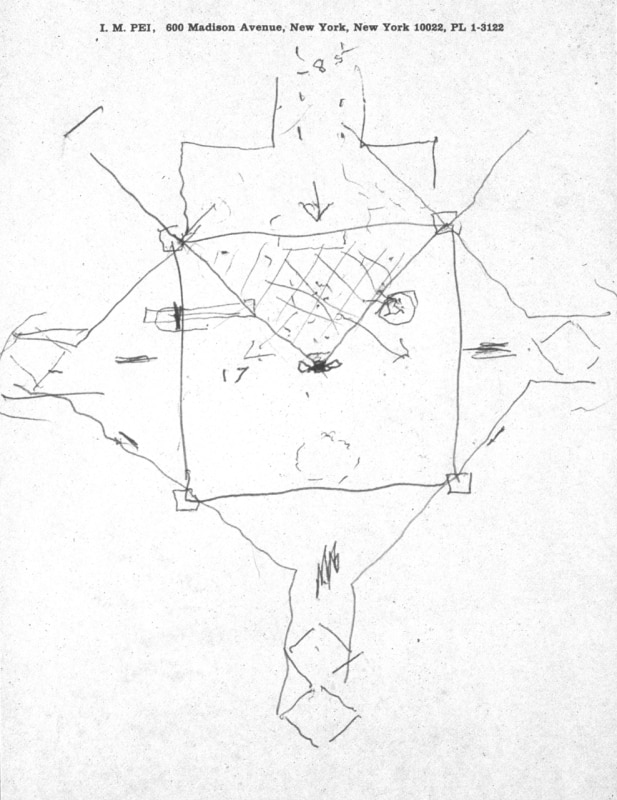
The Pei Archive will fit seamlessly into a tradition that, since the founding of the architecture program in 1867, has made drawing and study materials a central tool of teaching. “With the addition of I. M. Pei’s project archive, the MIT Museum will continue this tradition while also making the most of historical materials in broader ways,” explained Jonathan Duval, assistant curator at the MIT Museum and project lead for the transfer of the Pei archive.
“Pei’s architecture is characterized by innovations in structure and materials and makes use of striking modernist geometries, balancing contemporary cultural needs with a deep understanding of historical precedents—an approach to design that remains highly relevant and instructive today.”