




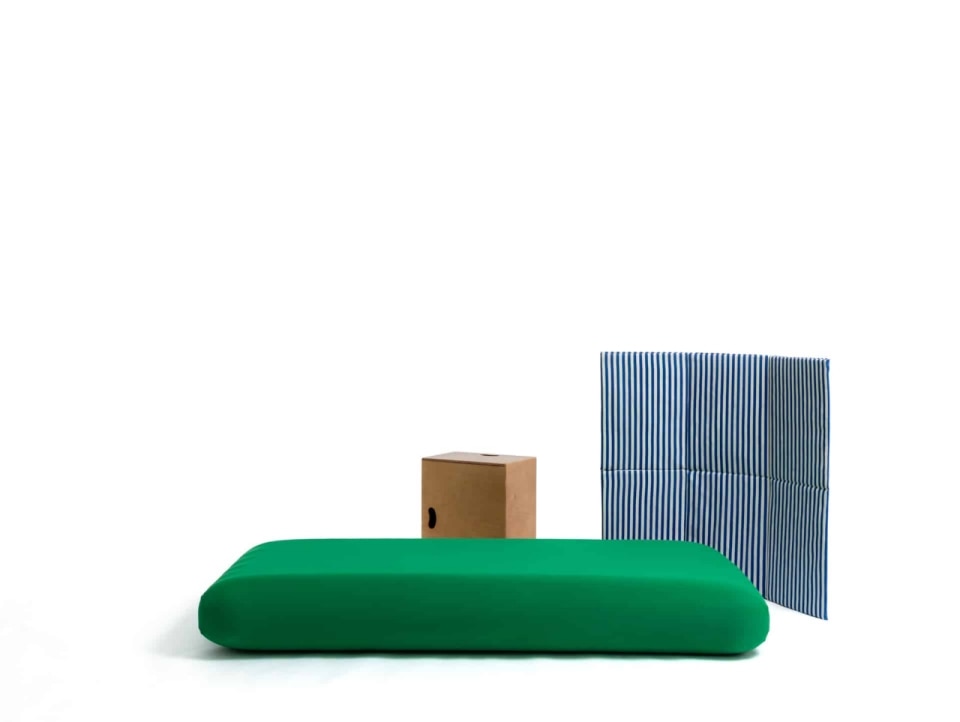
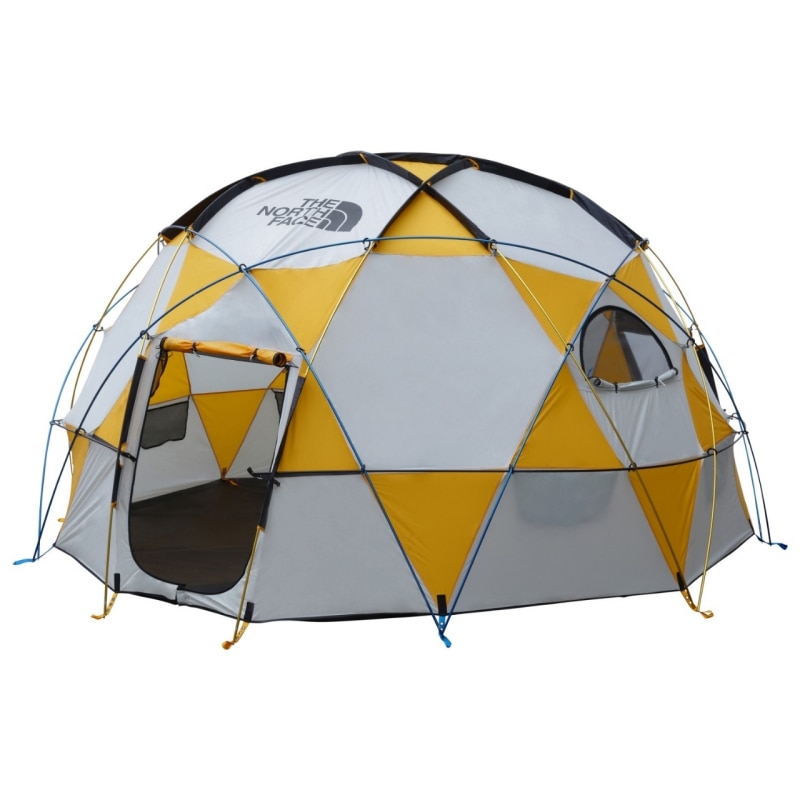
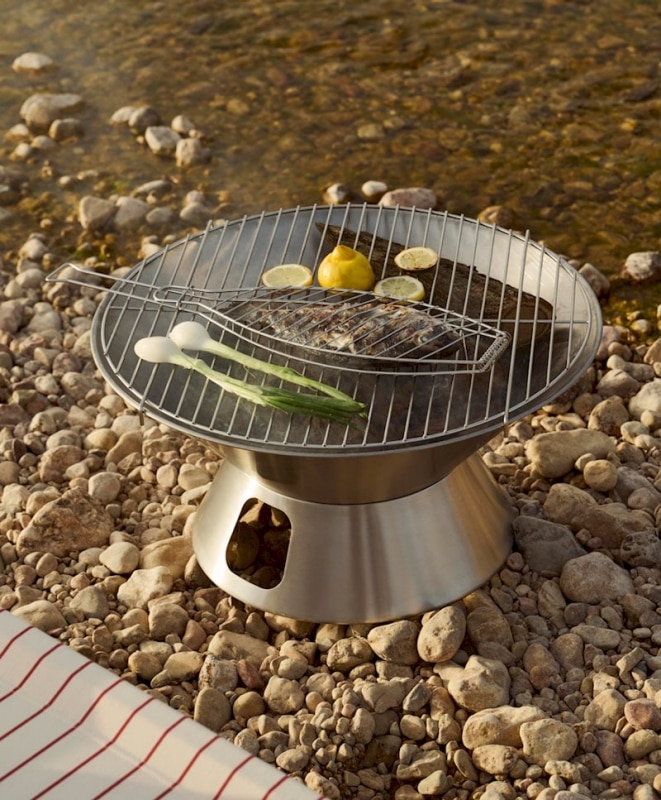
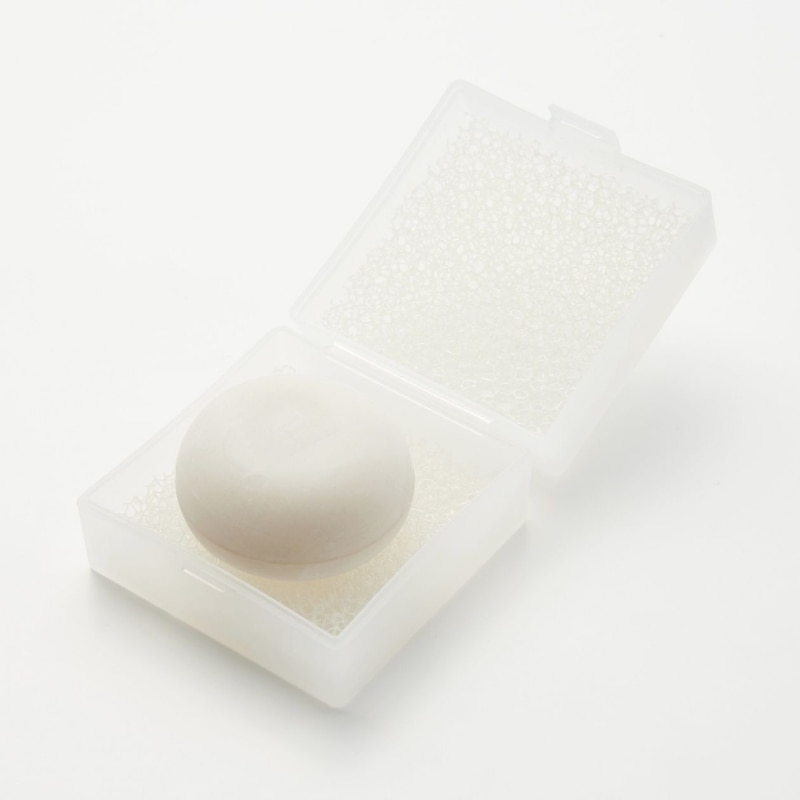
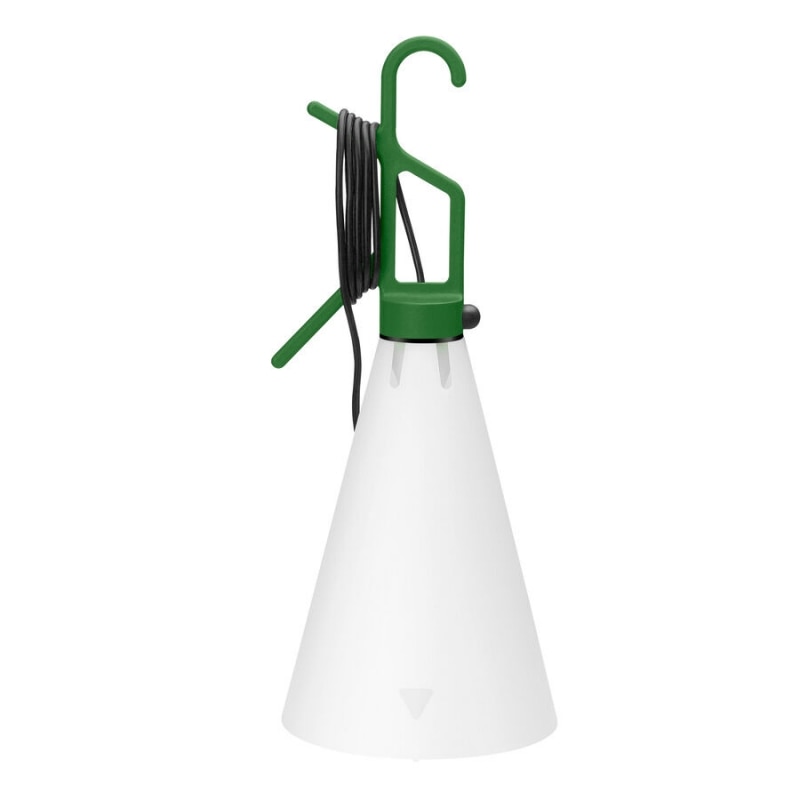
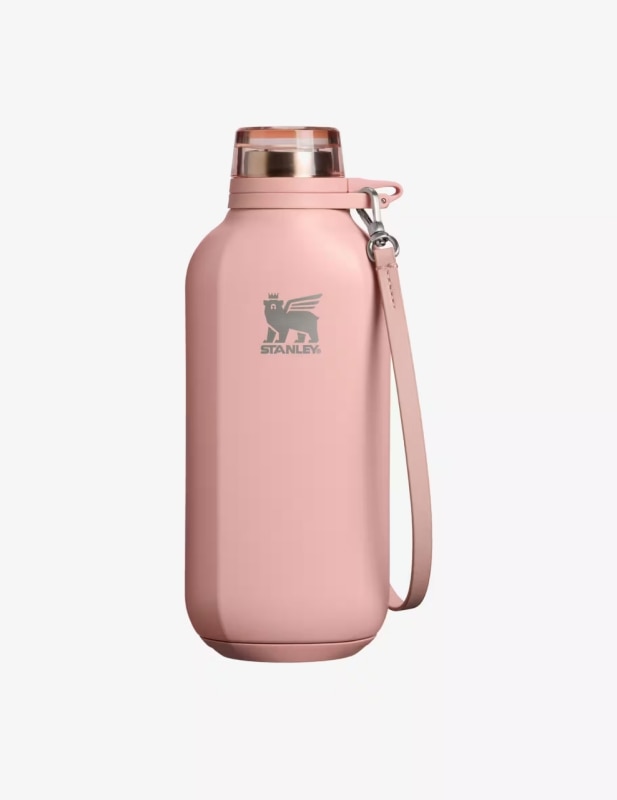
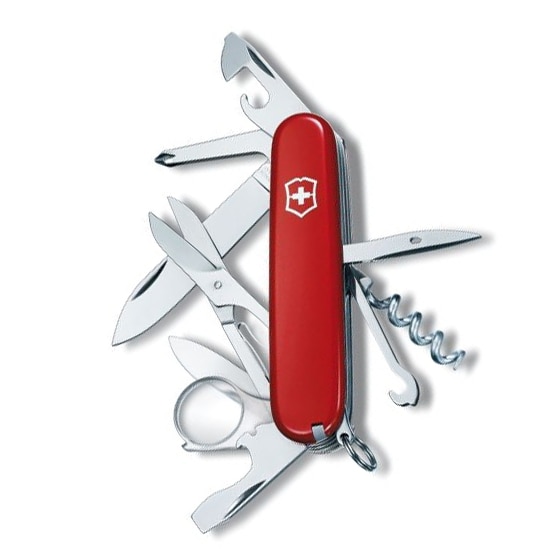
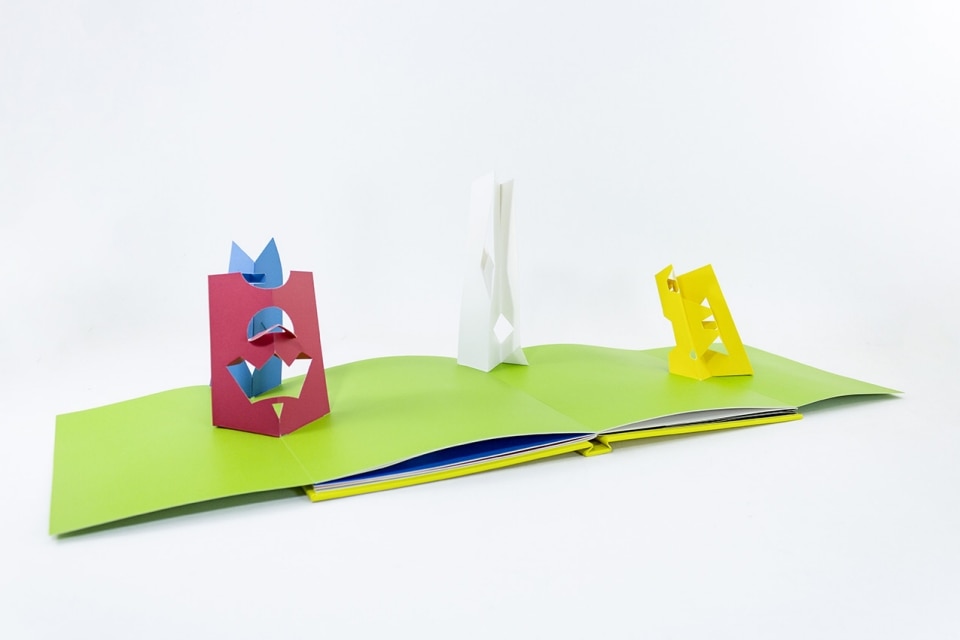
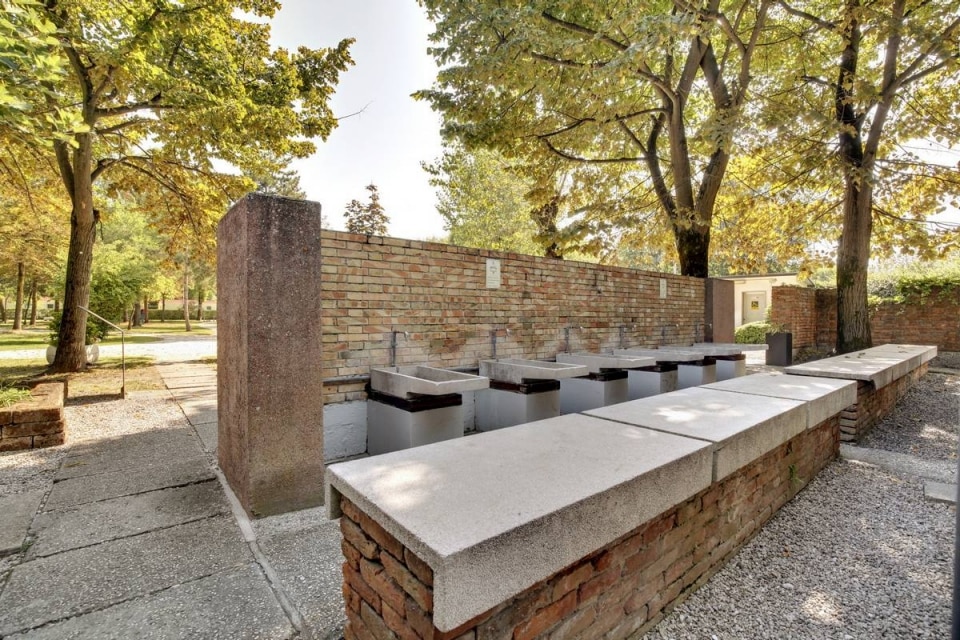
Between the threat of flight cancellations, soaring costs, and the relentless obsession with "experiences," camping, it seems, is having another moment. Some head to Asia to sleep in yurts—ephemeral structures perfected by steppe nomads over centuries; others opt for glamping—the luxury version of camping, complete with resort-style amenities or wooden treehouses; and then there are those who dream of a classic Italian summer, perhaps spent at a designer site like Camping Fusina, designed by Carlo Scarpa near his native Venice. And then, of course, there are the summer festivals, where camping has always been a fundamental part of the mythology: tents pitched in haste, temporary communities, essential gear, and small-scale, fleeting architectures that turn a simple field into an ephemeral city.
In any case, we continue to love camping because—to varying degrees depending on the style—it challenges us to engage with an environment where the services and comforts of the big city are far away, to fend for ourselves by testing our own skills, right where the distance from the natural landscape is erased.
It is a story that involves, first and foremost, architecture and design: from the challenging project of mobile, lightweight, transportable, and demountable architecture, to the many objects and accessories designed to survive in non-domestic contexts—which, especially today, are no less hospitable for it—the world of industrial design has always engaged with camping, so much so that one could consider the two as accomplices in each other’s birth.
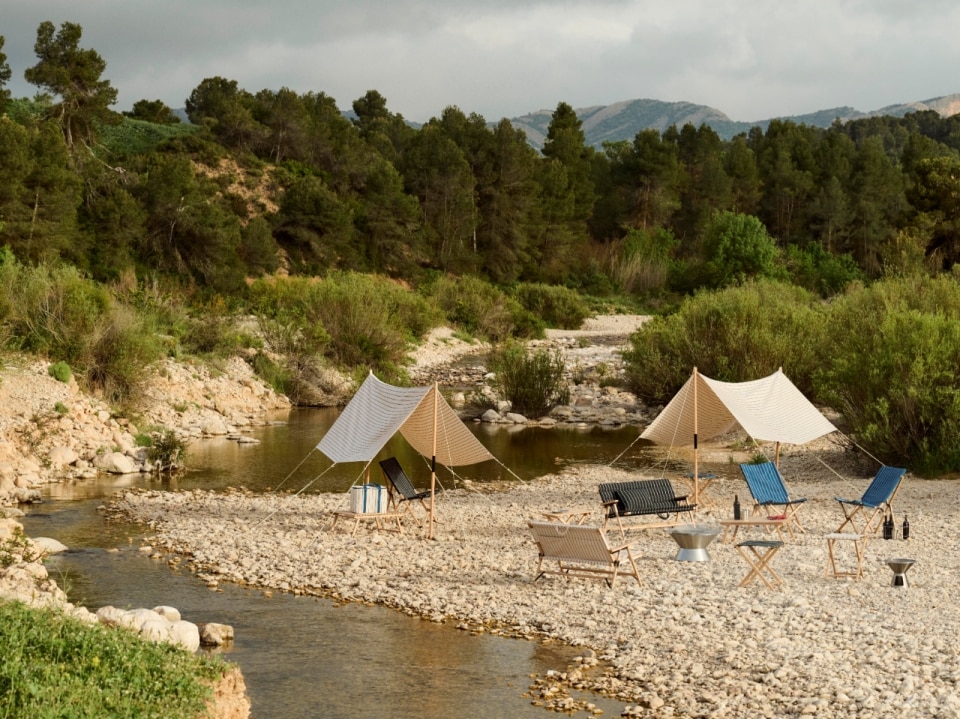
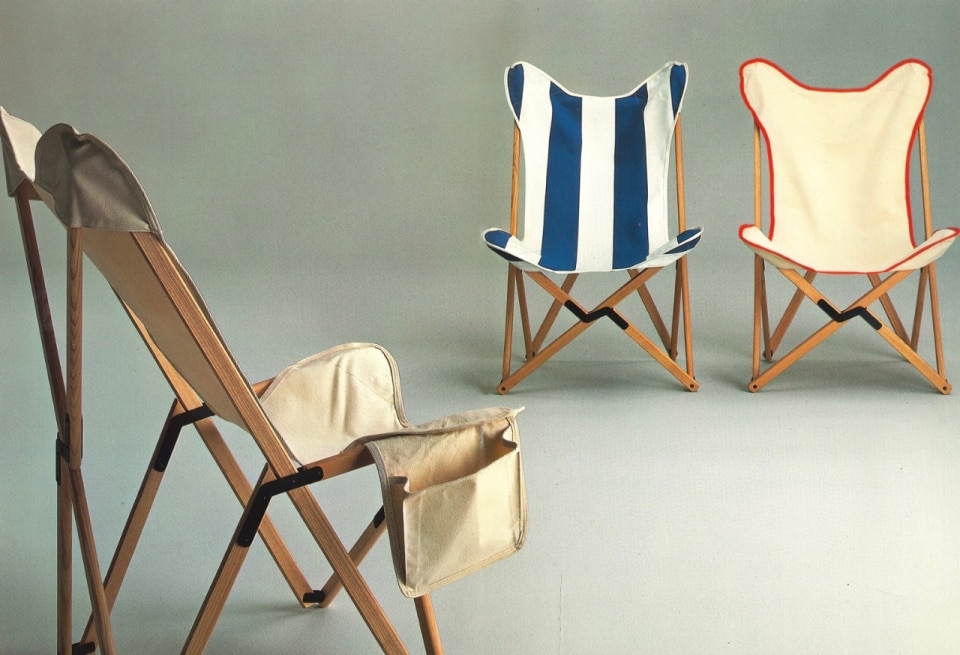
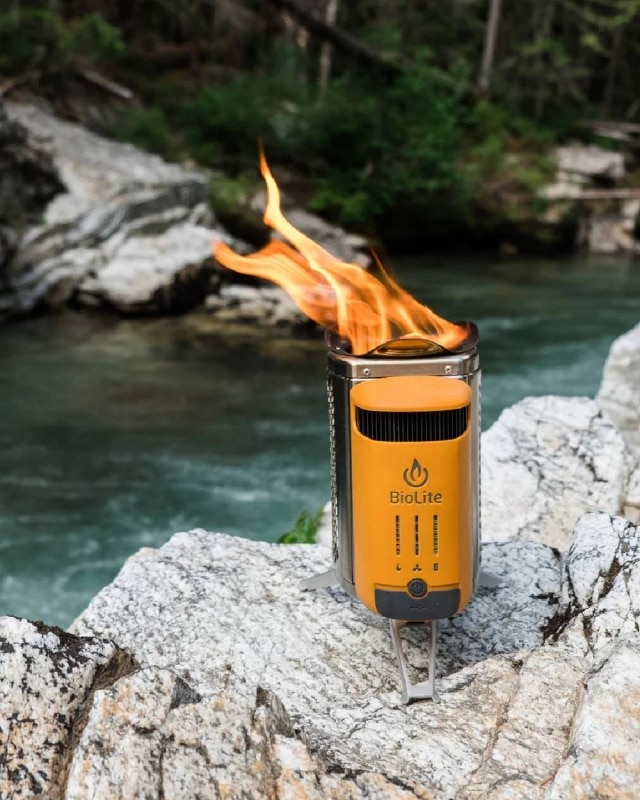
Reading camping through the lens of design is, therefore, a challenge that is far from impossible: there is no need to force it, because camping itself is, in fact, a matter of design. By scouring the catalogs of sports brands and taking a tour through the remote and recent history of design, we have compiled a list that serves as the perfect kit for the designer-camper.