

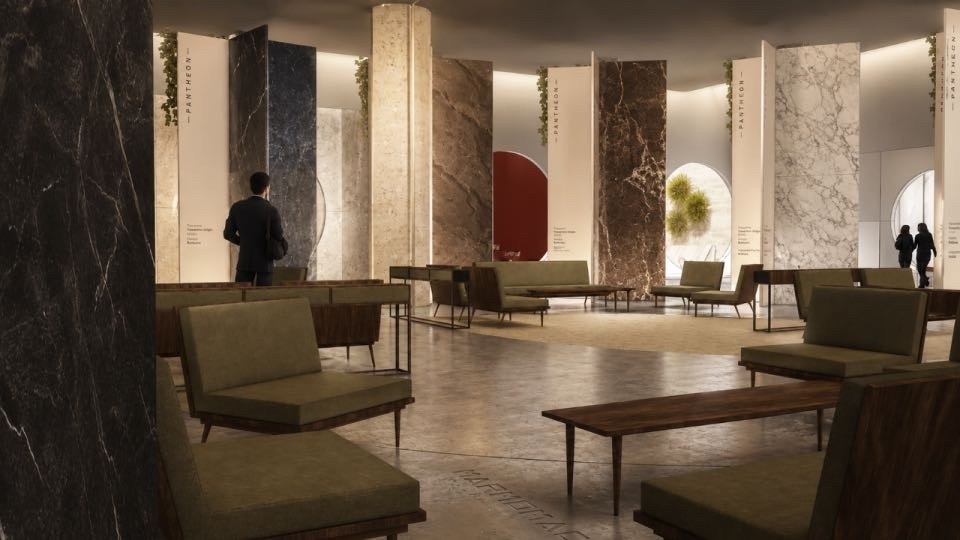

After decades spent pursuing lightness, architecture seems to be turning its attention back to mass. Since the High-Tech era, contemporary design has relied on increasingly slender and technologically sophisticated shells to dematerialise the construction. Today, in apparent contrast to that trend, natural stone — and marble in particular — is regaining a new prominence in design: a massive counterpoint to modern evanescence, blessed with a longevity and expressive richness that are hard to match, stone is no longer merely a reference to erudition or an emblem of luxury, but also a material for experimentation capable of meeting increasingly challenging technical and aesthetic requirements, from cladding to structural systems.
To examine this phenomenon more closely, Domus explored the Verona stone district, one of the oldest and most established in Europe where, around Sant’Ambrogio di Valpolicella, a layered network of quarries, workshops and processing companies has, over time, consolidated its expertise on materials such as Rosso Verona, Breccia Pernice and Pietra della Lessinia. It was here that the “Mostra del Marmo e delle Macchine” (Marble and Machinery Exhibition) was launched in 1940, an initiative that began as a local trade fair and then gradually evolved, thanks to the sector’s industrial growth and international expansion, into Marmomac, which has been held at Veronafiere since the 1990s: more than just a trade fair, a multidisciplinary platform for observing the transformations in the stone supply chain, from technologies and production processes to global contracts, applied research and design.
A new “golden age” for stone
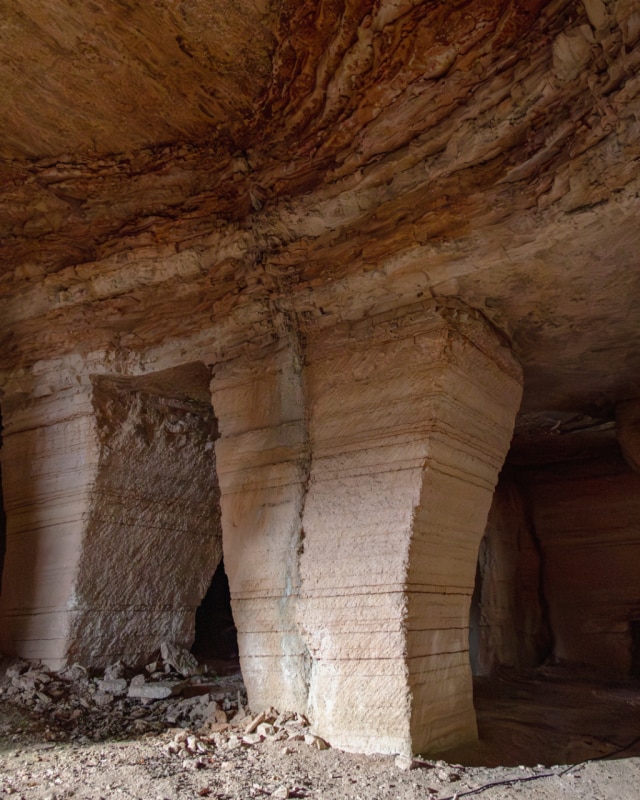
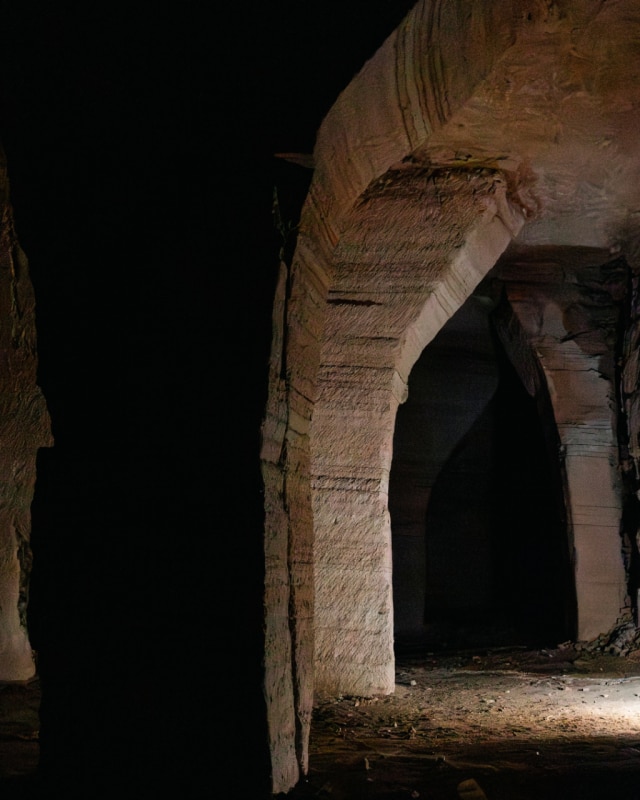
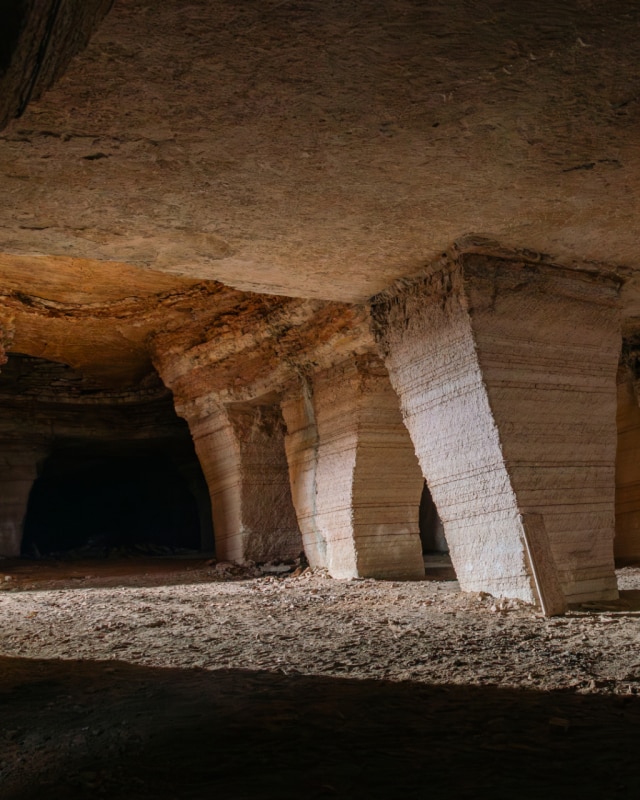
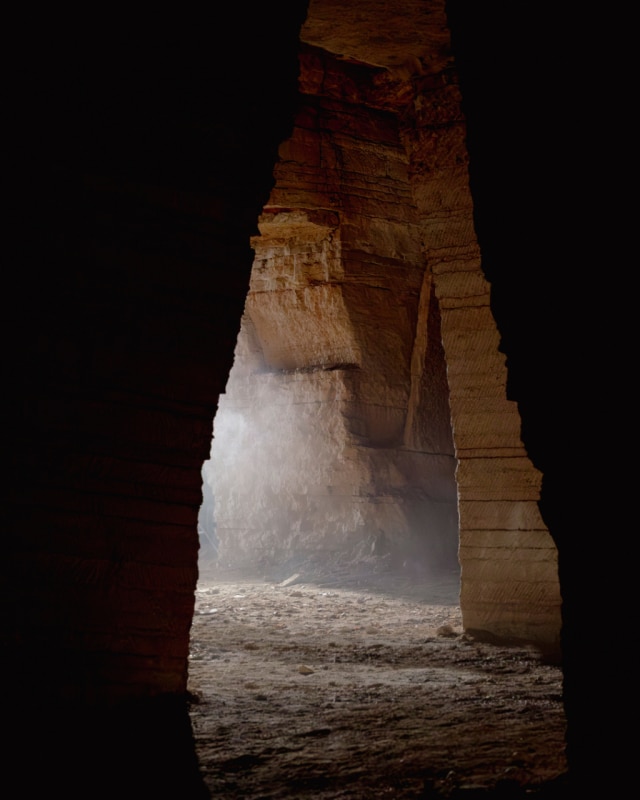
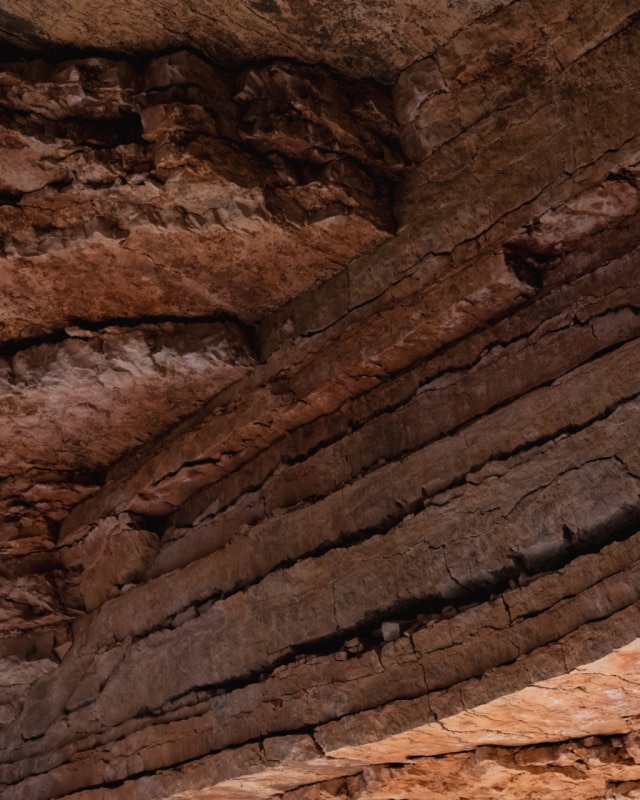
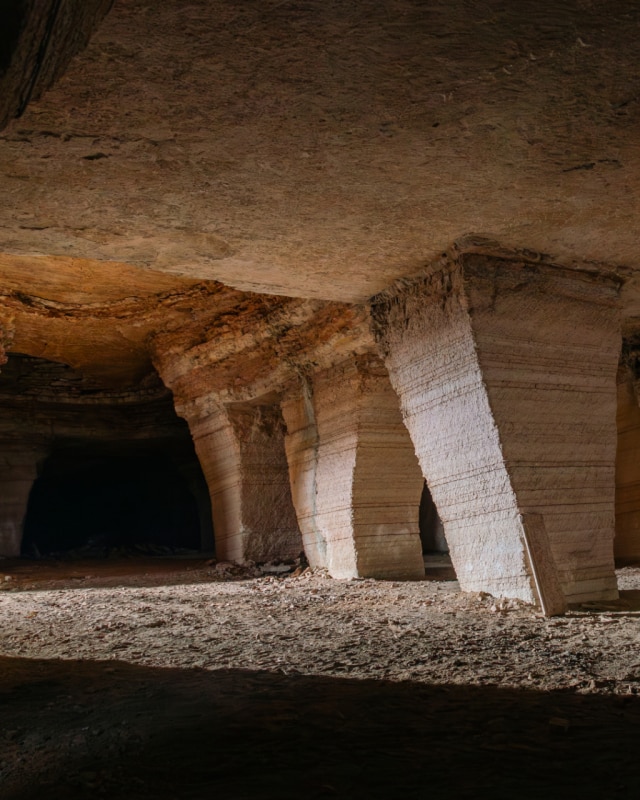
But why is stone returning to the forefront of design today? This is made possible, first and foremost, by advances in processing technologies. We discussed this with Joseph Grima, co-curator of the 2026 edition of Marmomac, scheduled for 22–25 September at Veronafiere, in the majestic and vaguely amniotic scenery of the Cava di Prun, one of the most iconic sites of Verona’s quarrying landscape. Here, until the 1950s, the sedimentary limestone was quarried that Paolo Portoghesi described as “the only stone capable of interpreting architectural syntax in its entirety” . Today, the site, with its oblique geometries resembling the backdrop scenes of primordial expressionism, remains an archaeological testament to a quarrying expertise as precise as it is radical.
“We are experiencing a new ‘golden age’ of stone,” says Grima. “Through the Alcova Observatory (of which he is a co-founder, Ed.), we are witnessing a growing interest in this material among designers. This has been made possible by technological developments in recent years: advanced automation, robotics, parametric software and computational processing have considerably expanded the production and commercial possibilities of stone, reducing both time and margin of error and making solutions that were once prohibitively expensive now affordable".
Stone: the pros and cons, with a long-term perspective
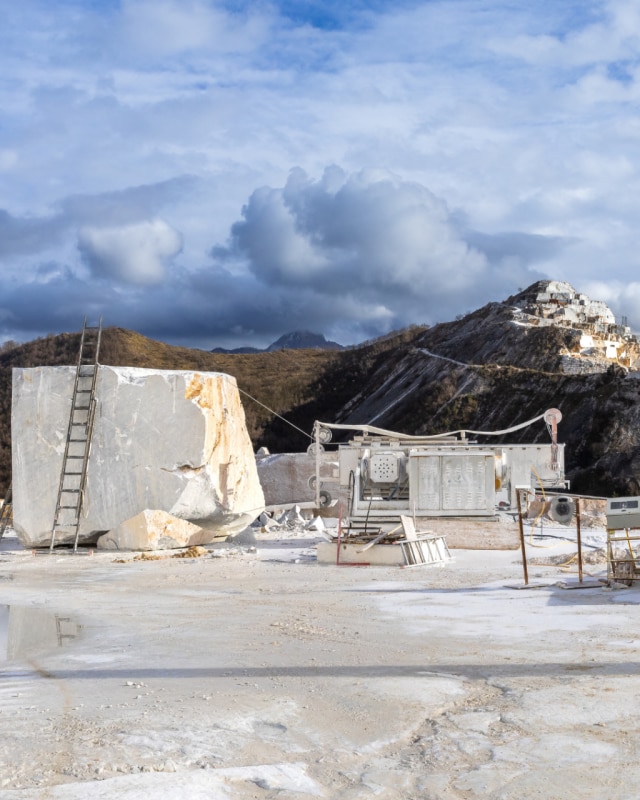
However, the enthusiasm for the stone's comeback does not hide the critical issues associated with its extraction. Versatile, durable and increasingly high-performing: is stone therefore the material of the future? The question raises a doubt that is hard to ignore because its employment depends on an extraction infrastructure that is anything but neutral: quarries that irreversibly shape the environment, land consumption, fragmentation of landscapes, transport and processing in supply chains that are often energy-intensive and spread across the globe.
“Despite a renewed enthusiasm for the use of stone,” confirms Grima, “there is an unequivocal risk associated with quarrying activities, which can conflict with environmental and landscape conservation”.
At the same time, in a period of ecological transition, there is growing interest in the carbon footprint of the construction industry, with stone increasingly being seen as a potential alternative to high-carbon materials. Stone does not require industrial processing at high temperatures: it is quarried and worked rather than manufactured and, for this reason, generally has a lower carbon footprint than, for example, concrete and steel.
“In addition to stone’s lower carbon footprint compared to concrete,” adds Grima, “new regulations are opening up more sustainable opportunities, allowing the reuse of stone waste in the production of aggregates and expanding the scope to applications that were previously unthinkable".
Permanent yet adaptable: architecture as a gift for the future
For Grima, however, the return of stone in contemporary design is not merely a matter of more efficient techniques or processes but also the result of a deeper cultural urgency. In an age marked by planned obsolescence and ephemeral trends, design increasingly tends to conform to the logic of instant consumption: buildings, materials and technological systems with short life cycles, designed to be swiftly replaced.
This is what Grima calls the “fast fashion of architecture”, in which durability gives way to continuous and accelerated replacement, and to which stone—by its very nature virtually eternal—provides a critical counterpoint.
“We are living in a historic moment with the least capacity for long-term planning”, Grima observes. “In ancient times, architecture was conceived as a gift for future generations. Today, we risk leaving behind mainly voids and waste. Rediscovering the intentionality of design means bringing back its durability: an optimistic, forward-looking gesture, not subject to the whims of the present or the logic of the disposable.”
But how can this aspiration for durability be reconciled with the changing needs of an increasingly complex society? For Grima, there is no real conflict between permanence and flexibility because it all depends on the design.
“I’m thinking of the Roman amphitheatre in Arles,” he observes, “preserved over time through additions and removals without compromising the original structure despite changes in use, or of the Stone Demonstrator at the Design Museum in London — an experimental installation that uses stone as a structural material to test a modular, demountable and reconfigurable architectural system — a sort of stone Maison Dom-Ino, permanent yet adaptable at the same time.”
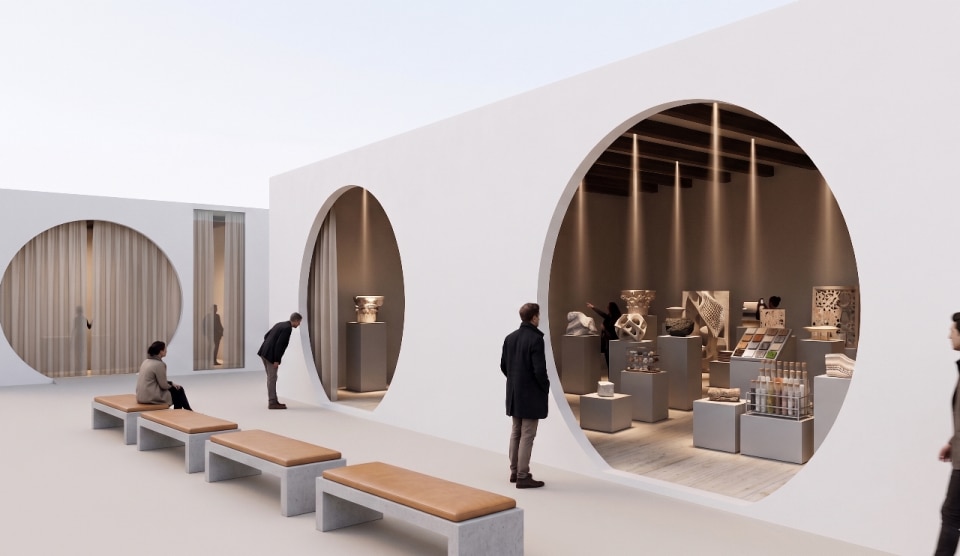
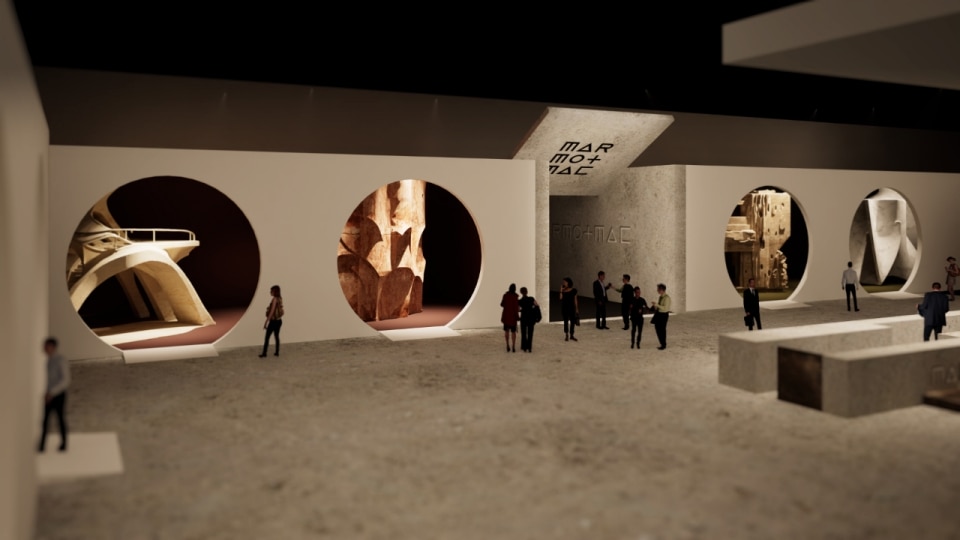
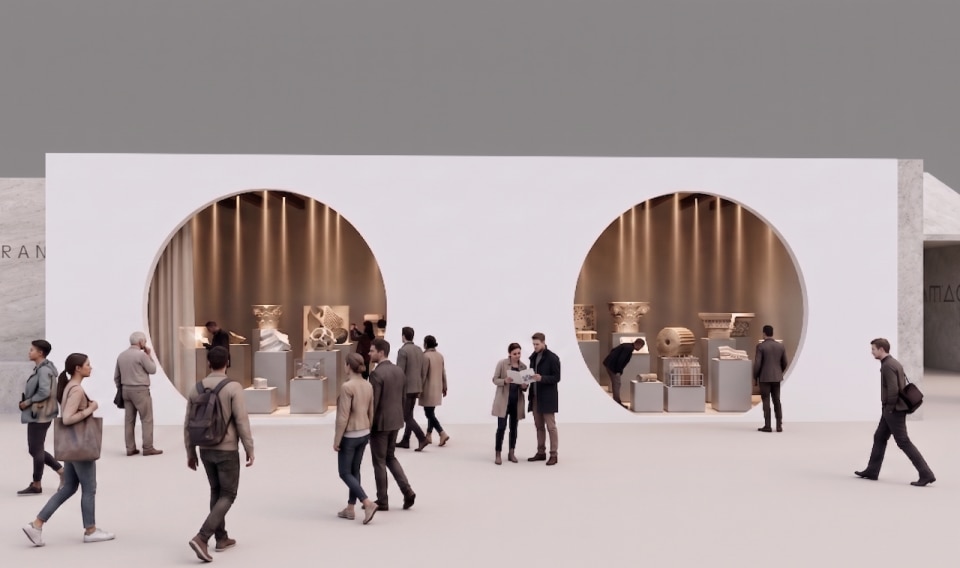
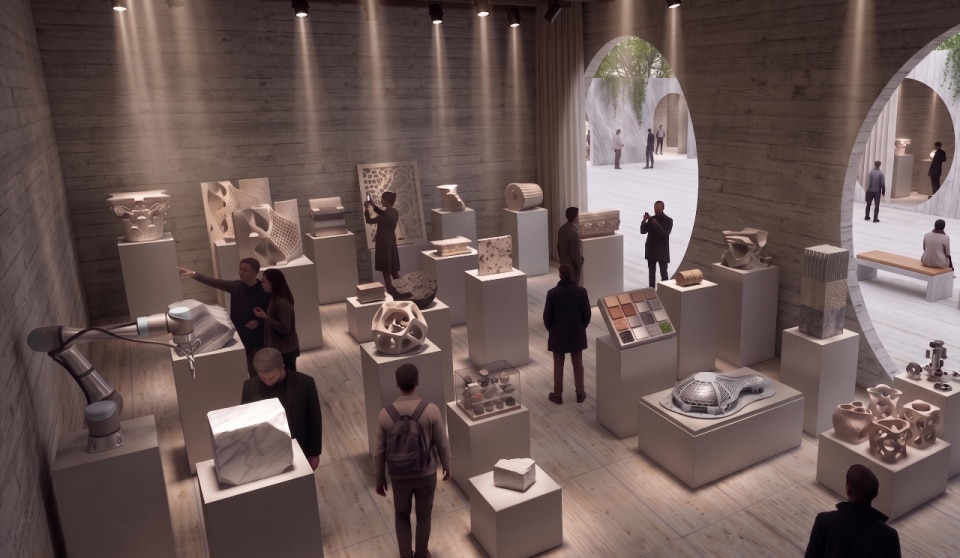
It is around this question, among other topics, that the 60th edition of Marmomac is structured. In the 76,000 square metres spread across twelve halls and eight outdoor areas, alongside the exhibition programme, talks, educational activities of the Marmomac Academy and the awards — the Best Communicator Award and the Sustainable Excellence Award — significant attention will be dedicated to reflecting on the potentialities and systemic vulnerabilities of this material.
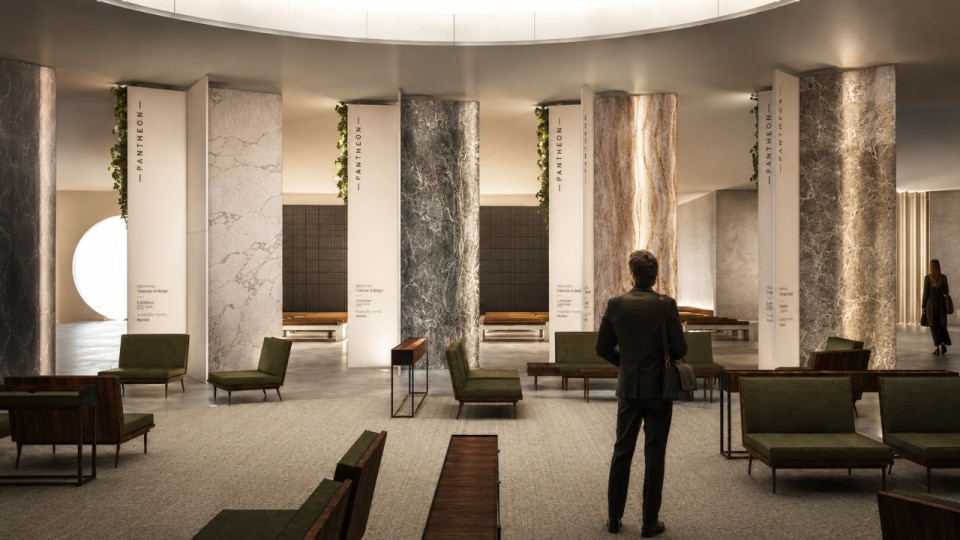
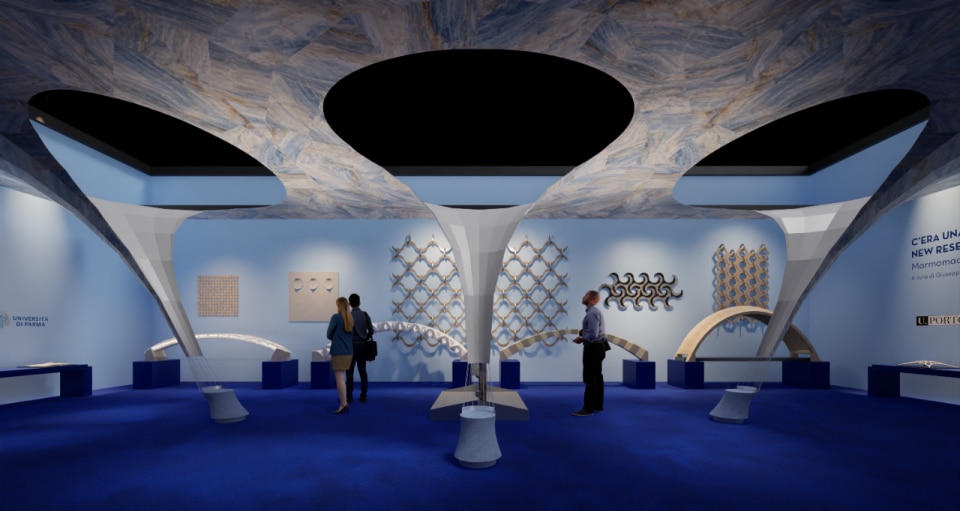
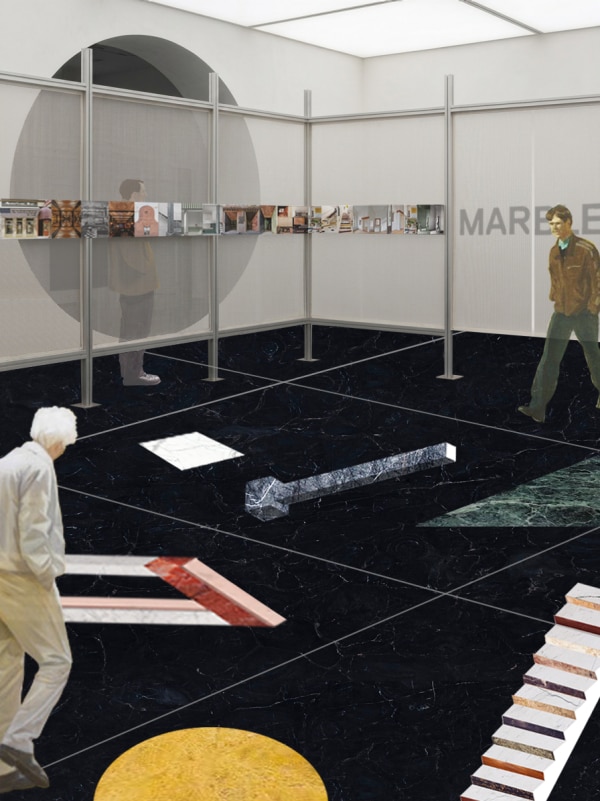
The event will open with a lecture by Carlo Ratti, whilst Hall 10 — renamed The Bedrock — will host four exhibitions and associated insights: “Marble Interiors” by Davide Fabio Colaci, “Carisma Materico” by Raffaello Galiotto, “C’era una volta il cielo dell’architettura” by Giuseppe Fallacara and “Sulla pietra” by Joseph Grima.
“With this exhibition,” concludes Grima, “we want to explore the relationship between industrial production and design research. The question is not so much whether stone is sustainable or not but rather under what conditions its use can be sustainable: how much material to extract, for what purposes, and above all, over what timeframe”.