


After turning Omega's Speedmaster into a global phenomenon, with lines in front of stores and hype rare in the world of contemporary watchmaking, Swatch is now trying something even more improbable: taking Audemars Piguet's Royal Oak-one of the most recognizable and untouchable watches in contemporary luxury-and converting it into a pop, colorful, almost toy-like object.
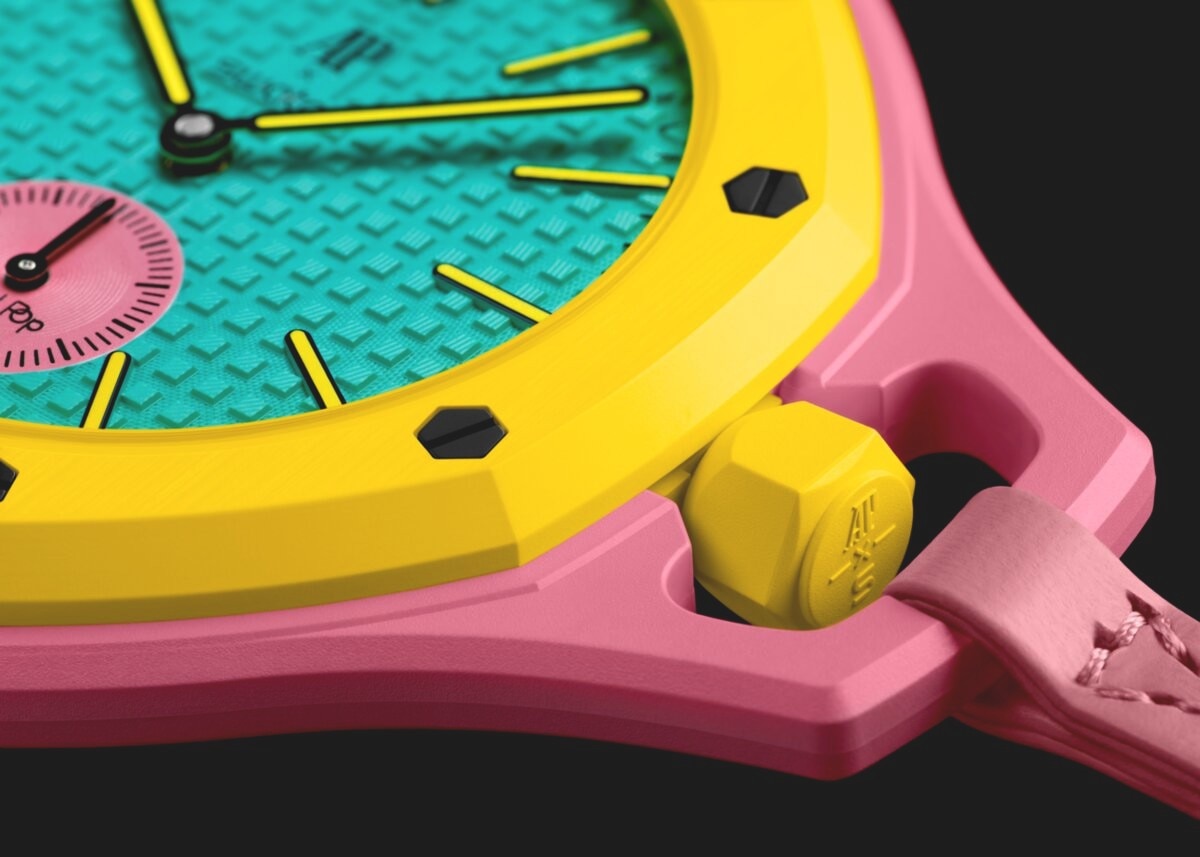
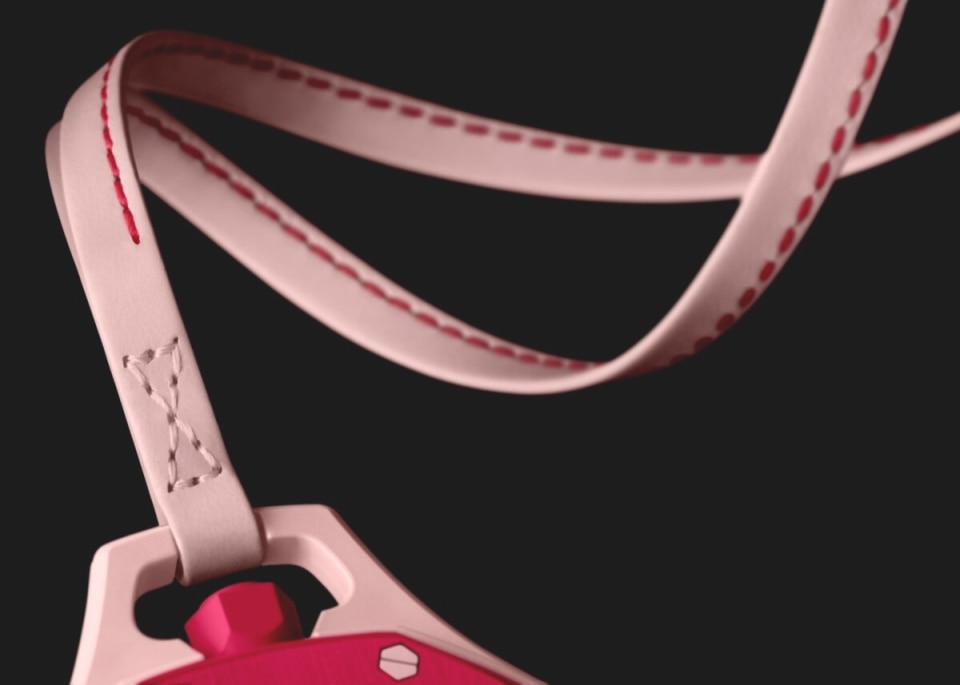
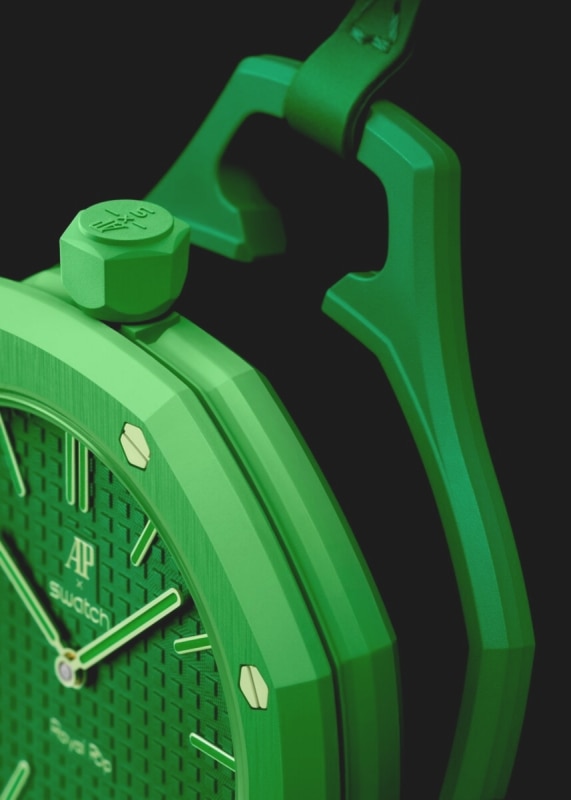
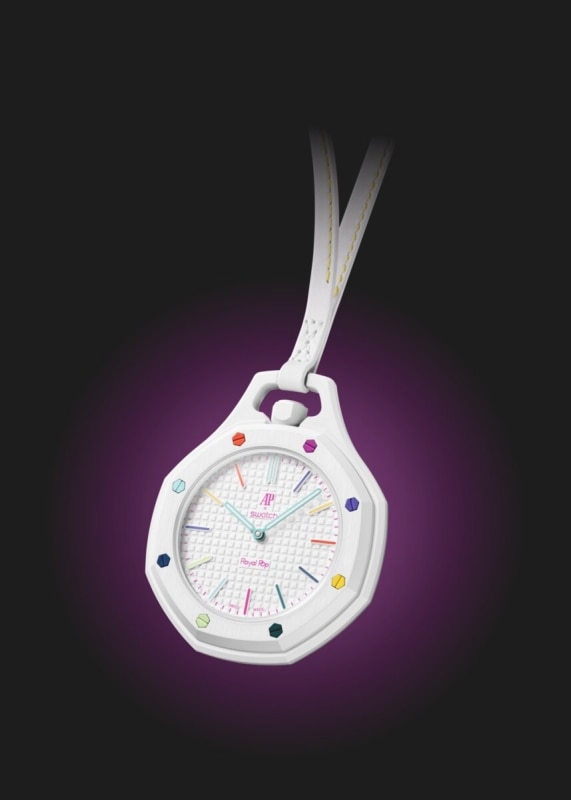
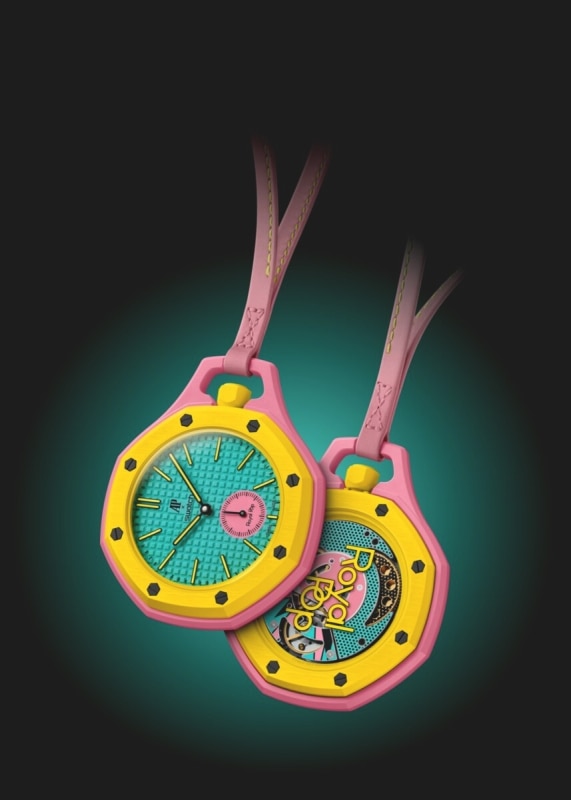
The new collection resulting from the collaboration between the two Swiss brands is called Royal Pop: eight models that do away with the traditional strap to become pocket watches hanging from a calfskin cord. The project simultaneously reinterprets the language of the Royal Oak, launched in 1972, and that of the Swatch POP watches of the 1980s, filtering everything through imagery openly inspired by Pop Art and Andy Warhol.
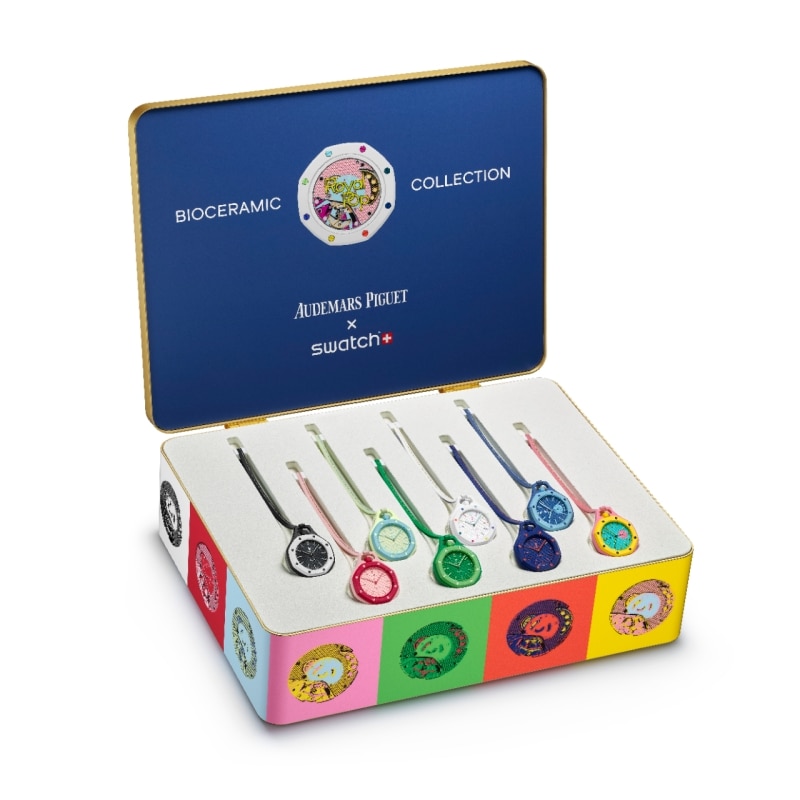
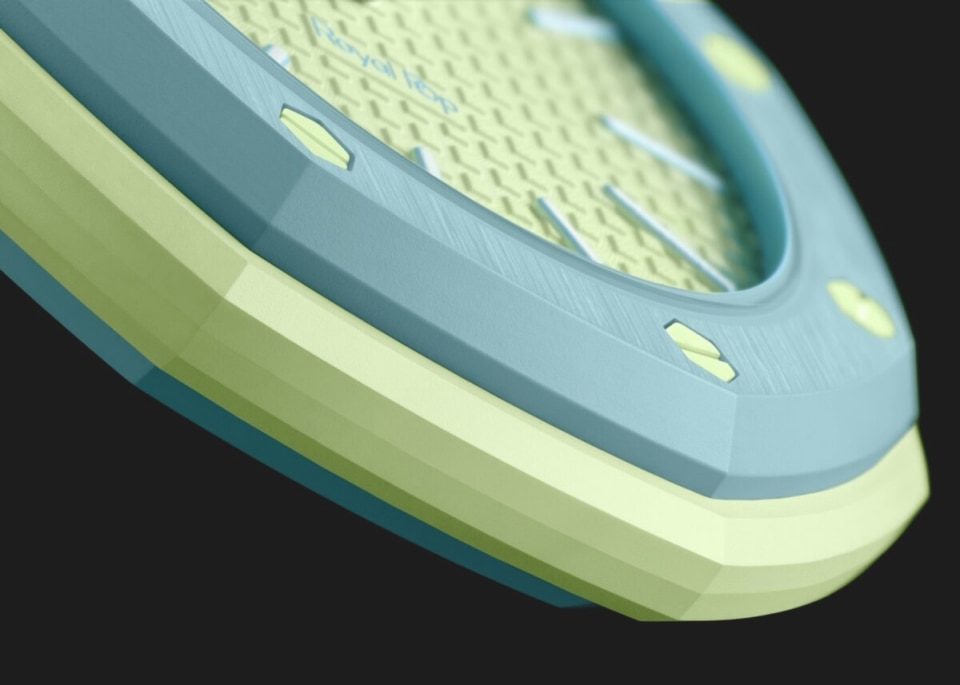
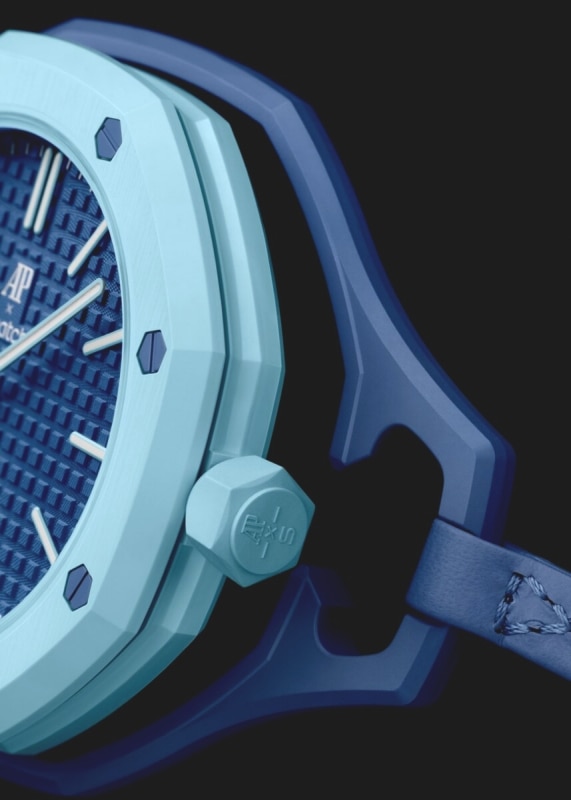
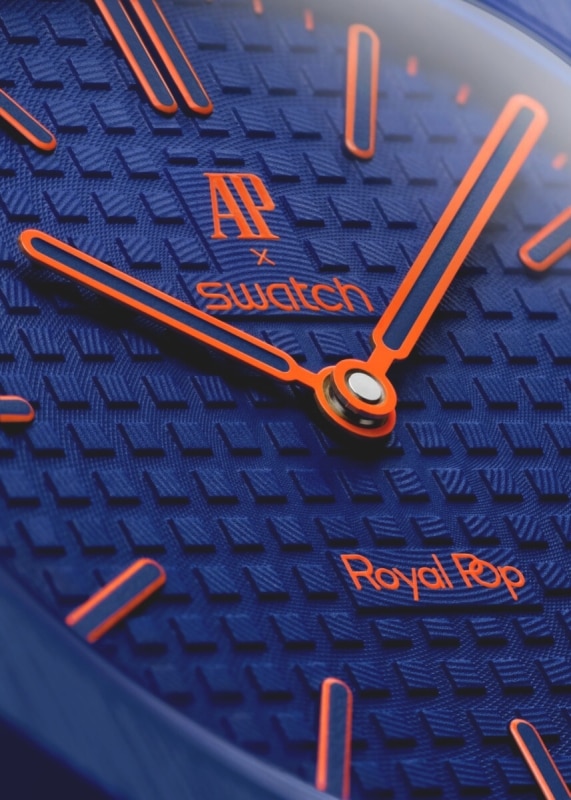
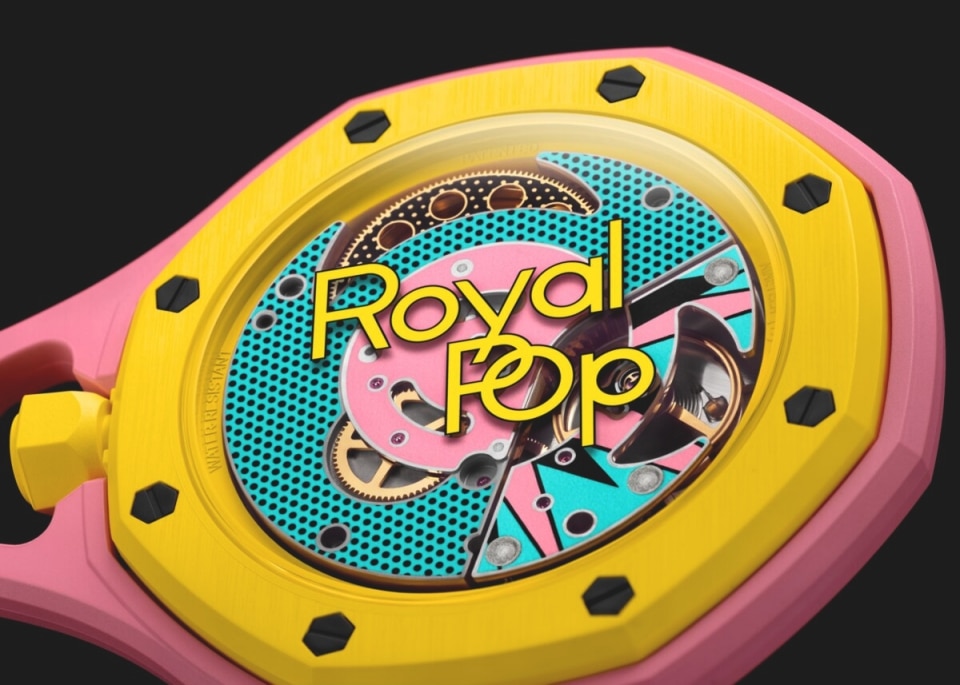
The result is deliberately ambiguous: somewhere between gadget, fashion accessory and haute horlogerie object. The brightly colored dials-from cherry pink to lime green-retain some of the iconic Royal Oak elements, such as the geometric construction based on the octagon, the eight visible screws, and the "Petite Tapisserie" texture, but transform them into something much more playful and tactile.
The material also contributes to this slippage: the watches are made of Bioceramic, the compound developed by Swatch that combines ceramic powder and castor oil derivatives, with a smooth finish that is almost soft to the touch. Behind the pop aesthetic, however, remains a surprisingly sophisticated construction.
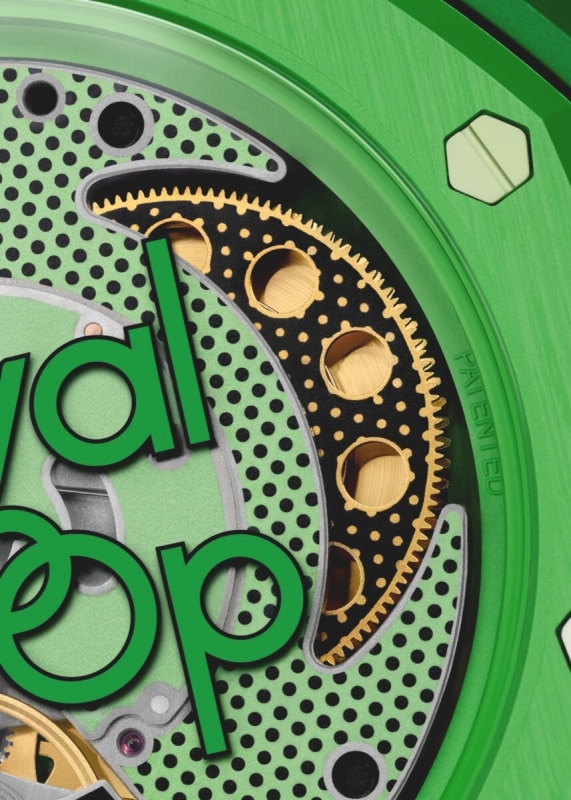
The technical heart of the collection is in fact the hand-wound Sistem51 mechanical movement, visible through the transparent sapphire crystal case back. So these are not mere decorative objects, but real mechanical watches, with more than 90 hours of power reserve and a structure developed through eight patents dedicated to the complex geometry of the case.
The result is deliberately ambiguous: somewhere between a gadget, a fashion accessory and a fine watchmaking object.
As was to be expected, Royal Pop also immediately generated a lot of international hype. For the launch of the limited edition, Swatch imposed a limit of only one watch purchasable per person, but this did not prevent queues from forming in front of stores in several cities around the world.
In New York, the situation even became a matter of public order: the police intervened to remove several cars of people who had camped out in front of Swatch storefronts waiting for the opening, turning the debut of the collection into a minor urban news event.
Rather than simply "democratizing" luxury, as happened with the MoonSwatch, however, Royal Pop seems to be going further: turning one of the most sacralized icons of contemporary watchmaking into a pop cultural object, ironic and collectible. A small, colorful fetish to be worn around the neck or slipped into the pocket, treating haute horology less as a status symbol and more as an everyday accessory.