





Apple has introduced a new entry-level Mac called the MacBook Neo, and it's quite a surprise. While rumours had been swirling for a while about Apple's new low-cost portable, nobody was quite expecting this.
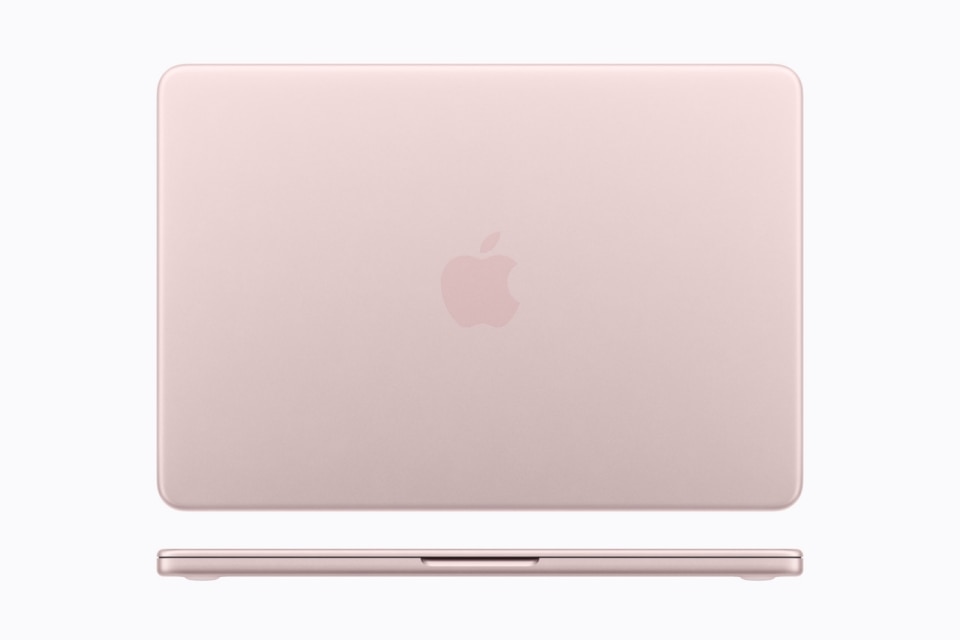
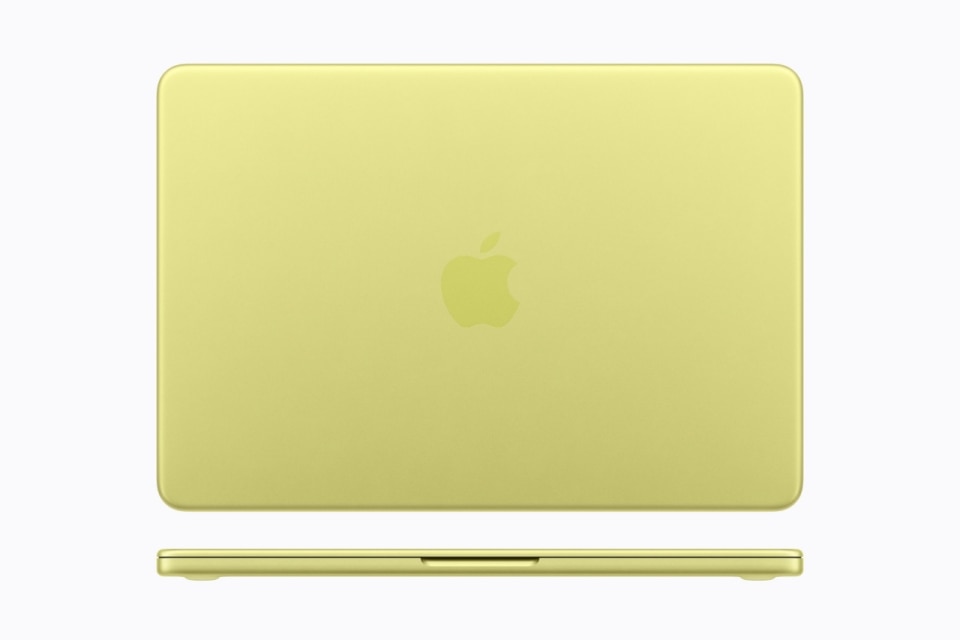
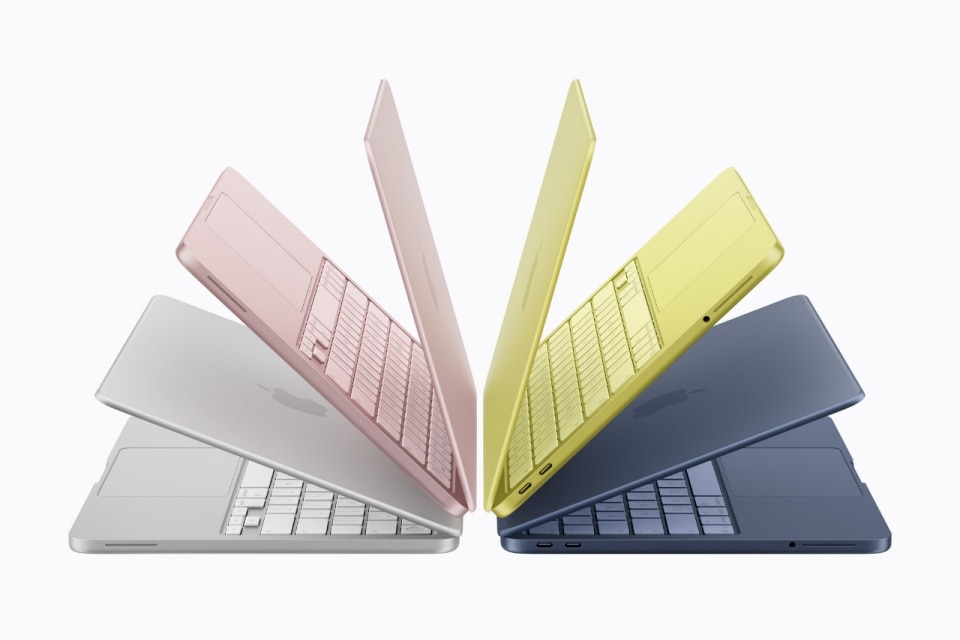
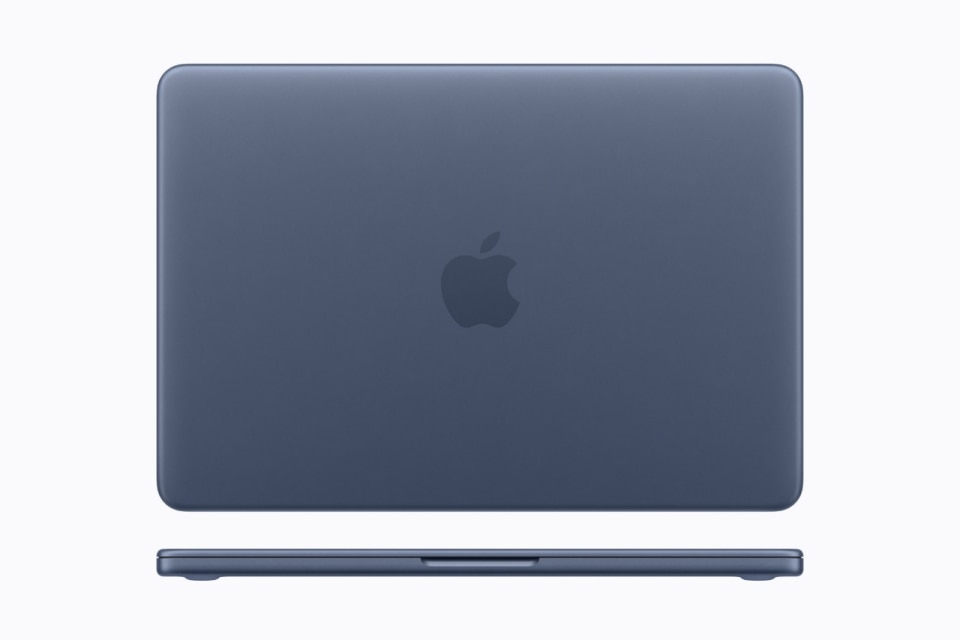
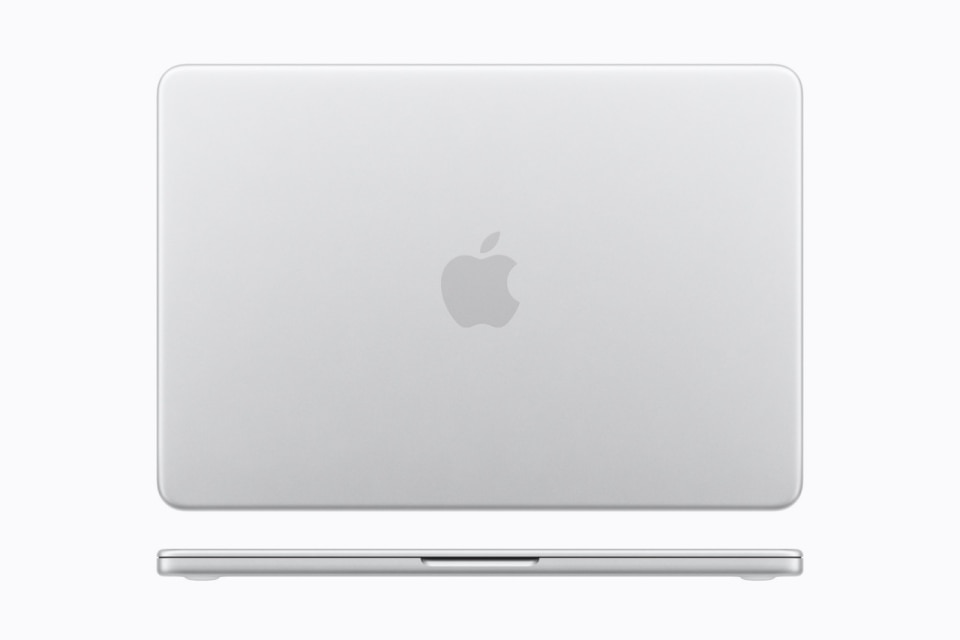
The MacBook Neo is genuinely new. Its design looks a bit like the MacBook Air, which Apple just upgraded to the M5 chip, but its corners are slightly more rounded and it comes in four distinct, playful colours: silver, blush, citrus, and indigo.
Its price is the real head-turner. $599 (€699) for the starter version ($499 or €599 for students and teachers with the education discount) is unheard of for a computer with the Neo's specs. The Apple Silicon chip powering it is the A18 Pro, the same as in the iPhone 16 Pro, and it's well suited to the Neo's target audience: students, low-intensity computer users, and cloud programmers who need a good keyboard (albeit non-backlit) and a screen to access remote development environments.
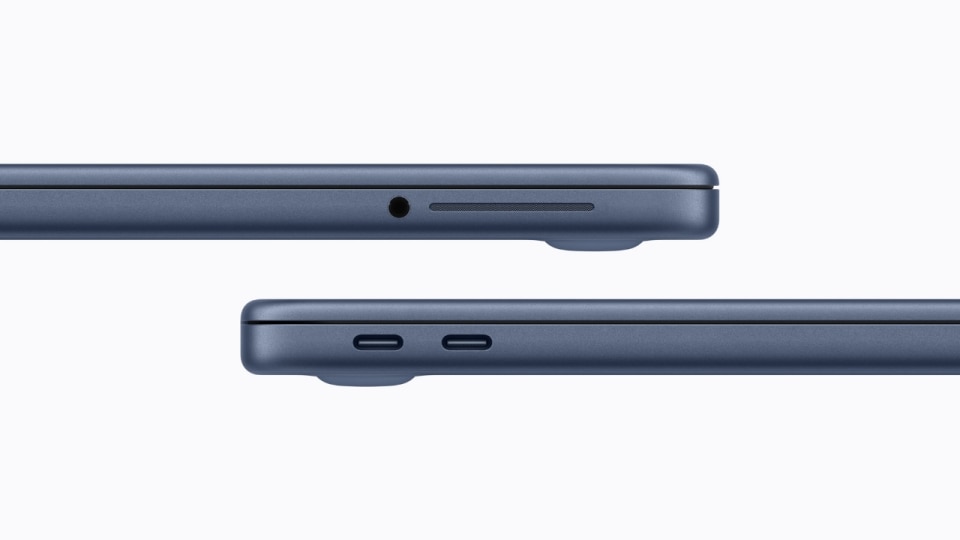
The Neo’s Retina Display is leaps ahead of any PC in the same price range, and so are the laptop's speakers. The chip handles everyday use well, but only allows the computer to drive one 60Hz 4K external display, via just one of the two USB-C ports. There is a headphone jack on the side, but no MagSafe for charging.
All in all, the MacBook Neo is a well-executed exercise in compromise. Apple's engineers were able to leverage the flexibility of the Apple Silicon platform to deliver a computer that is powerful enough yet cheap enough to produce. Aside from perhaps the USB ports, there is no real huge corner-cutting here. The limitations are carefully placed in areas that matter mostly to technically advanced users who wouldn't be drawn to this product anyway, such as the display's colour gamut.
While the new laptop is a genuine victory for the Mac category, and a product we believe will be a runaway success among Gen Zers, students, and even professionals who need a daily driver for light work on the go, it does have one downside: it makes the iPad look out of place. If a computer with these specs at this price was possible all along, what should we make of a tablet that costs more on average yet is far more constrained by the software it runs?
Why should anyone who needs to get non-creative work done choose an iPad over a portable MacBook running a far more open and configurable operating system? While the iPad remains a strong product for a specific niche, the MacBook Neo quietly seals its failure as the general-purpose computer for everyone that Apple once tried to make it.