



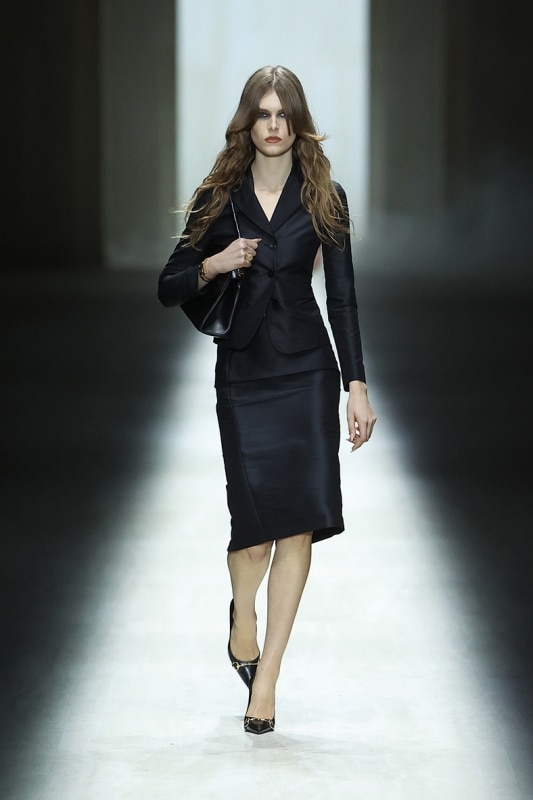
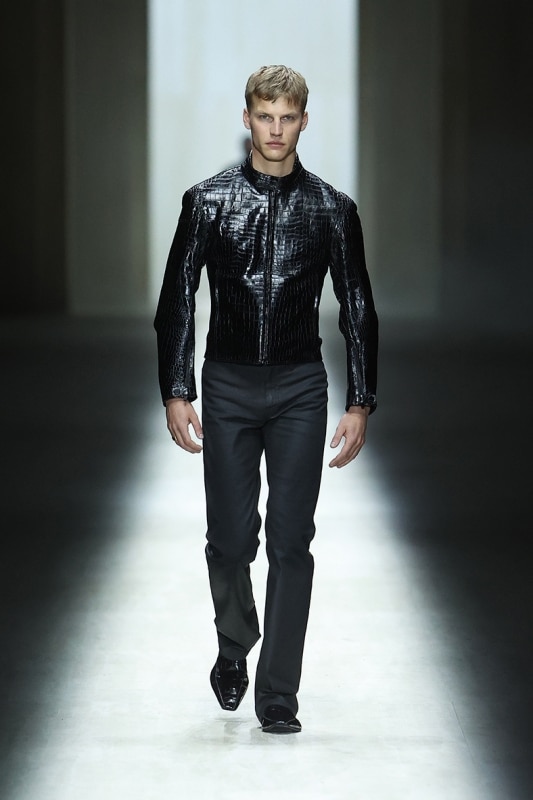
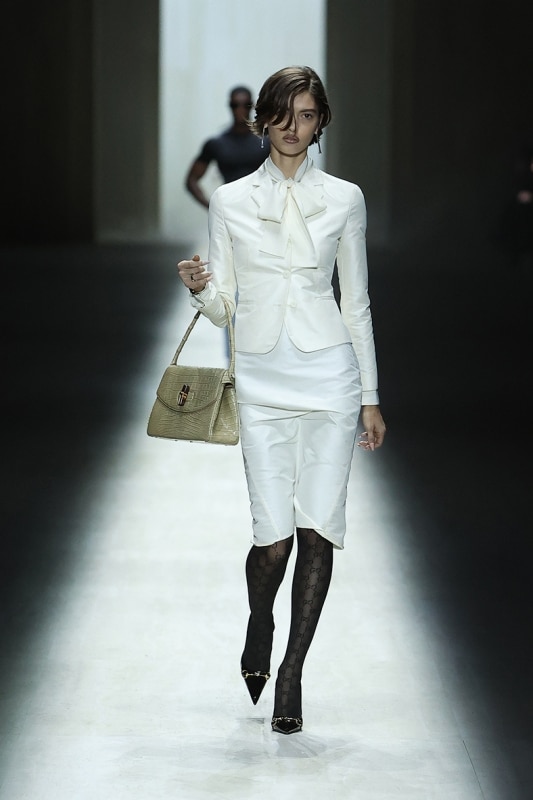
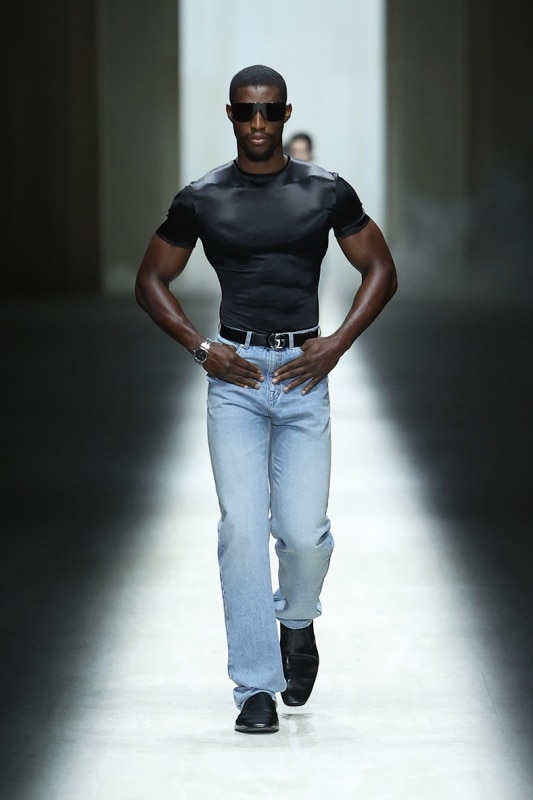
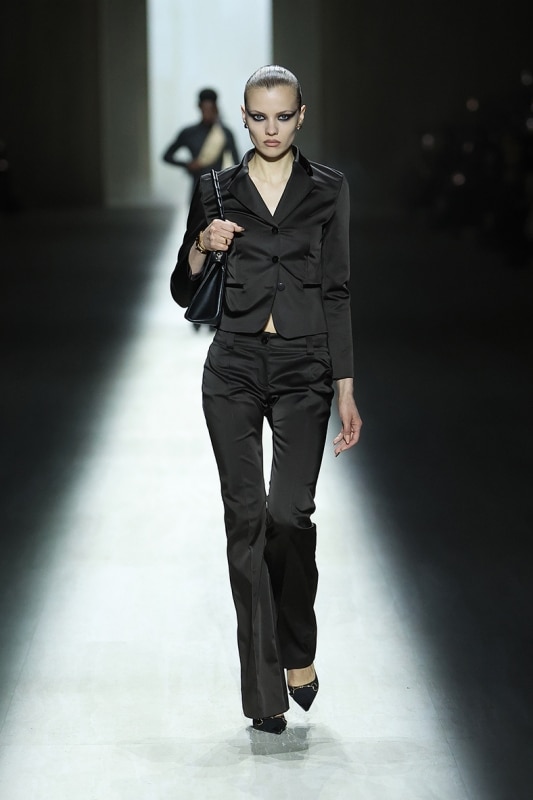
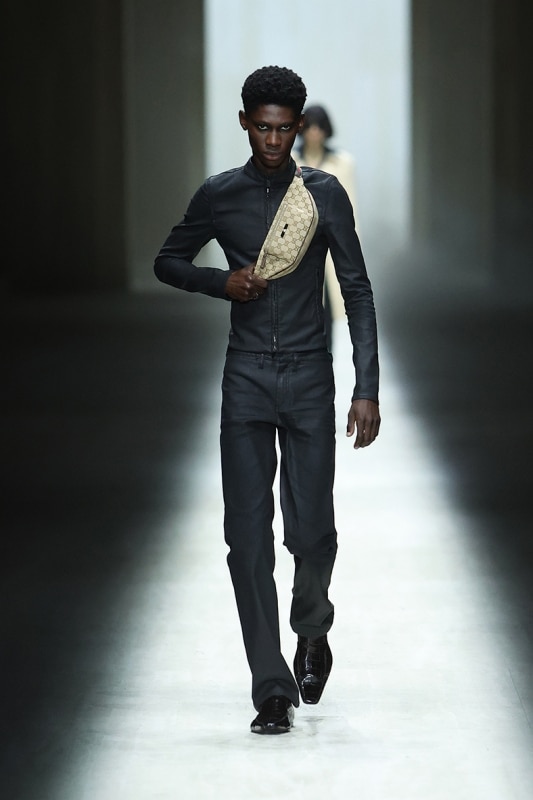
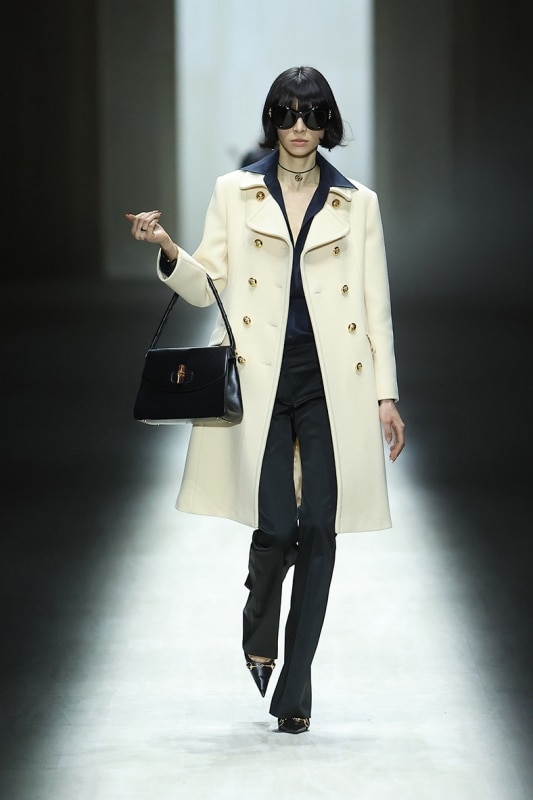
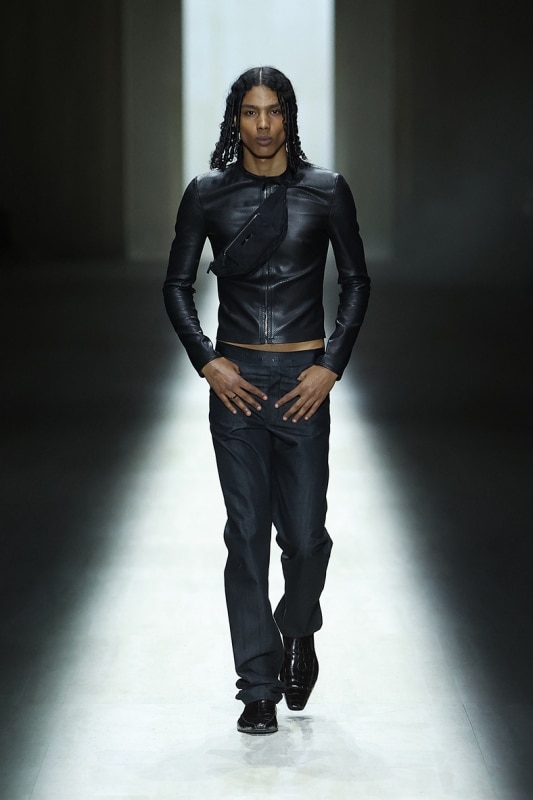
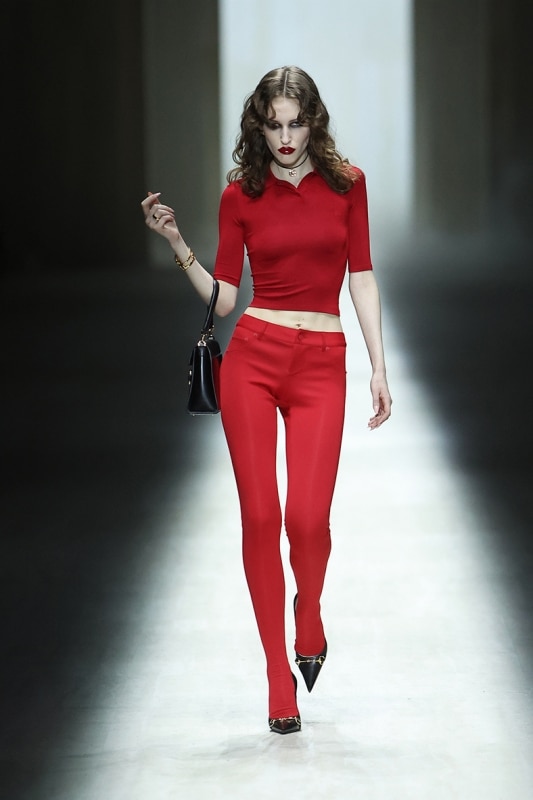
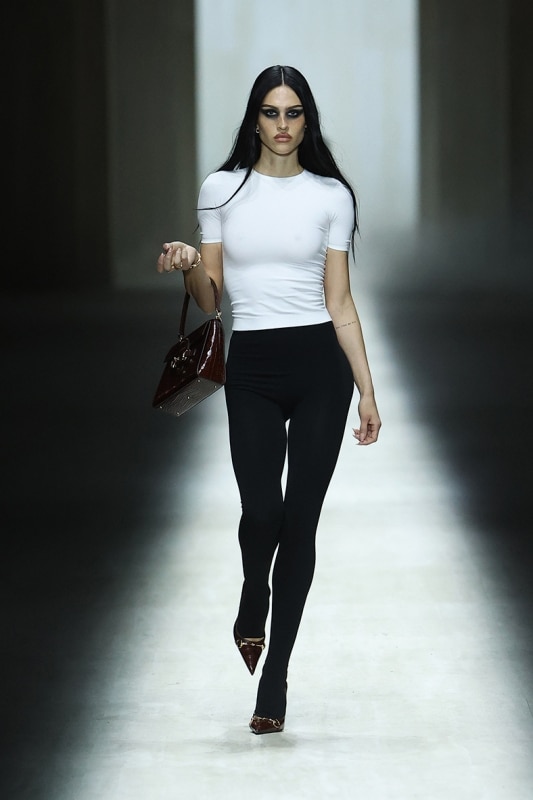
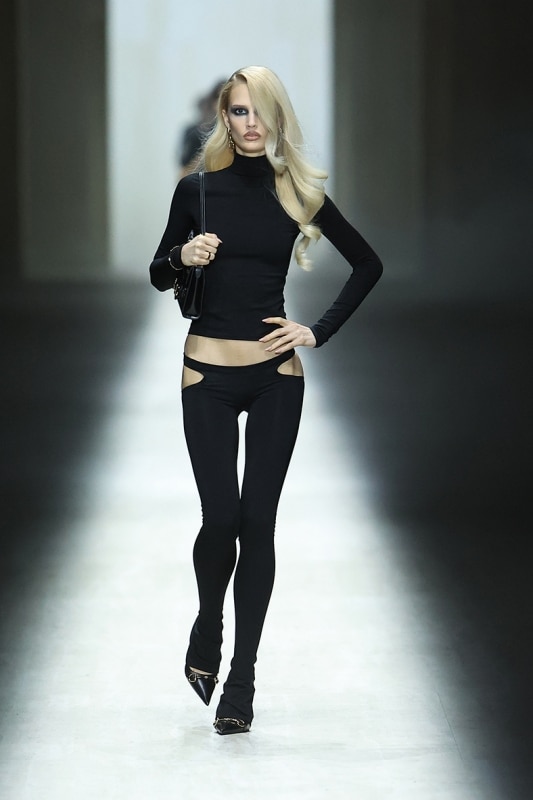
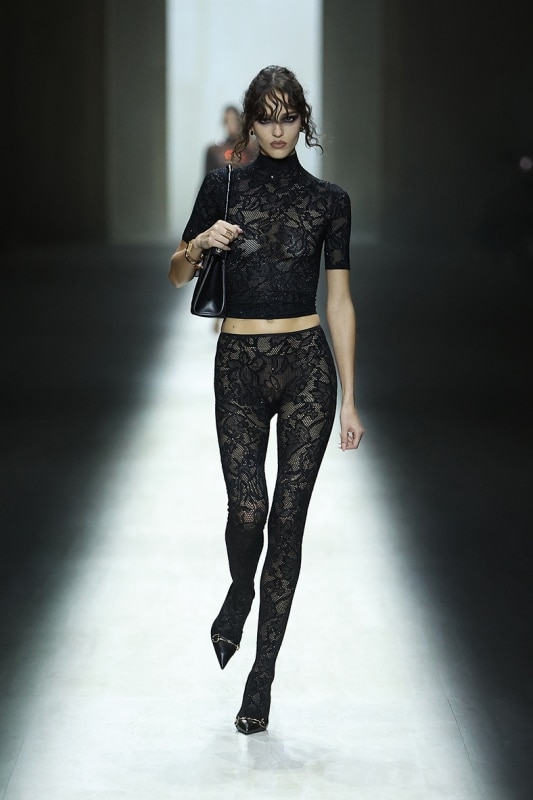
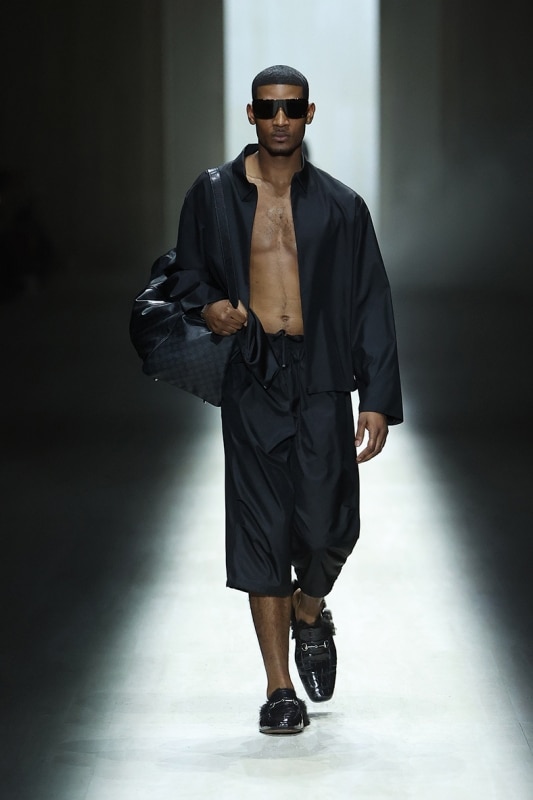
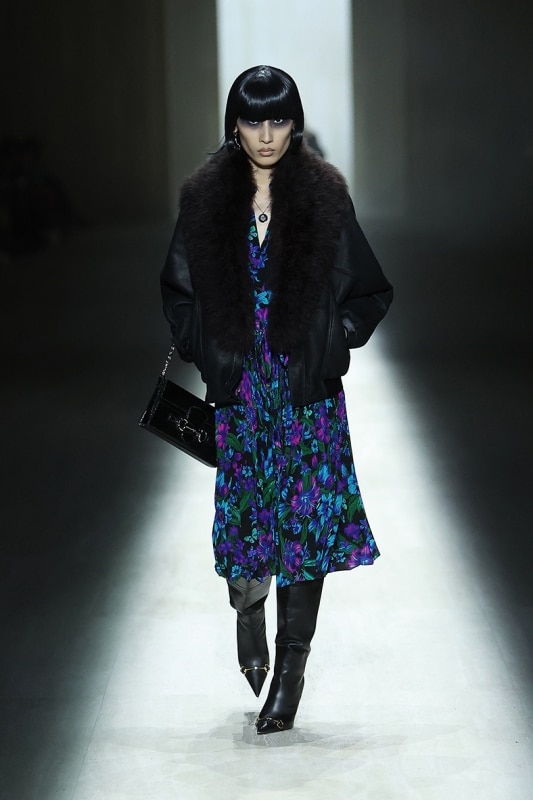
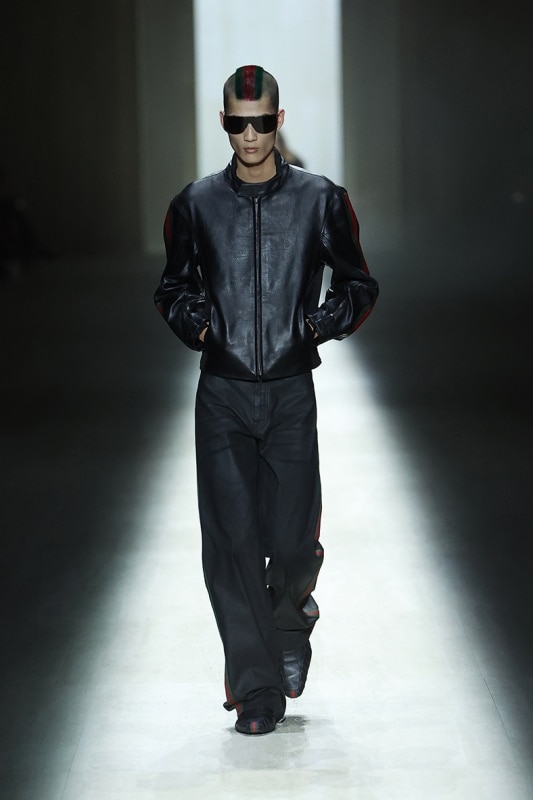
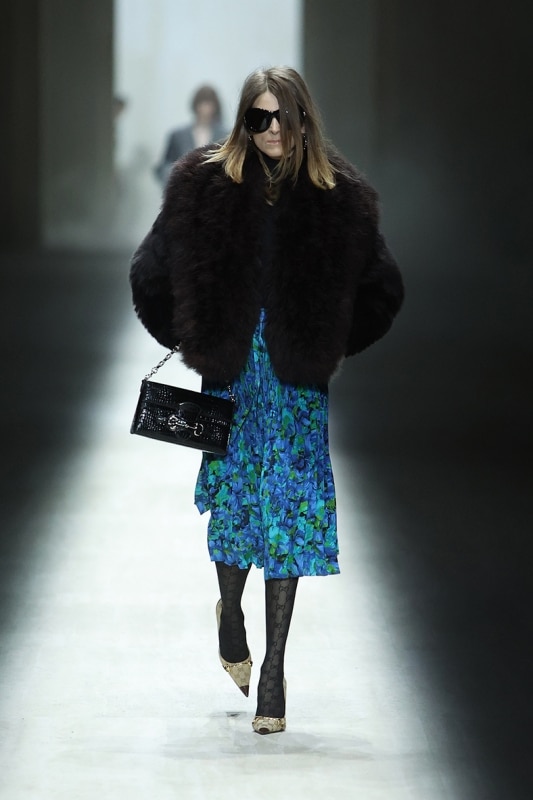
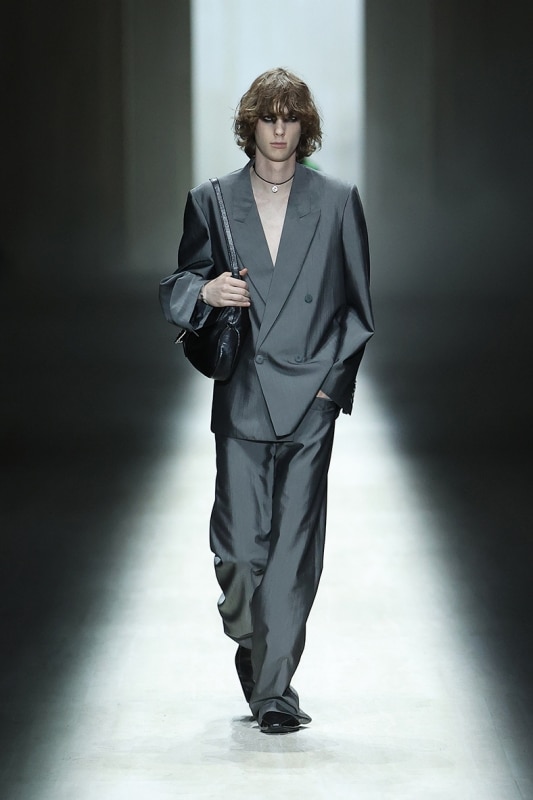
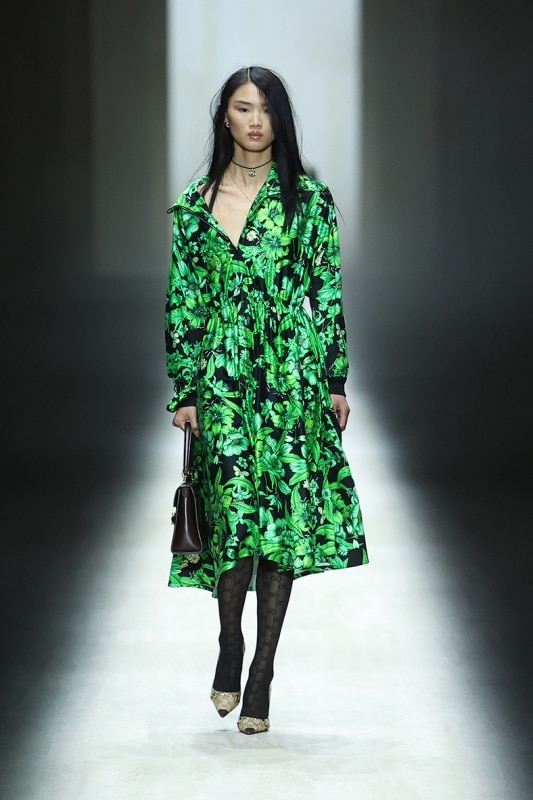
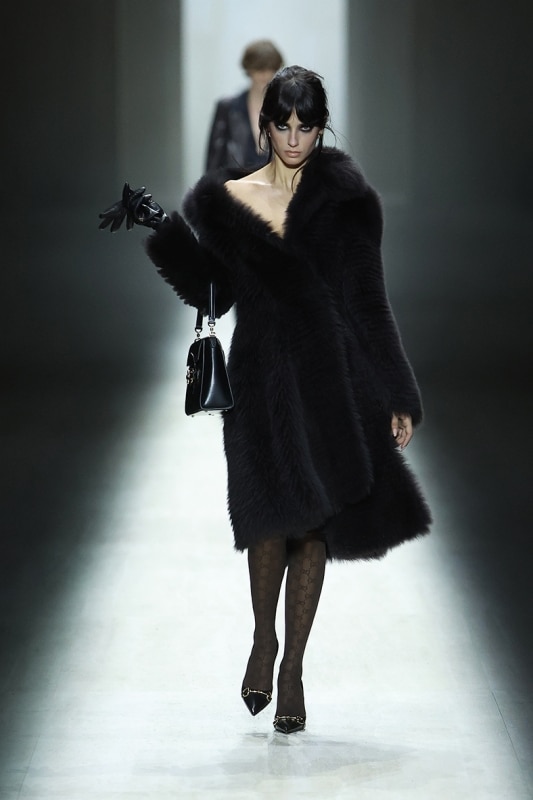
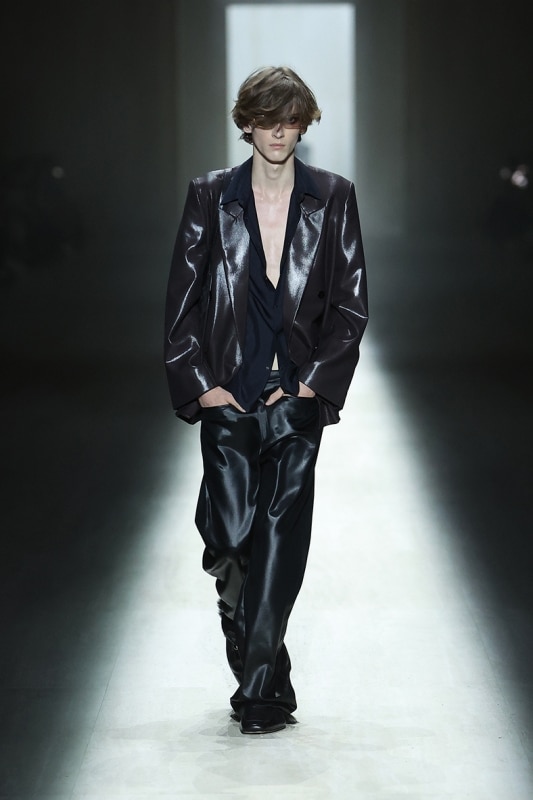
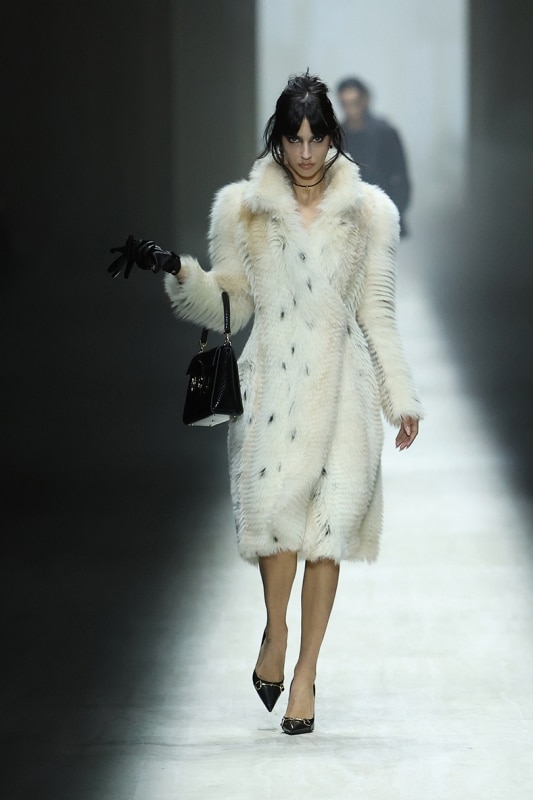
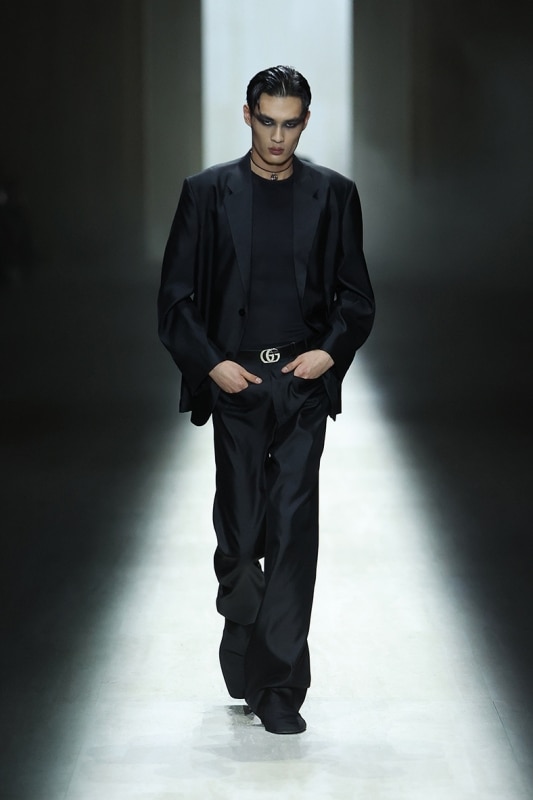
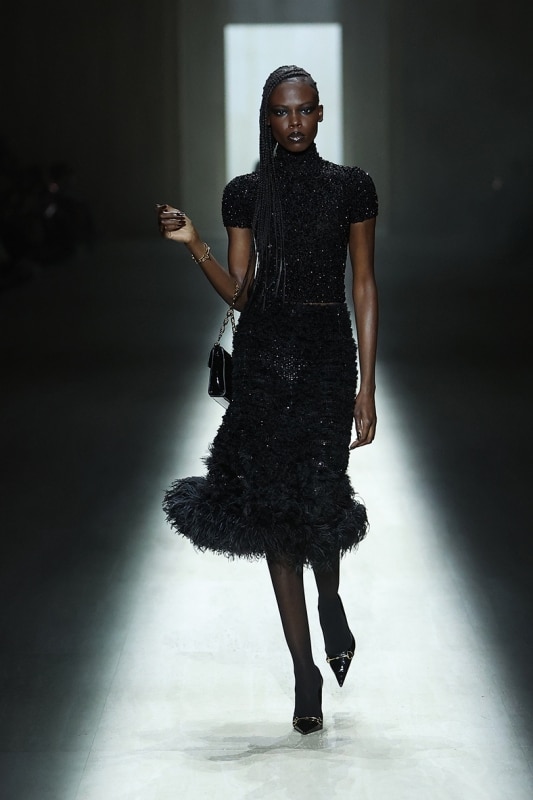
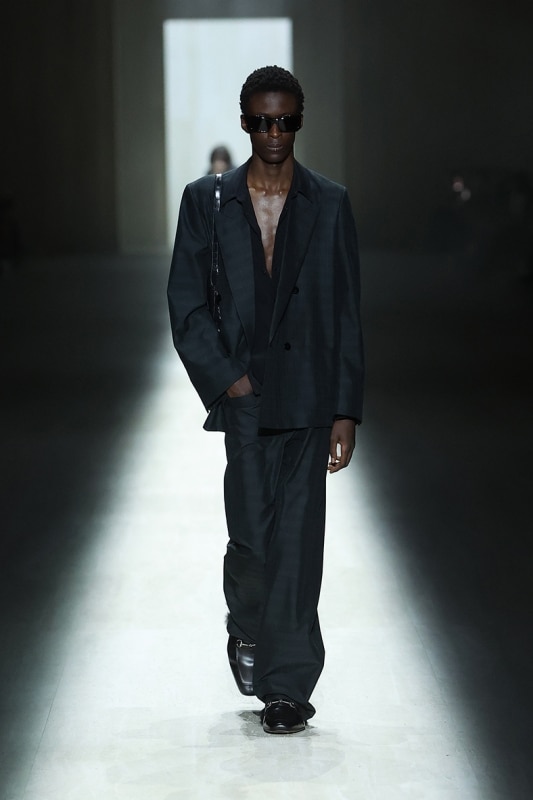
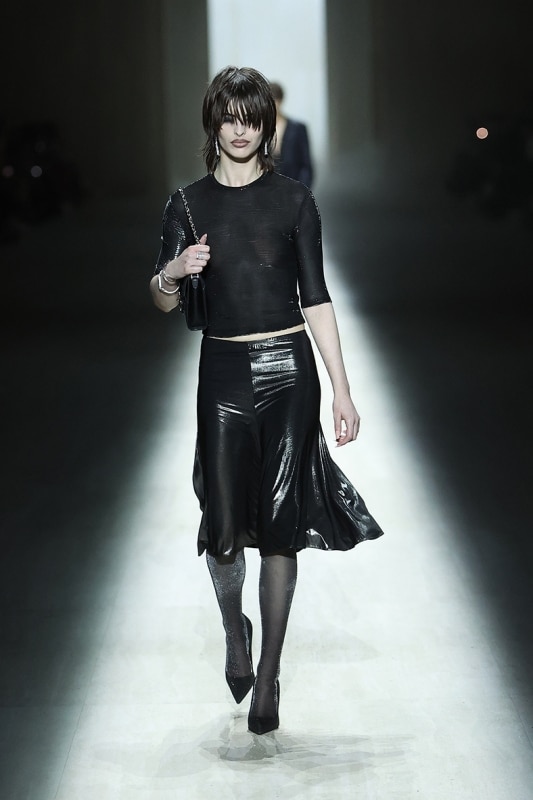
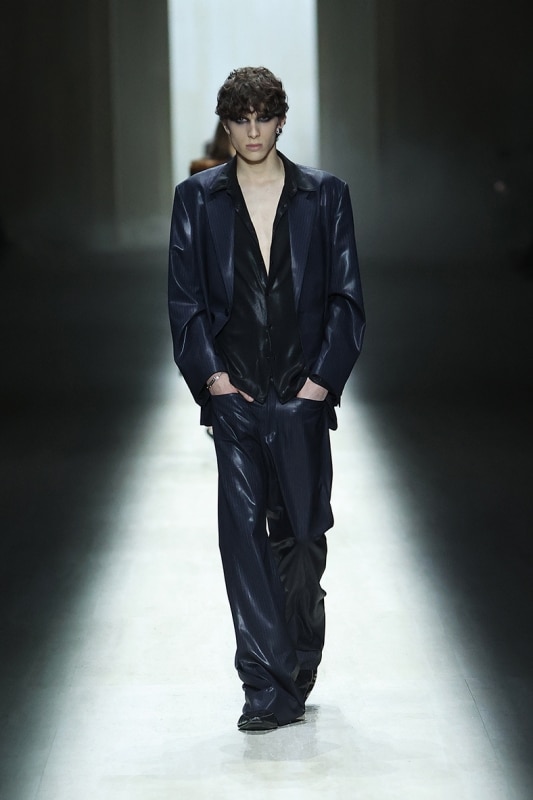
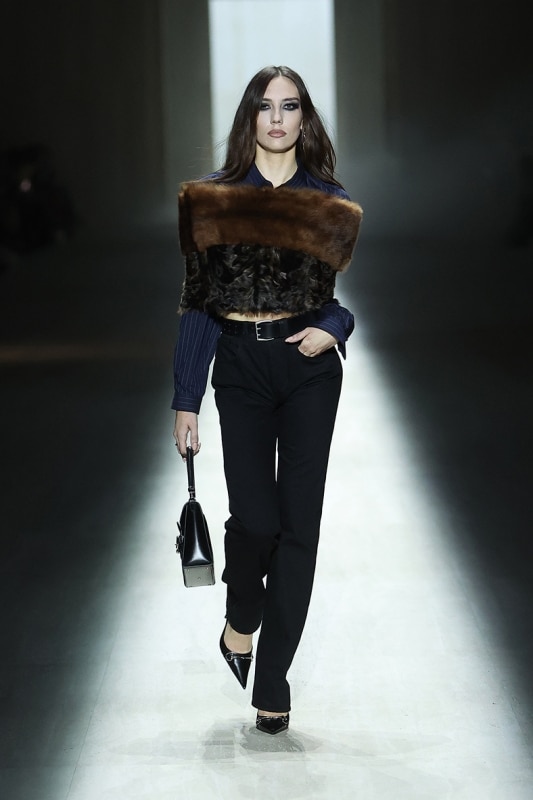
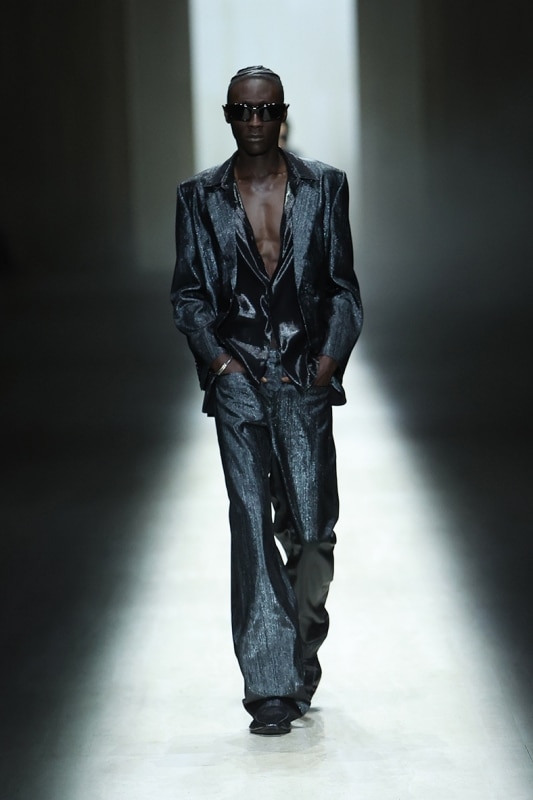
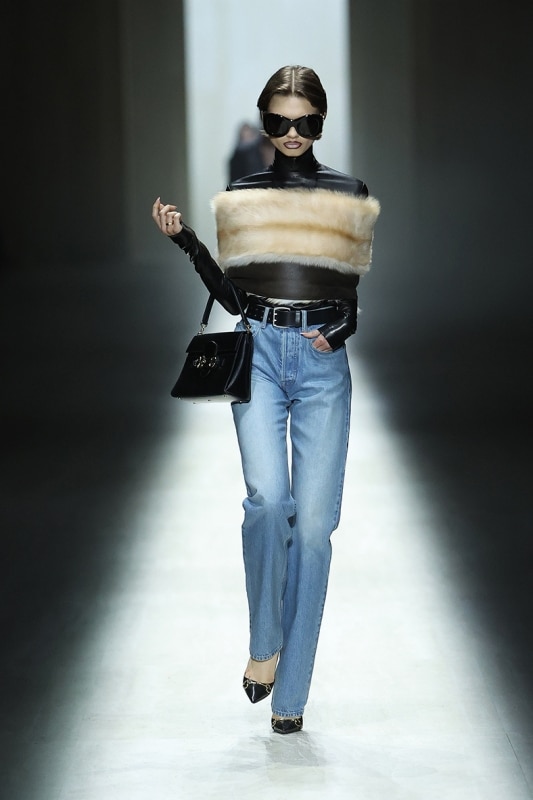
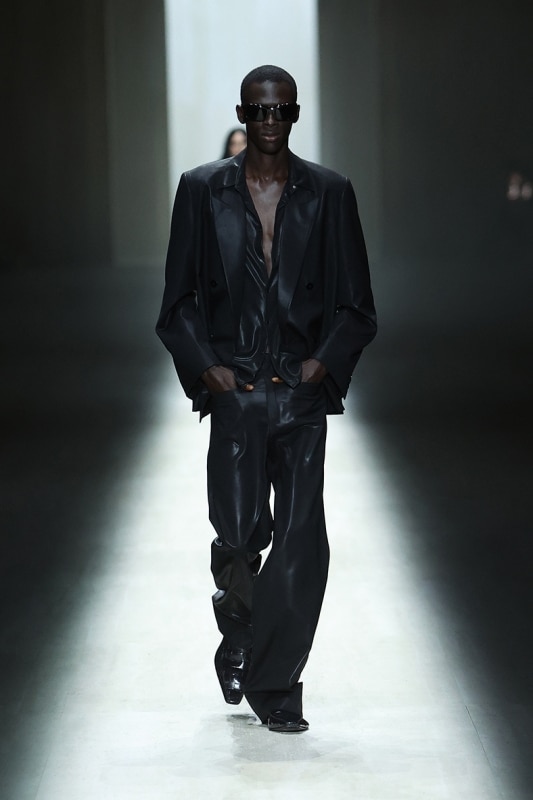
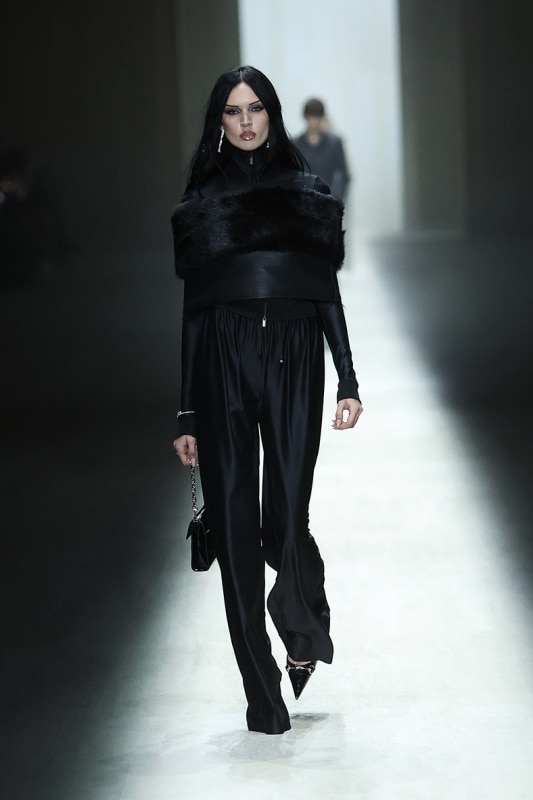
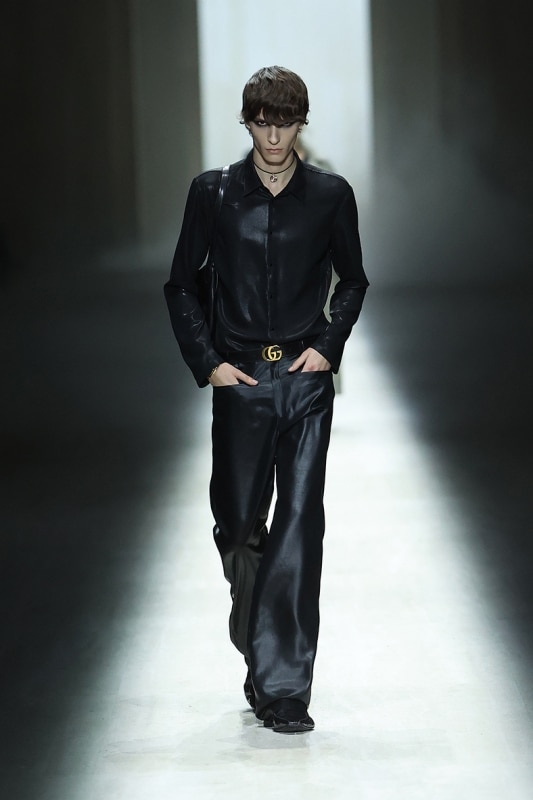
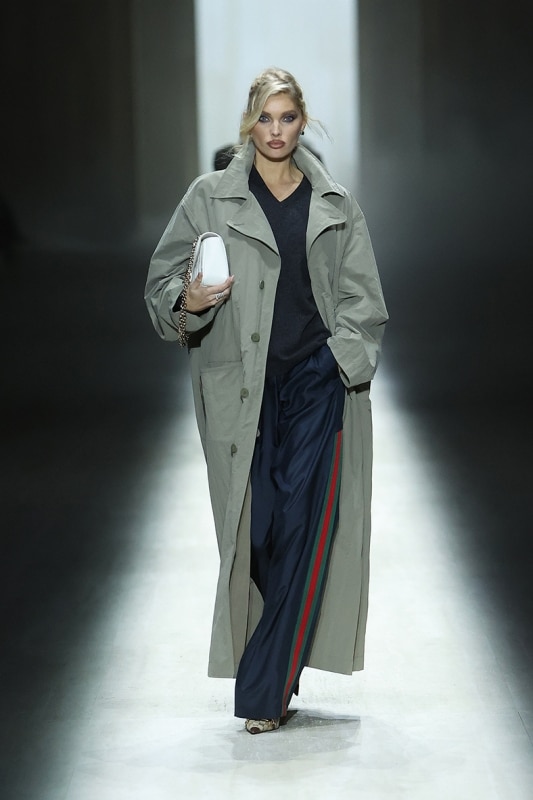
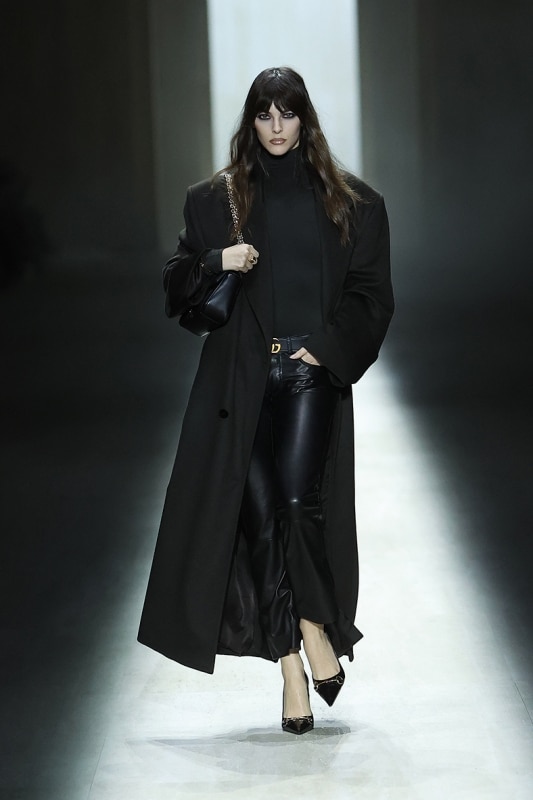
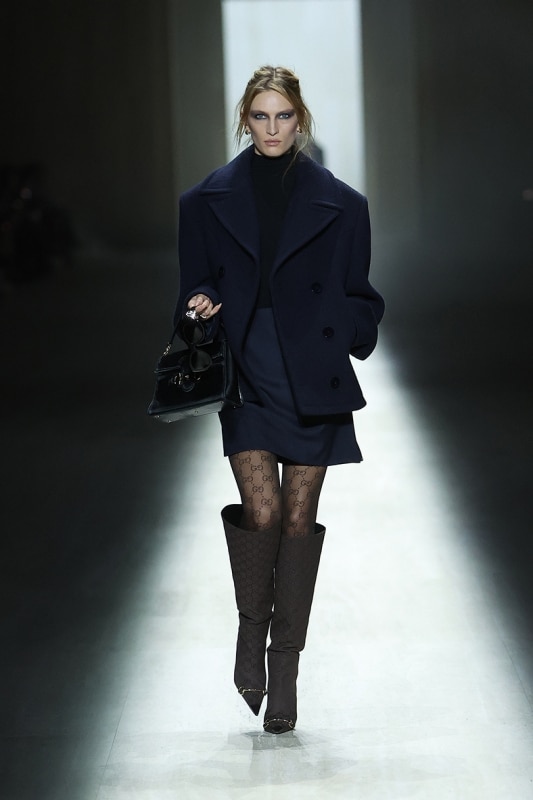
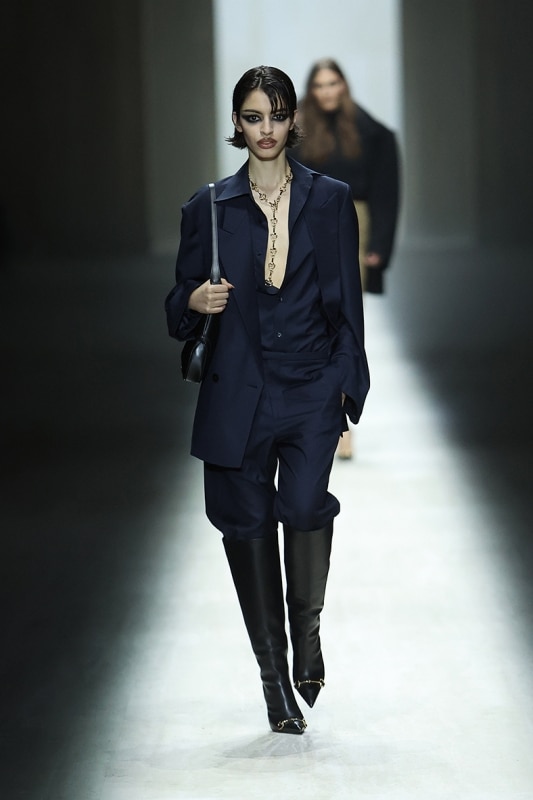
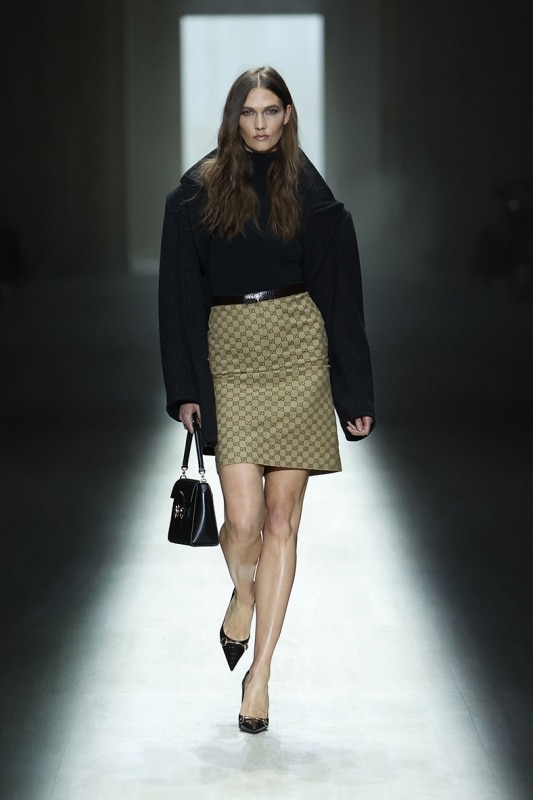
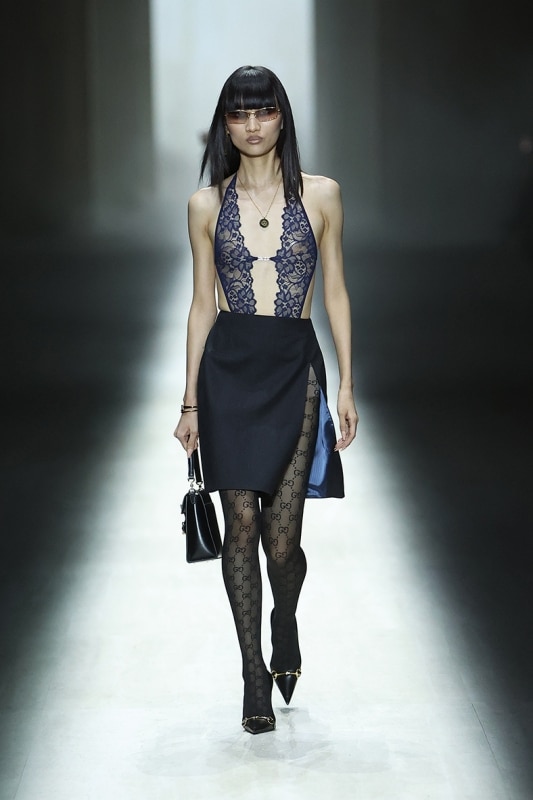
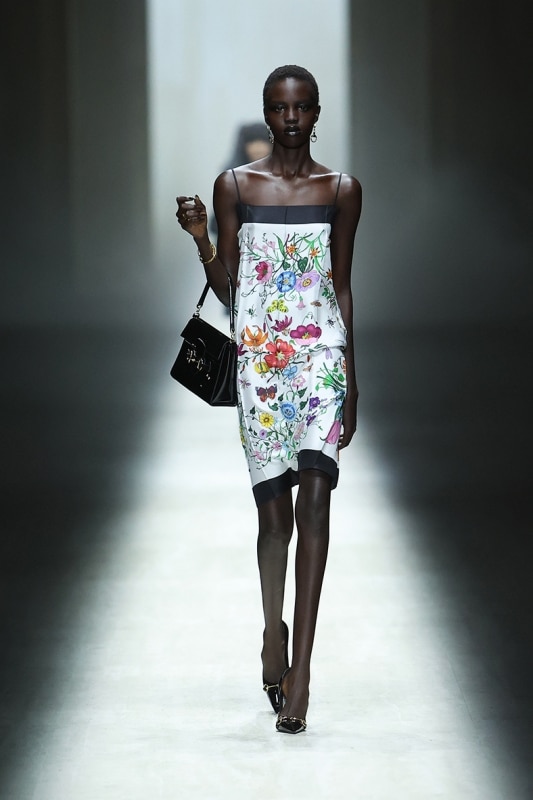
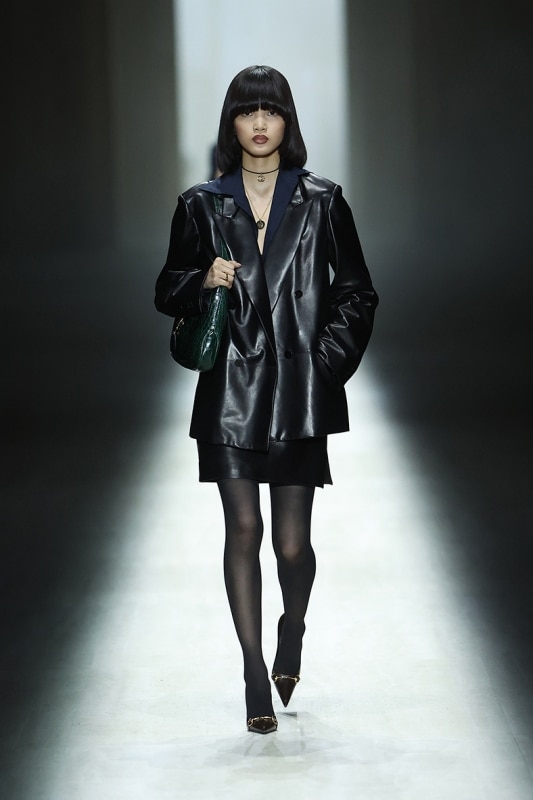
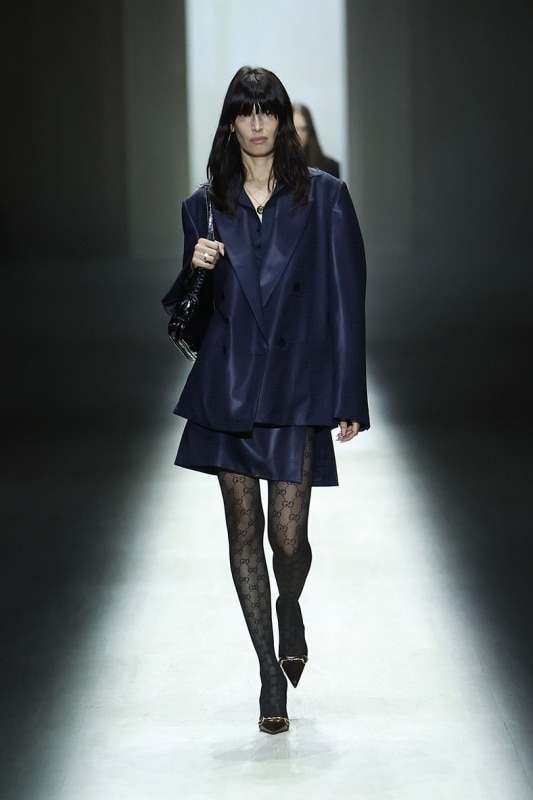
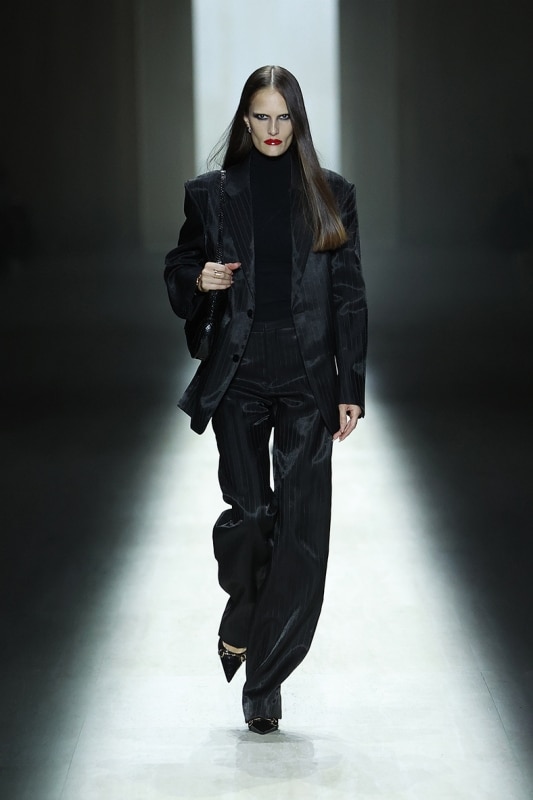
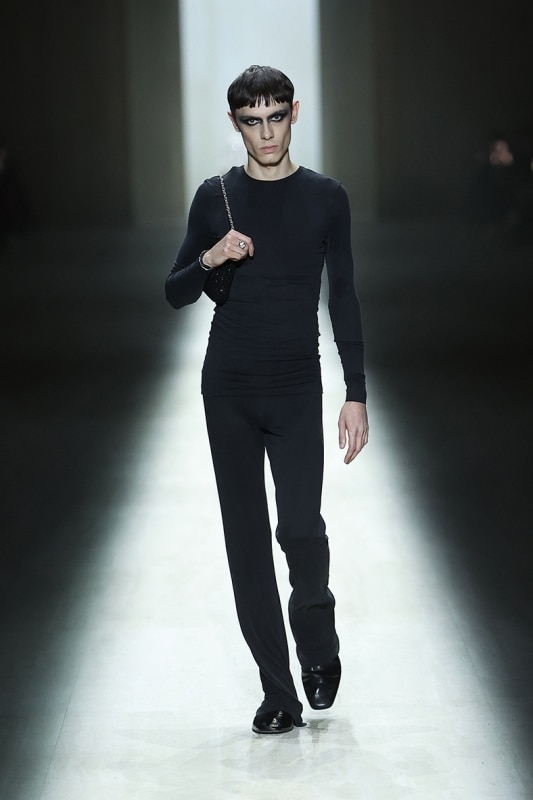
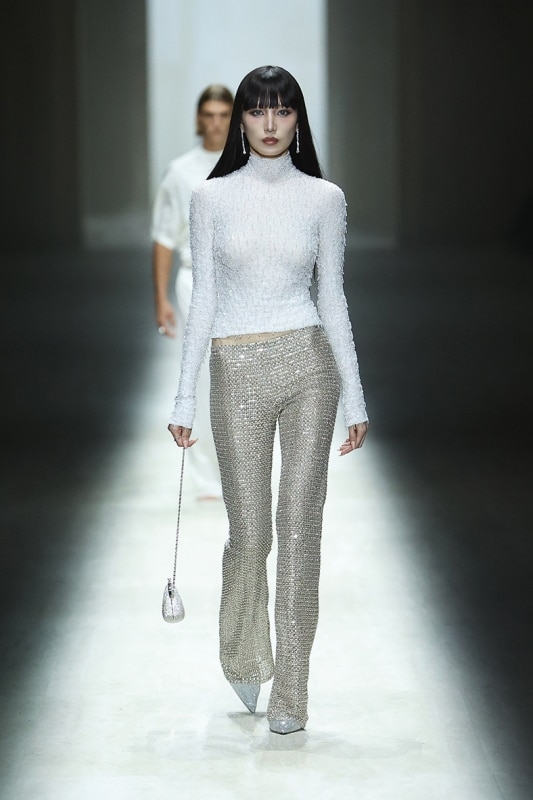
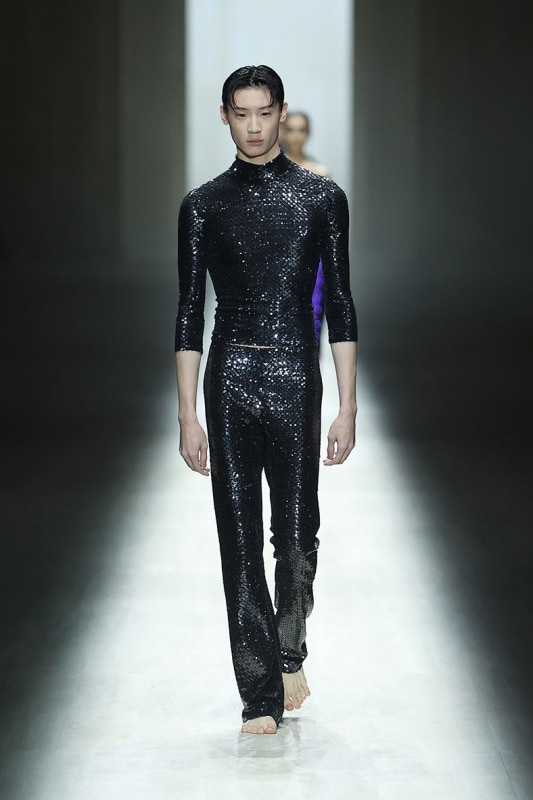
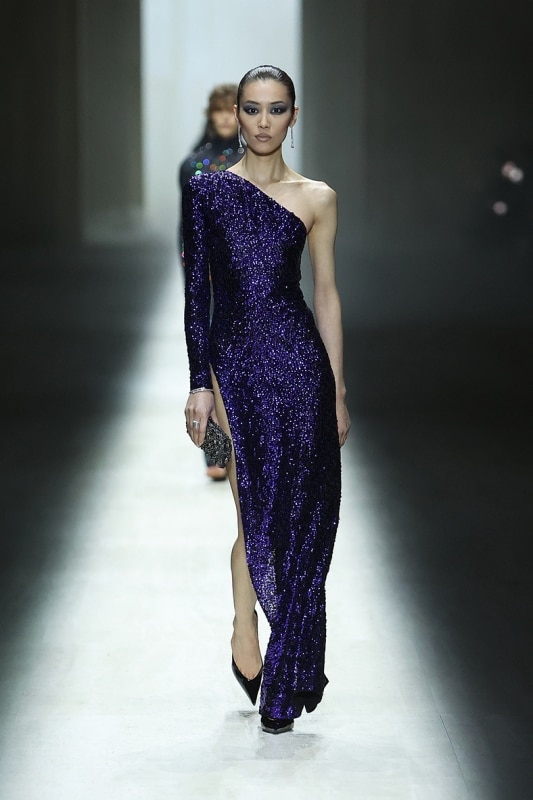
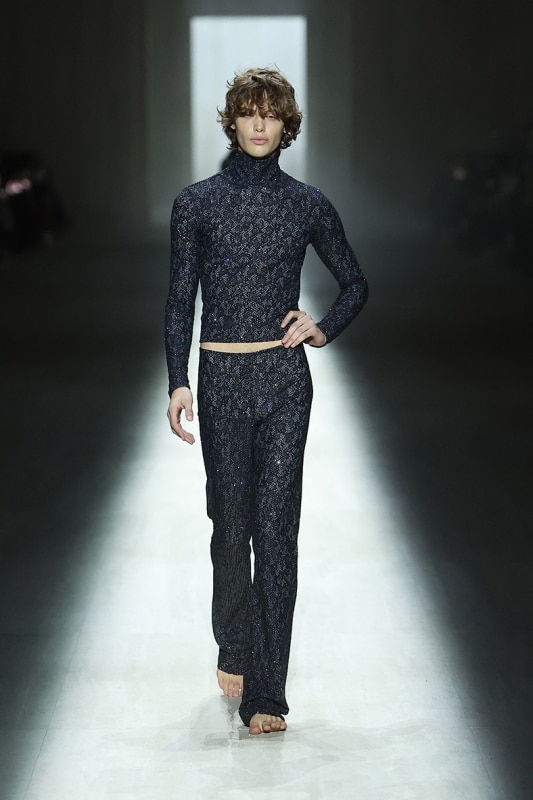
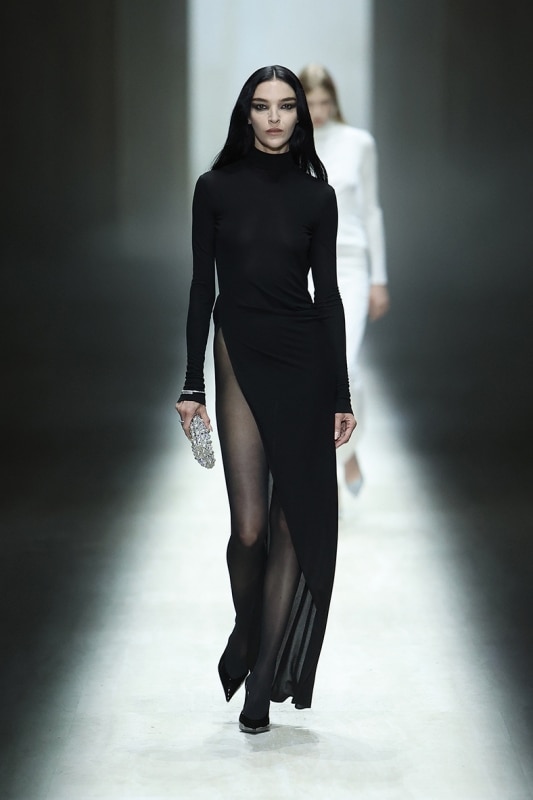
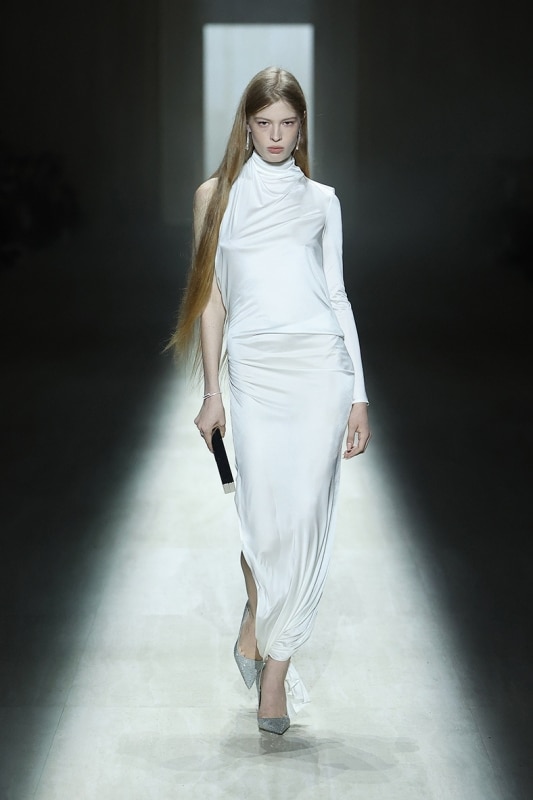
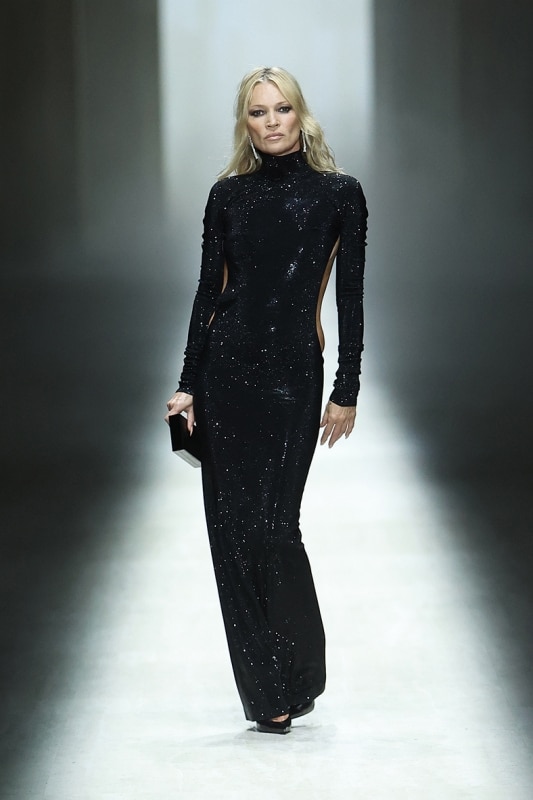
For Gucci, Spring has officially arrived in Milan.
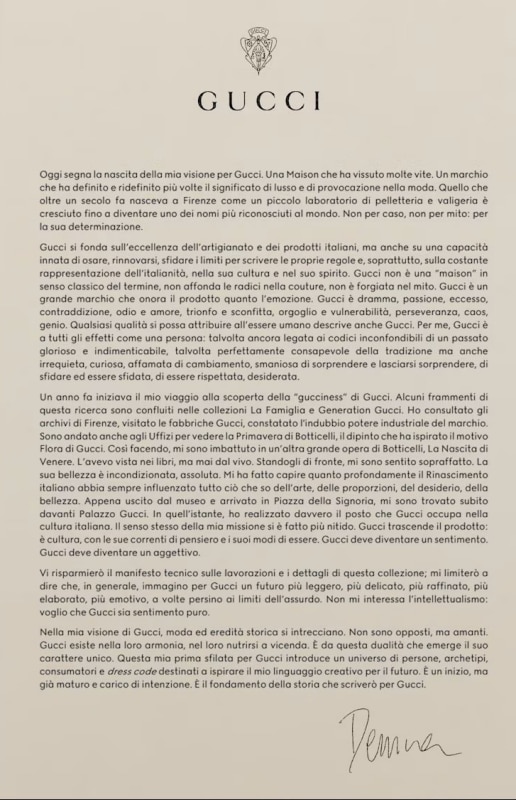
“Today marks the birth of my vision for Gucci.” This is how Demna Gvasalia, Creative director of the brand for just under a year, opens the statement released yesterday across platforms. “What began over a century ago in Florence as a small leather goods and luggage workshop has grown into one of the most recognizable names in the world.” The statement was preceded by a gallery of images on @Gucci’s Instagram profile labeled Primavera: from Michelangelo’s David to Botticelli’s homonymous masterpiece. An iconographic sequence that invokes the Renaissance that made Florence great — the cradle of the brand.
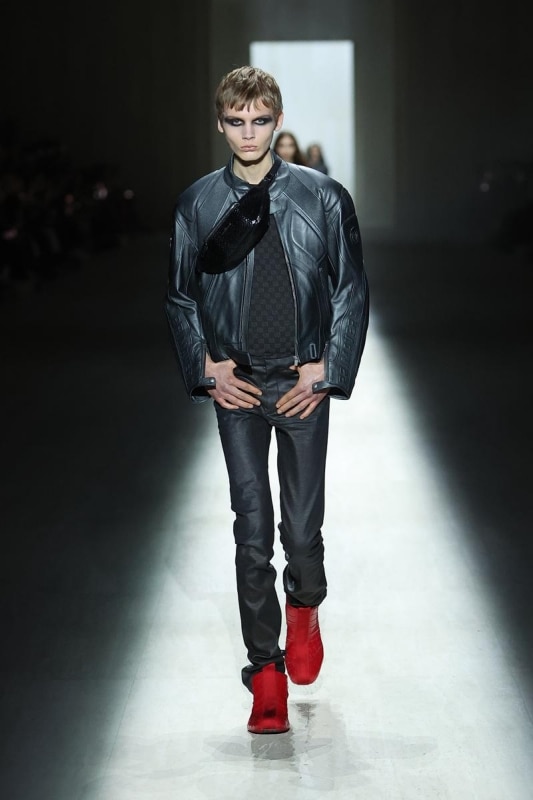
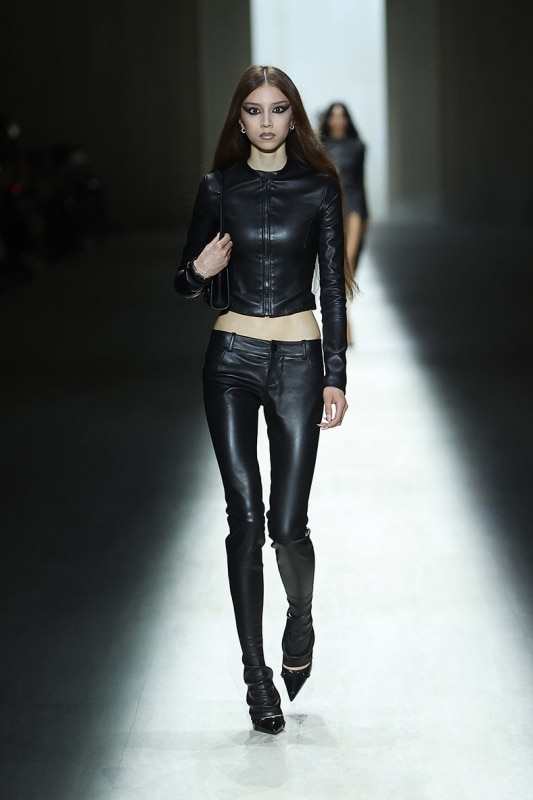
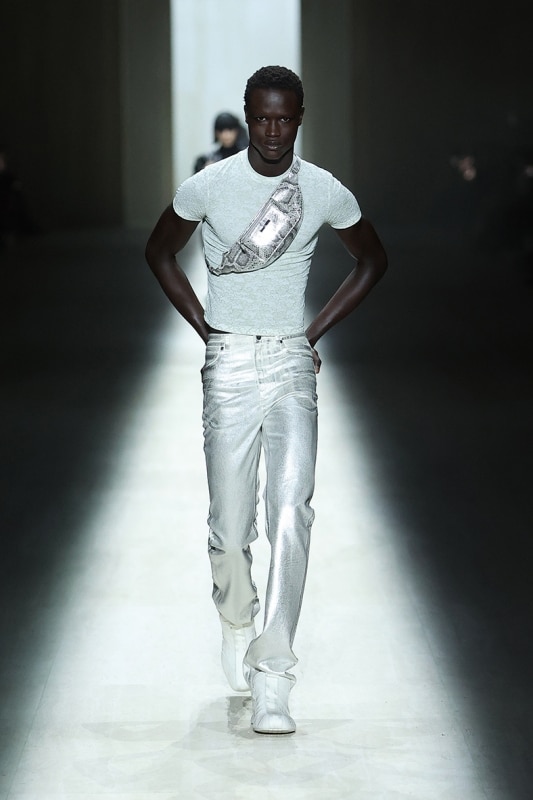
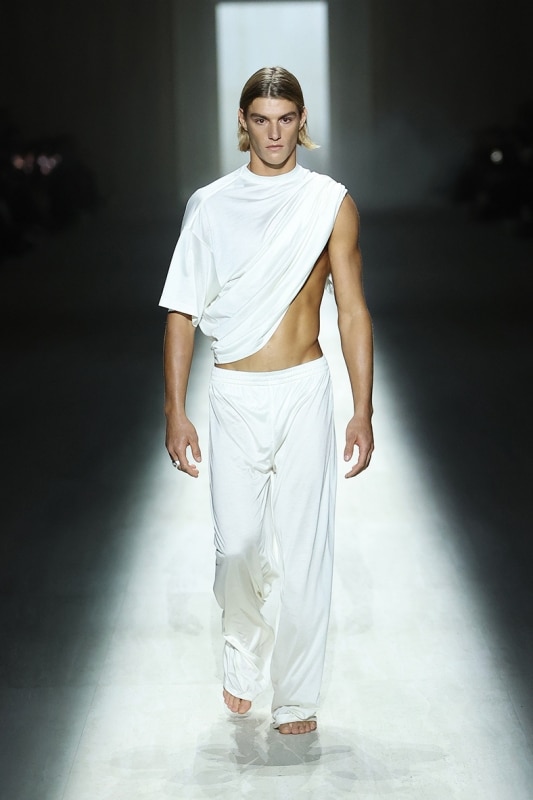
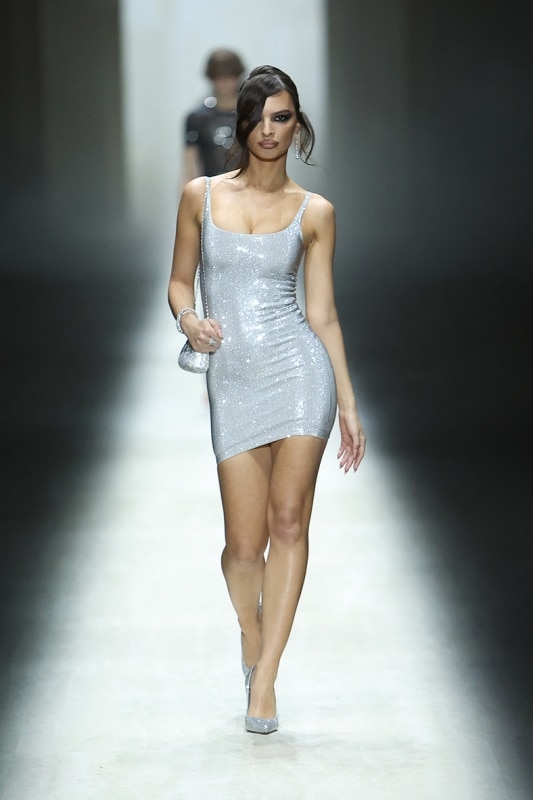
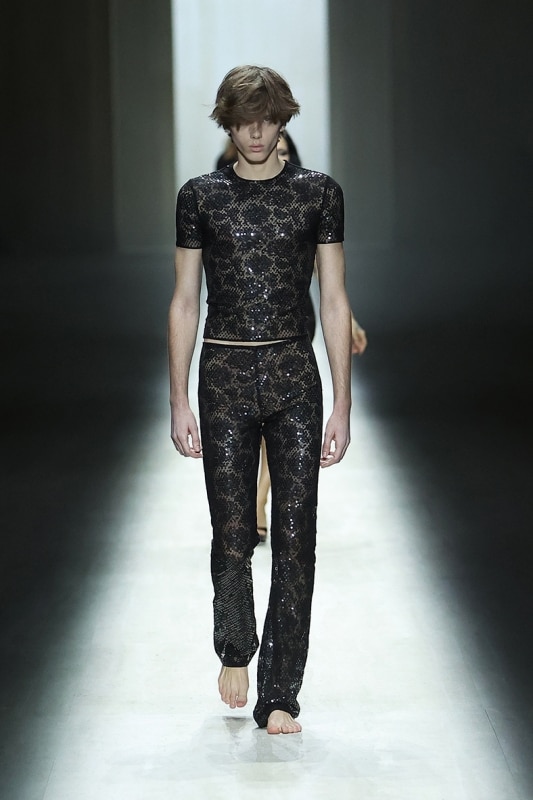
The Milan venue translates this evocation into space. In Piazza VI Febbraio, stepping through the Gucci-branded entrance, one enters a solemn, almost museum-like environment. The audience sits on wooden bleachers, like in a temporary lecture hall or a contemporary cavea. Statues remain in semi-darkness, silent presences of a past that slowly fades yet continues to watch over tradition. The light cuts horizontally across the room, theatrical: black and white, shadow and revelation. The architecture does not invade — it frames. Minimal, yet charged with memory.
Gucci is drama, passion, excess, contradiction, hate and love, triumph and defeat, pride and vulnerability, perseverance, chaos, genius.
Demna
This is not simply an evocation of the Renaissance. Demna – the fashion system loves to call the fashion designer just by name – uses it as a device. Not as heritage to celebrate, but as a stage mechanism to reactivate. The statues in penumbra, the wooden cavea, the horizontal beam of light do not build a tribute to history, but a set. Italianity becomes surface, repertoire, visual grammar to orchestrate. Gucci is no longer merely a Florentine brand: it becomes a theater where tradition is reiterated to excess in order to be transformed into contemporary spectacle.
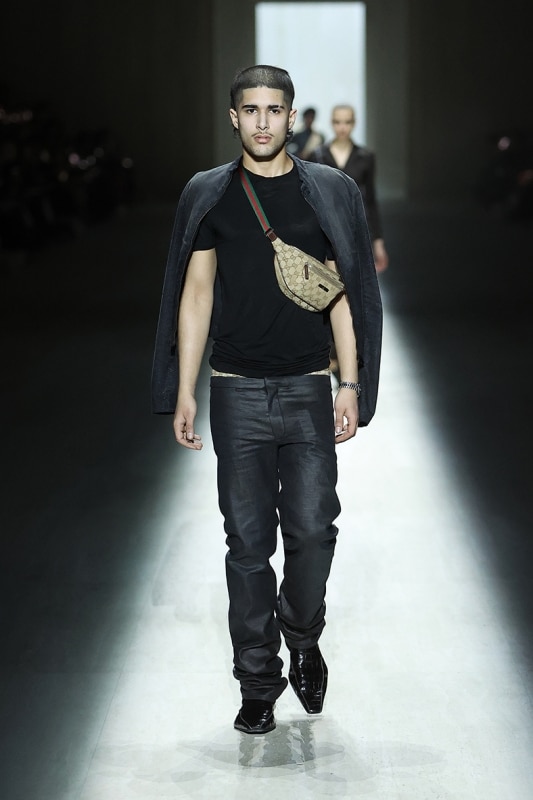
There is an atmosphere that inevitably recalls Alessandro Michele’s shows. Practically everyone is in attendance, Michele himself included. Guests carry the monogram and the green-red-green web stripe visibly on their arms, as a gesture of belonging.
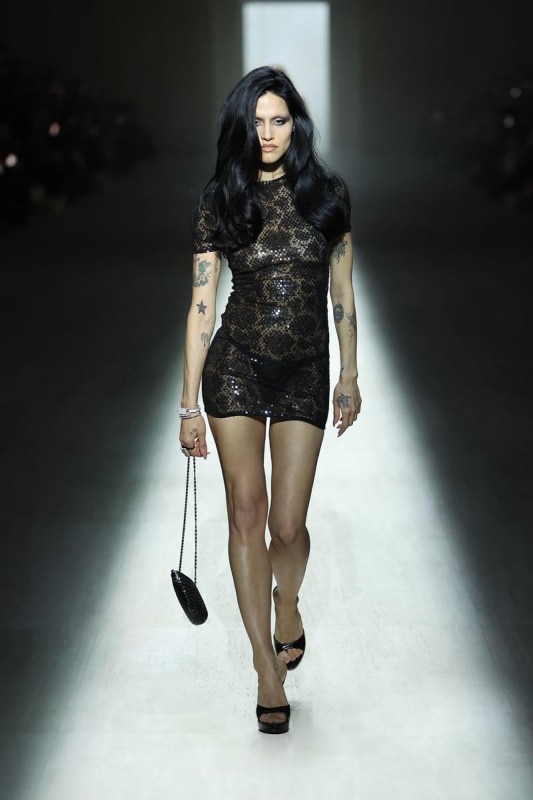
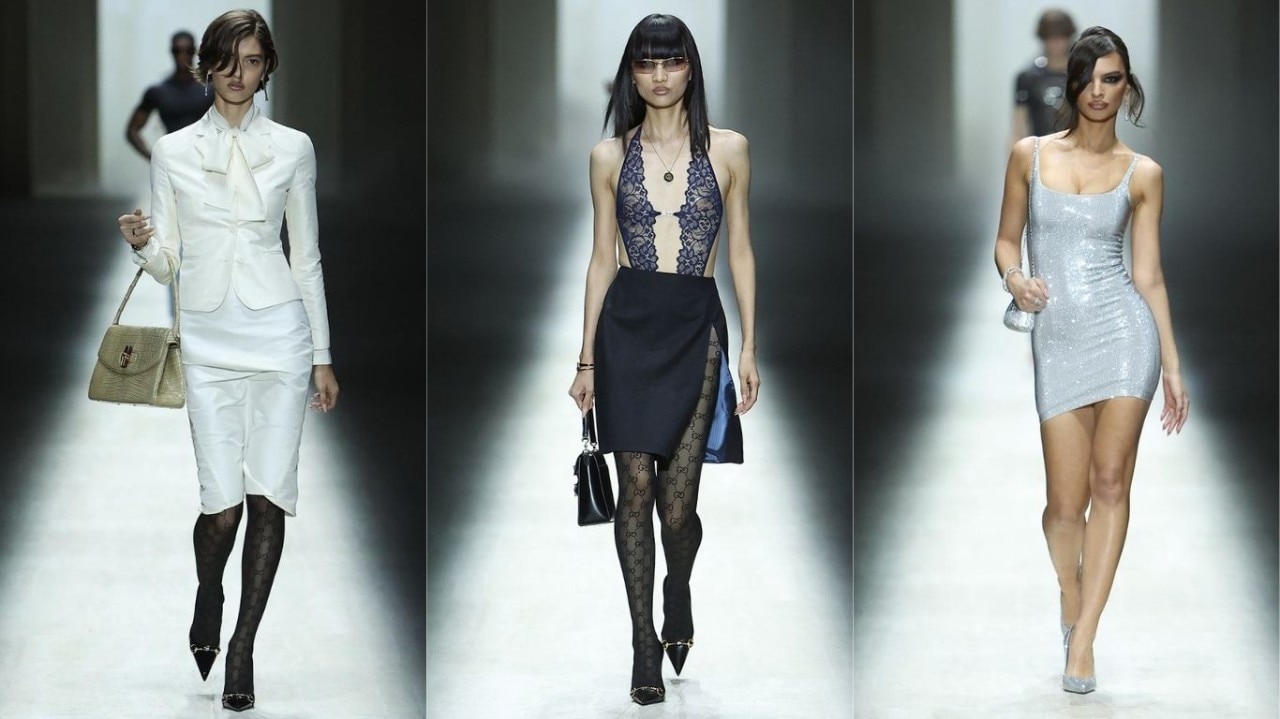
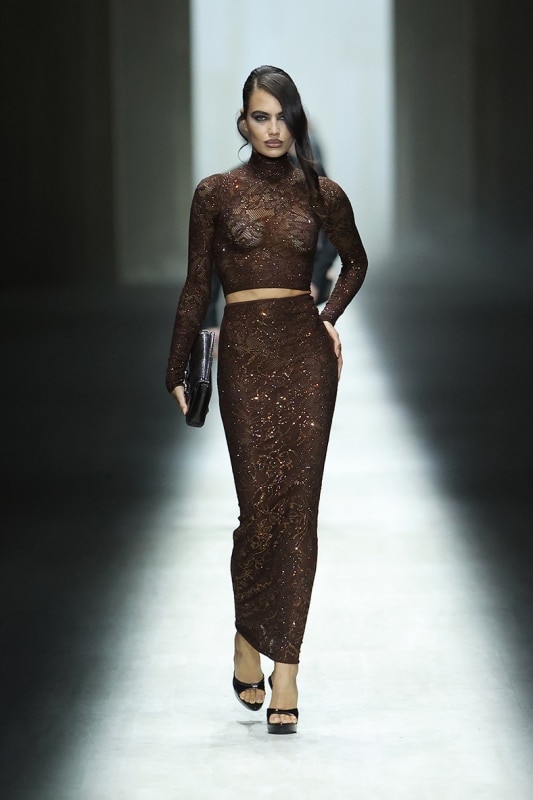
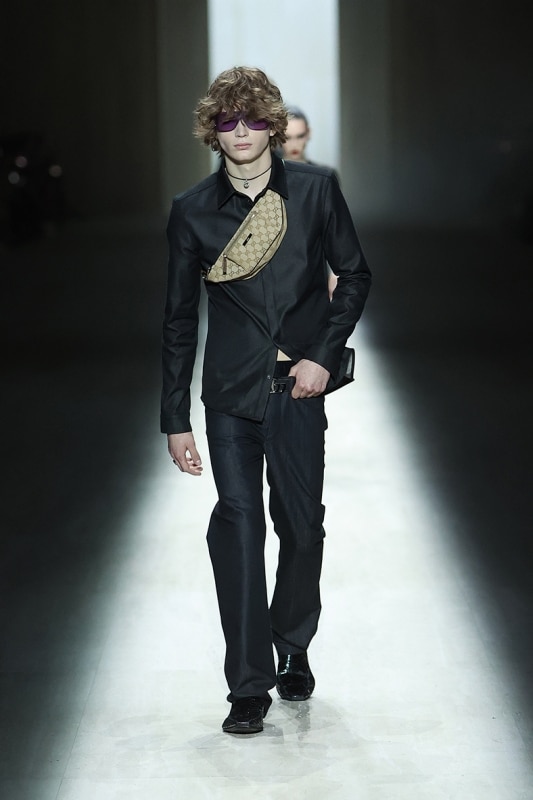
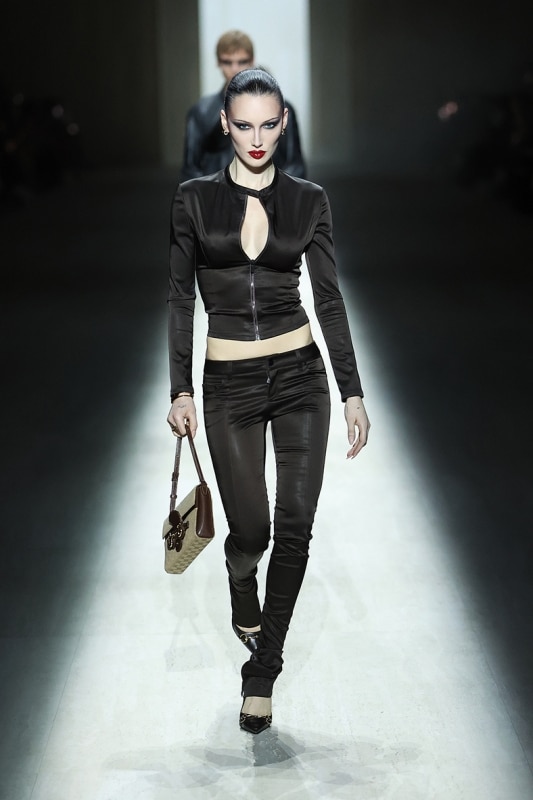
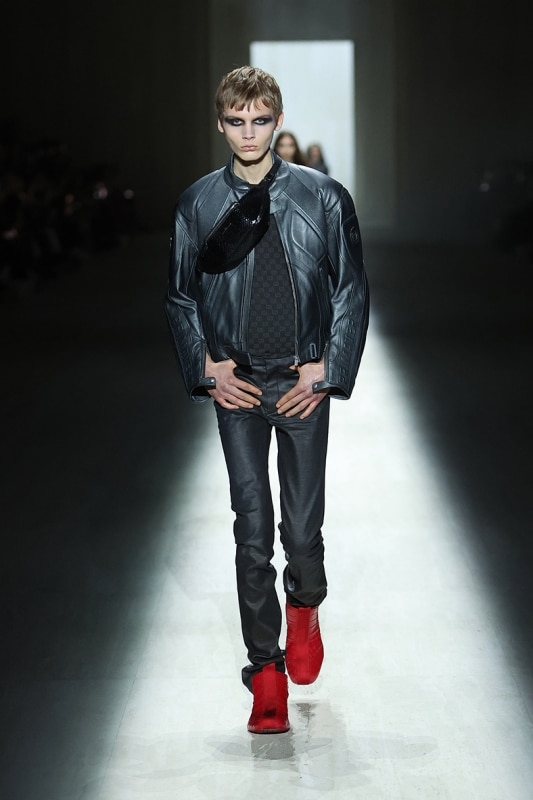
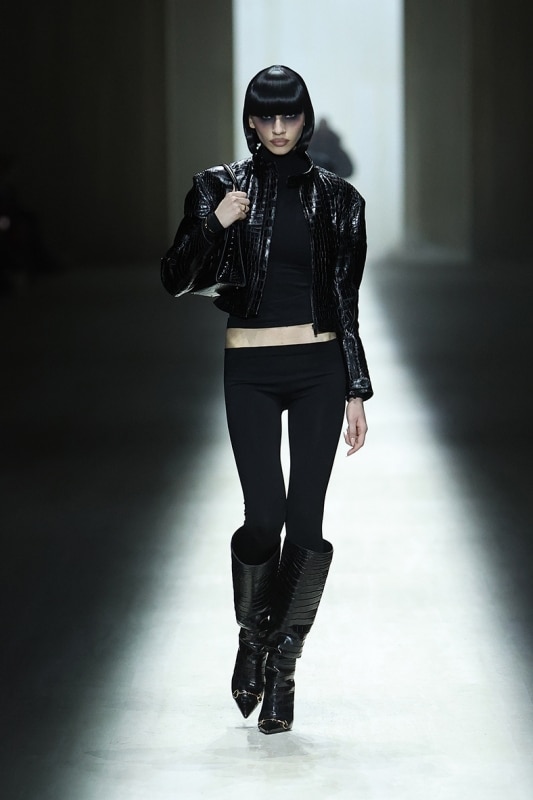
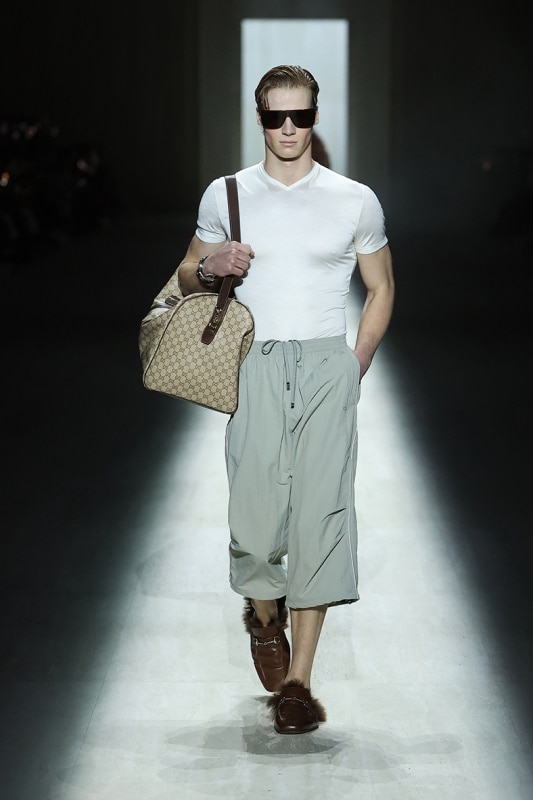
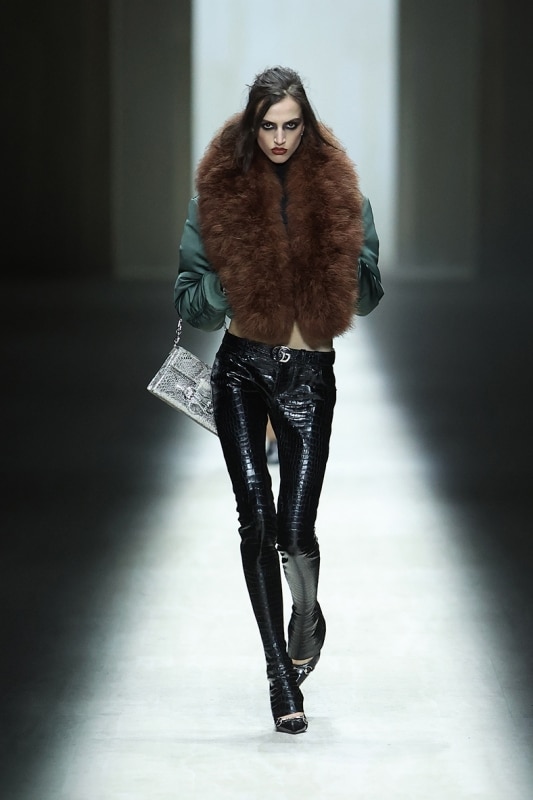
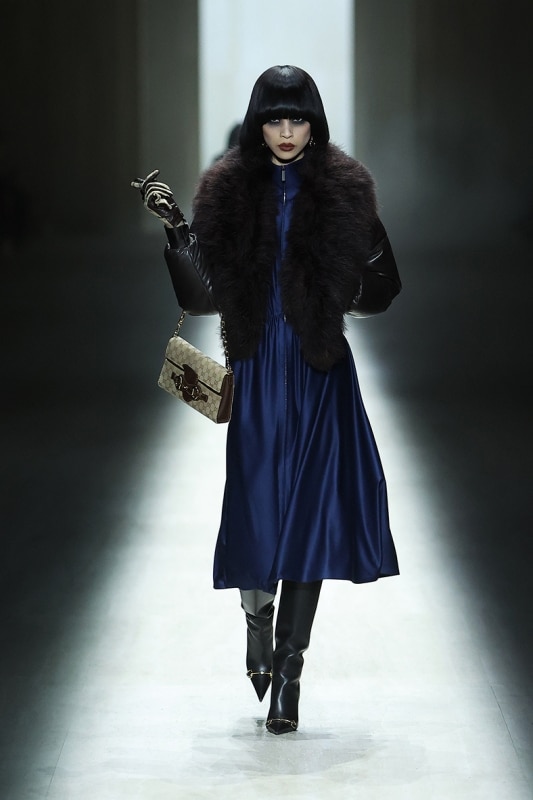
As the show begins, it recalls the “Generation Gucci Lookbook” presented in December. Everything speaks the language of memory, with the most recognizable echo being the Tom Ford years (1994–2004).
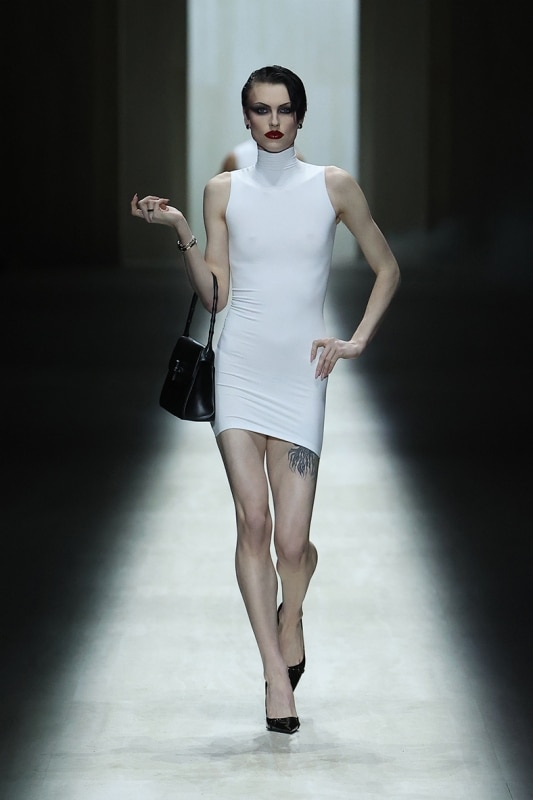
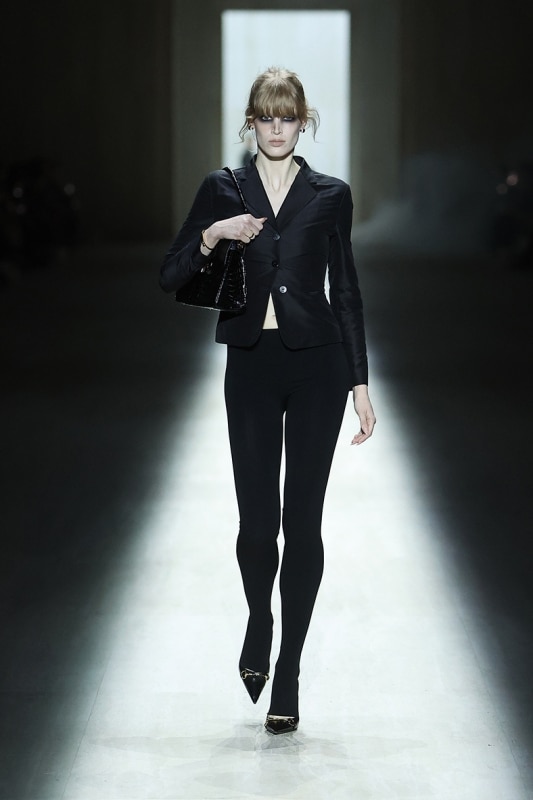
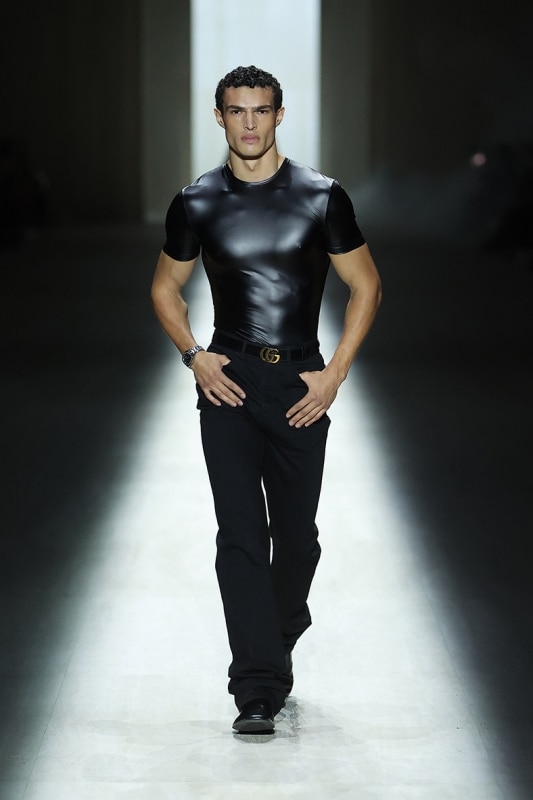
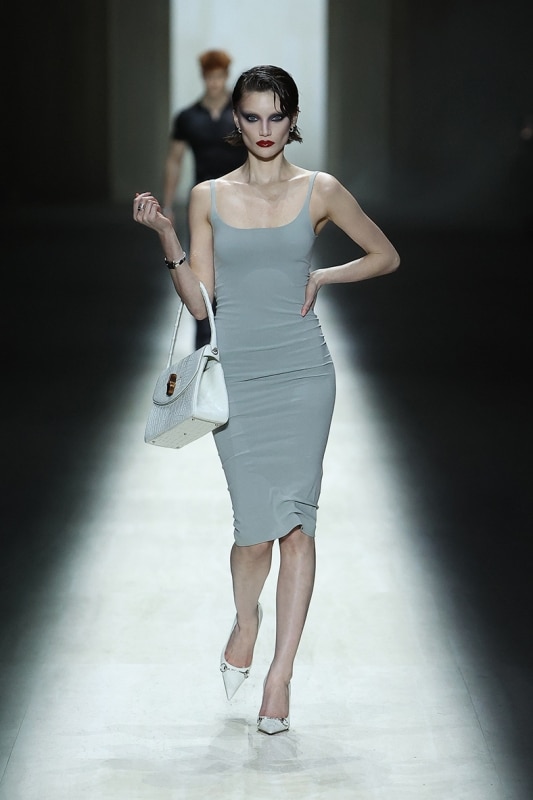
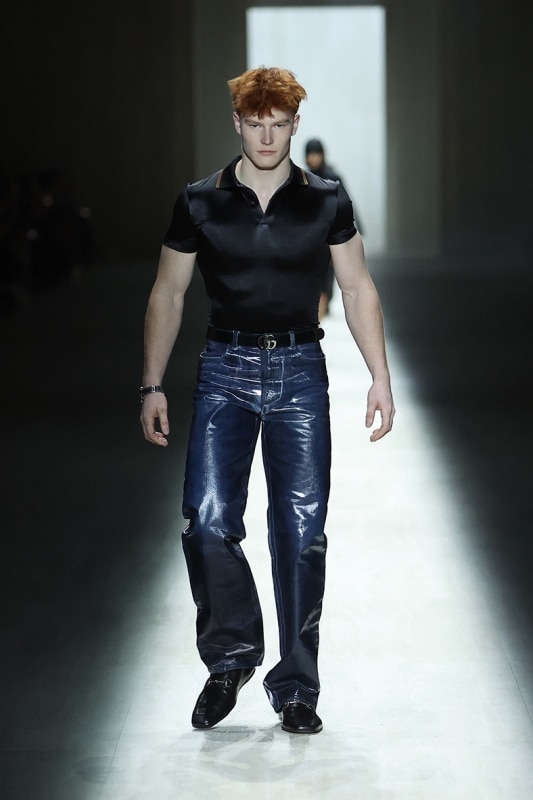
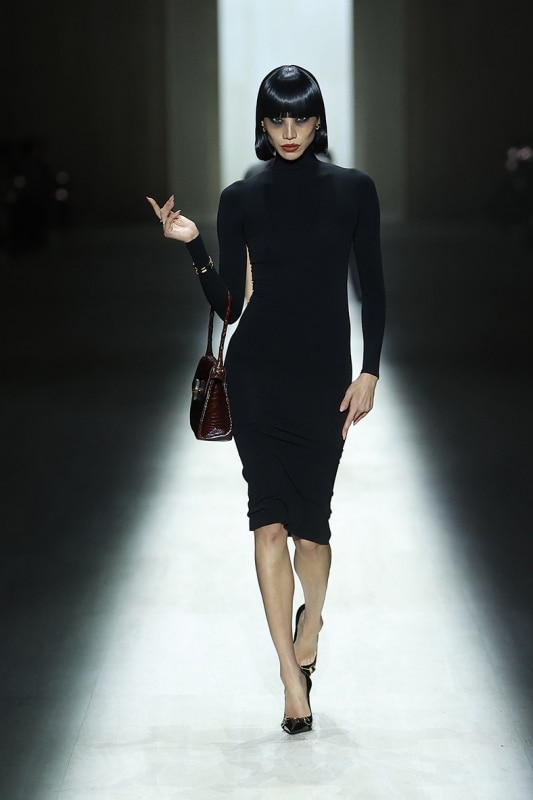
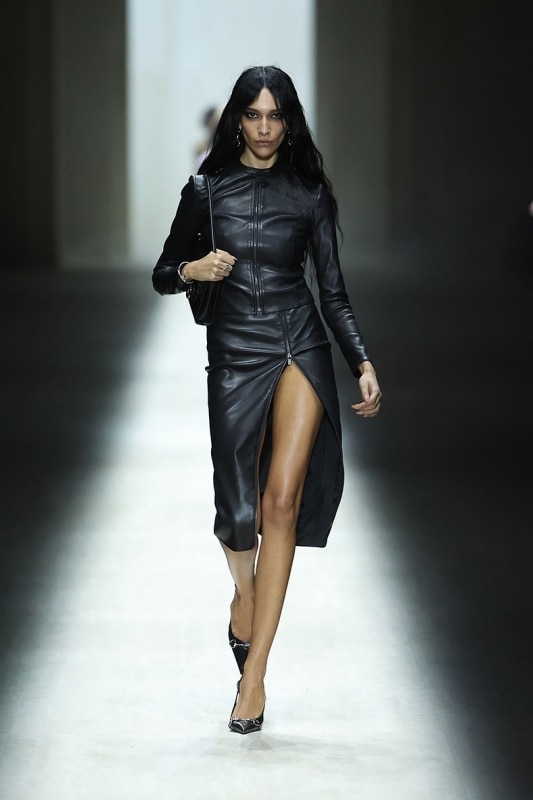
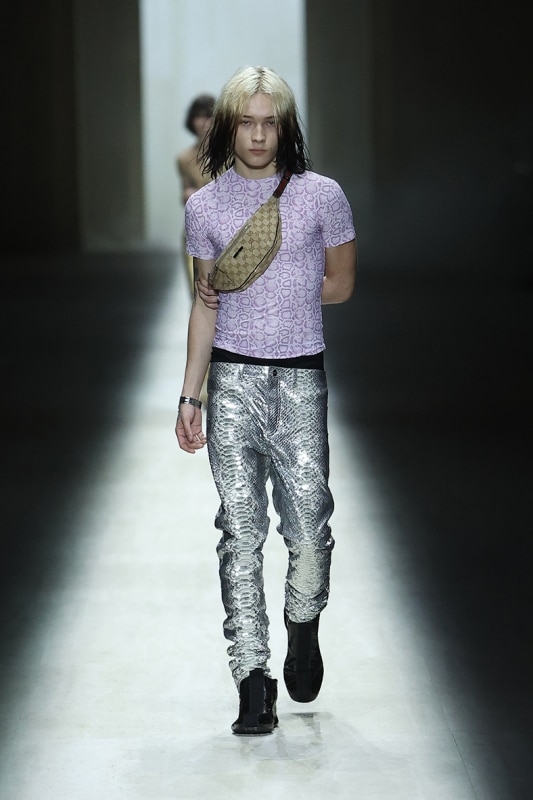
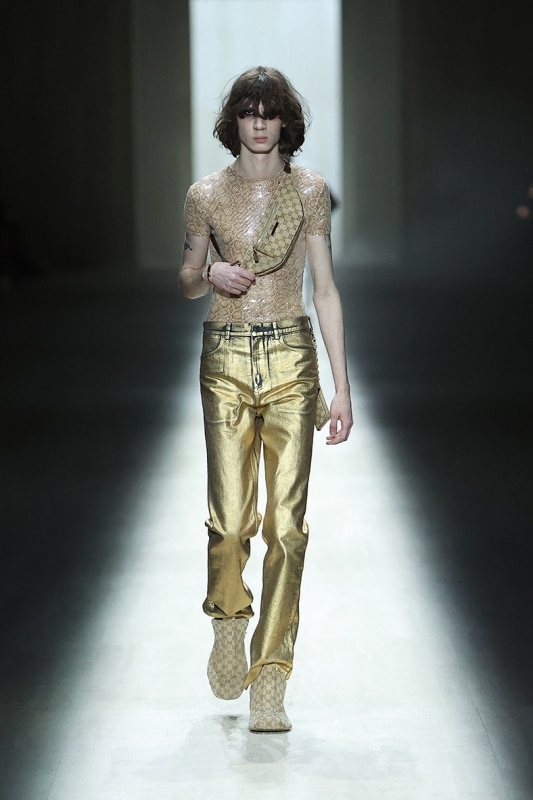
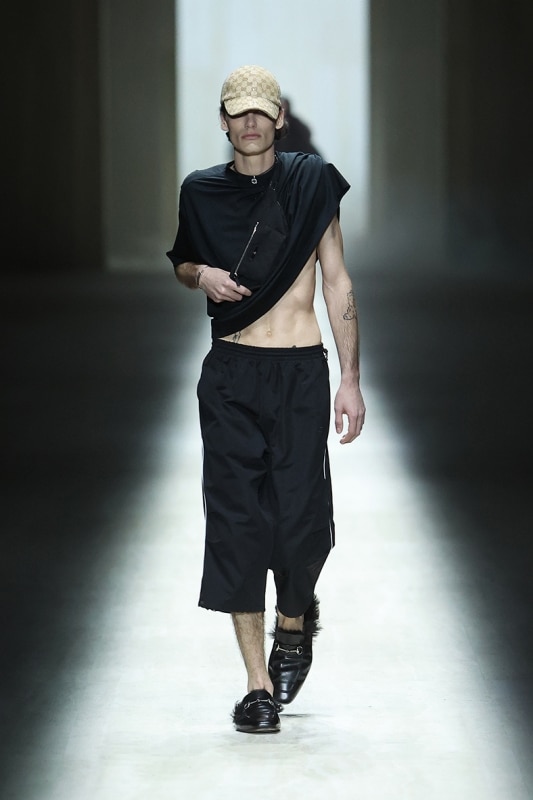
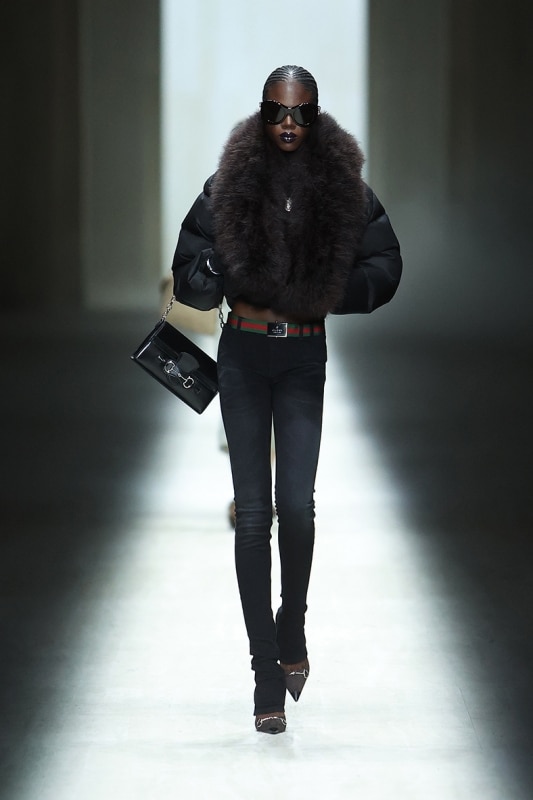
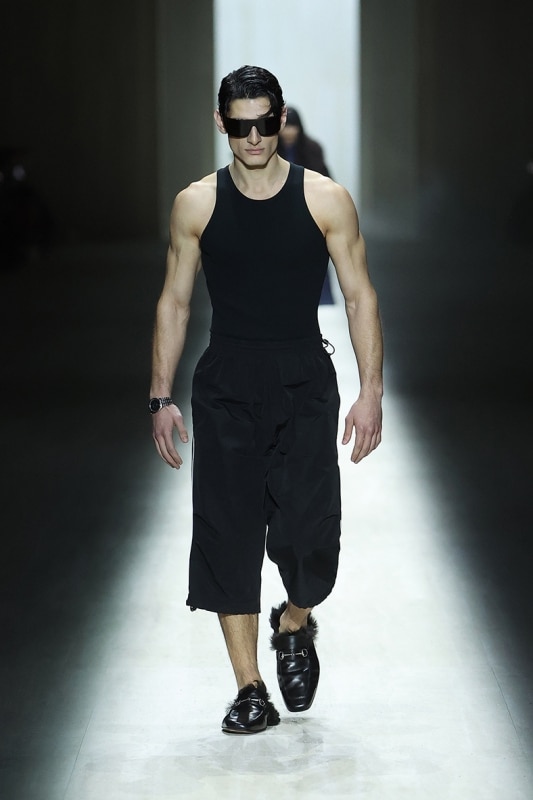
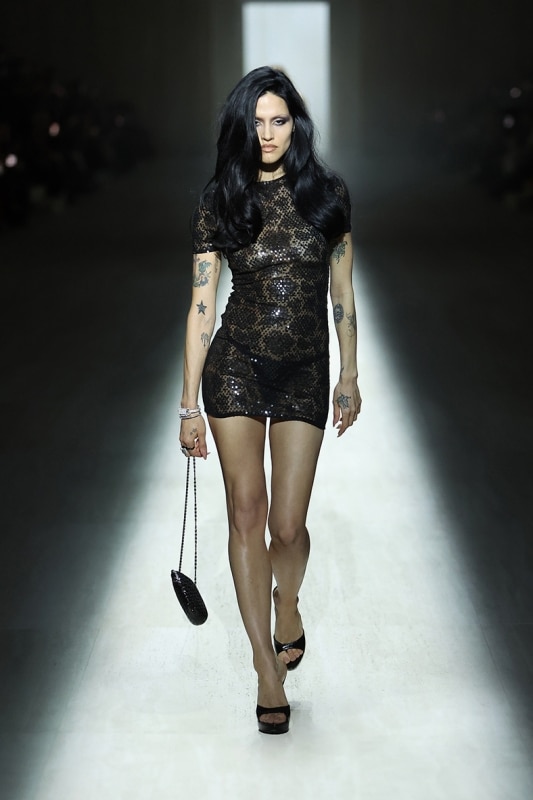
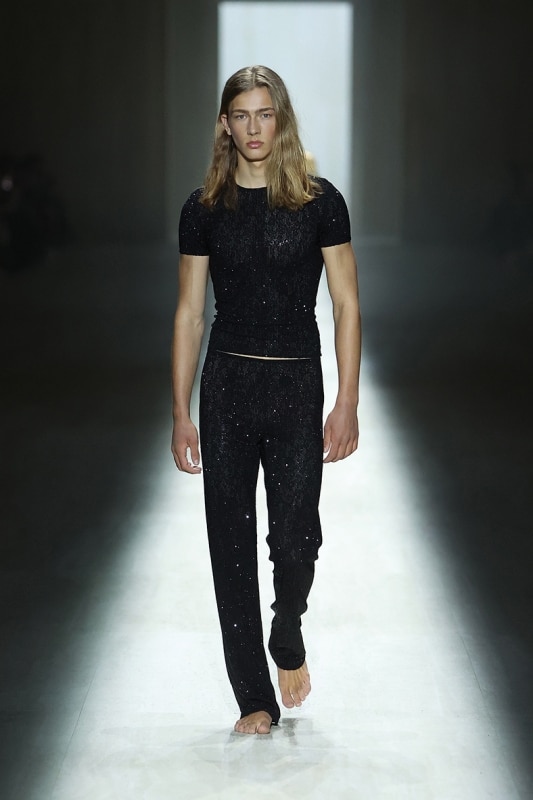
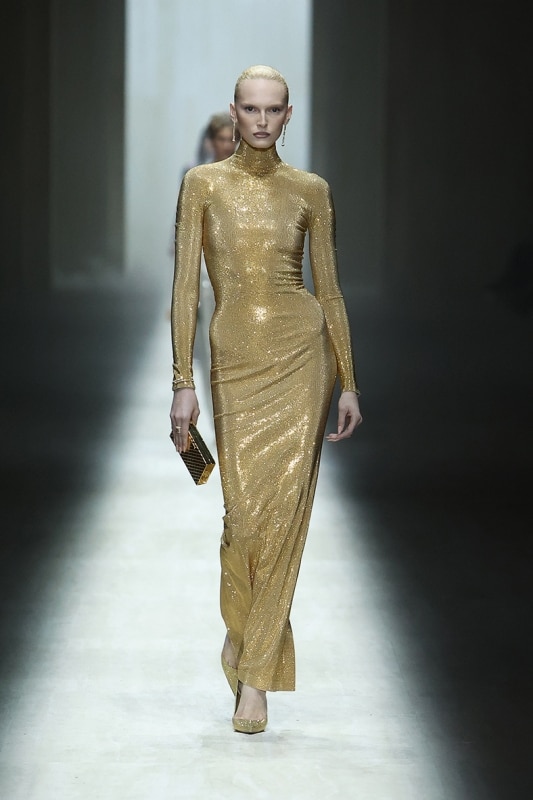
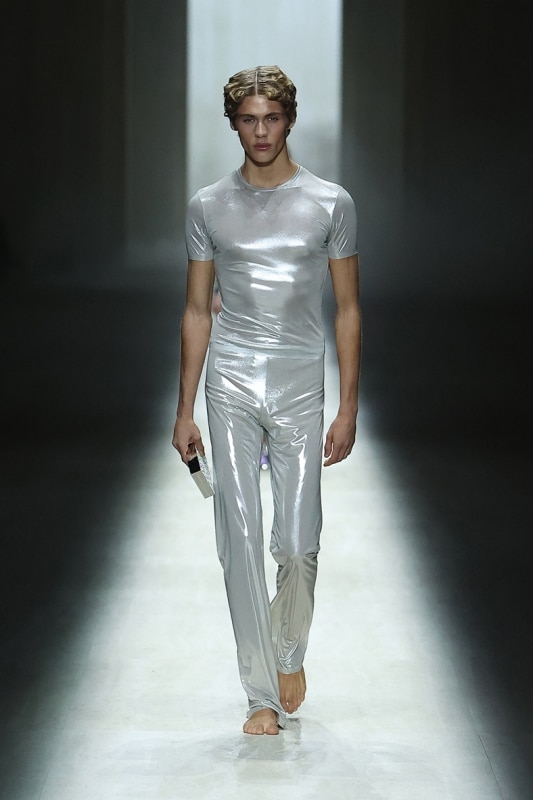
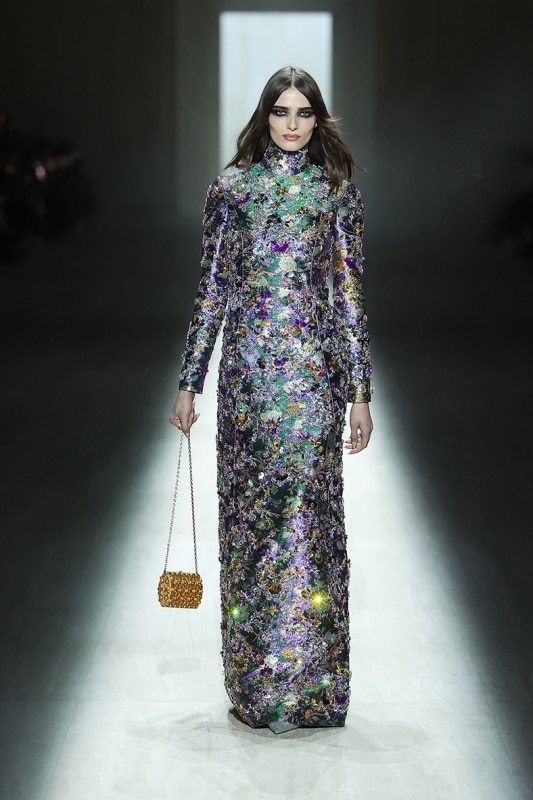
Neutral tones, sudden flashes, calibrated kitsch. Crooked models, as if returning from an imagined afterparty. Ultra-tight leather, belts with golden monograms on display, belt bags, leggings, lace. Silver and gold trousers, ultra-sheer and python-textured T-shirts, visible tattoos. The Ford-era aesthetic is not simply referenced — it is amplified until it becomes declared surface, controlled theatricality.
@houseofhithesh #gucci #demna #milanfashionweek #mfw #debut ♬ Wondrous Place - House of Disney Ad - Billy Fury
All the ingredients of what fashion continues to nostalgically revive — even when we do not truly miss it — are concentrated here. Demna’s new Renaissance is a slap to classicism. His idea of Italianity is drama and surface, passion and ostentation.
“Gucci is drama, passion, excess, contradiction, hate and love, triumph and defeat, pride and vulnerability, perseverance, chaos, genius. Any quality that can be attributed to the human being also describes Gucci.” In this show, just as in the first lookbook “La Famiglia” released in September, he seems to stage a fragment of each of us: every category, every nuance, every disappointment and every pride.
It evokes Corso Francia at night in a Federico Moccia film, lavish Venetian palace parties, and above all the melancholic Piazza della Signoria.
Then come contemporary divas like Gabbriette. And timeless ones like Mariacarla Boscono, in black with a vertiginous slit. Closing the show is Kate Moss: languid, sequined, with side slits and a double-G thong in sight. Her gaze is direct, filled with the theatrical decadence that Demna stages.
As it ends, an echo of Paolo Sorrentino’s The Great Beauty surfaces. The constant representation of Italianity — which for Demna is the essence of Gucci — is not a fixed identity but a staged construction. Not memory, but representation.
It concludes to the notes of “Tu sì na cosa grande.” Demna, in semi-darkness, waves briefly. The performance is complete.
All images: Courtesy Gucci