
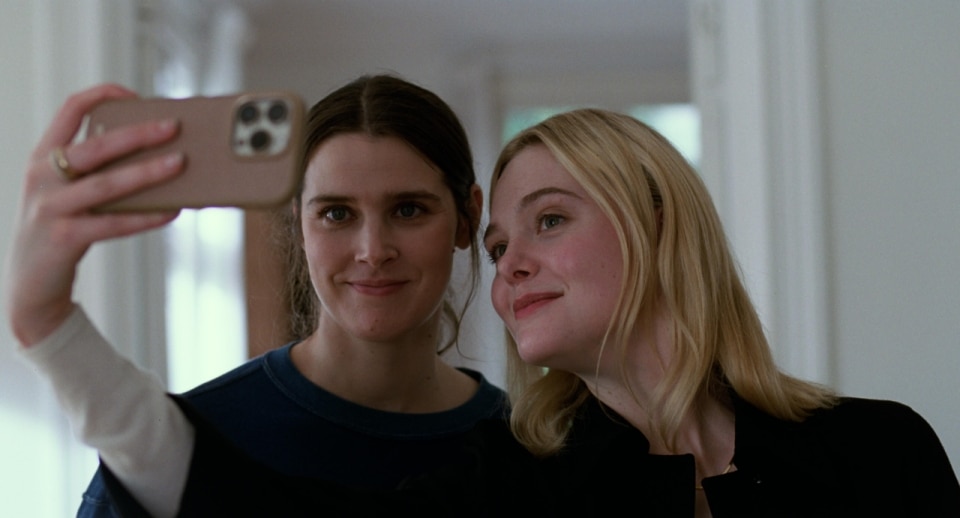
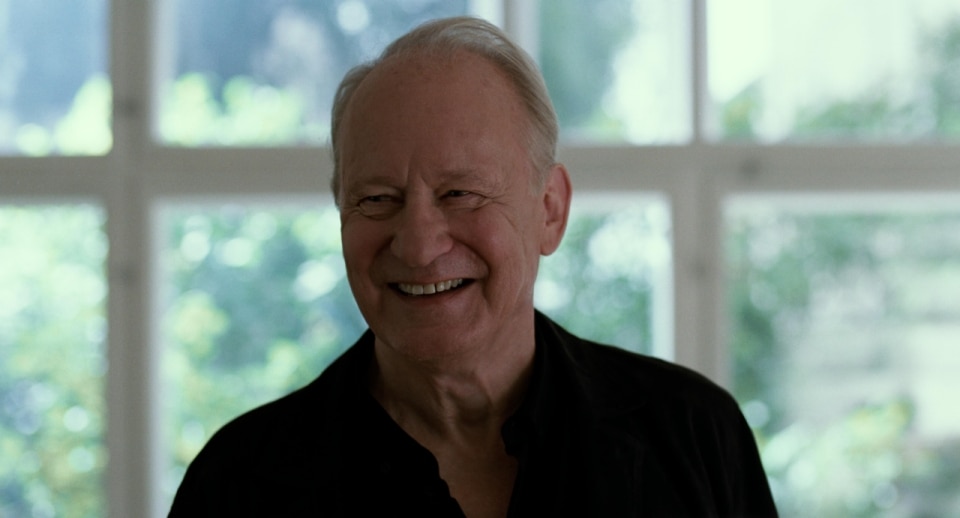
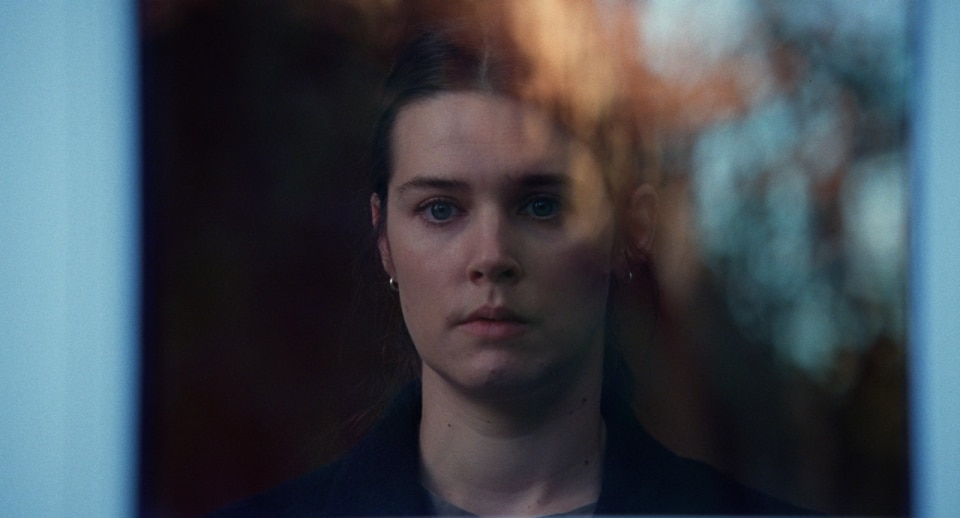
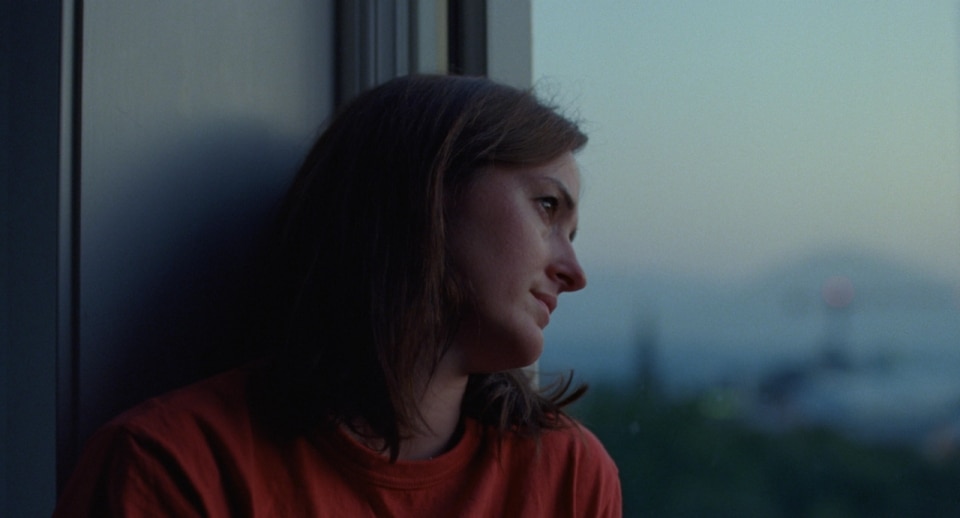
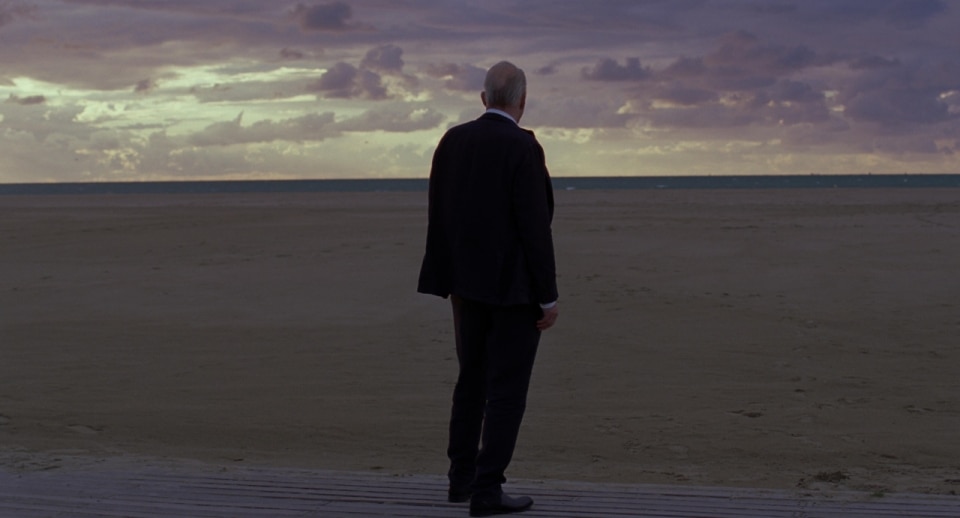
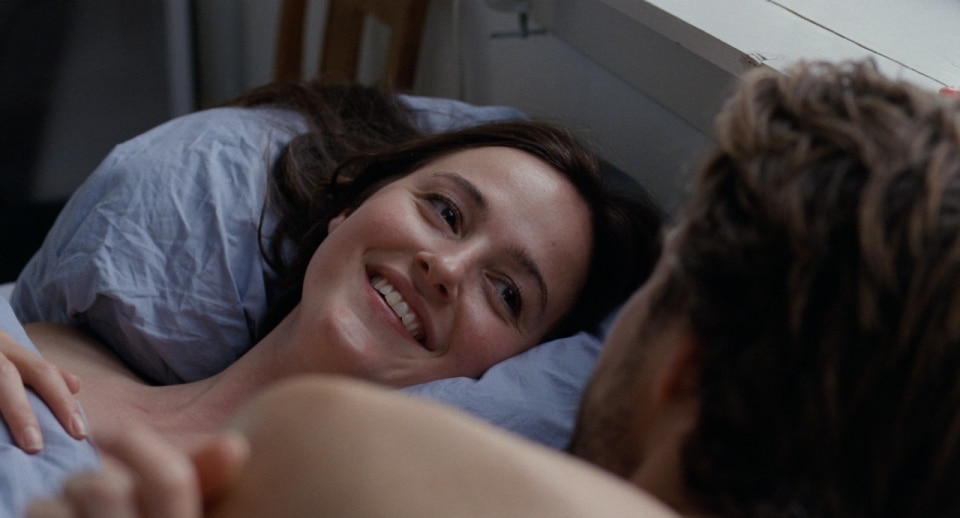
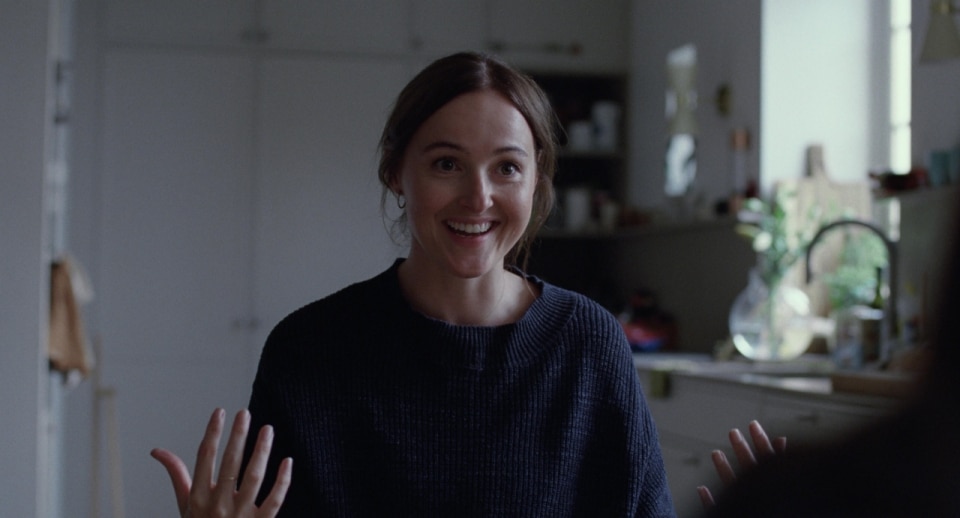
In Sentimental Value, the latest film by Norwegian director Joachim Trier, already known for The Worst Person in the World, the house occupies a decisive emotional and symbolic position. It is the place where everything converges and from which everything seems to want to escape. A space that weighs on you, that demands to be crossed, that brings the characters back to what remains unresolved.
Presented at Cannes last year, where it won the Grand Prix Special Jury Prize, and now among the favorites for the upcoming Academy Awards with nine nominations, the film emerged during a transitional period for its authors as well. In the four years required to complete the project, both Joachim Trier and co-writer Eskil Vogt became fathers. Bringing a new generation into the world while confronting the sale of a family home that has raised several others are experiences that run through the film with an unpacified delicacy, fueling a profound reflection on what truly passes from parents to children.
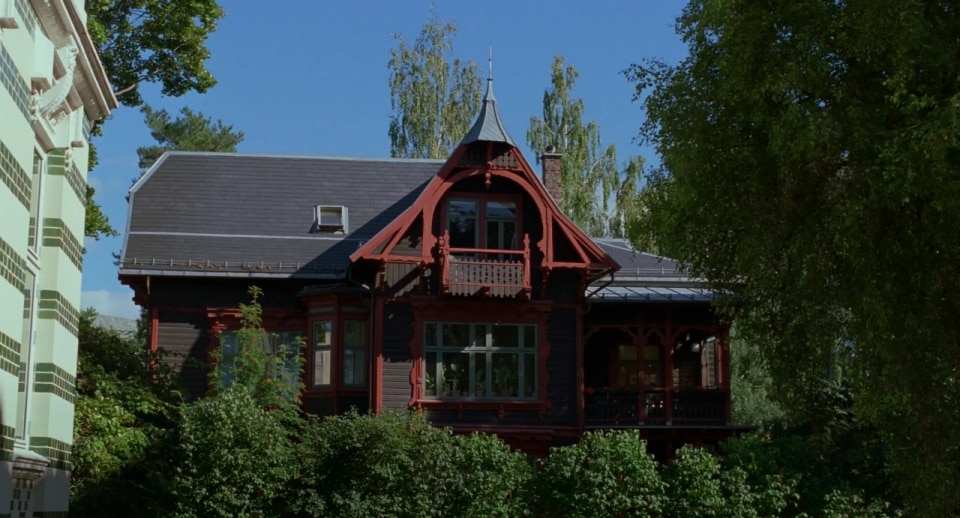
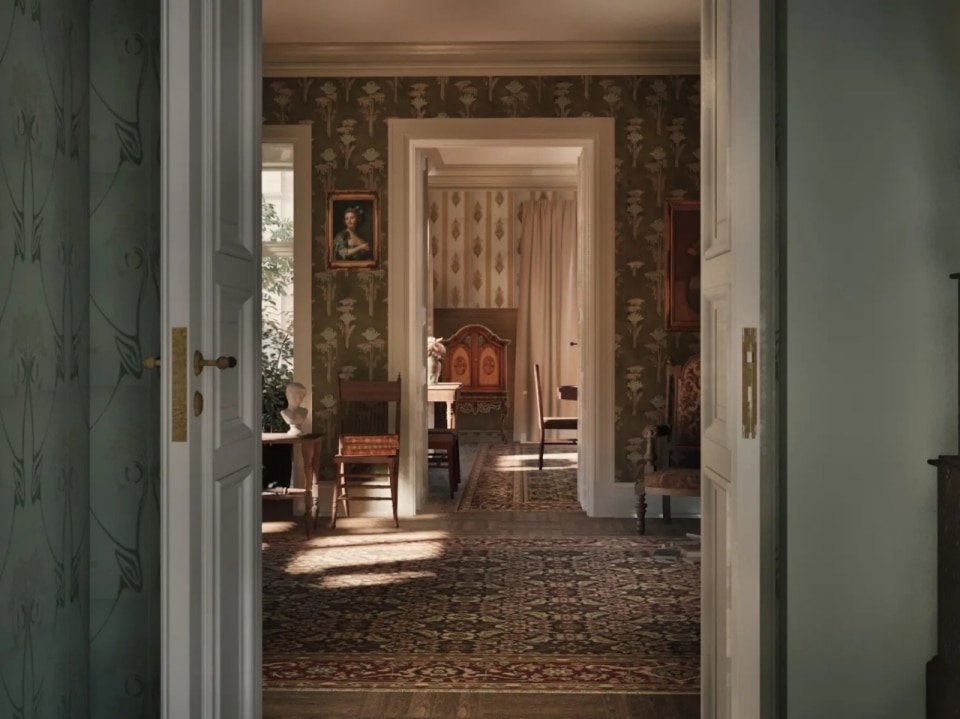
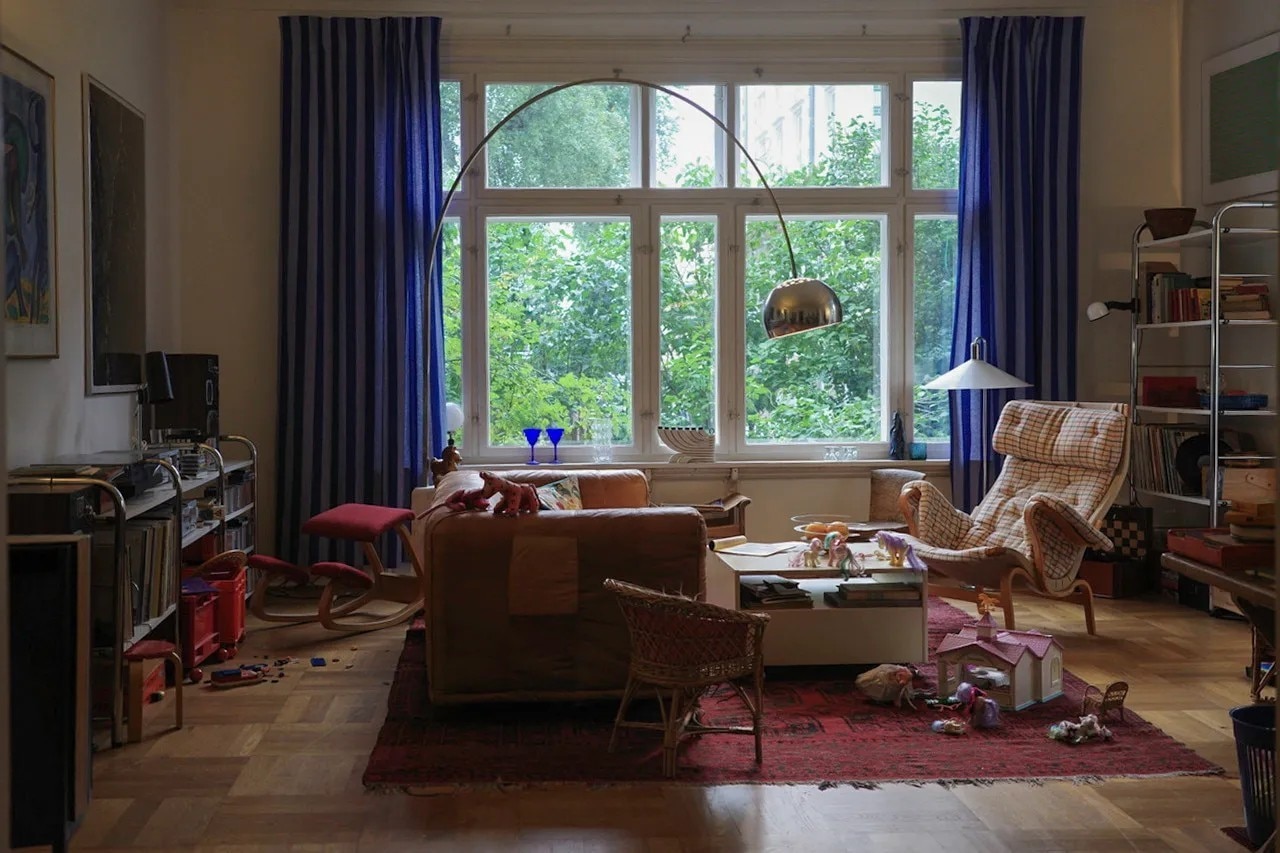
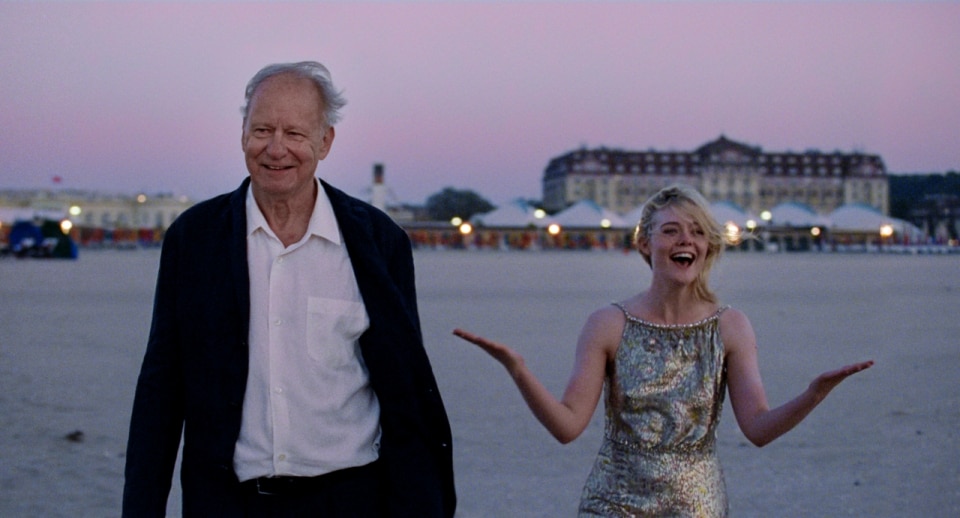
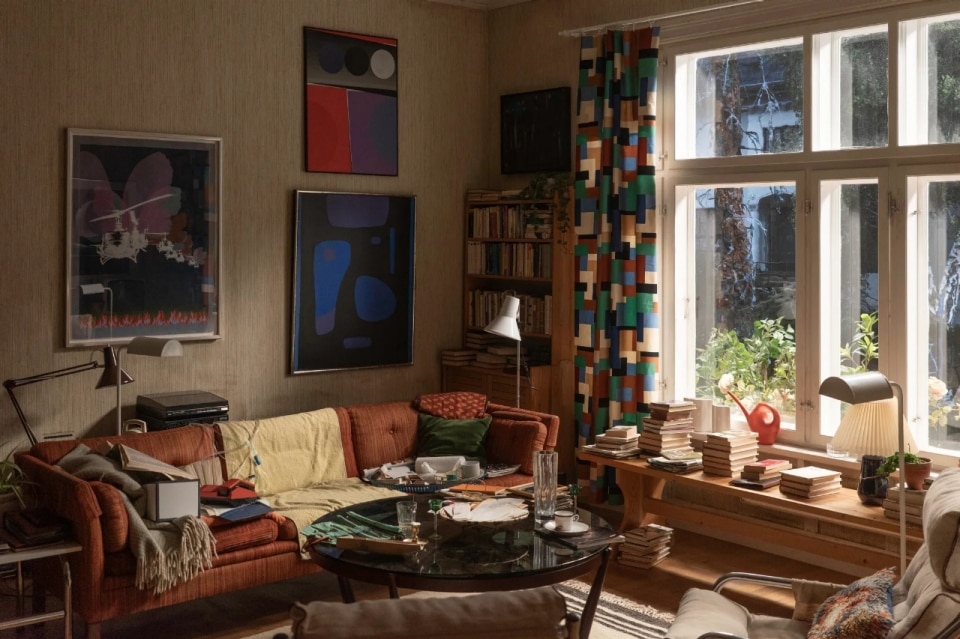
From the outside, the traditional Norwegian house appears imposing, almost haunted, inhabited by mystical presences. The red wood, the pointed roof with a Gothic flavor, the sense of a structure that has seen too much. A house that keeps watch from above and seems to hold something back, as if time had thickened on its surfaces. The interiors are Nordic in their essential form, half-empty, where the Scandinavian ideal of “hygge” flips over and becomes unsettling.
The rooms, perfectly mirroring the protagonists’ lives — first inhabited, then emptied, immediately afterward filled again with presences and the next moment bare, destroyed and repainted — recall certain spaces depicted by Danish painter Vilhelm Hammershøi, capable of making every absence visible.
The fragile foundations of memory
The narrator introduces it as a house destined to collapse because of its fragile foundations. An image that runs through the entire film, referring as much to the building itself as to the relationships shaped within it. This is where the detail emerges that shifts the reading of the whole work: the structural instability of the house is not merely a material condition, but the very definition of the family bonds it contains — relationships built on fractures that were never truly repaired. As French philosopher Gaston Bachelard suggests, the house of childhood continues to act within us long after we have stopped living in it: it remains imprinted in our gestures, our memories, in the corners of the mind that resist every attempt at erasure.
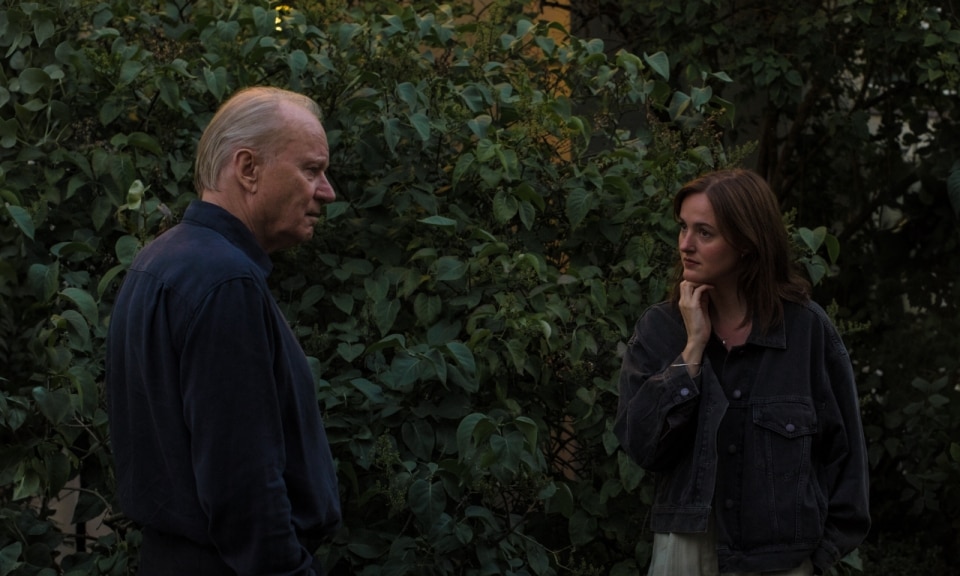
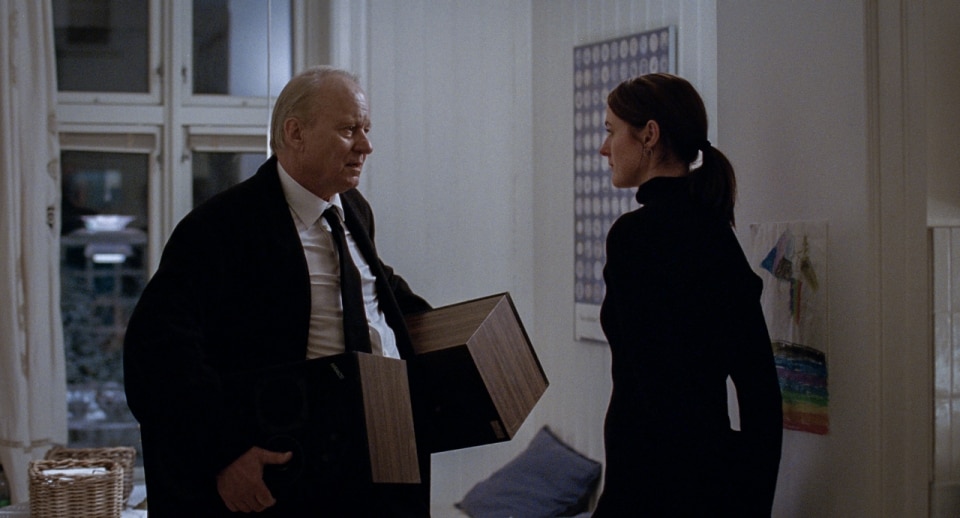
Played by Renate Reinsve, Nora, the eldest daughter and a talented actress, is marked from childhood by paternal abandonment and writes a school essay precisely about that house. A seemingly simple gesture that anticipates the question running through the film: stay or flee from places of memory? Hold them close along with one’s own history, or sell them, allowing new ones to be built, far away from us?
The emotional value that gives the work its title immediately emerges as an ambiguous force. The house is assigned the most thankless task: it holds on and closes in. It forces family members to confront one another, brings them back to wounds that have never healed, to reckon with what has been handed down. To inhabit means renouncing the escape of memories, which layer themselves in those rooms just as the traumas of three generations do, taking shape between cinema and meta-cinema, in a clear Bergmanian legacy.
Space as permanence
These are spaces that have hosted different lives and continue to retain something of those who have passed through them. In this sense, the house functions as a permanence, in the most Rossian sense of the term (citing The Architecture of the City): it remains while lives change, while relationships crack and attempt to mend themselves. It does not simply preserve time, but safeguards its traces, even when everything around it seems to want to move elsewhere.
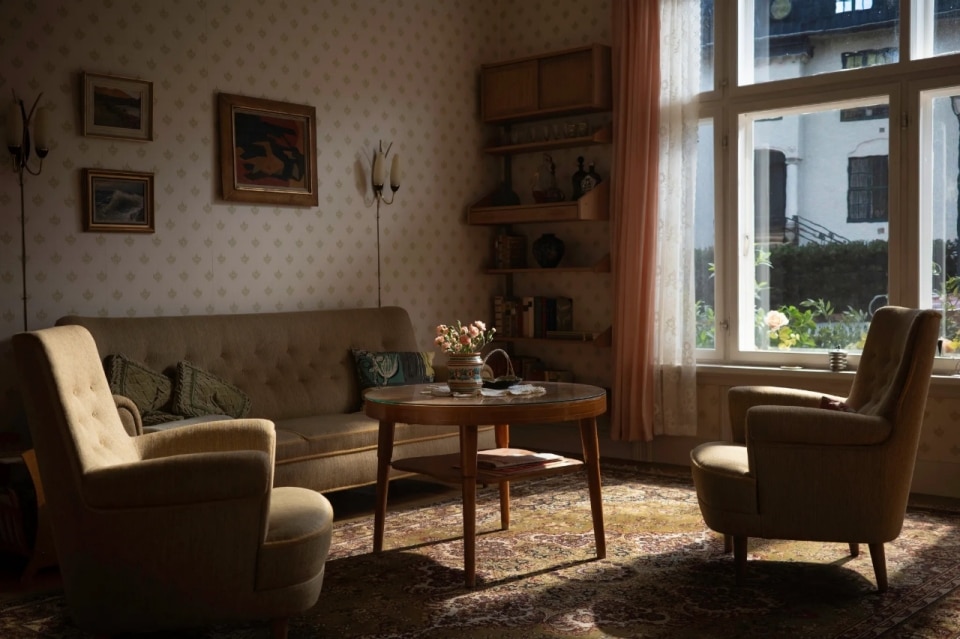
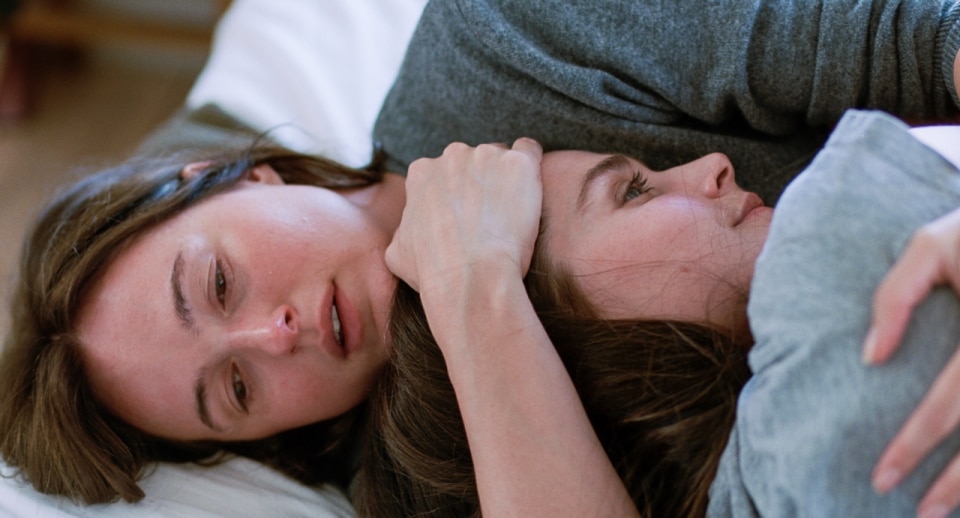
Observing that house means passing through a pain that survives the years. Looking at it does not allow forgetting. Mother–son and father–daughter wounds are passed down, inherited, avoided, overlapped according to deeply Freudian dynamics, in which what is not worked through returns in other forms.
Sentimental Value contains the question every survivor carries: why do those who remain go on living, but only halfway? And yet, despite this, it is not a film of surrender. It is a work that leaves room for the hope of being able to reassemble oneself despite the cracks, of finding one another again in a climate marked by distrust, of inhabiting once more — if not a house, at least a relationship — without being completely crushed by it.
The house is “the perfect synthesis of space and time,” as the father figure, played by Stellan Skarsgård, states while describing the final long take of the film he aspires to make, the last gesture of his directing career. A line that seems to encapsulate the deepest meaning of Sentimental Value: the house as a place where time settles and endures, capable of sheltering but also of wounding. A place that forces us to choose whether to remain, continuing to hurt, or to let it go in order, perhaps, to begin living fully again.