













There are stories that begin on the margins and end up in galleries. Such is the case of the Mutoid Waste Company, a nomadic and anarchic collective of sculptors, performers, and builders of mechanical utopias – or rather, dystopias. Yet, if one looks closer, the story of the Mutoids actually began in a gallery: the Car Breaker Gallery, an art space in 1980s London located within the Republic of Frestonia, a squat on Freston Road in what is now the Royal Borough of Kensington and Chelsea. A few years earlier, in 1983, artist Joe Rush met Robin Cooke, a mechanic by trade: from their encounter came the first Mutoid sculptures, assembled from salvaged materials – pipes, bolts, rusted sheets of metal, and parts of scrapped cars.

Their post-apocalyptic aesthetic, a 140 bpm synthesis of Mad Max and Judge Dredd comics, became inseparable from the English free party scene, acid house, and the Glastonbury Festival, where their sculptures rose to prominence. Their interventions turned into playgrounds for adults, as Rush himself recalls when speaking of the first Mutoid party in 1986: “For me, it was an exhibition, an installation party, a cinema set one could inhabit. From then on, we would produce installations of our pieces in environments we mutated, occupying derelict warehouses and factories. Like city festivals, our parties became legendary.”
For me, it was an exhibition, an installation party, a cinema set one could inhabit. Like city festivals, our parties became legendary.
Joe Rush, co-founder of the Mutoids
With Thatcher’s crackdown on the rave movement, the Mutoids first migrated to Berlin and later to Italy. When, in 1990, they were invited to Santarcangelo di Romagna to take part in the historic Festival del Teatro in Piazza, the English group found in the gentle hills of Romagna their promised land. There they occupied a disused quarry that became Mutonia — a commune-park where their monumental sculptures still stand tall. Since then, the Mutoids have become an integral part of the cultural landscape of Emilia-Romagna, a symbol of creative energy born of ingenuity, reclamation, and resistance.
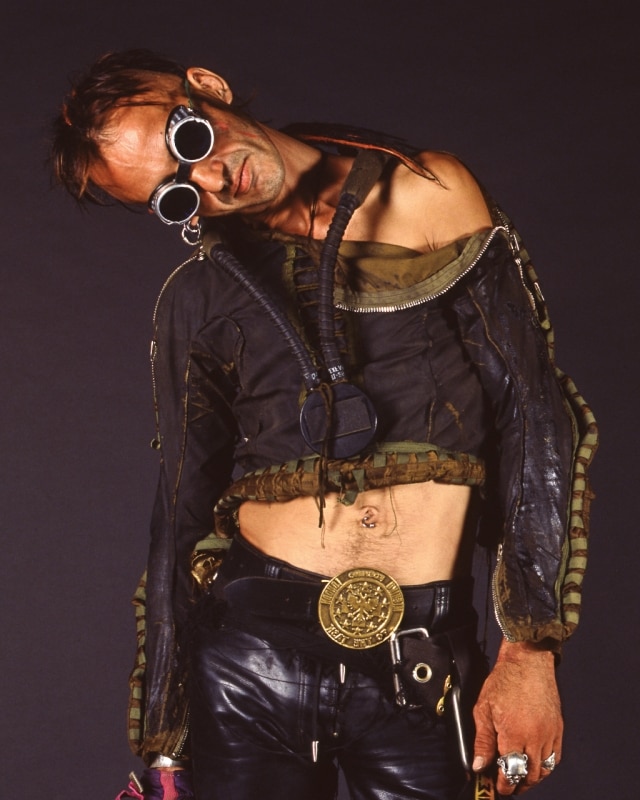
It is this most human and visionary side of the Mutoids that photographer Daniela Facchinato now brings to light, in an exhibition curated by Barbara Virginia Tedeschi and promoted by Slam Jam and C.P. Company. Hosted at Spazio Maiocchi in Milan from 7 to 9 November 2025, the show gathers for the first time a selection of photographs taken in 1993, when Facchinato immersed herself in the Mutoid community, alongside original works by the collective. The images — intense, material, and tactile — portray a humanity forged in iron and mud, of inventions born from scrap, and of a worldview in which art and survival coincide.
The exhibition unfolds within a broader dialogue between the Mutoids’ countercultural legacy and an industrial-utilitarian aesthetic — a distinctly Emilia-Romagna thread linking the collective to Bologna-based C.P. Company and Ferrara’s Slam Jam, two powerhouses of the streetwear scene long attuned to the subcultural roots of their identity.

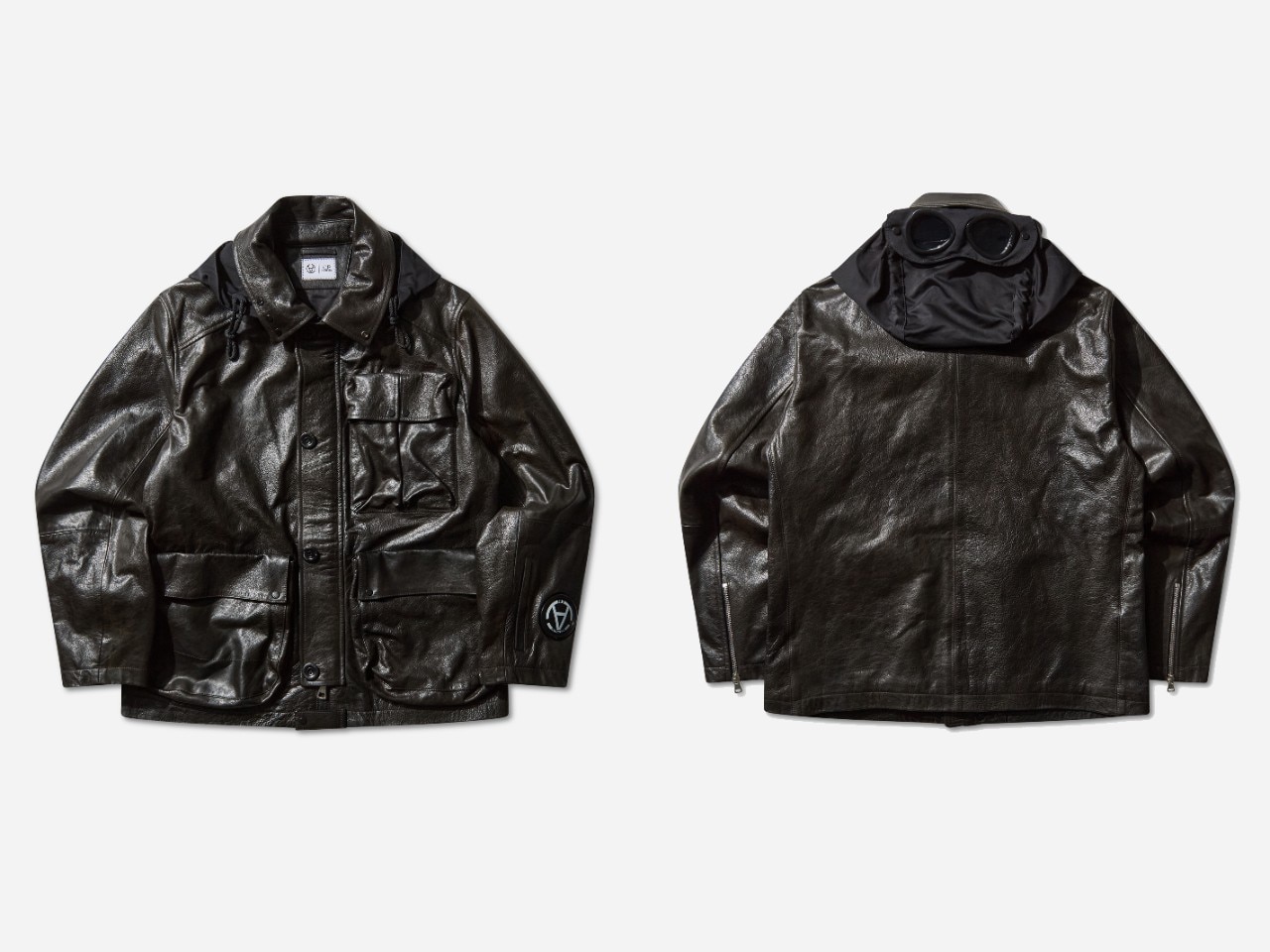
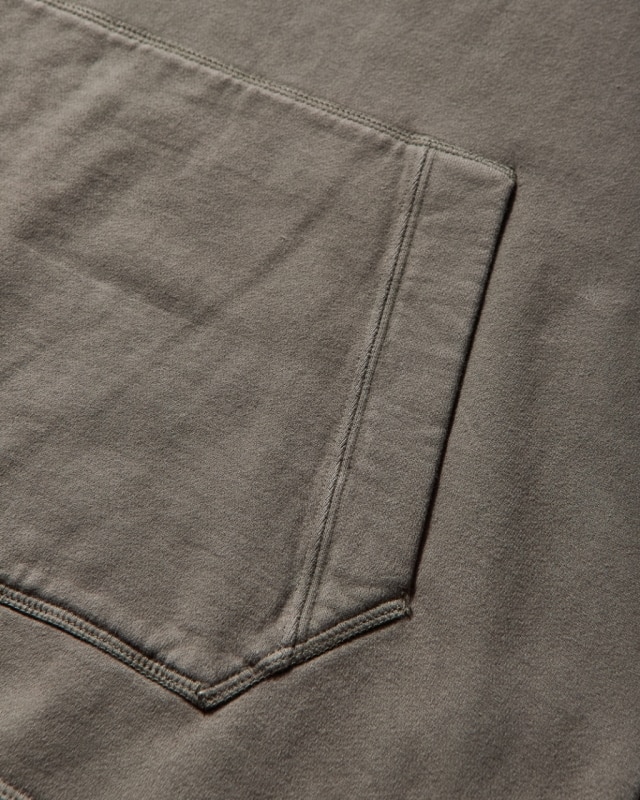
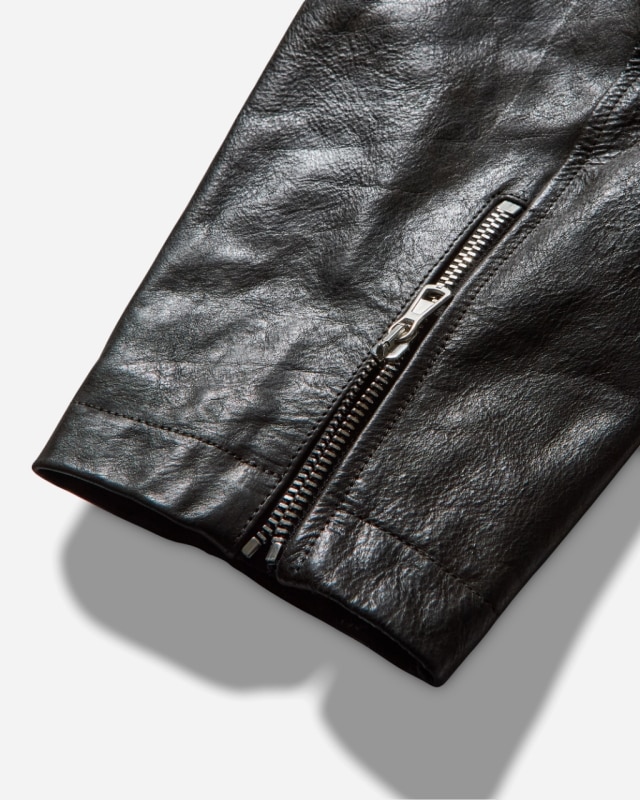
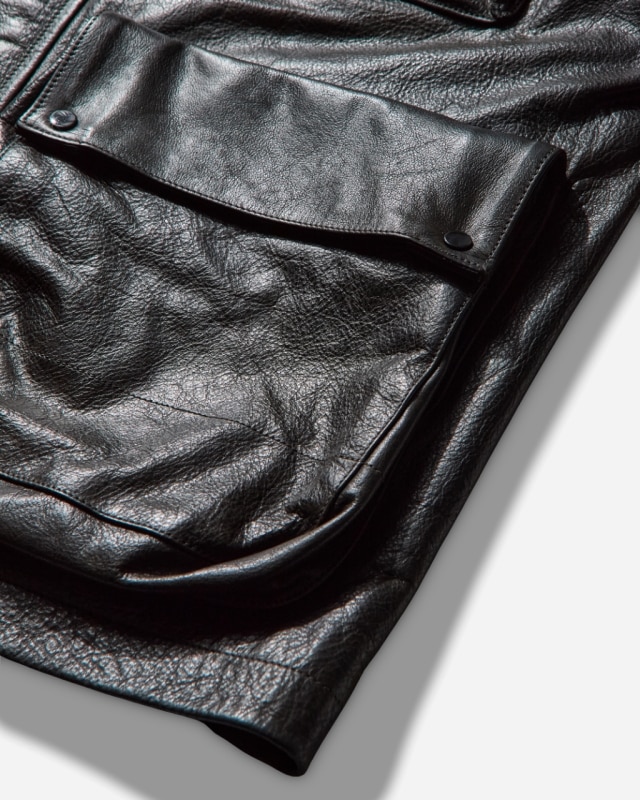
The connection is further sealed by the C.P. Company x Slam Jam capsule collection accompanying the show: a limited-edition line that includes the iconic Mille Jacket designed by Massimo Osti, here reinterpreted in leather with an internal print of a photograph by Facchinato, a hooded sweatshirt, and a Goggle balaclava — all featuring co-branded lenses. Garments, yes, but also collectible objects: aesthetic fetishes of a rebellious, post-industrial mythology.
If on one hand this project marks the recognition of a radical creative experience, on the other it invites reflection on the process of counterculture’s musealisation. The inclusion of the Mutoids in the fashion narrative signals a shift in our collective perception: what once rejected the system now becomes a matter of cult and consumption. It is a fate shared by many underground expressions — from graffiti to rave culture, from punk to clubbing — which, once neutralised by time, are reinterpreted as visual and symbolic heritage. It is a growing trend, as shown by the increasing number of curatorial and institutional projects seeking to archive and narrate youth culture.
The inclusion of the Mutoids within the fashion narrative signals a broader cultural shift: what once stood as a rejection of the system now becomes an object of worship and consumption.
Within this context, the decision by Italy’s Council of State last February to order the eviction and dismantling of Mutonia — despite the efforts of the municipality of Santarcangelo to have the area recognised as a protected art park — feels paradoxical. The tension between institution and rebellion remains unresolved.

Daniela Facchinato’s exhibition restores to the Mutoids precisely that original force: for those who have never encountered them, it is a revelation; for institutions, a reminder that Mutonia is culture. “Mutate or die” — their enduring motto — sounds more relevant than ever. As they have for over forty years, the Mutoids once again face the challenge of reinventing themselves, of mutating to survive the tightening mesh of society. Perhaps the end of Mutonia will prove to be the moment to reaffirm that counterculture, by definition, cannot be confined: it changes shape, but it keeps beating.
- Show:
- "Mutoid Waste Company": a photography exhibition by Daniela Facchinato.
- Edited by:
- Barbara Virginia Tedeschi
- Where:
- Spazio Maiocchi (Via Achille Maiocchi 7, Milan)
- Dates:
- November 7 to 9, 2025
- Promoted by:
- Slam Jam and C.P. Company