


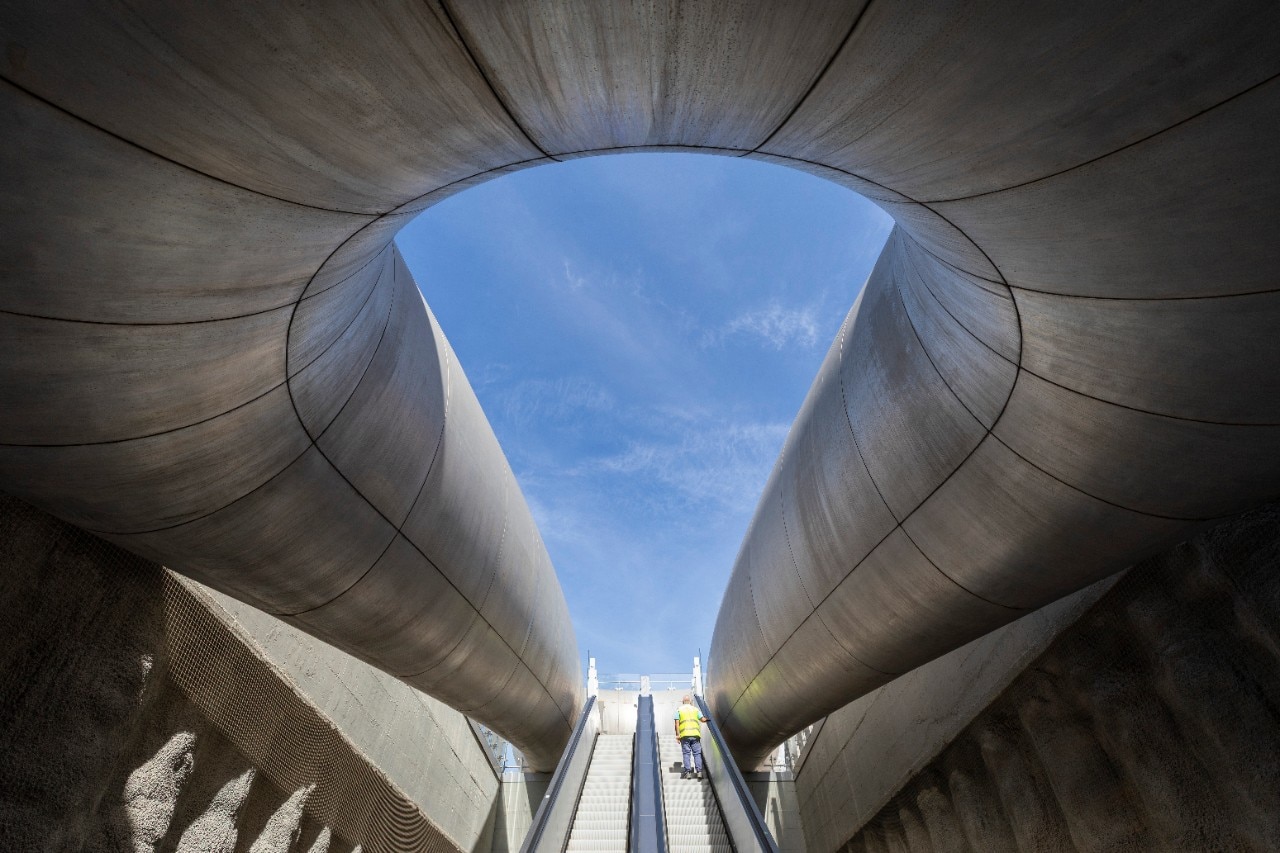

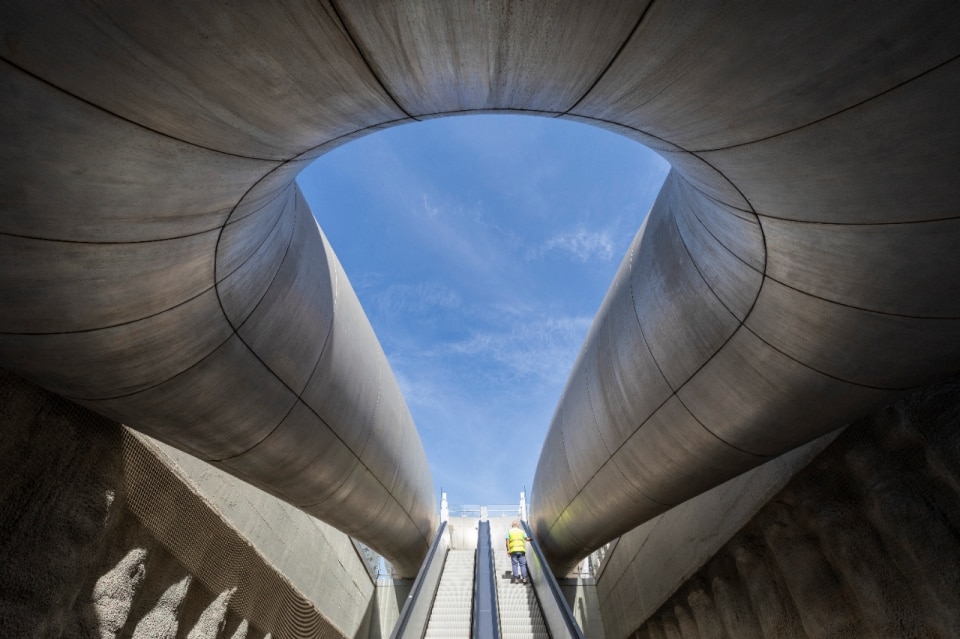
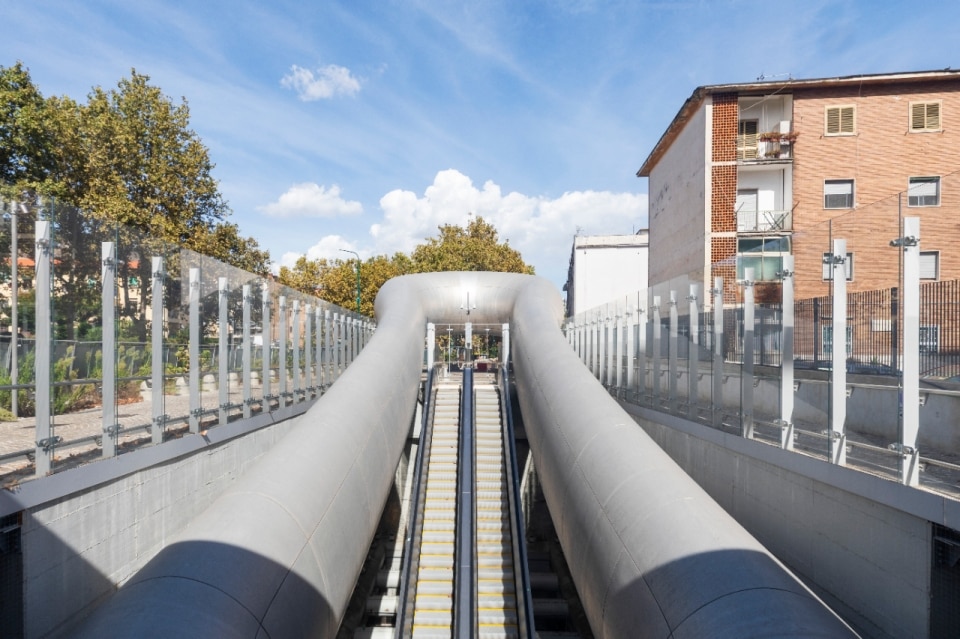
On September 11, the Monte Sant'Angelo station of the Naples subway designed by Anglo-Indian artist Anish Kapoor will open to the public, the latest to join the “art stations” program that over the years has transformed the Naples metro network into a collection of contemporary public art.
Kapoor's project has a long history behind it. It was 2003 when the artist of Cloud Gate and Butchered was invited to imagine a metro entrance that would symbolise the urban and cultural regeneration for the Traiano district. From that initial idea began a construction process that lasted more than twenty years, today delivering to the city a station of monumental presence.
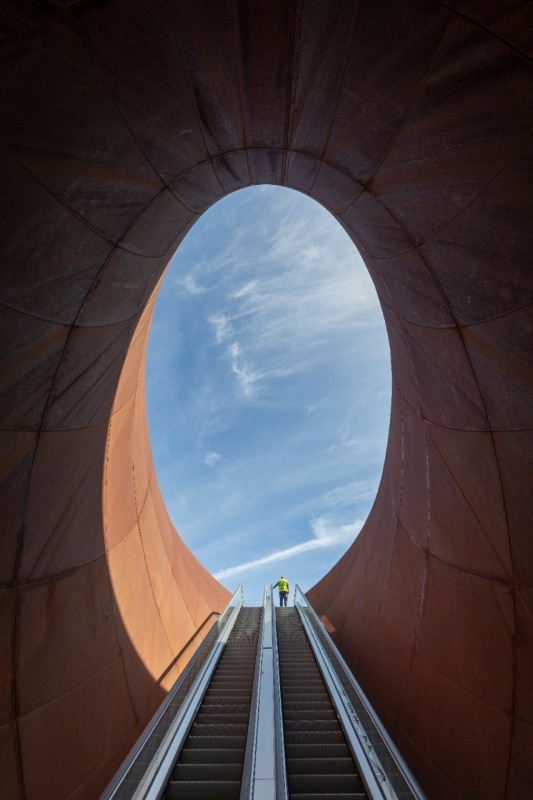
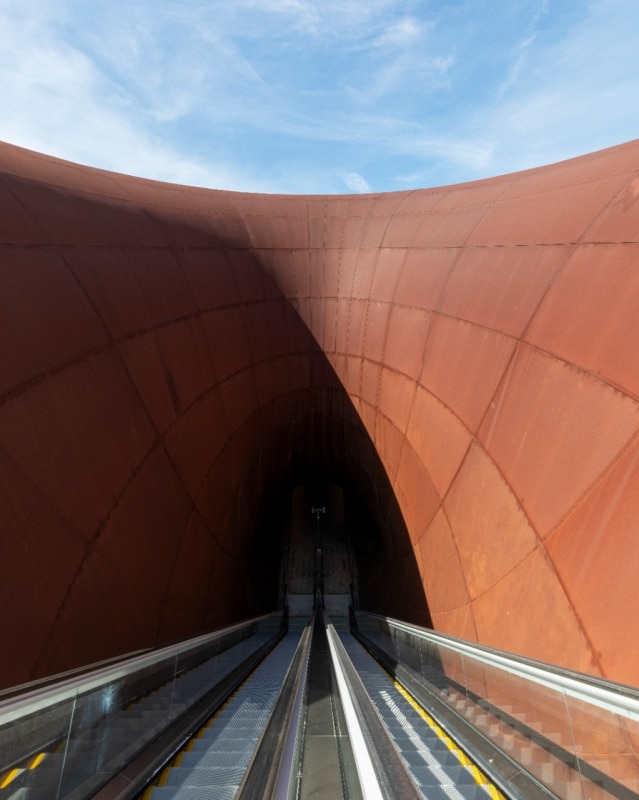
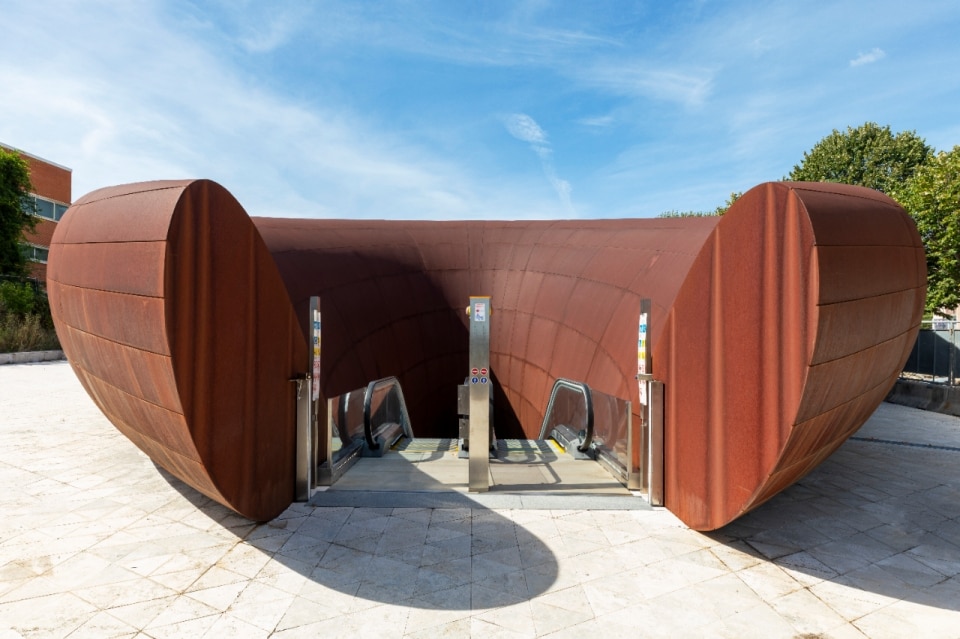
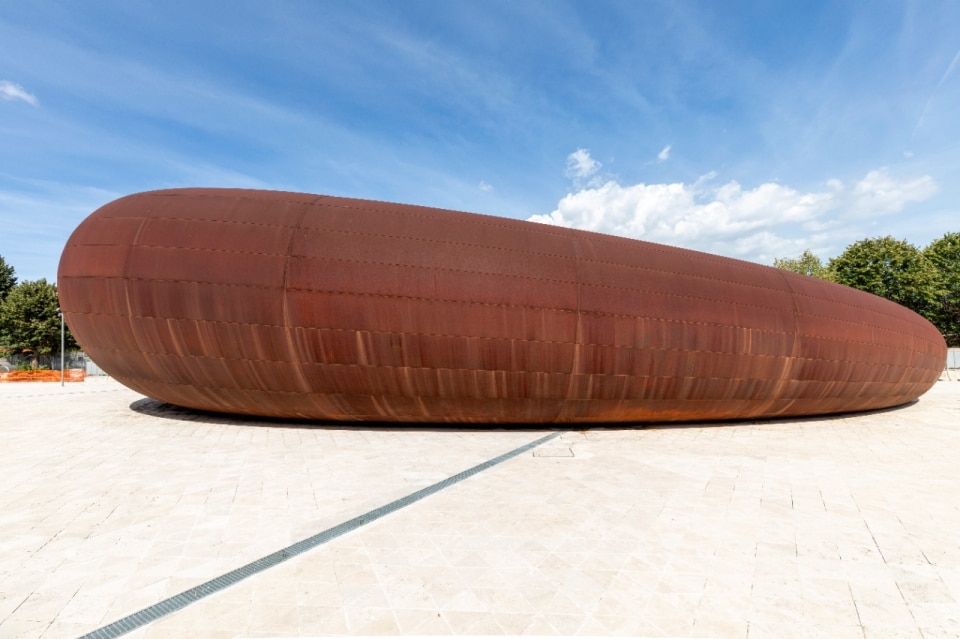
The Monte Sant'Angelo Station not only leverages the architectural quality of Kapoor's sculpture, but moves seamlessly along the central tenets of his work: myth, the body, and the void. The university entrance, in rough-surfaced corten steel, emerges from the ground as a swollen, primordial entity, absorbing space into a gateway to an underground elsewhere rather than a simple point of everyday passage. The Trajan's entrance, in a metaphorical and perceptual reversal, is instead a polished, tubular form that works by contrast as a clear, clean threshold.
In the city of Mount Vesuvius and Dante’s mythical entrance to the Inferno, I found it important to try and deal with what it really means to go underground.
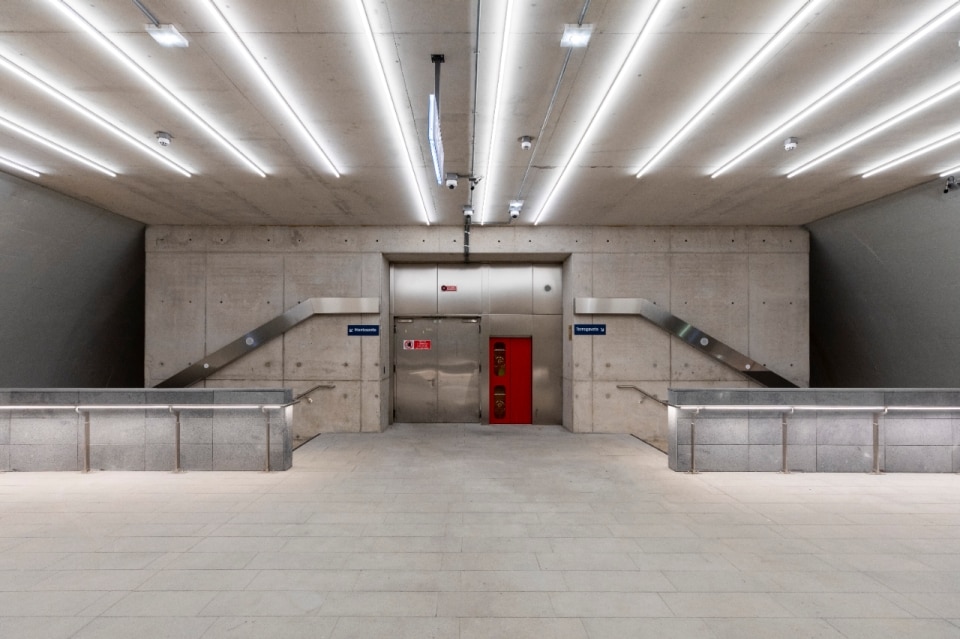
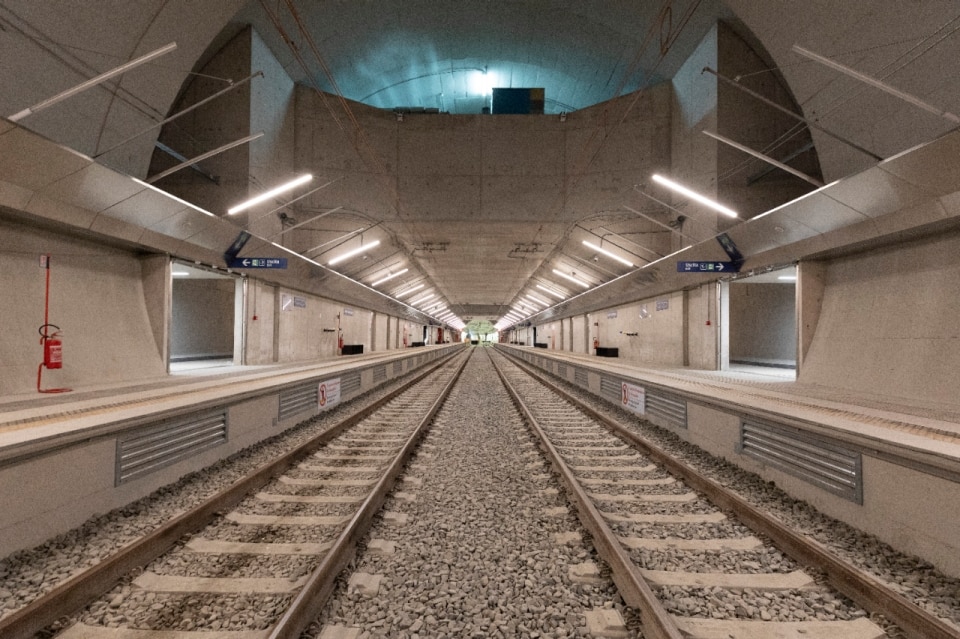
In the interior, collaboration with London-based studio Future Systems (Jan Kaplický and Amanda Levete) resulted in essential, textural spaces: the rough surfaces of the tunnels do not seek embellishment, but enhance the continuity between the two openings by reinforcing the symbiosis between total artwork, function, and sculptural imagery.