The American Academy of Arts and Letters has awarded Toshiko Mori the 2026 Gold Medal for Architecture. Guest editor of Domus in 2023 alongside Steven Holl, Mori makes history as the first woman to receive the prestigious prize. The recognition celebrates a practice that combines material research, sustainability, and social engagement.
Founded in 1898, the Academy is one of the most respected cultural institutions in the United States. Each year, it awards a single Gold Medal, rotating among different artistic disciplines. Architecture is therefore not recognized regularly, making each award a rare and significant acknowledgment of an entire career.
View gallery
Toshiko Mori Architect, Uptown NYC retail store for Issey Miyake, New York, 1989
Photo by Paul Warchol
Toshiko Mori Architect, Uptown NYC retail store for Issey Miyake, New York, 1989
Photo by Paul Warchol
Toshiko Mori Architect, House on the Gulf of Mexico I Addition, Sarasota, Florida, 2005
Photo by Paul Warchol
Toshiko Mori Architect, House on the Gulf of Mexico I Addition, Sarasota, Florida, 2005
Photo by Paul Warchol
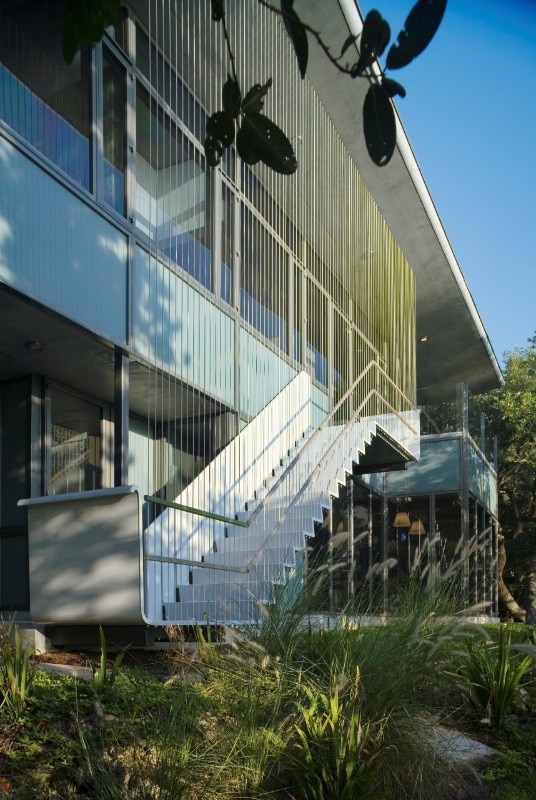
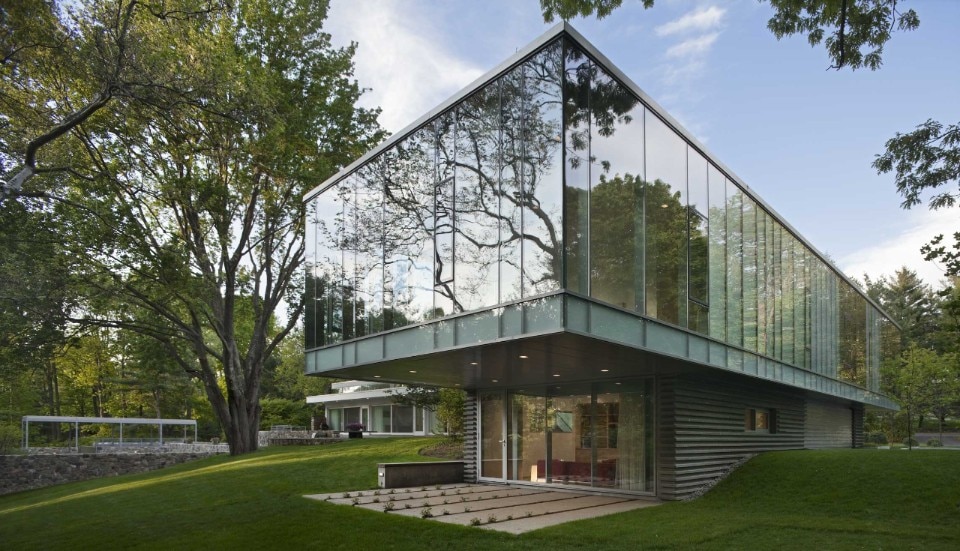
Toshiko Mori Architect, House in Connecticut II, New Canaan, Connecticut, 2009
Photo by Paul Warchol
Toshiko Mori Architect, House in Connecticut II, New Canaan, Connecticut, 2009
Photo by Paul Warchol
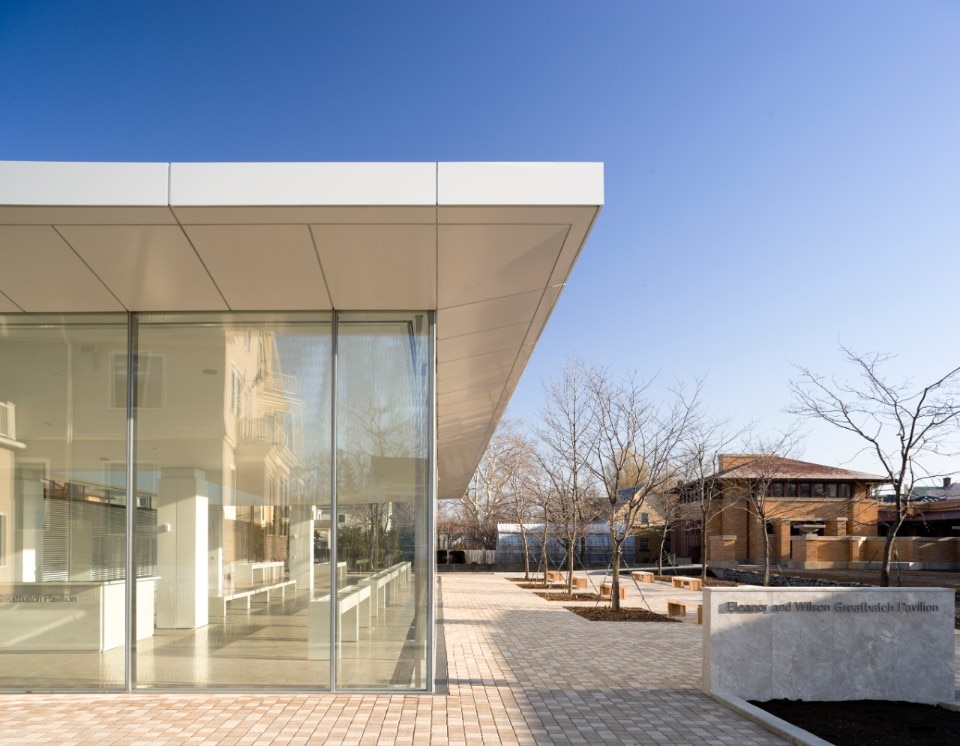
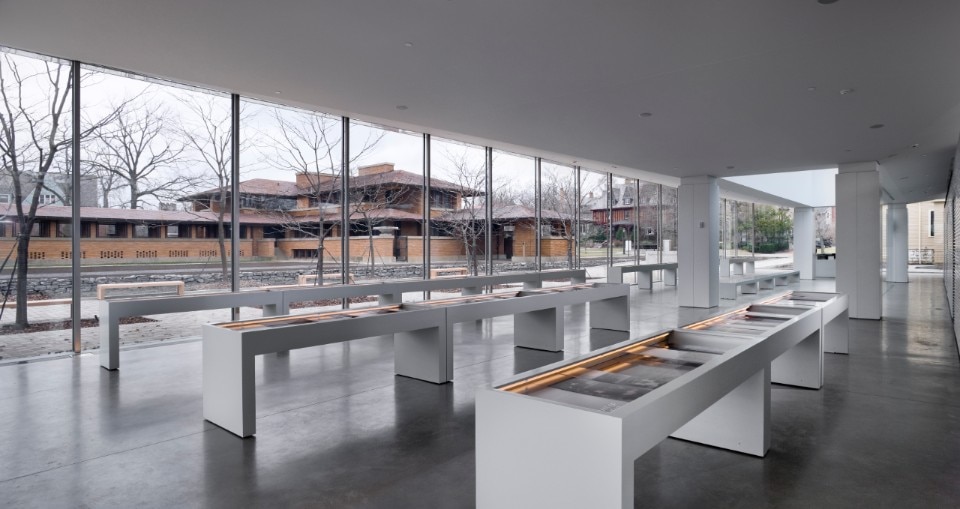
Toshiko Mori Architect, Darwin D. Martin House Visitor Center, Buffalo, New York, 2009
Photo by Paul Warchol
Toshiko Mori Architect, Darwin D. Martin House Visitor Center, Buffalo, New York, 2009
Photo by Paul Warchol
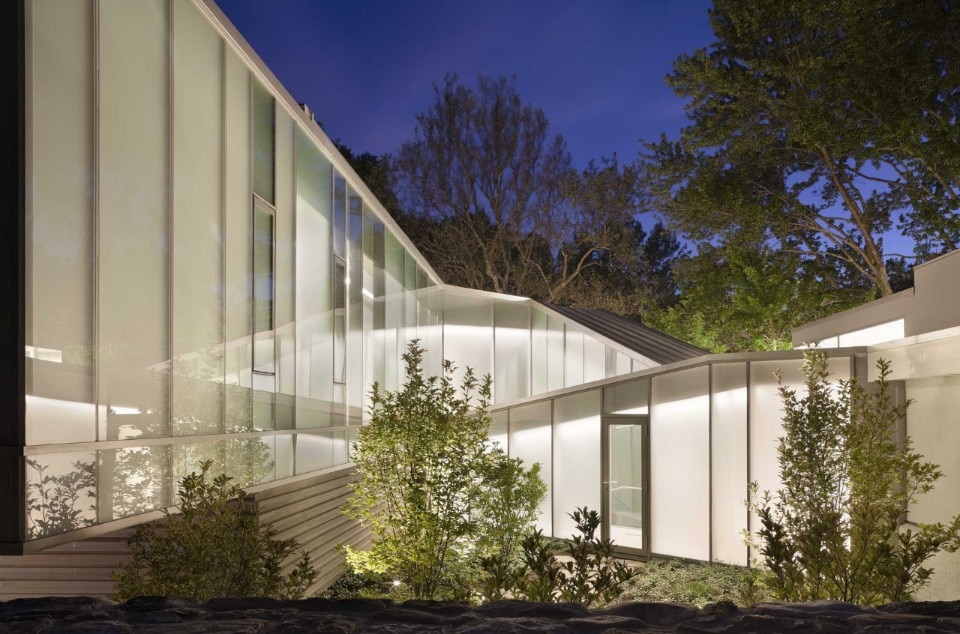
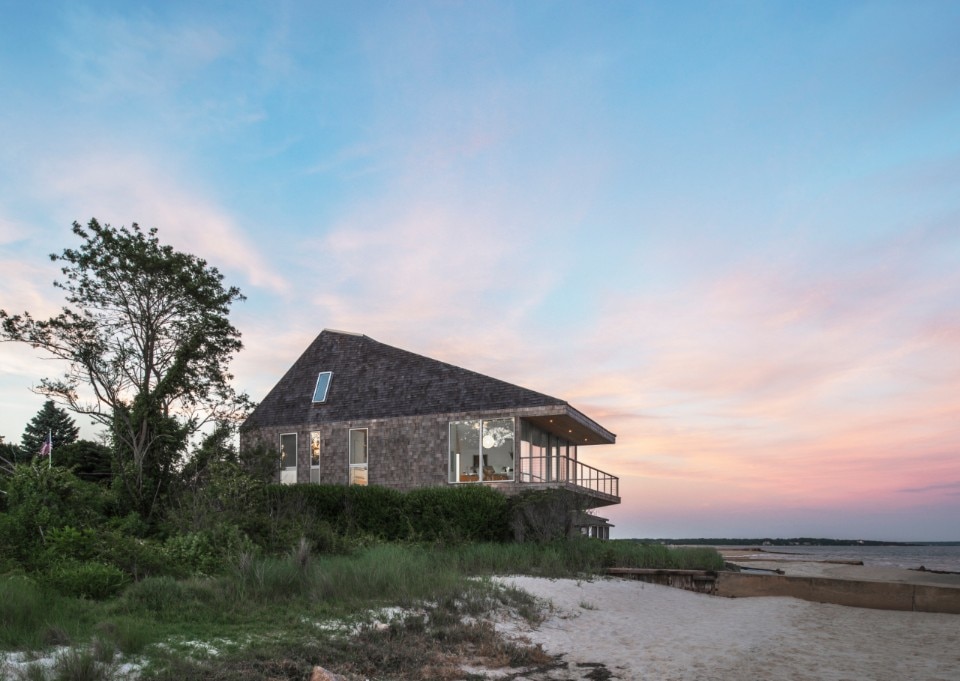
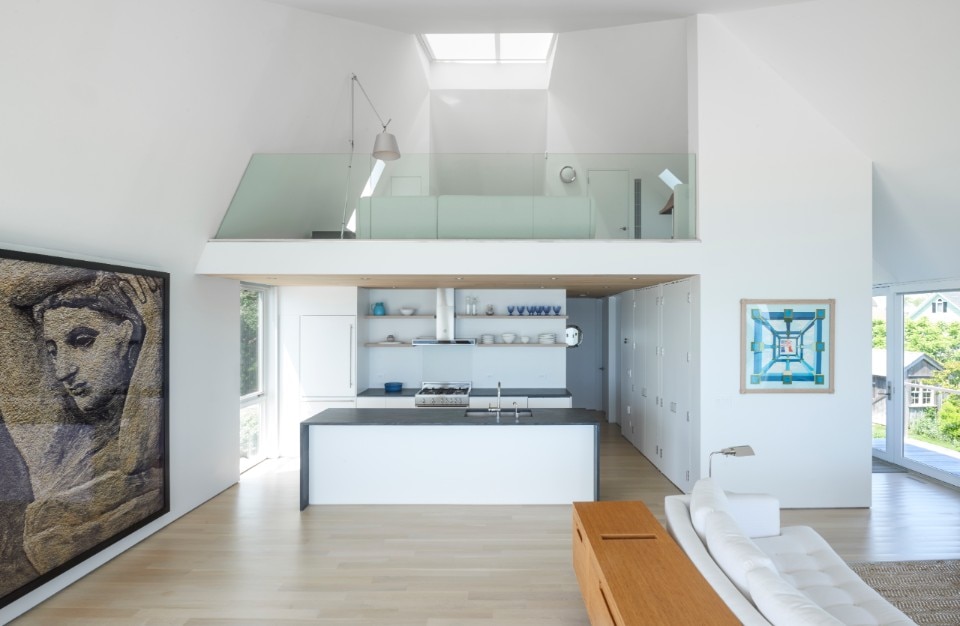
Toshiko Mori Architect, House in Suffolk County, Southhold, New York, 2016
Photo by Michael Vahrenwald/Esto
Toshiko Mori Architect, House in Suffolk County, Southhold, New York, 2016
Photo by Michael Vahrenwald/Esto
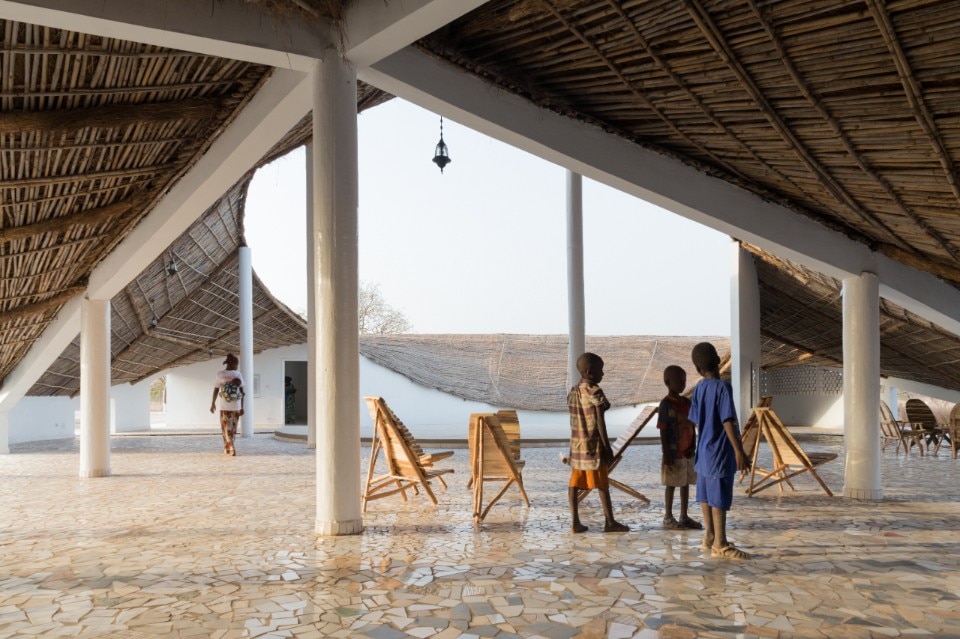
Toshiko Mori Architect, Thread Artists’ Residences & Cultural Center, Sinthian, Senegal, 2015
Photo by Iwan Baan
Toshiko Mori Architect, Thread Artists’ Residences & Cultural Center, Sinthian, Senegal, 2015
Photo by Iwan Baan
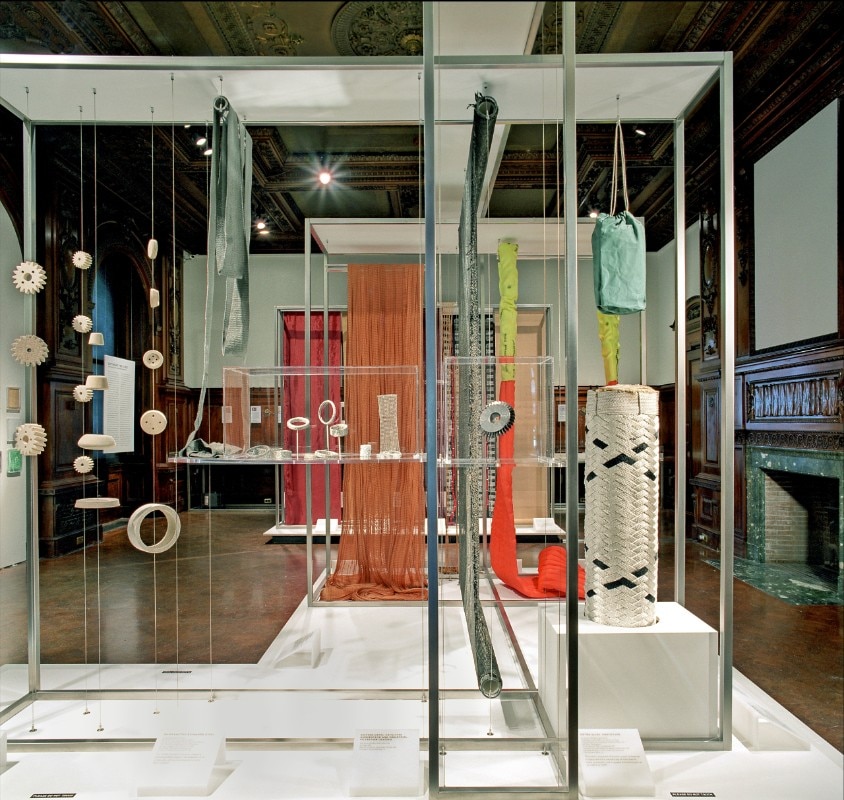
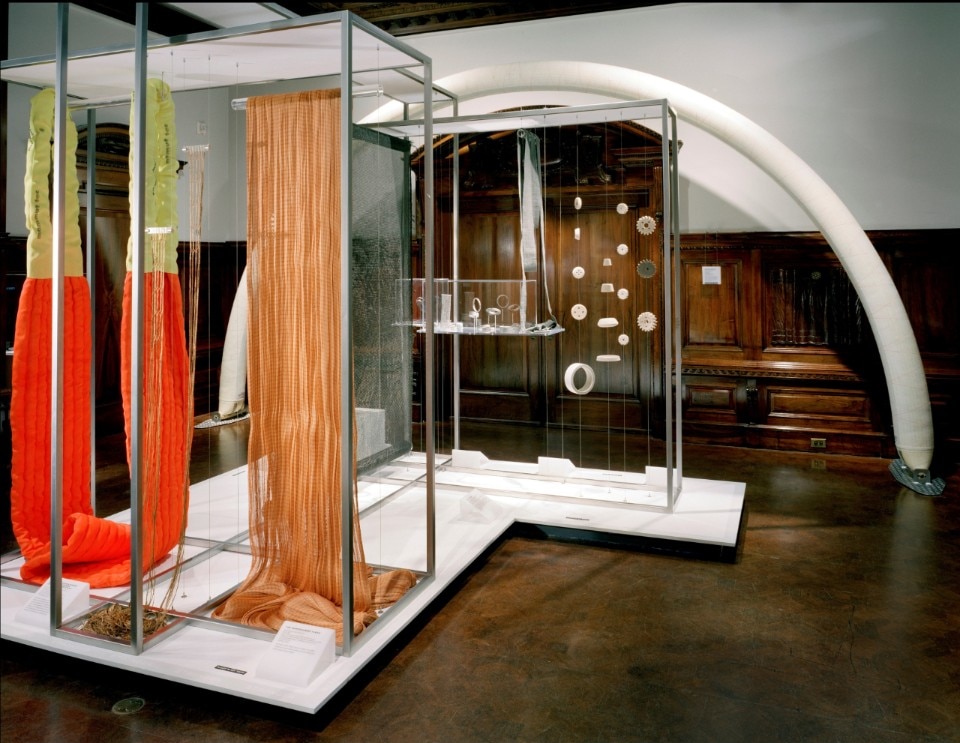
Toshiko Mori Architect, Extreme Texitles: Designing for High Performance, Cooper Hewitt Smithsonian Design Museum, 2005
Photo by Andrew Garn
Toshiko Mori Architect, Uptown NYC retail store for Issey Miyake, New York, 1989
Photo by Paul Warchol
Toshiko Mori Architect, Uptown NYC retail store for Issey Miyake, New York, 1989
Photo by Paul Warchol
Toshiko Mori Architect, House on the Gulf of Mexico I Addition, Sarasota, Florida, 2005
Photo by Paul Warchol
Toshiko Mori Architect, House on the Gulf of Mexico I Addition, Sarasota, Florida, 2005
Photo by Paul Warchol
Toshiko Mori Architect, House in Connecticut II, New Canaan, Connecticut, 2009
Photo by Paul Warchol
Toshiko Mori Architect, House in Connecticut II, New Canaan, Connecticut, 2009
Photo by Paul Warchol
Toshiko Mori Architect, Darwin D. Martin House Visitor Center, Buffalo, New York, 2009
Photo by Paul Warchol
Toshiko Mori Architect, Darwin D. Martin House Visitor Center, Buffalo, New York, 2009
Photo by Paul Warchol
Toshiko Mori Architect, House in Suffolk County, Southhold, New York, 2016
Photo by Michael Vahrenwald/Esto
Toshiko Mori Architect, House in Suffolk County, Southhold, New York, 2016
Photo by Michael Vahrenwald/Esto
Toshiko Mori Architect, Thread Artists’ Residences & Cultural Center, Sinthian, Senegal, 2015
Photo by Iwan Baan
Toshiko Mori Architect, Thread Artists’ Residences & Cultural Center, Sinthian, Senegal, 2015
Photo by Iwan Baan
Toshiko Mori Architect, Extreme Texitles: Designing for High Performance, Cooper Hewitt Smithsonian Design Museum, 2005
Photo by Andrew Garn
Born in Japan and later naturalized as an American citizen, Mori established her New York studio in 1981 and currently teaches at the Harvard Graduate School of Design. Her work is deeply rooted in materiality and construction, with a strong sensitivity to climate conditions and local contexts. Among her most notable projects are the Thread Artists’ Residences & Cultural Center in Senegal — a landmark that redefined the role of architecture in resource-limited communities — as well as the Center for Maine Contemporary Art and the Issey Miyake retail store in New York, designed in 1989.
With this award, the American Academy of Arts and Letters not only addresses a historic gender gap but also places environmentally and socially engaged architectural practice back at the center of its cultural agenda — at a time when architecture in the United States is increasingly part of the political debate.
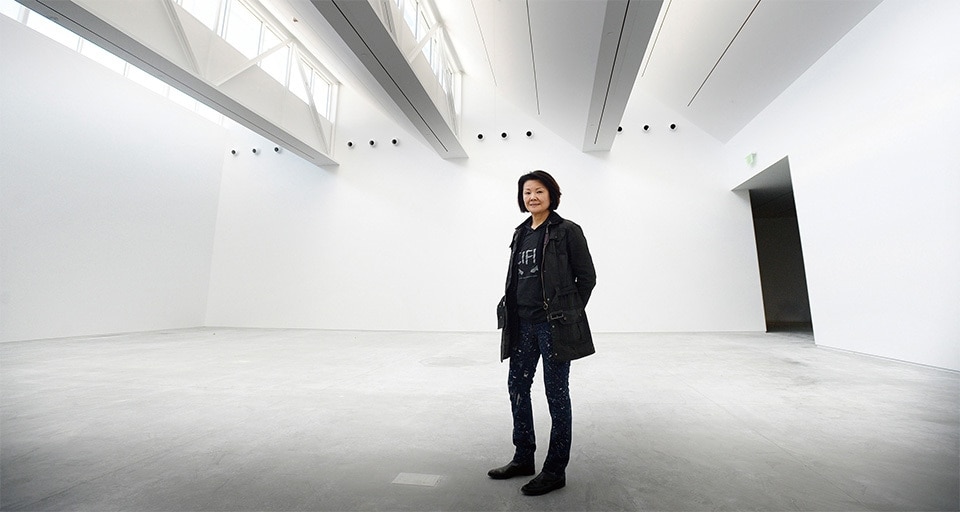
Opening image: Toshiko Mori. Via Wikimedia Commons