


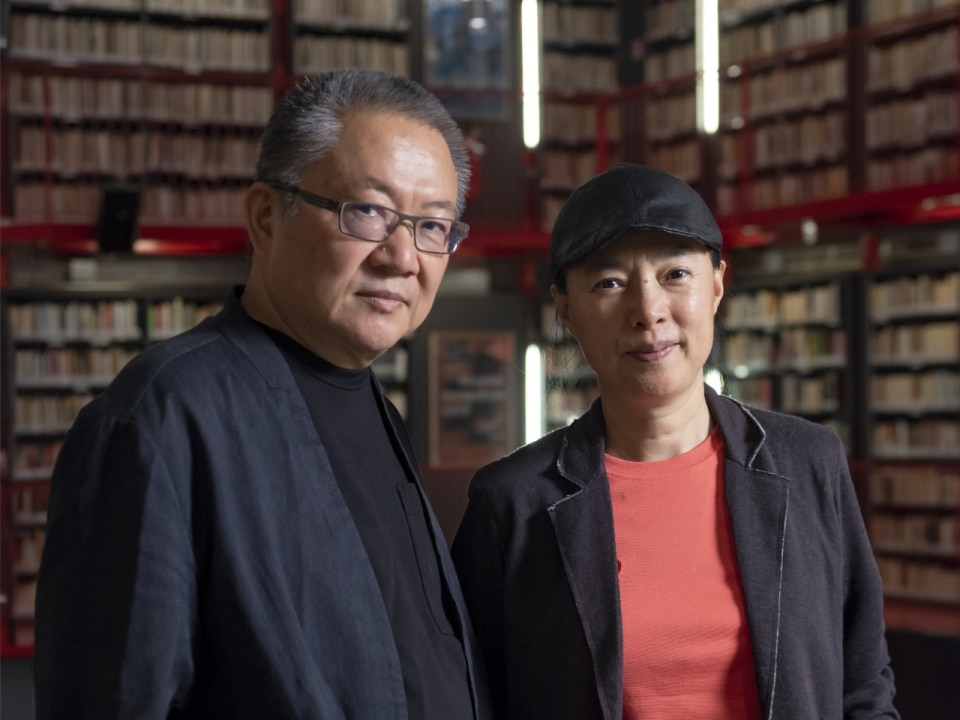
The Venice Biennale has officially announced the artistic directors of the 20th International Architecture Exhibition. Wang Shu and Lu Wenyu, the founders of Amateur Architecture Studio, will be responsible for defining the theoretical and curatorial framework of the 2027 edition, which is scheduled to take place from 8 May to 21 November. This appointment signals the Biennale's commitment to design practices that challenge extractive processes and the globalised logic of construction.
Wang Shu and Lu Wenyu’s research into the reuse of materials, traditional construction methods and the appreciation of existing heritage offers an alternative approach to urban transformation — one that is both feasible and one that they have repeatedly implemented in China over the past few decades. Their work thus provides a concrete countermodel to landscape transformations based on demolition and standardisation, for which Wang Shu was awarded the Pritzker Prize in 2012.
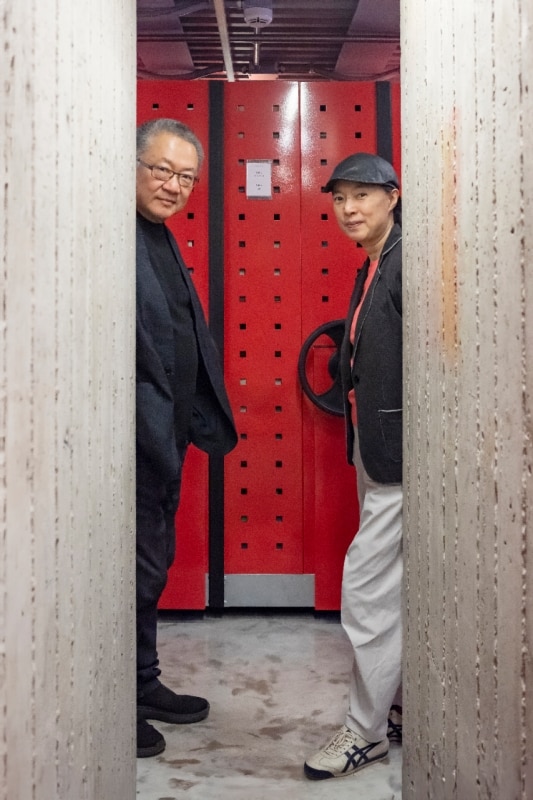
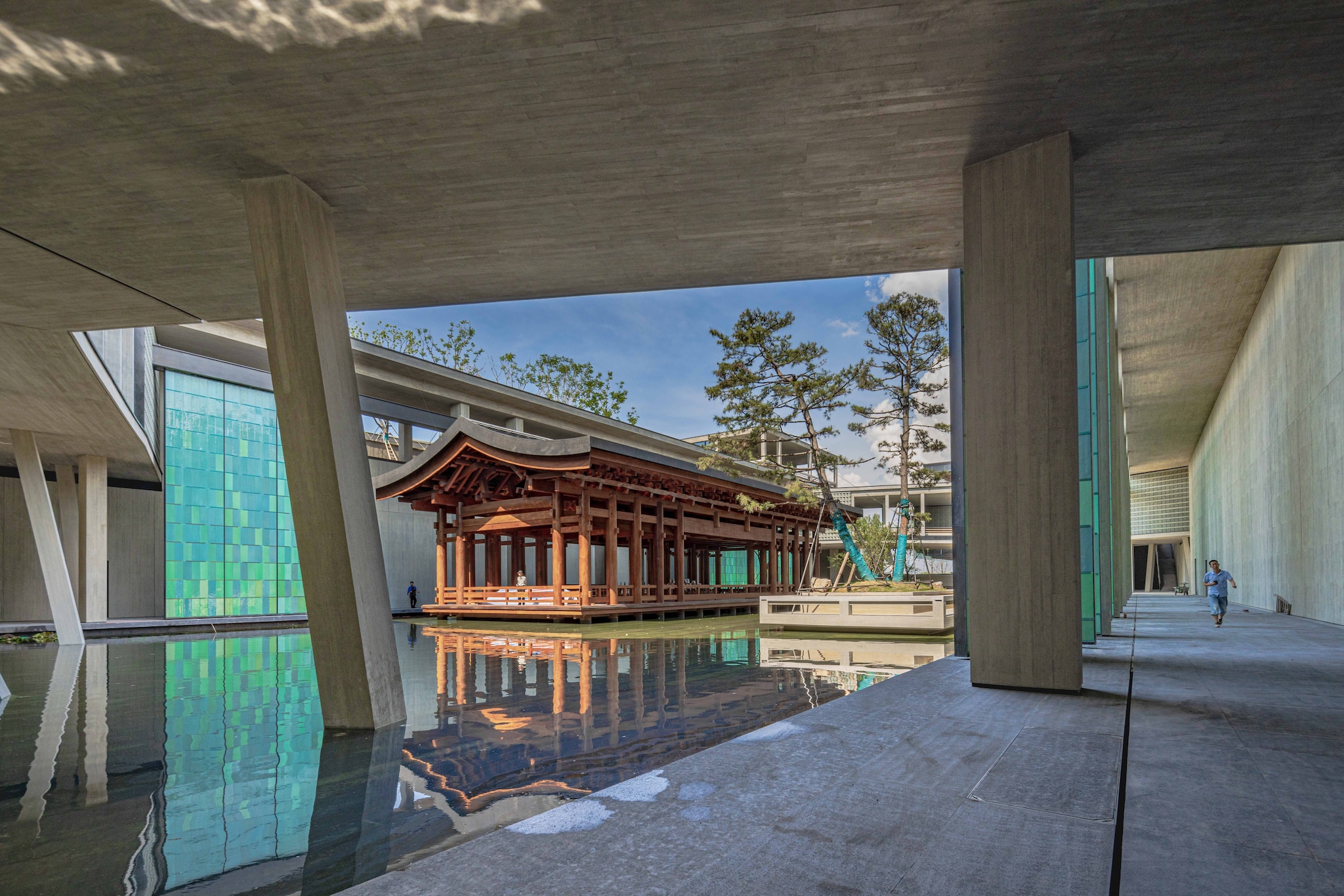
Wang and Lu have previously collaborated with the Biennale on several occasions, including the China Pavilion in 2006, receiving a Special Mention in 2010 for Decay of a Dome, and participating again in 2016. Their theoretical and practical work views architecture as a tool for cultural continuity, integrating contemporary engineering techniques, reclaimed materials, and traditional knowledge. Examples of this approach can be seen in the renowned Ningbo History Museum (in the Xiangshan Campus of the China Academy of Art) and the National Archives of Hangzhou — featured in Domus issue 1072 — as well as in the large-scale urban project of restoring the Imperial Road of the Song Dynasty.

The upcoming curators have emphasized how contemporary architecture tends to oscillate between “hyper-conceptualization and commercialization,” losing connection with real contexts. The curatorial vision they imagine for 2027 seems to aim at a paradigm shift: from the architectural object as symbol to the project as cultural infrastructure capable of building relationships, identity and shared memory.
The 2027 Biennale could therefore position itself as a platform for dialogue on the material, territorial and social implications of making architecture today, with the goal of discussing — hopefully in an operational rather than merely theoretical way — alternatives to the dominant development models shaping many parts of the planet.
Further details on the theme and format of the exhibition will be announced in the coming months.
All images: Wang Shu Lu Wenyu © La Biennale di Venezia - photo ASAC- Matteo Losurdo