

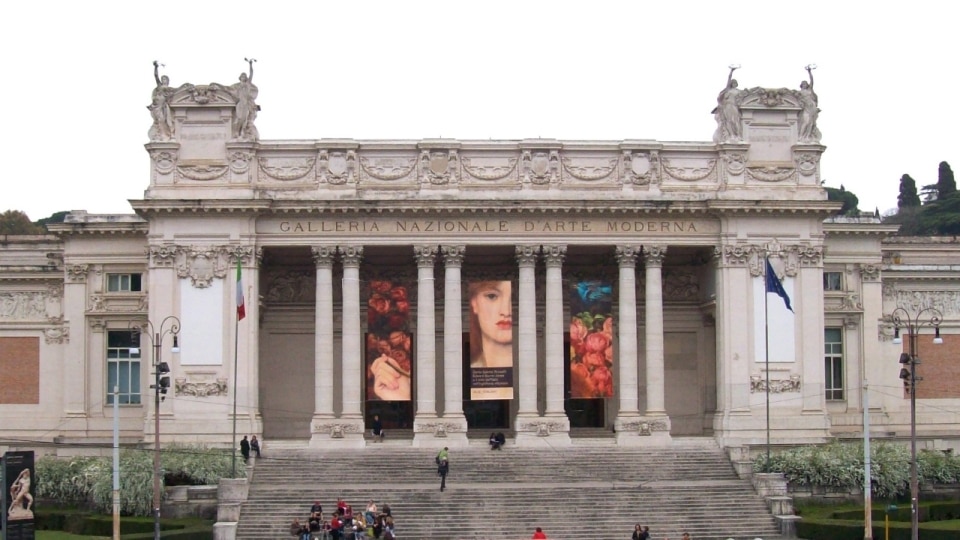
After fifty years of incomplete or abandoned projects, stop-and-go initiatives, unfulfilled ambitions, neglect, and decay, hopes are rekindled for the Ala Cosenza of the Galleria Nazionale d’Arte Moderna e Contemporanea in Rome (GNAM), thanks to a recent redevelopment project led by Mario Botta following an international design competition.
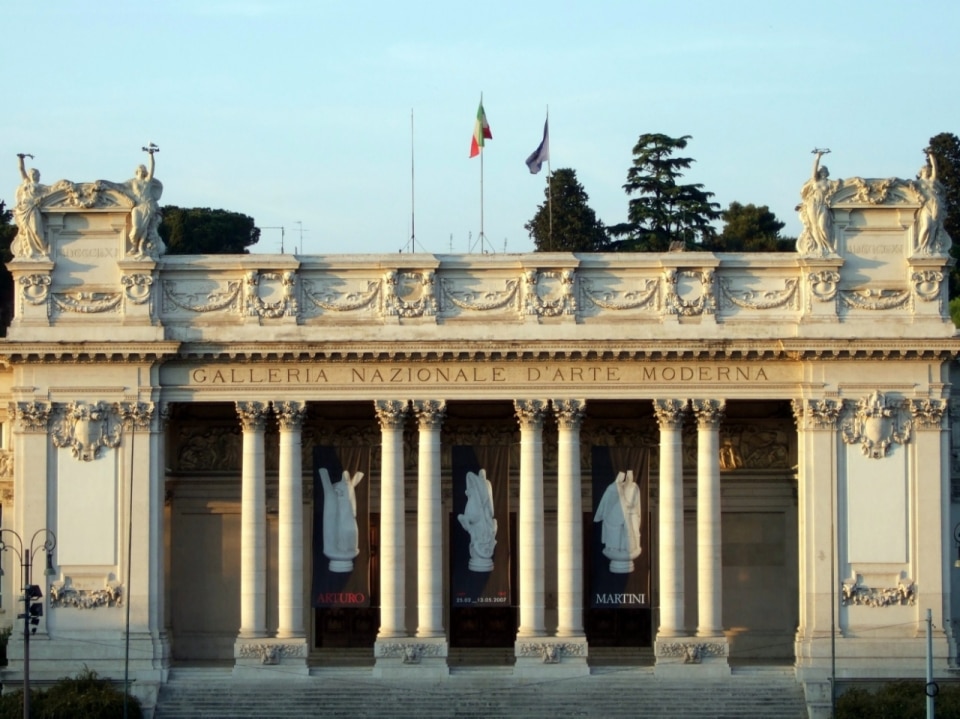
The space, designed in the 1970s by Luigi Cosenza as an extension of the historic museum complex dating back to the early decades of the 20th century (originally designed by engineer Cesare Bazzani), is sadly famous for its troubled history and as a prime example of “public non-finito” (unfinished public work).
After construction began, the wing remained incomplete (although partially used over time) due to bureaucratic issues and lack of funding, until its definitive closure in the 1990s, which condemned it to a sad decline as an urban relic at the rear of a museum of no minor importance.
In 2000, an international competition for the redevelopment of the space, won by the Swiss firm Diener&Diener, attempted a remedy: it came to nothing, both because of the heated controversies sparked by the proposal to demolish and rebuild the Ala Cosenza, already almost entirely realized, and because of the political decision to reallocate available funds to the Maxxi, which was being built at the time based on Zaha Hadid’s project.
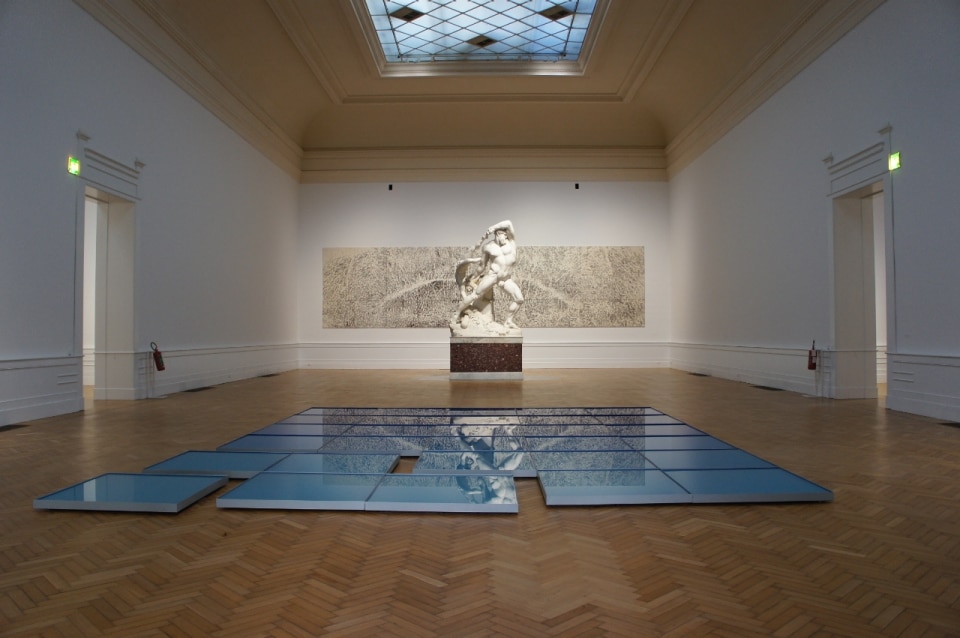
Recently, a new competition resumed the path of recovery, with an investment of over 15 million euros (one of the largest currently in the Italian cultural sector) for the structural, plant, and exhibition upgrades of the Ala Cosenza.
The project will be publicly presented in the coming days. Although details are not yet known, it is expected to reflect the expressive signature of the Swiss master, already widely established, particularly with regard to cultural spaces he has designed throughout his long career, such as his expansion project for La Scala Theatre in Milan, with its clearly legible planivolumetric framework that combines rigor with expressive poetry, or the Jean Tinguely Museum in Basel, with its conception of the museum as a “civic” space.
All images: National Gallery of Modern and Contemporary Art in Rome, via Wikimedia Commons