



The black rabbit is the sign and threshold of the restaurant that bears its name. It appears in the title sequence of the TV miniseries, whose beating heart and gravitational center is the Black Rabbit itself, and then multiplies in every scene: engraved on the bathroom wallpaper, repeated as a graphic motif among leaves and butterflies, hanging in bronze above the entrance, or in miniature form on the dashboard of Jake’s car—Jake being one of the two founding brothers. It is logo, talisman, omen. But also the visual cipher of a series that constructs its narrative through the language of interiors: surfaces, lights, materials, atmospheres.
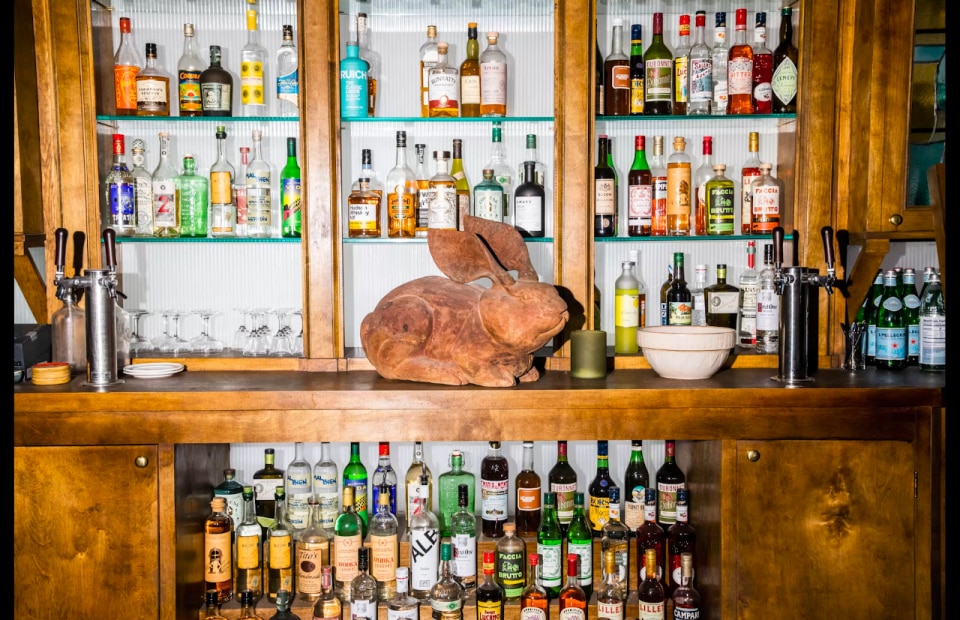
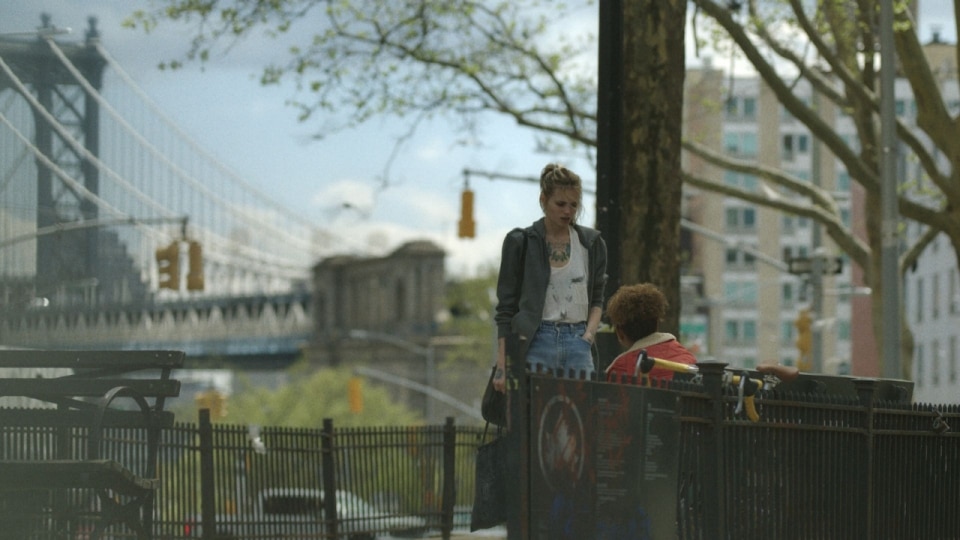
The series is set in contemporary New York, within and around the city’s gastronomic and nightlife scenes. Tribeca, the Brooklyn Bridge, streets that smell of rain and hamburgers. The restaurant that gives the series its title is both an enterprise and a dream: a refuge, a home, a stage where food, music, drugs, alcohol, sex, and desire mingle.
“When we opened the Black Rabbit,” says Jake, “we didn’t just want a restaurant, but a home—for us, for our family, for our people. A place for a drink, a cigar, for the best burger in all of New York. A place where you never know where the night will take you.”
It’s a physical place, but also a statement of poetics: a space designed as an extension of the body and memory, as the construction of community.

The series is built entirely around the dialectic between ruin and rebirth. In the first site visit, Vince—the visionary brother—looks at an abandoned old bar:
“This is the oldest bar in New York,” he says. “Pirates used to come here. Upstairs there was a brothel.”
Jake looks at him skeptically: “For what purpose?”
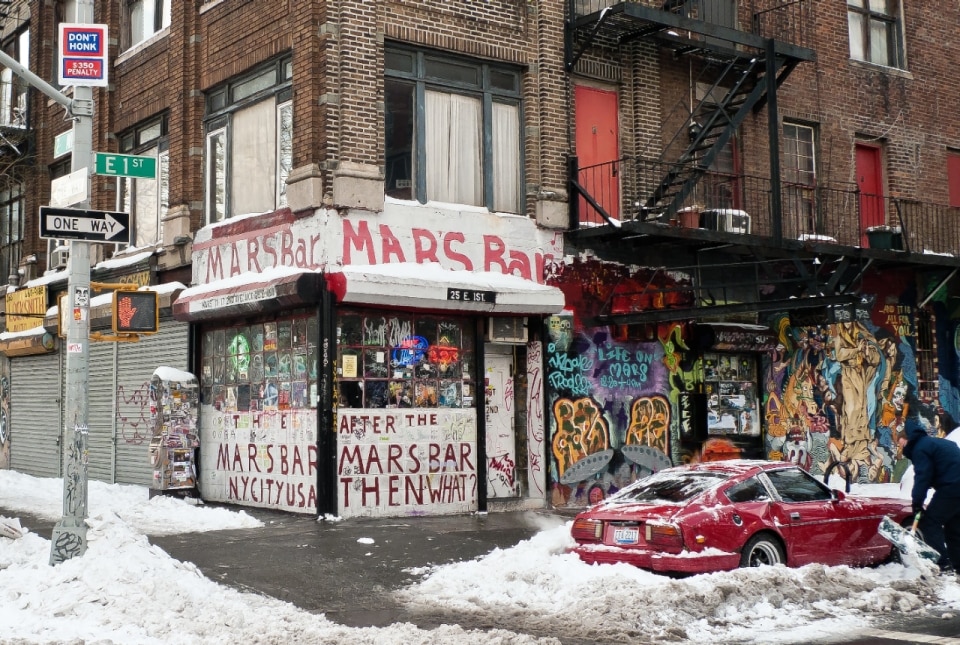
And Vince replies: “We can tear down the wall, build a kitchen, a VIP area upstairs with an open space, and above that, a terrace overlooking Manhattan. Remember the Mars Bar? People still want places like that. Restaurants are the nightclubs for adults.”
The reference is precise: the legendary Mars Bar of the East Village—dirty, loud, and iconic—demolished in 2011 to make way for a luxury condo. Its ghost haunts the entire series: a memory of pre-gentrification New York, when art, nightlife, and despair coexisted in the same room. The Black Rabbit is born from that spirit—from the desire to revive that raw, authentic energy—but it does so with the awareness of those who are now part of the very system they once rejected.
In Black Rabbit, the dream of renewal always coincides with the risk of getting lost. As in the city itself, every construction carries within it a demolition.
The restaurant’s design is a story of layers: iron and velvet, rounded glass panes, warm shadows, real fireplaces, walls that tell the passage of time. It’s a wounded, lived-in, inhabited beauty. Yet behind that “dirty chic” aesthetic lies a tension toward harmony, order, and control.
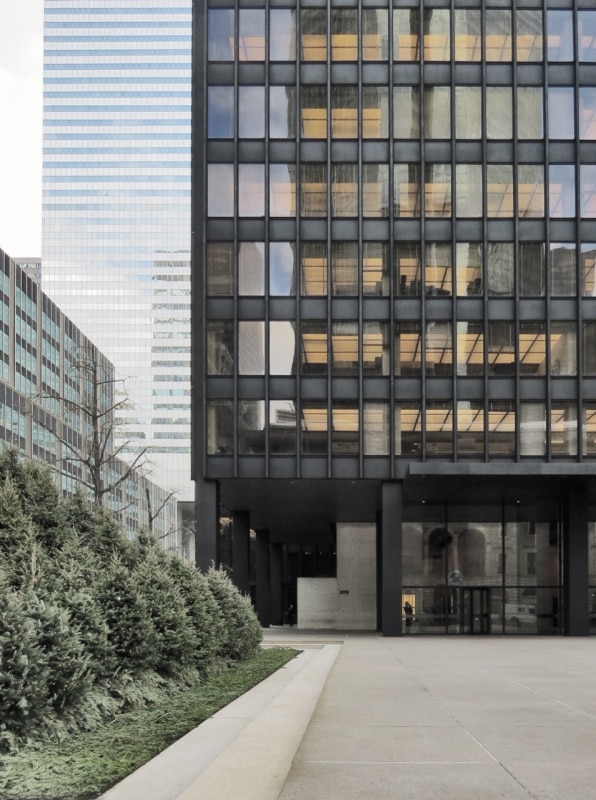
When Jake visits the Seagram Building and confides to interior designer Estelle that he wants to open his second restaurant there, the Pool Room, the scene turns into a symbolic duel between two visions of the world—and of architecture.
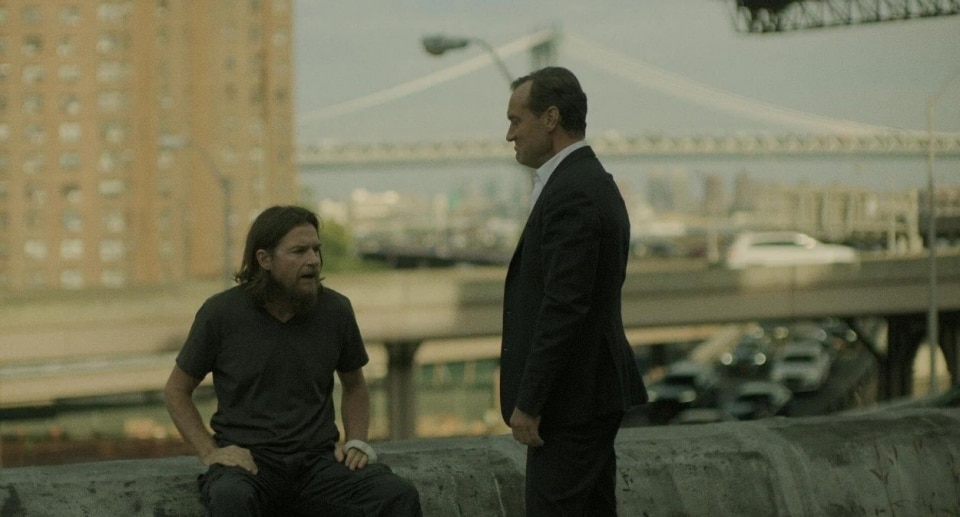
“Do you know who built this?” he asks.
“Of course,” she replies. “Mies van der Rohe.”
“This place is untouchable,” says Estelle. “It’s an institution.”
Jake responds: “Institutions need to be renewed.”
That is the aesthetic manifesto of the series. On one side, the modernist rigor of the Seagram—the perfect architecture, the geometric purity. On the other, the vital disorder of the Black Rabbit, living matter, imperfection. Two ways of understanding architecture and design: one as law and canon, the other as transgression and rebellion.
And in between, there is family—the blood you don’t choose. Jake and Vince are brothers bound by fierce affection and a burdensome past. Every aesthetic choice is also an ethical one: to build a restaurant together, to rebuild from ruins, means attempting to mend something deeper—one’s own story, childhood, and sense of belonging. “You bring the muscle and I’ll bring the brains,” says Vince. “We’ll make the coolest place in New York.” But in Black Rabbit, the dream of renewal always coincides with the risk of getting lost. As in the city itself, every construction carries within it a demolition.
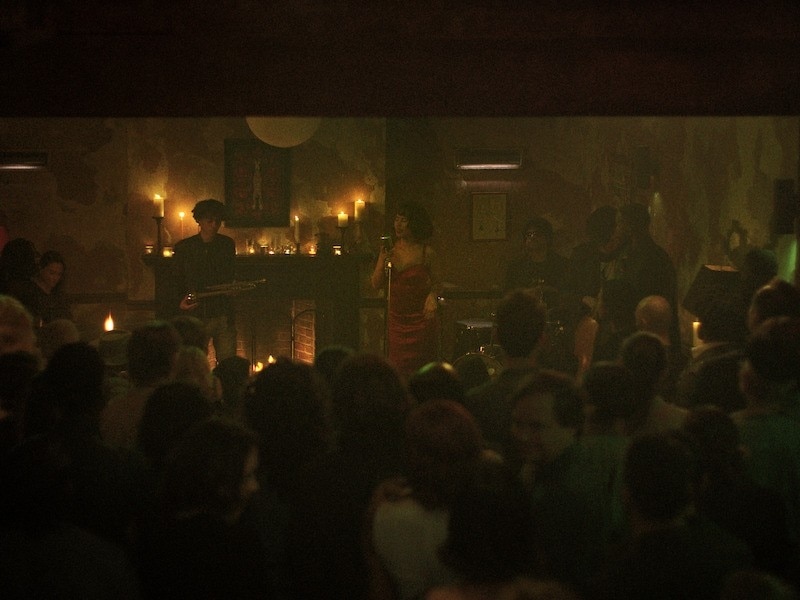
The long-awaited New York Times review calls the restaurant at the center of Black Rabbit “a magic door hiding what may be the finest dining experience of the past twenty years.” Yet more than a gastronomic triumph, Black Rabbit is a reflection on the fragility of the American dream—on the need to reinvent home, family, and the meaning of connection.
Black Rabbit is not just about a restaurant. It’s about the impossibility of separating aesthetics from ethics, architecture from psyche, space from emotion.
Every tile, every lamp, every wall torn down tells of the tension between what is inherited and what is built—between the blood that binds you and the blood that stains.