

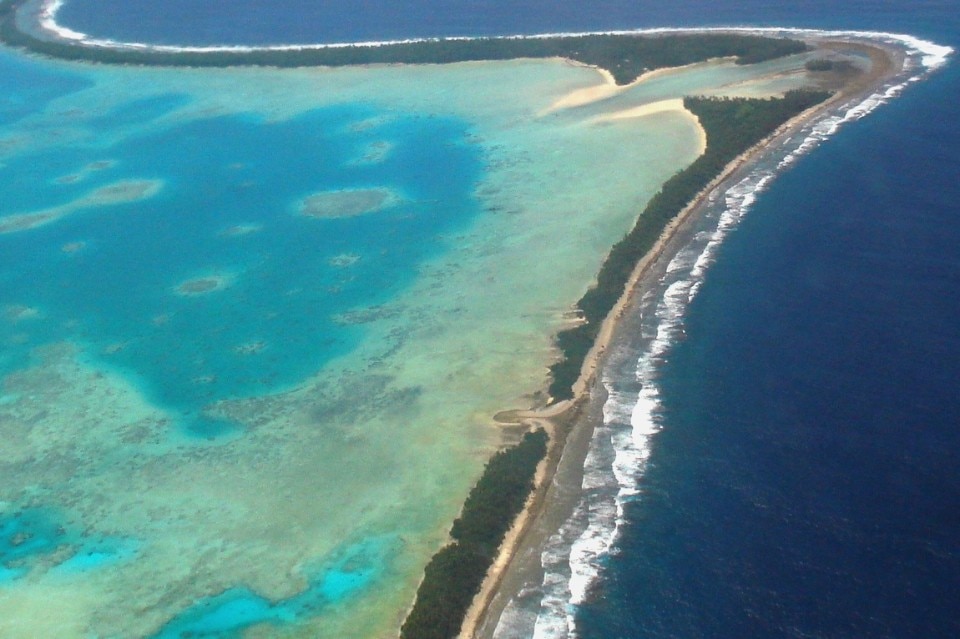
This island nation in the heart of the Pacific, composed of nine coral atolls that risk disappearing under the ocean within the next eighty years, is now facing a mass migration unprecedented in history. The State of Tuvalu, threatened by the devastating consequences of global warming, has seen more than 3,000 of its citizens — nearly one-third of the total population — register for the world’s first climate migration program, initiated by Australia.
The agreement between Tuvalu and Australia is called the Falepili Union, a bilateral treaty signed in 2023 and set to take effect in August 2024. It will allow 280 Tuvaluan citizens per year to permanently relocate to Australia, offering them a climate-specific visa. The selection process, based on a random lottery, is unique among global migration frameworks, as it is designed to enable a full yet gradual relocation of Tuvalu’s population over 40 years, preventing a sudden exodus of skilled professionals that could weaken local communities — a phenomenon often referred to as “brain drain”.
This new form of diplomatic infrastructure combining climate finance, strategic cooperation, and most notably, a right to “slow migration”, will progressively grant Tuvaluan citizens access to universities, healthcare, employment, and freedom of movement. However, the initiative also raises critical concerns. While Australia has pledged to uphold Tuvalu’s sovereignty even in the absence of physical territory, the island nation has nevertheless had to relinquish part of its autonomy in matters of defense and security, granting Canberra the authority to manage Tuvalu’s military agreements with other nations. Former Prime Minister Enele Sopoaga has criticized the agreement’s lack of transparency and the clauses that may restrict Tuvalu’s political independence, effectively giving Australia oversight over the country’s foreign defense relations.
Overview image: Tuvalu's capital, Funafuti, 2011. Photo Lily-Anne Homasi/DFAT from Wikimedia Commons.