


 View gallery


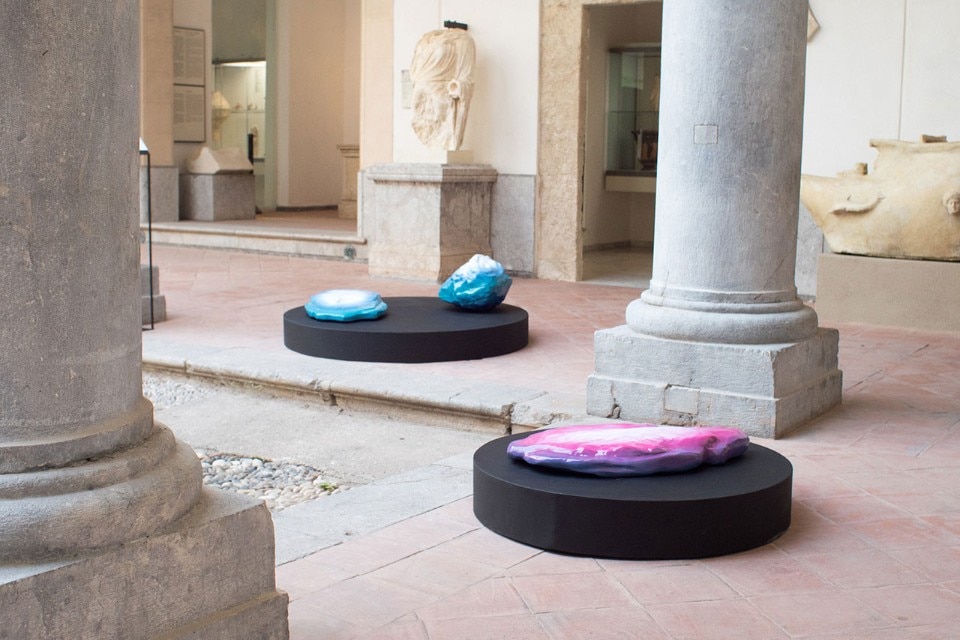
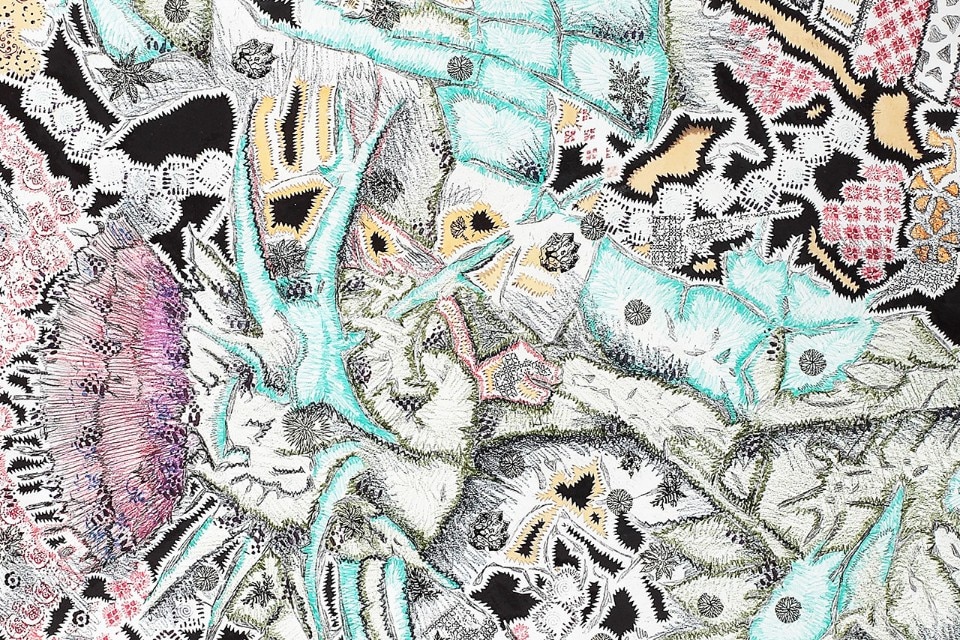
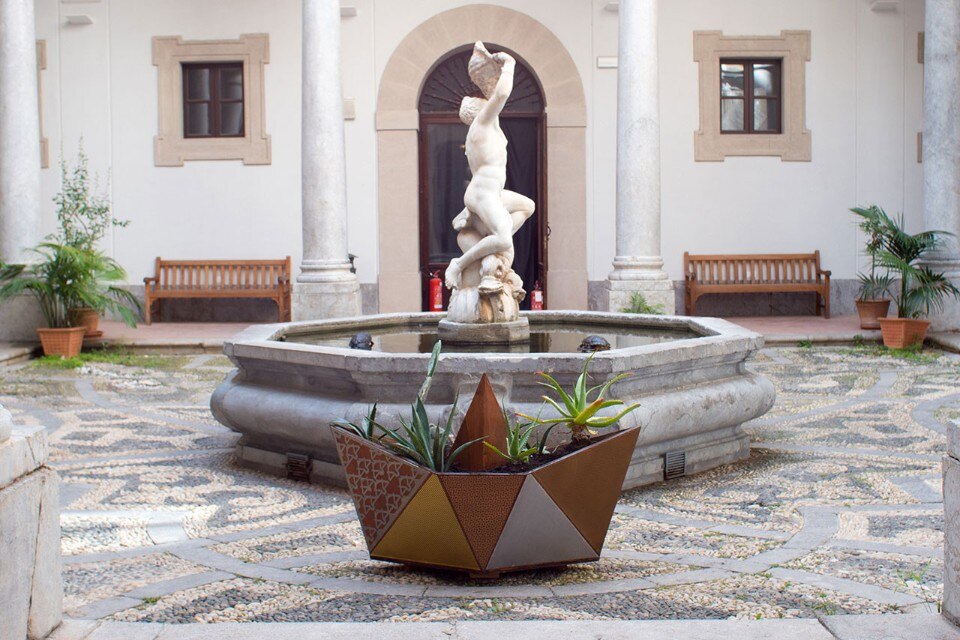
Marianna Christofides (Nicosia, Cyprus, 1980) presents two films related to archaeology and mythology, questioning different historical points of view and she has created a site-specific text-work based on myth and its use in contemporary academic and scientific research. Gabriella Ciancimino (Palermo, 1978) elaborated a map during the trip, subsequently enriched with new elements that refer to some of the maps contained within the ancient volumes of the precious library of the Salinas Museum, one of the most important libraries in Sicily. Ciancimino also presents two sculptures that reference the shape of a boat, ancient symbol of journeys and migrations of men and plants. Malak Helmy (Alexandria, Egypt, 1982) presents a series of sculptures and a sound installation – with music and lyrics – especially created for the garden of the greater cloister, under whose porches and colonnades once members of the religious congregation walked whilst meditating in peace.
 View gallery
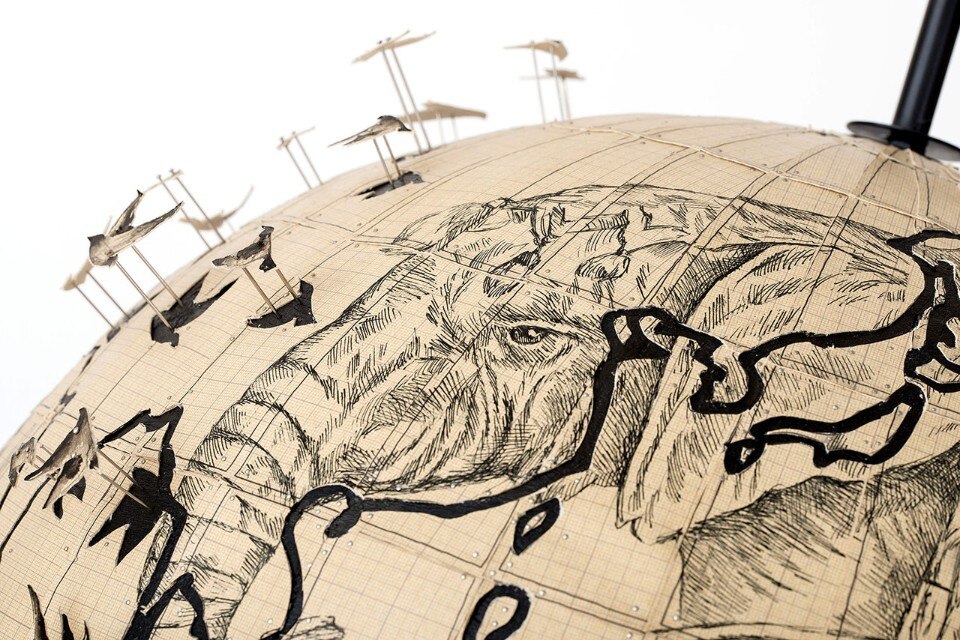
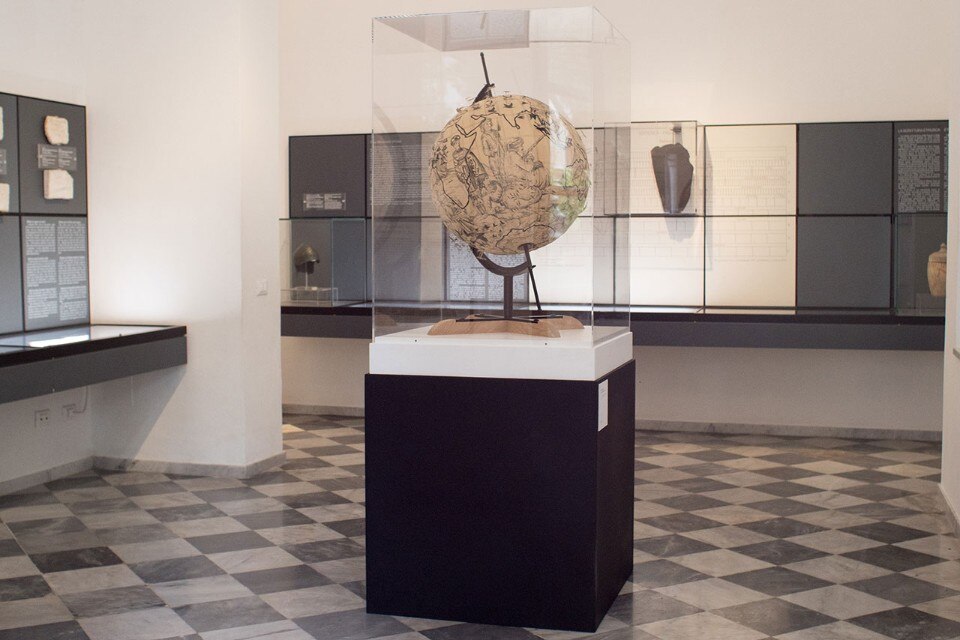
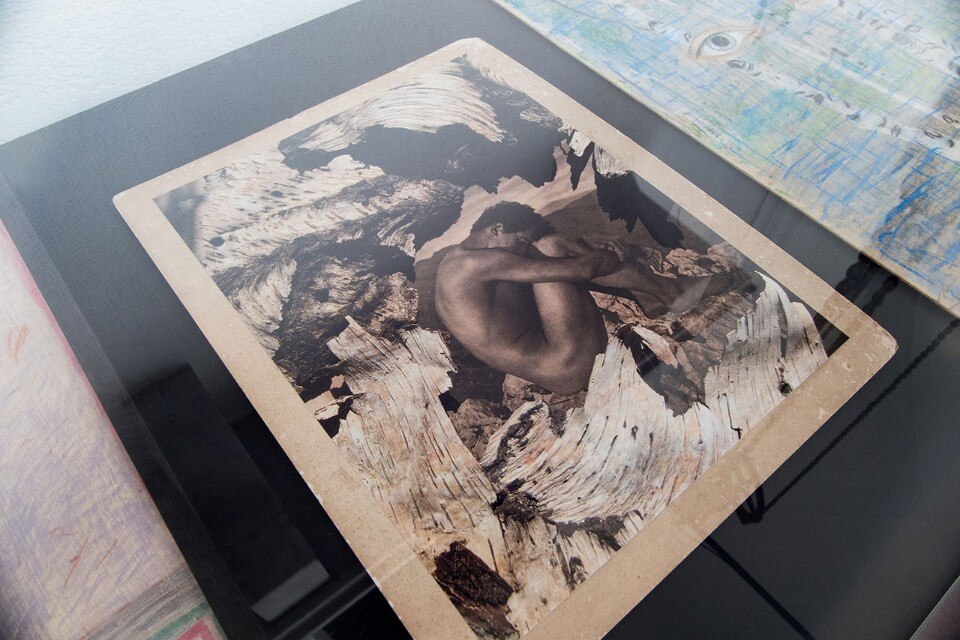
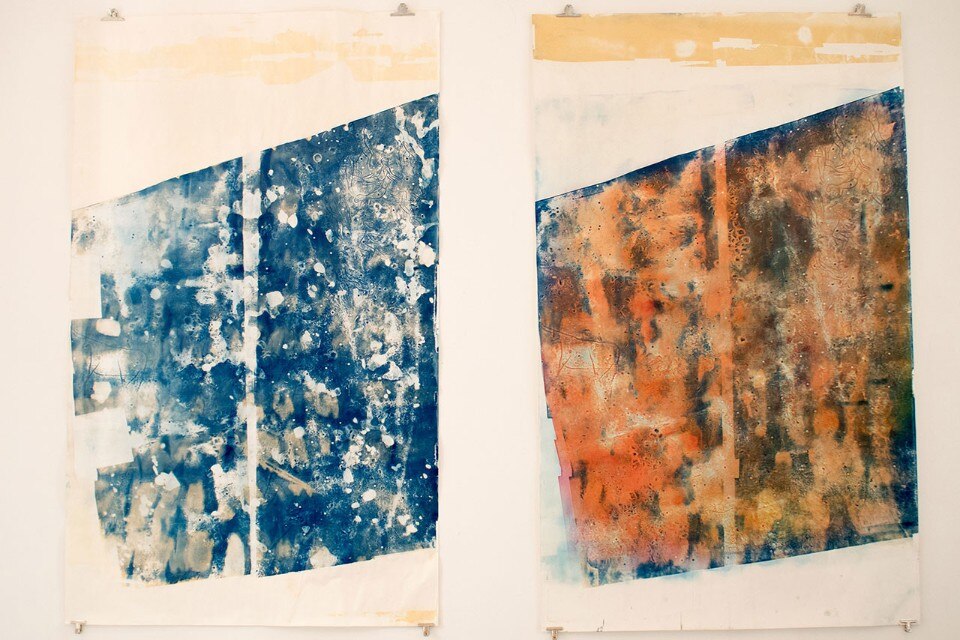
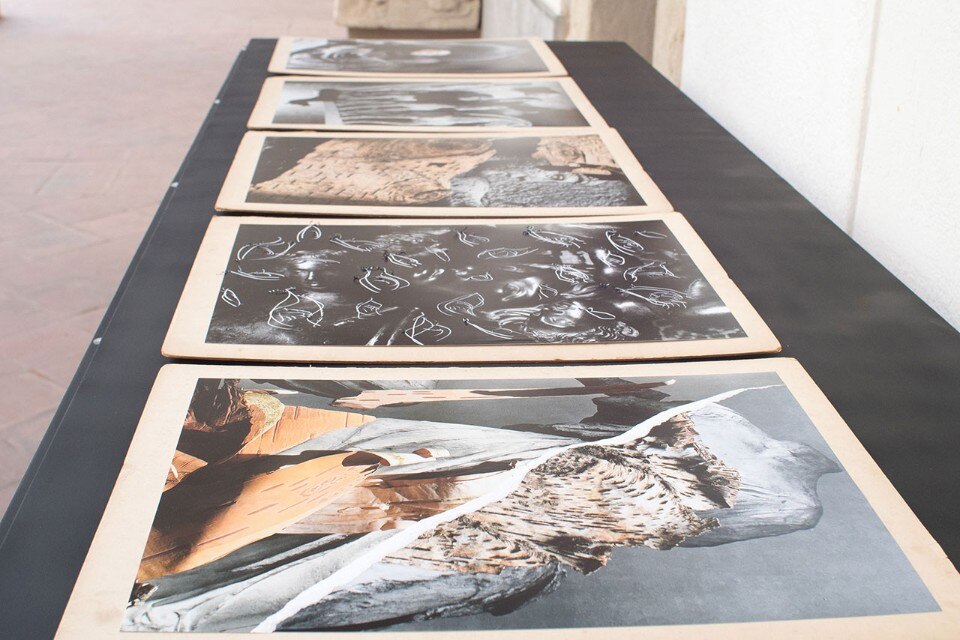
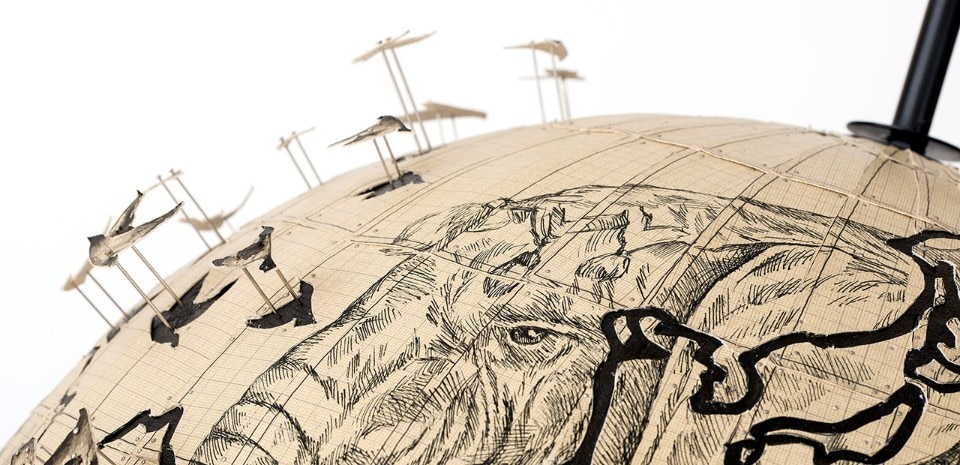
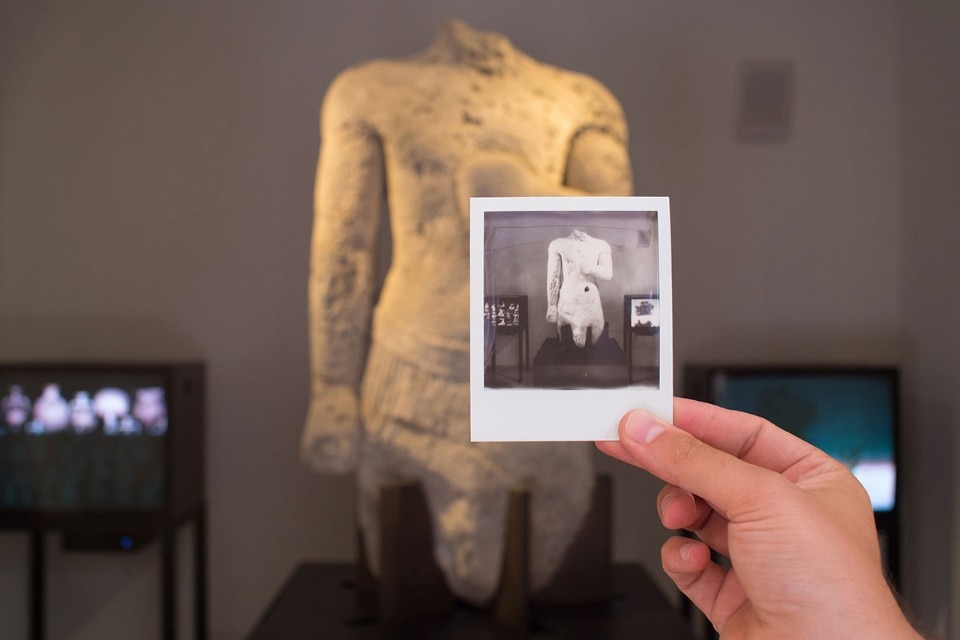
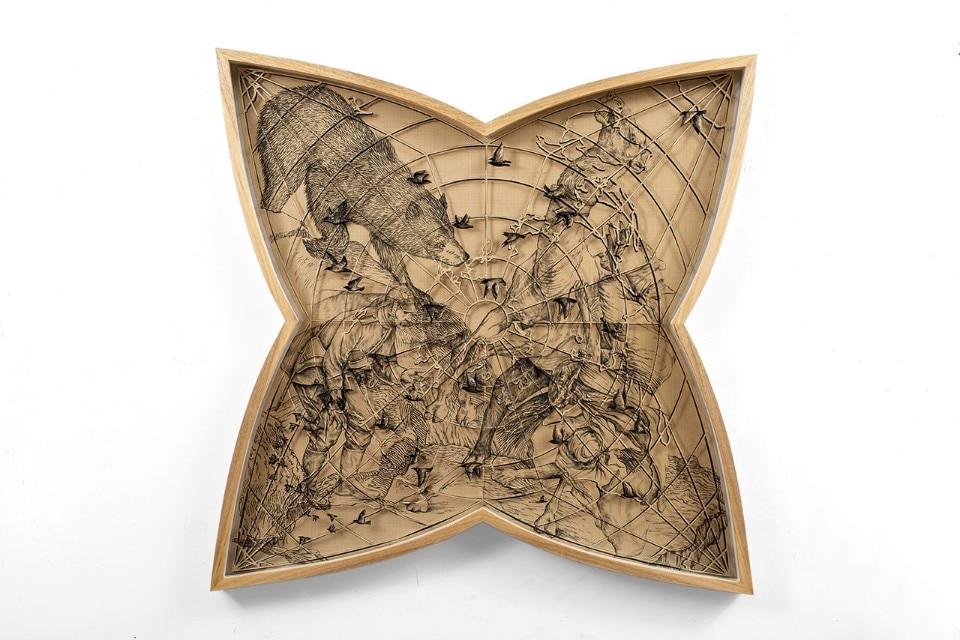
Andrew Mania (Bristol, 1974), fascinated by the perfection of classical statuary, has reworked some images on paper and collage works, whilst Pietro Ruffo (Rome, 1978) has produced a map with paper cut-outs and a globe that references the linguistic richness of the Mediterranean represented in the archeological pieces exhibited in the museum’s Epigraphic Hall. Luca Trevisani (Verona, 1979) presents a new series of his, Notes for dried and living bodies, and a work based on the cast copy (kept in the museum), of the famous engravings of the Addaura caves dating back to about 12,000 years ago and that, for security reasons, are closed to the public. From the museum library, which contains about 25,000 antique books, a rare Atlas dating from the 17thcentury is exhibited in dialogue with the maps made by the artists.
until 10 September 2017
Viaggio in Sicilia. Maps and Myths of the Mediterranean
Curator: Valentina Bruschi
Museo Archeologico Regionale Antonino Salinas, Palermo