Damage Control

“Damage Control: Art and Destruction Since 1950”, on view at Mudam Luxembourg, highlights the roles destruction has played in contemporary art.

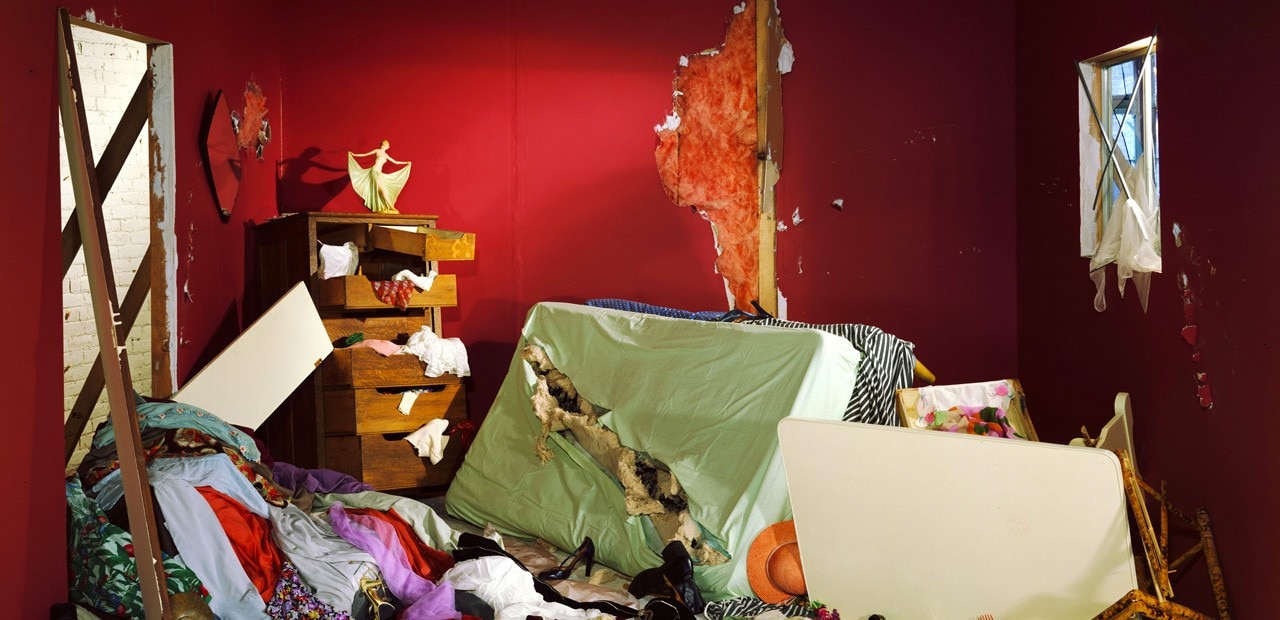
Jeff Wall, The destroyed room, 1978, detail
Destruction has played a wide range of roles in contemporary art – as rebellion or protest, as spectacle and release, or as an essential component of re-creation and restoration.
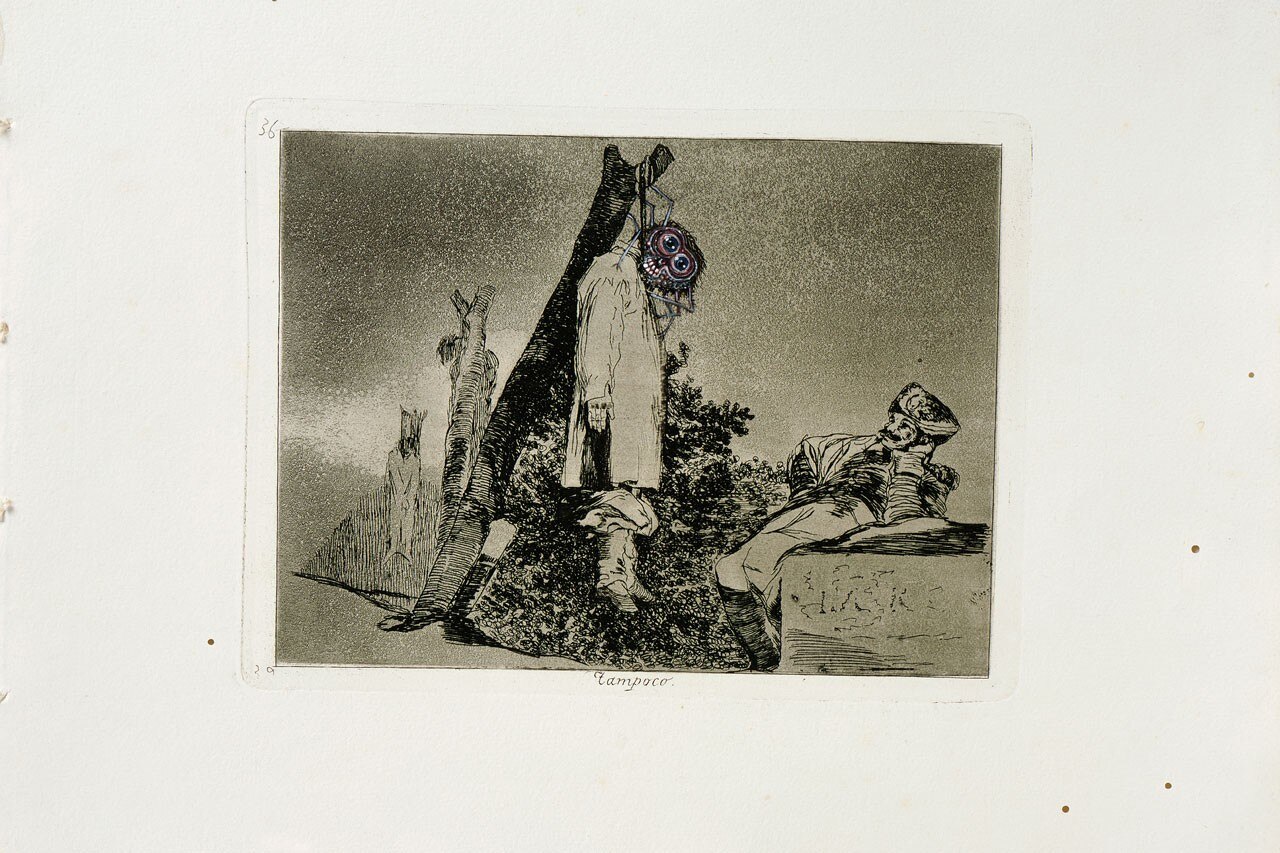
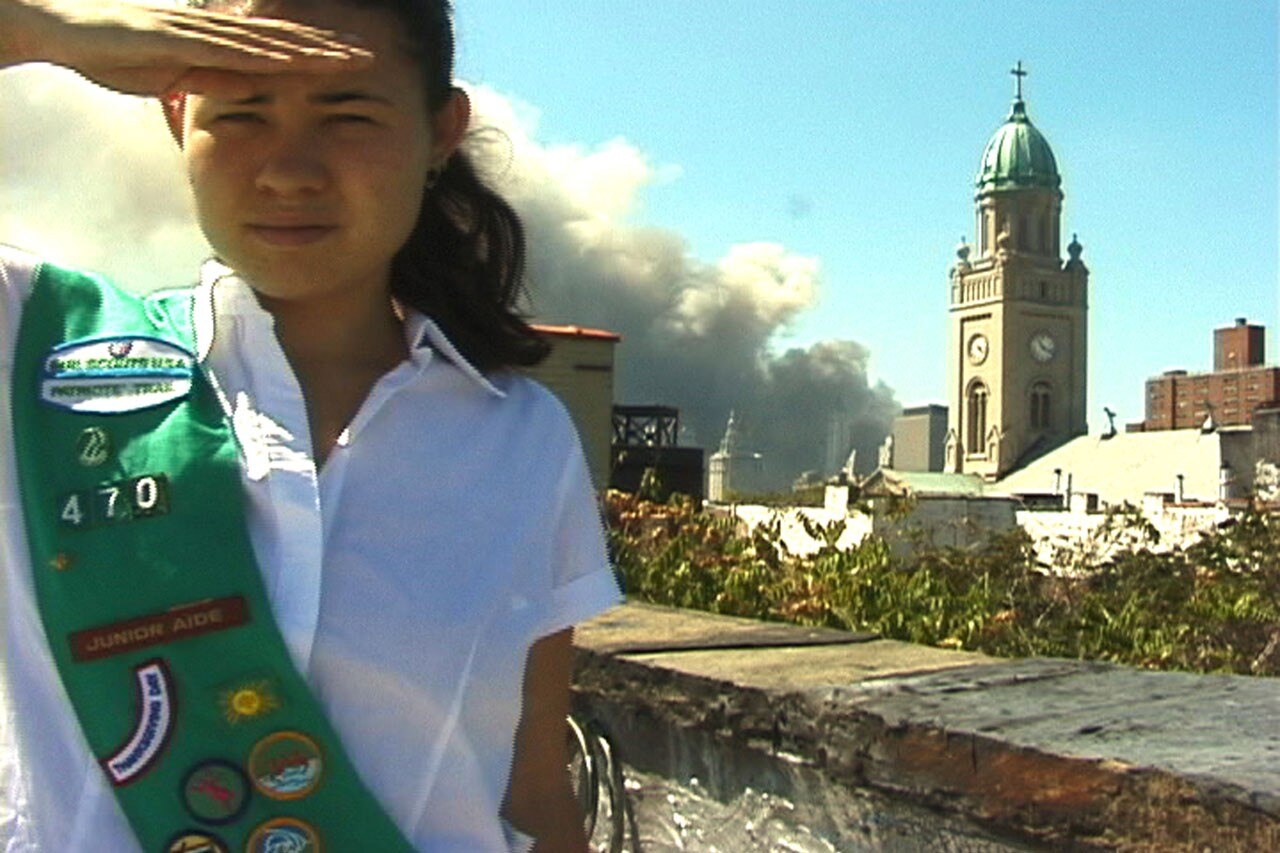
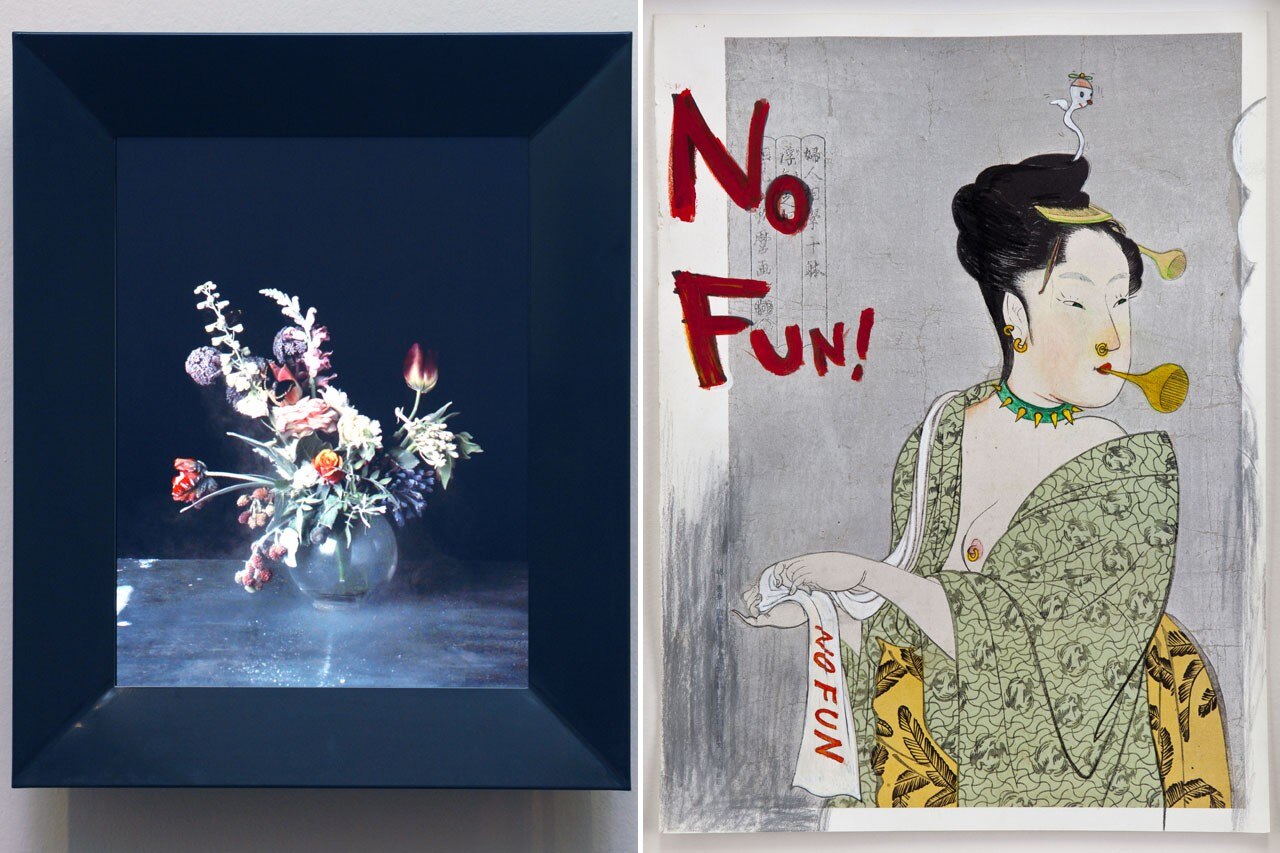
“Damage Control: Art and Destruction Since 1950”, on view at Mudam Luxembourg offers an overview, if by no means an exhaustive study, of this central element in contemporary culture. Featuring approximately 90 works by nearly 40 international artists, and including painting, sculpture, drawing, printmaking, photography, film, video, installation and performance, the exhibition presents many of the myriad ways in which artists have considered and invoked destruction in their process.
Damage control
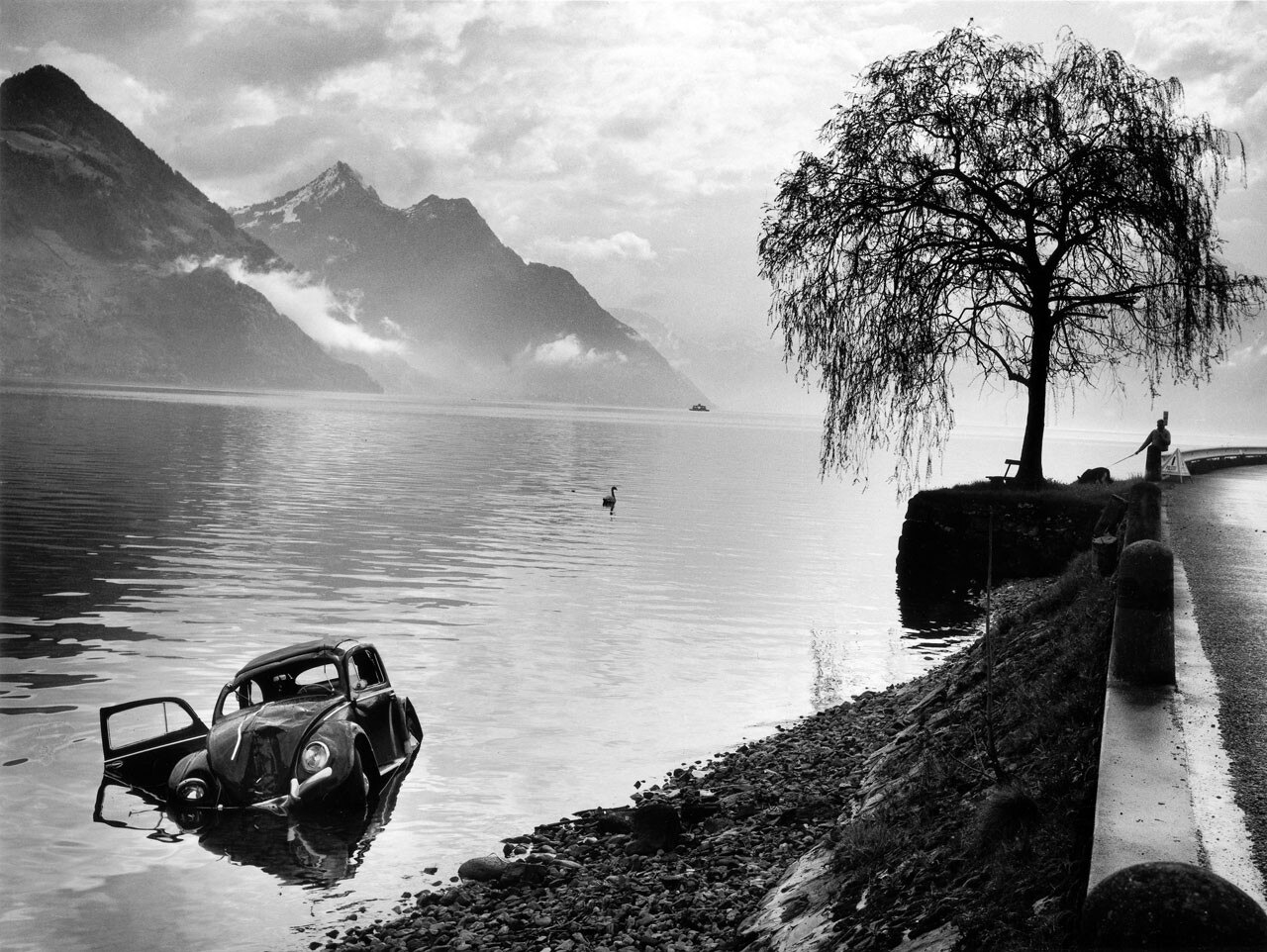
Top: Jeff Wall, The Destroyed Room, 1978 (detail). Transparency in lightbox, 178 x 247 x 26 cm. © The artist, photo: Glenstone Above: Arnold Odermatt, Buochs, 1965. Gelatin silver print, 30 x 40 cm. © Urs Odermatt, Windisch. Courtesy Galerie Springer Berlin
While destruction as a theme can be traced throughout art history, from the early atomic age it has become a pervasive cultural element. In the immediate post-World War II years, to invoke destruction in art was to evoke the war itself: the awful devastation of battle, the firebombing of entire cities, the dropping of the atomic bombs on Japan, and, of course, the Holocaust. Art seemed powerless in the face of that terrible history. But by the early 1950s, with the escalation of the arms race and the prospect of nuclear annihilation, the theme of destruction in art took on a new energy and meaning.
In the decades since, destruction has persisted as an essential component of artistic expression. “Damage Control: Art and Destruction Since 1950” offers an overview of this prevalent motif. Many of the earlier works in the exhibition directly record nuclear bombs or their aftermath, or use such documentation as a starting point for broader commentary. The use of found film, television, and photography as a source expanded more widely in the 1960s as the importance of media coverage of disasters on a cataclysmic or everyday scale increased.
Damage controlo
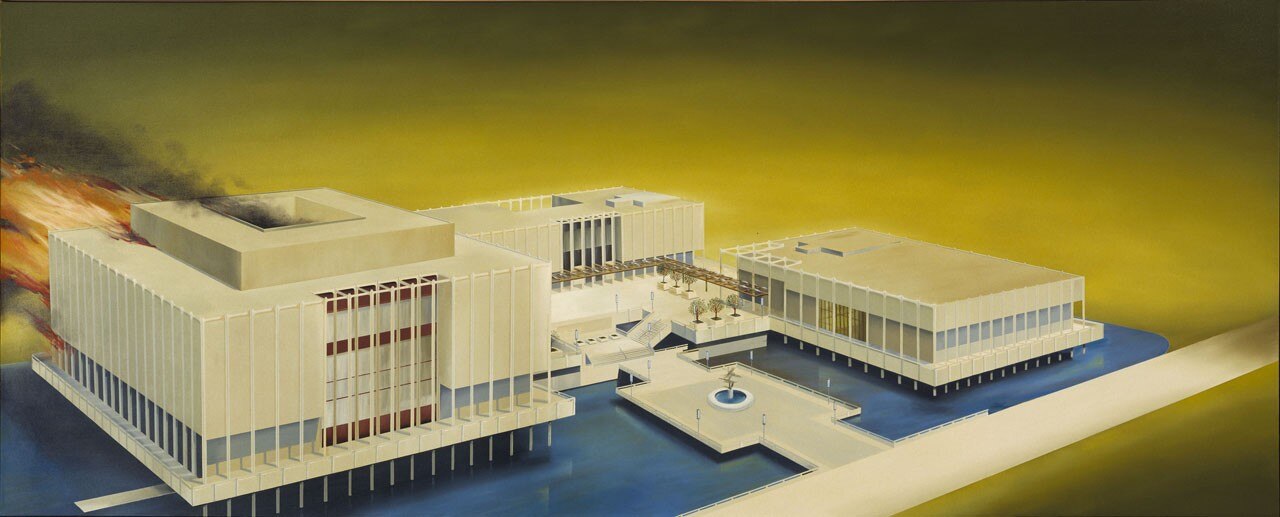
Ed Ruscha, The Los Angeles County Museum on Fire, 1965–68. Hirshhorn Museum and Sculpture Garden, Washington DC . Oil paint on canvas, 136 x 339 cm. Collection Hirshhorn Museum and Sculpture Garden, Washington, DC. Gift of Joseph H. Hirshhorn, 1972 © The artist
Other artists adopted more conceptual or symbolic approaches to address the potential for destruction in the world or as a reaction to social conventions. Destruction has also been employed as a means of questioning art institutions or challenging the very meaning of art itself. In many of the artworks on view, regardless of time period, medium, or intent, the desire to control destruction or to emphasize the integral relationship between construction and destruction is central.
But whether as rebellion or protest, as spectacle and release, or as an important facet of re-creation and restoration, it is apparent that for generations of artists internationally, destruction has served as an essential means of considering and commenting upon a host of the most pressing artistic, cultural, and social issues of our time.

until October 12, 2014
Damage Control
Art and Destruction Since 1950

curated by Kerry Brougher and Russell Ferguson
Mudam Luxembourg
3, Park Dräi Eechelen
Luxembourg

Latest on News

Latest on Domus

China Germany India Mexico, Central America and Caribbean Sri Lanka Korea icon-camera close icon-comments icon-down-sm icon-download icon-facebook icon-heart icon-heart icon-next-sm icon-next icon-pinterest icon-play icon-plus icon-prev-sm icon-prev Search icon-twitter icon-views icon-instagram