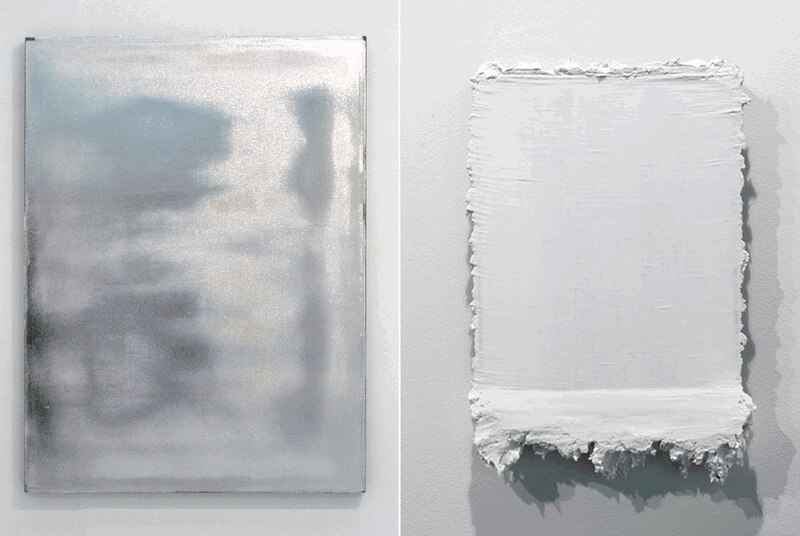
Two artists of the emerging generation. Both North Americans, both under thirties create performative paradoxes. The New York based Jacob Kassay pursuing the lineage of painting as places for light and shadows and Vancouver based Andrew Dadson offering black—thick juicy paintings and leftover colors buried underneath the black, gathering at the painting's edge.
Kassay’s making of 'colorless pieces about color -quoting Antony Huberman- opaques surfaces about reflection, metal painting about light, fixes images about movement, abstract paintings as consequence of a procedure as well as of a rigorous conceptual System', equals Dadson’s work where the artist by obscuring in his painting adds to the layers of meaning within his other actions:" I’m just more concerned with how to fill theses spaces with something then to let them stay empty" says Dadson interviewed by Monika Szewczyk on Mousse Magazine.
Astonishly we might use almost the same Huberman’s sentences for describing Dadson’s canvases as Kassay, he makes monochrome surfaces about color, thick layering of paint about light, bidimensional paint about sculptures, spaces where nothing really happens making something happen.
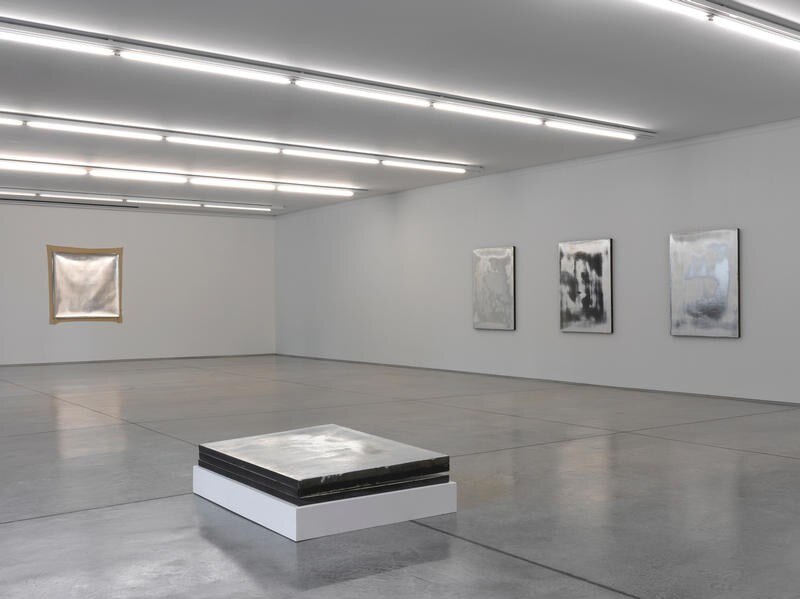
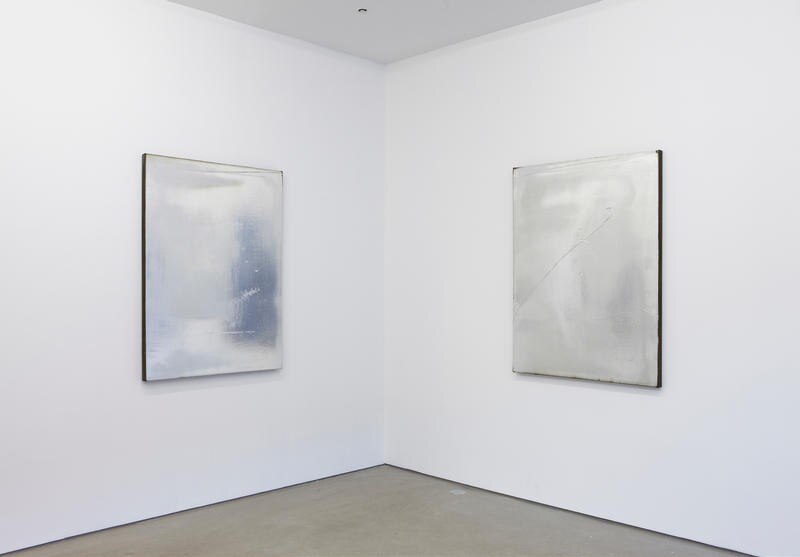
Both artists prepare their canvases with loosely applied, broad strokes of color, Kassay’s work is then chemically plated. The resulting mirror-like planes reveal the ghostly presence of the underpainting as surface irregularities, pock-marked occasionally with tiny patches of color. In addition, any exposed canvas is scorched by the plating process, resulting in dark, smoky edges to the metallic surfaces.
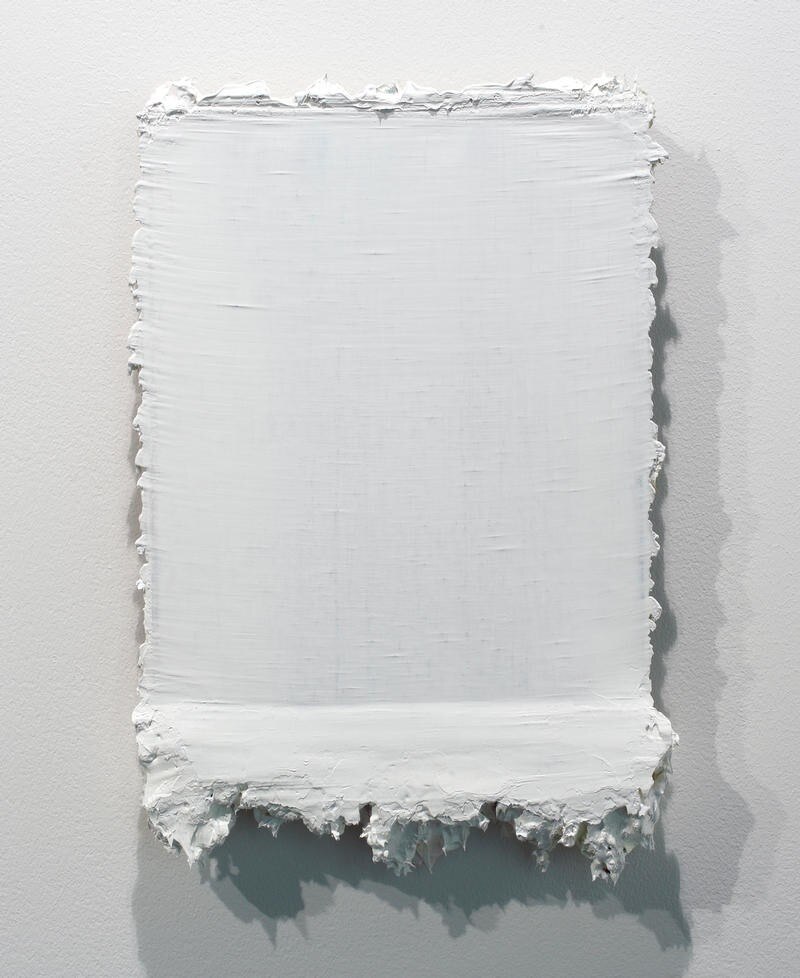
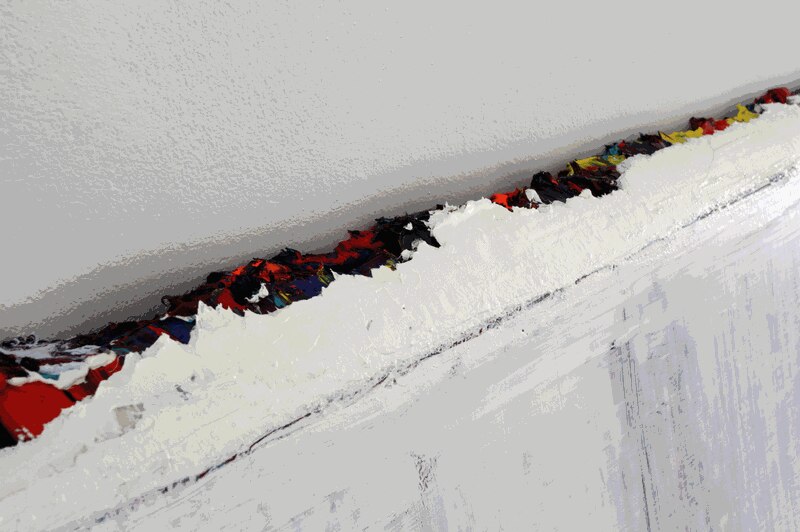
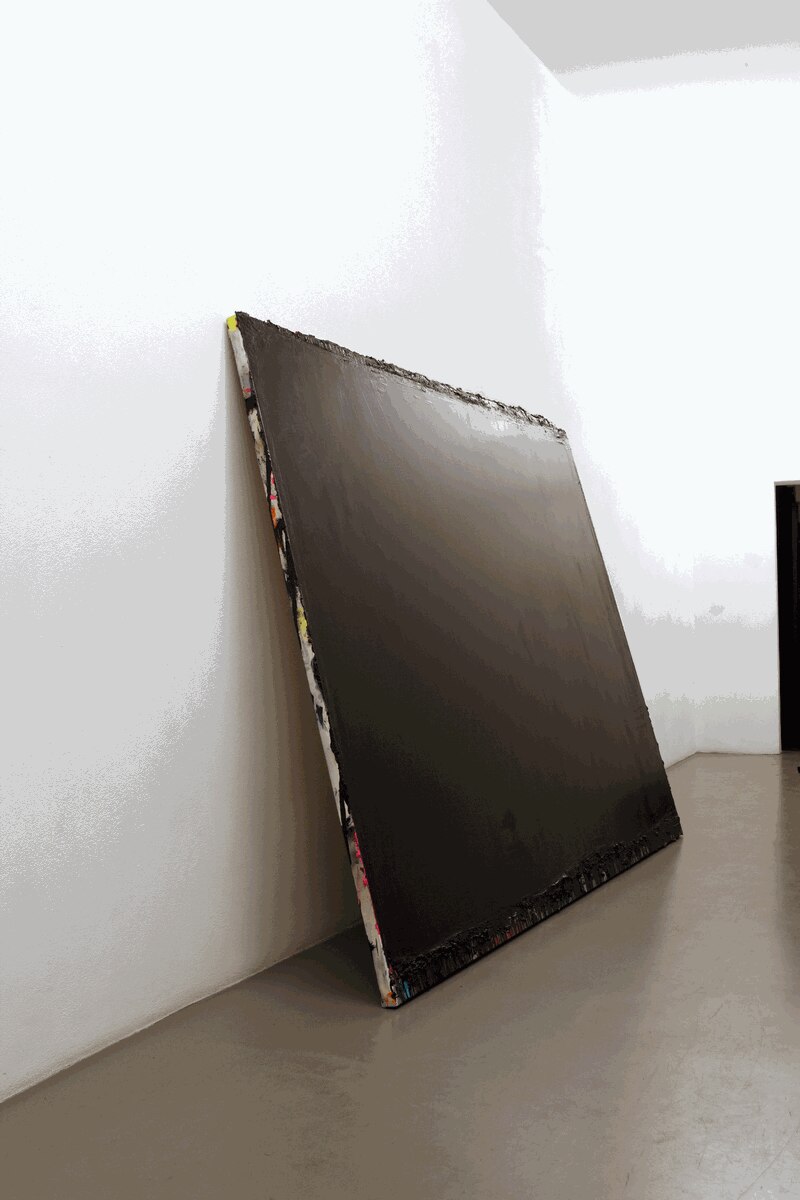
Dadson uses all these layered coats of oil paint in different colours to build up the canvas that are continuously scraped off to the sides and hold it off the wall and then he applies the black or white colour over top. All of the little bits of paint colour end up holding the canvas so that it is not touching the wall and is angled off the wall. "I was thinking about them in the same way as the photographs of painted lawns where the paint tries to cover over part of the landscape but little bits of the colour of the grass etc. still appear."says the artist describing his work while Kassay’s work concerns in putting a painting trough the photographic development process of being dipped, bathed and fixed. Working with an electroplater in Pennsylvania, the artist began plating a series of primed canvases.
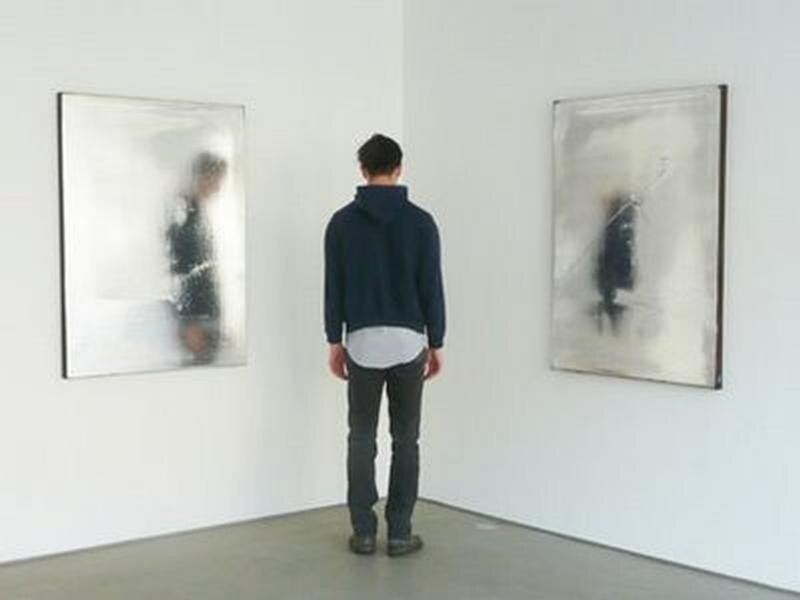
Dadson by overcoming the two-dimensional plane of the canvas in order to create a sculptural relationship with the space, and Kassay by painting without color paint and image taking on all lights, shadows, colors and images of their surroundings, are both creating objects about being in a room with an abstract painting.
And that is precisely the reason why in the crowed and delicate word of abstract painting you might be seducted by the innovative work of those two young and talented artists'.
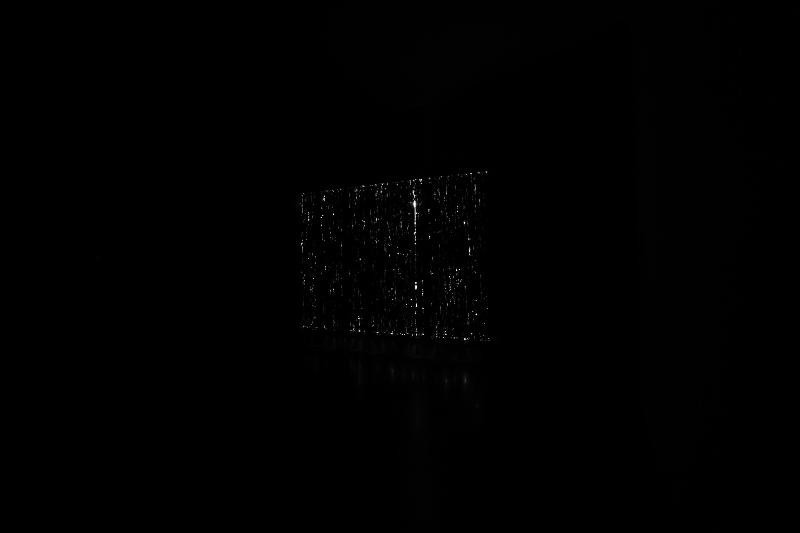
Most of us know that silence and blankness were a point of arrival of Malevich’s work or Rauschenberg’s white paintings as well as Cage’s 4’33’ which was inspired by the same famous monochromes: their being full of meaning was truly consisting in the rupture made of silence of both music and painting. Kassay’s shimmering surfaces or Dadson thick colorful paint over canvas and neon tubes seem to be a starting point so that 'End is the Beginning'became title of Dadson's installation in the Project Space of Galleria Noero. A sequence of neon tubes constitutes a billboard in which the light is obscured by paint, creating an effect of obliteration, as if it was the vanishing of the sun. From both artists meaning and beauty seem to ensue from the light or strong interaction between artworks and ambiences, between paintings selves, between them and us.
Andrew Dadson not by chance quoting Aristotle’s saying "nature abhors a vacuum" says during the same aforemetioned interview: "I do think the globalization of nothing (this idea that nothing is distinct) is happening everywhere today which promises nothing but cultural homogeneity, I'm just more concerned with how to fill theses spaces with something then to let them stay empty."
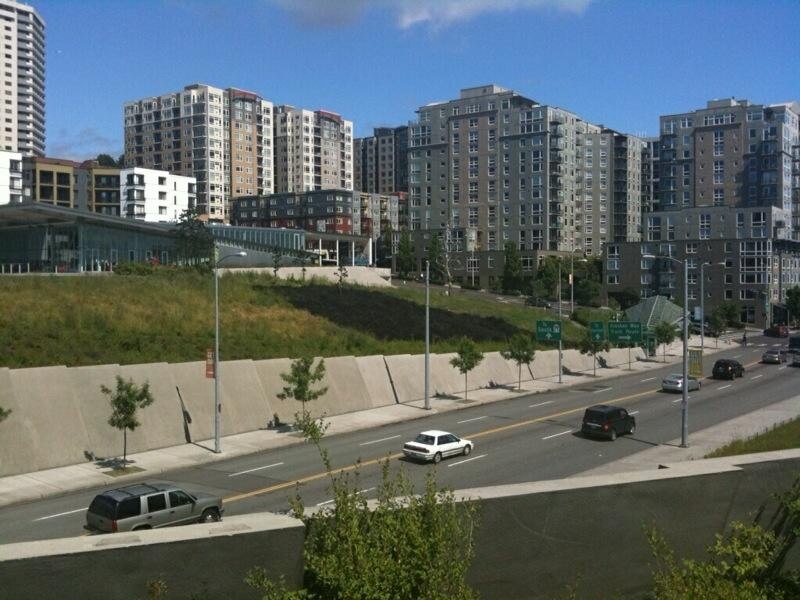
We might grasp the meaning of those words by gazing upon material colors crowding the edges of Dadson's Canvases or upon colors dissolving in the shimmering Kassay’s surfaces which softly emit Rothko’s imaginary taken at every moment from the observer generating a transitory and provisional Suprematism which Dadson likes to define as 'suburban' while referring to his outdoors performances, he tells about his painted square as an imaginary border, which breaks it apart and high-lights it from its surroundings and the the black as the feeling and the area around it is the void.
1 eft Andrew DadsonWhite Lean Painting With Colour2009 right Jacob Kassay All works "Untitled", 2009
2 Jacob KassayUntitled Installation view at Collezione Maramotti Ph.C. Dario Lasagni
3 Jacob Kassay All worksUntitled, 2009 acrylic and silver deposit on canvas Installation view, Eleven Rivington, New York Courtesy Eleven Rivington, New York Photograph by Ron Amstutz
4 Jacob Kassay All works Untitled, 2010 acrylic and silver deposit on canvas Installation view, Eleven Rivington, New York Courtesy Eleven Rivington, New York
5-6 Andrew Dadson White Lean Painting With Colour 2009 oil on canvas cm 140 x 143 x 56 Courtesy: the artist and Galleria Franco Noero, Torino Photo: Sebastiano Pellion di Persano
7 Andrew Dadson Untitled Lean Painting Left 2009 oil on canvas cm 190 x 244 x 55 Courtesy: the artist and Galleria Franco Noero, Torino Photo: Sebastiano Pellion di Persano
8 Andrew Dadson Installation view Galleria Franco Noero, Torino, 7 novembre 2009 - 14 gennaio 2010 Photo: Sebastiano Pellion di Persano
9 Andrew Dadson The End Is The Beginning 2019 Fluorescent light fixtures, UV lights, spray paint, enamel, plastic, cm 260 x 340x12,7 Installation view in the Project Space
10 Andrew Dadson Black Lawn Seattle 2010 Courtesy: the artist and Galleria Franco Noero, Torino
Photo: Franco Noero