




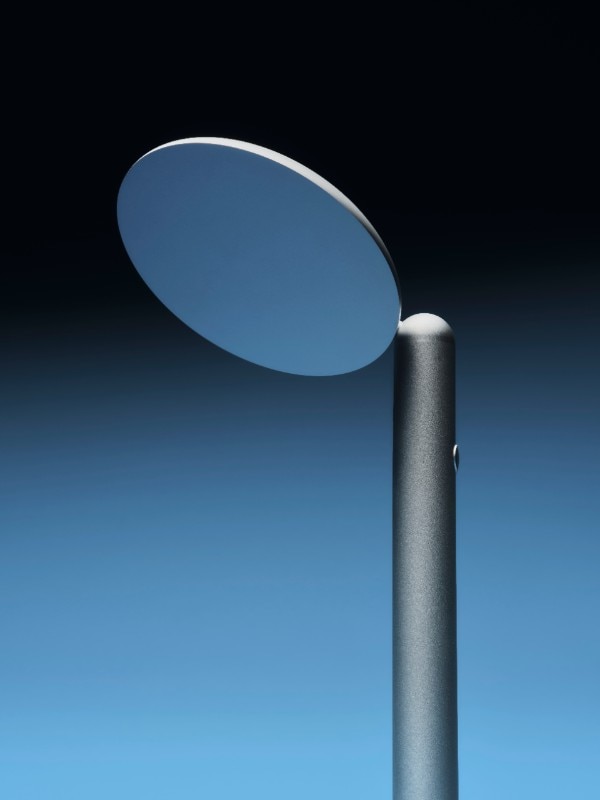
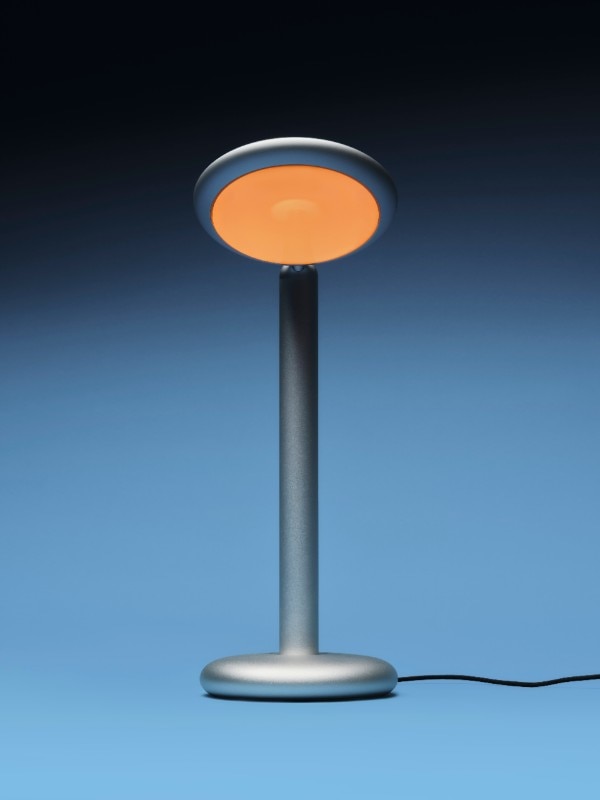
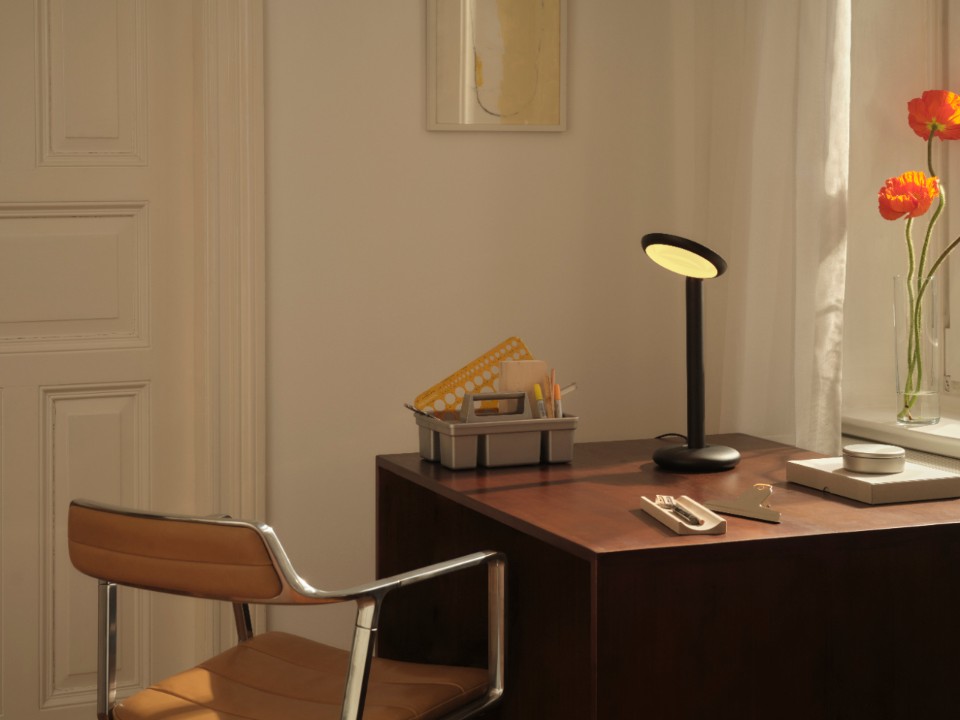
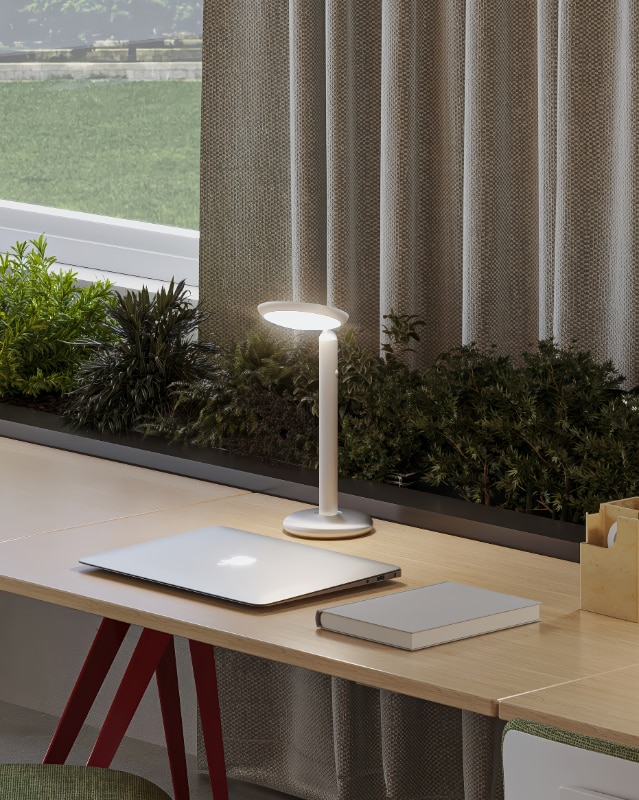
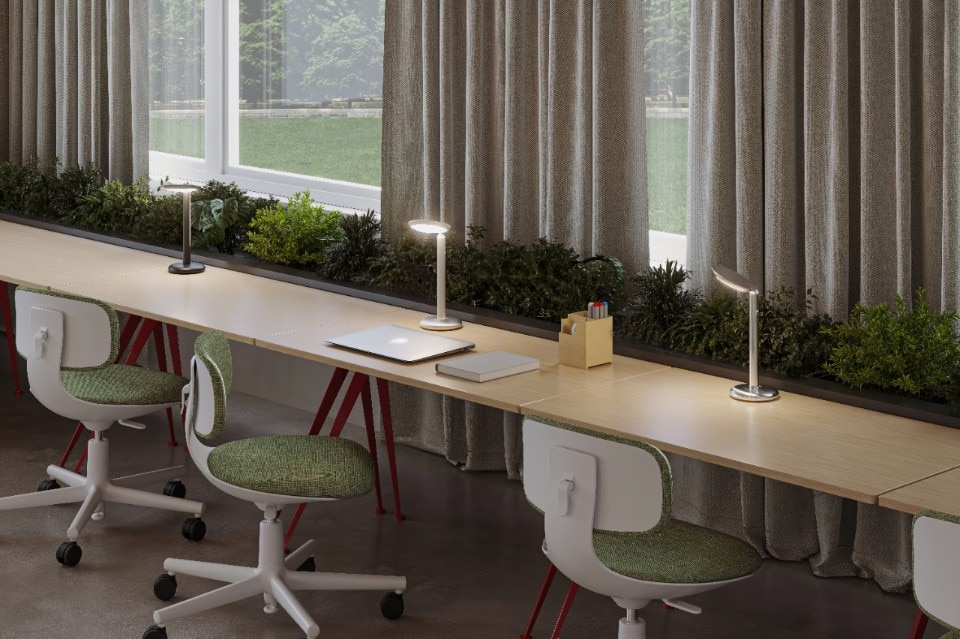
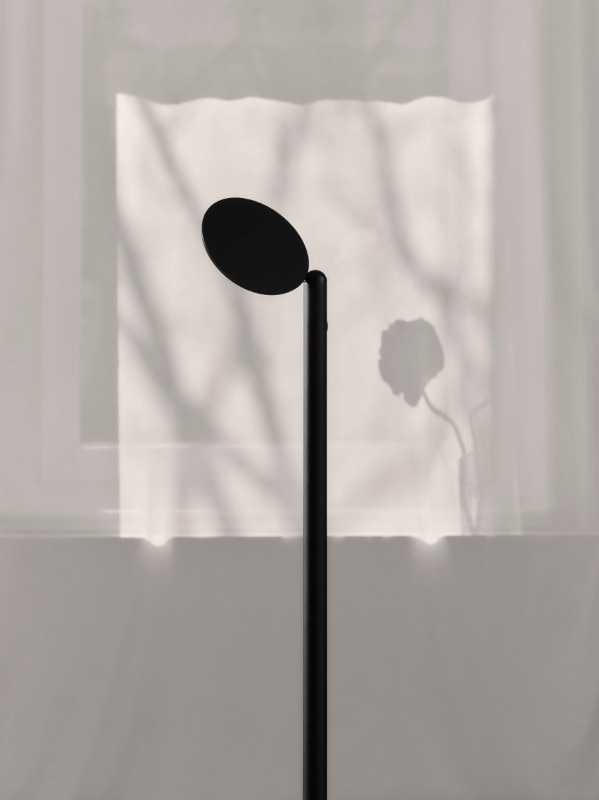
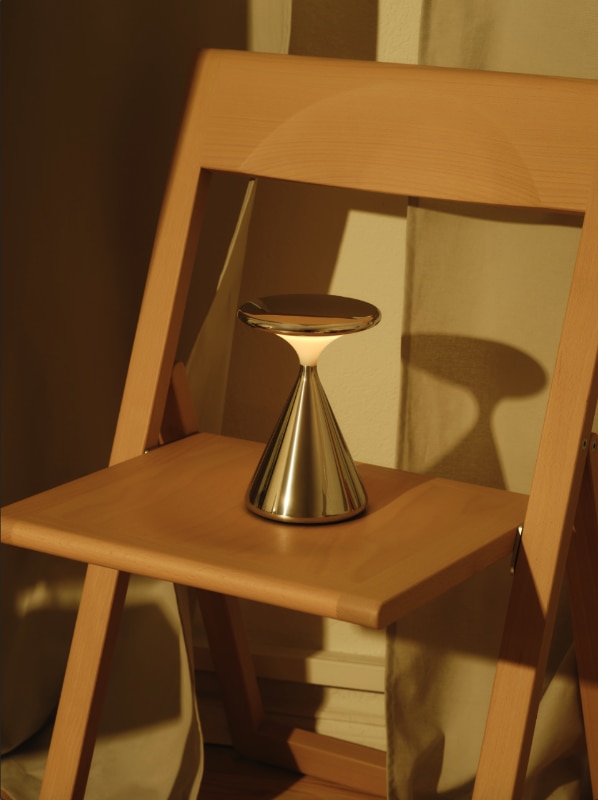
The new Parrot Table is a minimal, elegant, and sculptural lamp: a circular base, a stem, and a head that is a perfect ring. All controlled by a single button.
Available in three finishes: black brass, silver, and polished. It is simple, but never simplistic, and perfectly embodies GRAU’s style.
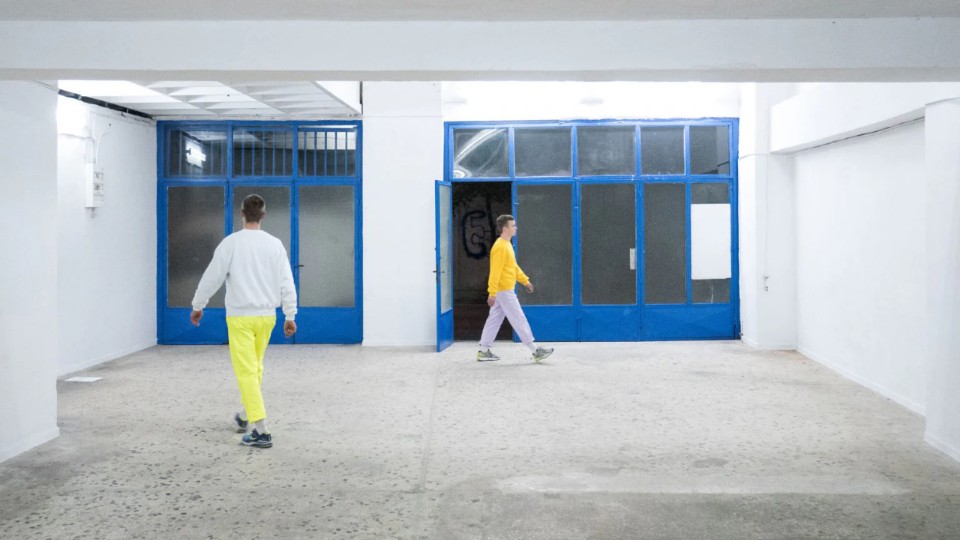
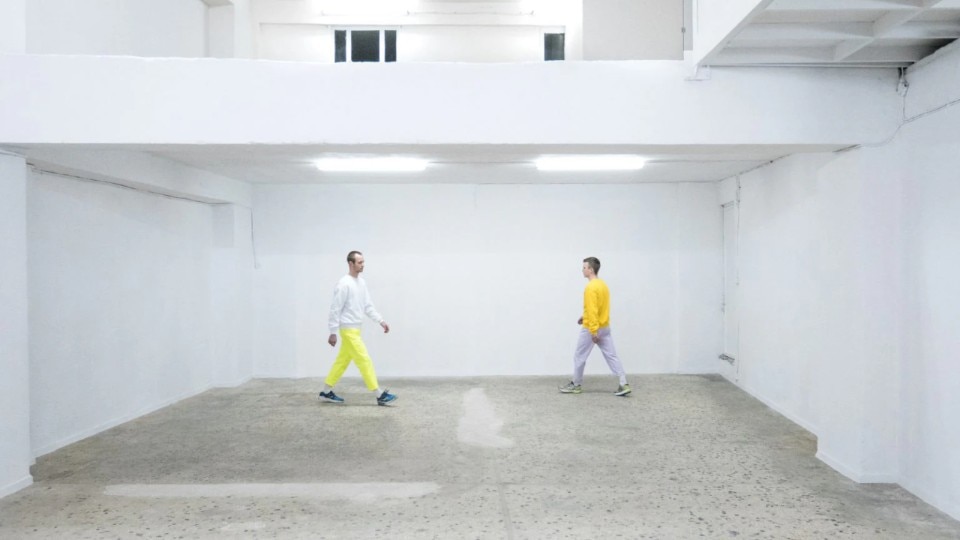
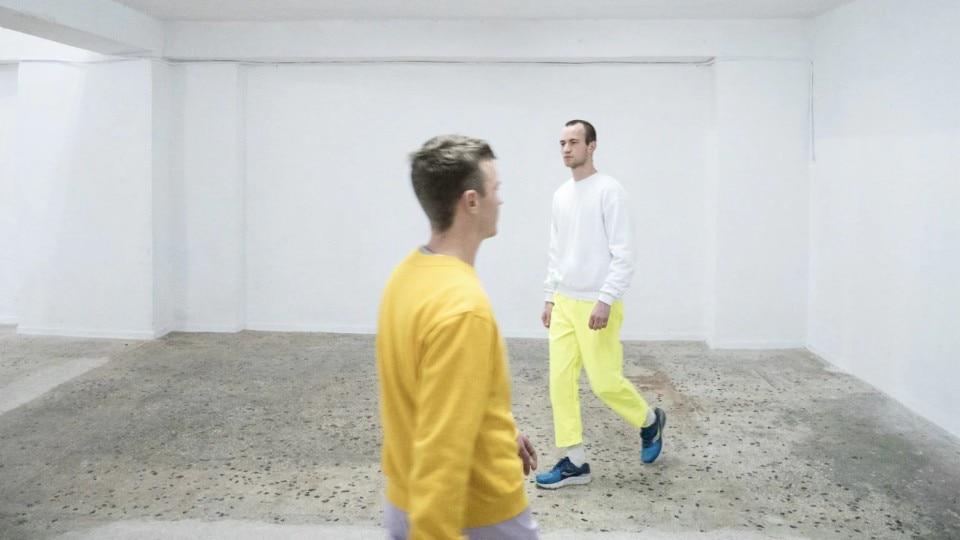
The original Parrot was the first luminaire by the designer duo Timon & Melchior Grau, inspired an exhibition held by the two brothers in Athens in late 2016 as part of Documenta—one of the most significant exhibitions of contemporary art. It is no coincidence that GRAU’s website domain ends in .art. “Parrot is a portable and multifunctional floor lamp that interacts with its users. Its body can be rotated and is fully mobile. Parrot’s shape refers to the human figure: a thin head on a long body with large feet,” read the original description. Now, five years later, the new Parrot Table closes the circle.
Designed to adapt seamlessly to a range of environments, whether at home or in the office, the Parrot Table is, above all, versatile. In Berlin, where the Grau brothers live, they show me the ‘number one’, the very first Parrot Table off the production line. Compared to their recent tabletop models, which have made portability their slogan—the portable Fire and the compact Salt—there is one striking difference: the Parrot Table has a power cord. Far from being a limitation, the cord is a deliberate design choice, Timon and Melchior Grau explain.
It eliminates the need for recharging and ensures long-term durability, sidestepping issues related to battery degradation. In every other aspect, the lamp speaks the GRAU design language: clean geometric volumes, softened contours, essential lines with no trace of ornamentation. A single multifunction button—reminiscent of the old iPhone’s Home button—controls all settings, blending intuitive functionality with minimalist elegance.
Traditional lighting brands focus heavily on the object, the ‘box’, but pay far less attention to the light it emits.
Timon and Melchior Grau
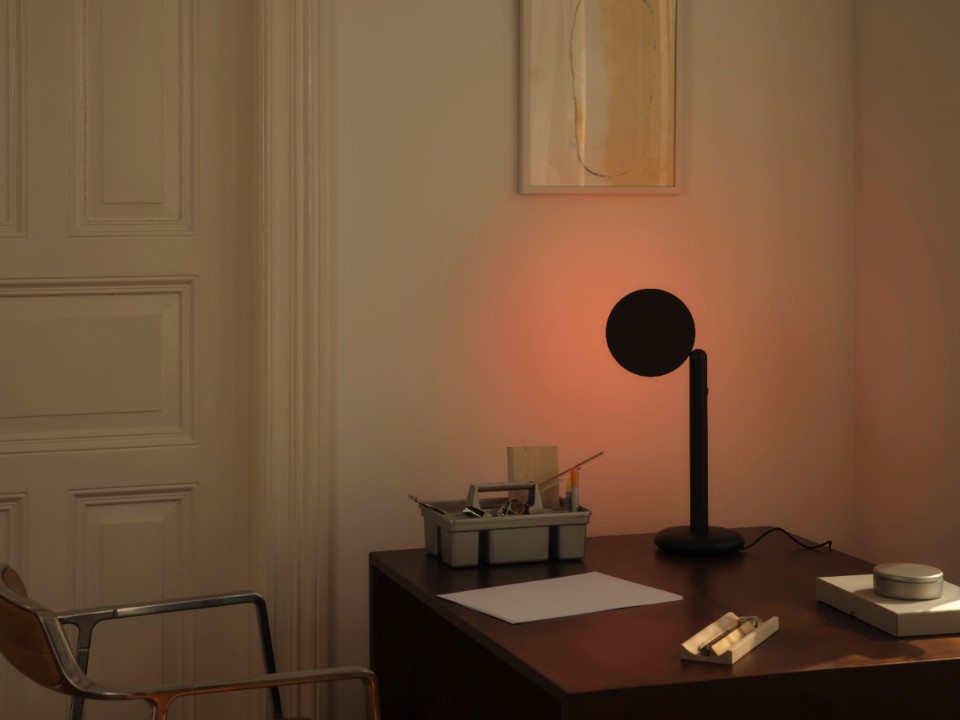
First introduced with the Fire lamp, the ‘sunset’ mode makes a return in the Parrot Table. This setting allows the light to shift from a bright, functional tone to a warm, sunset-like glow. In the Parrot Table, this technology has been further refined. GRAU’s approach to lighting is, in many ways, reminiscent of Apple’s philosophy: just as Jobs and Wozniak built their success on the seamless integration of hardware and software, Grau’s strength lies in fusing the physical form of the lamp with the quality and behavior of the light itself. “Traditional lighting brands focus heavily on the object, the ‘box’, but pay far less attention to the light it emits,” explain the Grau brothers. They have chosen a different path, with integrated light rather than a simple bulb socket.
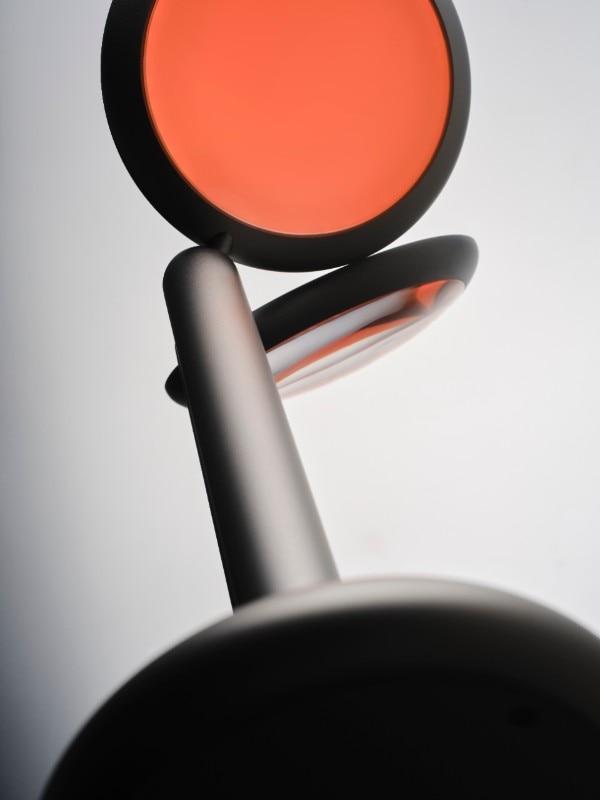
This philosophy is symbolically embodied in the Parrot Table’s perfectly curved head, which is made of anodised aluminium and an acrylic diffuser through which the light shines. In the Parrot Table, you cannot quite tell where the lamp ends, and the light begins—where object becomes atmosphere.
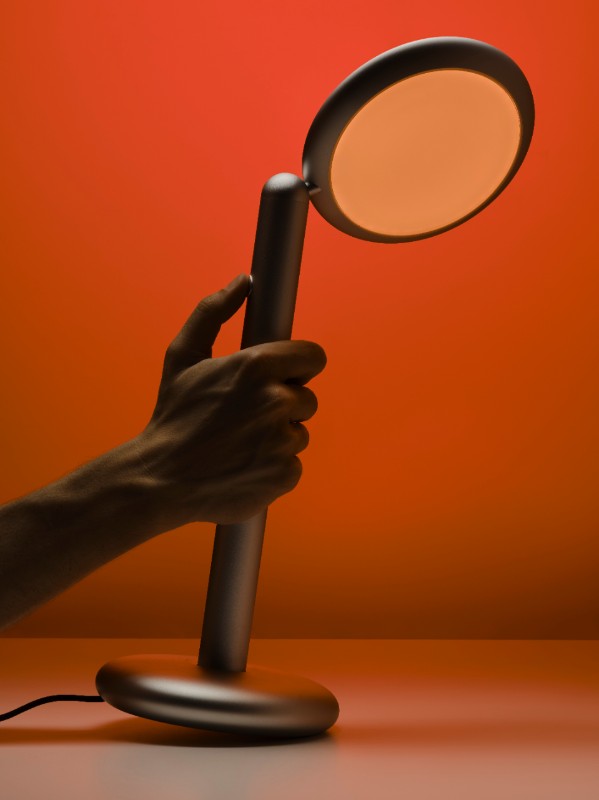
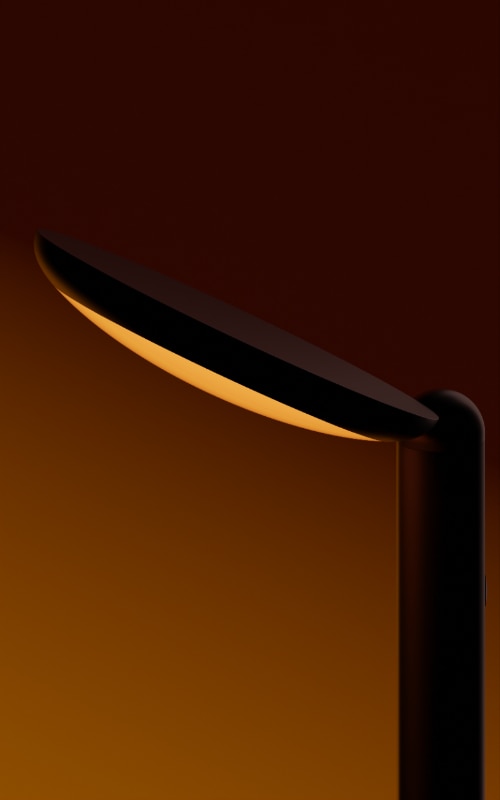
Timon Grau places the lamp on a shelf and slowly rotates its head—a full 360°—until it casts a warm glow that, as the brothers explain, is directly inspired by the paintings of Mark Rothko. In this position, the lamp becomes a simple silhouette: one line, two circles. “A sculpture.”
According to Melchior Grau, the quality of lamps sold online has noticeably declined—partly because consumers increasingly buy based on images seen on social media. The Parrot Table is a solid lamp, pleasant to the touch—almost unexpectedly heavy when lifted. It is the result of months of development, with obsessive attention to detail.
While Grau continues to work on major custom commissions—often in collaboration with Vitra—they have also kept a sharp focus on the everyday user, someone looking for a great lamp with a compelling story. That is why they are opening physical retail spaces.
The first, in Hamburg, features unconventional yet striking storefronts—shown proudly via iPhone photos—and a second is already planned for Berlin. And there is more on the horizon. An upcoming collaboration will reconnect with the brothers’ deep artistic roots: both studied fine art together in Frankfurt.