OK
Domus Domus
newsstand
SUBSCRIBE
  • Magazine
  • Digital Edition
  • Digital Archive
LANGUAGE
  • it
  • en
Hi Logout
Sign up / Log in
  • News
  • Architecture
  • Interiors
  • Design
  • Art
  • Archive
  • Products
  • Design Essentials
  • Design Stories
  • Submit your project
Sections
  • News
  • Architecture
  • Interiors
  • Design
  • Art
  • Archive
  • Products
  • Covers
  • Biographies
  • Architecture Firms
  • Sustainable Cities
  • Gallery
  • Design Stories
  • Domus for Design
Magazine
  • Subscriptions
  • Digital Edition
  • Current Issue
  • Guest Editor
  • Digital Archive
  • Nordic Design
Specials
  • Design Essentials
  • Modern Work
  • DomusAir
  • Milano Design Week
  • Worldesign
Current Issue

Domus 1106 hits the shelves

Follow us
LANGUAGE
  • it
  • en
Hi Logout
Sign up / Log in
newsletter Icon
results No results Please enter a long search term

      Streamliner car design: automobiles traveling on the wings of the wind

      Streamliner car design: automobiles traveling on the wings of the wind

      Next gallery

      You can now virtually visit Frank Lloyd Wright’s demolished Imperial Hotel

      1. Stout Scarab

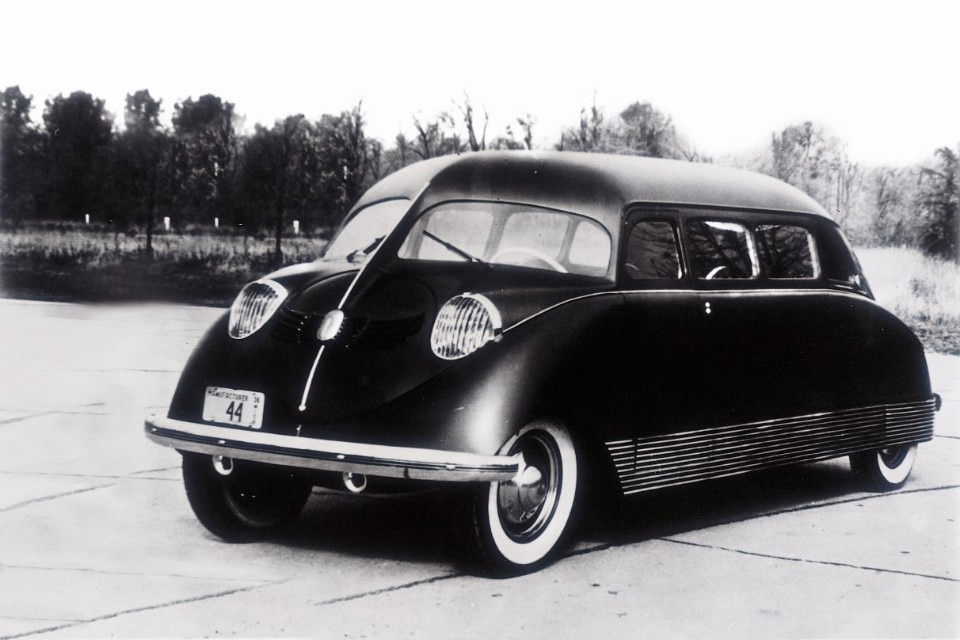
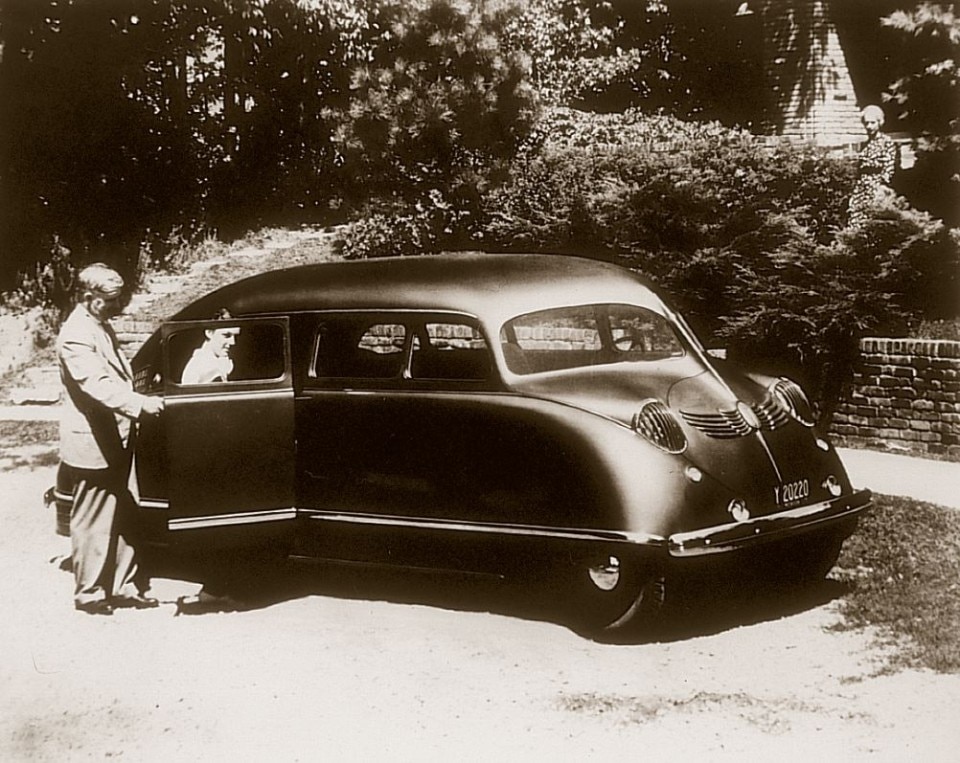
      The Stout Scarab made its first appearance in 1932, introducing - fifty years ahead of its time - the world’s first minivan. It was the brainchild of William Bushnell Stout, an automotive and aeronautical engineer, who reinterpreted the Dymaxion Car, a concept created a few years earlier by the aforementioned Fuller. The idea was to create a self-propelled office and the appearance of the Scarab, designed by John Tjaarda, resembled an aircraft fuselage. An eight-cylinder Ford engine was placed in the rear while the steering wheel and instruments were placed in the front, thus resulting in an extremely spacious cabin that you could enter through a single side door. The second-row seats turned up to 180 degrees, there was a practical fold-down table, and, thanks to the use of aluminium, the bodywork only weighed 1,400 kg.

      Photo Quattroruote Archive

      View article
      View article
      • SHARE
      • PIN IT

      1. Stout Scarab

      Photo Quattroruote Archive

      View article
      View article
      • SHARE
      • PIN IT

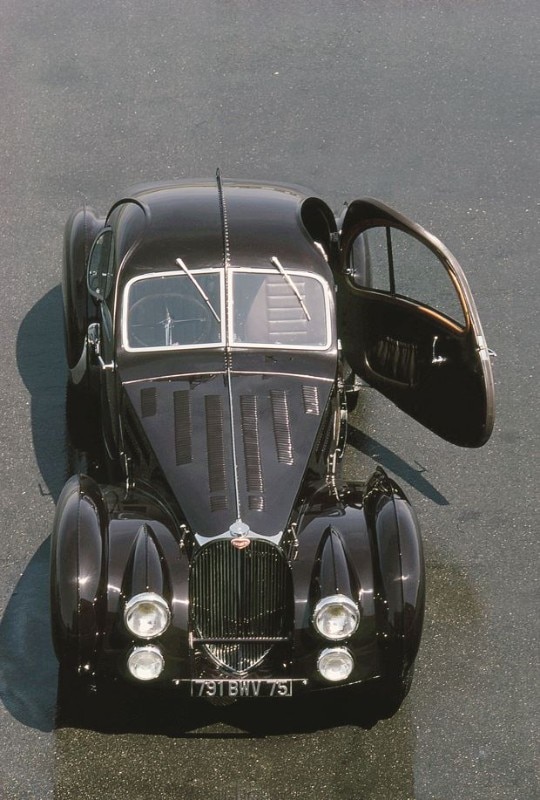
      2. Bugatti Tipo 57 Coupé Atlantic

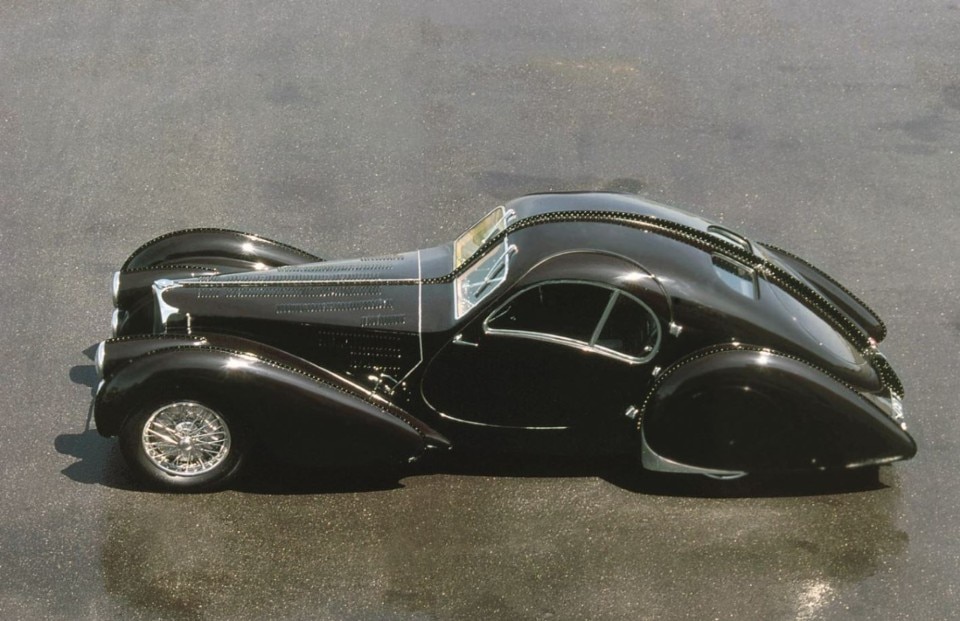
      The Bugatti Type 57 Atlantic Coupé was marketed between 1936 and 1938 and only four of these cars were created. The first disappeared during the Second World War, the second was destroyed by a speeding train during an accident in 1955, the third is now owned by fashion designer Ralph Lauren and the fourth - built for banker Victor Rothschild - is now kept at the Mullin Automotive Museum. The side windows are “bean-shaped” the arched tailgate boasts a spare tyre well - so well matched to the rest of the car as to be barely visible - and the bodywork features a longitudinal seam that cuts the rear window and windscreen in half. It is considered by many to be the first supercar in history: thanks to its eight-cylinder engine set up in an inline fashion, it could reach speeds of up to 210 km/h.

      Photo Quattroruote Archive

      View article
      View article
      • SHARE
      • PIN IT

      2. Bugatti Tipo 57 Coupé Atlantic

      Photo Quattroruote Archive

      View article
      View article
      • SHARE
      • PIN IT

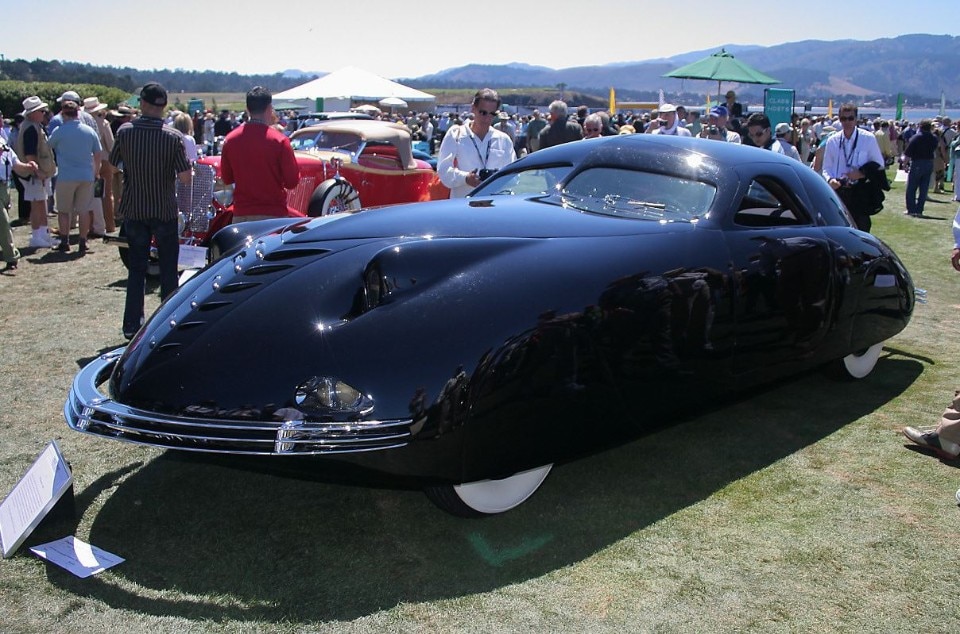
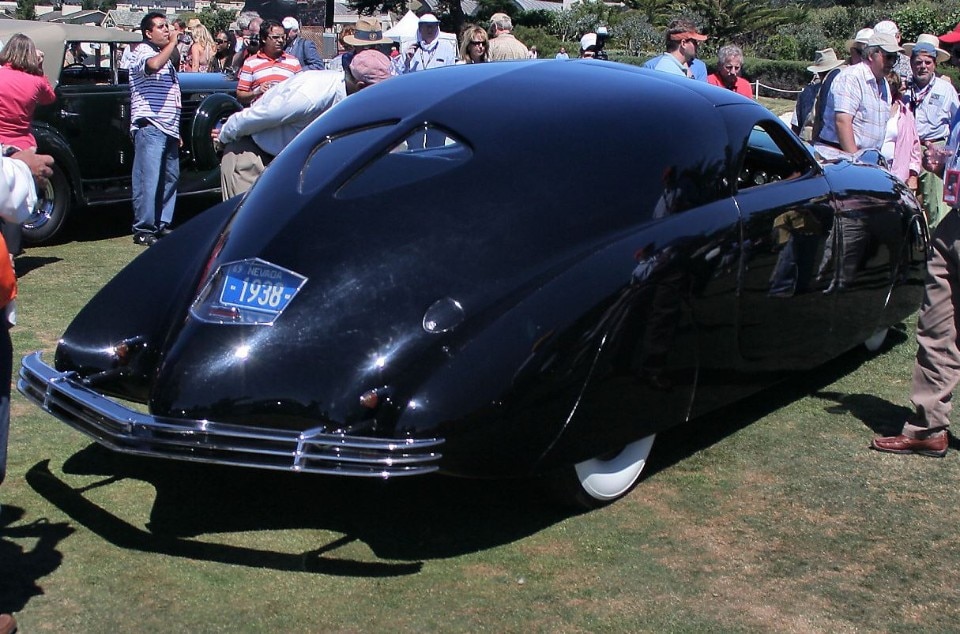
      3. Phantom Corsair

      This Phantom Corsair, unfortunately, remained a concept due to the sudden death of Rust Heinz - heir to the Heinz condiment family - who had designed the car together with Maurice Schwartz. Today it is on display at the National Automobile Museum in Reno, Nevada. Among the special features of this model are the steel and aluminium body completely free of protrusions, the doors that open electrically using push-buttons located on the exterior and the instrument panel, and the interior padded with cork. The chassis comes from that of the Cord 810, as does the 190 hp Lycoming V8 engine mated to a four-speed pre-selector gearbox. Due in part to its extremely aerodynamic silhouette, the Corsair could reach speeds of up to 185 km/h.

      Photo Quattroruote Archive

      View article
      View article
      • SHARE
      • PIN IT

      3. Phantom Corsair

      Photo Quattroruote Archive

      View article
      View article
      • SHARE
      • PIN IT

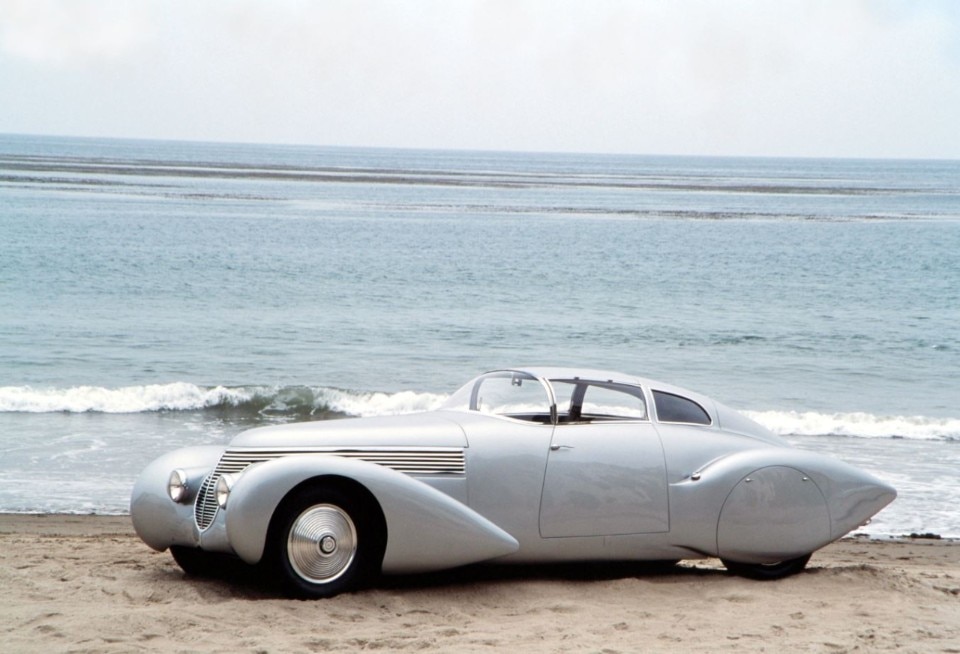
      4. Hispano-Suiza H6B Dubonnet Xenia

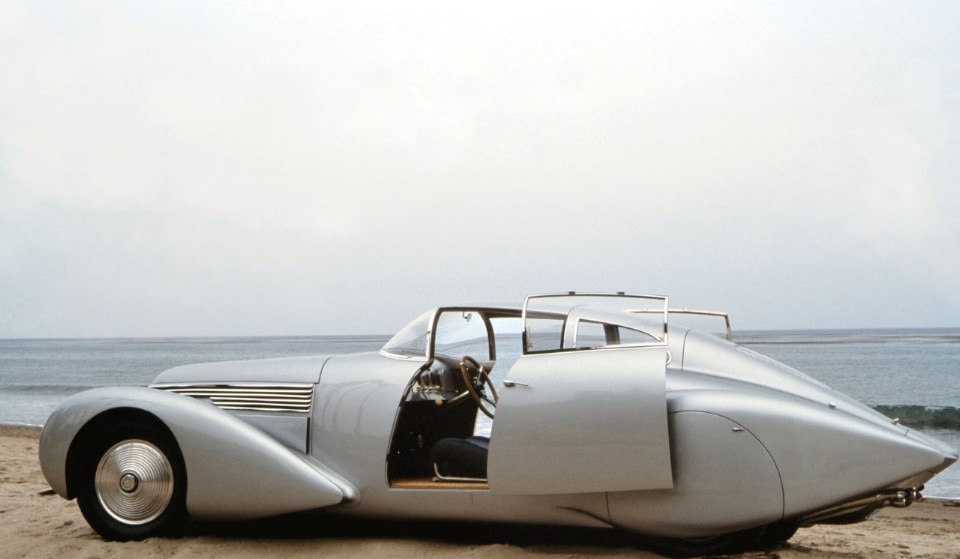
      It is a one-off luxury car made in 1938 by the Spanish brand Hispano-Suiza for André Dubonnet, French racing driver, and father of the leading arm independent front suspension and steering system that bears his name. The Xenia was built on the chassis of the H6B, and was powered by an 8-litre straight-six engine - a fraction of an aeronautical V12 - mated to a four-speed gearbox, unlike the H6B which only had three gears. It reached speeds of up to 180 km/h thanks to its bodywork designed to cut through the air like a spindle. Today, the Xenia is owned by American collector Peter W. Mullin and is part of the collection of the Mullin Automotive Museum in Oxnard, California. It has won numerous Concours d’Elegance, including Pebble Beach in 2000 and Amelia Island in 2001.

      Photo Quattroruote Archive

      View article
      View article
      • SHARE
      • PIN IT

      4. Hispano-Suiza H6B Dubonnet Xenia

      Photo Quattroruote Archive

      View article
      View article
      • SHARE
      • PIN IT

      5. Saab UrSaab

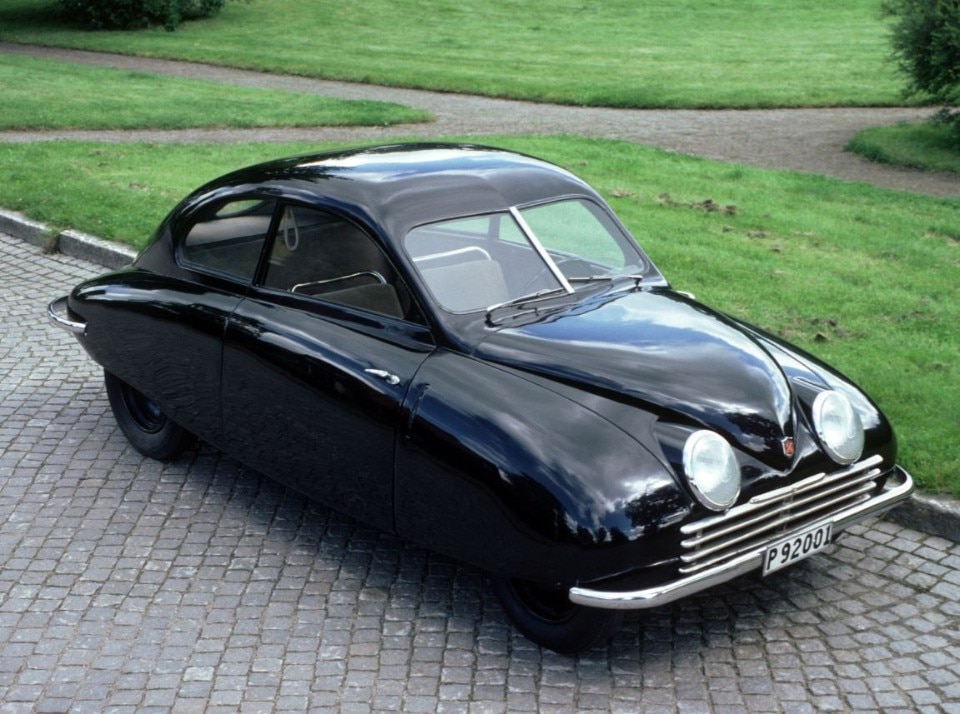
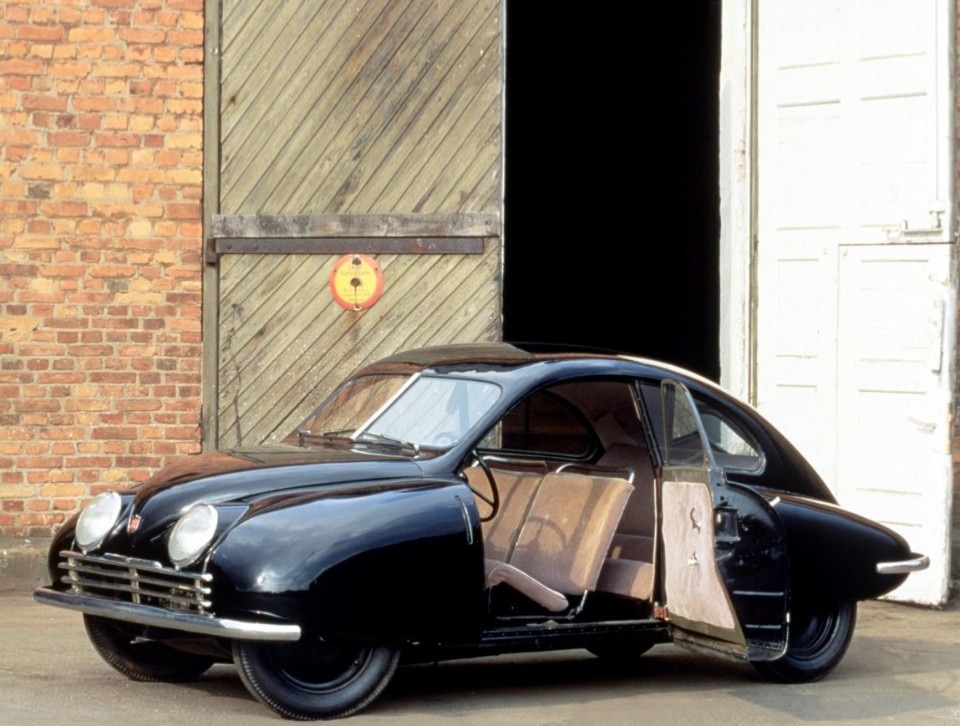
      UrSaab, also known as 92001 and X9248, was the first of four prototype cars built since 1946 and officially presented to the press by the Swedish carmaker on 10 June 1947. A few years earlier, Saab AB, which specialised in aircraft production, had put together a team led by engineer Gunnar Ljungström and designer Sixten Sason to produce an original, high-quality passenger car. The UrSaab featured front-wheel drive, was powered by an 18-horsepower DKW two-cylinder two-stroke engine, and was equipped with a three-speed gearbox. This prototype anticipated what would become the first production Saab in history: the Saab 92. The characteristic C-pillar design would become a distinctive feature of subsequent Scandinavian brand cars. The only surviving UrSaab example is jealously guarded at the Saab Car Museum in Trollhättan.

      Photo Quattroruote Archive

      View article
      View article
      • SHARE
      • PIN IT

      5. Saab UrSaab

      Photo Quattroruote Archive

      View article
      View article
      • SHARE
      • PIN IT

      View article
      View article
      • SHARE
      • PIN IT
      Loading
      Share
      • Sections
        • Design
      • Keywords
      • News
      • Architecture
      • Design
      • Art
      • Opinion
      • Archive
      • Products
      • Foreign Editions
      • Biographies
      • Architectural movements
      • Buildings
      • Architecture Firms
      • Design Essentials
      • Urban stories
      • Gio Ponti
      • Contacts & Editorial Team

      • Follow us
      Legal Note

      Editorial DomusEditoriale Domus Spa
      Via G. Mazzocchi, 1/3
      20089 Rozzano (Mi) -
      Codice fiscale, partita IVA e iscrizione al Registro delle Imprese di Milano
      n. 07835550158
      R.E.A. di Milano n. 1186124
      Capitale sociale versato € 5.000.000,00 - All rights reserved - Privacy - Informativa cookie completa - Gestione Cookies

      China Germany India Mexico, Central America and Caribbean Sri Lanka Korea icon-camera close icon-comments icon-down-sm icon-download icon-facebook icon-heart icon-heart icon--mobile-logo icon-next-sm icon-next icon-pinterest icon-play icon-plus icon-prev-sm icon-prev Search icon-twitter icon-views icon-instagram