OK
Domus Domus
newsstand
SUBSCRIBE
  • Magazine
  • Digital Edition
  • Digital Archive
LANGUAGE
  • it
  • en
Hi Logout
Sign up / Log in
  • News
  • Architecture
  • Interiors
  • Design
  • Art
  • Archive
  • Products
  • Design Essentials
  • Design Stories
  • Submit your project
Sections
  • News
  • Architecture
  • Interiors
  • Design
  • Art
  • Archive
  • Products
  • Covers
  • Biographies
  • Architecture Firms
  • Sustainable Cities
  • Gallery
  • Design Stories
  • Domus for Design
Magazine
  • Subscriptions
  • Digital Edition
  • Current Issue
  • Guest Editor
  • Digital Archive
  • Nordic Design
Specials
  • Design Essentials
  • Modern Work
  • DomusAir
  • Milano Design Week
  • Worldesign
Current Issue

Domus 1106 hits the shelves

Follow us
LANGUAGE
  • it
  • en
Hi Logout
Sign up / Log in
newsletter Icon
results No results Please enter a long search term

      The essentials: 20+1 design jewels

      The essentials: 20+1 design jewels

      Next gallery

      A Parisian apartment sculpted around a pink staircase

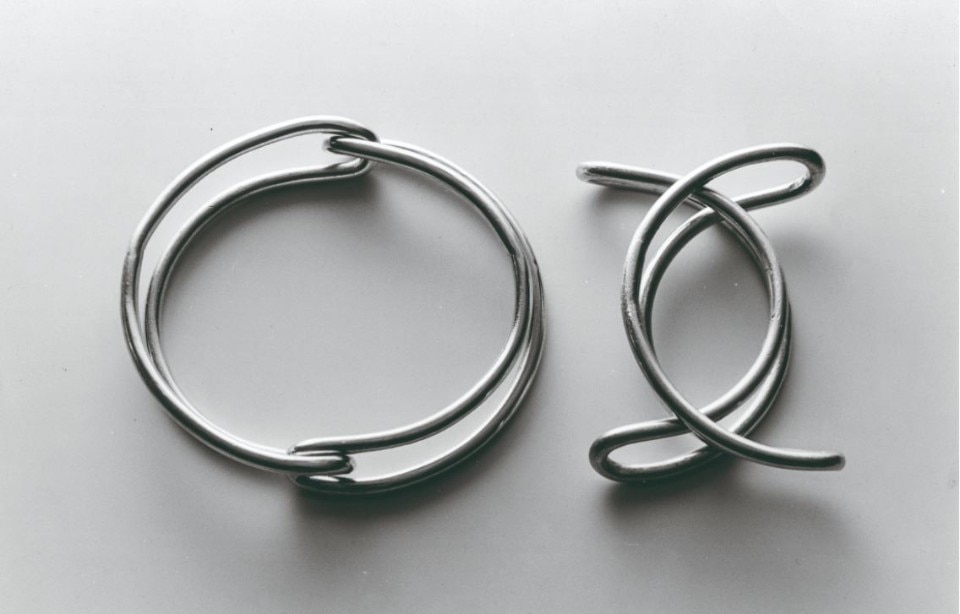
      1. Roberto Sambonet for Tiffany, Toi et Moi, silver bracelet, 1955

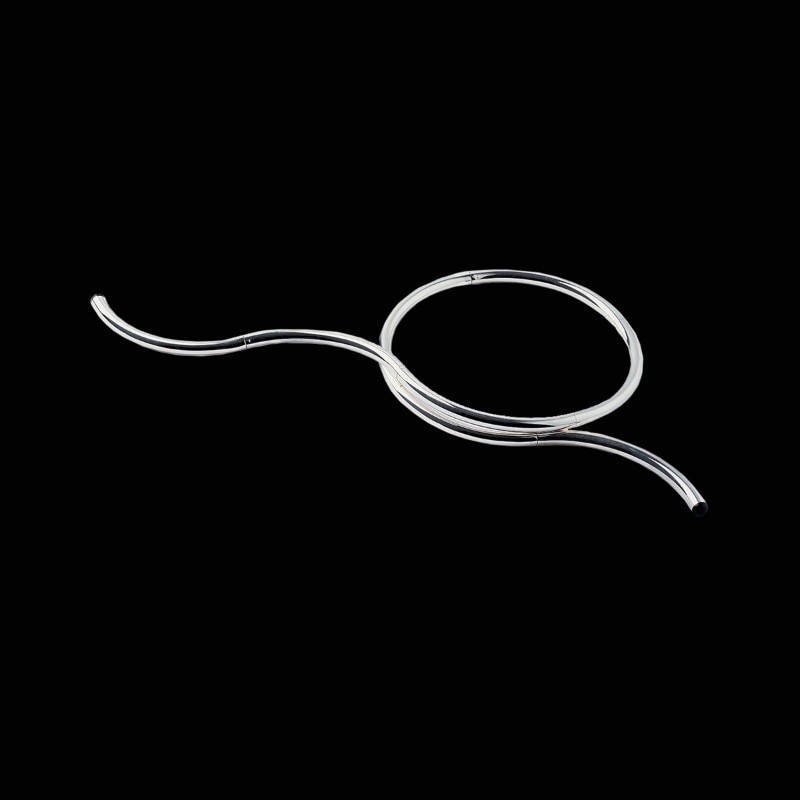
      In 1955, the master of organicism created a sophisticated toi et moi bracelet with organic, sinuous and enveloping lines, in a first-time collaboration for Tiffany. A playful object whose perfect ergonomics reveal the quality of its design and production. One of the very first pieces of jewellery designed by an Italian designer for an international company.   

      Courtesy Sambonet Archives, Milan 

      View article
      View article
      • SHARE
      • PIN IT

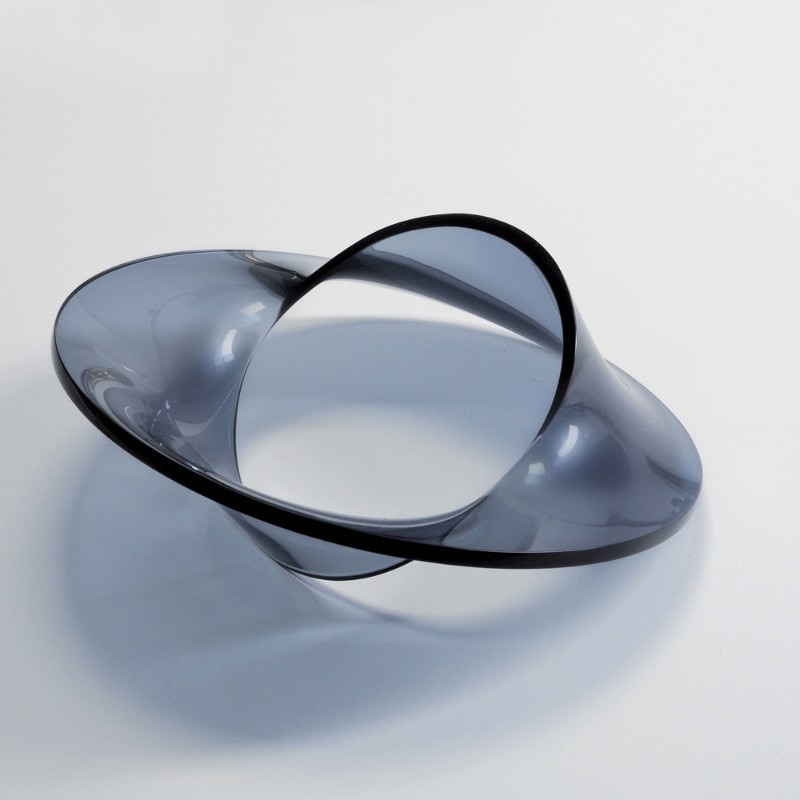
      2. Gjis Bakker, Circle in Circle bracciale methacrylate, 1967 and then 1989 for CHP Jewellery Collection

      The Dutch master is one of the founding fathers of contemporary jewellery, both as a designer and as the publisher of the 1996 collection Chi ha paura…?  (Italian for Who’s afraid of…?) which presents five different collections of jewellery by leading international architects and designers. Circle in circle is a bracelet designed by Gijs Bakker in 1967 and redesigned in 1989. Made of clear Perspex, it represents a perfect shape amplified by the innovation of the material. Its design is based on a circle drilled at a right angle that intersects another circle for comfortable wearing. A masterpiece of elegance and harmony.

      Courtesy CHP Jewellery Collection

      View article
      View article
      • SHARE
      • PIN IT

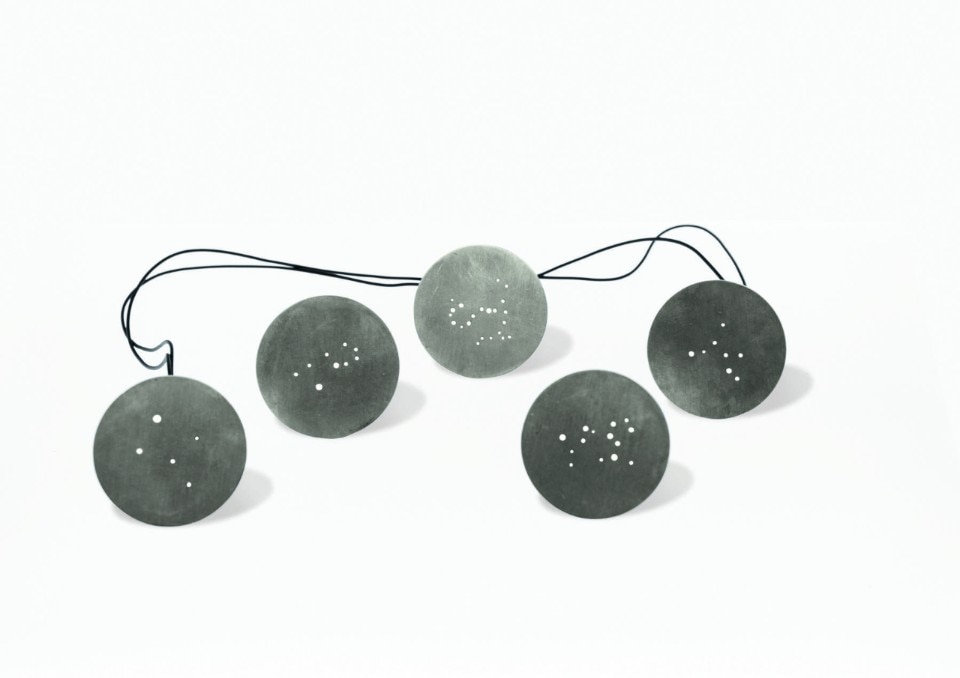
      3. Bruno Munari for Ricci, Costellazioni, silver pendants, 1975

      Our destiny is in the stars. The ancients believed this and so did Bruno Munari, author of these poetic silver pendants representing the constellations. Micro holes draw the astronomical signs of the celestial constellations. The small holes create a delicate design, shining like diamonds and reminding us that the value of design is not in the materials but in the concept. Refined here in all its simplicity.

      Courtesy art a part of cult(ure) remove background noise

      View article
      View article
      • SHARE
      • PIN IT

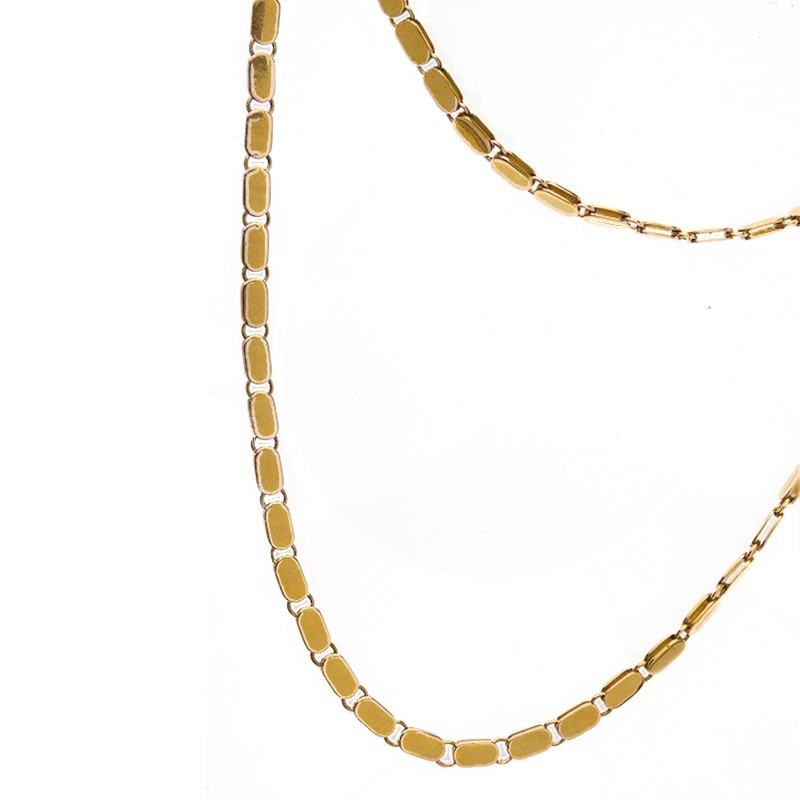
      4. Gianfranco Frattini for Giò Caroli, gold chain 1975

      The chain is one of the most complex and laborious types of jewellery. Difficult in the design as in the production. Gianfranco Frattini demonstrates his design talent dedicating to chains innovative geometries, patterns and mechanics. The manufacturing quality meets the harmony of shapes for a timeless beauty.

      Courtesy © 2016 Museo del Gioiello

      View article
      View article
      • SHARE
      • PIN IT

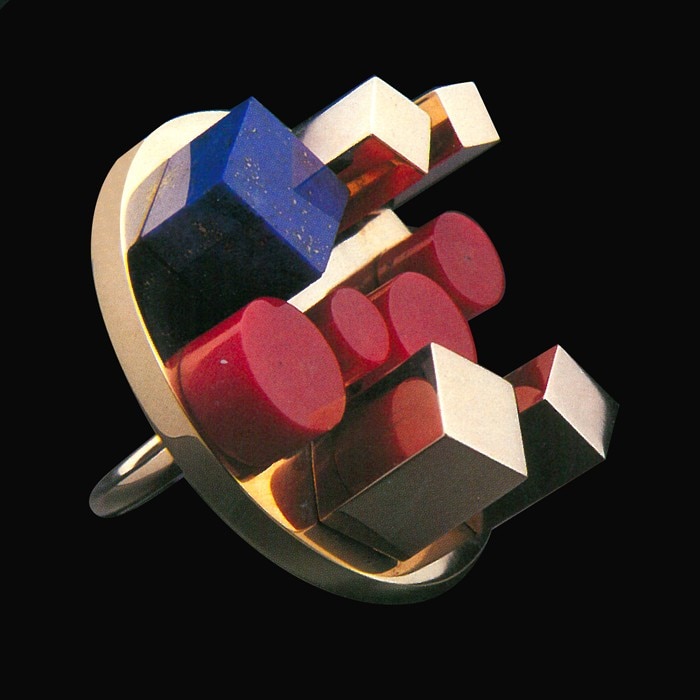
      5. Ettore Sottsass for Cleto Munari, gold, lapis lazuli, turquoise, onyx ring, 1985

      Few people remember that, upon arriving in Milan, Ettore Sottsass began his career as a jewellery designer, never considered for its economic value but always as an evocation of beauty. Sottsass has been continuously involved in jewellery design thanks to his friendship with the Pomodoro brothers and his marriage to Fernanda Pivano, a jewellery collector. He designed his best jewellery for Cleto Munari between 1982 and 1985, which introduced the freedom of colours experimented in the same period with Memphis and gave jewellery back its playful vocation, as Barbara Radice tells us. Lapis lazuli, corals, onyxes and turquoises are freed from the traditional metal claws and define the master’s idea of ornamentation as signs to be worn, as “the gifts for a passionate journey through life, because life is made and perceived sensorially before intellectually”.

      Courtesy Cleto Munari, Design Associati srl

      View article
      View article
      • SHARE
      • PIN IT

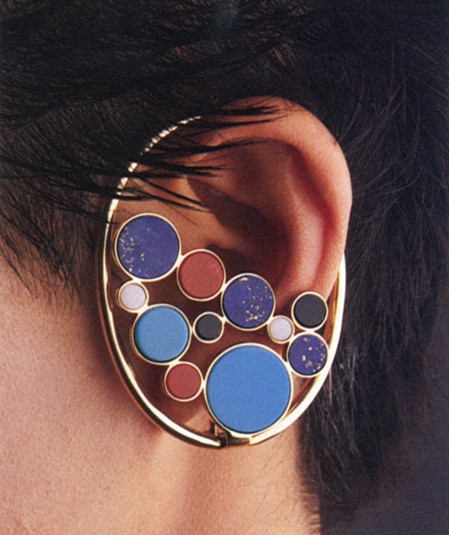
      6. Mario Bellini for Cleto Munari, single earring, gold, coral, lapis lazuli, 1985

      Design is fundamental for innovating the form, functions, materials and even the behaviour an object is capable of inducing. It is very difficult to innovate in jewellery, which is tied to materials and techniques that are thousands of years old. However, Mario Bellini and Marco Romanelli have succeeded with this single earring in gold, coral and lapis lazuli, designed at the end of the 1980s for Cleto Munari and still surprising. Design is not only about designing.

      Courtesy © Mario Bellini Archive

      View article
      View article
      • SHARE
      • PIN IT

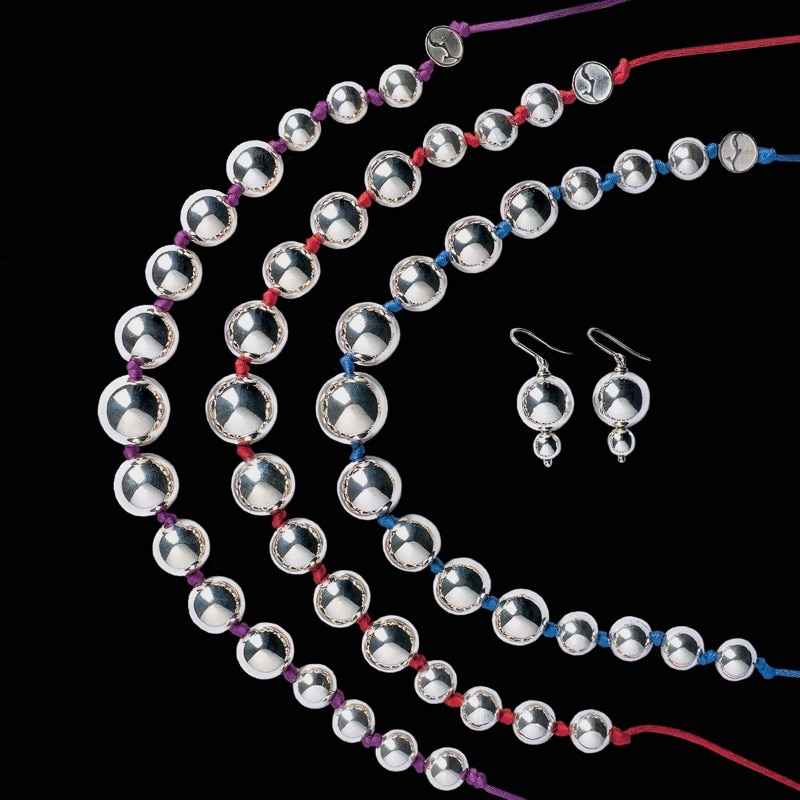
      7. Afra and Tobia Scarpa for San Lorenzo, silver and coloured string necklace, 1990

      Silver spheres tied with a coloured silk ribbon that can change colour at will. This is how Afra Bianchin and Tobia Scarpa have reinvented the classic string of pearls with the mastery of the San Lorenzo company. For them, designing a piece of jewellery does not belong to the seasons of fashion or even to the rites of luxury, but concerns the ability to innovate through research, in a graceful and elegant way. Like this string of silver pearls.

      Courtesy © San Lorenzo srl

      View article
      View article
      • SHARE
      • PIN IT

      8. Lella and Massimo Vignelli for San Lorenzo, Senzafine, necklace, silver, onyx, 1992

      From the very first sketches, the Vignellis’ design was interesting: a long, sinuous silver ribbon to be unwound as a ribbon around the neck, with flexible 360-degree modules that allowed the necklace to be customised to suit the mood, the occasion, the dress. The only problem was the joint between the modules, which the Vignellis wanted to be invisible, at all costs, but which was impossible to achieve with the available techniques. Ciro Cacchione, founder of the San Lorenzo company, took a long time and research to make the invisible joint. In the end he succeeded, creating “the” model of the combination between design and jewellery, based on the “perfect marriage” between designer and producer, between creativity and production. An “endless” masterpiece.


      Courtesy © San Lorenzo srl

      View article
      View article
      • SHARE
      • PIN IT

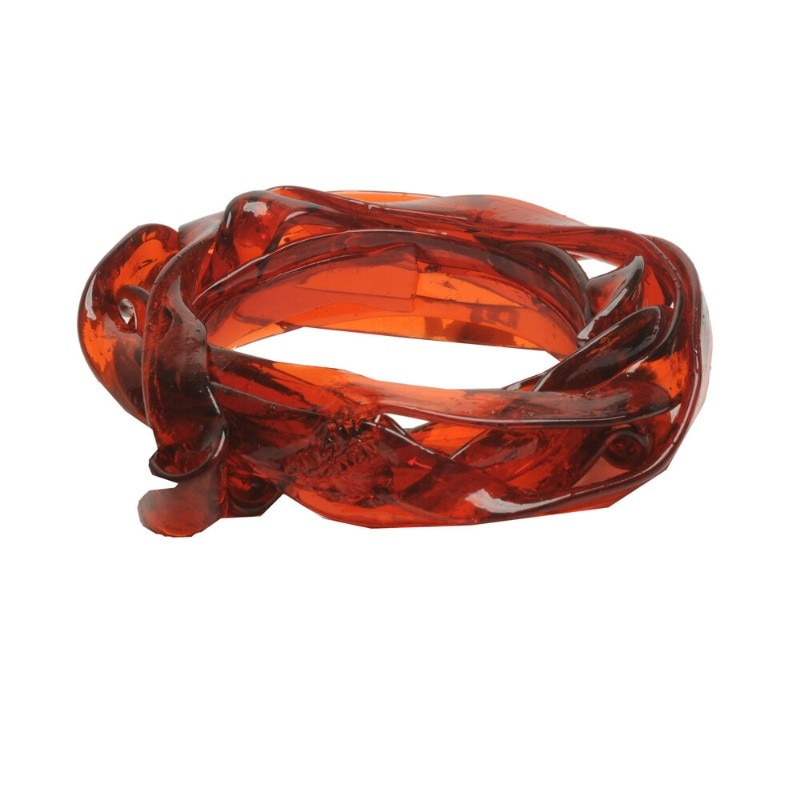
      9. Gaetano Pesce for Fish Design, Ribbon collection, bracelets and rings, coloured resin, 1995

      Gaetano Pesce’s resin jewellery for Fish Design is light and pop, offering an interesting reflection on the codes of jewellery among uniqueness, accessibility and creativity. Gaetano Pesce is a pioneer in the use of resin as an accessible material for creating unique handcrafted pieces. An oxymoron only in appearance, but in reality, a design achievement. Sinuous ribbons that seem to be moulded on the body, sophisticated in their glamorous nuances, are the iconic visualisation of the designer’s research.

      Courtesy Corsi Design

      View article
      View article
      • SHARE
      • PIN IT

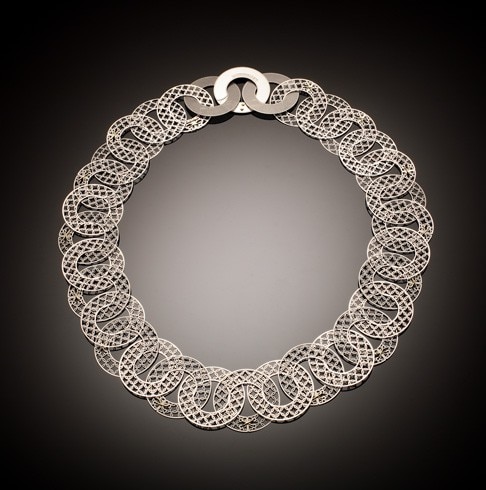
      10. Giancarlo Montebello, Superleggeri collection, chain, stainless steel and yellow gold clasp, 2000

      The tribute to Gio Ponti, the design needs to contaminate jewellery with materials and techniques belonging to other worlds and the unbridled pursuit of lightness have led Giancarlo Montebello, artist and designer, to create the wonderful Superleggeri Collection. Impalpable and sophisticated modular chains in stainless steel with chemical cut that close with a single clasp in yellow gold, demonstrate that jewellery and design combine in the courage of hybrids.

      Photo Dario Tettamanzi

      View article
      View article
      • SHARE
      • PIN IT

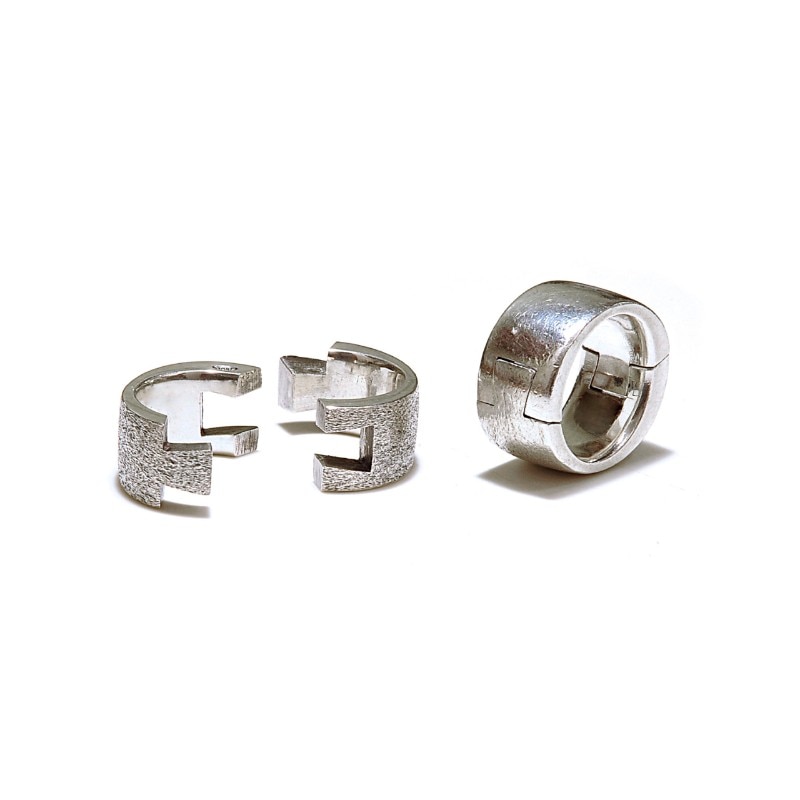
      11. Angelo Mangiarotti for Milia, Vera Laica, silver, 2000

      The wedding ring is the most widespread and most worn type of jewellery, in gold, silver or platinum. In this case, the jewel is much more than an accessory: it is a promise between two people, it exhibits a bond, and its circular shape represents a symbol of eternal love. Angelo Mangiarotti has designed one of the most beautiful allegories of love in the form of a jewel. The metaphor of his Vera Laica is powerful: two halves that fit together perfectly, without joints or supports, delicate, shiny, complementary. They stick together only when worn together and they tell the story of how love should be. Sometimes they open up to reveal all their fragility. And the fragility of the couple too.

      Courtesy © 2020 CYRCUS

      View article
      View article
      • SHARE
      • PIN IT

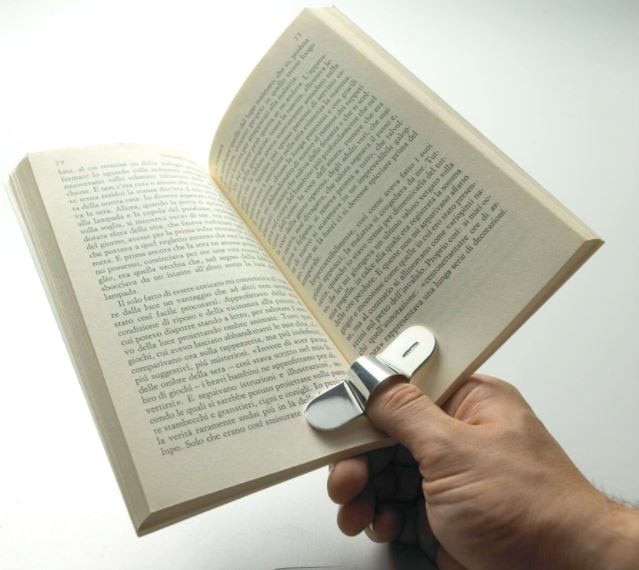
      12. Matteo Ragni for De Vecchi, Patch, reading ring, 2004

      For reading enthusiasts, being able to hold a book open with one hand is one of the most exciting challenges. Matteo Ragni is a sensitive and intelligent designer who, before giving shape to objects, thinks about their use, in order to improve it. One of his best projects is the Patch ring, produced in 2004 by De Vecchi, a small winged ring, a silver bookmark that combines beauty and functionality. For lucky readers.

      Courtesy © 2019 Matteo Ragni

      View article
      View article
      • SHARE
      • PIN IT

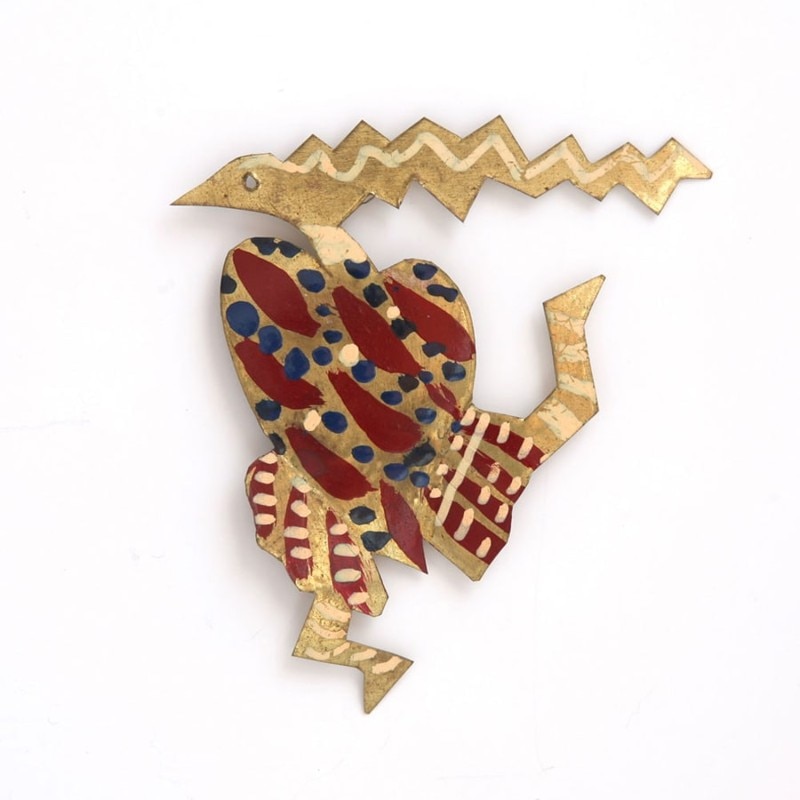
      13. Riccardo Dalisi, Cuore che fugge, pin, brass and enamel, 2004

      “For me, jewellery is a mysterious world of pure inspiration and experimentation. In those small, limited, defined works all the themes of design, of thinking, all the difficulties and countless possibilities that technique suggests, come together”. Riccardo Dalisi’s jewellery is poetry in the form of jewellery. Made from extremely poor materials such as tin, brass, candy wrappers and coloured glass, the jewels crystallise the Neapolitan designer’s animist thinking, his need to breathe life into objects and to represent a new social ethic. Sustainable jewellery that speaks to us of feelings and is pleasing to the heart.

      Courtesy © 2020 PreziosaMagazine

      View article
      View article
      • SHARE
      • PIN IT

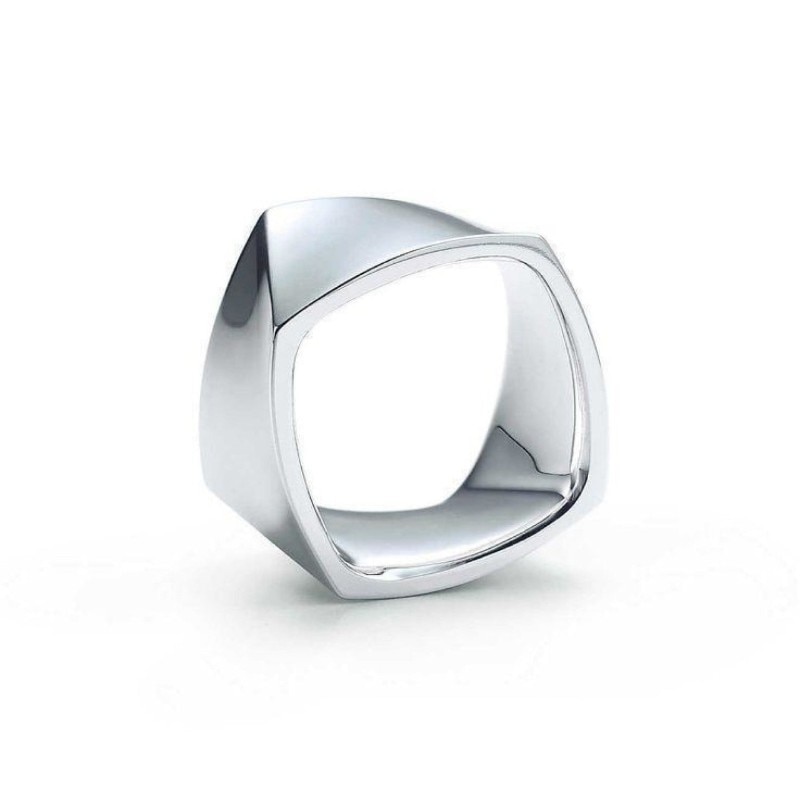
      14. Frank Gehry per Tiffany & Co., Torque collection, bracelets and rings, different materials, 2005

      True to its famous “dancing” architecture, the Pritzker Prize deconstructs Tiffany’s tradition, designing jewellery with sculptural volumes, echoing bold twists and asymmetrical surfaces, where meaning and design take priority over the preciousness of the materials. A masterpiece of creativity and innovation for the American company. For Gehry, design is about process, in his words it means “giving form to three-dimensional models by conceptualising the endless possibilities: this is the essence of creation, for an architecture as for a piece of jewellery”.

      Courtesy © 2022 Oliver’s

      View article
      View article
      • SHARE
      • PIN IT

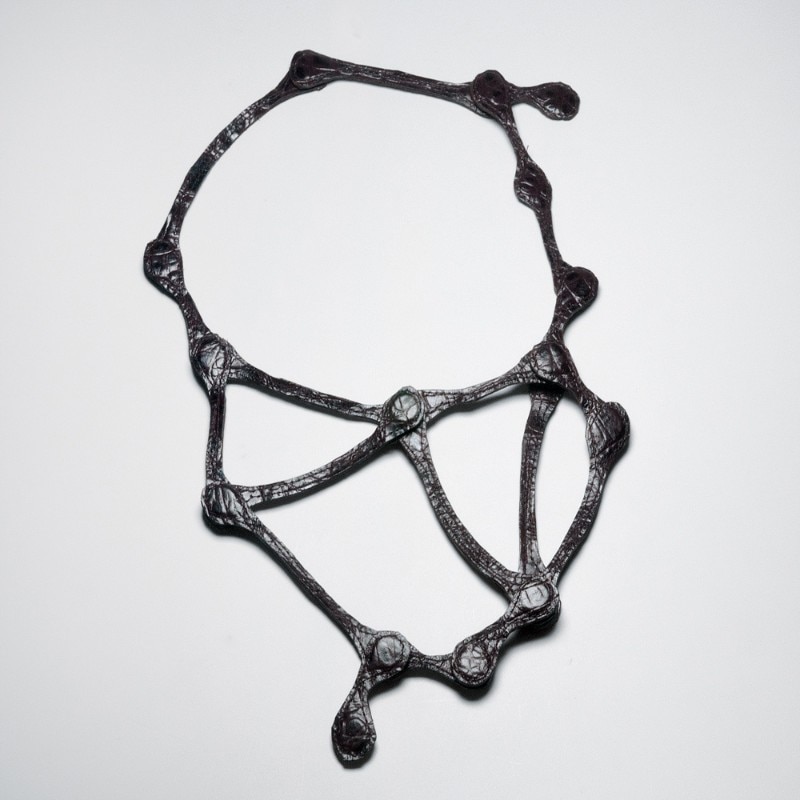
      15. Fernando and Humberto Campana for CHP Jewellery Collection, Bones necklace, leather and megnets, 2010

      Small pieces of leather in the shape of bones which, with their terminal magnets, can be freely assembled into countless compositions. Fernando and Humberto Campana’s “highly sustainable” necklace is made from recycled leather from Brazilian tanneries that the designers’ creativity has transformed into an elegant, feminine accessory. 

      Courtesy CHP Jewellery Collection

      View article
      View article
      • SHARE
      • PIN IT

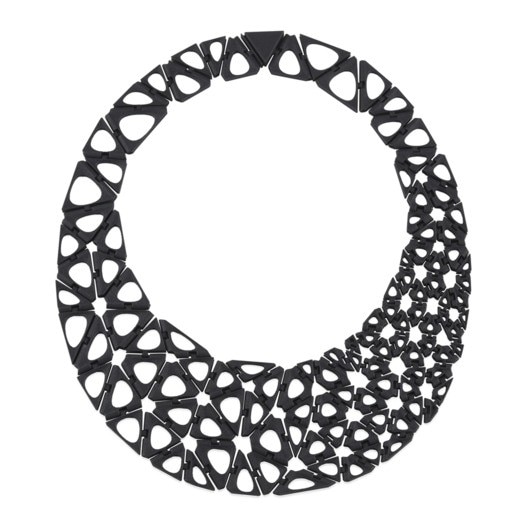
      16. Nervous System, Polygonal Kinematics, necklace, polyamide with selective laser sintering, 2013

      3D printing has radically changed both creative and production processes. In the jewellery sector it was introduced by the Nervous Systems, that showcased its potential as a finished product. In 2007, Jessika Rosencrantz and Jesse Louis-Rosenberg founded Nervous System, a digital company based on the methods of generative design, 3D printing and WebGL to jewellery. They have demonstrated that design is innovation and experimentation with a futuristic online design system that allows customers to create jewellery with endless variations and customisations.

      Courtesy © NERVOUS SYSTEM, INC.

      View article
      View article
      • SHARE
      • PIN IT

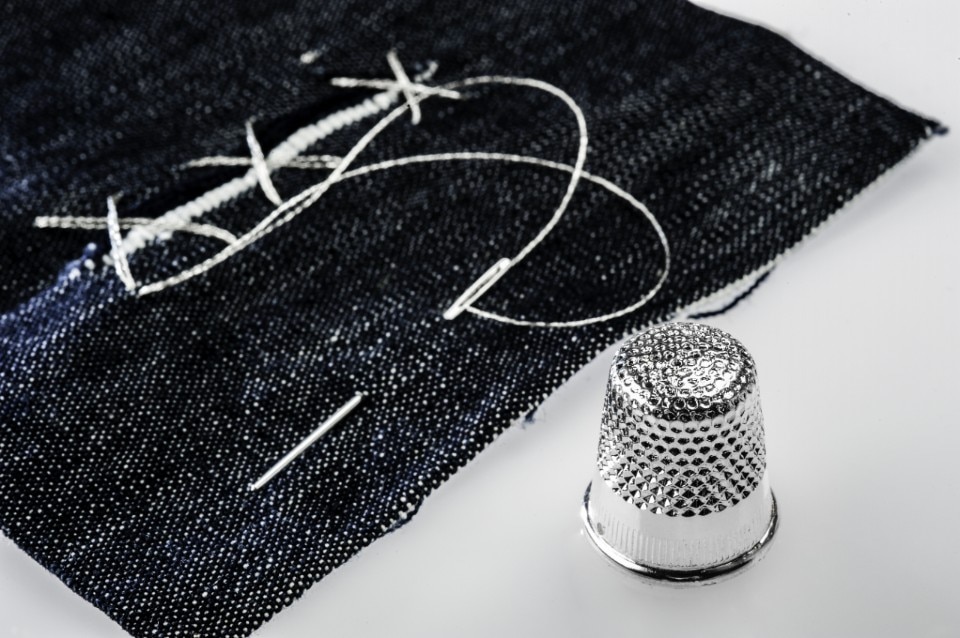
      17. Lorenzo Damiani for Naoto, Rammendo, thimble, needle and thread, silver, 2013

      A silver thimble with a needle and thread. Lorenzo Damiani’s thimble is a piece of jewellery with a graceful, elegant composition that overturns the prejudice that jewellery is “useless”. Damiani’s project aims at “sewing up” the ordinary, trying to link the strongly unfamiliar dimensions of reuse to jewellery, with an action of ancient wisdom and elegance such as sewing. A jewel that never ceases to amaze.

      Courtesy Lorenzo Damiani

      View article
      View article
      • SHARE
      • PIN IT

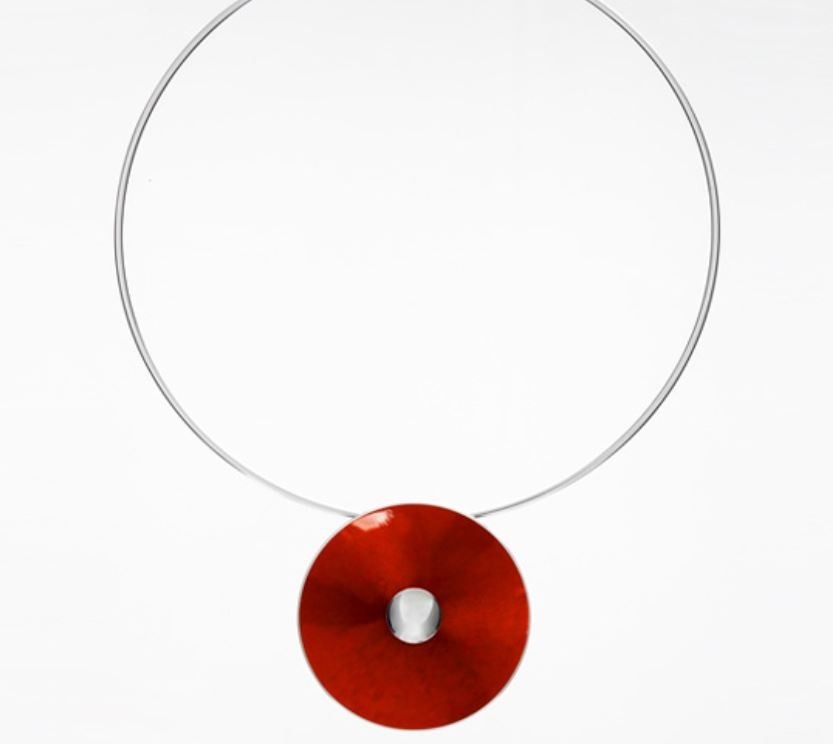
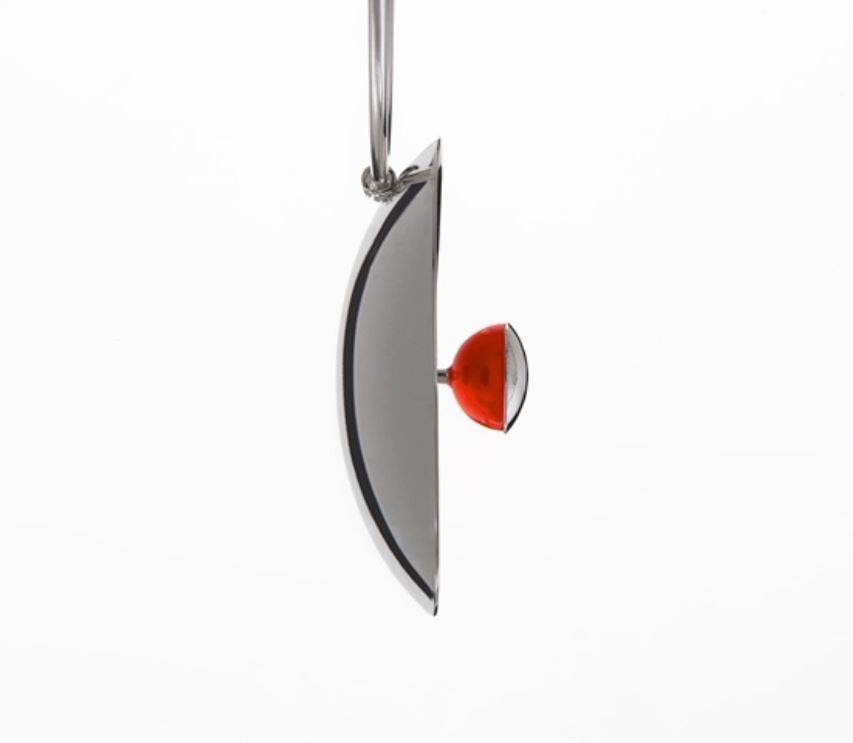
      18. Odo Fioravanti for Celegato, Perseo, pendant, silver and enamel, 2013

      The ways of design are limitless, and with the obsessive attention to detail that characterises him, Odo Fioravanti transfers his research into colour to this mysterious pendant. Starting from a physical phenomenon, Perseo recreates the image of a coloured object in the fire of a parabolic mirror that deforms and expands, filling the entire surface with red. Hypnotic.

      Courtesy  © Odoardo Fioravanti 2022

      View article
      View article
      • SHARE
      • PIN IT

      18. Odo Fioravanti for Celegato, Perseo, pendant, silver and enamel, 2013

      Courtesy  © Odoardo Fioravanti 2022

      View article
      View article
      • SHARE
      • PIN IT

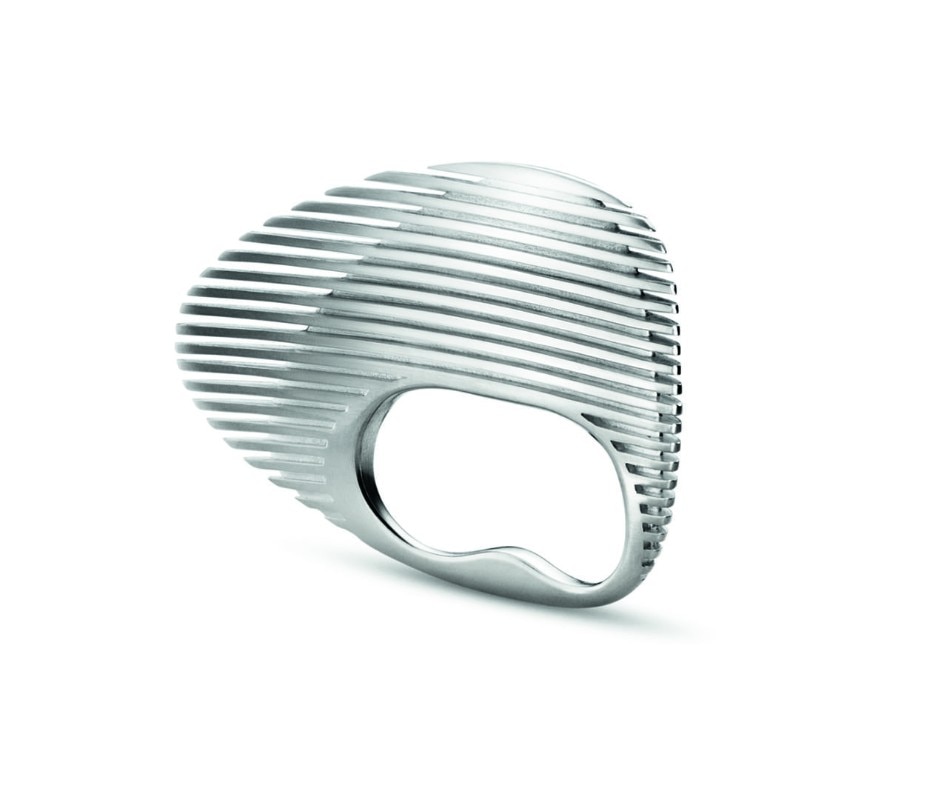
      19. Zaha Hadid for Georg Jensen, Lamellar collection, rings and bracelets, gold, silver, diamonds, 2016

      Zaha Hadid has undoubtedly been one of the most visionary designers in the history of design. With her fearless stride, she has played a leading role in many different contexts, from architecture to interiors, from design to fashion. She is also the creator of iconic jewellery such as the seductive B. zero1 for Bulgari, but her goldsmith’s masterpiece is her latest project. The Lamellar collection for Georg Jensen consists of eight pieces of gold and silver jewellery inspired by her most famous architectural works. Clean, flowing lines mark the entire collection, which is very exclusive. For fearless women.

      Courtesy Zaha Hadid Architects

      View article
      View article
      • SHARE
      • PIN IT

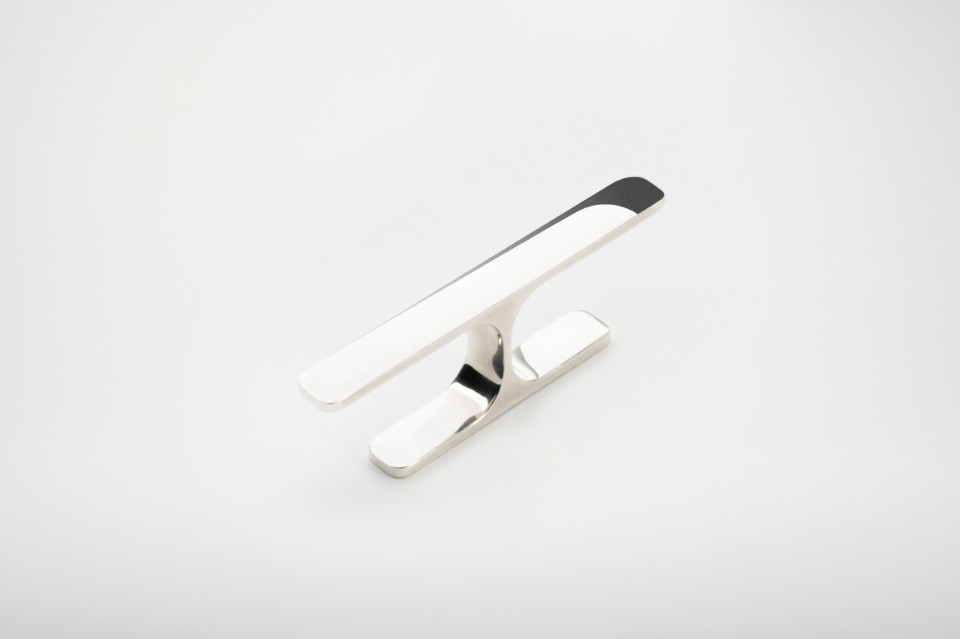
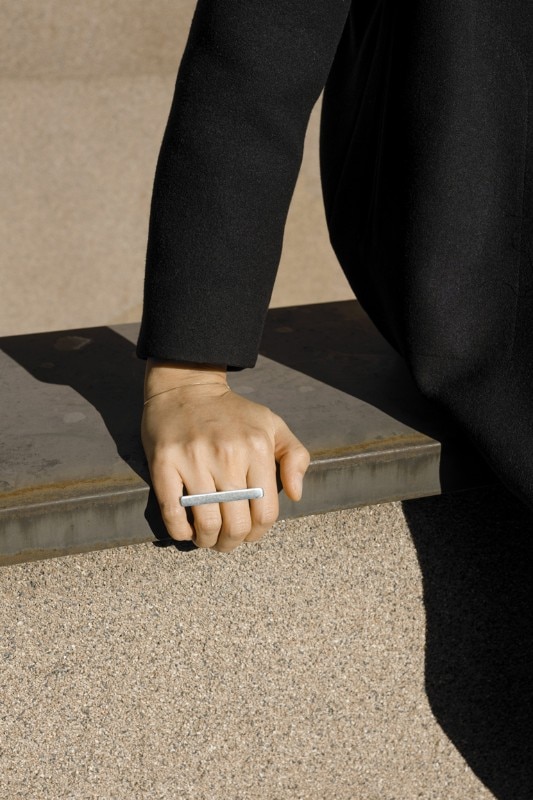
      20. Giulio Iacchetti for Danese, Tau ring, silver, 2019

      Giulio Iacchetti’s Tau ring for Danese is a poetic ring that gently refers to an icon of Italian design, Enzo Mari’s Putrella basket. Tau is a precious demonstration that design can innovate jewellery with grace and elegance, contaminating areas and times.

      Courtesy © 2022 Artemide S.p.A

      View article
      View article
      • SHARE
      • PIN IT

      20. Giulio Iacchetti for Danese, Tau ring, silver, 2019

      Courtesy © 2022 Artemide S.p.A

      View article
      View article
      • SHARE
      • PIN IT

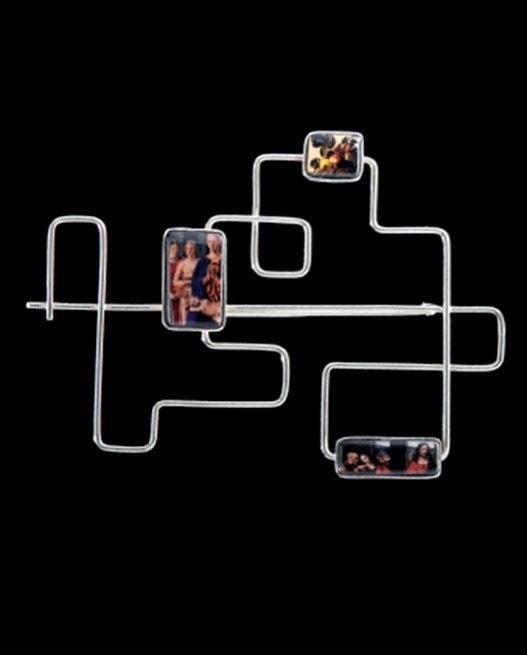
      +1. Marco Romanelli and Marta Laudani for San Lorenzo, Percorsi, pin, silver, hand-bent design thread, resin plaque bezels, 2010

      Marco Romanelli was one of the first to study the relationship between design and jewellery and has designed many, as elegant and intelligent as himself. Percorsi is a piece of jewellery dedicated to Milan, the city that had welcomed him and that he loved deeply. He used to say that “a thin thread always connects the beloved places of a city: to build a different path for each of us”. And so, this thin thread has become the silver thread of the pin, a graphic line connecting Milanese masterpieces: from Leonardo’s The Last Supper to Caravaggio’s Basket of Fruit to Piero Della Francesca’s Brera Madonna, “works we grew up with and which today we want to wear as a pin on our hearts”.

      Courtesy © San Lorenzo srl

      View article
      View article
      • SHARE
      • PIN IT

      View article
      View article
      • SHARE
      • PIN IT
      Loading
      Share
      • Sections
        • Design essentials
      • Keywords
      • News
      • Architecture
      • Design
      • Art
      • Opinion
      • Archive
      • Products
      • Foreign Editions
      • Biographies
      • Architectural movements
      • Buildings
      • Architecture Firms
      • Design Essentials
      • Urban stories
      • Gio Ponti
      • Contacts & Editorial Team

      • Follow us
      Legal Note

      Editorial DomusEditoriale Domus Spa
      Via G. Mazzocchi, 1/3
      20089 Rozzano (Mi) -
      Codice fiscale, partita IVA e iscrizione al Registro delle Imprese di Milano
      n. 07835550158
      R.E.A. di Milano n. 1186124
      Capitale sociale versato € 5.000.000,00 - All rights reserved - Privacy - Informativa cookie completa - Gestione Cookies

      China Germany India Mexico, Central America and Caribbean Sri Lanka Korea icon-camera close icon-comments icon-down-sm icon-download icon-facebook icon-heart icon-heart icon--mobile-logo icon-next-sm icon-next icon-pinterest icon-play icon-plus icon-prev-sm icon-prev Search icon-twitter icon-views icon-instagram