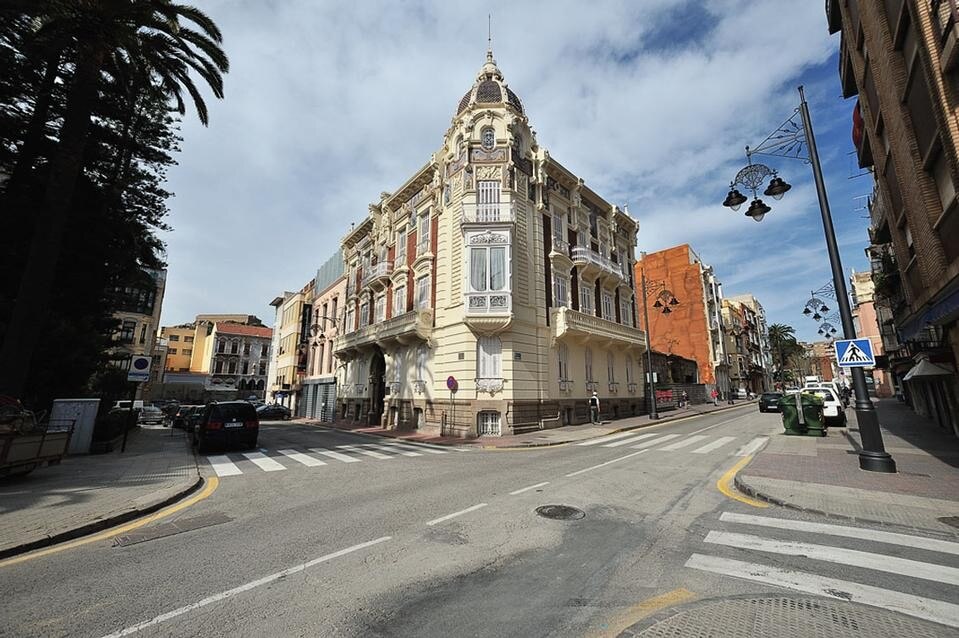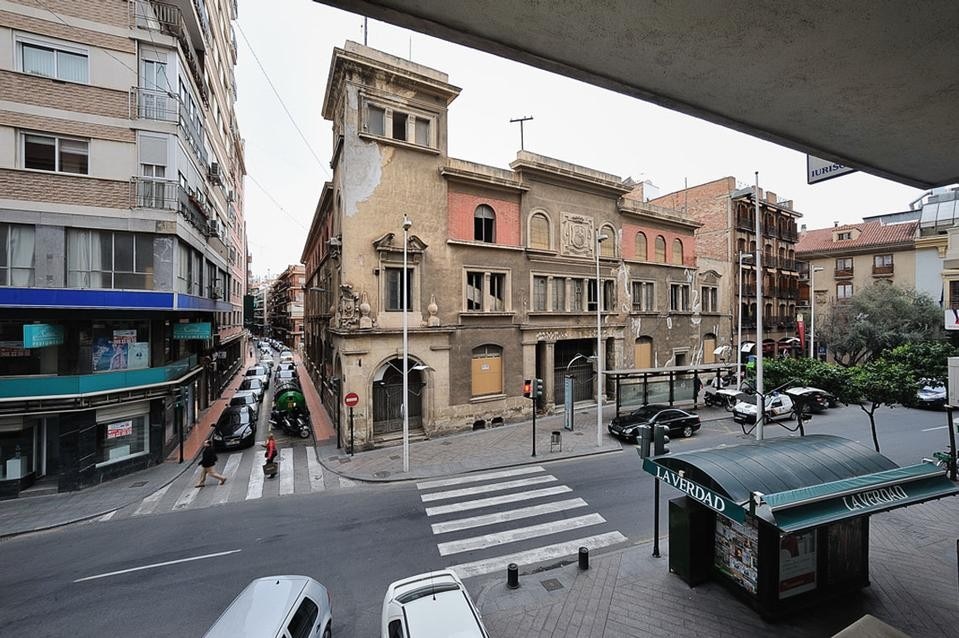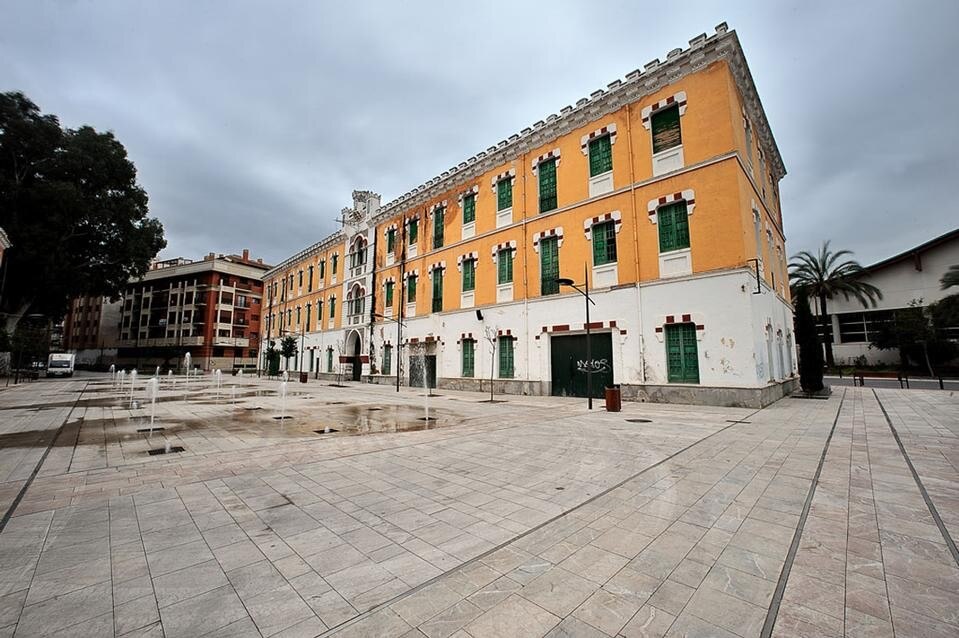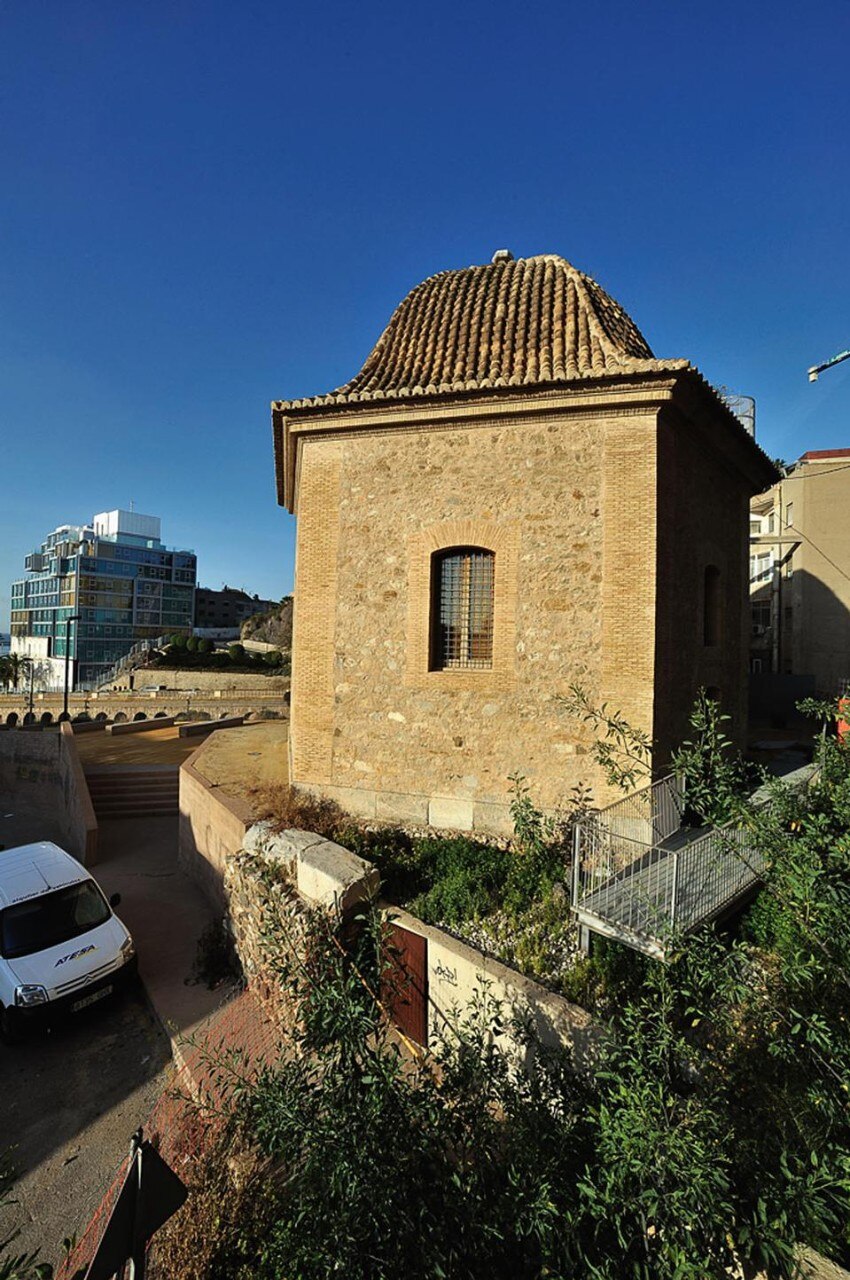
The south of Spain includes a blend of Islamic, Judaic and Christian cultural influences, co-existing for many centuries. Murcia and Cartagena were selected as host cities for Manifesta 8, largely as a result of the intertwining cultures in the region, its strategic location as a Mediterranean enclave and its particular character as an authentic melting pot whose cultural heritage includes Roman architecture, Visigoth cities, Arab medinas, Baroque churches and Modernist architecture.
Given the current international concerns about migration, refugee status, trans-nationalism and the new borders of Europe, both psychological and geographical, the Region of Murcia is a conceptual launching pad for contemporary art projects about how artists respond to these issues within a broader, historical context.
As a dynamic exhibition, Manifesta 8 can be seen to exist at an intersection, a place where the three curatorial collectives will respond to the challenges posed by notions of trans-regional and trans-continental dialogue, using different formats, - including two episodes of a popular talk-show on the Arabic Al Jazeera network.
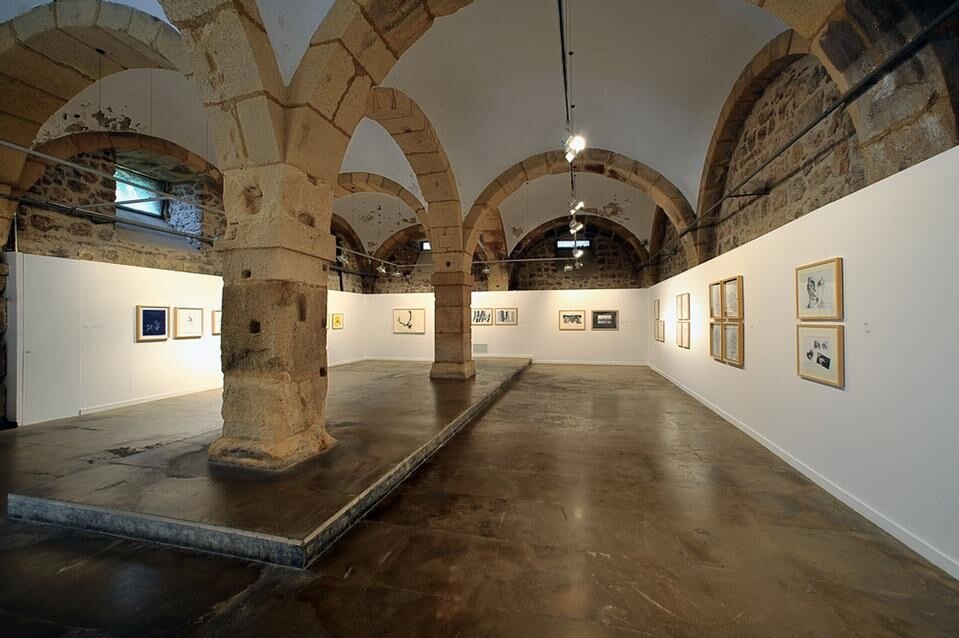
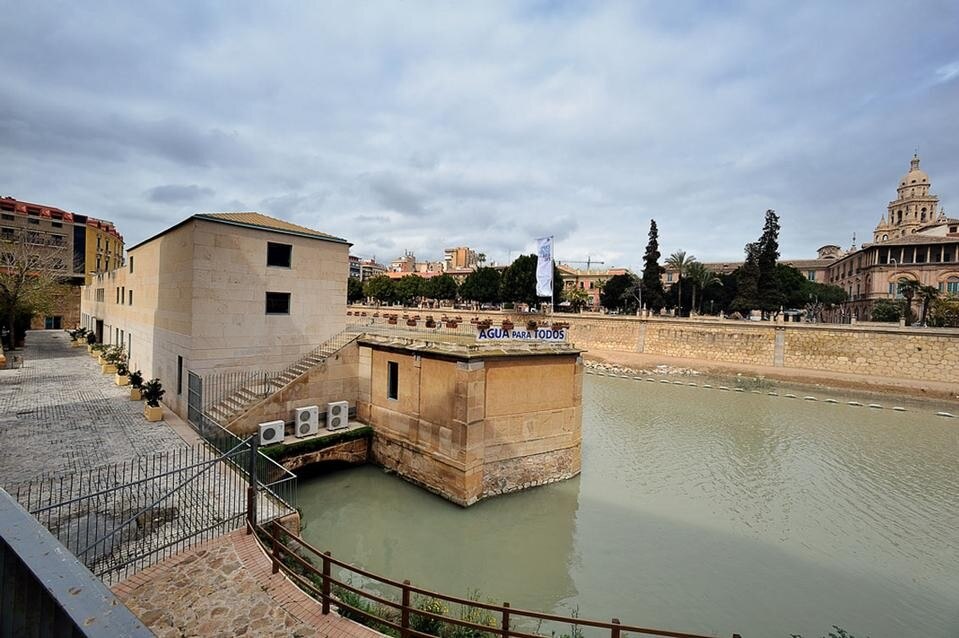
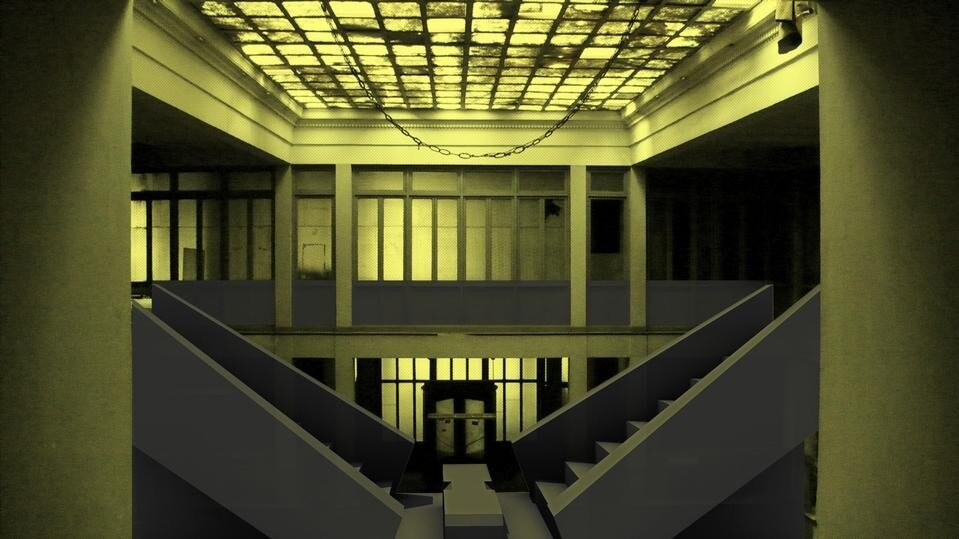
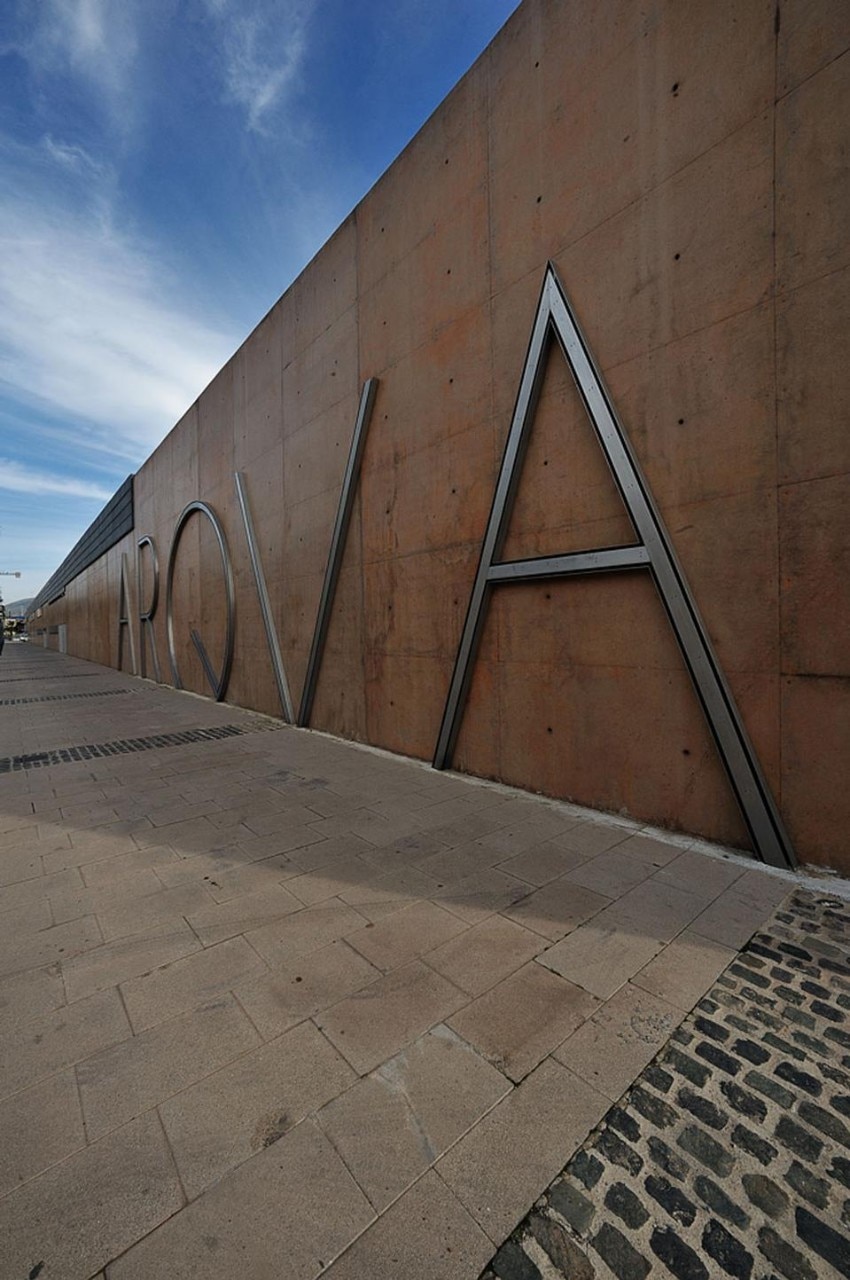
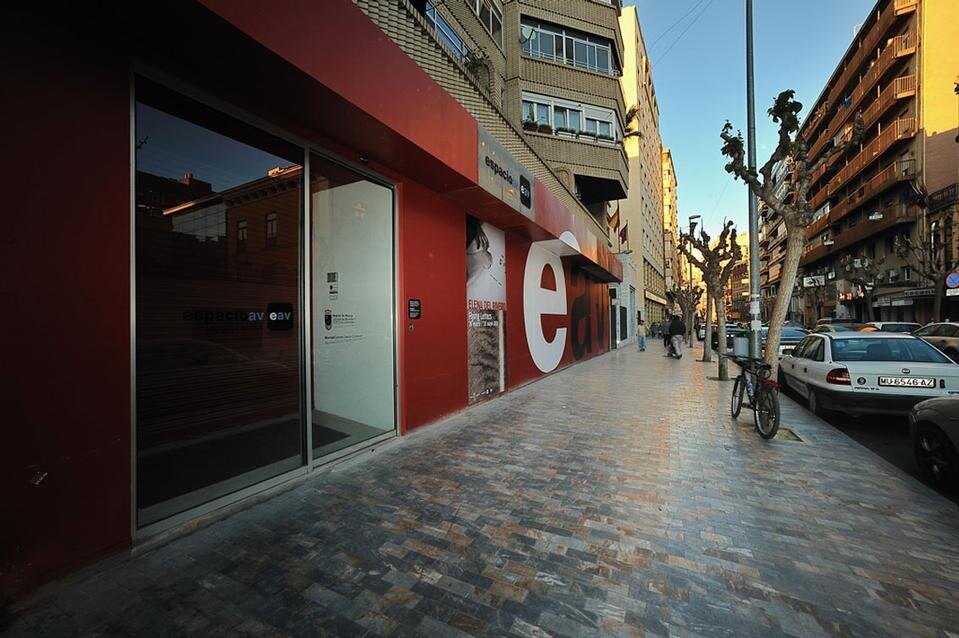
Berlin-based architects nOffice are designing and constructing one of the main venues for Manifesta 8. The project consists of three serially interlinked interventions that are dispersed over the cities of Murcia and Cartagena. The objects, consisting of the Backbench (old post office, Murcia), the Sluice (Arqua, Cartagena) and the Archive (Espacio AV, Murcia) are conceived as distant relatives, displaying similar traits whilst maintaining a certain level of autonomy. The Backbench serves as a conceptual and physical centrepiece, which takes on the form and format of a conflictual discursive forum. Beatrice Galilee