

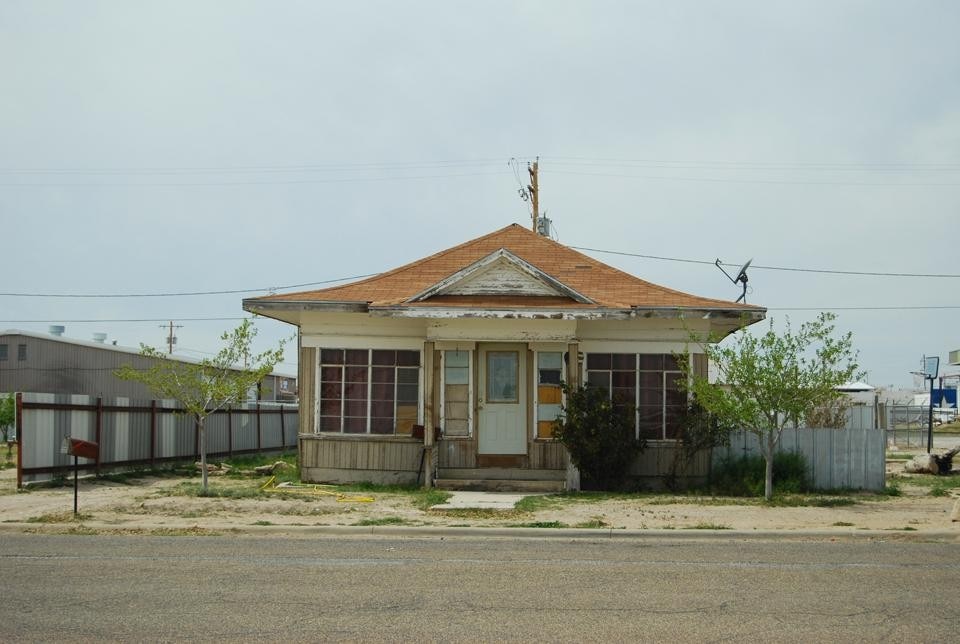
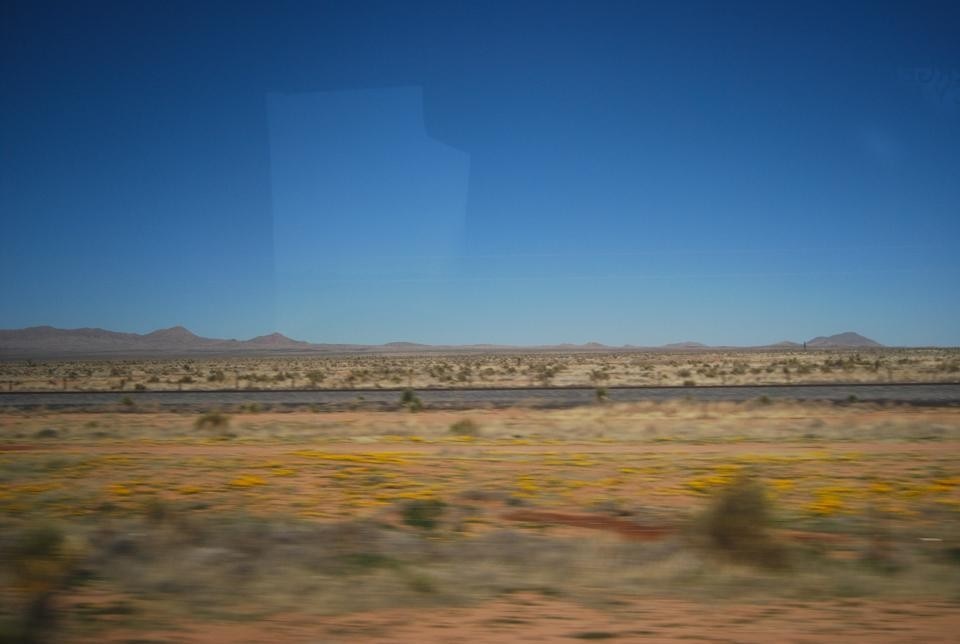
El Paso/Juarez is an urban area with three million inhabitants surrounded by the Chihuahua Desert. Far, far, away in the nothingness something happened, read a novel set in these lands. Lady Nothingness, the inescapable emptiness between one comunitas and another, the influencer of human relationships, cultural production, literature.
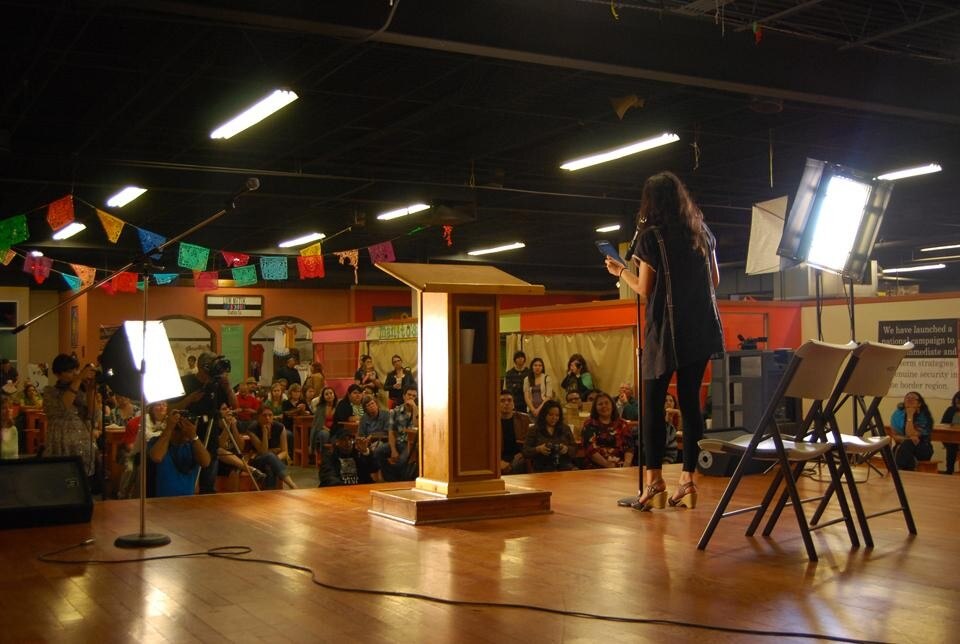
When, on our third day of travel, we caravanners stopped at the Mercado Mayapan — a huge warehouse transformed into a cultural center by the Mujer Obrera association, which for thirty years has defended the rights of Mexican workers in El Paso — we were surprised by the incredible liveliness of the place, despite its relative isolation; the Mercado overflowing with families, students and cultural workers who came from every corner of the county to welcome the librotraficantes and their cause.
Tony Diaz rouses the audience: "When Tucson legislators decided to eliminate Chicano history in schools, we decided to write a new one." And he launches the idea of presenting independent lists of Latinos in the upcoming school election in the Southwest, in which secondary school organization will be decided. "Ours is an informal network that is being created from city to city, uniting regions and associations."
Zelene Suchilt, a 22-year-old New York City activist and poet who has organized several demonstrations against racist immigration laws in El Paso, is among the caravanners that take the stage to read some of the authors censored in Arizona: Gloria E. Anzaldua, Rudolfo Anaya, Dagoberto Gilb, and most renowned of all, Sandra Cisneros.
To be continued in part 3 of this series
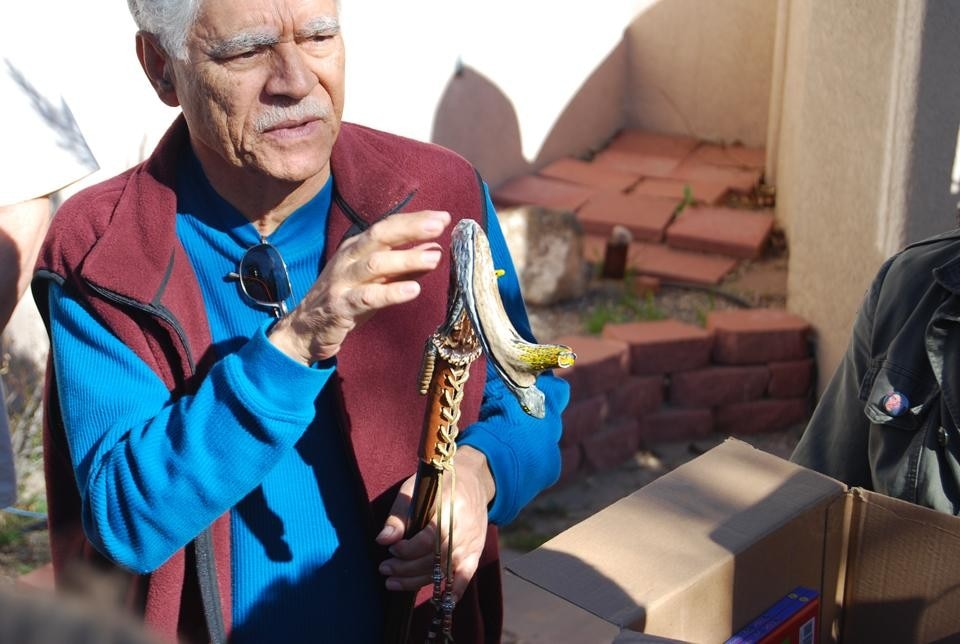
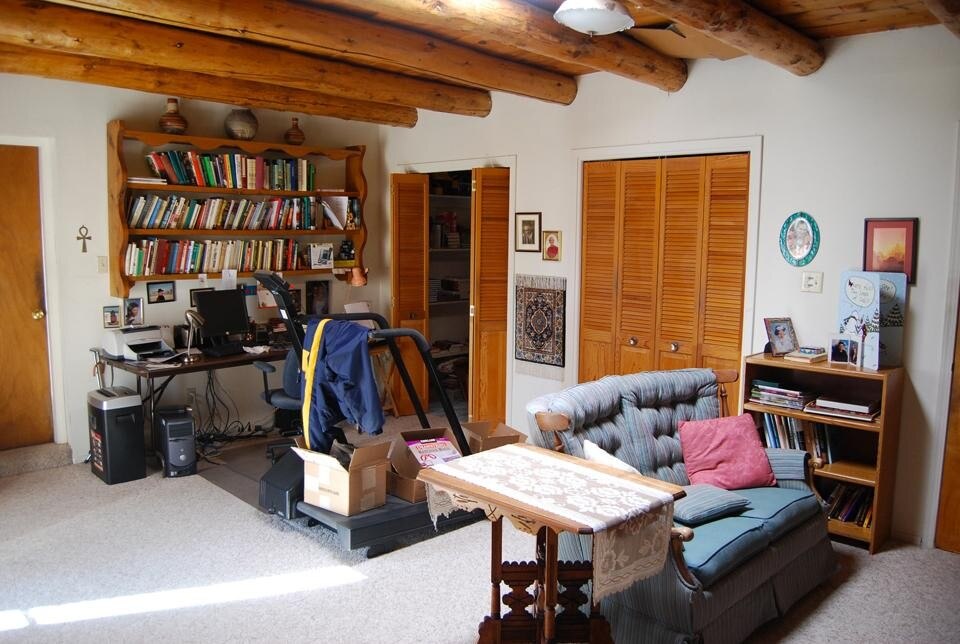
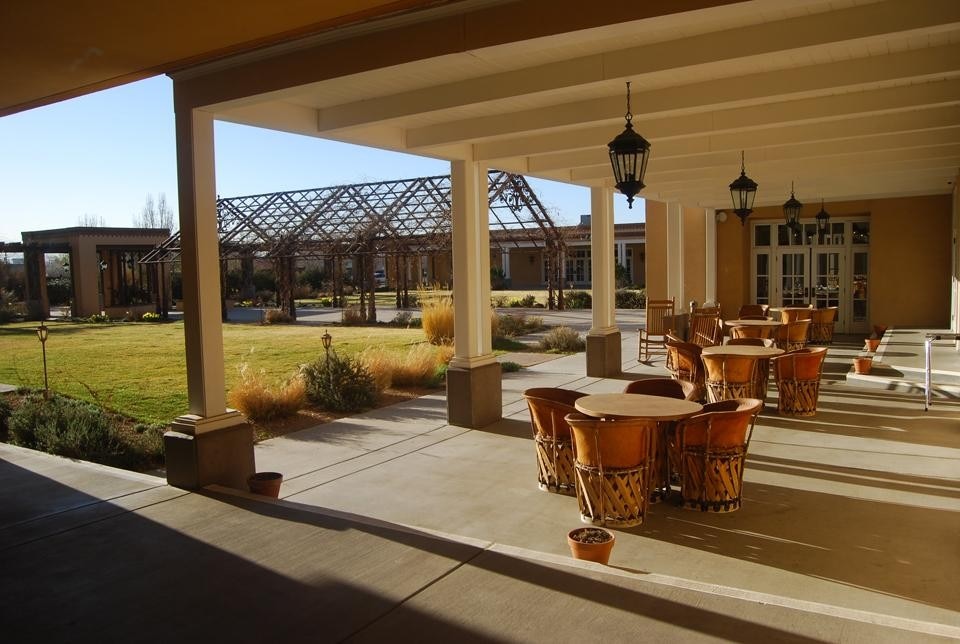
1.jpg.foto.rmedium.jpg "When arriving in Mesilla, New Mexico, the company of book smugglers is welcomed into the home and bookshop of Denise Chavez, another important name in local literature")