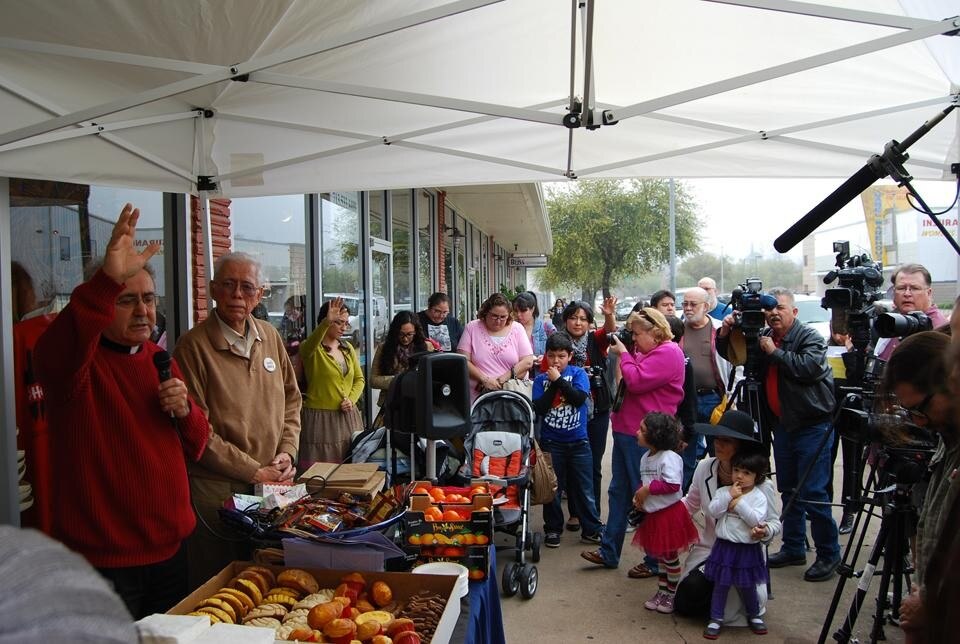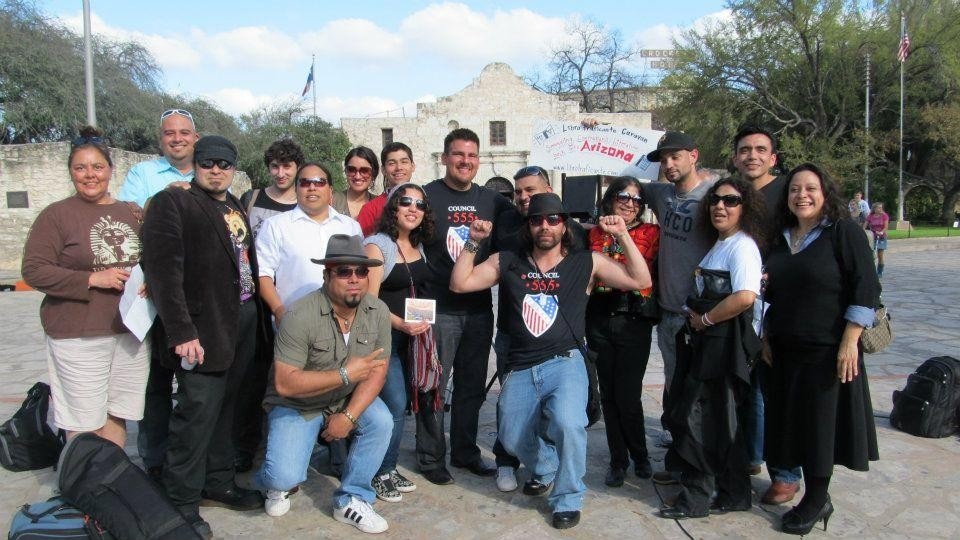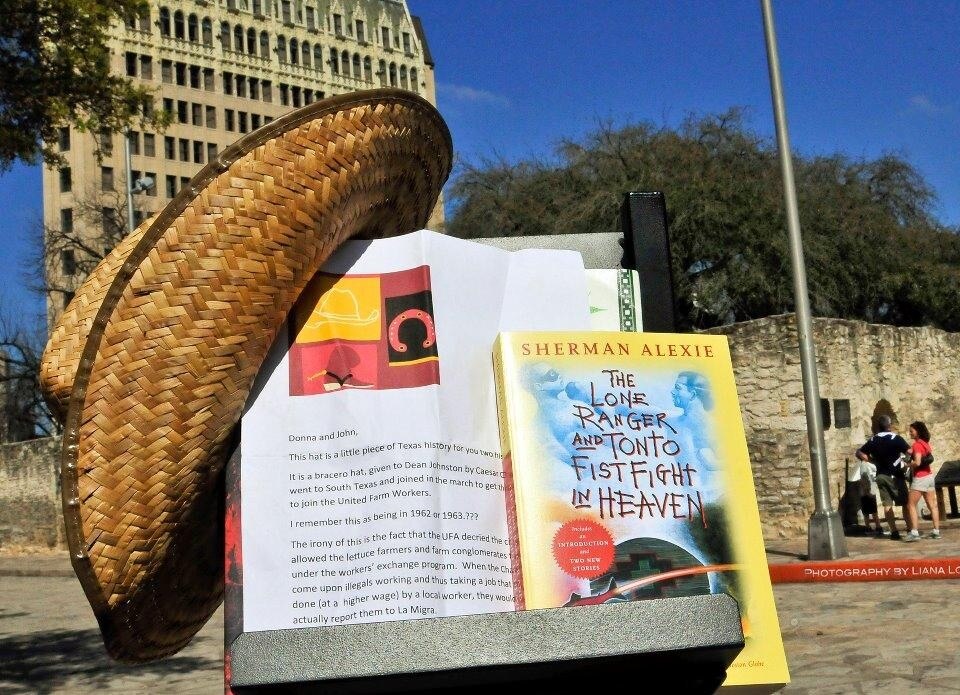
It is a lazy Monday morning and the Houston skies have just discharged the first major rainfall after eight months of extraordinary drought. A small crowd has gathered in front of old Macario Ramirez's souvenir shop. There are primary school teachers, trade unionists, photographers and mums with children in pushchairs. A grey-haired priest pushes his way past TV cameras, baskets of fruit and suitcases stacked on the sidewalk to give us his blessing.
I am about to set off with a caravan of book smugglers headed for Arizona, where the authorities have just cancelled a Mexican-American studies course and banned the teaching of Chicana literary classics such as The House on Mango Street and even Shakespeare's The Tempest, in the fear that they might inspire anti-patriotic sentiments in the students.
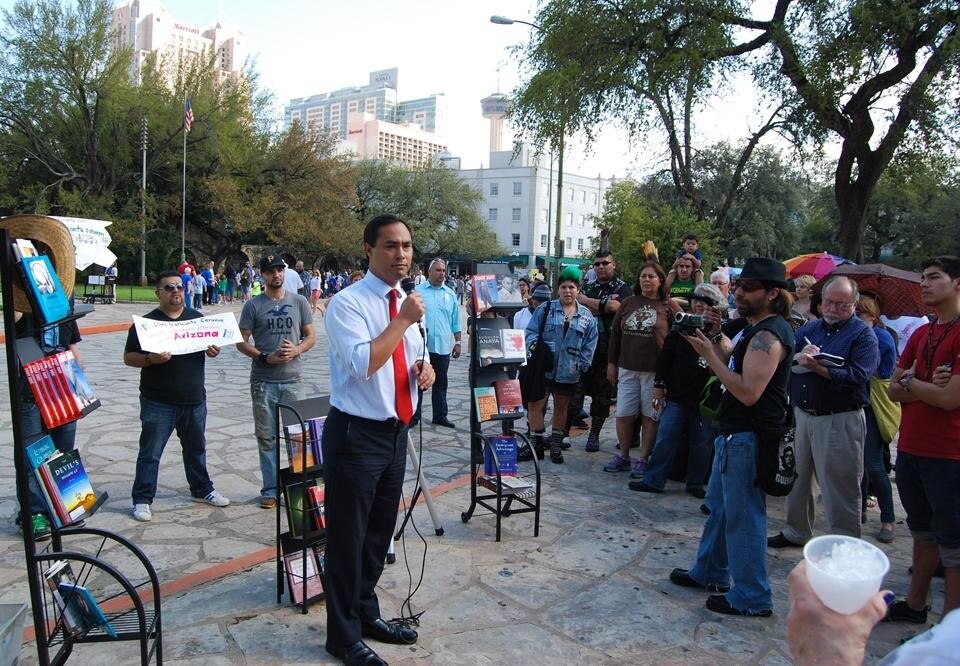
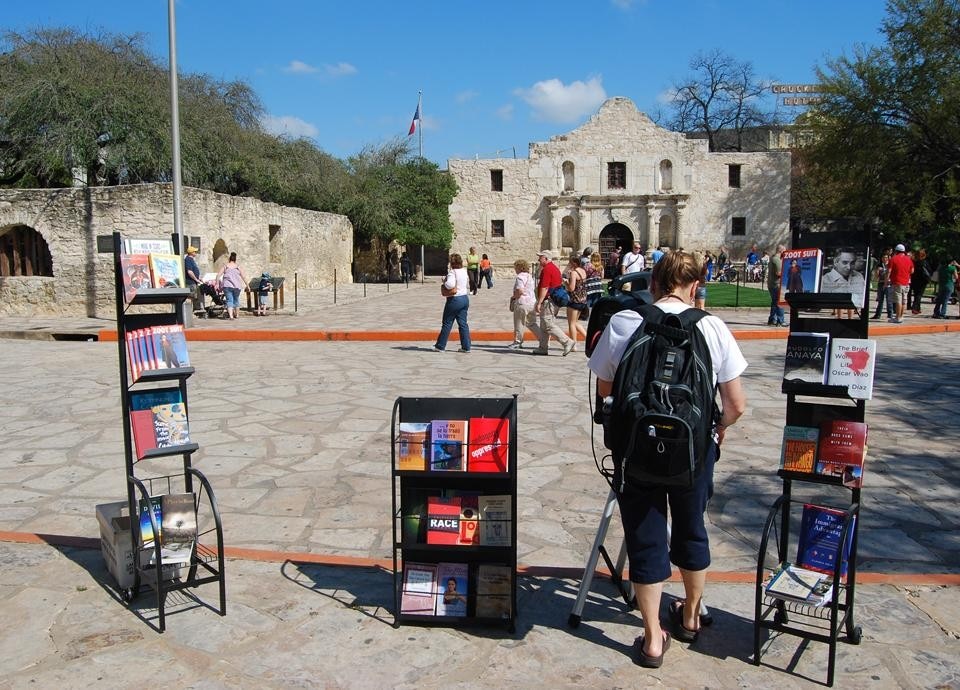
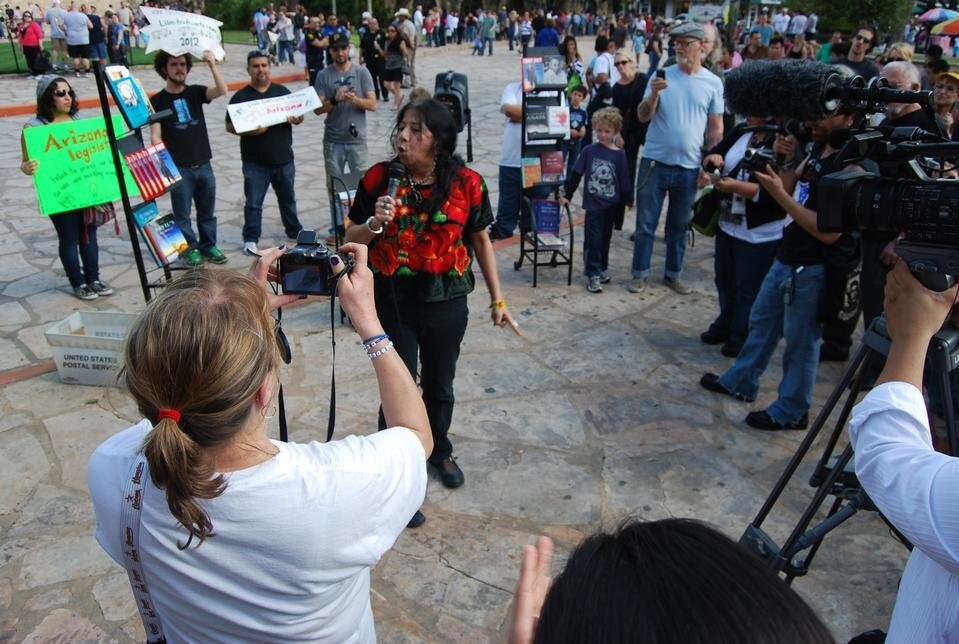
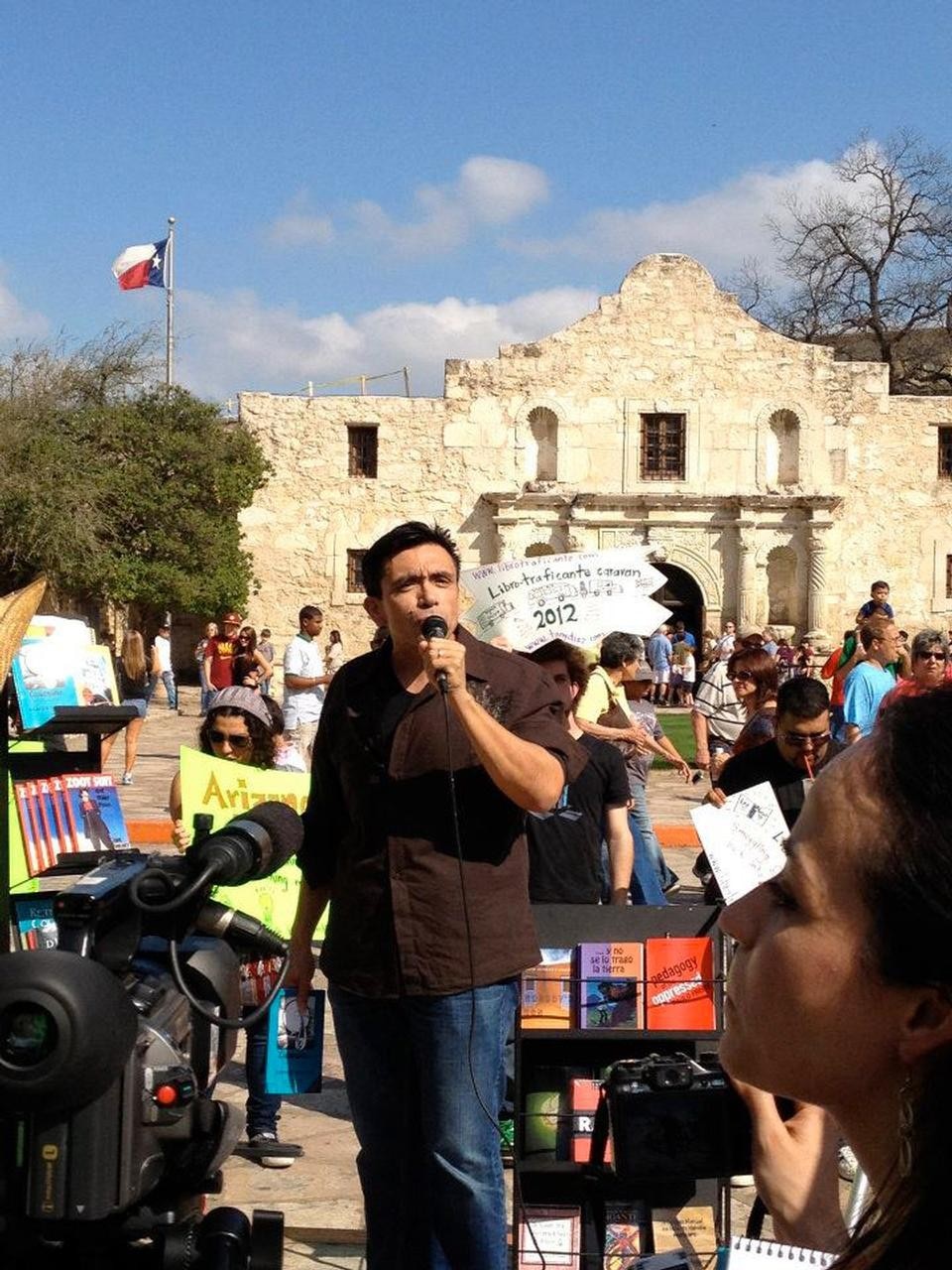
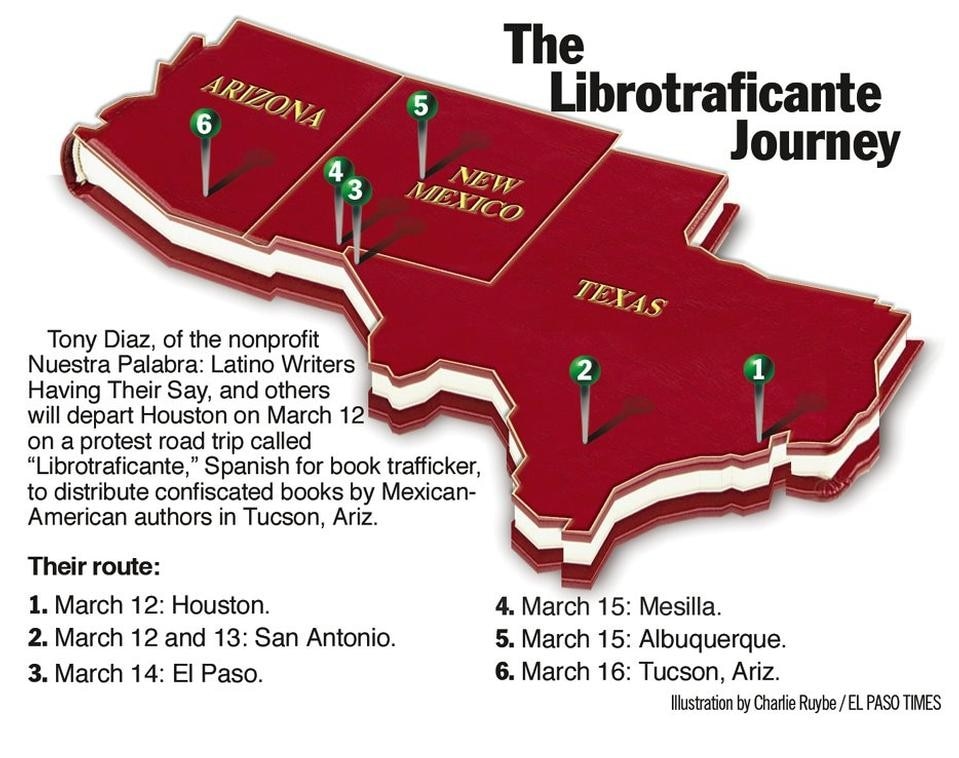
The Librotraficante project was organised as a response in the space of a few weeks with a bus that will travel all across the US Southwest from Texas to Tucson, visiting symbolic cities of the Fronteriza culture such as San Antonio, El Paso and Albuquerque. Temporary libraries stocking the banned books will be set up along the way and there will be "subversive" readings, debates and encounters between communities. All this will — according to Tony Diaz, a 42-year-old teacher, writer and the mind behind the initiative — give rise to what he enthusiastically describes as the "Latino Renaissance". "What they have done in Arizona must not spread to other States. We Chicanos must show we are vigilant. If they think they can deprive us of our identity like this, we must respond by joining forces."
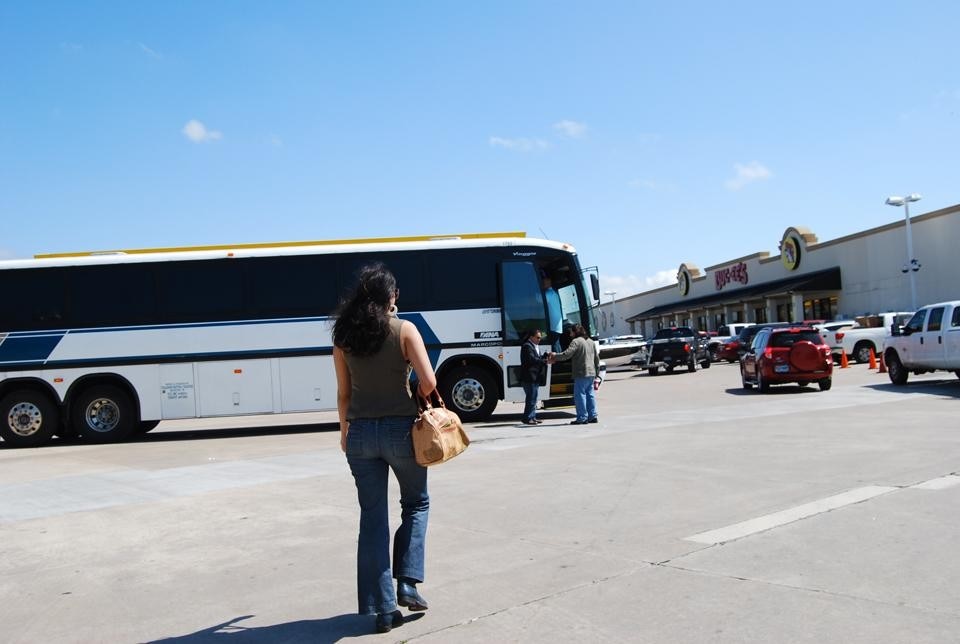
The "frontier" atmosphere is strongly felt in El Paso, an eight-hour bus ride from San Antonio. The only stop along the way is the service station-village of Fort Stockton, which owes its existence to truck drivers who take a break there. El Paso is one of the twelve twin cities lining the 3000-kilometre border between Mexico and the United States. Every city on the American side has a specular image on the Mexican side. As in a 1960s' Berlin moved to the desert, the urban dynamics present an American side that is militarised, rational and monitored at every centimetre but with a booming economy, development and major demographic growth. El Paso is a vibrant university city, proud of its literary production and poets. We meet Griselda Liz Munoz, also known as "La Rana", a 25-year-old singer of the Mestizo cause. We also visit the Cinco Punto Press, an independent publisher that has for two decades promoted the mix of modernity and local tradition. A festive ruinous anarchy reigns across the border in Juarez, with Catholic processions in the square, the carnage of the narco-war and unregulated architecture —Tijuana is the same.
The Librotraficante project was organised as a response in the space of a few weeks with a bus that will travel all across the US Southwest from Texas to Tucson, visiting symbolic cities of the Fronteriza culture
Continued in part 2 of this series.