

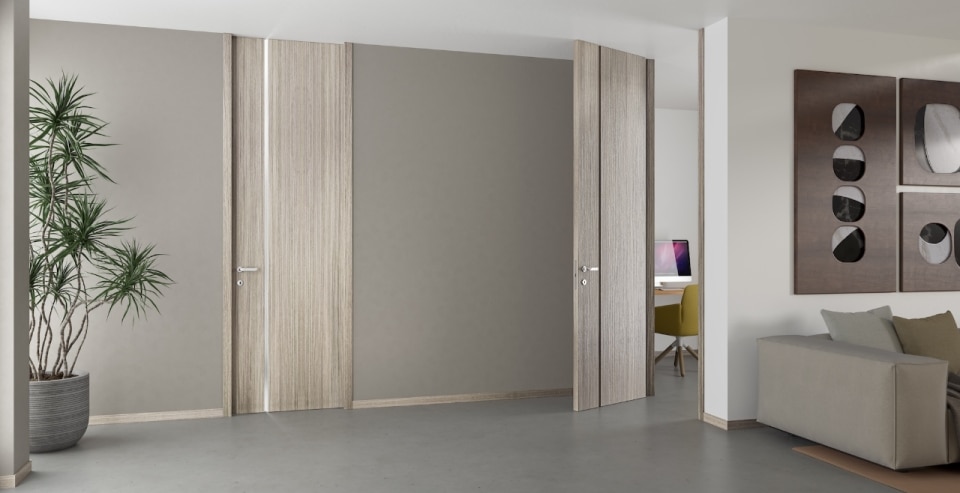
Expanding the Nidio and Talèa lines, Flessya redefines the door as an expressive device: through blades of light, 3D carving, and ornamental depth, a functional surface becomes an architectural element capable of shaping the identity of domestic space.
For nearly two centuries, since what we now call design began to take shape, the question of decoration – its meaning, role, and language – has remained open. By the time of London’s first Great Exhibition in the mid-19th century, the debate had already produced a Grammar of Ornament. Fast forward to Alessandro Mendini’s redecoration of Bauhaus icons or the lush ramages of Marcel Wanders at the turn of the millennium, and decoration continues to resurface as a critical, evolving discourse. In today’s domestic landscape, experimentation often concentrates on finishing elements. Doors, in particular, have become a fertile ground for Flessya’s ongoing research, suspended between essential form and figurative expression, now enriched by the latest additions to the Nidio and Talèa lines.
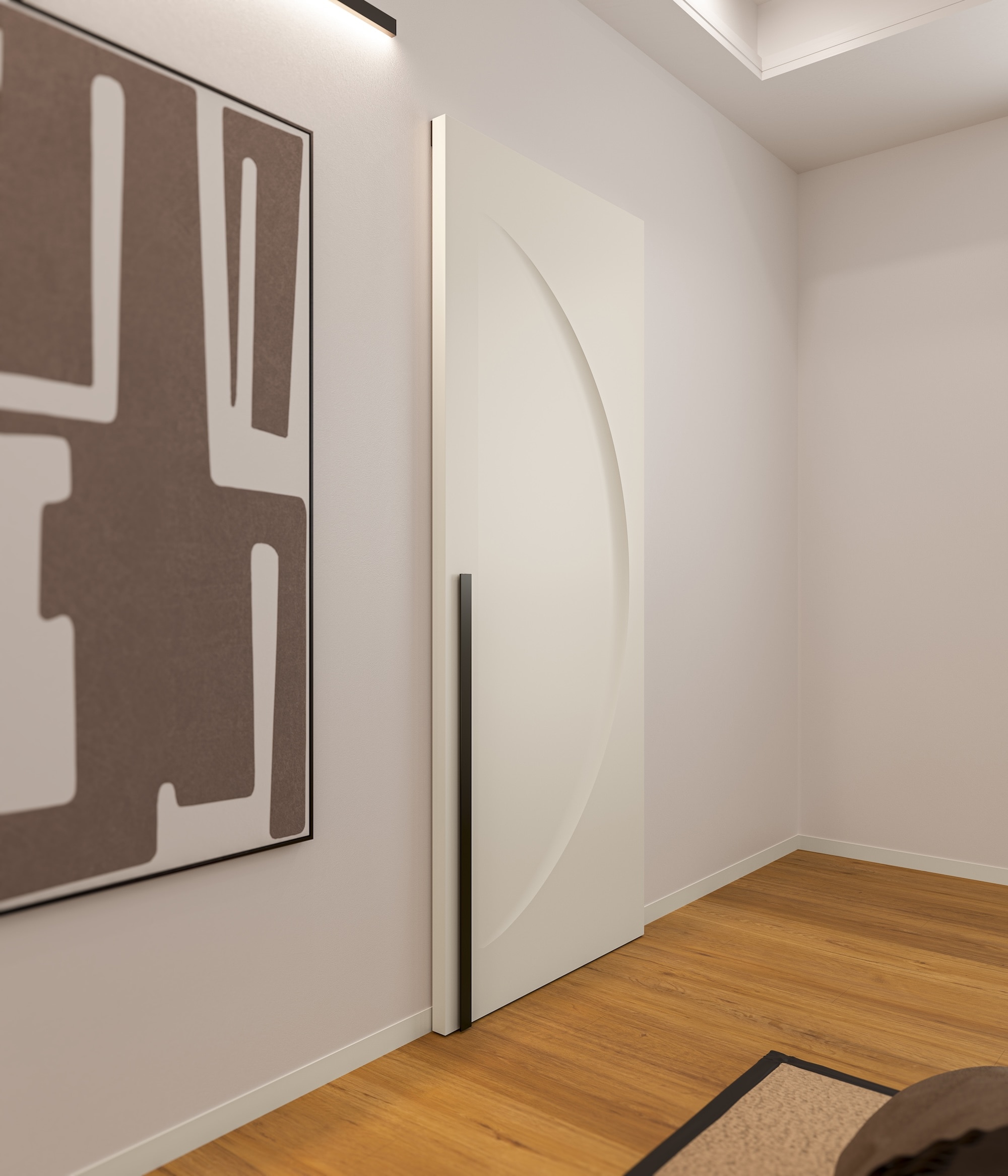



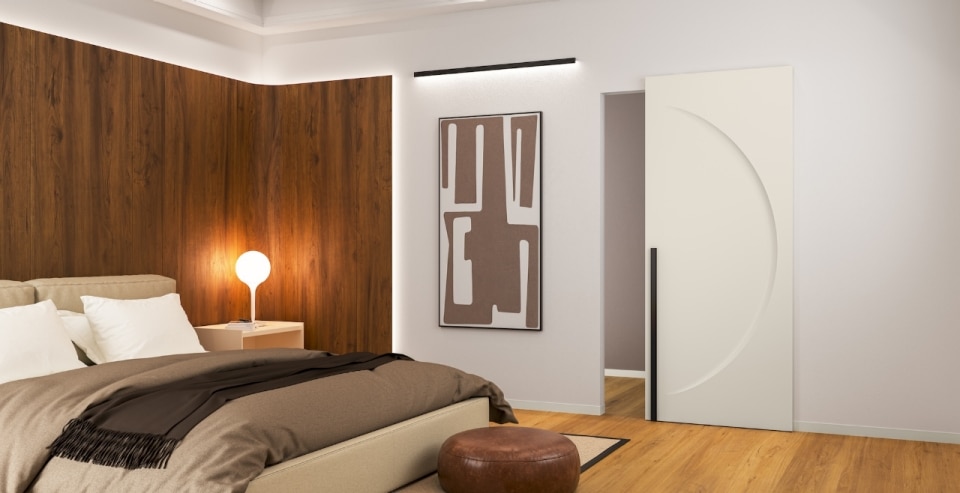
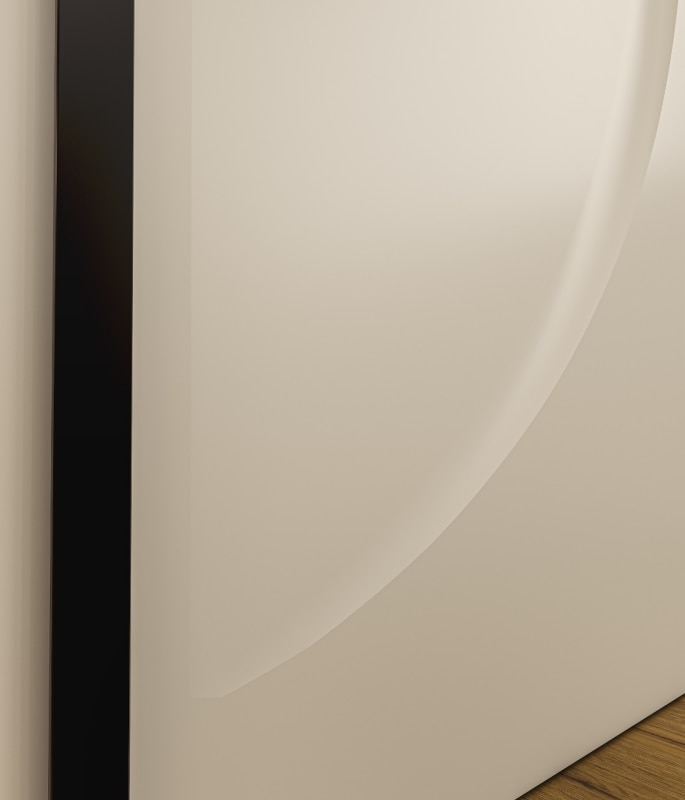
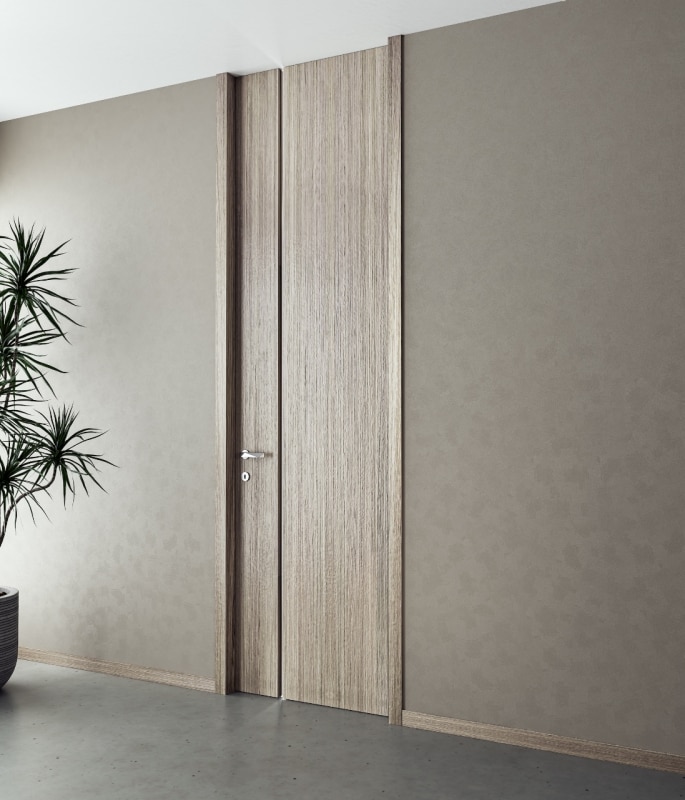
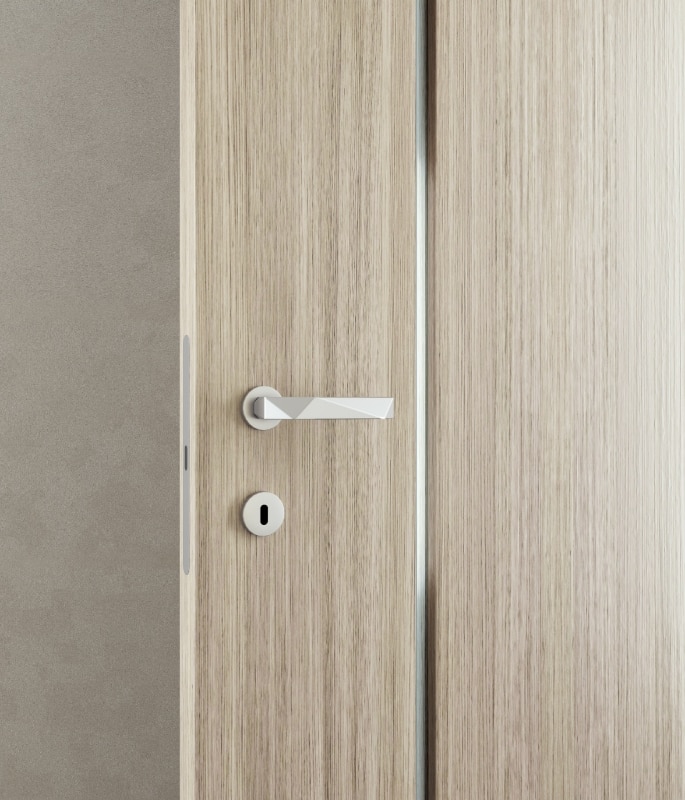
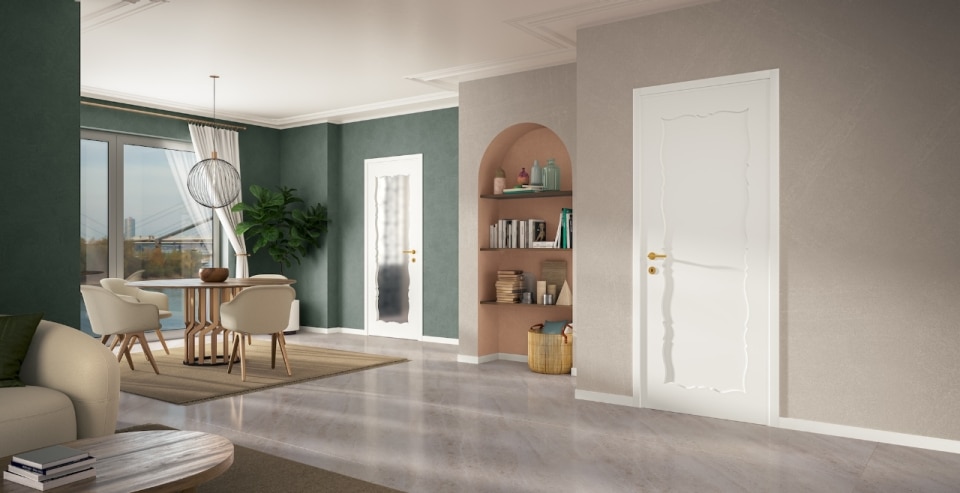
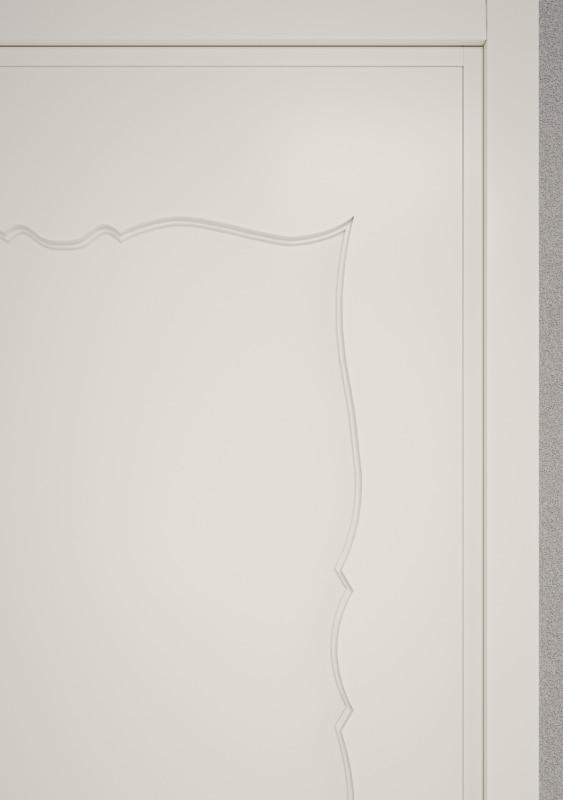
Three new interpretations bring light, surface, and ornament into dialogue, working on the door panel to introduce perceptual depth and define new identities attuned to contemporary languages.
Within the Nidio line, the Lama Vetro series features a slender recessed glass strip cutting across the panel with a gesture that is subtle yet unmistakable, quintessentially contemporary. Light filters through, guiding the gaze and establishing a visual rhythm that expands space without overwhelming it, turning the door into an active architectural device.
The Nidio language is further enriched by 3D carving, which investigates relief and dimensionality. The panel surface is sculpted through different levels of carving, generating a pattern that shifts continuously with the interplay of light and shadow. The result is dynamic, almost sculptural, designed for those seeking a balance between formal rigor and material experimentation, adding a more tactile and perceptual layer.
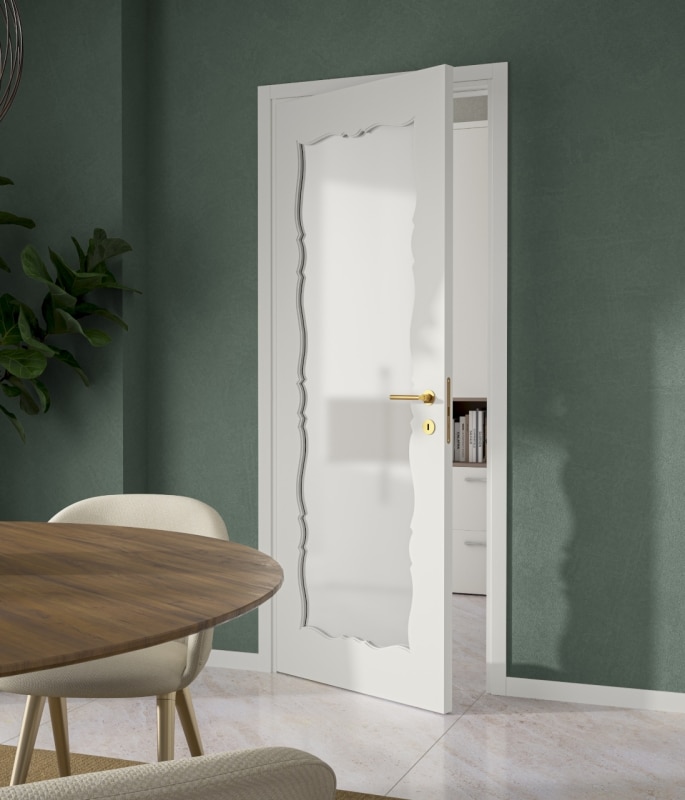
With Veneziano, an extension of the Talèa line, the vocabulary opens up to a more decorative dimension. Here, pantograph machining shapes the central panel with a more complex motif that evokes a baroque sensibility in conversation with the present. The interplay of reliefs forms an inner frame, amplifying the door’s presence: scenic yet controlled, where decoration becomes a distinctly identity-defining element.
These three new proposals speak different languages, yet share a common intent: expanding the expressive potential of doors. From the lightness of glass to the plastic depth of carving, to the ornamental richness of pantography, what emerges is a layered system of solutions designed for diverse project needs. At its core lies the enduring theme of decoration – as it evolved through two centuries – creating a foundation for positioning and meaning, offering designers and clients the tools to shape coherent, recognizable interiors, starting from one of their most fundamental visual elements: the door.
- Products:
- Nidio and Talèa lines
- Brand:
- Flessya
- Web Site:
- www.flessya.com/en