

The Betta DreamWorks International Innovation Center in Hangzhou, China has won a German Design Award 2026 for articulating a vision of the contemporary city in which work and daily life are interwoven within a permeable, landscape-driven urban framework.
The jury of the German Design Awards 2026 has selected the Betta DreamWorks International Innovation Center “for its charismatic spatial organization and the impressive integration of open space qualities at an outstanding level”.
Designed by the China Academy of Fine Arts Landscape Architecture Design & Research Institute under lead architect Dr. Sun Kefeng, the project was conceived through a multi-scalar lens. It rethinks the industrial complex, transforming it into a livable environment that transcends mere functionality to enrich everyday life.
Betta DreamWorks is conceived as a cloud platform for biopharmaceutical entrepreneurship that fosters innovation and promotes the development of China’s biopharmaceutical industry. In the words of lead architect Dr. Sun Kefeng, the spatial translation of this concept into a 275,000 square metres development aims to create “an open, professional and accessible makerspace, equipped with all the necessary drivers for development and aligned with the highest international standards.”
 View gallery


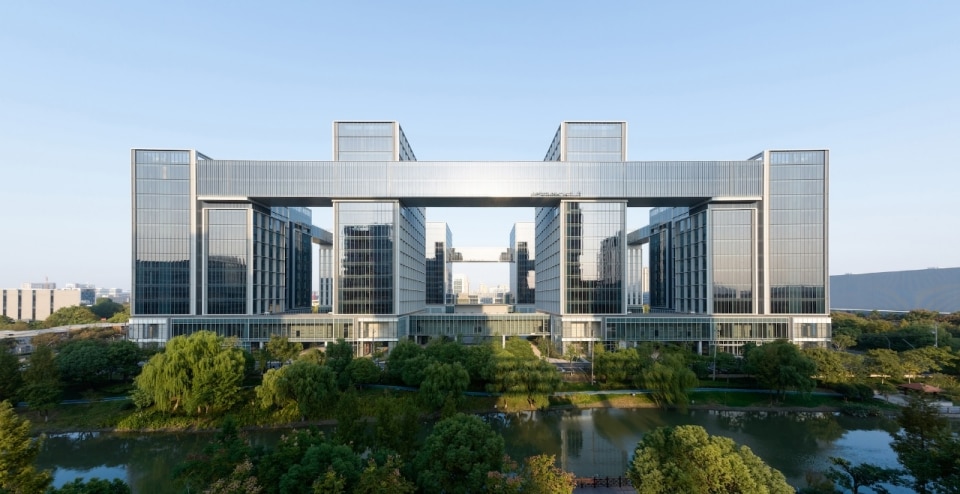
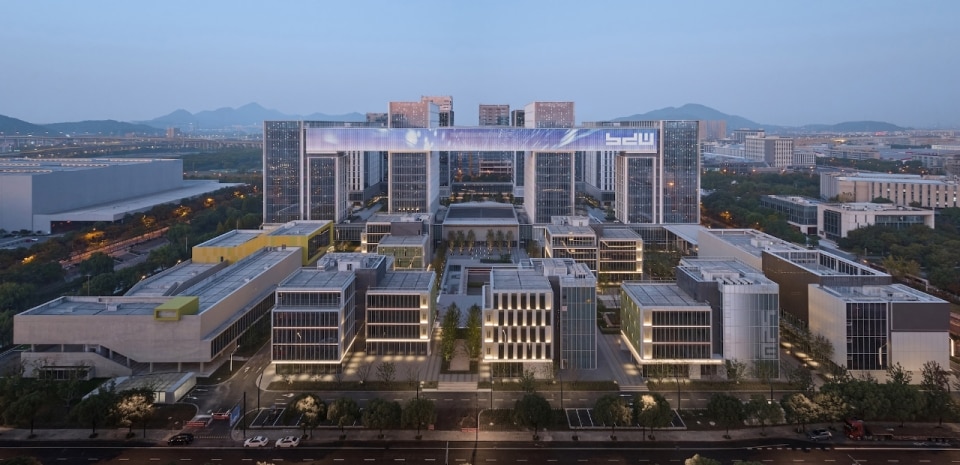
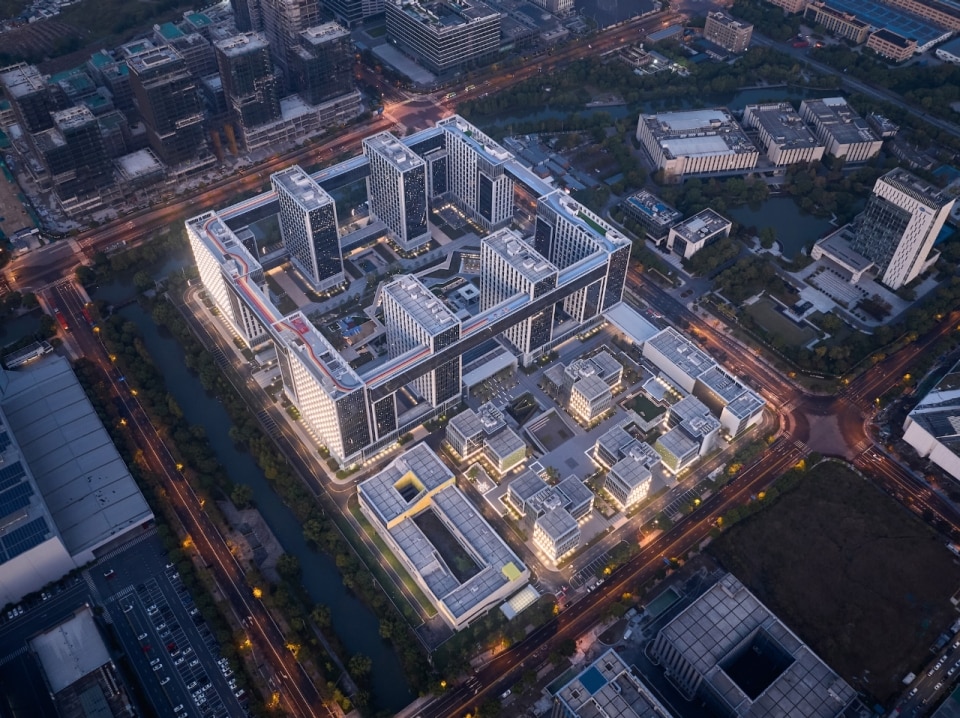
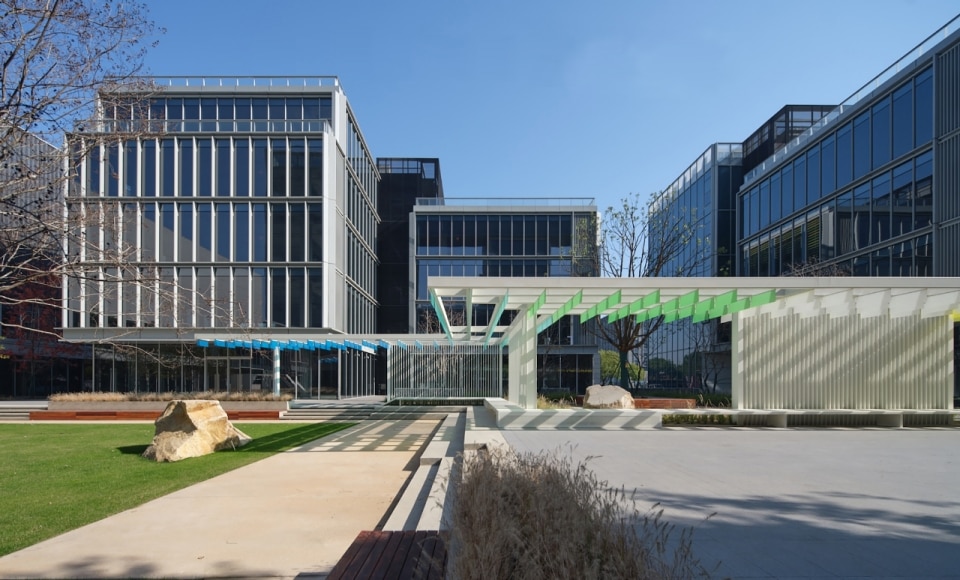
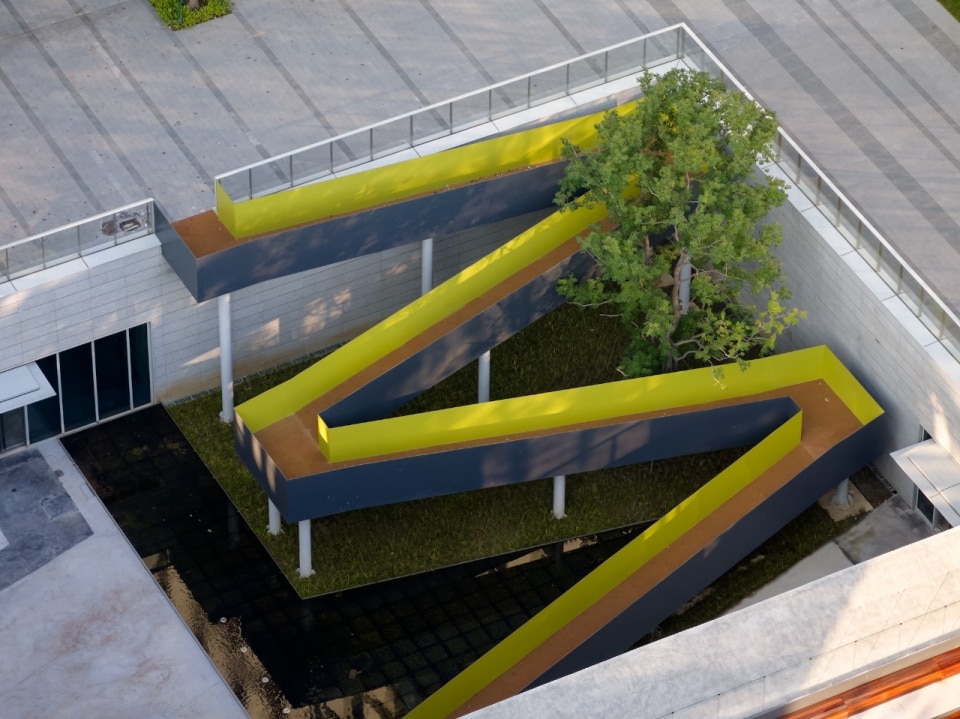
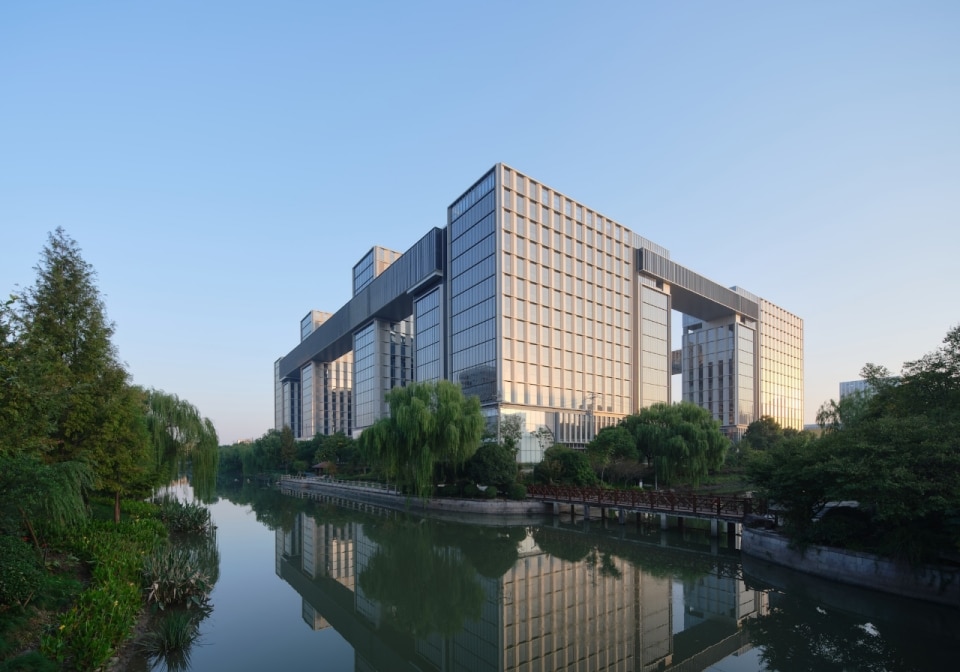
Its architecture takes the form of a research-driven urban complex that integrates a diverse mix of functions, activating the site throughout the day and into the evening. The project engages in a strong dialogue with its context: located on a large urban block framed by two waterways, the innovation center is surrounded by other innovation hubs and industrial parks, as well as the Yujia Mountain Archaeological Site Park and its Archaeological Museum – an intricate layering of histories and functions.
“A striking interplay of nature and functionality defines Betta DreamWorks International Innovation Center”, reads the jury citation – an assessment clearly reflected in the masterplan’s key elements.
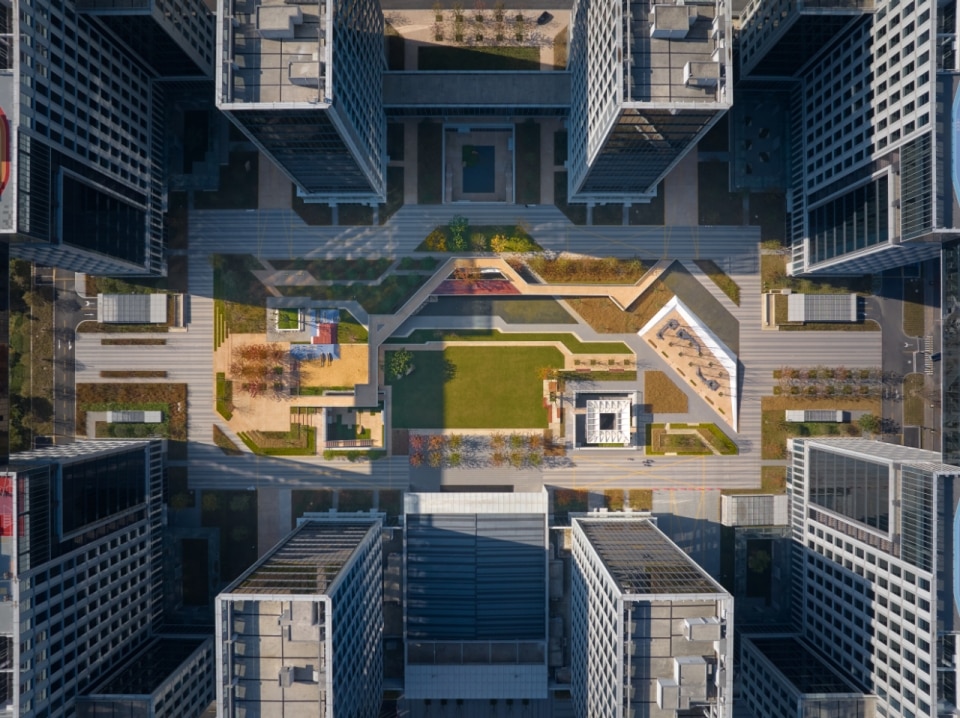
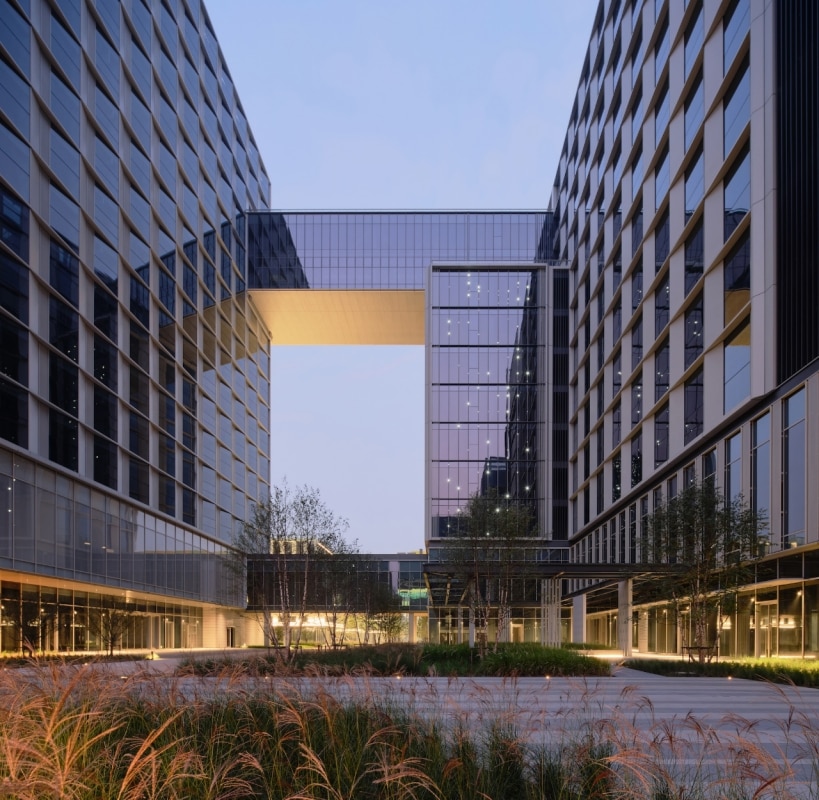
An internal axis, aligned with the main entrance to Betta Pharmaceutical, divides the scheme into two distinct yet closely interconnected zones, each organized around a central landscape feature. To the west, a park forms the heart of a cluster of towers arranged symmetrically along the perimeter. To the east, a series of lower-rise buildings – in response to cultural heritage protection requirements – are structured around a pedestrian street. In both areas, vehicular traffic is relegated to the edges of the site, ensuring pedestrian continuity and the quality of open spaces.
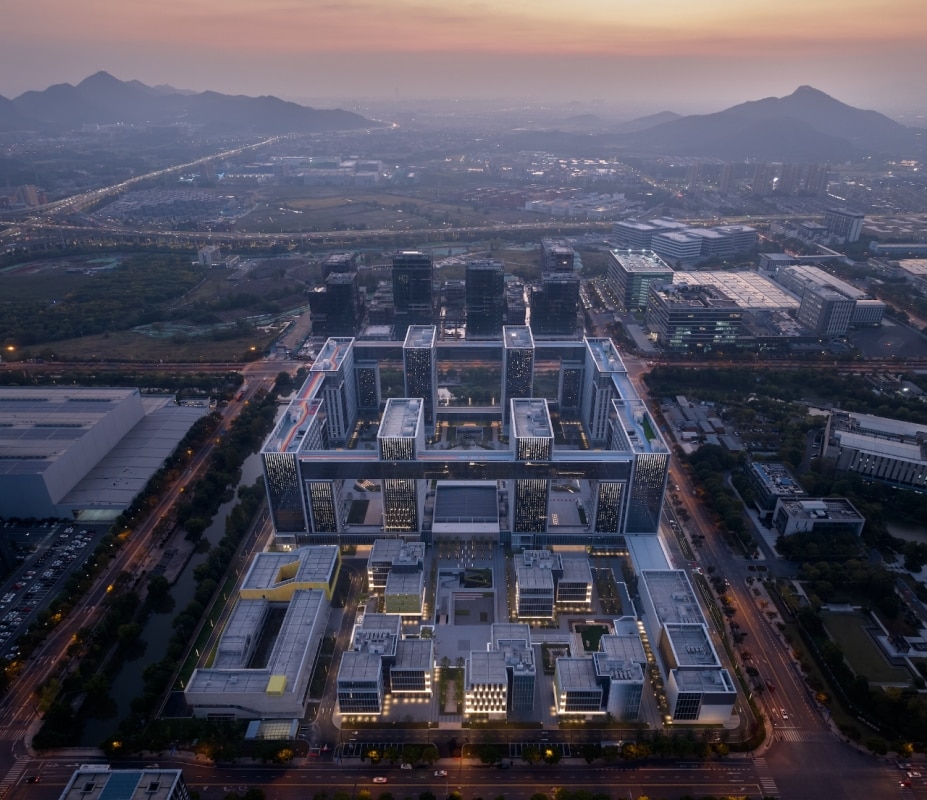
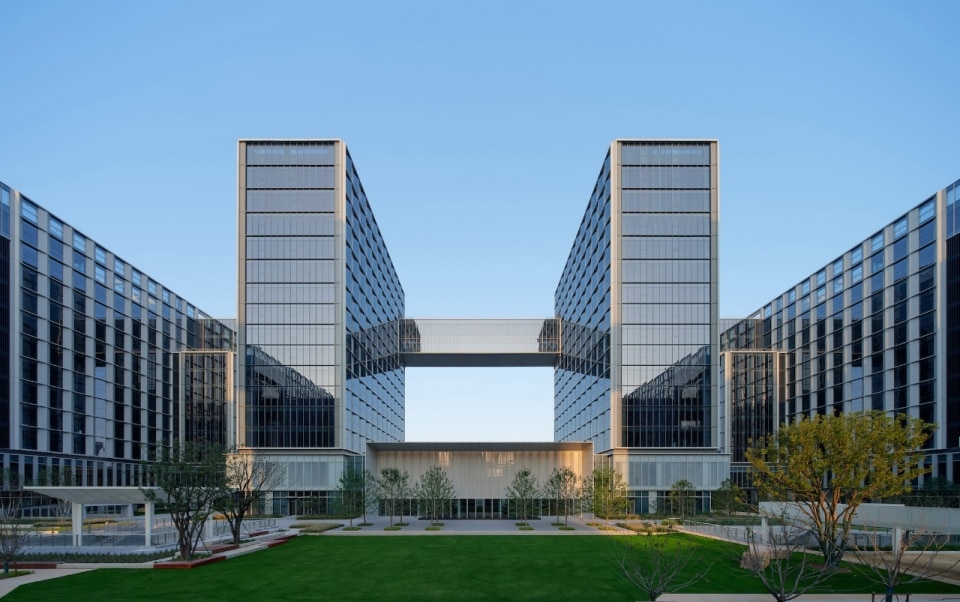
In the western sector, four towers are dedicated to biomedical research and experimentation, while the remaining four accommodate complementary functions including a hotel, residential apartments and offices. An 800-meter-long system of elevated walkways links the buildings, activating the rooftops and creating a publicly accessible elevated realm reached via lifts.
The low-rise buildings in the eastern area primarily host commercial and service functions. Organized in clusters of two or three cubic volumes, with a maximum height of four storeys, they are freely positioned to shape a dynamic ground-level pedestrian street. The presence of bookstores, exhibition spaces, retail and dining venues aims to ensure continuous activity across the block throughout the day.
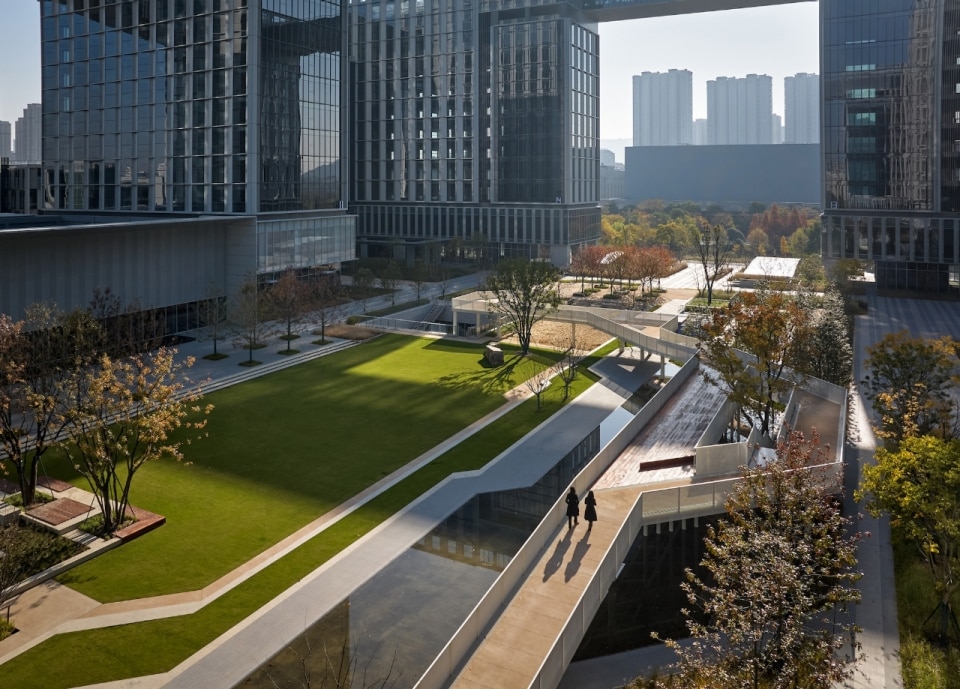
Landscape – understood as a human habitat – is the project’s unifying element, as acknowledged by the German Design Awards 2026 Jury: “The harmonious arrangement of high-rise and low-rise buildings, open atriums and green water features creates a coherent link between work environments and relaxation”.
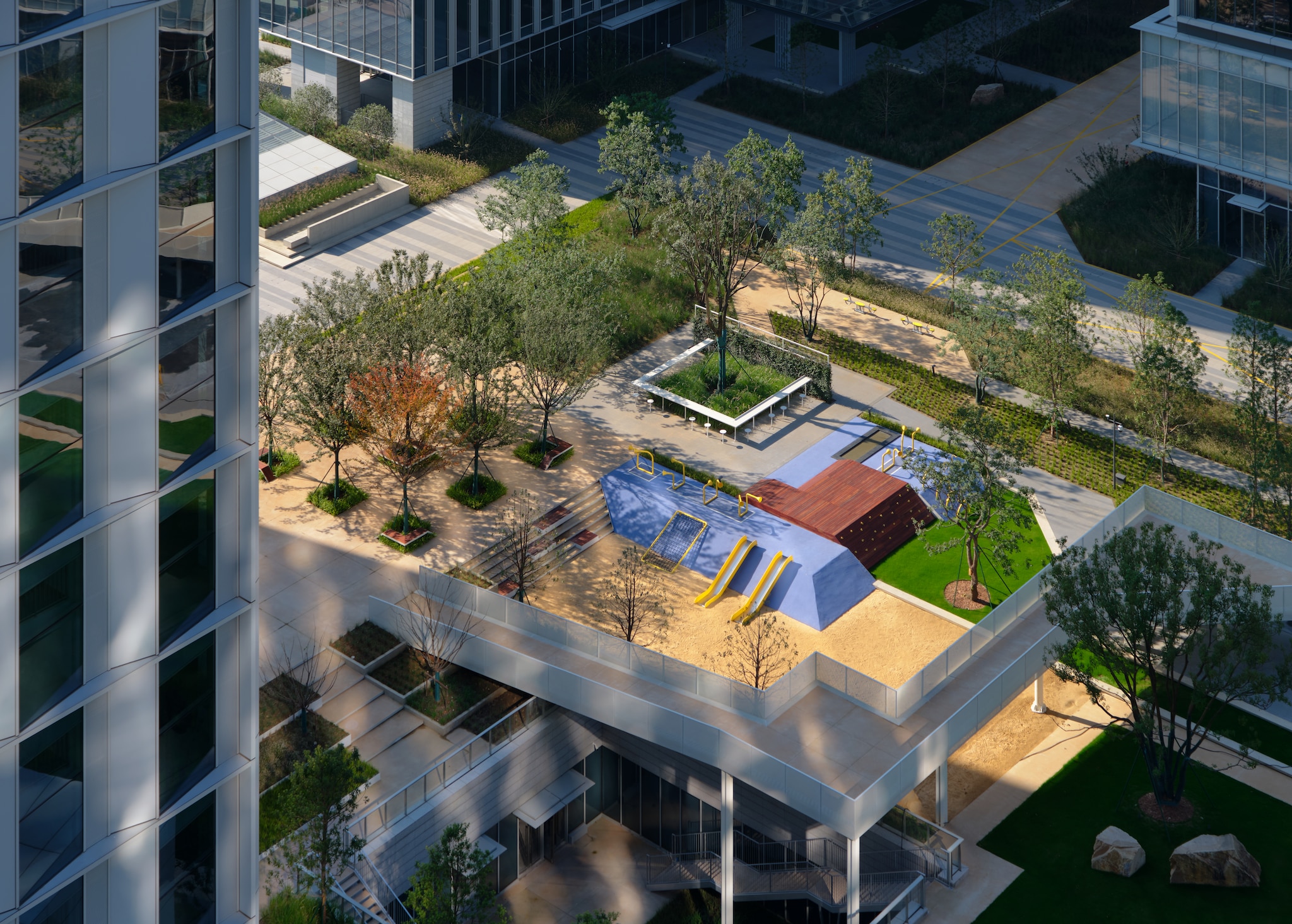
In the tower precinct, beneath the expansive canopy of elevated corridors, sunken plazas and reflecting pools punctuate the park lawns, while a bridge-corridor follows a fragmented path from north to south. Three thematic zones – Open Air Museum, Low Carbon Shared Park and Lehuo Future Park – structure the open space, with an “ecological square” acting as a central node.
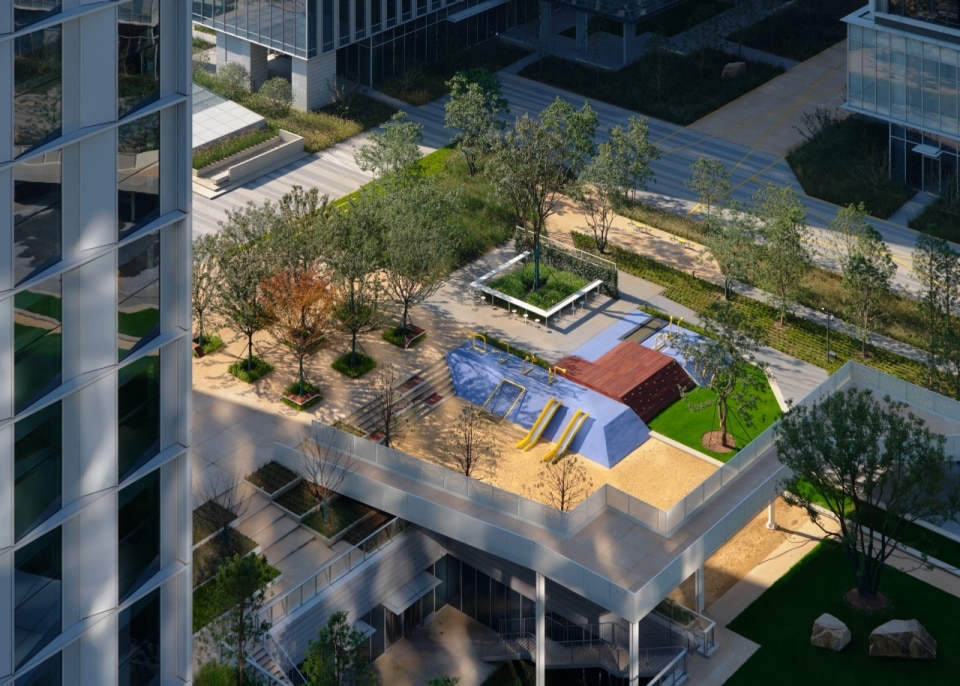
The pedestrian street weaving through the low-rise volumes is paved in yellow-orange tones and, at the southern entrance – where it transitions into the Children’s Dream Park – introduces level changes that double as play structures and seating. At the heart of the block lies the Optoelectronic World, a gathering space designed for performances; further along, the atmosphere becomes increasingly intimate and sheltered, culminating in a sunken lawn that defines a quiet urban oasis.
The holistic approach underpinning the Betta DreamWorks Innovation Center aligns with the cross-disciplinary ethos of the German Design Awards. Established by the German Design Council, the German Design Awards stand for design excellence with purpose — interdisciplinary in thinking, globally connected, and strategically relevant. Within this framework, the project demonstrates how genuinely reimagining the urban landscape begins with defining bold, disruptive programs: design in its most essential form.
- Award-winning project:
- Betta DreamWorks International Innovation Center
- Company:
- Betta Pharmaceuticals Co., Ltd.
- Awarding Foundation:
- German Design Council
- Website:
- www.german-design-award.com