

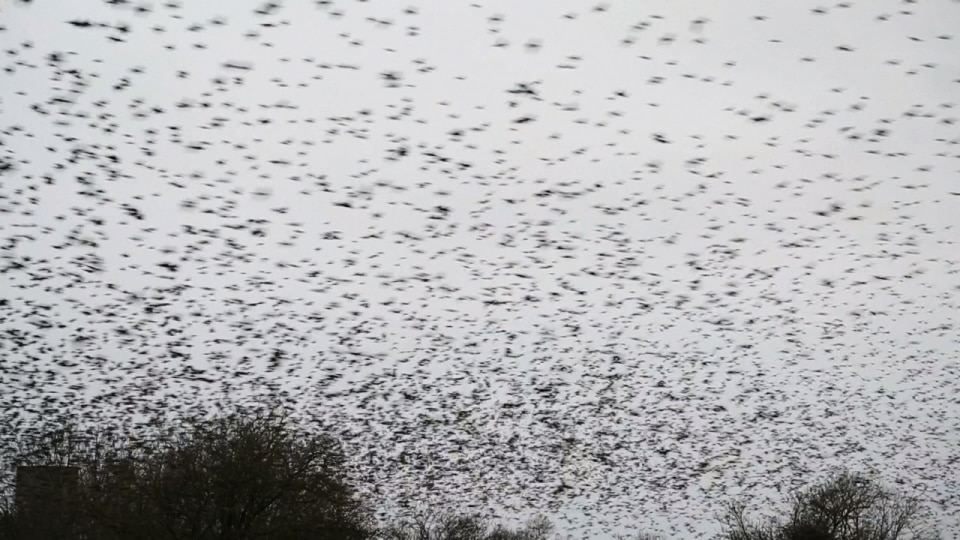
At Magazzino delle Idee, an exhibition brings together the work of a photographic and video scene that questions its own history while embracing reflections on a global scale.
“Contemporary Japanese photography today seems to be opening up to interpretations that correspond to a generational renewal, certainly closer to themes and concerns of Western origin”. With these words, Filippo Maggia outlines the concept of the exhibition he curated for Trieste’s Magazzino delle Idee, “Japan. Corpi, memorie, visioni” (Japan. Bodies, memories, visions).
Japanese photography has enjoyed major international recognition since the 1930s, and at the turn of the millennium it found powerful expression in the seminal works of artists such as Hiroshi Sugimoto, Nobuyoshi Araki, and Daido Moriyama, progressively distancing itself from the strongly identitarian and self-referential language of its origins. The succession of generations has brought about a shift in perspective, one capable of embracing a broader dimension, compared to the nonetheless complex of its own land. It is a global dimension, in which issues of gender, collective memory, social relationships, the environment, and the perception of images come to the fore.
 View gallery
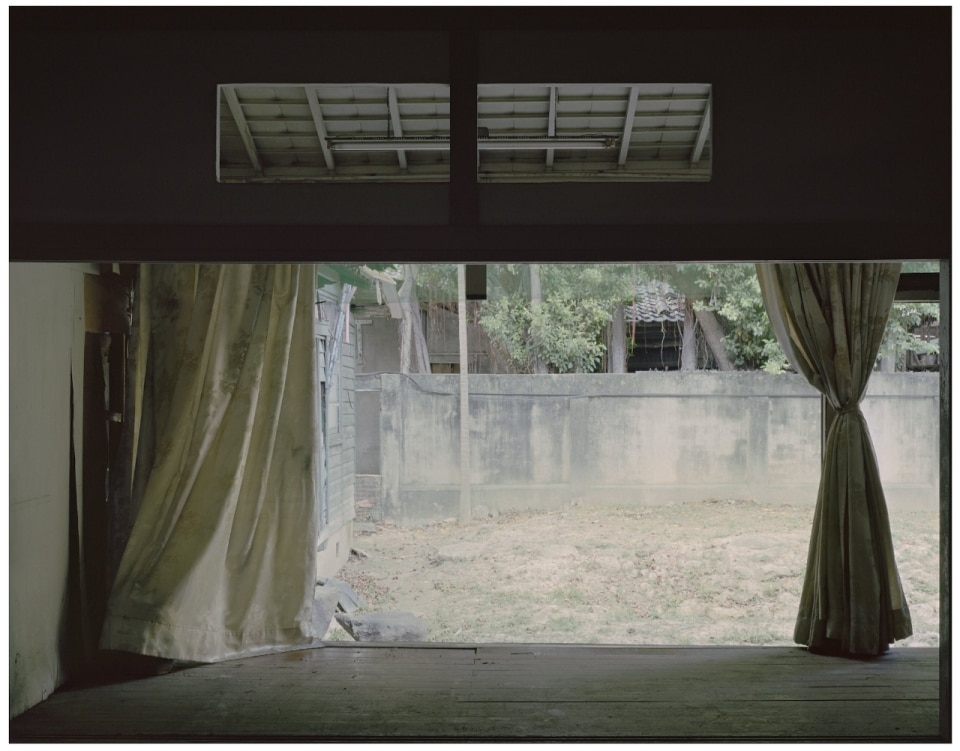


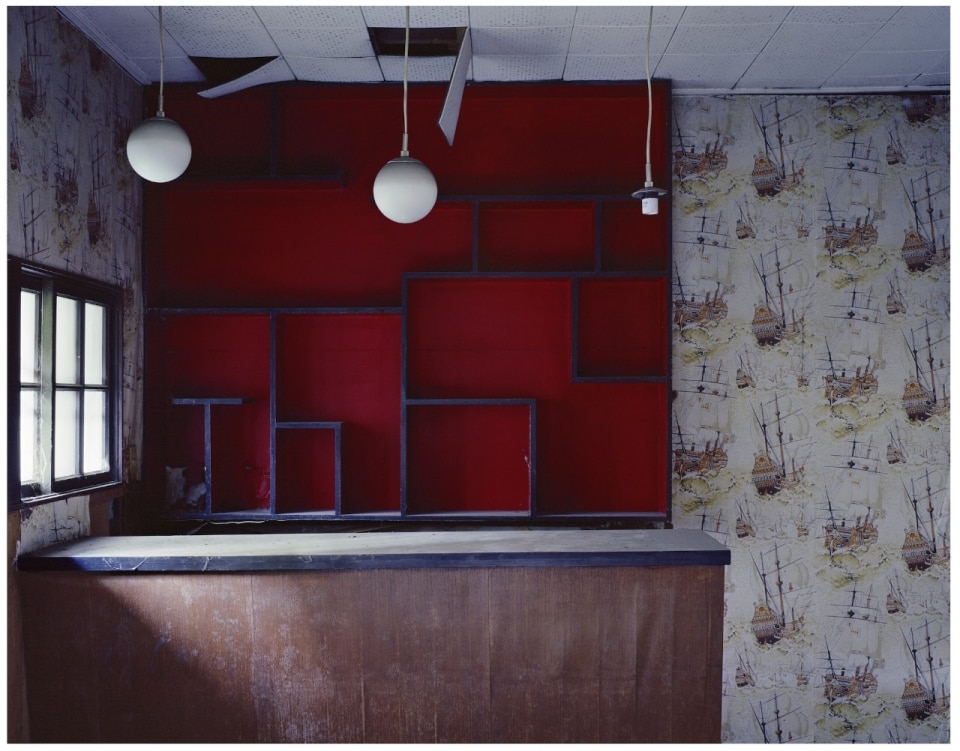
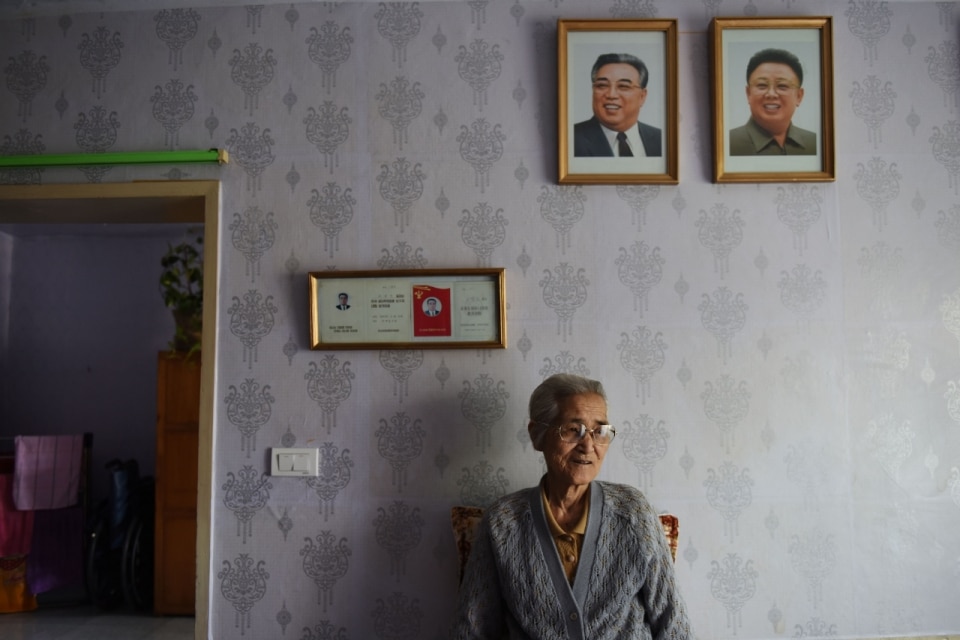
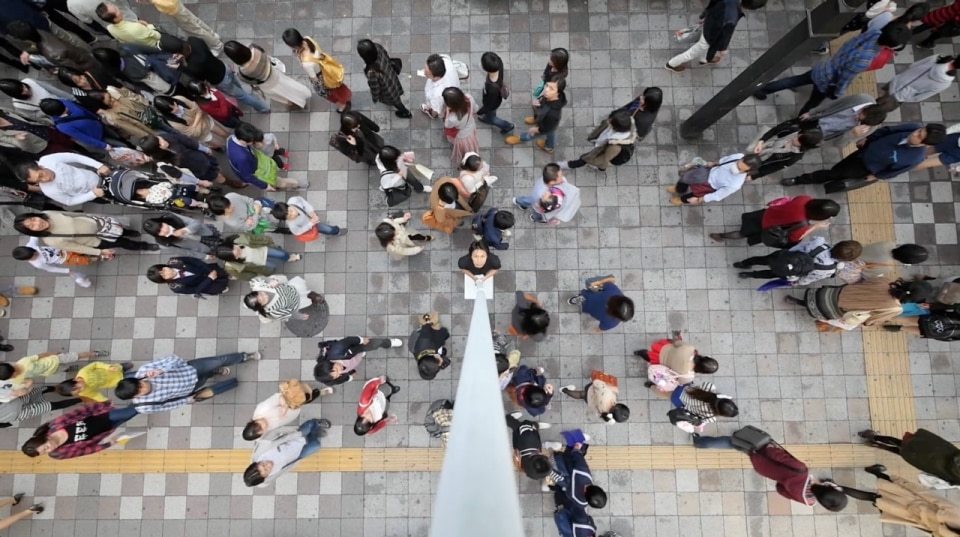
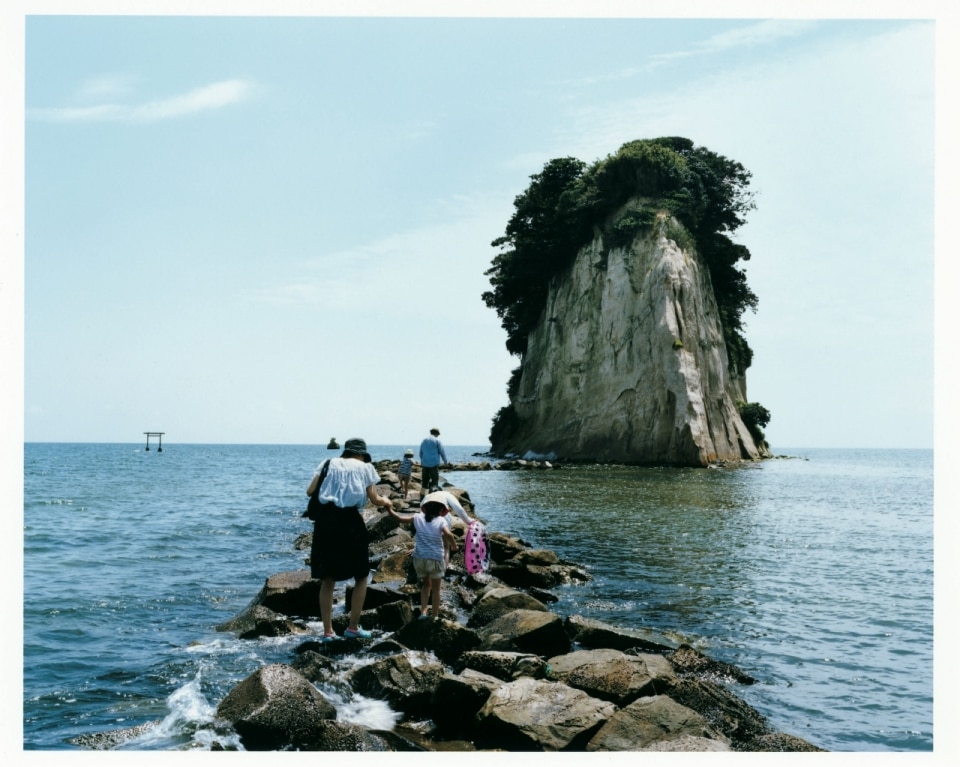
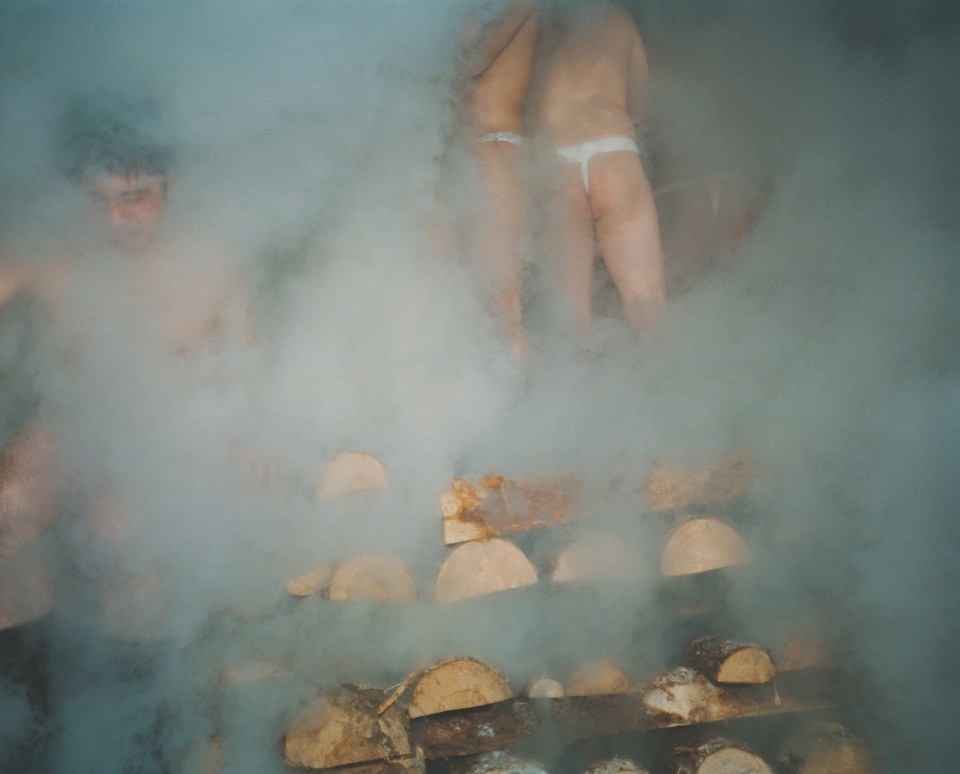
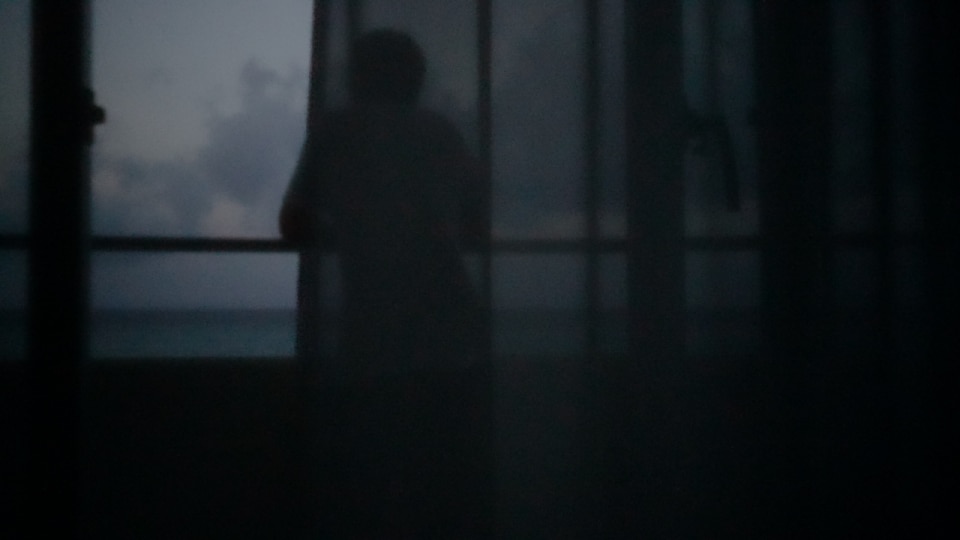
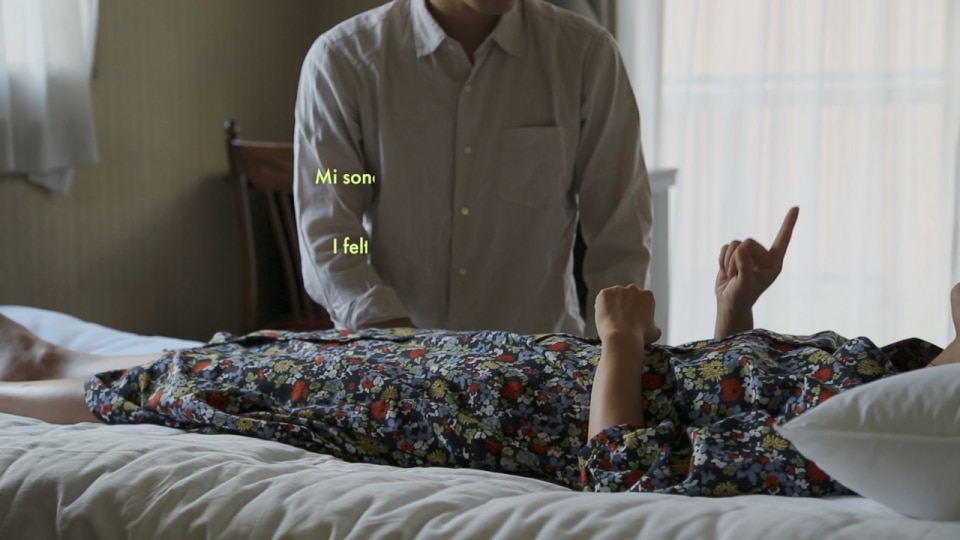
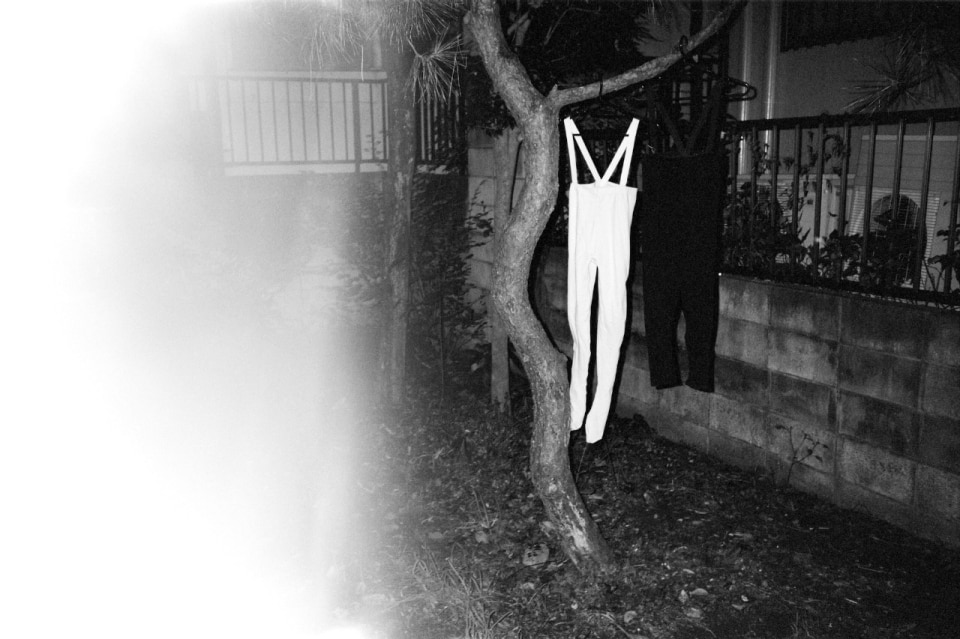
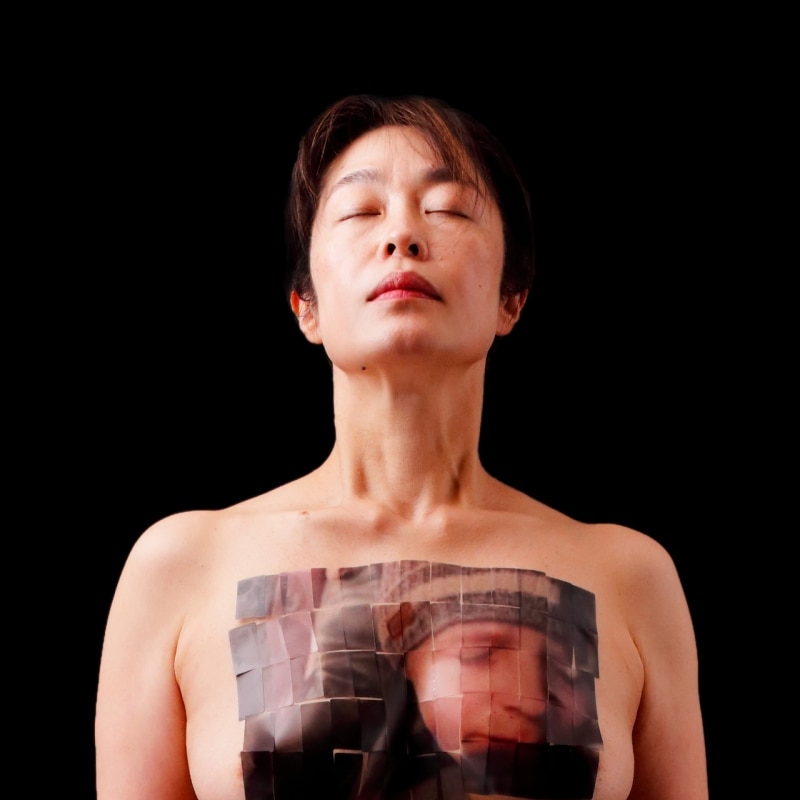
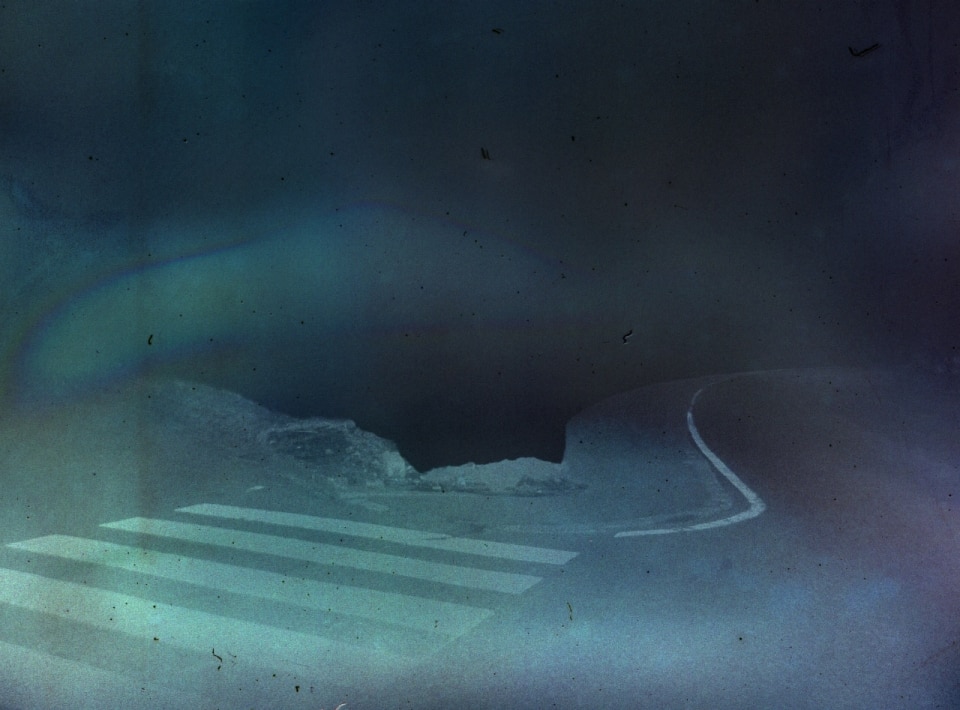
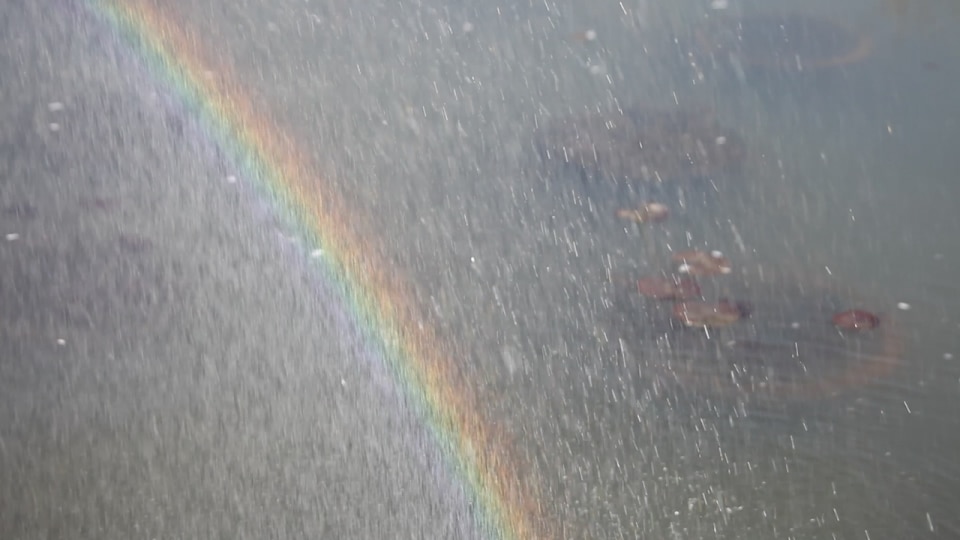
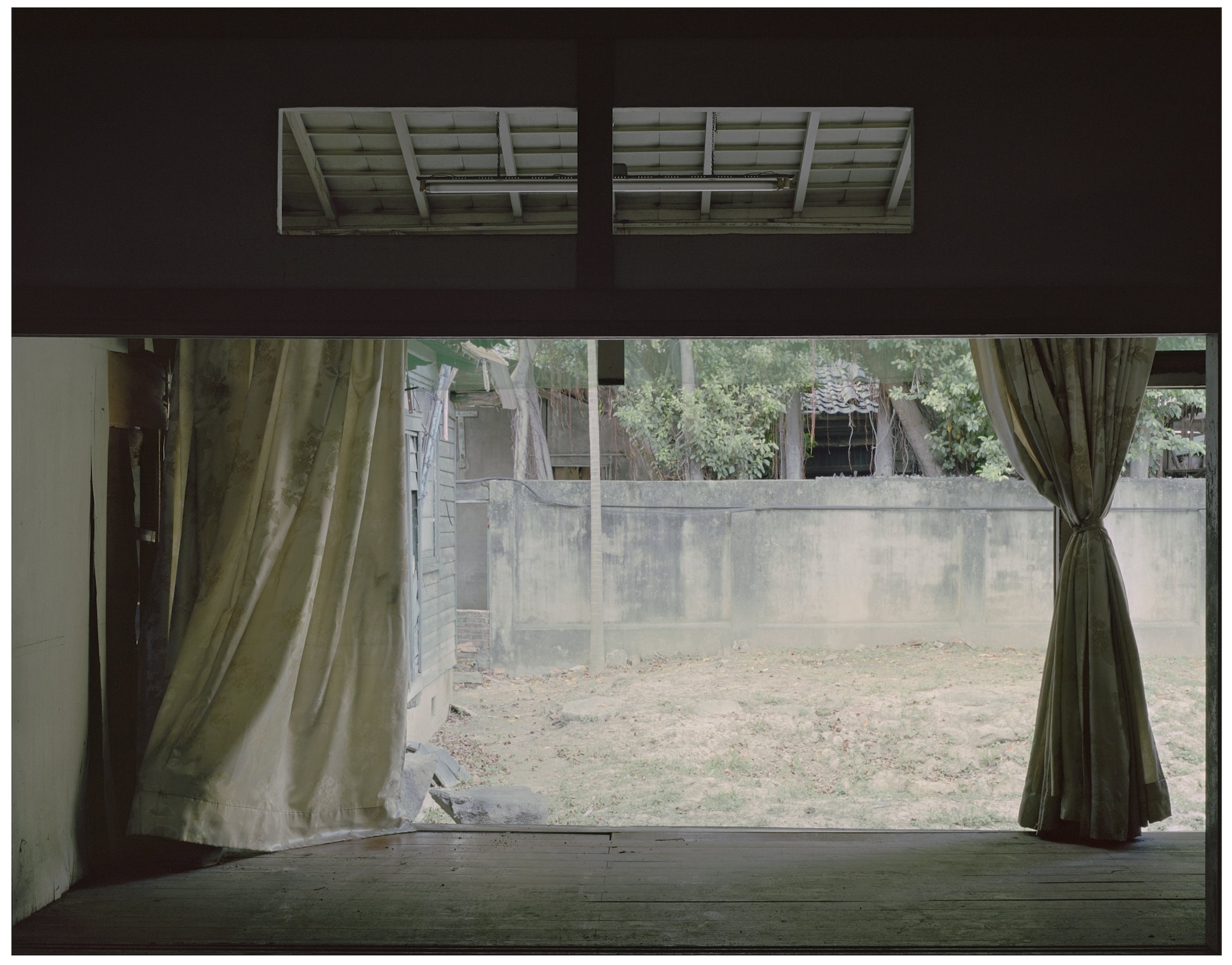
Organized by ERPAC and curated by Filippo Maggia and Guido Comis, the exhibition unfolds as a journey through three sections, traversing contemporary Japanese photography and video, constructing a layered, collective narrative in which memory, the body, and vision become tools to question individual and collective identity, with particular emphasis on the body as a distinctly political medium today.
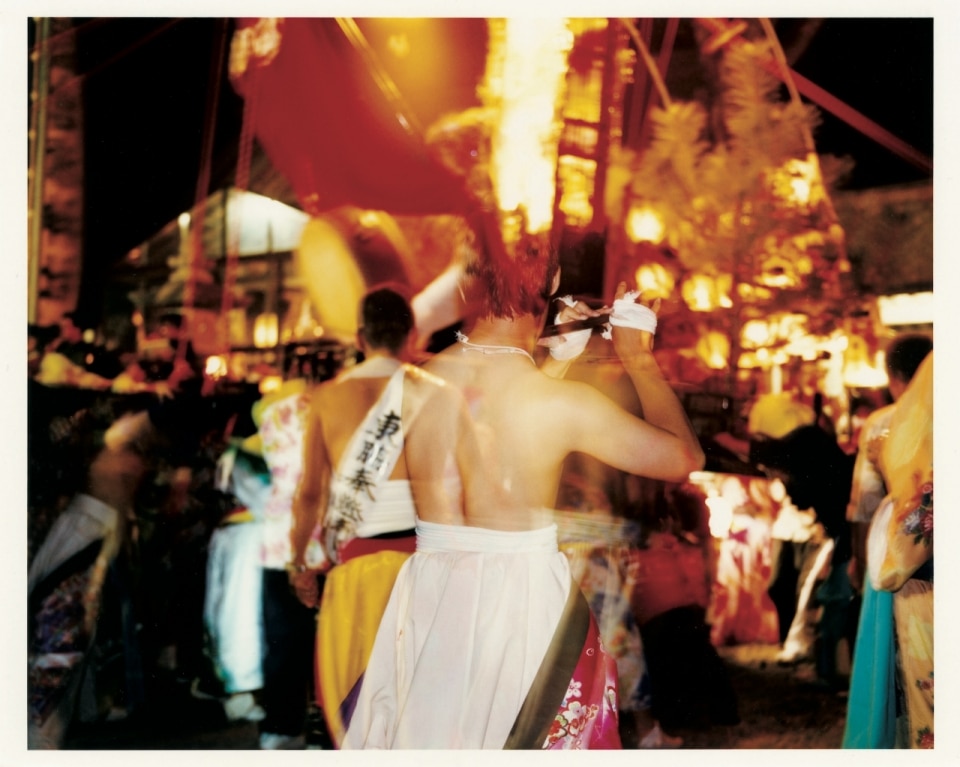
A plurality of perspectives, mirroring reality itself, defines the first core of the exhibition, dedicated to Memory and Identity (Memoria e Identità). Documentary approaches and emotional depth intersect in the works of Noriko Hayashi and Tomoko Yoneda, while Susumu Shimonishi measures time through aerial views and moving images. Together, these practices explore Japanese history across its discontinuities and multiple dimensions. The scale of everyday life runs through the works of Naoki Ishikawa, a former student of Moriyama, who portrays the Okunoto Peninsula as a place still suspended between tradition and marginality, far from urban centers, yet dense with identity. Keijiro Kai engages instead with the dimension of ritual, while Miyagi Futoshi starts from intimate storytelling to illuminate, through his videos, the folds of individual formation and gender identity, shaped by memories, relationships, and personal histories.
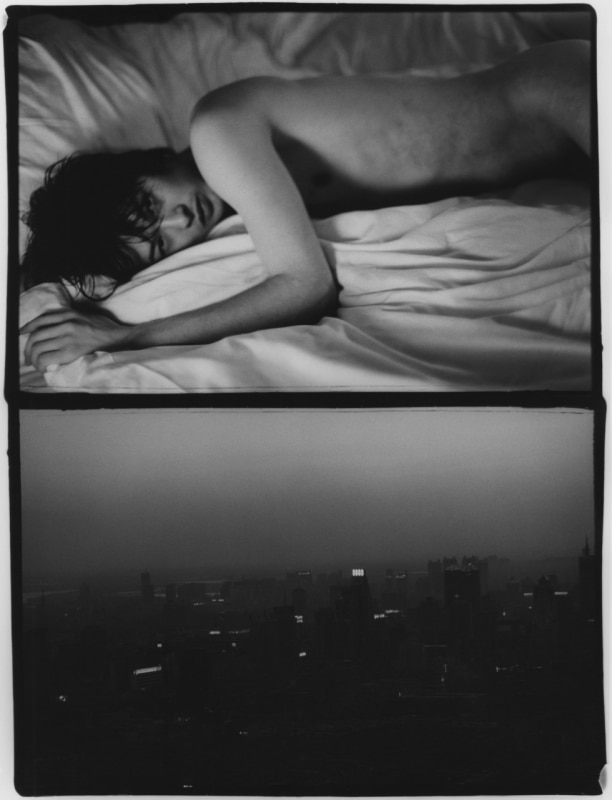
The second section, Corpo e Corpi (Body and Bodies), shifts the focus to the active role of the body as a social and political space, capable of proactive response. This research unfolds through Eastern and Western visual codes, in their distance and occasional incommunicability, as explored by Aya Momose, as well as within the familial sphere investigated by Yurie Nagashima. Ryoko Suzuki directly addresses themes of violence and the social pressure exerted on the female body, while in the male nudes of Sakiko Nomura, long-time assistant to Nobuyoshi Araki, an existential shyness emerges, seemingly filtered through the dispersive rhythm of Tokyo, an immense, impersonal city that amplifies solitude and fragility.
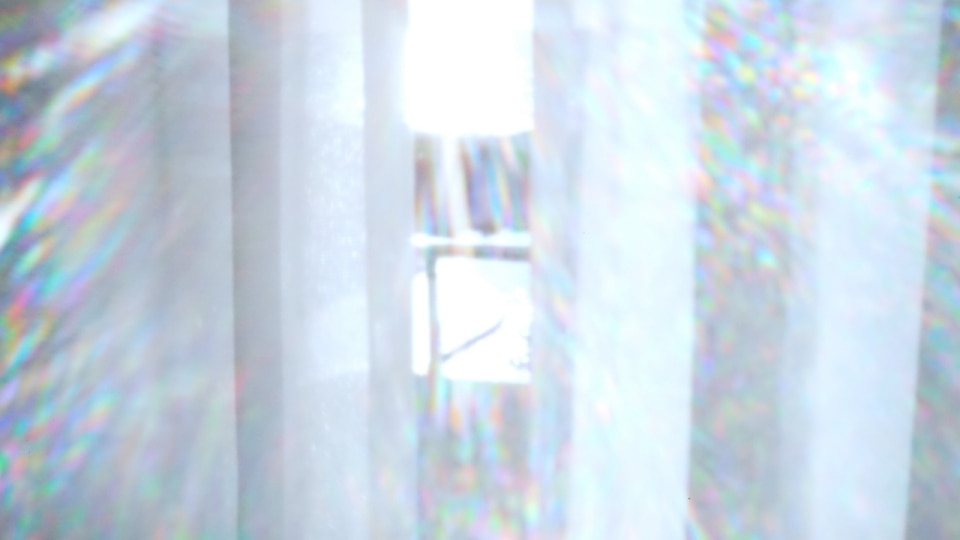
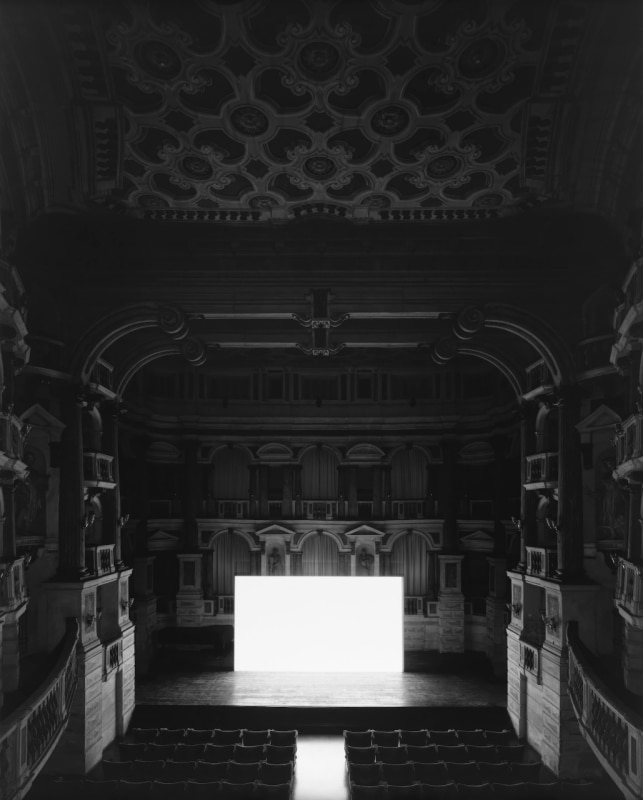
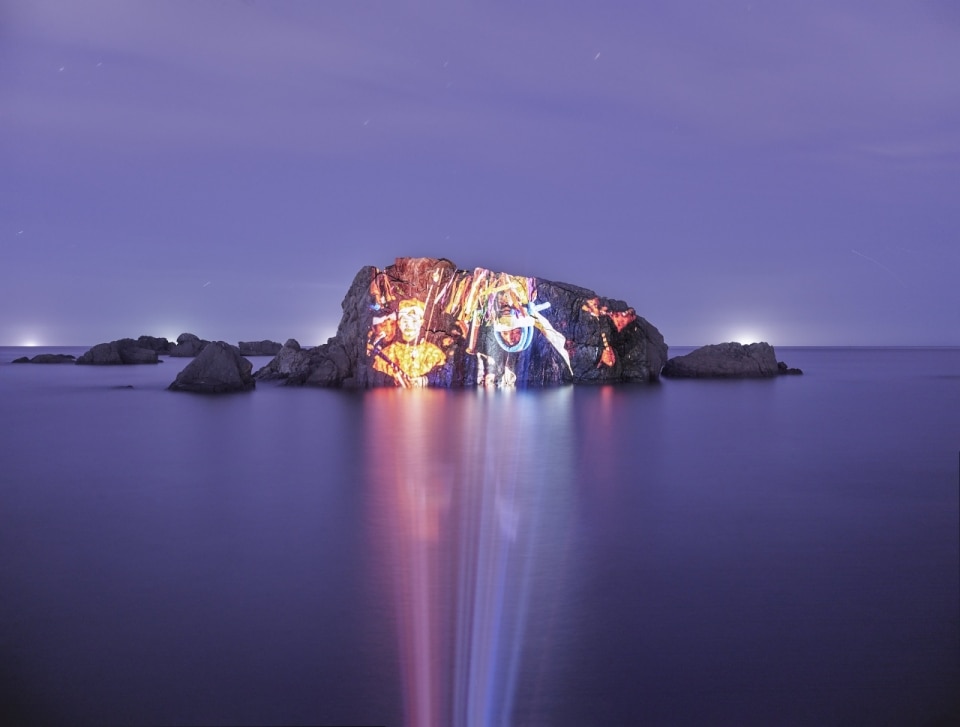
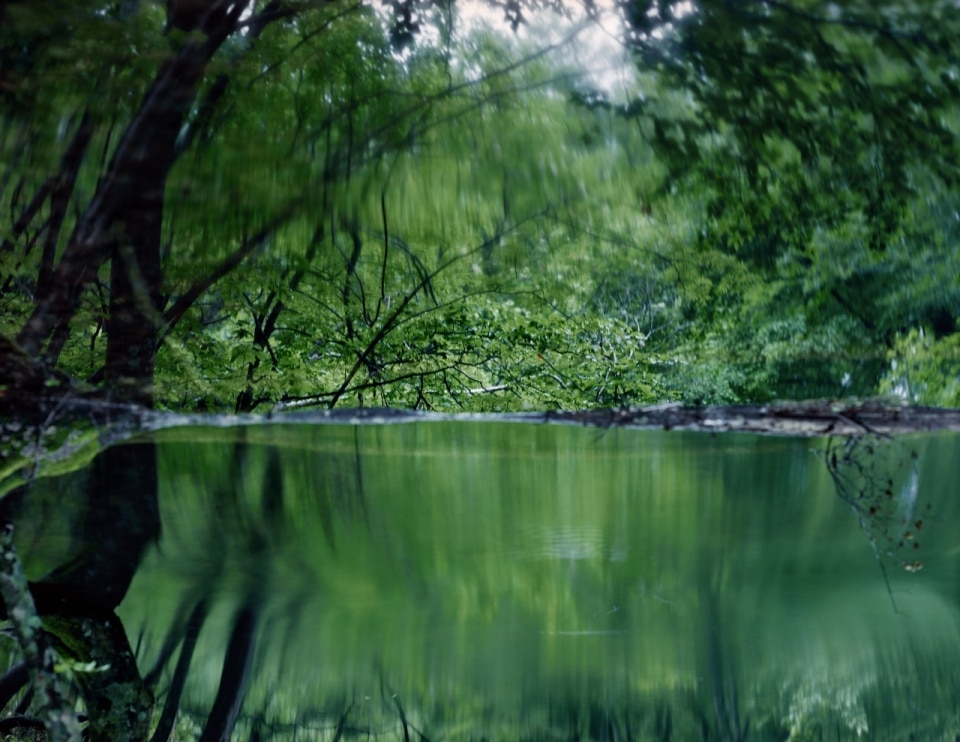
The exhibition concludes with Realtà e Visione (Reality and Vision), where rather than a boundary, a dialogue between the visible and the imaginary is explored. This dialogue unfolds through the meditative attitude of Hiroshi Sugimoto’s images, the luminous narrative scenographies of Tokihiro Sato, the visions of Risaku Suzuki emerging from the forest like suspended paintings, and the unstable evanescence of Daisuke Yokota’s creations. Reality ultimately crosses into the emotional realm in the work of Rinko Kawauchi – where sensations, more than subjects, take shape – while Yoko Asakai closes the exhibition by inviting viewers to move through the screen, transforming the video flow into an immersive experience that dissolves the distinction between images and the gaze they are supposed to come from.
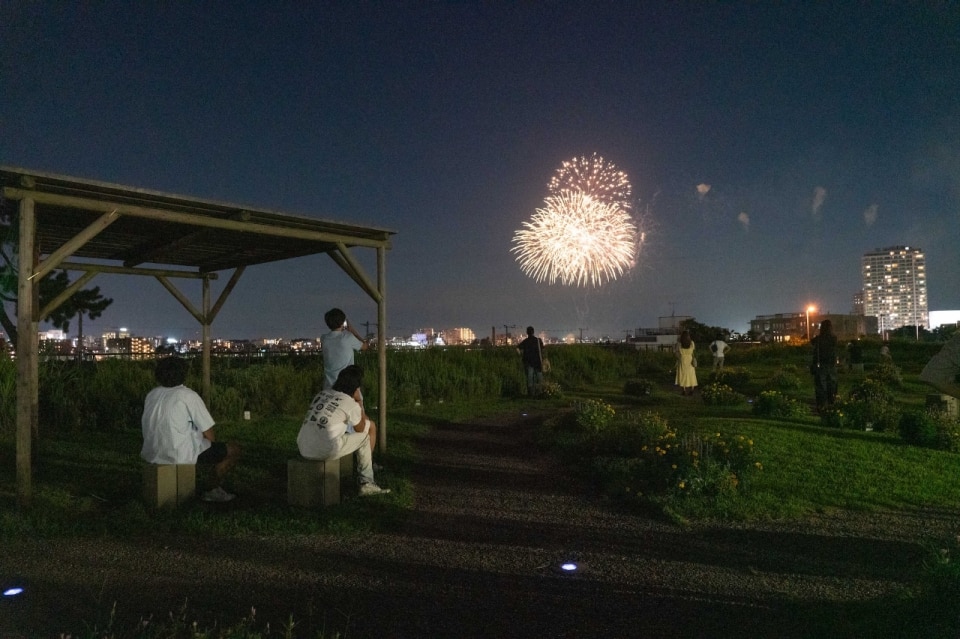
Opening image: Kawauchi Rinko, “Halo” series
- Event:
- exhibition "Japan. Corpi, memorie, visioni"
- Location:
- Magazzino delle Idee - Corso Cavour, 2 - Trieste, Italy
- Opening dates and times:
- February 14 to June 7, 2026; 10 a.m. to 7 p.m., Tuesday through Sunday (special opening on Monday, April 6)
- Artists on show:
- Asakai Yoko, Hayashi Noriko, Ishikawa Naoki, Kai Keijiro, Kawauchi Rinko, Momose Aya, Nagashima Yurie, Nomura Sakiko, Shimonishi Susumu, Sato Tokihiro, Sugimoto Hiroshi, Suzuki Risaku, Suzuki Ryoko, Tomoko Yoneda, Miyagi Futoshi, Yokota Daisuke
- Organizing institution:
- ERPAC
- Web site:
- www.magazzinodelleidee.com